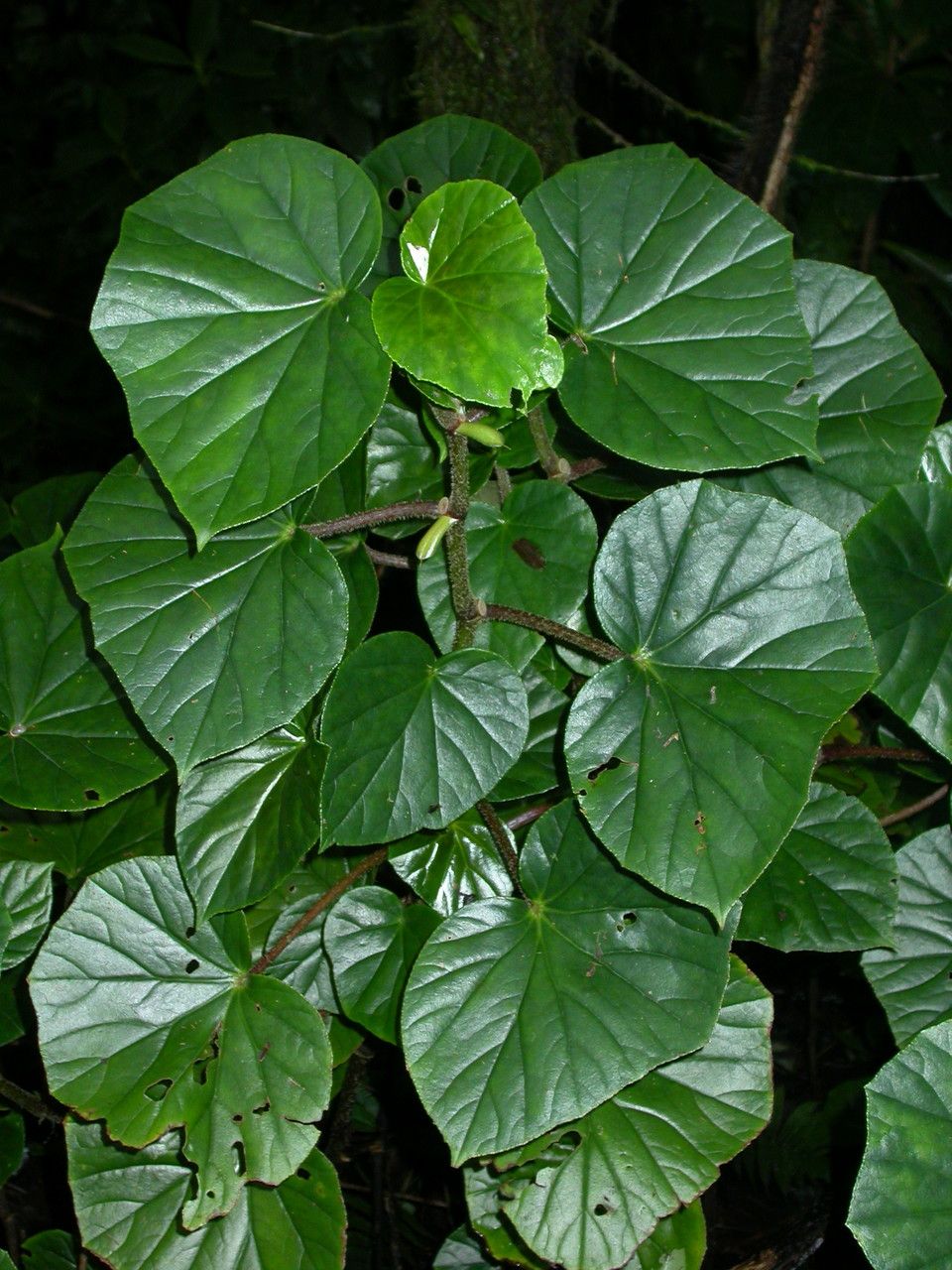
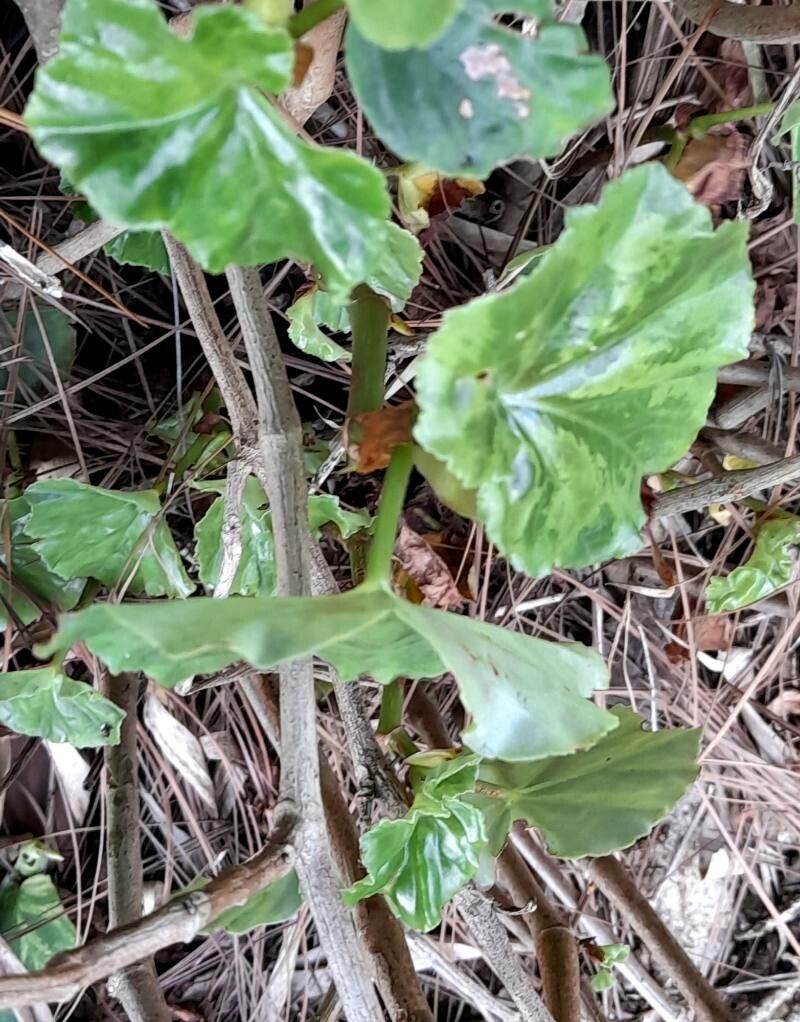
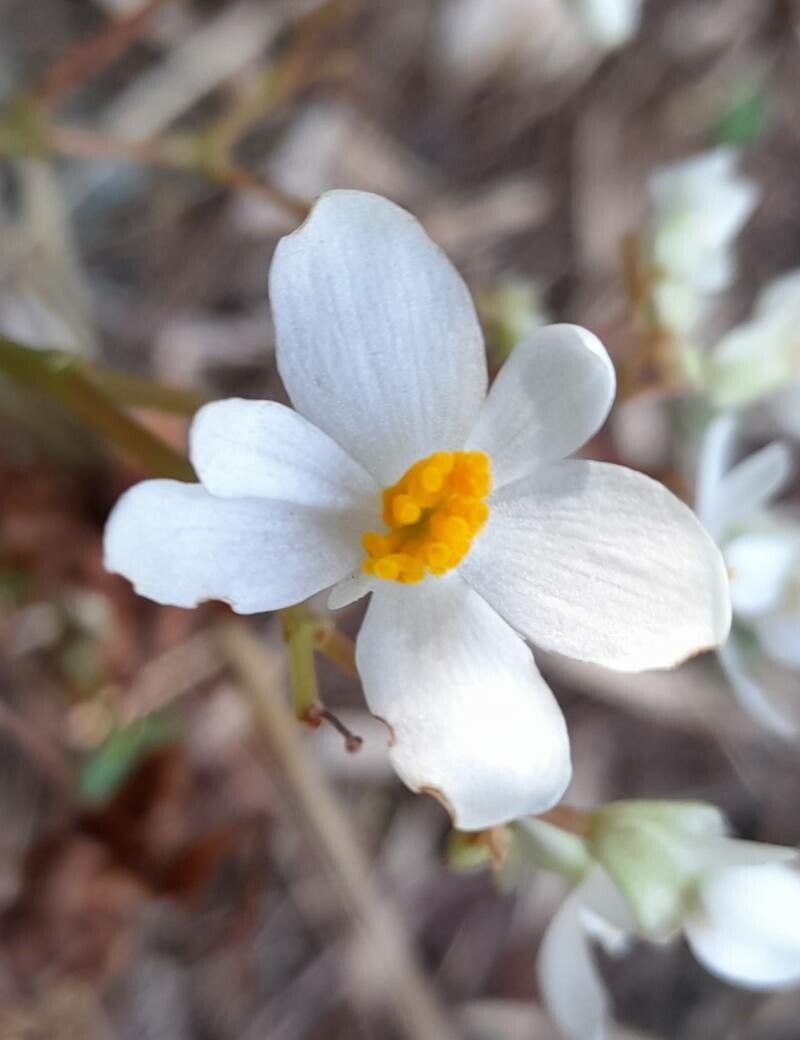
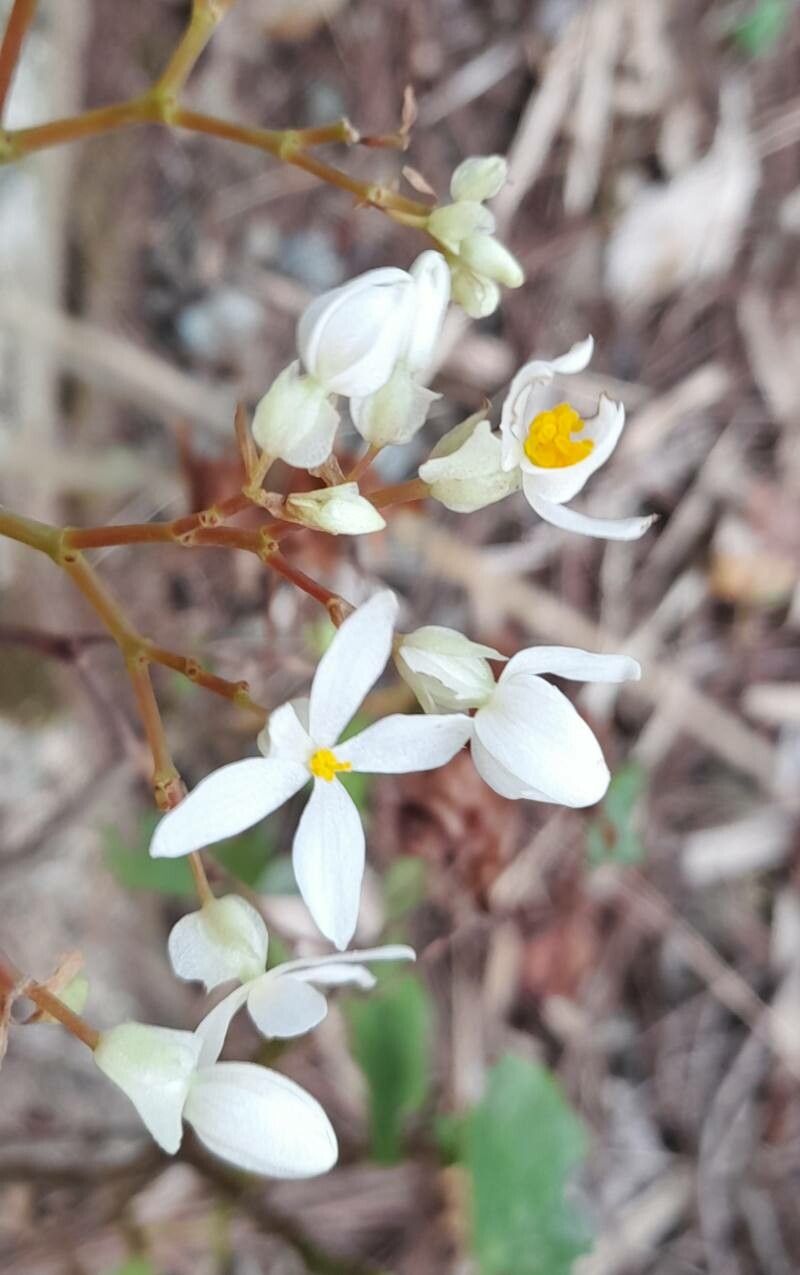
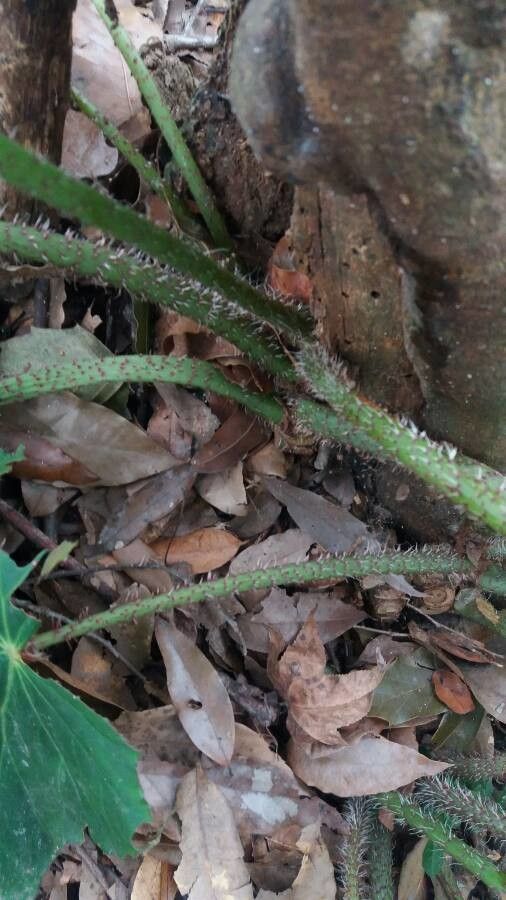
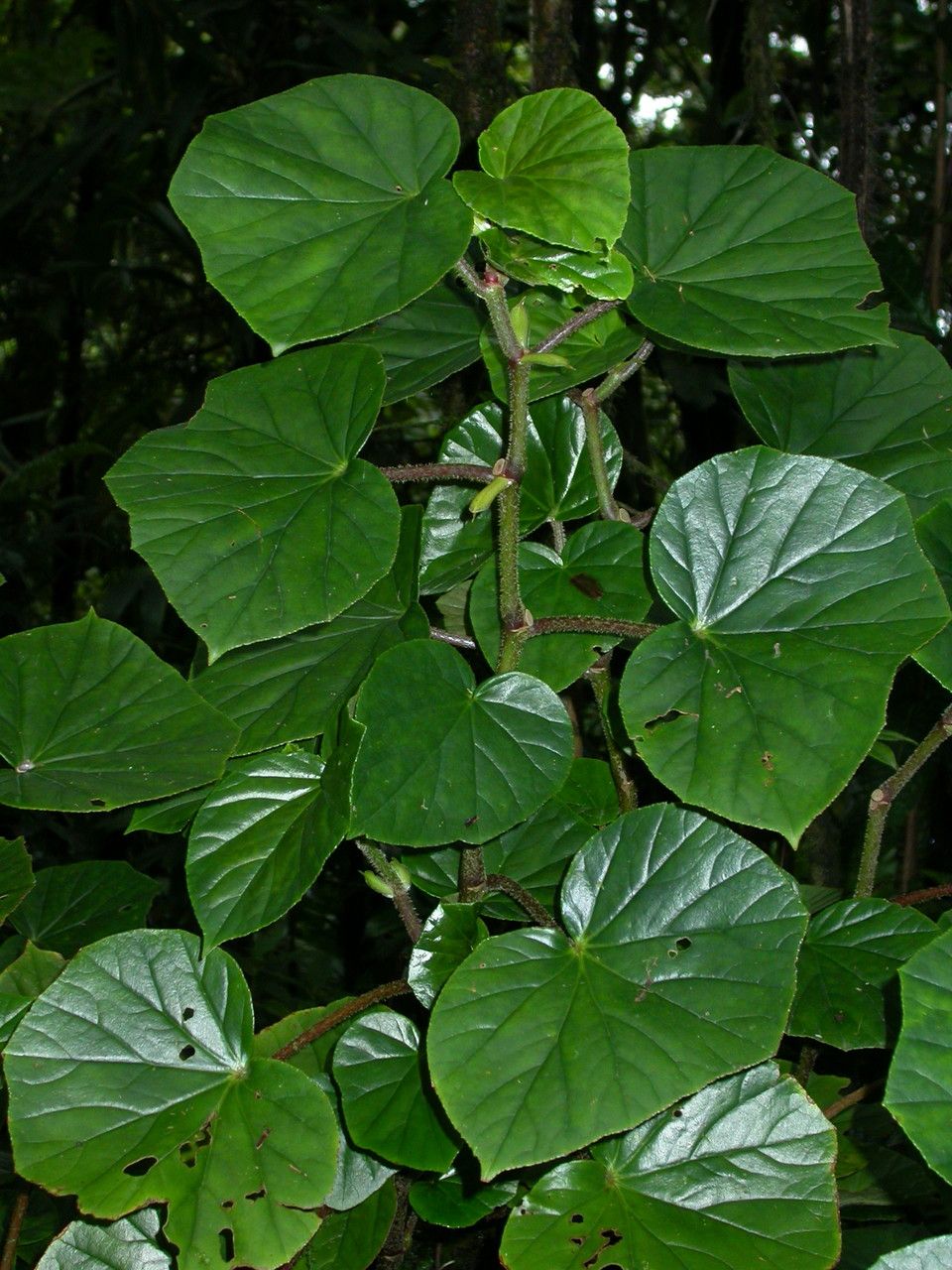
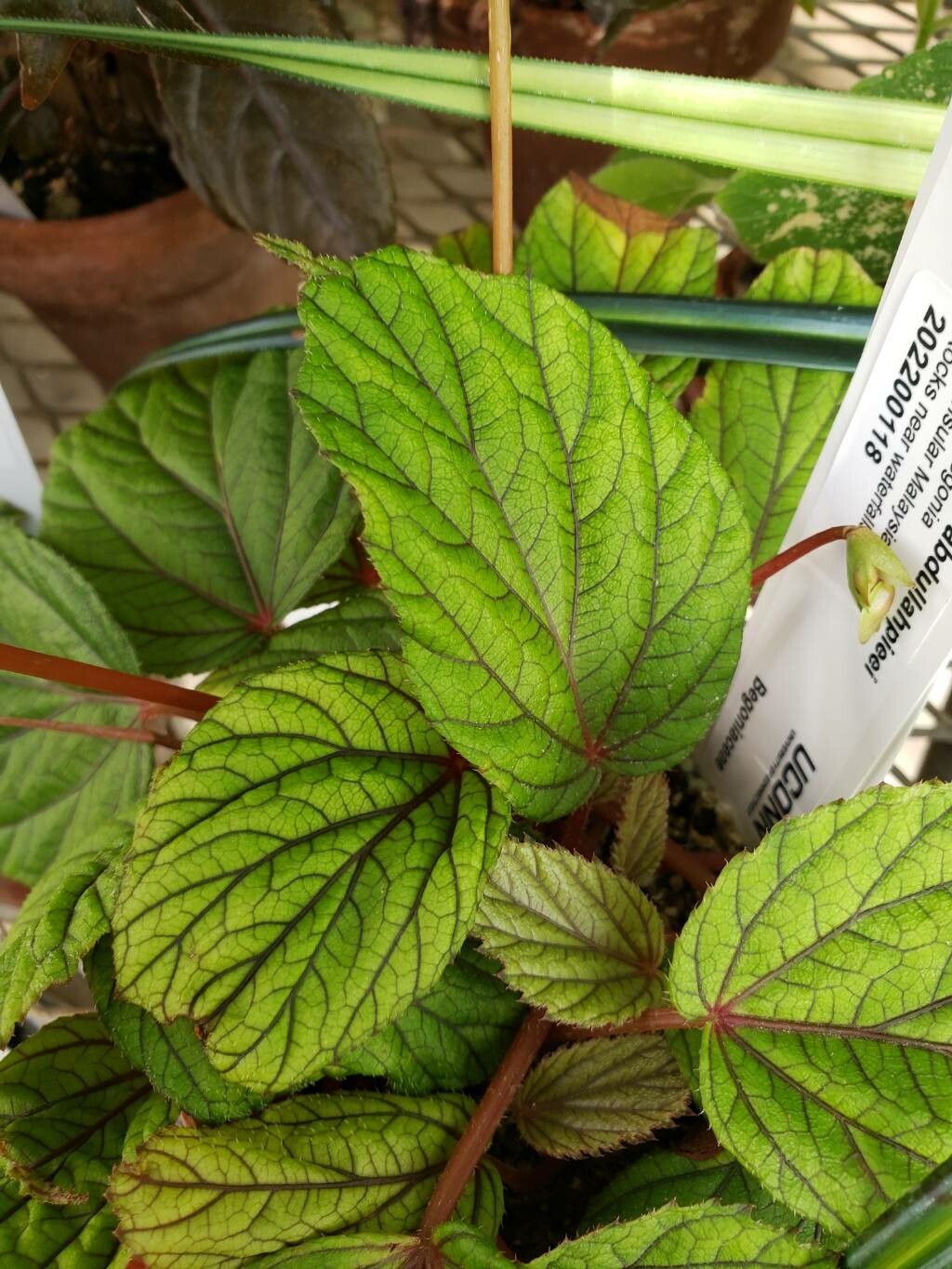
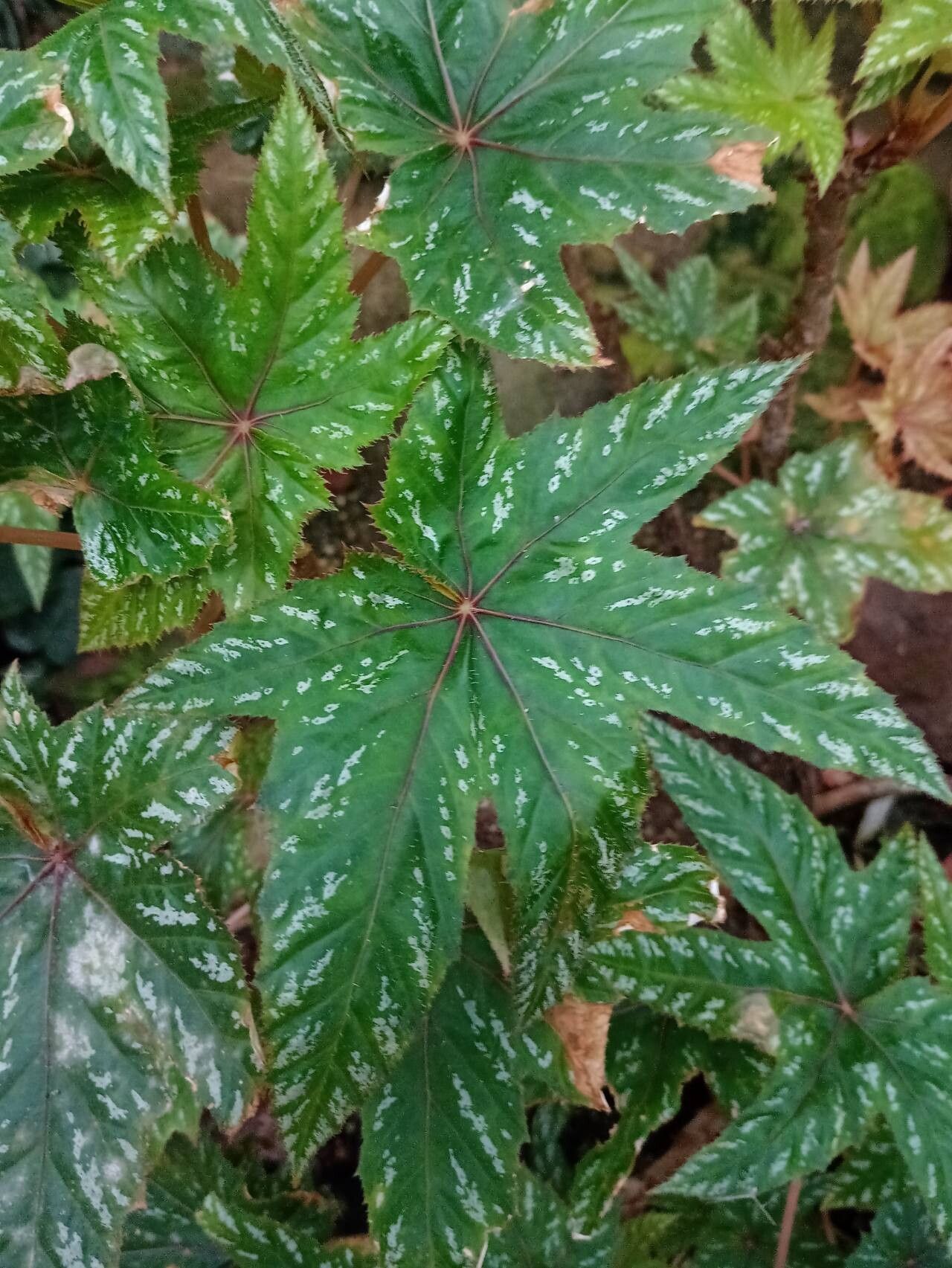
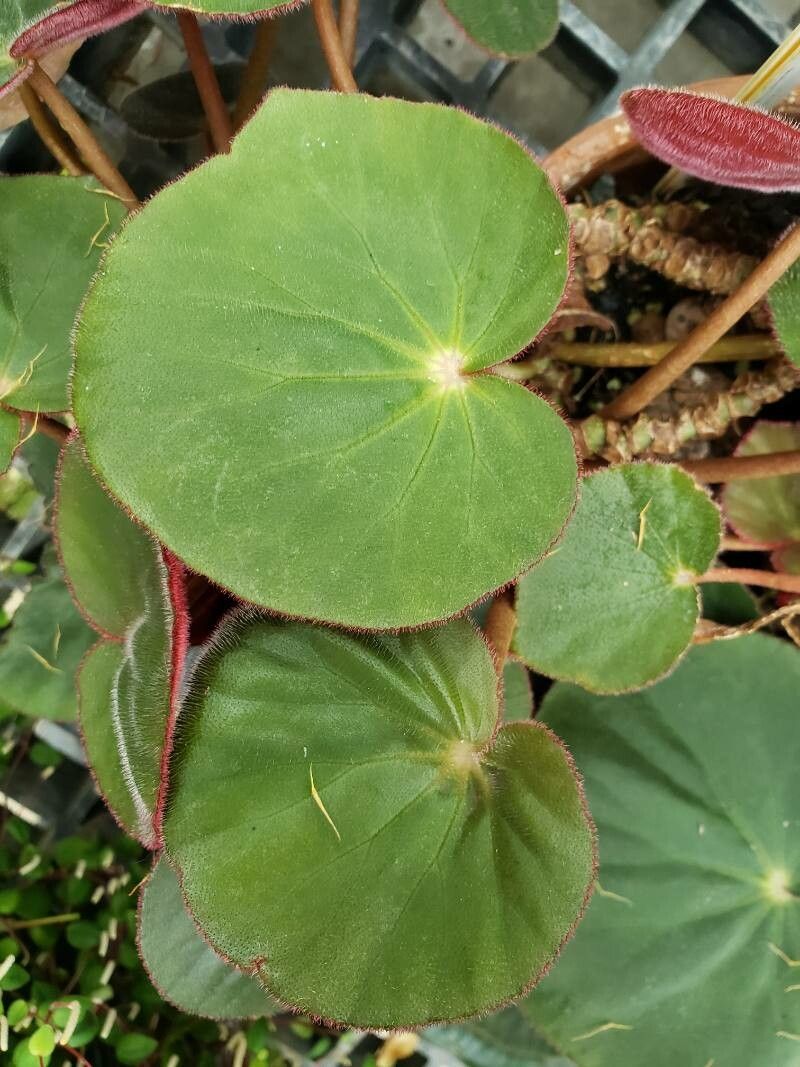
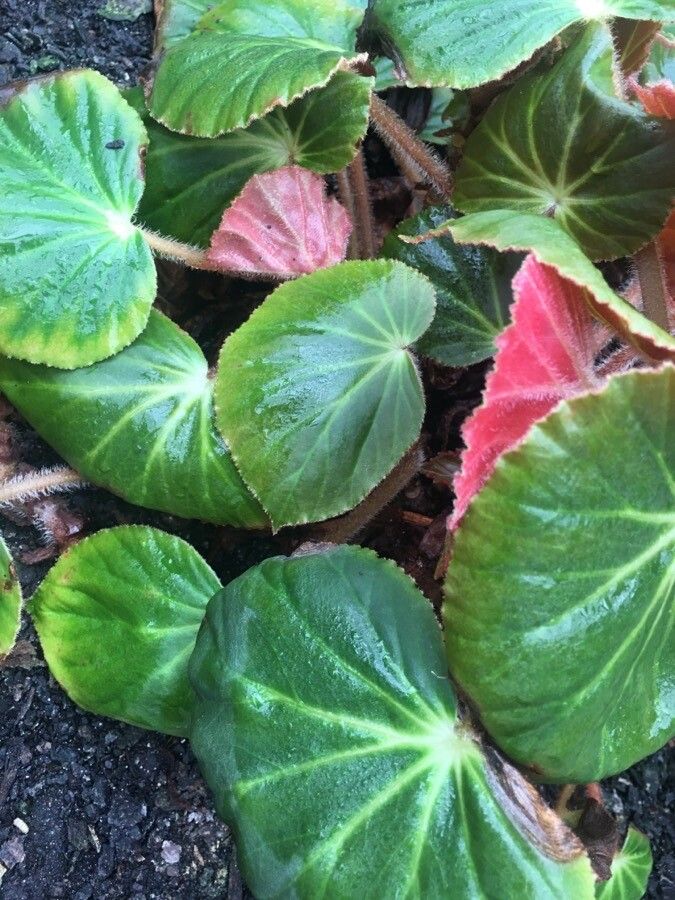
Begonia obliqua is the type species of the genus Begonia and the species to which Plumier first gave the name Begonia. It is native to Martinique, Dominica, and Guadeloupe. The name has been misapplied to Begonia grandis by Thunberg, to Begonia minor by L'Héritier, and to Begonia fischeri by Vellozo.
Begonia is generally resistant to disease and is usually not prone to illnesses. However, it can be susceptible to leaf spots when light and ventilation are inadequate and watering is excessive. The plant is considered easy to care for, as it mainly needs regular watering and little else. Begonia is suitable for people who don't have the time and energy to devote to regular care.
How to keep Begonia Obliqua.
Light
Begonia is indigenous to habitats like forest understories and rocky locations, where it grows in natural shade. It prefers partial sun but can tolerate full sun or complete shade, showing its adaptable, hardy character.
Water
Begonias thrive in humid environments with consistent moisture and require weekly watering to maintain this balance. Although they can tolerate drought, they prefer stable humidity. To promote growth and healthy foliage when grown indoors, regular misting is beneficial as it mimics their native tropical habitat for optimal care.
Temperature
Begonia comes from tropical areas, where the climate is typically warm and humid. As a result, it is well suited to high temperatures and humidity. It does not tolerate sudden changes in temperature and prefers a stable thermal environment, so avoiding temperature fluctuations indoors is important. It usually cannot withstand cold conditions and needs higher temperatures to grow. If the ambient temperature falls too low, the plant may stop growing or even die.
Fertilizer
Proper fertilization is essential for Begonia's health and appearance. Fertilize Begonia in summer, repeating the application monthly throughout the season. Nutrients fuel growth and help maintain the plant's components. Fertilization improves Begonia's flower display, ensuring the best blooms.
Pruning
Begonias are known for their vibrant foliage and thrive in well-drained soil. To maintain their health and encourage bushier growth, it's best to prune them from early to late spring. This timing aligns with their active growth phase, helping the plants recover quickly. Pruning also reduces the risk of disease and improves the plant's overall health and appearance.
Pot & Repot
When repotting Begonia, select a pot 1–2 inches (2.5–5.1 cm) larger that provides ample drainage. Use a well-draining potting mix. Repot in spring or fall, making sure the root ball is slightly lower than the rim of the flower pot. Water thoroughly after repotting and place in a warm spot with indirect sunlight.
Botanical profile.
- Plant Type
- Herb
- Life Cycle
- Perennial
- Genus
- Begonia
- Family
- Begoniaceae
- Hardiness Zone
- 10-12
- Mature Height
- 30 cm to 61 cm
- Mature Spread
- 30 cm to 46 cm
- Leaf Color
- Green, Blue
- Leaf Type
- Evergreen
- Flower Color
- Pink, White
- Flower Size
- 2.03 cm to 4.06 cm
- Bloom Time
- All year round
- Planting Time
- Spring, Summer, Autumn
- Harvest Time
- All year round
Other names.
Reader questions.
What should I do if I give too much or too little water to my Begonia?
To determine if your plant is being overwatered, carefully observe it for the following signs: a. The leaves may appear yellow and develop yellow-brown patches at the tips. b. In severe cases, the leaves may droop and curl, indicating root rot and difficulty in absorbing more water. If you have an indoor Begonia, overwatering can be a common issue because it is intolerant to standing water. It is best to notice the signs early and stop watering. Allow the soil to dry out for 3-5 days. If root rot is present, take immediate action by removing the plant from its pot or ground. Wash off the roots, discarding any dead or decaying ones while preserving as much healthy root as possible. Clean out the pot and replace the old soil with new soil. If planting in the garden, relocate the plant to a new area with fresh soil. While overwatering is a concern, underwatering is also detrimental to Begonias. These plants are sensitive to drought and need consistent watering. Signs of underwatering include curled, pendulous, lifeless leaves, yellowing from the bottom, and browning edges. To address underwatering, increase the frequency of watering. In case the plant dries out quickly, consider increasing the humidity or moving it to a different location with less sunlight and heat to prevent excess evaporation.
What are the sunlight requirements for Begonia obliqua?
Begonia obliqua requires varying amounts of sunlight based on its placement. For optimal growth, it needs partial sun, which entails about 3-6 hours of sunlight per day. However, it can also thrive in full shade conditions, defined as receiving less than 3 hours of sunlight per day. It's crucial to observe the way sunlight moves through your garden throughout the day to select spots that offer the ideal mix of light and shade, ensuring the plant's well-being. This careful selection aids in accommodating the plant's needs while encouraging health and vitality.
How frequently should I water my Begonia plant?
To water your plant, aim for once per week in spring. However, in summer, increase watering frequency compared to spring, and decrease it in winter. Keep in mind that the timing may vary based on factors like humidity, temperature, and soil type. To determine the right watering schedule for your Begonia, regularly check the soil condition using your finger or a Soil Moisture Meter. Keep the soil moist but not soggy. Water the plant when the top 1.5-2 inches of soil has dried out, and adjust the schedule based on testing. Potted plants are more susceptible to overwatering, so use a pot with proper drainage holes and well-draining soil. Ensure there is no excess water in the tray before watering. If your Begonia is in the ground, rain will help its growth. Aim for about 1 inch of rain per week, and if rainfall is insufficient, provide additional watering once a week. Humidity also affects watering needs. While the plant can tolerate normal room humidity, higher humidity (around 40 to 60 percent) is preferable. Increased humidity keeps the soil moist for longer. For indoor plants, use a small humidifier nearby. For outdoor plants, mist them throughout the day.
How do I water my Begonia correctly?
To supply your Begonia with water, there are several options you can choose from. If your Begonia is planted in a small indoor pot, you can easily bring it to your kitchen sink and use the faucet to water it. You'll know you've added enough water when you see it start to drain out of the pot's holes. Just be mindful not to water your Begonia with cold water during winter or in cold climates, as this can harm its roots. If your tap water has a high amount of fluorine, chlorine, or salts, it's best to use rainwater or lake water instead. Begonias also respond well to overhead watering or watering directly into the soil, so you can use a watering can, hose, or any other watering tool that you prefer. For Begonias planted in the ground, if there isn't enough rain, you can aim the hose at the root system and keep it open for more than 10 minutes to ensure thorough watering. It's important to consider the water quality for your Begonia, as they prefer soft, acidic water. If you live in an area with hard water, you can use a home water filter to remove minerals and salts. To eliminate chemicals, you can let your tap water sit for 24 hours or purchase filtered water specifically for your plants. Ideally, the water for your Begonia should have a pH level of 6.5. If possible, storing rainwater when it's raining is a great alternative to tap water.
When is the best time to water my Begonia plant?
Begonias prefer humid conditions to keep the plants moist, but it's important to prevent the soil from becoming too soggy, which can lead to root rot. To ensure proper watering, wait until the top 1.5-2 inches of soil has dried out before watering again. The depth of testing depends on the soil depth, with recommended testing of about 1.5 inches (one-third of the soil depth) for around 5 inches of soil and more for larger pots. If you have a Soil Moisture Meter, insert it into the same position and water when the reading is around 3. If the reading is still higher than 3, wait until it dries out more before watering. Following these guidelines will help prevent overwatering your plants.