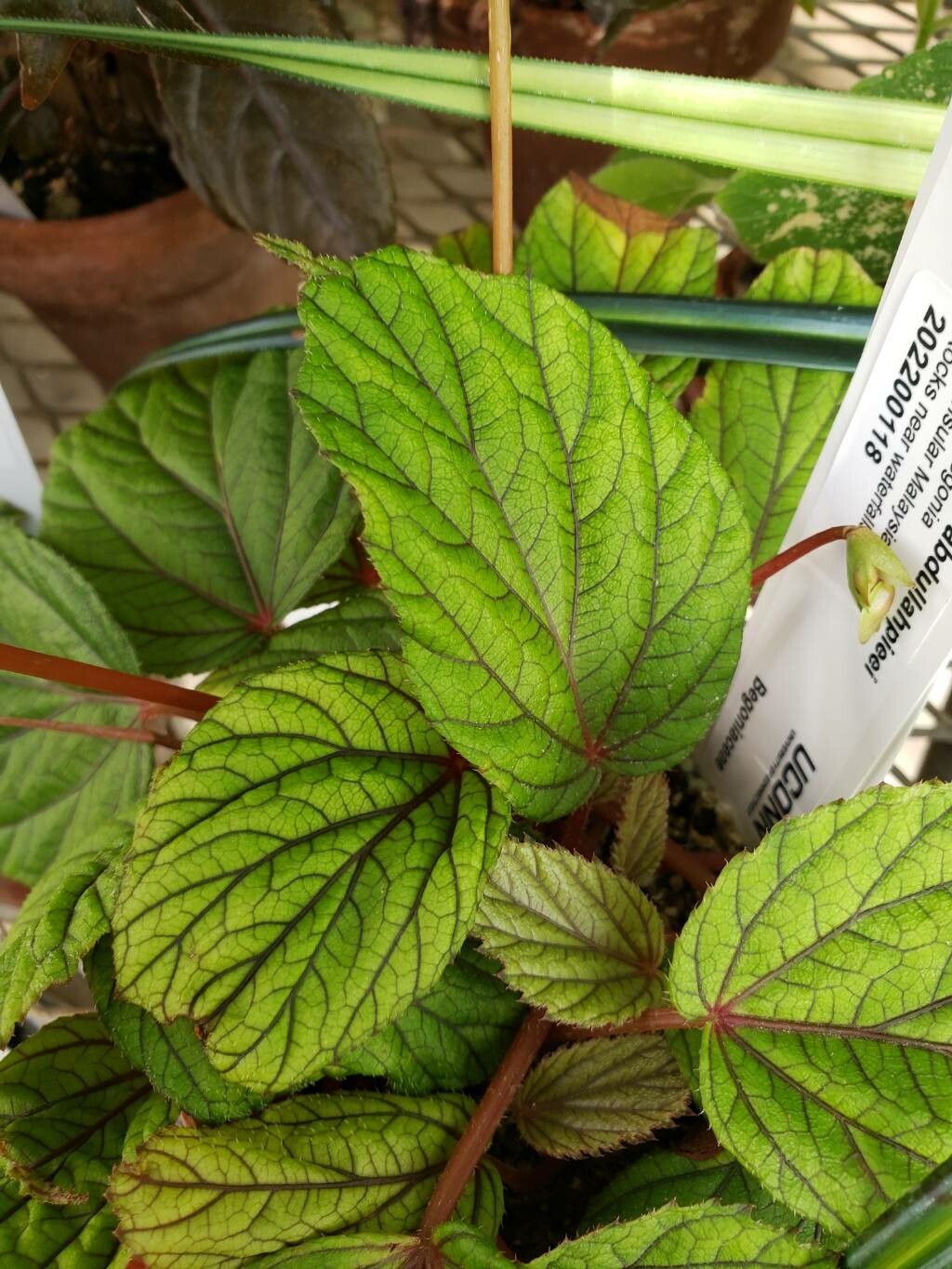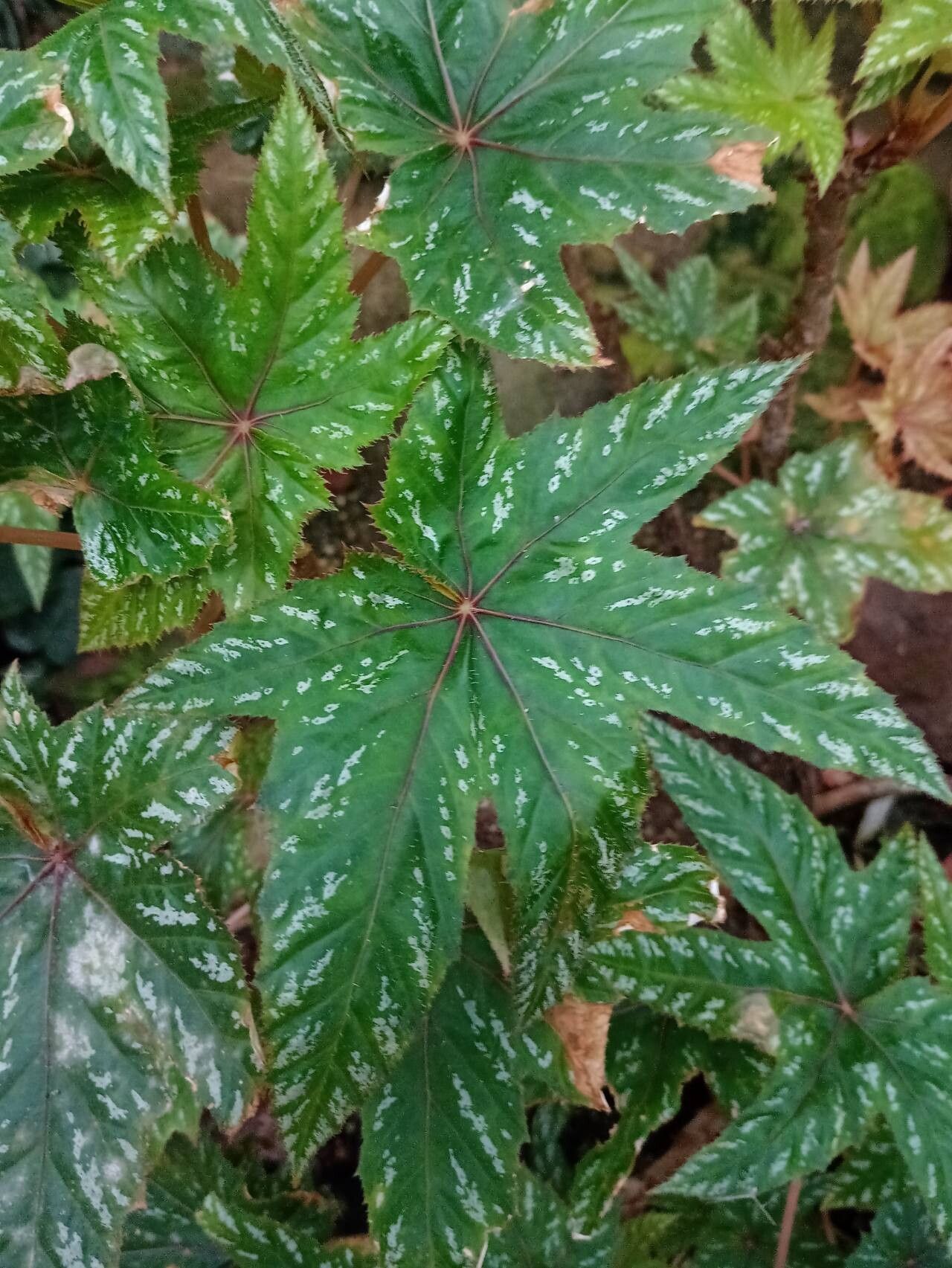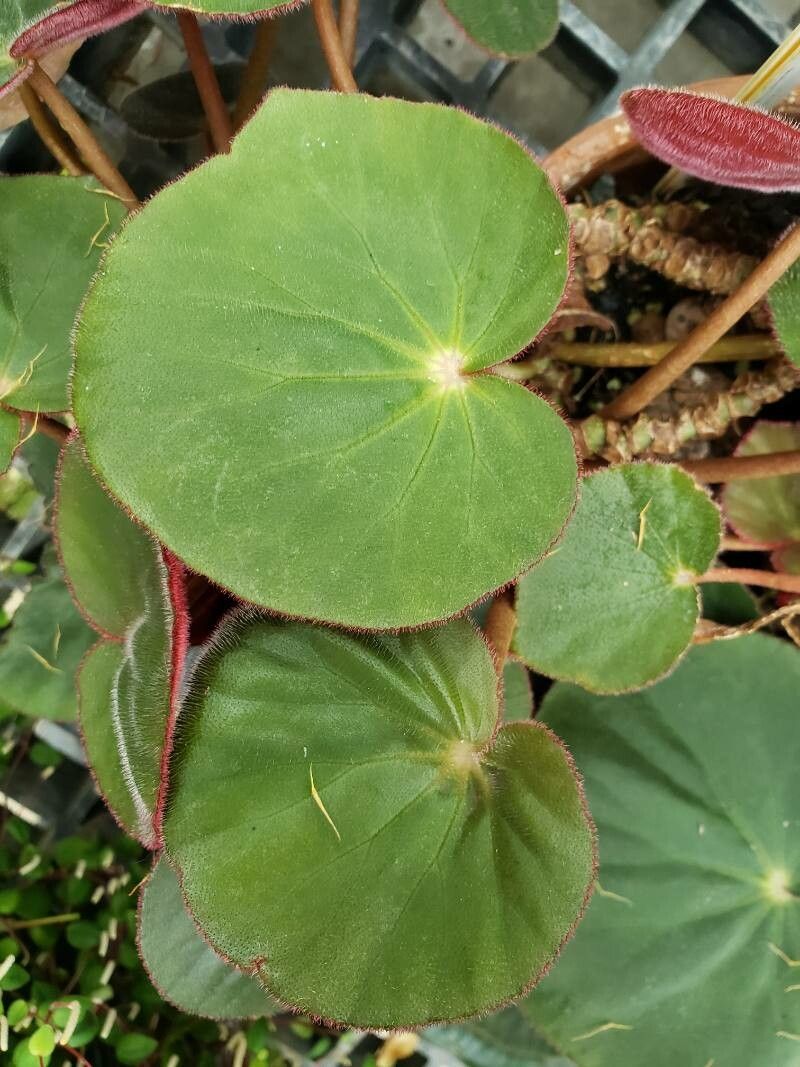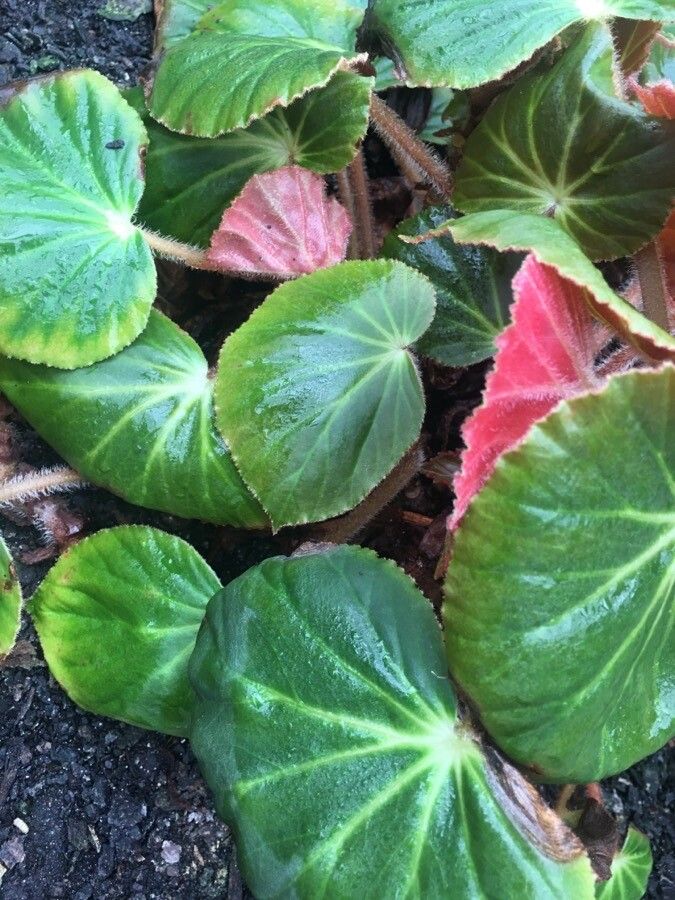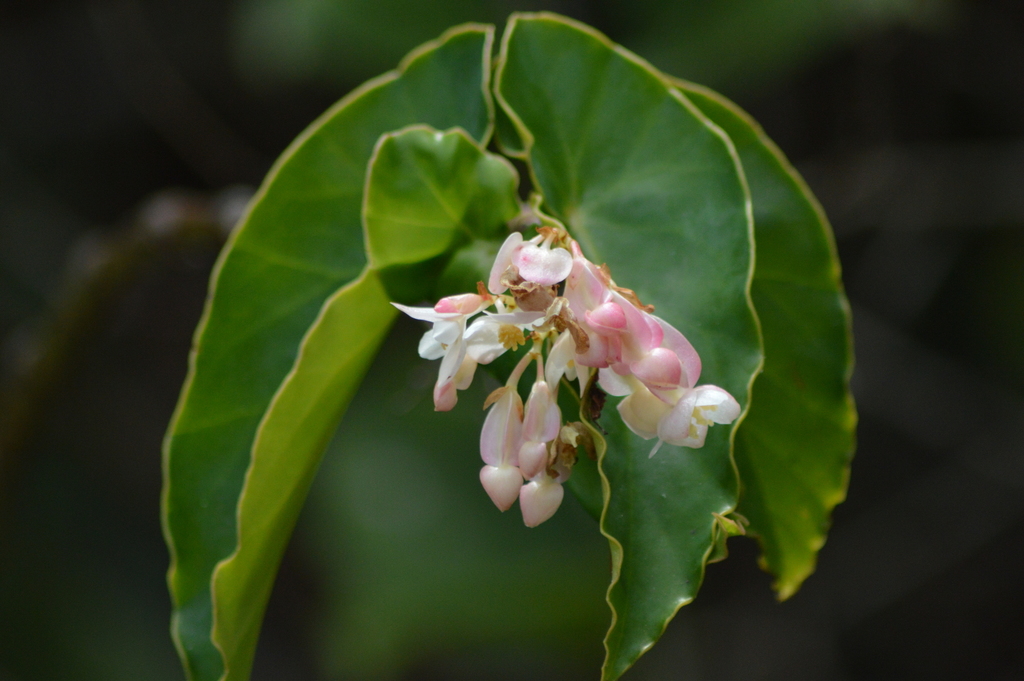
The Begonia Maculata, commonly known as the Polka Dot Begonia, is a popular houseplant native to Brazil. It belongs to the Begoniaceae family and is known for its striking foliage, featuring large, asymmetrical leaves adorned with silver spots on a dark green background. The leaves are slightly hairy and have red undersides, adding to their visual appeal.
This plant thrives in bright, indirect light and well-draining soil. It requires moderate watering, with the soil needing to dry out slightly between waterings to prevent root rot from overwatering.
Given enough space, the Begonia Maculata can grow to a height and width of 2-3 feet. It can be easily propagated through stem cuttings or by dividing the root ball.
According to legend, a girl named Polka Dot Begonia sacrificed her life to save her father, dying under the paws of hungry wolves. When the villagers carried her back to the village, her blood marked a trail along the way. Eventually, vibrant red mountain flowers bloomed where her blood had been spilled, and the villagers named these flowers in her honor. FUN FACT · FROM THE LIBRARY
In addition to its aesthetic appeal, this plant also possesses air-purifying properties, making it an excellent choice for any indoor space. However, it's important to note that the Begonia Maculata can be toxic if ingested by pets or humans in large quantities.
Overall, the Begonia Maculata is a relatively easy-to-care-for houseplant with unique foliage patterns that add a touch of elegance and sophistication to any room.
The Polka Dot Begonia is a truly exceptional plant. Not only does it have beautiful and delicate flowers, but its leaves are also wonderfully ornamental. The large, shield-shaped leaves have lotus-like edges, and their undersides are a striking deep red. The upper side of the leaves is dark green adorned with white dots. The plant's flowers are embedded with eye-catching silver-white dots, which create a festive atmosphere. These unique features are why it's called the Polka Dot Begonia.
Polka dot begonia has good resistance to disease and is usually not susceptible to disease. However, it can be vulnerable to leaf spots if light and ventilation are poor and watering is excessive. The care level for this plant is considered easy, since it only requires regular watering and does not need much care otherwise. Polka dot begonia is suitable for those who don't have some time and energy to devote to regular care.
How to keep Begonia Maculata.
Light
The polka dot begonia typically needs a balance of sunlight and shade to grow properly. It does well in lower-light spots, reflecting its native setting beneath taller plants. Excessive sunlight can cause leaf burning, while too little light may impede growth and diminish leaf vigor.
Water
The Polka Dot Begonia is a tropical, evergreen plant that flourishes in humid environments and needs to be watered weekly. Its vibrant foliage makes it an excellent choice for indoor spaces, adding a touch of the tropics to any room. To keep the plant healthy, it's important to maintain a balanced watering schedule.
Humidity
This plant needs special care because it loves high humidity levels of 60-80% or more. The best way to achieve this is by placing a humidifier near the plant. Daily misting is also essential! Make sure the room has good ventilation.
Temperature
The polka dot begonia's native growing conditions involve specific temperature needs. It does best in temperatures of 68 to 100 ℉ (20 to 38 ℃). In summer it can withstand higher heat, but should be kept out of direct sunlight. In winter it prefers 60 to 70 ℉ (15.5 to 21 ℃) and may need a humidifier to keep humidity at the right level.
Fertilizer
Polka dot begonia needs the most fertilizer during its active growth period, which takes place mainly in spring, summer, and early fall. Fertilizing supplies essential nutrients that the soil might lack, supporting healthy root and stem growth and encouraging the attractive foliage that defines this plant.
Pruning
The polka dot begonia features stunning, spotted leaves. To promote new growth, prune the plant from early to late spring by trimming any leggy stems and removing damaged leaves. This process not only enhances the plant's appearance but also encourages healthier growth. Be sure to use clean, sharp tools to prevent infections.
Pot & Repot
When repotting Polka dot begonia, choose a pot 1–2 inches (2.5–5.1 cm) larger with ample drainage. Use a well-draining potting mix. Repot in spring or fall, ensuring that the root ball is slightly lower than the rim of the flower pot. Water thoroughly after repotting and place in a warm spot with indirect sunlight.
Botanical profile.
- Plant Type
- Herb
- Life Cycle
- Perennial
- Genus
- Begonia
- Family
- Begoniaceae
- Hardiness Zone
- 10-12
- Mature Height
- 49 cm to 91 cm
- Mature Spread
- 10 cm to 49 cm
- Leaf Color
- Green, Red, White
- Leaf Type
- Evergreen
- Flower Color
- White, Pink
- Flower Size
- 2.54 cm
- Bloom Time
- Late spring, Early summer, Mid summer
- Planting Time
- Spring, Summer, Autumn
- Harvest Time
- Summer
- Native Area
- Brazil
Other names.
Reader questions.
When Should I Water My Polka Dot Begonia?
To determine when your Polka Dot Begonia (Begonia maculata) needs watering, check the soil moisture by inserting your finger about 2 inches into the soil; if dry at that depth, it's time to water. Observe the plant for any wilting or discoloration of leaves, which indicate a need for water. During its active growing season in spring and summer, increase watering frequency, while in cooler temperatures or dormant periods, reduce it. Always aim to water early to avoid risks associated with over-watering or under-watering, such as root rot or dehydration.
Why do I have to add fertilizer to my Polka dot begonia plant?
All plants, including the Polka dot begonia, need soil nutrients for growth. However, the soil they grow in may not always have all the necessary nutrients. To address this, fertilization and soil amendments are used to ensure that the plants in your garden get both the basic nutrients they need and the specific ones required by each plant. For the Polka dot begonia, fertilization is crucial to support the healthy development of its roots and stems throughout the growing season. Additionally, fertilization helps to produce a fantastic set of leaves, which is particularly important for this plant since its foliage is its main attractive feature.
What are the sunlight requirements for a Polka Dot Begonia?
A Polka Dot Begonia requires a mix of sunlight and shade for optimal growth, thriving in partial sun, which is about 3-6 hours of sunlight, or full shade with less than 3 hours of sunlight. It's essential to observe how sunlight moves through your garden to select spots that ensure a balance of light and shade, conducive to the plant's health. Overexposure can lead to leaf scorching, while inadequate light might stunt growth and reduce the foliage's vitality.
What are the ideal temperature requirements for Polka dot begonia?
The Polka dot begonia, also known as Begonia maculata, thrives in temperatures ranging from 68 to 100°F (20 to 38°C), particularly enjoying warmer conditions. During summer, it tolerates higher temperatures well if kept out of direct sunlight. In winter, it prefers cooler temperatures between 60 and 70°F (15.5 to 21°C). To ensure its health during the colder months, maintaining a room temperature above 20°C is beneficial, and using a humidifier might be necessary to keep the humidity levels appropriate. It's critical to bring any outdoor-grown Polka dot begonias indoors during autumn to protect them from cold damage, positioning them near a bright window but away from direct heat sources to avoid excessively dry air.
How Should I Water My Polka Dot Begonia?
Watering techniques for Polka Dot Begonia include bottom-watering, where the plant absorbs moisture from the bottom up, and misting to mimic its humid natural habitat. Use tools like a moisture meter and a long-spout watering can for accuracy. Water at the base to avoid wetting the foliage, which could lead to disease, and ensure the soil has dried slightly between waterings. Over-watering or watering directly onto leaves can cause harm and should be avoided.
When should I apply fertilizer to my Polka dot begonia?
During the active growth seasons of spring, summer, and early fall, a Polka dot begonia requires the most fertilizer. In these months, you should feed it regularly, about once every two to four weeks, after winter ends. As fall approaches, you can gradually reduce the amount of fertilizer you give, and eventually stop feeding altogether in preparation for the lower growth rate during winter.
How can artificial lighting benefit a Polka Dot Begonia indoors?
Indoor Polka Dot Begonias benefit significantly from adequate lighting, especially when natural sunlight is insufficient, like in winter or less sunny spaces. Artificial lights, such as LED lights customized to provide specific light wavelengths, promote faster and healthier growth. For full sun plants, 30-50W/sq ft of artificial light is needed; partial sun plants require 20-30W/sq ft, and full shade plants need 10-20W/sq ft. The light source should be placed 12-36 inches above the plant to mimic natural sunlight, and plants generally need 8-12 hours of light per day.
How does low temperature affect Polka dot begonia and how can you mitigate these effects?
Polka dot begonia is sensitive to cold and thrives best in warm conditions, with optimal growth when temperatures remain above 20°C. Exposure to temperatures below 5°C is harmful, and dropping below 1°C can cause the leaves to lighten in color, eventually turning brown or black after frost damage, accompanied by wilting and drooping. To mitigate the effects of low temperature, trim off the frost-damaged parts and move the plant to a warm, indoor environment. Placing the plant near a south-facing window ensures it receives enough sunlight, but avoid placing it near heaters or air conditioning vents to prevent the air around it from becoming too dry.
How Much Water Does Polka Dot Begonia Really Need?
Polka Dot Begonia needs careful watering. In pots not larger than 15cm, about 1 cup of water is ordinarily sufficient, with adjustments based on pot size. Ensure water reaches the roots but avoid waterlogged soil. The right balance of watering results in vibrant leaves with white spots, while over or under-watering can cause yellowing leaves, leaf drop, and other health issues. Monitor the plant's response to find the optimal watering amount.
When is it not recommended to fertilize my Polka dot begonia?
For most of the year, including spring, summer, and most of fall, it's important to regularly feed your Polka dot begonia. However, there are a couple of exceptions. If you notice that your Polka dot begonia has been over-fertilized or if you have mistakenly used the wrong fertilizer, causing fertilizer burn or other problems, you'll need to address these issues before resuming regular feedings. The only time you should avoid fertilizing your Polka dot begonia is during winter. If you keep this plant indoors in a cold winter region, it will go into a dormant phase during this time. Feeding the plant during its dormancy is not only unnecessary and unhelpful for its growth but also highly likely to cause fertilizer burn.
What are the symptoms of inadequate light for a Polka Dot Begonia?
Symptoms of inadequate light in Polka Dot Begonia include faster leaf drop, where plants shed older leaves to conserve resources; slower or no new growth, entering a survival mode that halts leaf production; leggy or sparse growth, with longer spaces between leaves or stems resulting in a weakened appearance; chlorosis, where leaves turn yellow due to the breakdown of chlorophyll; sunscald, with damage from intense sunlight exposure; leaf curling, a defense mechanism against excessive sunlight; wilting, from increased water loss through transpiration; and leaf scorching, characterized by brown, dry edges on leaves due to excessive sunlight.
What should be done if a Polka dot begonia is exposed to high temperatures?
During the summer, it's crucial to keep Polka dot begonia below 38°C to prevent heat stress. Exposure to temperatures above 43°C can cause the leaves' color to lighten and increase the risk of sunburn. If the plant suffers from sunburn or drying, you should trim away the damaged parts and relocate it to a spot where it can enjoy shade during the midday and afternoon sun. Additionally, watering the plant in the morning and evening will help keep the soil moist, assisting the plant in coping with high temperatures.