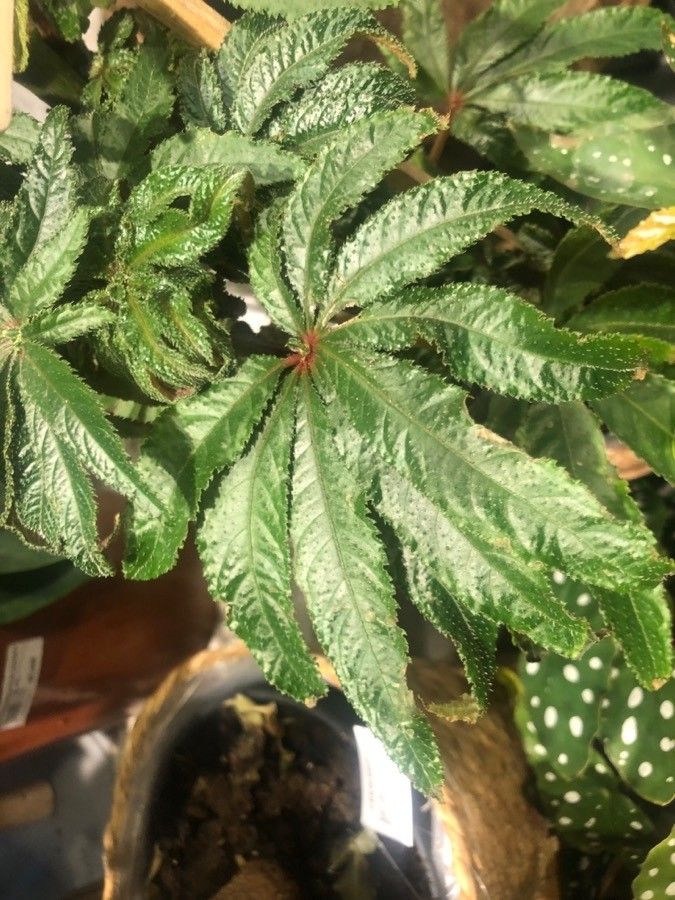
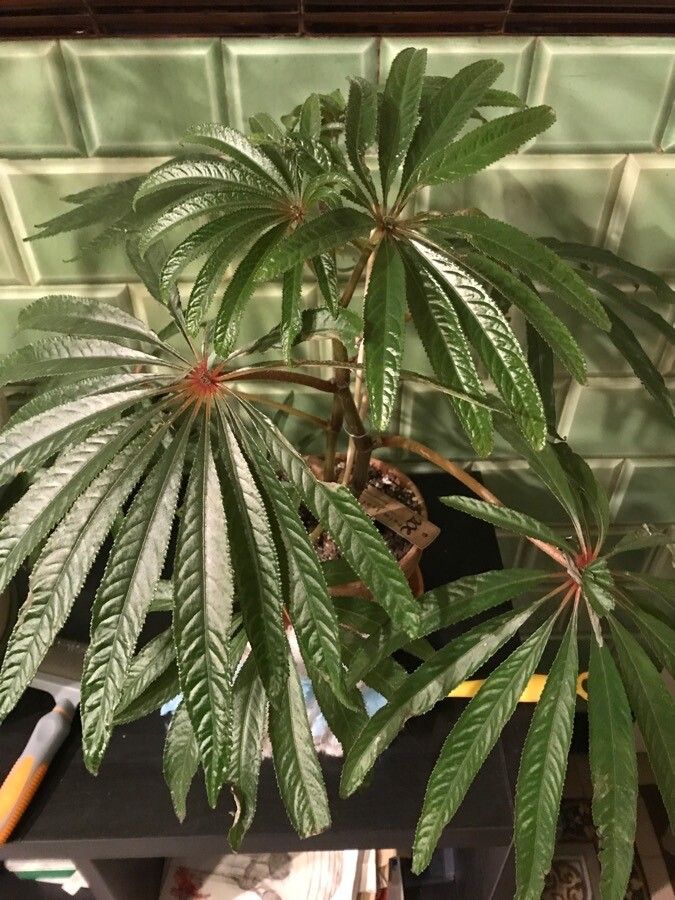
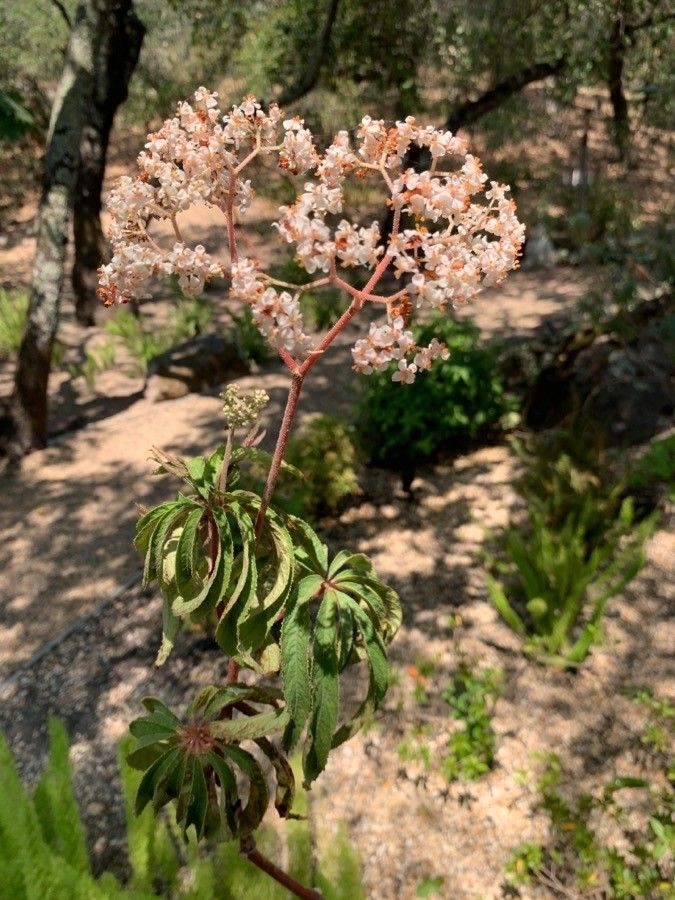
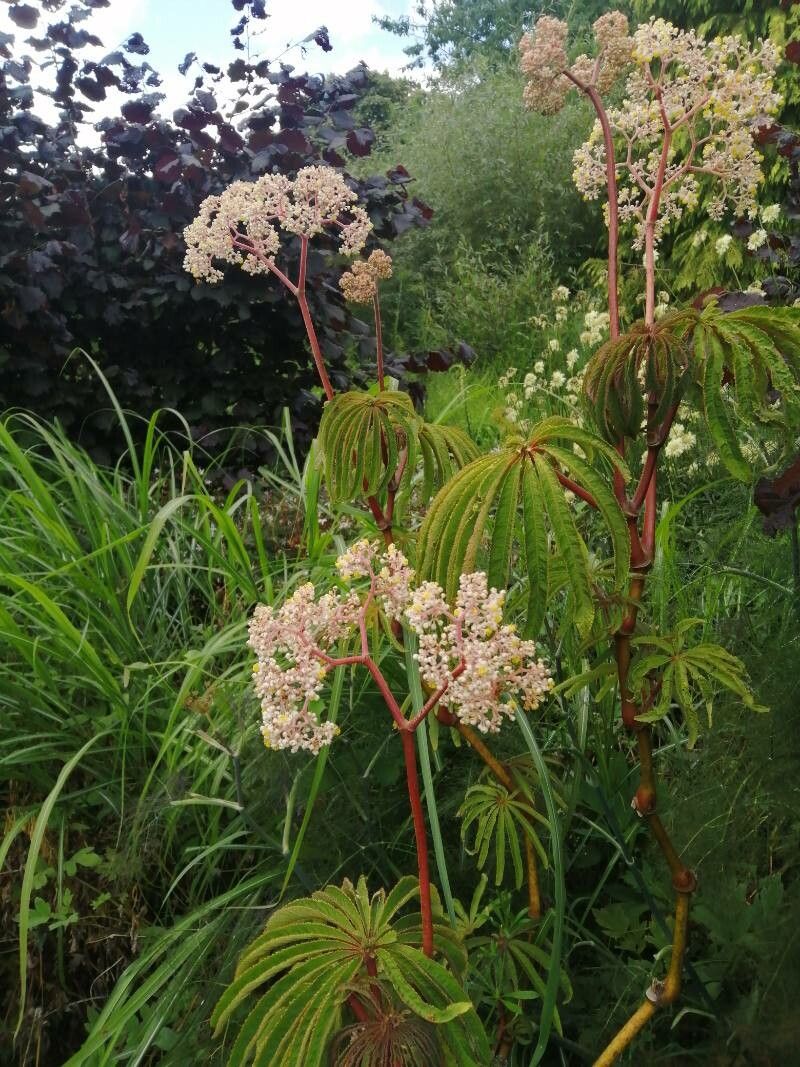
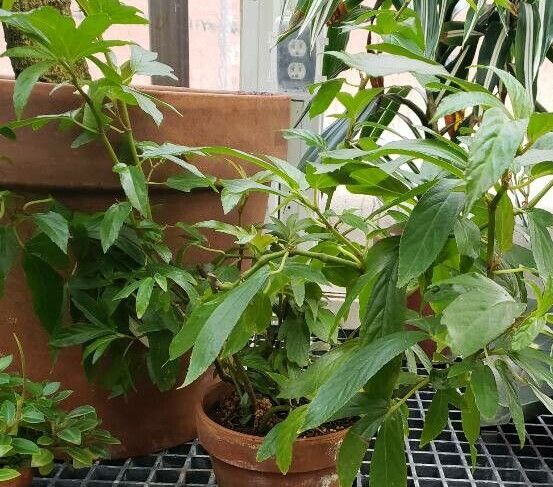
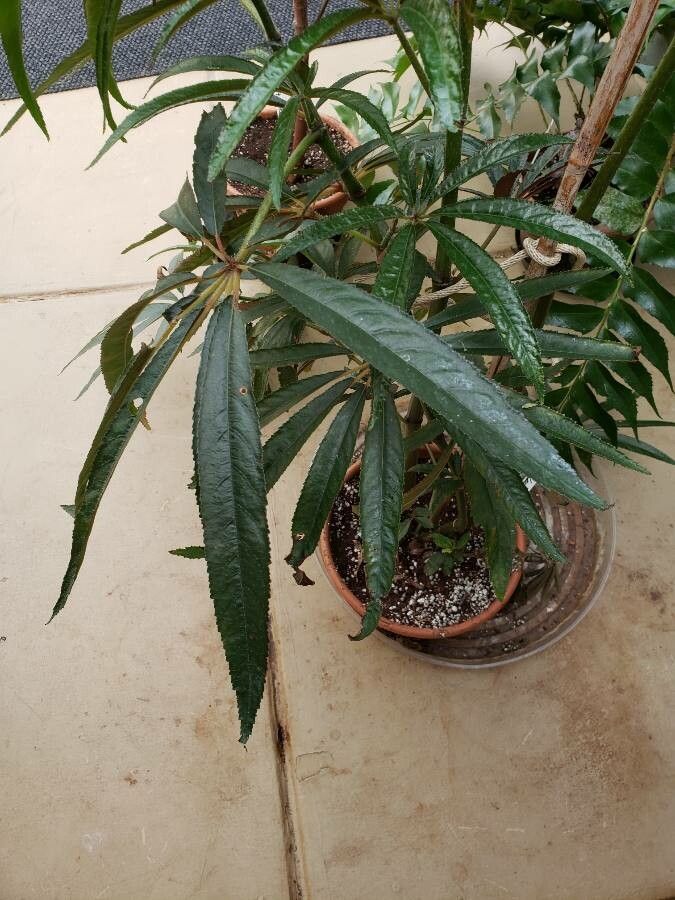
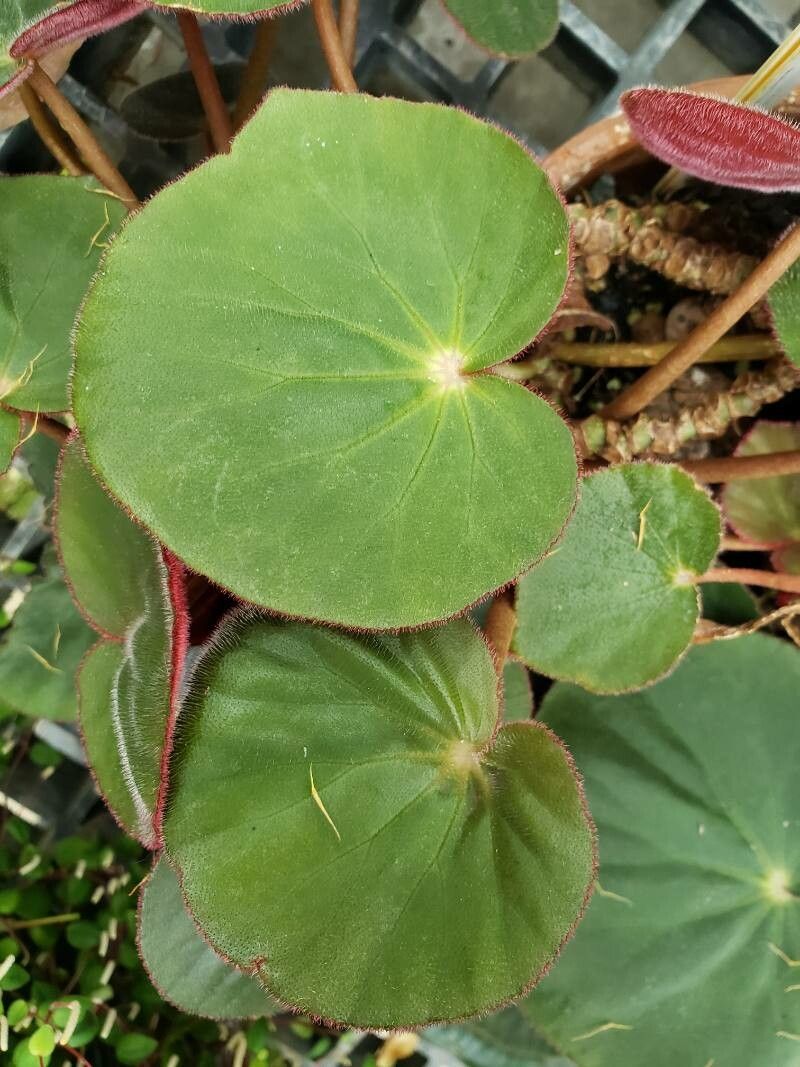
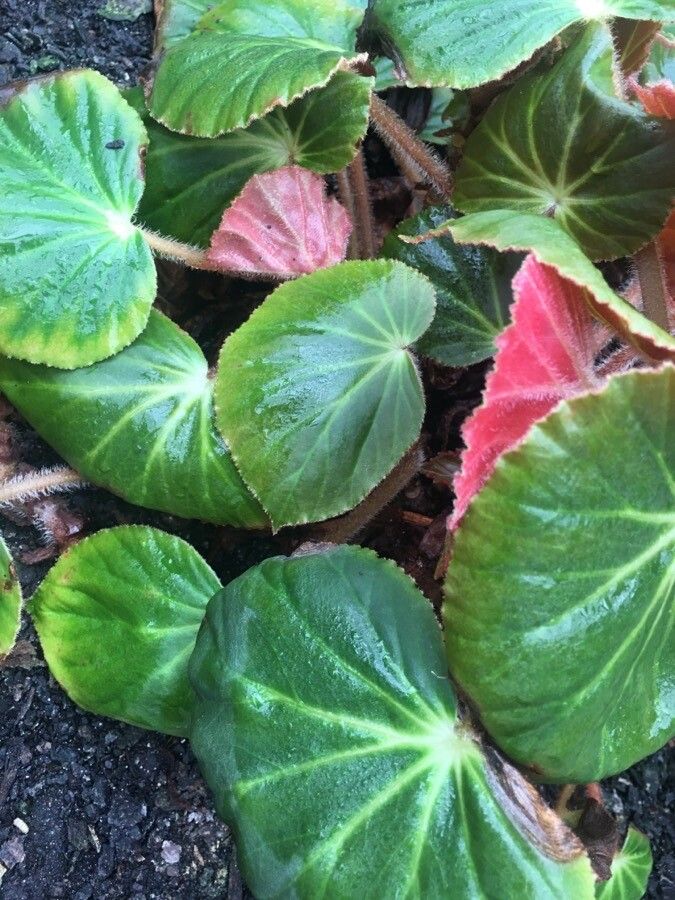
Begonia luxurians is a stunning plant from the Begoniaceae family, native to the rainforests of Brazil, and celebrated for its unique and attractive appearance. It features long, bamboo-like stems that can reach up to 2 meters in height, topped with large, asymmetrical, bright green leaves with a glossy texture.
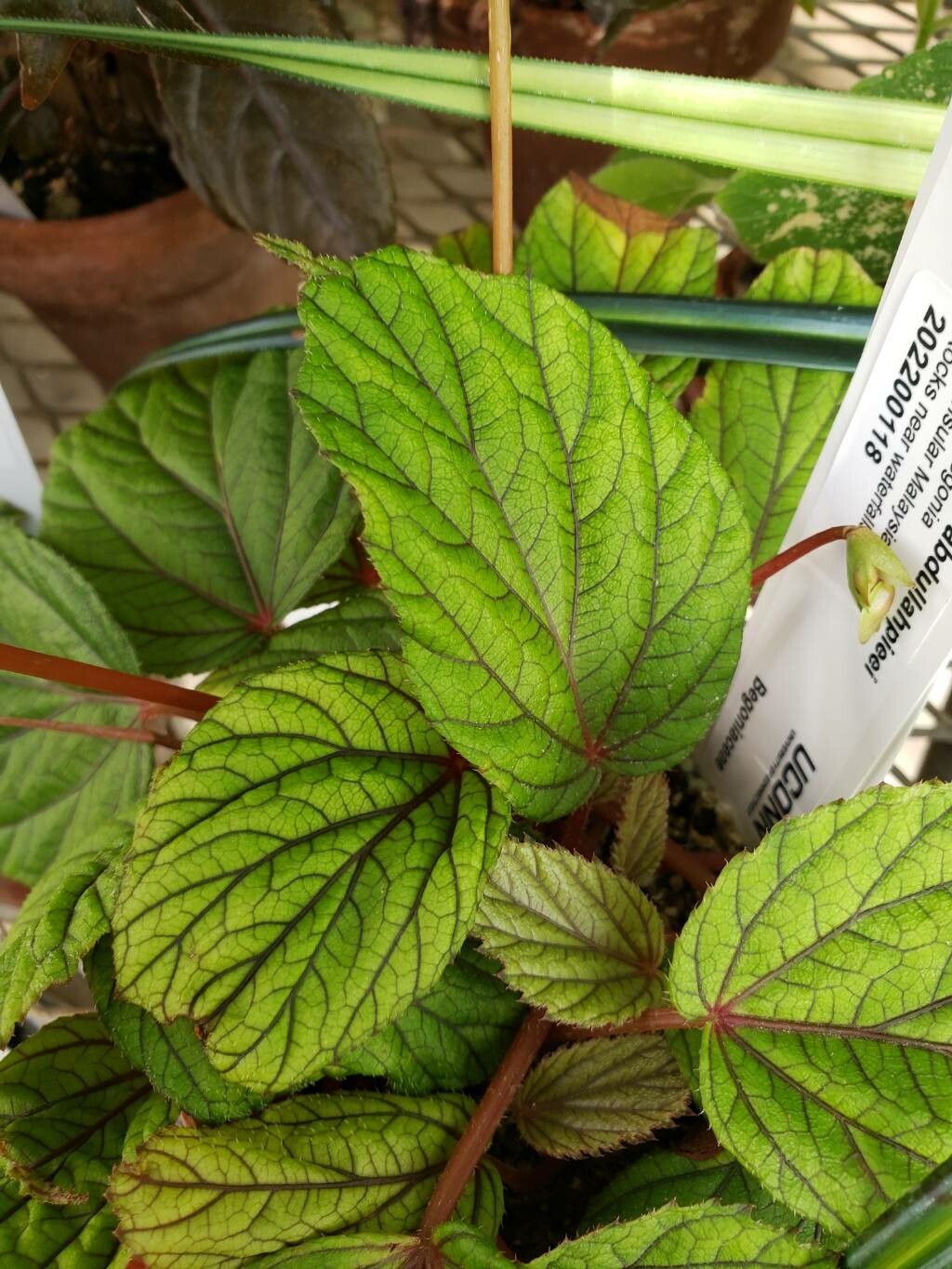
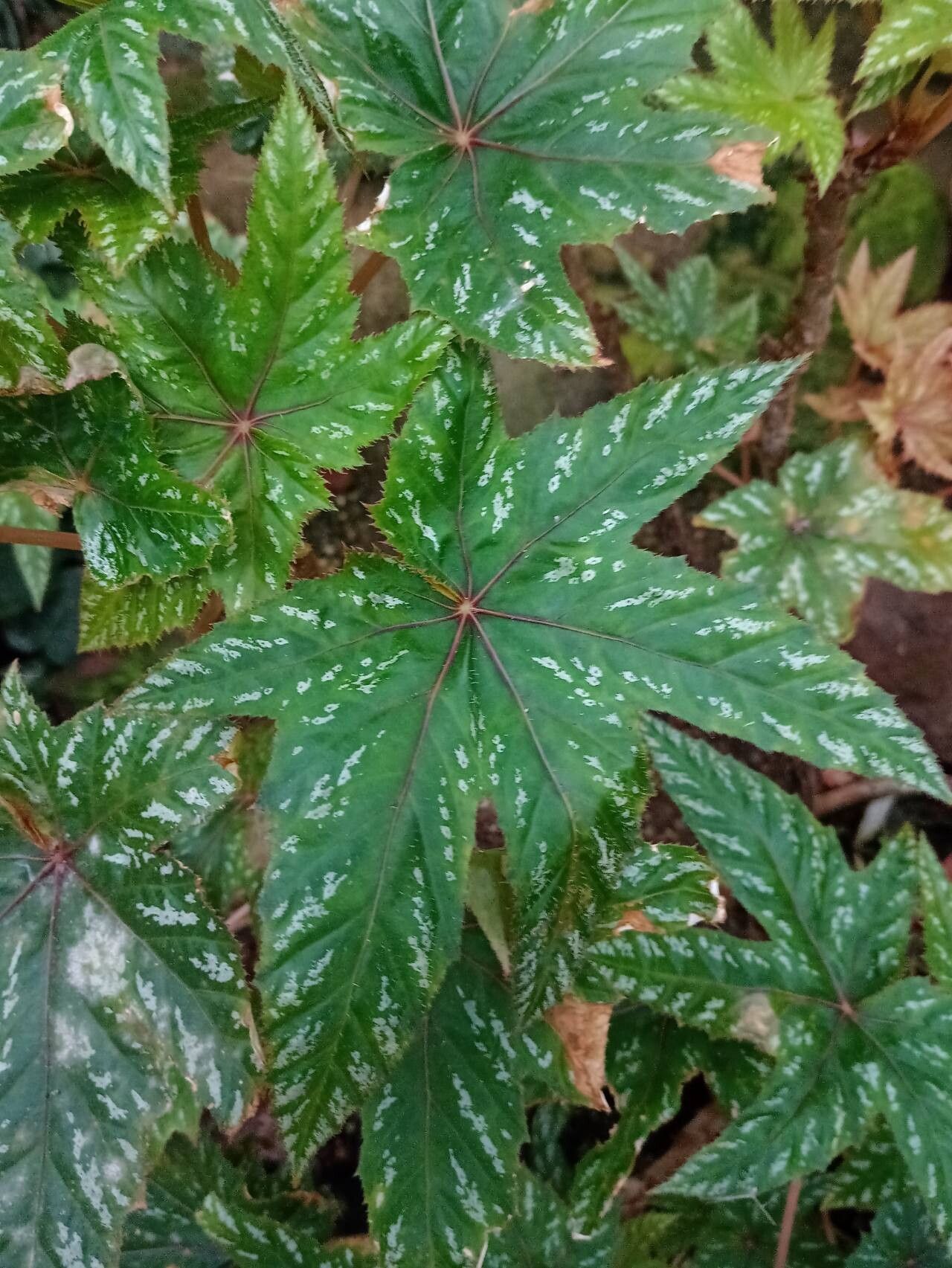
The leaves are deeply lobed with pointed tips, giving them an almost palm-like appearance. The undersides of the leaves exhibit a reddish tint, providing an interesting contrast to the green topside.
Begonia luxurians thrives in bright but indirect light and prefers humid environments. While it can be grown both indoors and outdoors, it needs protection from direct sunlight, which can scorch its delicate foliage.
This plant has become increasingly popular among indoor gardeners due to its unique appearance and low maintenance requirements. With proper care, it can grow into an impressive specimen that adds beauty to any space it occupies.
Overall, Begonia luxurians is a beautiful tropical plant with striking foliage, guaranteed to make any garden or indoor space stand out!
Palm leaf begonia has strong resistance to disease and is generally not prone to illness. However, it can develop leaf spots when light and ventilation are poor or when it is overwatered. The plant is regarded as easy to care for, requiring only regular watering and little else. It is suitable for people who lack the time and energy to provide routine care.
How to keep Begonia Luxurians.
Light
Palm leaf begonia is naturally found in habitats like forest understories or rocky areas, where it gets natural shade. It prefers partial sun but can tolerate full sun or full shade, showing its versatile, hardy nature.
Water
The palm leaf begonia thrives in humid tropical environments, needing consistent moisture without becoming waterlogged. For optimal health, water it every 1-2 weeks. Being an evergreen often grown indoors, it benefits from higher humidity levels, which promote lush growth and vibrant leaves.
Humidity
This plant will thrive in moderate humidity, which is probably the level in your home. However, misting it a few times a week can be very beneficial. Make sure the room has good ventilation.
Temperature
Palm leaf begonia is native to tropical areas, where the climate is generally warm and humid. Consequently, it is well suited to high temperatures and humidity. It is sensitive to sudden temperature changes and favors a steady temperature, so avoiding temperature fluctuations indoors is important. It typically cannot tolerate cold conditions and needs higher temperatures to grow. If the surrounding temperature falls too low, the plant may stop growing or even perish.
Fertilizer
Proper fertilization is essential for the health and appearance of the Palm leaf begonia. Fertilize the Palm leaf begonia during summer, applying it once a month throughout the season. Nutrients supply the energy needed for growth and for maintaining the plant’s parts. Fertilization improves the Palm leaf begonia’s flowering, ensuring the best possible blooms.
Pruning
To keep your palm leaf begonia healthy and looking great, regular pruning is essential. Focus on removing dead leaves and thinning out dense areas to improve air circulation. The best time for pruning is from early to late spring, which encourages fuller foliage and helps prevent the plant from becoming leggy.
Pot & Repot
When repotting Palm leaf begonia, choose a pot 1–2 inches (2.5–5.1 cm) larger with ample drainage. Use a well-draining potting mix. Repot in spring or fall, ensuring that the root ball is slightly lower than the rim of the flower pot. Water thoroughly after repotting and place it in a warm spot with indirect sunlight.
Toxicity
There is some confusion as to whether this plant is considered toxic or not. To be safe, it is best to keep your Palm Leaf Begonia out of the reach of young children and pets. Consumption of any part of this plant may result in nausea, vomiting, as well as loss of appetite.
Further reading →
The toxicity and danger assessments provided are for reference only. We do not assure their accuracy, so it's crucial not to depend on them. Seek professional advice when necessary for accurate guidance.
Botanical profile.
- Plant Type
- Herb
- Life Cycle
- Perennial
- Genus
- Begonia
- Family
- Begoniaceae
- Hardiness Zone
- 10
- Mature Height
- 3.05 m
- Mature Spread
- 91 cm
- Leaf Color
- Green, Red
- Leaf Type
- Evergreen
- Flower Color
- White
- Flower Size
- 2.03 cm to 3.05 cm
- Bloom Time
- Summer, Early fall, Mid fall
- Planting Time
- Spring, Summer, Autumn
- Harvest Time
- Late summer, Fall, Early winter
- Native Area
- Brazil
Other names.