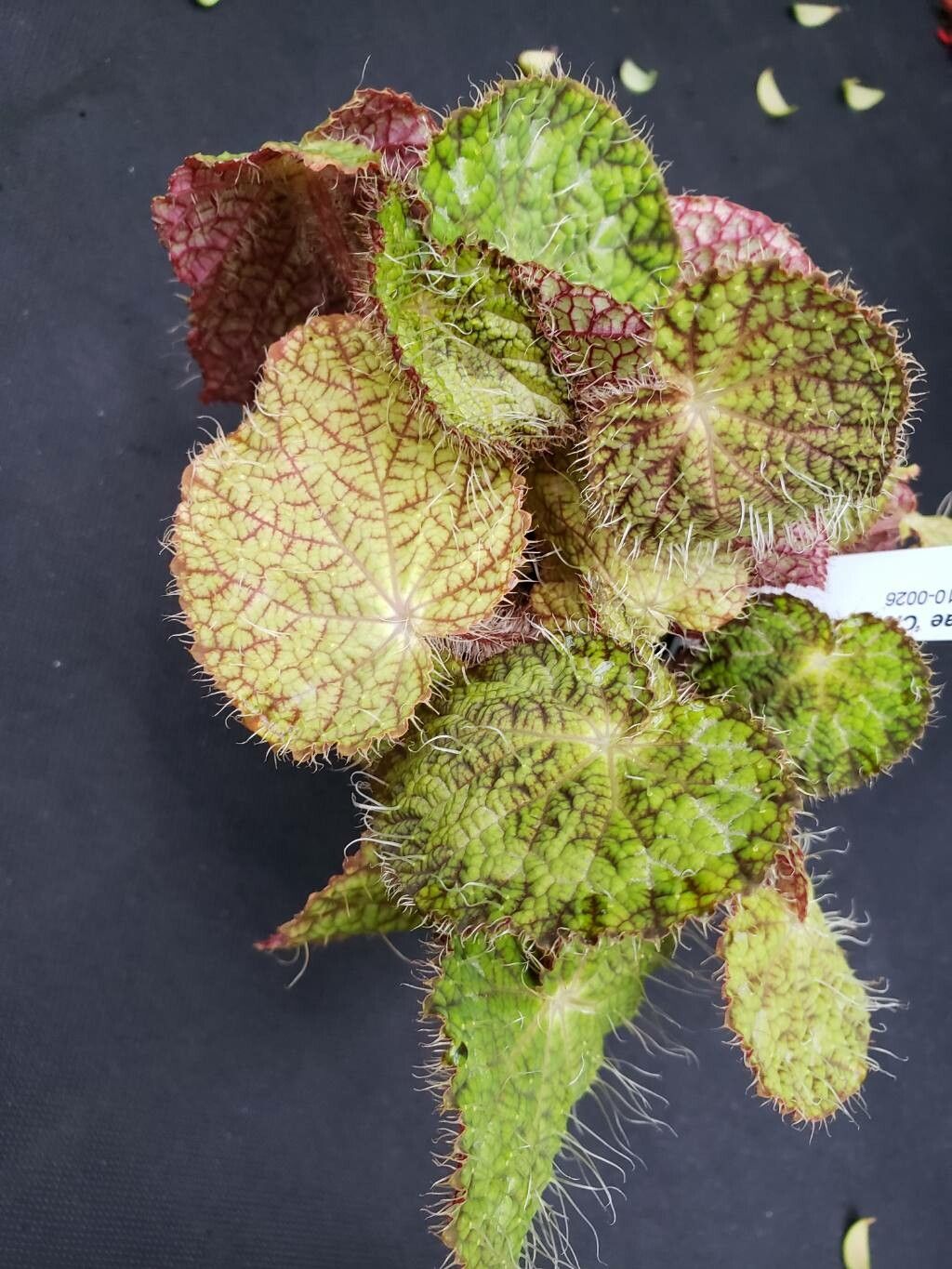
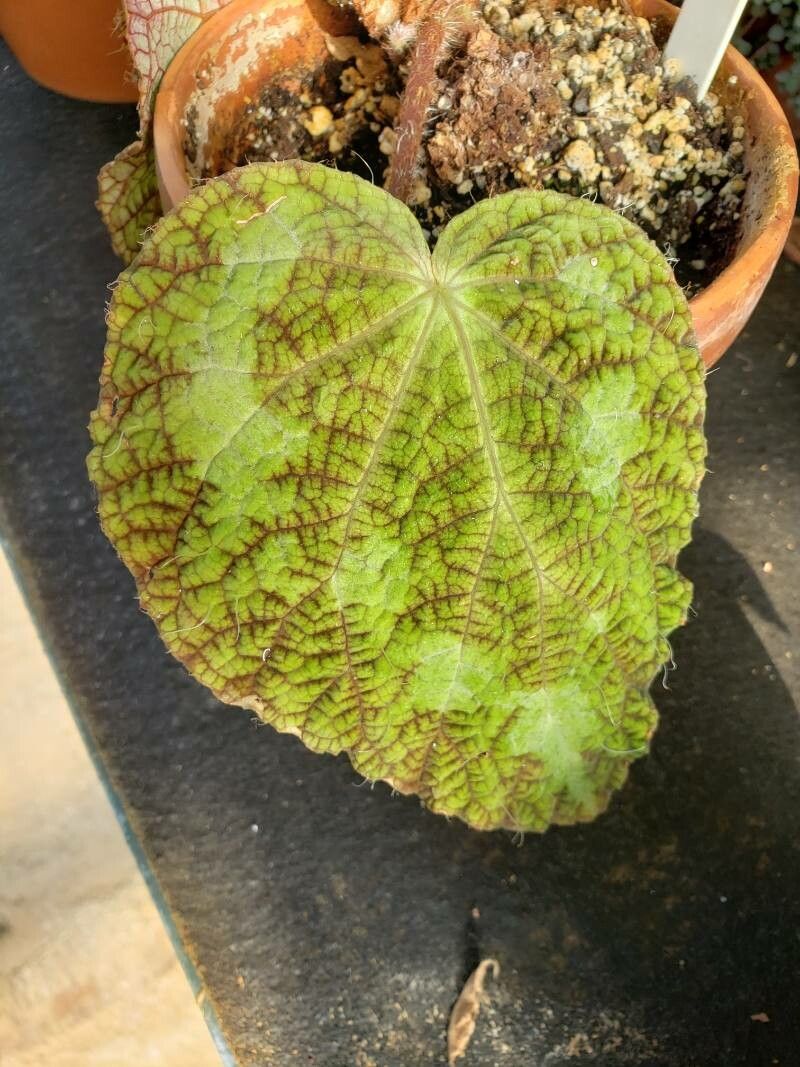
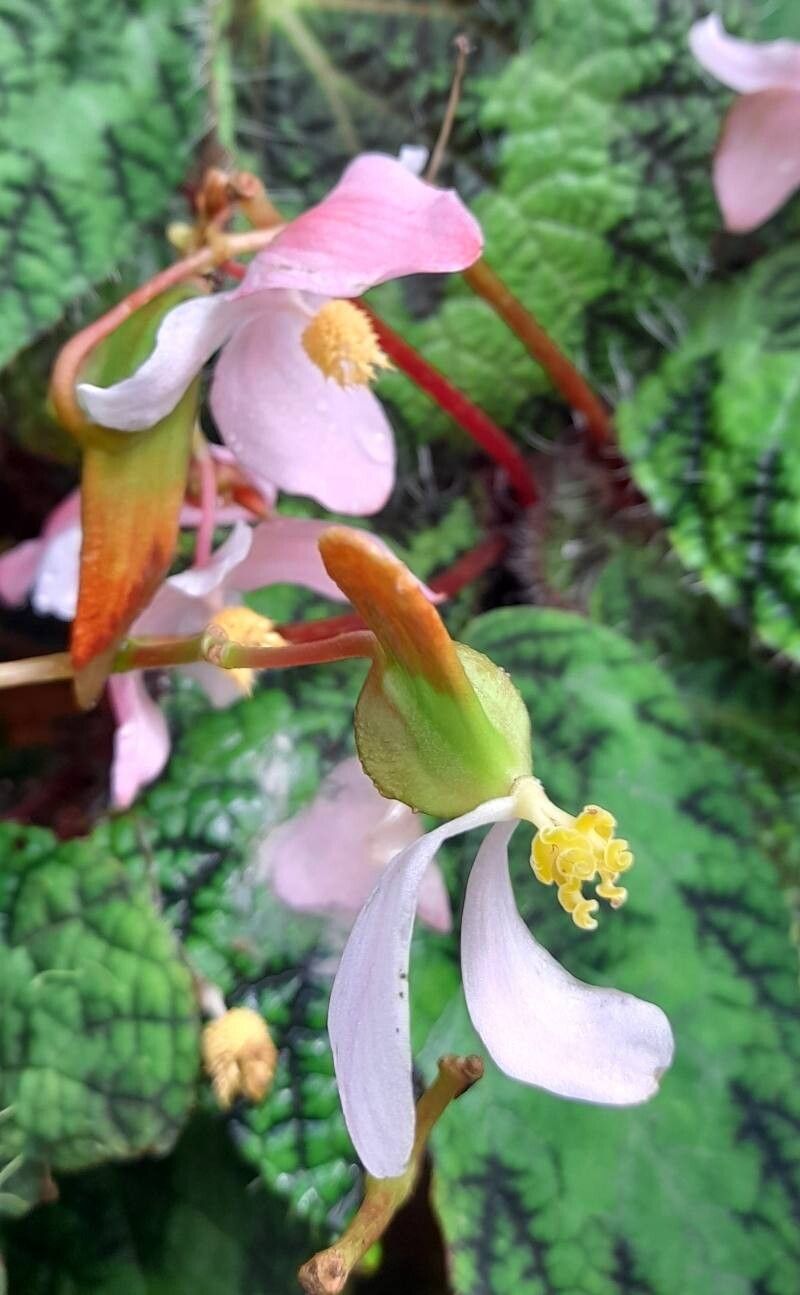
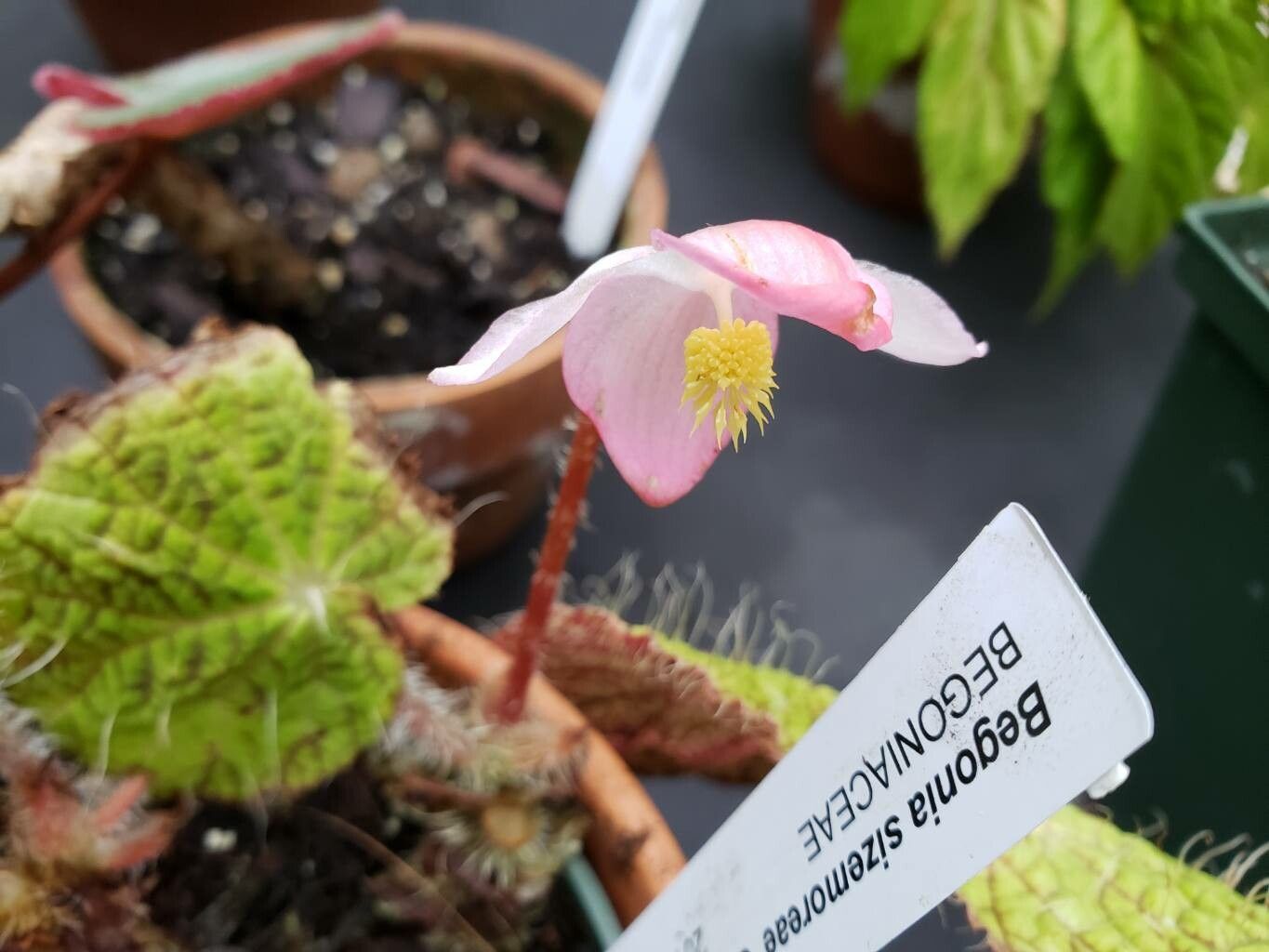
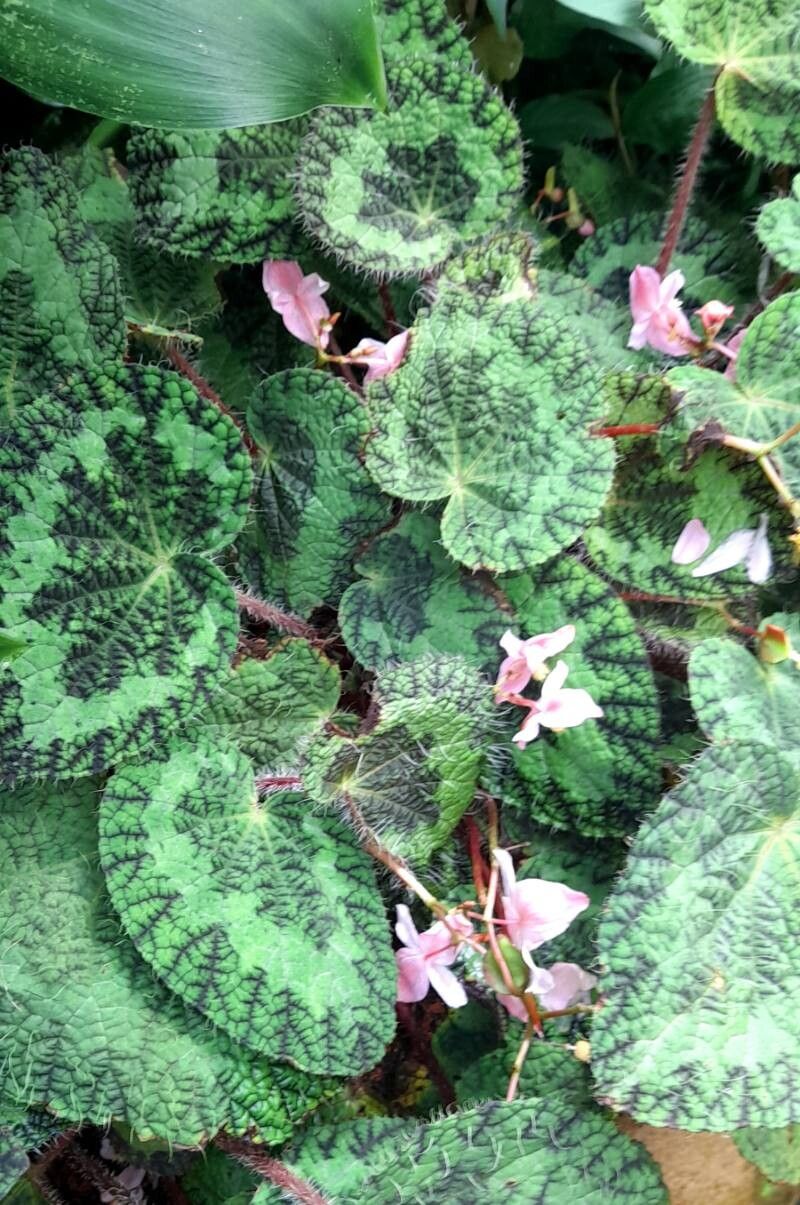
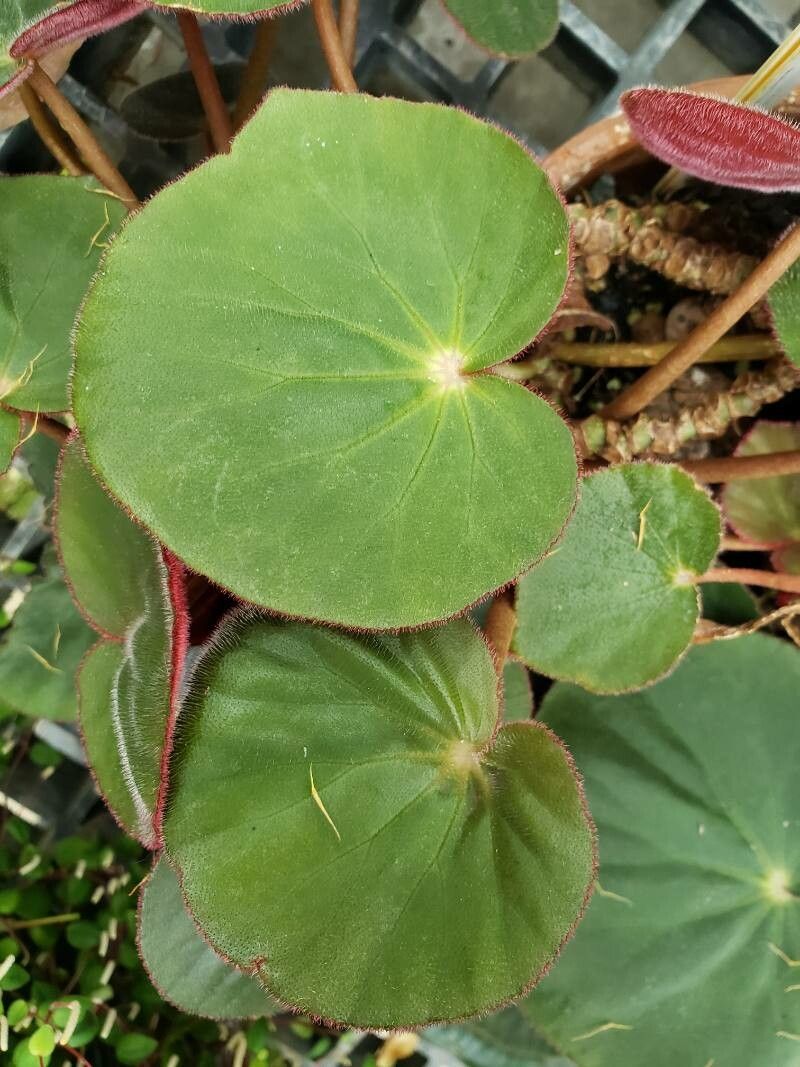
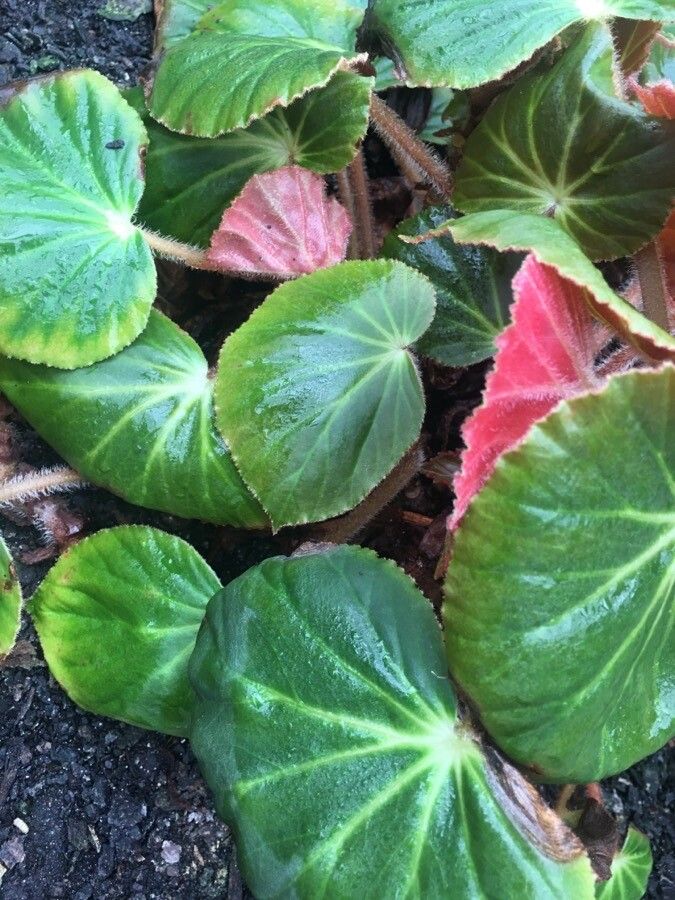
Begonia longiciliata is a species of flowering plant in the family Begoniaceae, found in Laos and Vietnam, and Yunnan, Guizhou, Guangxi provinces of China. It is a rhizomatous geophyte with pink flowers and long white hairs on the tops and bottoms of the leave. It is popular in cultivation.
Begonia longiciliata has strong resistance to diseases and is typically not susceptible to illnesses. Still, it can be affected by pests and diseases that exist in its environment. These problems are generally mild. Regarding upkeep, this plant needs a moderate level of care. Regular pruning is necessary to keep it looking good and to support healthy growth. Applying fertilizer can also encourage it to bloom. Begonia longiciliata is appropriate for anyone with outdoor space, like a garden or patio, and does not demand extensive gardening experience. It may need more attention when cultivated indoors.
How to keep Begonia Longiciliata.
Light
Begonia longiciliata naturally occurs in habitats like forest understories or rocky areas, where it grows under natural shade. It prefers partial sun but can adjust to full sun or full shade, demonstrating its adaptability and hardiness.
Water
Begonia longiciliata thrives in humid conditions and needs regular watering to stay healthy. In hot weather, not watering enough can cause the plant to wilt. During the growing season, water the plant whenever the soil feels dry, making sure that any excess water drains away. In the winter, as the plant's growth slows, reduce watering to once every 3 to 4 weeks.
Temperature
Begonia longiciliata comes from tropical areas, where the climate is generally warm and humid. As a result, it is well adapted to high temperatures and humidity. It does not tolerate sudden temperature changes and prefers a stable temperature environment, so avoiding temperature fluctuations indoors is important. It typically cannot withstand cold and requires higher temperatures to grow. If the ambient temperature falls too low, the plant may stop growing or even die.
Fertilizer
Begonia longiciliata requires the most fertilizer during its active growth phase, which occurs mainly in spring, summer, and early fall. Fertilization supplies essential nutrients the soil may lack, promoting healthy root and stem development and enhancing the attractive foliage, a key characteristic of this plant.
Pruning
To ensure optimal growth for Begonia longiciliata, it’s best to prune the plant from early to late spring. Start by removing any dead leaves and thinning out crowded areas to improve airflow. Additionally, pinch back new growth to promote a healthy shape and encourage vigorous development. These steps help reduce the risk of disease, maintaining both the health and aesthetic appeal of the plant.
Botanical profile.
- Plant Type
- Herb
- Life Cycle
- Perennial
- Genus
- Begonia
- Family
- Begoniaceae
- Hardiness Zone
- 11
- Mature Height
- 1 cm to 18 cm
- Mature Spread
- 30 cm to 49 cm
- Leaf Color
- Green, Bronze
- Leaf Type
- Evergreen
- Flower Color
- Pink
- Flower Size
- 2.03 cm to 3.05 cm
- Bloom Time
- Mid spring, Late spring, Summer, Early fall, Mid fall
- Planting Time
- Spring, Summer, Autumn
- Harvest Time
- Summer, Fall, Early winter