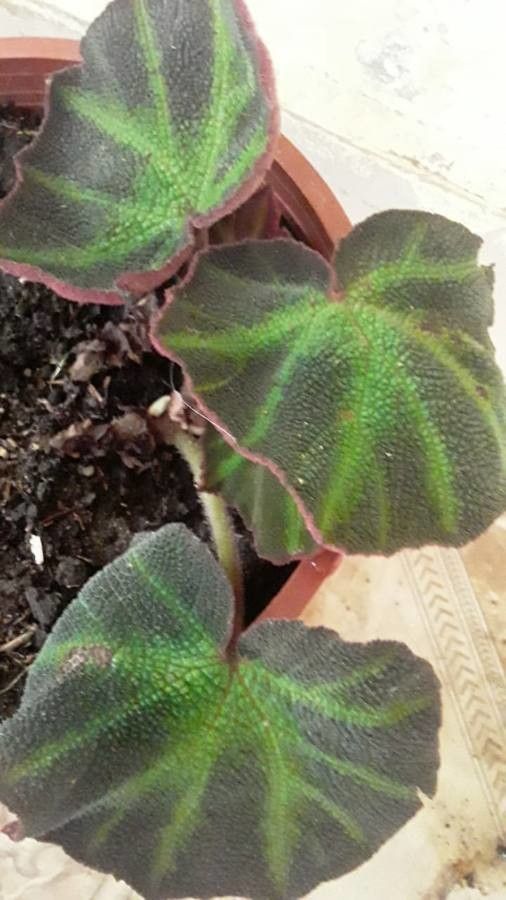
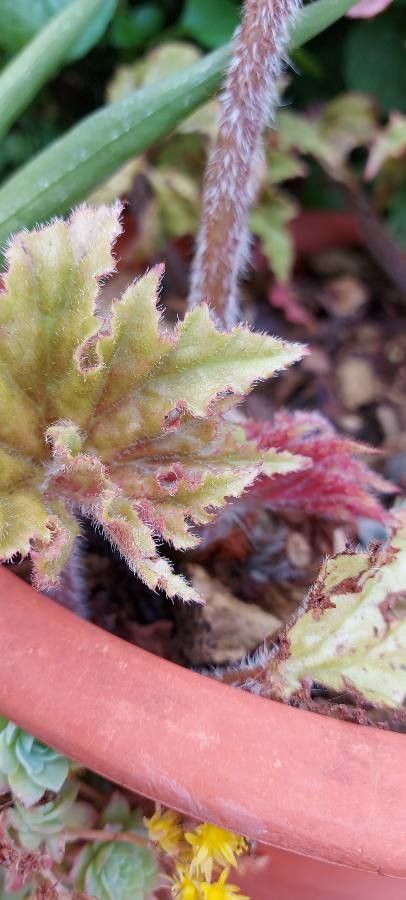
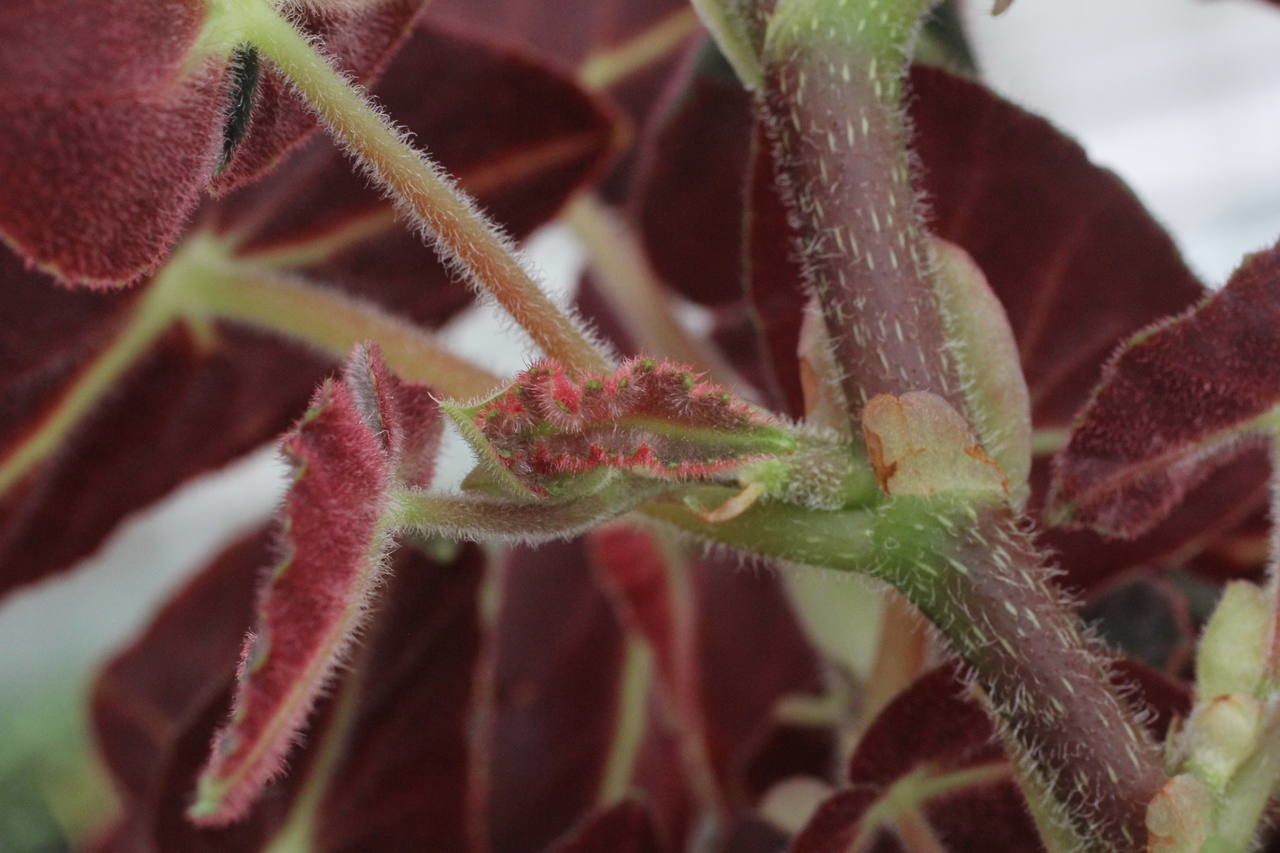
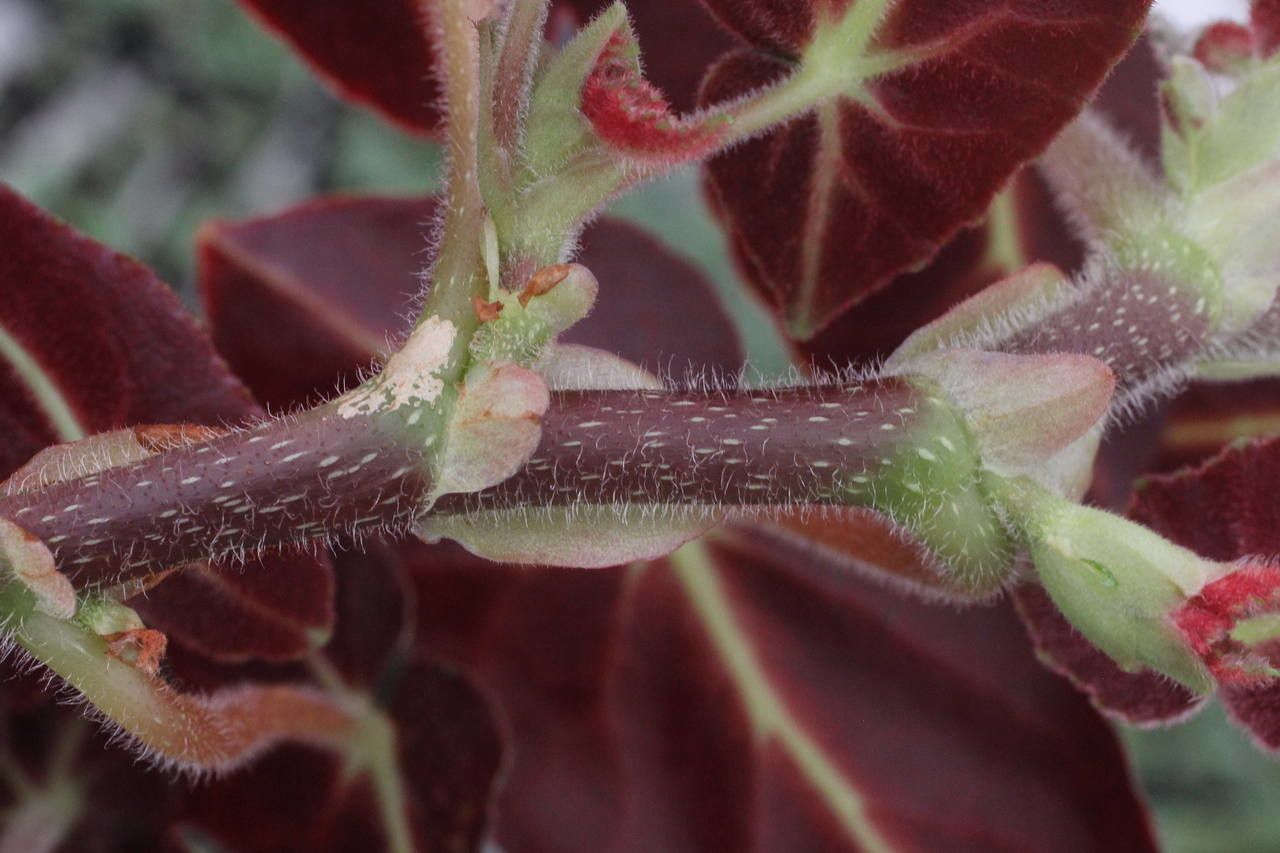
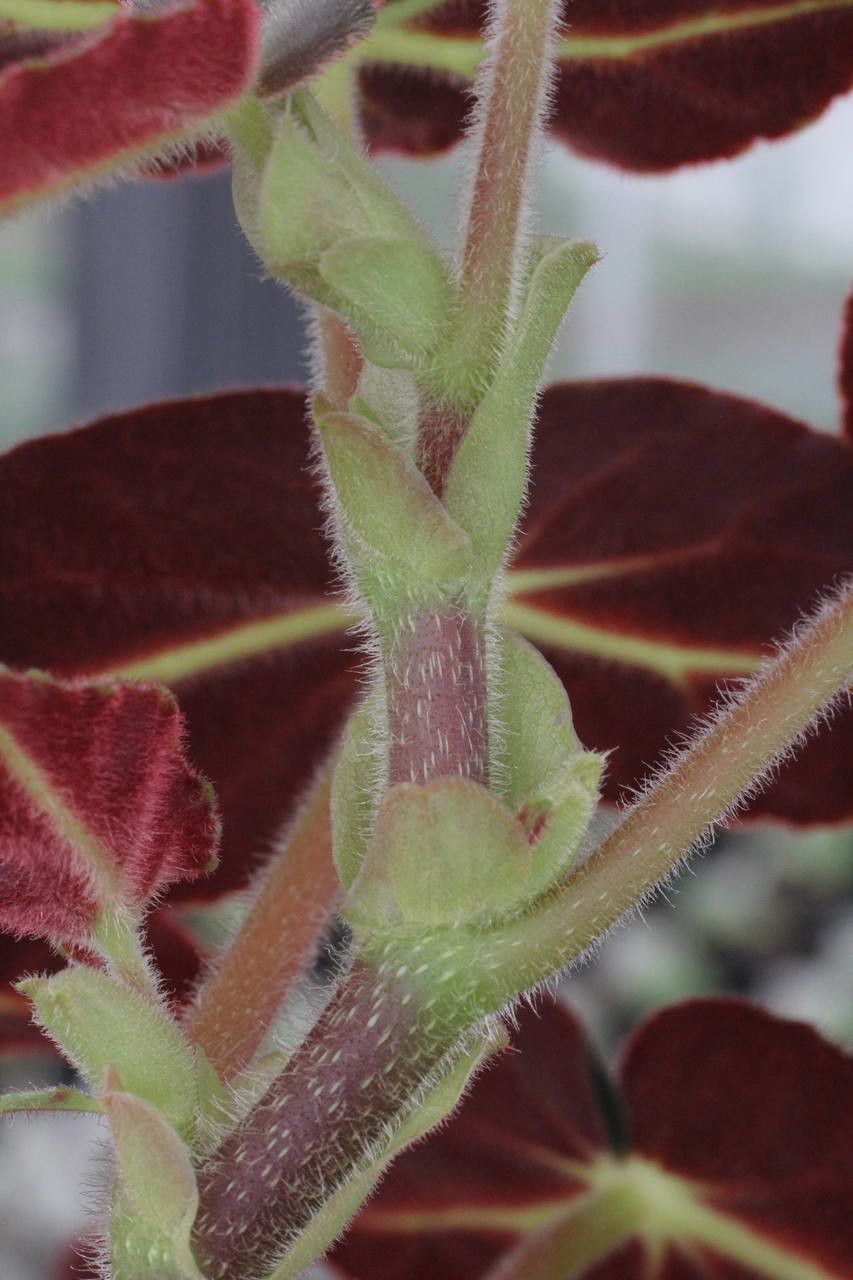
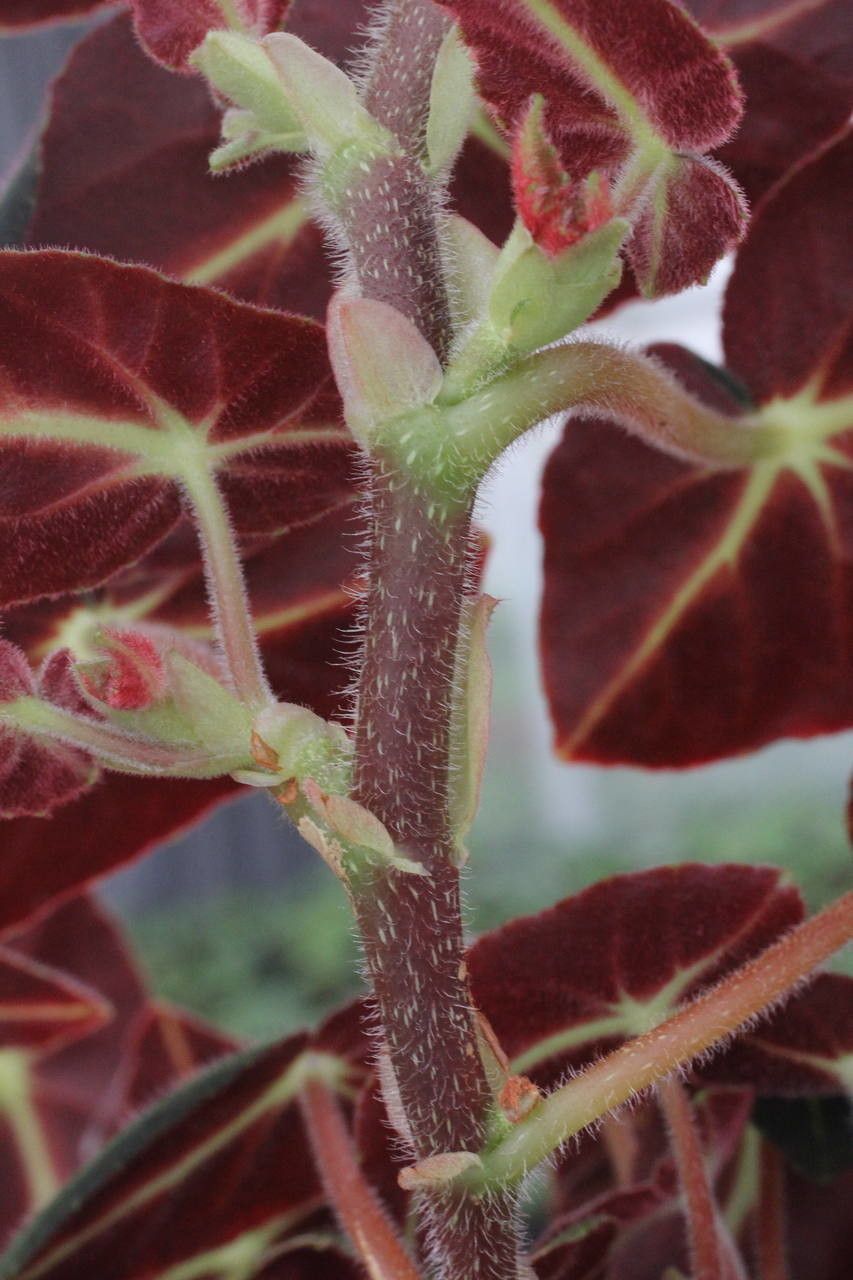
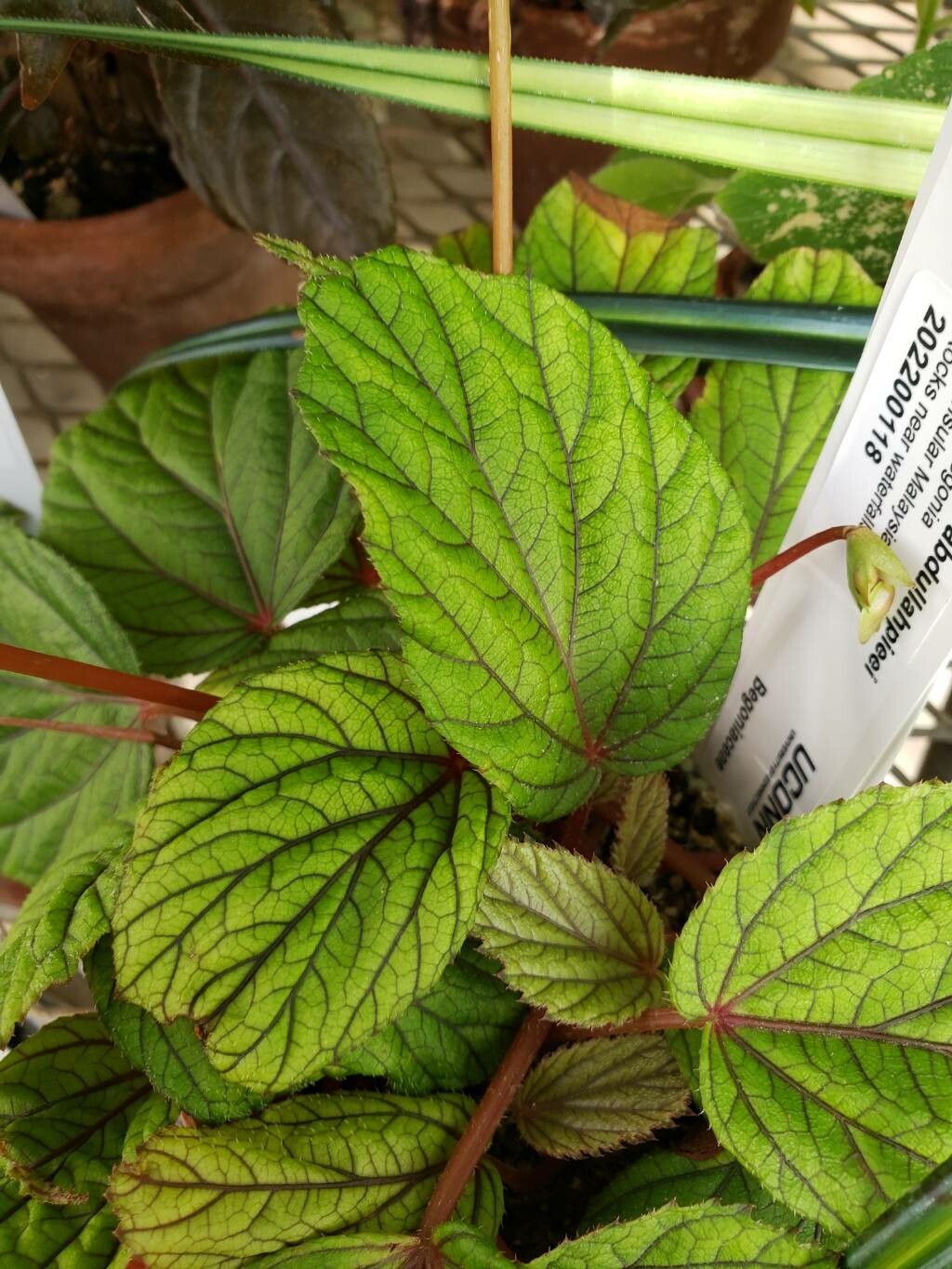
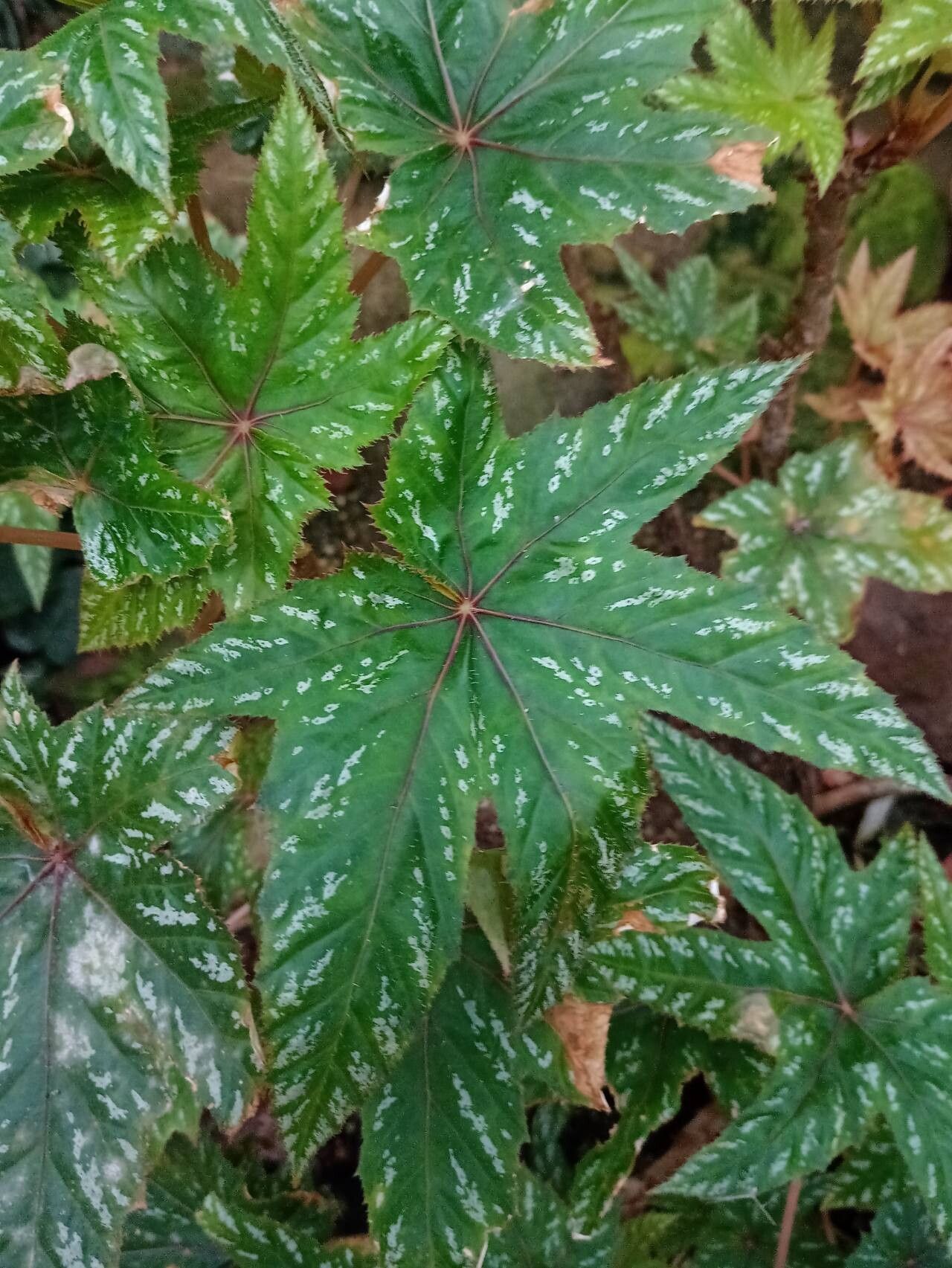
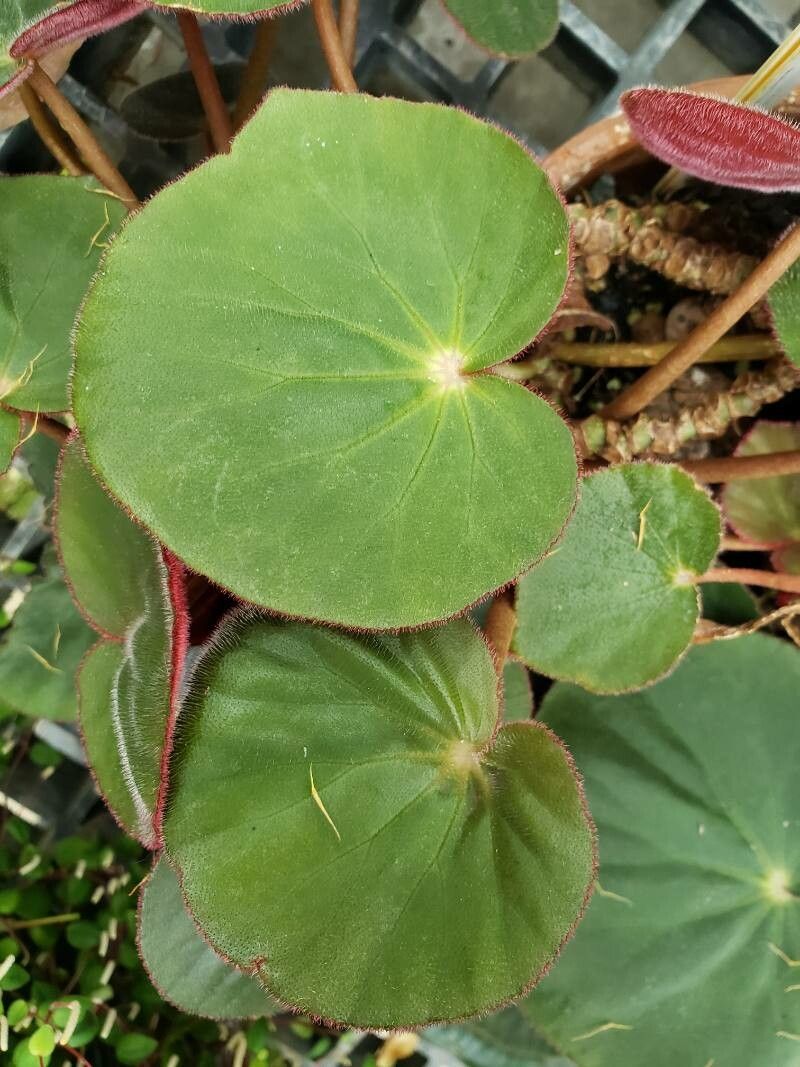
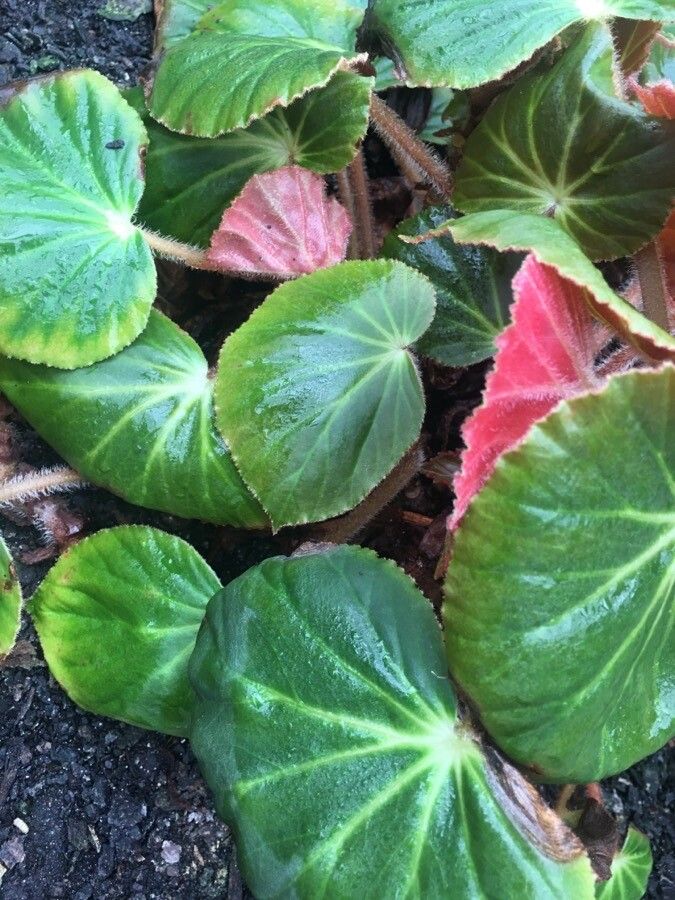
Begonia listada, the striped begonia, is a species of flowering plant in the family Begoniaceae, native to Brazil. It is a compact shrublike evergreen begonia growing to 0.5 metres (20 in), bearing succulent green leaves with a prominent rib of lighter green, and a reddish underside. It produces small pink-tinted white flowers intermittently throughout the year. As it does not tolerate temperatures below 10 °C (50 °F), in temperate regions it must be grown under glass.This plant has gained the Royal Horticultural Society's Award of Garden Merit.
Striped begonia is fairly resistant to disease and typically not prone to illness. Still, it can develop leaf spots if light and ventilation are poor and it is watered excessively. The plant is considered easy to care for, needing only regular watering and little else. Striped begonia is a good choice for people who lack the time and energy to provide regular care.
How to keep Begonia Listada.
Light
Striped begonia occurs naturally in habitats like forest understories or rocky sites, where it grows in natural shade. Its favored light condition is partial sun, yet it can adapt to both full sun and full shade, illustrating its versatile and hardy nature.
Water
The striped begonia thrives in high humidity and requires evenly moist soil. To maintain its health, it needs to be watered weekly to avoid both overwatering and drying out. As an indoor ornamental plant, it demands careful water management during its active growing season to ensure vibrant leaf health and coloration. Despite its moderate drought tolerance, ensuring consistent moisture is key to its thriving.
Humidity
This plant will thrive in moderate humidity, which is probably the level in your home. However, misting it a few times a week can be very beneficial. Make sure the room has good ventilation.
Temperature
Striped begonia comes from tropical areas, where the weather is typically warm and humid. Therefore, it is well suited to high heat and moisture. It does not tolerate abrupt temperature changes and prefers a steady thermal environment, so avoiding temperature fluctuations indoors is important. It generally cannot withstand cold and needs warmer conditions to grow. If the ambient temperature falls too low, the plant may stop growing or even die.
Fertilizer
Proper fertilization is essential for the health and appearance of Striped begonia. Feed Striped begonia during summer, repeating the application monthly throughout the season. Nutrients power growth and help maintain the plant’s parts. Fertilizing improves the begonia’s floral display, ensuring the best blooms.
Pruning
To help your striped begonia thrive, prune it in early spring by removing any dead or leggy stems. This encourages bushier growth. Make cuts just above the leaf nodes to promote new growth and reduce the risk of disease. Regular maintenance will enhance the plant's shape and appearance, resulting in a more vigorous and attractive begonia overall.
Pot & Repot
When repotting Striped begonia, select a pot 1-2 inches (2.5–5.1 cm) larger with good drainage. Use a well-draining potting mix. Repot in spring or fall, making sure the root ball sits slightly lower than the rim of the flower pot. Water thoroughly after repotting and place it in a warm spot with indirect sunlight.
Toxicity
Striped Begonia is toxic to both human beings and animals such as cats and dogs. They contain a crystalline substance known as calcium oxalate which causes irritation and some gastrointestinal issues when ingested. Keep this plant out of reach of children and household pets, and ensure to call a veterinarian in any case of consumption of this plant.
Further reading →
The toxicity and danger assessments provided are for reference only. We do not assure their accuracy, so it's crucial not to depend on them. Seek professional advice when necessary for accurate guidance.
Botanical profile.
- Plant Type
- Herb
- Life Cycle
- Perennial
- Genus
- Begonia
- Family
- Begoniaceae
- Hardiness Zone
- 10-12
- Mature Height
- 30 cm
- Mature Spread
- 40 cm
- Leaf Color
- Red, Green
- Leaf Type
- Semi-evergreen
- Flower Color
- Pink, White
- Flower Size
- 2.03 cm to 3.05 cm
- Bloom Time
- All year round
- Planting Time
- Spring, Summer, Autumn
- Harvest Time
- All year round
- Native Area
- South and Central America, Africa, southern Asia
Other names.