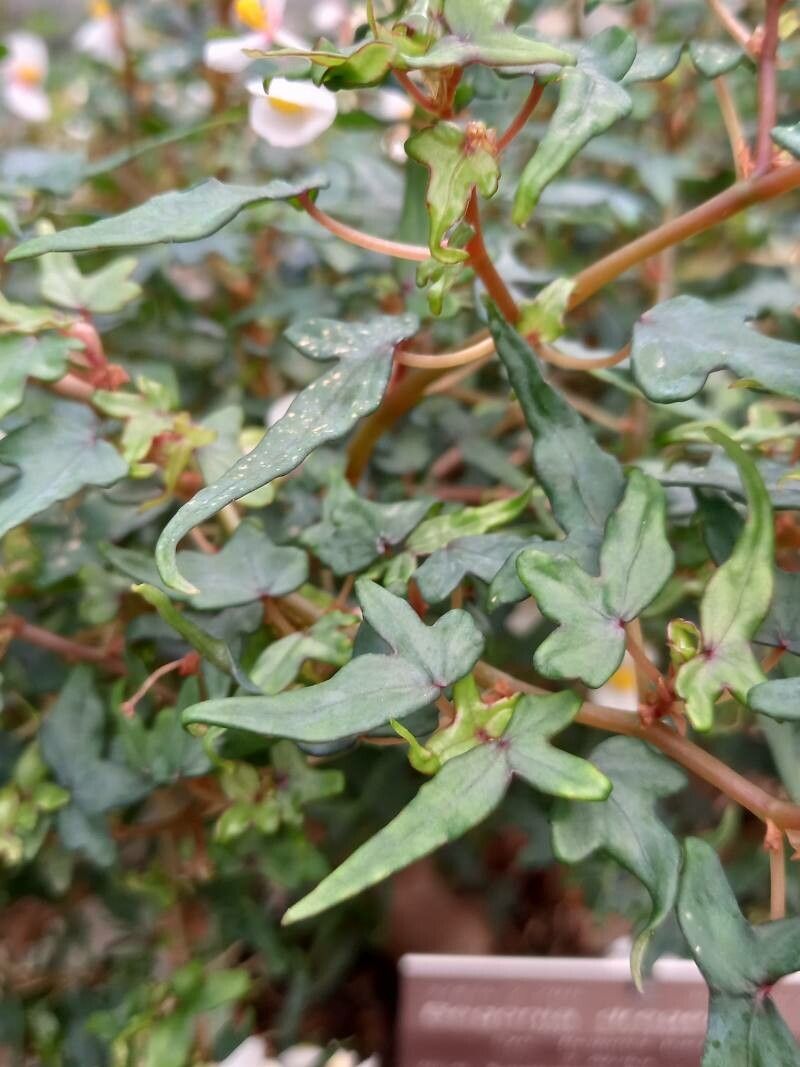
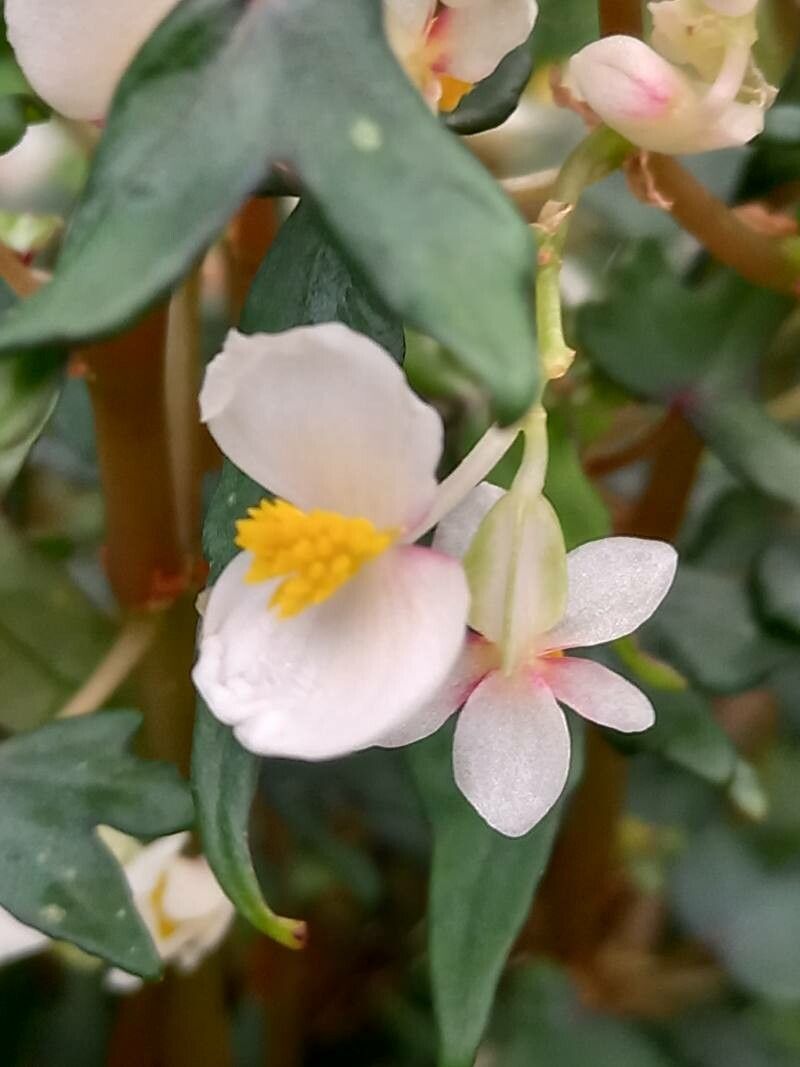
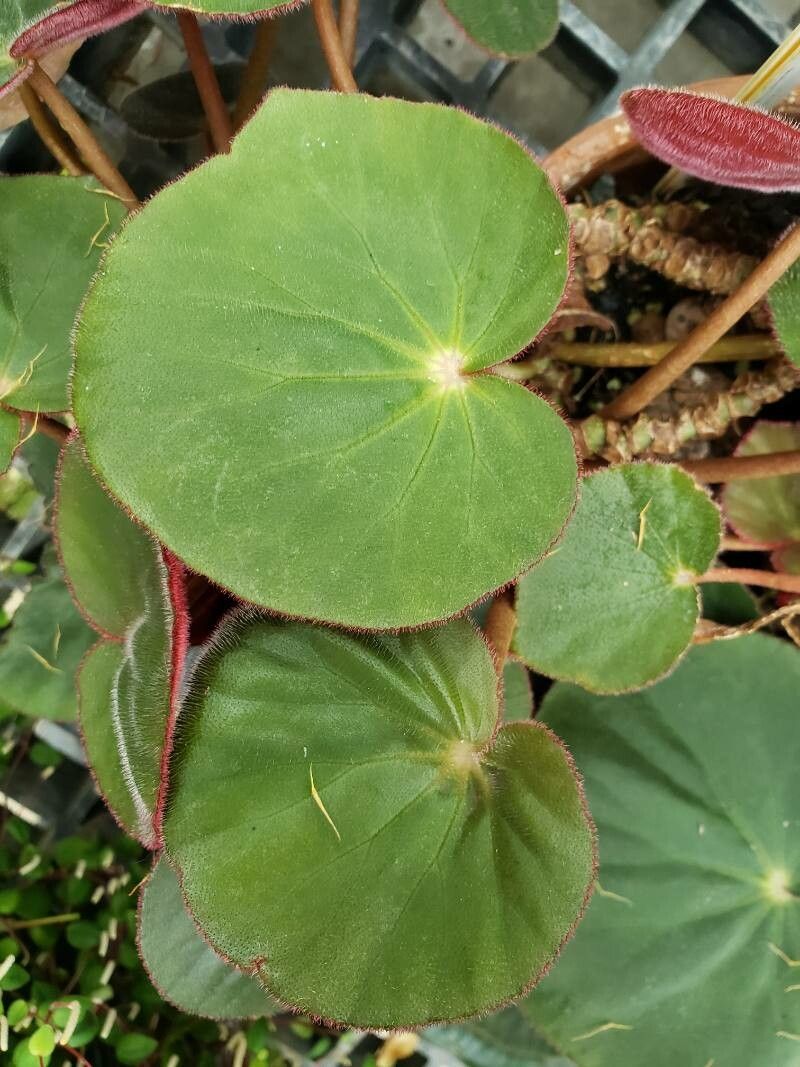
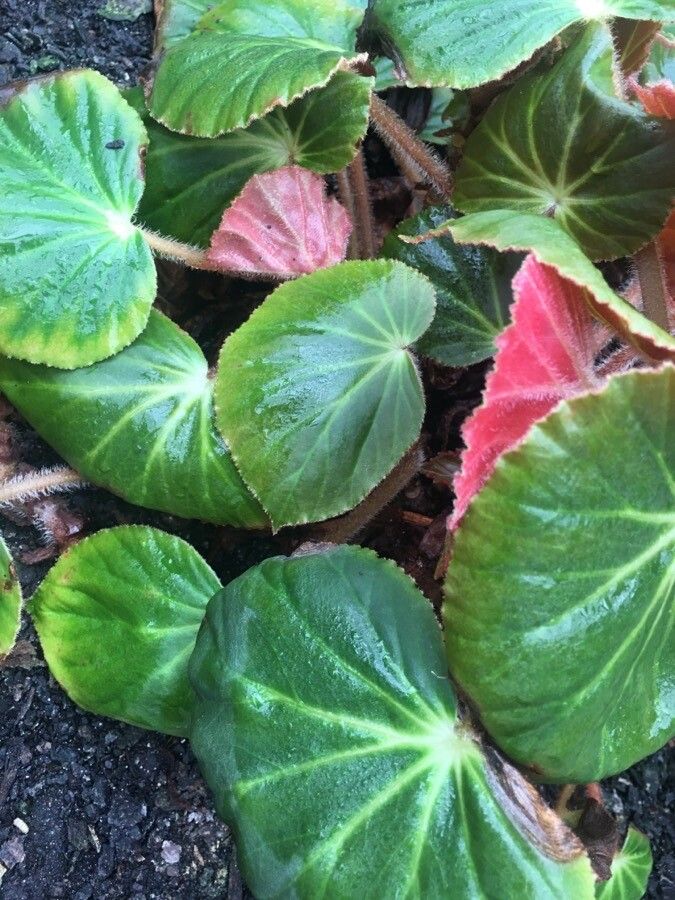
Begonia dregei, the maple leaf begonia or grape-leaf begonia, is a species of flowering plant in the genus Begonia native to South Africa. It has gained the Royal Horticultural Society's Award of Garden Merit.
The bonsai begonia has moderate disease resistance but is particularly sensitive to humidity and overwatering. It becomes more prone to disease when it receives too little light and is overwatered. In terms of care, the bonsai begonia is drought-tolerant and can endure long stretches without watering. It needs little fertilizer and only occasional pruning. Because of these characteristics, it is suitable for people at all experience levels, especially those who prefer to spend less time on plant care or who may be away from home for extended periods. It is a good option for anyone who does not want to devote much time to plant maintenance yet still wants an easy-to-care-for plant.
How to keep Begonia Dregei.
Light
Bonsai begonia is native to habitats with dappled light, such as the understory of forests or rocky locations that provide natural shade. It prefers partial sun but can also tolerate full sun.
Water
Bonsai begonia flourishes in humid subtropical climates, preferring consistent moisture and moderate humidity. For optimal care, water it weekly, although it can withstand brief periods of dryness. Since it is an evergreen, regularly checking soil moisture is crucial for sustaining its foliage year-round.
Temperature
Bonsai begonia does best in warm conditions and requires higher temperatures during the active growing season to support growth and metabolic activity. It prefers plenty of sunlight, proper moisture levels, and good ventilation. However, it can be harmed by very low temperatures and by overwatering. It’s also important to maintain balance and avoid excessively high temperatures or overly dry conditions.
Fertilizer
For a Bonsai begonia, light applications of fertilizer once or twice a year during the growing season are enough. Do not fertilize in winter or in summer when the plant is dormant. Use less fertilizer for plants that have been repotted, and wait a couple of months after repotting before resuming feeding. Fertilizing helps maintain healthy growth and promotes flowering.
Pruning
The bonsai begonia, celebrated for its striking foliage, flourishes with careful pruning in early spring. Essential techniques include removing dead leaves and thinning branches to improve airflow. This encourages denser growth, enhances its overall appearance, and boosts the vitality of the bonsai begonia.
Pot & Repot
When repotting Bonsai begonia, choose a pot a bit larger than the current one that has good drainage. Use a gritty, well-draining succulent or cactus mix. Gently remove the plant from its old pot, brush off excess soil, and plant it at the same depth. Wait a few days before watering so any root damage can heal. Repot in spring or fall, and place it in a brightly lit spot.
Botanical profile.
- Plant Type
- Herb, Succulent
- Life Cycle
- Perennial
- Genus
- Begonia
- Family
- Begoniaceae
- Hardiness Zone
- 10-11
- Mature Height
- 40 cm
- Mature Spread
- 40 cm
- Leaf Color
- Green, Dark Green
- Leaf Type
- Deciduous
- Flower Color
- White, Pink
- Flower Size
- 2.03 cm to 3.05 cm
- Bloom Time
- All year round
- Planting Time
- Spring, Summer, Autumn
- Harvest Time
- All year round
- Native Area
- South Africa
Other names.
Reader questions.
What are the sunlight requirements for a Bonsai Begonia (Begonia dregei)?
The Bonsai Begonia, scientifically known as Begonia dregei, thrives under specific sunlight conditions. It requires partial sun, meaning about 3-6 hours of sunlight daily, or full shade, which entails receiving less than 3 hours of sunlight per day. It's vital to observe how sunlight moves through your garden throughout the day. Selecting locations that offer an optimal balance of light and shade will significantly contribute to the health and happiness of your Bonsai Begonia.
What is the botanical name of Bonsai Begonia?
The botanical name of Bonsai Begonia is Begonia dregei.