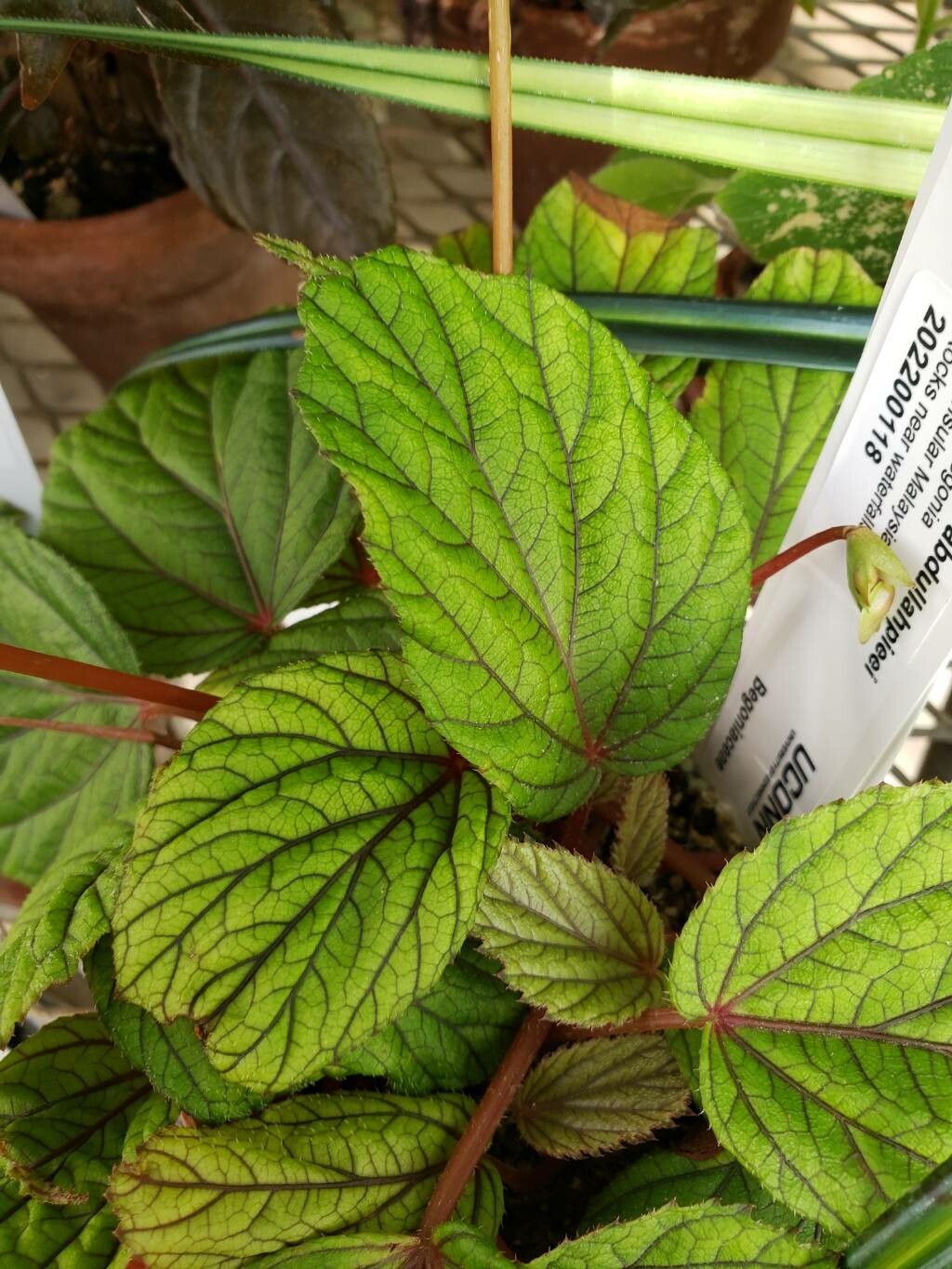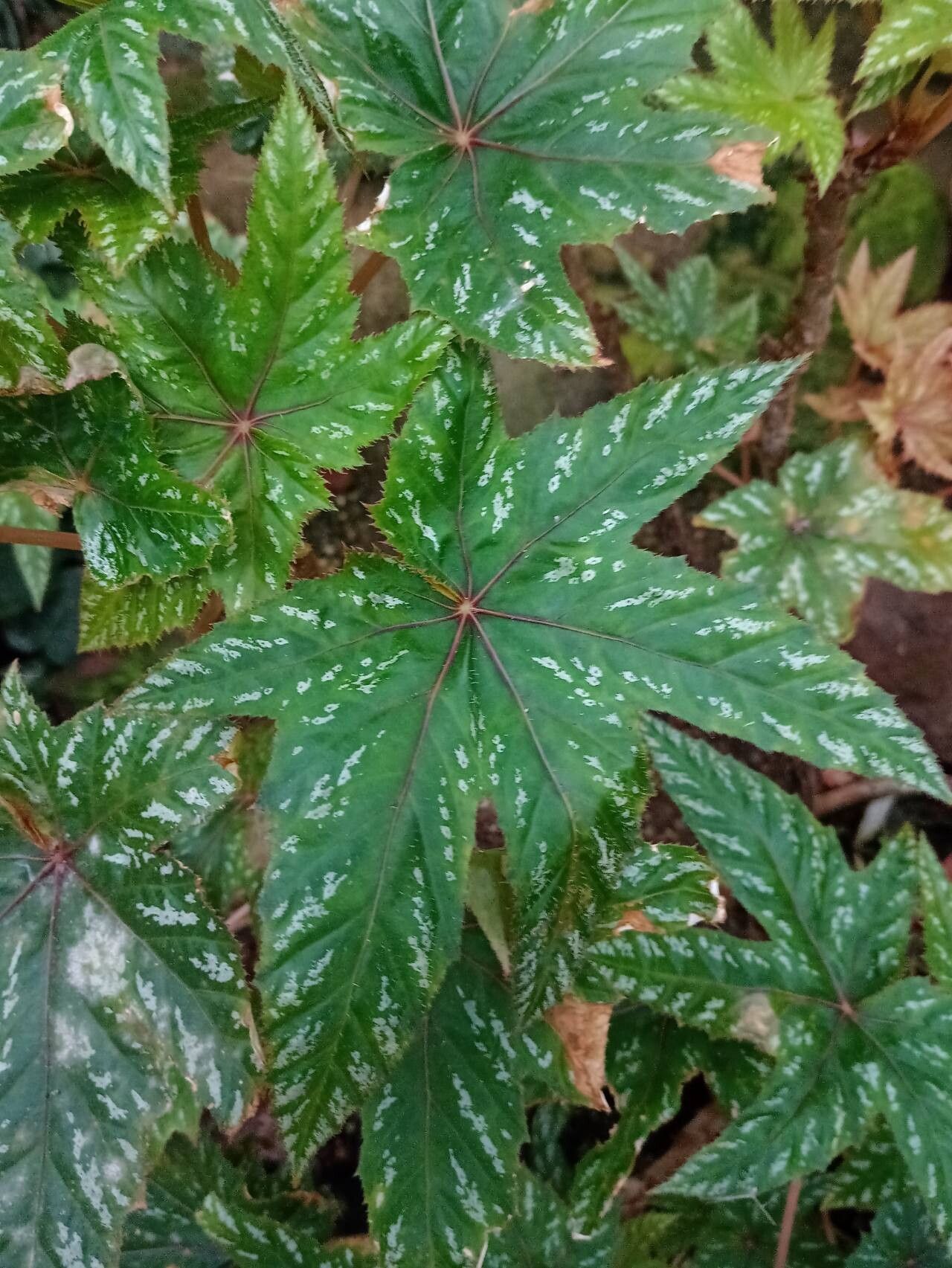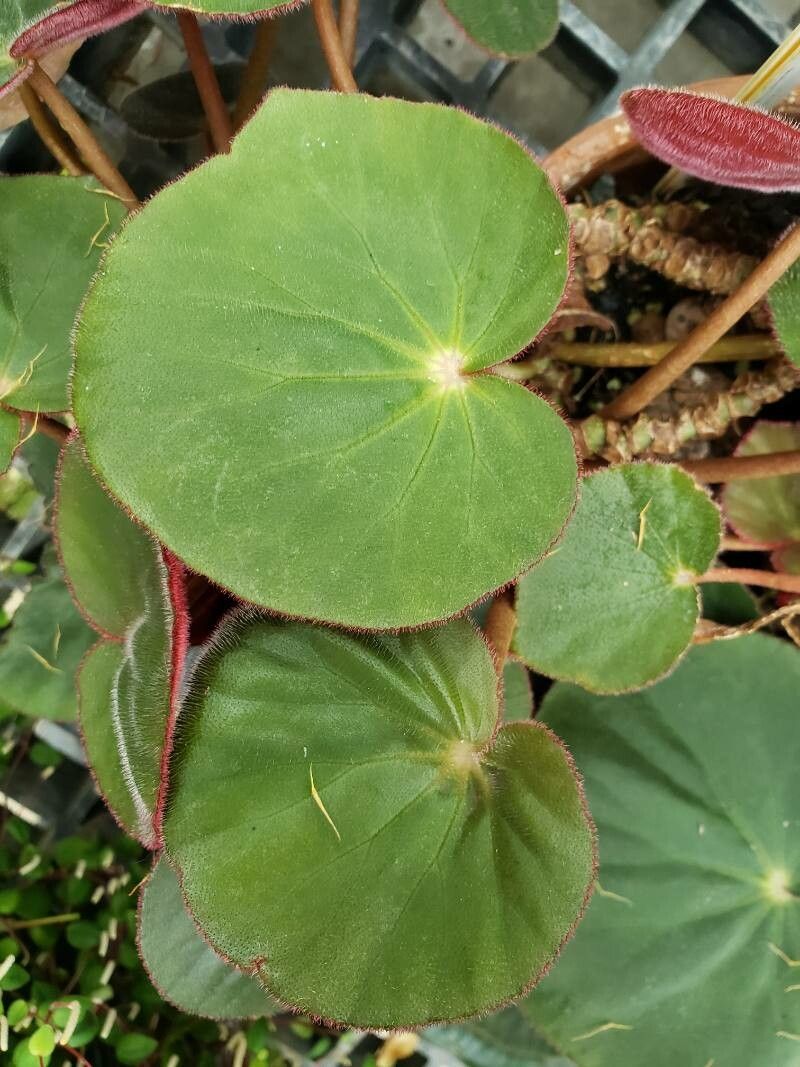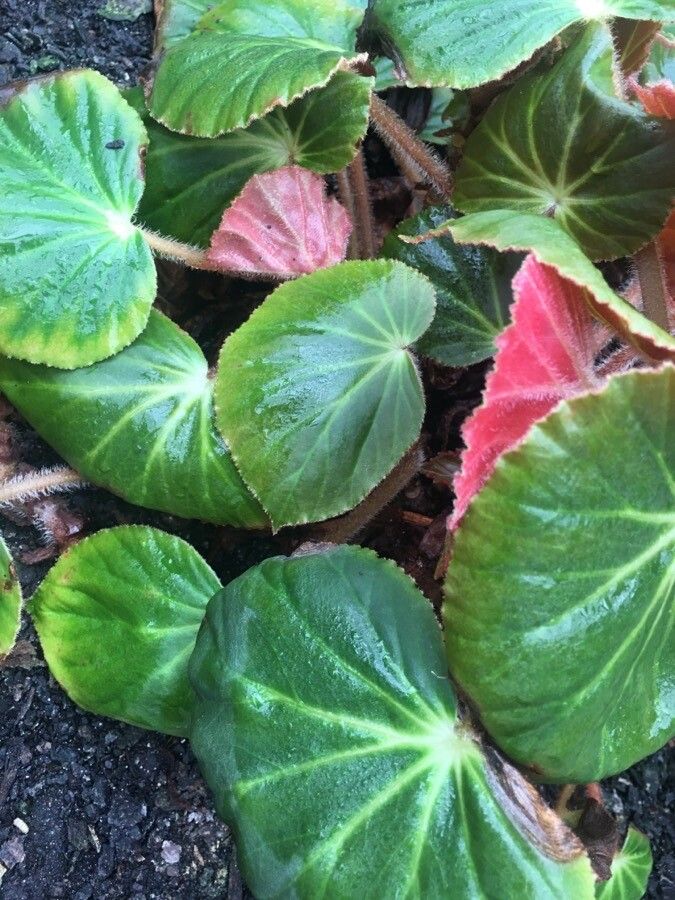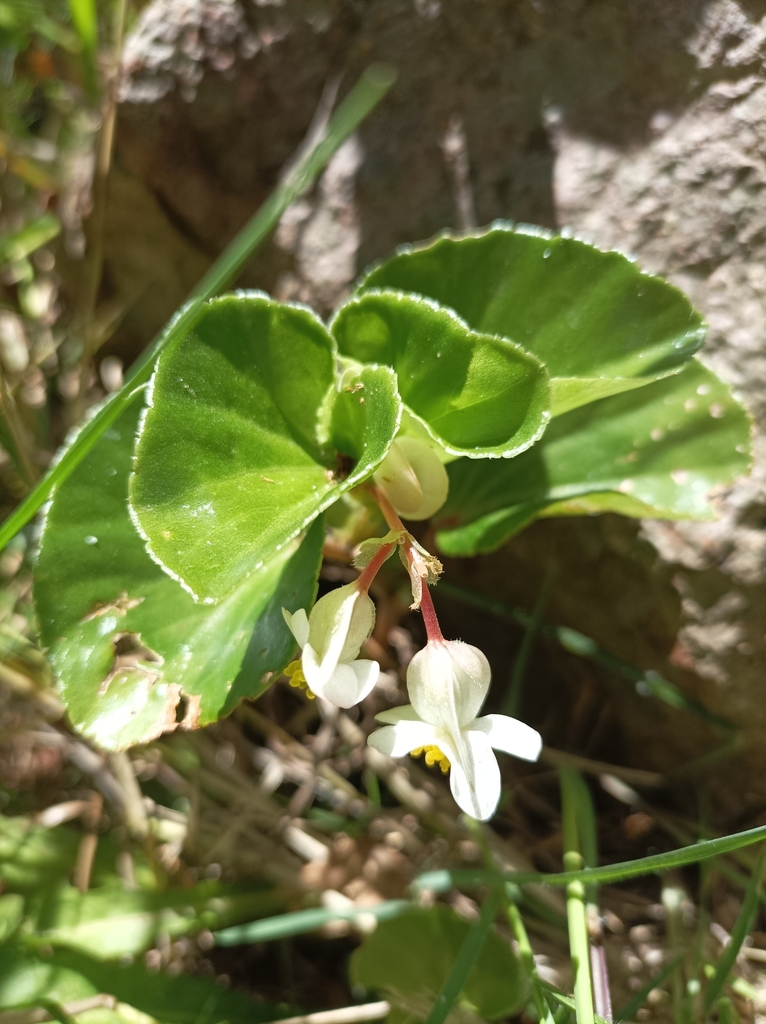
Begonia cucullata, commonly known as the wax begonia or club-shaped begonia, is a species of flowering plant belonging to the family Begoniaceae. Native to South America, particularly Brazil, this plant has become a popular ornamental choice worldwide.
The wax begonia features a compact, bushy growth habit with thick stems that can reach up to 30 cm in height. Its glossy, waxy leaves are dark green, sometimes exhibiting red or bronze tints, and are asymmetrical with an oblique base.
Begonia cucullata produces small, delicate flowers that are usually pink or white. These blossoms appear from spring through fall, borne on long stalks above the foliage.
According to legend, a girl named Wax Begonia sacrificed herself to save her father by falling to a pack of hungry wolves. As the villagers brought her back to the village, her blood marked the path along the way. Over time, red mountain flowers blossomed along the trail where her blood had been spilled, and the villagers named these flowers after her in her honor. FUN FACT · FROM THE LIBRARY
For optimal growth, this species prefers well-draining soil rich in organic matter and partial shade. It can be propagated through stem cuttings or by division during its active growing season.
Overall, Begonia cucullata makes an excellent houseplant due to its low maintenance requirements and attractive appearance, thriving both indoors and outdoors when grown under suitable conditions.
Wax begonia is well-known for its long flowering period, but its true appeal lies in the distinctive waxy coating of its leaves. This plant is named in honor of the French botanist Michel Bégon.
Wax begonia is generally resistant to disease and is not usually prone to illness. However, it can develop leaf spots if light and ventilation are inadequate and watering is too heavy. The plant is considered easy to care for because it mainly needs regular watering and little else. It is a good choice for people who do not have the time and energy to dedicate to frequent care.
How to keep Begonia Cucullata.
Light
Wax begonia does well in moderate sunlight and can adjust to bright, sunny spots or complete shade when necessary. Native to places with varying light levels, it tolerates changes in sunlight intensity. Still, too much sun can harm its leaves, while too little light can restrict its growth.
Water
Wax begonias, native to humid subtropical climates, thrive with consistent moisture and require weekly watering. Although they can tolerate some drought, they flourish in high humidity. For optimal foliage health and flower production, placing them indoors in humid areas is beneficial.
Humidity
This plant will thrive in moderate humidity, which is probably the level in your home. However, misting it a few times a week can be very beneficial. Make sure the room has good ventilation.
Temperature
Wax begonia prefers temperatures from 68 to 100°F (20 to 38°C) and is naturally found mainly in humid tropical to subtropical regions. When adjusting its conditions for different seasons, it’s recommended to keep it warm and moist in winter and to protect it from direct sunlight during the hot summer months.
Fertilizer
Appropriate fertilization is vital to a Wax begonia's health and appearance. Apply fertilizer to a Wax begonia in summer, doing so once a month throughout the season. Nutrients drive growth and help preserve the plant's parts. Fertilizing improves the Wax begonia's flower display, producing its best blooms.
Pruning
Wax begonias are known for their abundant blooms and lush foliage. To promote healthy growth, it's best to prune them in early spring or late winter. When you prune, remove any dead stems and spent flowers, and thin out overcrowded areas to improve air circulation. Regular pruning helps maintain the plant's shape and health, ensuring a vibrant display throughout the growing season.
Pot & Repot
When repotting Wax begonia, select a pot 1-2 inches (2.5–5.1 cm) larger that provides good drainage. Use a well-draining potting mix. Repot in spring or fall, making sure the root ball is positioned slightly below the rim of the flower pot. Water thoroughly after repotting and put the plant in a warm area with indirect sunlight.
Botanical profile.
- Plant Type
- Herb
- Life Cycle
- Perennial, Annual
- Genus
- Begonia
- Family
- Begoniaceae
- Hardiness Zone
- 10-11
- Mature Height
- 15 cm to 46 cm
- Mature Spread
- 61 cm
- Leaf Color
- Green, Brown
- Leaf Type
- Evergreen
- Flower Color
- Pink, White, Red
- Flower Size
- 2.54 cm
- Bloom Time
- Late spring, Summer
- Planting Time
- Spring, Summer, Autumn
- Harvest Time
- All year round
- Native Area
- Honduras, Mexico, Bolivia, Peru, Brazil, Ecuador
Other names.
Reader questions.
When Should I Water My Wax Begonia?
Watering your wax begonia at the right time is crucial for its health and growth. To determine when to water, feel the soil about 1-2 inches deep; if it feels dry, it's time to water. Look out for wilted or droopy leaves, leaf curling, and yellowing from the bottom up as signs of under-watering. Stunted growth and issues during the pre-flowering stage may also indicate the need for more water. Remember, wax begonia's water needs increase with higher temperatures and direct sunlight, and watering too early or late can lead to problems such as root rot or, conversely, dehydration and plant stress.
Why is it important to add fertilizer to my Wax begonia?
Fertilizer and soil nutrients are like fuel for your Wax begonia, supporting its healthy growth. Plants typically use nutrients found in the soil to grow new plant material and maintain their existing components. In the case of Wax begonias, fertilization is especially important for enhancing the beauty of their flowers. Since the flowers are the main attraction of this plant, most gardeners strive to ensure they look their best. Fertilization is one of the most effective methods to help your Wax begonia produce its most stunning blooms.
What are the sun requirements for Wax Begonia?
Wax Begonia requires varying amounts of sunlight depending on the conditions. It thrives in both partial sun, needing about 3-6 hours of sunlight, and in full sun or full shade, which requires more than 6 hours of sunlight. It's important to observe the movement of sunlight through your garden to find spots that offer a balance of light and shade, ensuring the best growth conditions for your plants.
What is the preferred temperature range for Wax Begonia?
Wax Begonia flourishes in a temperature range of 68 to 100°F (20 to 38°C). Originating in humid tropical to subtropical areas, it thrives in warm and moist conditions. To ensure its health, it's crucial to keep Wax Begonia warm and moist during the winter season while protecting it from direct sunlight in the hot summer months. It is especially fond of heat and is vulnerable to cold temperatures. As autumn arrives, it's recommended to bring outdoor Wax Begonias indoors, positioning them near a bright window but away from direct heater airflows. Maintaining temperatures above 20°C during winter benefits the plant's growth, while temperatures nearing 5°C can be harmful.
How Should I Water My Wax Begonia?
To properly water your wax begonia, consider bottom-watering to deliver moisture directly to the roots without over-saturating the surface or foliage. This method helps in preventing fungal diseases. If you're using a watering can, opt for one with a narrow spout to target water at the base of the plant, minimizing moisture on the leaves. The goal is to adequately hydrate the begonia’s roots while keeping its leaves dry to avoid disease.
When should I fertilize my Wax begonia for the best results?
The Wax begonia goes through two main phases each year. The first phase is the dormant phase, which happens during winter when it grows very little. The second phase is the active growth phase, which occurs in spring and fall. During this phase, the Wax begonia needs the most fertilization. It's recommended to start fertilizing the plant in the spring, once per month, continuing throughout spring and most of summer. As fall nears, you can decrease the frequency of fertilization.
How do Wax Begonias adapt to different light conditions?
Wax Begonias demonstrate remarkable adaptability to different light conditions, flourishing in moderate sunlight and even in sun-soaked or fully shaded areas. Originating from diverse light environments, Begonias can adjust to a range of solar intensities but must be protected from overexposure which can damage their foliage, while too little light may impede their growth.
How does low temperature affect Wax Begonia and what are the recommended solutions?
Wax Begonia prefers warmth, thriving above 20°C, and becomes vulnerable when temperatures drop below this. During winter, it's crucial to keep the temperatures above 5°C. Exposure to temperatures below 1°C may result in the leaves lightening in color, progressing to brown or black as frost damage takes its toll, accompanied by wilting and drooping. To remedy frost damage, trim off the frost-damaged parts and relocate the plant indoors to a warm spot, ideally near a south-facing window to ensure ample sunlight, while avoiding proximity to heaters or air conditioning vents to prevent air dryness.
How Much Water Does Wax Begonia Really Need?
The wax begonia requires consistent, moderate watering due to its shallow root system. The precise amount of water needed varies, but as a guideline, soil should be kept evenly moist without being waterlogged. For small pots, 200-300 milliliters per watering session might suffice, and larger pots may need 400-500 milliliters. Look for lush green leaves and firm, turgid foliage as signs of good hydration, and adjust watering to prevent the soil from becoming overly soggy or bone dry.
When is it not a good idea to fertilize my Wax begonia?
If you want to promote the growth of Wax begonias without causing root burn, it's important to fertilize accordingly. During the spring and summer, when the plant is actively growing, it requires additional nutrients. However, in the fall and winter when the plant goes into its dormancy stage, it is best to refrain from fertilizing.
What artificial lighting requirements do indoor Wax Begonias have?
Indoor Wax Begonias require adequate lighting for optimal growth, especially when natural sunlight is not sufficient. Artificial lights, particularly LED, can be used to supplement sunlight, tailored to provide specific wavelengths necessary for the plant. The intensity of light should range from 10-20W/sq ft for full shade plants, 20-30W/sq ft for partial sun plants, to 30-50W/sq ft for full sun plants. The light source should be placed 12-36 inches above the plant, simulating natural daylight conditions for 8-12 hours per day.
What should be done if Wax Begonia is exposed to high temperatures?
In the summer, it's important to ensure Wax Begonia is not exposed to temperatures above 38°C, as exposure to temperatures over 43°C can cause the leaves to lighten and increase the plant's risk of sunburn. To manage this, trim away sunburnt and dried parts of the plant, relocate it to a spot with shade from the midday and afternoon sun, and ensure the plant is watered in the morning and evening to keep the soil moist, providing a conducive environment for its survival and growth despite the high temperatures.