Begonia convolvulacea is a species of flowering plant in the family Begoniaceae. Native to tropical regions of South America—particularly Brazil, Peru, and Bolivia—this plant is commonly known as the climbing begonia for its ability to ascend trees and other support structures.
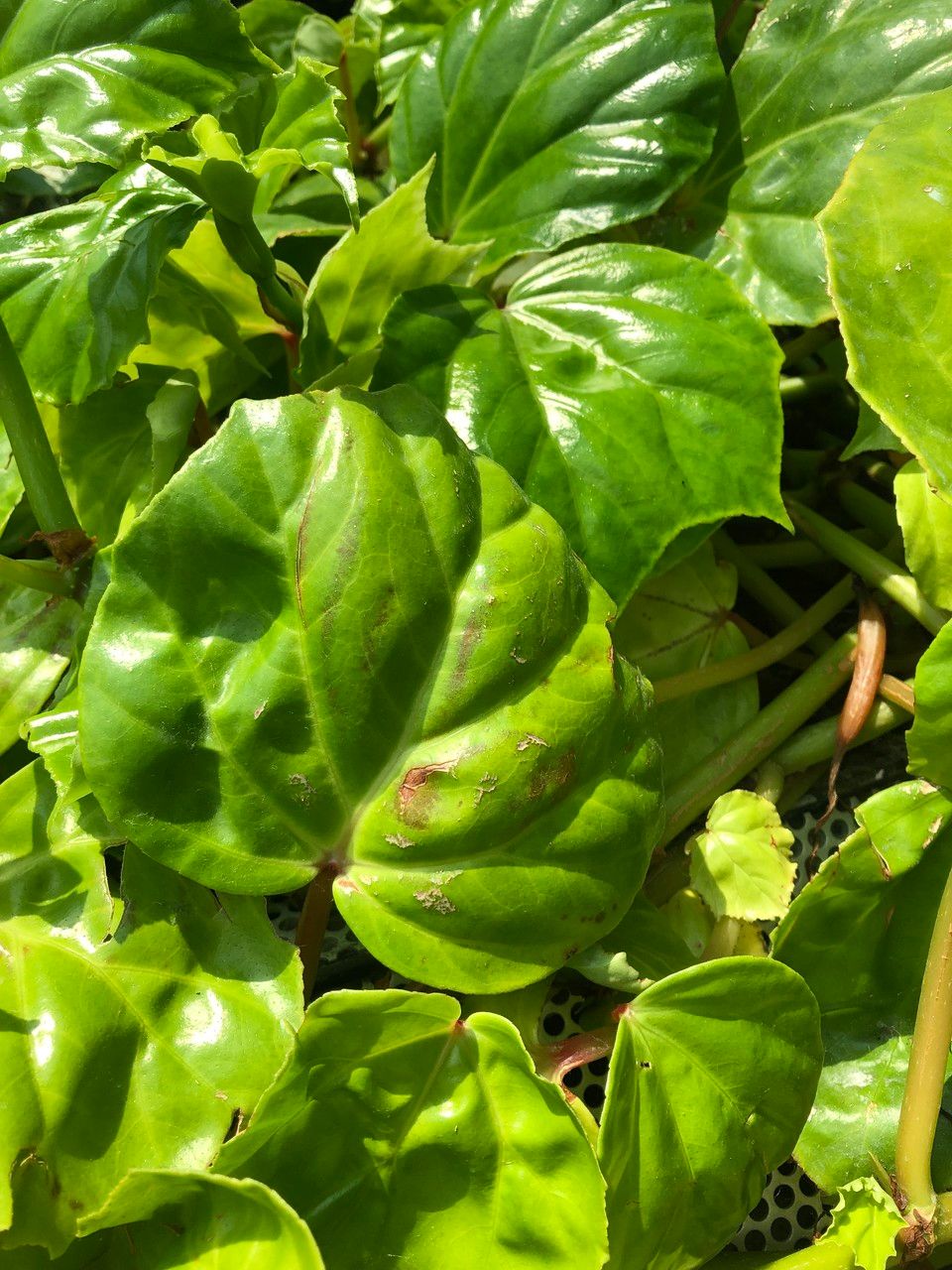
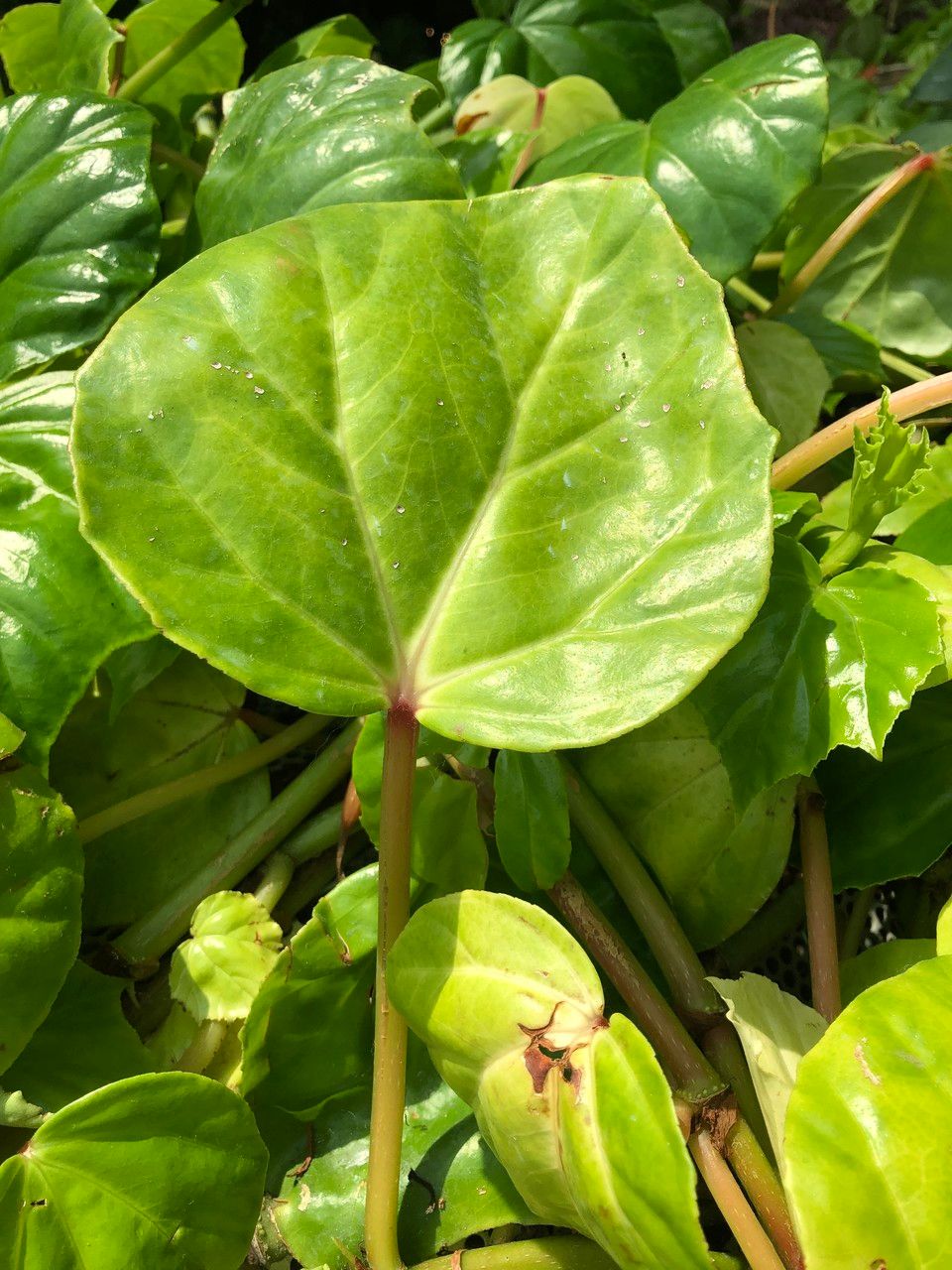
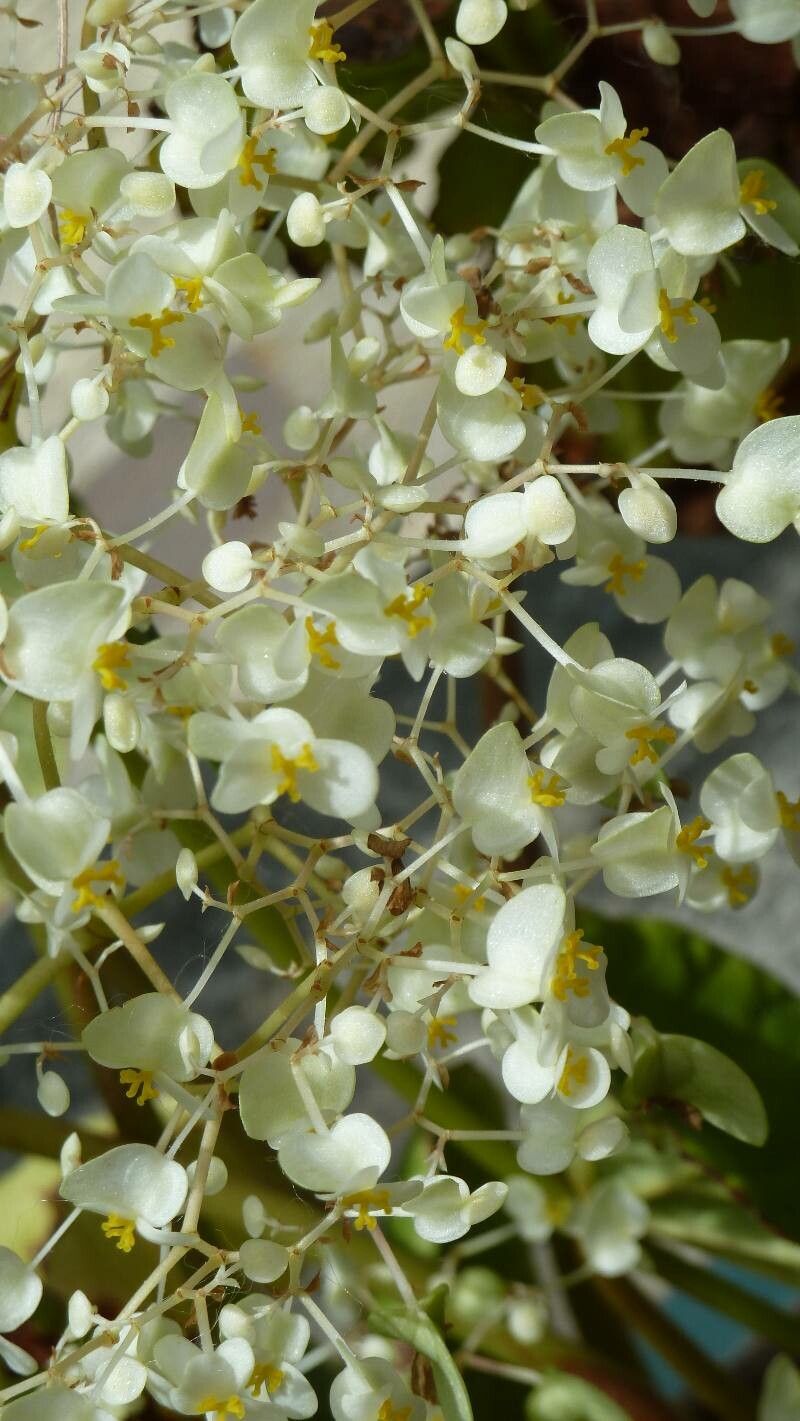
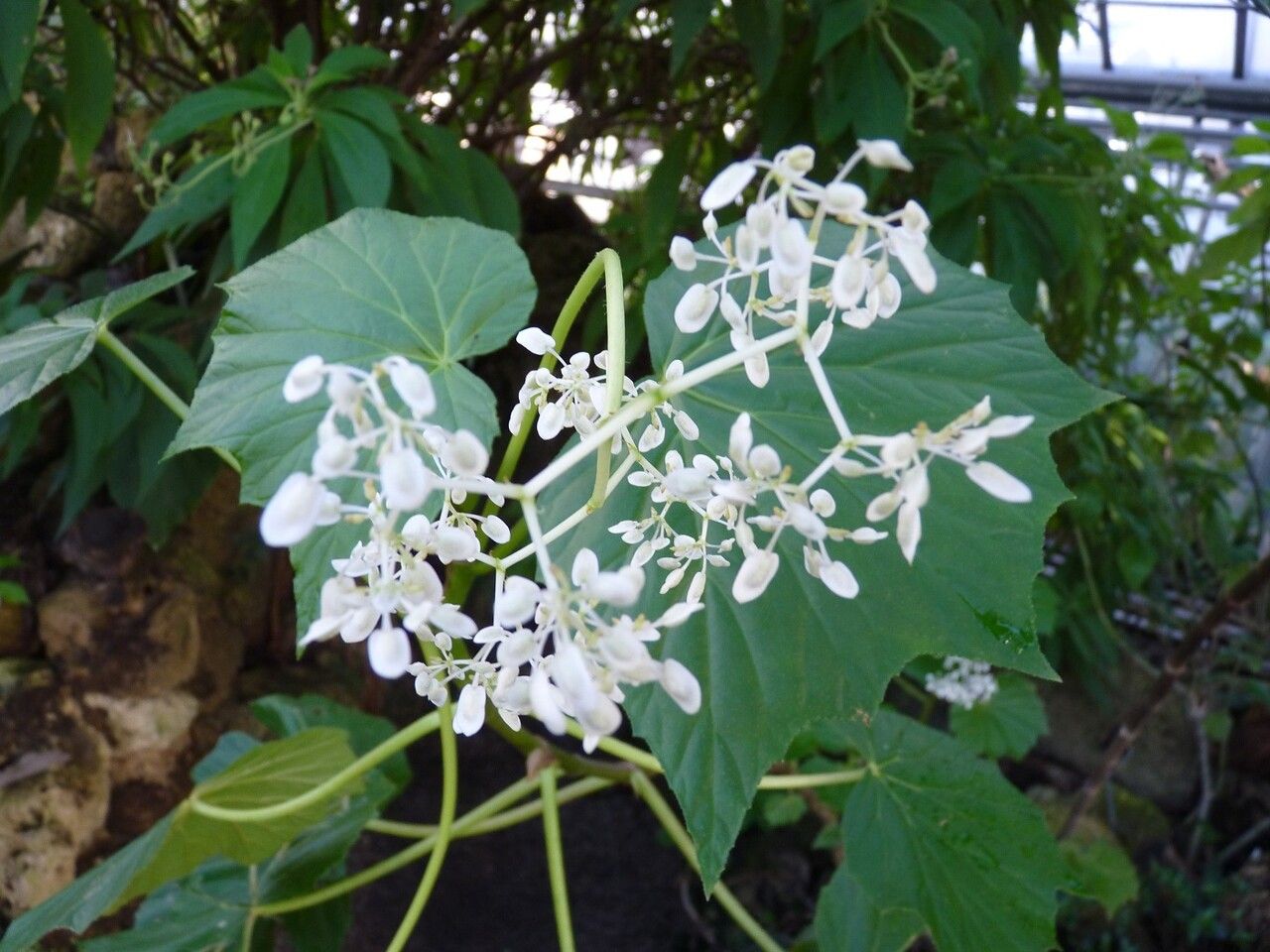
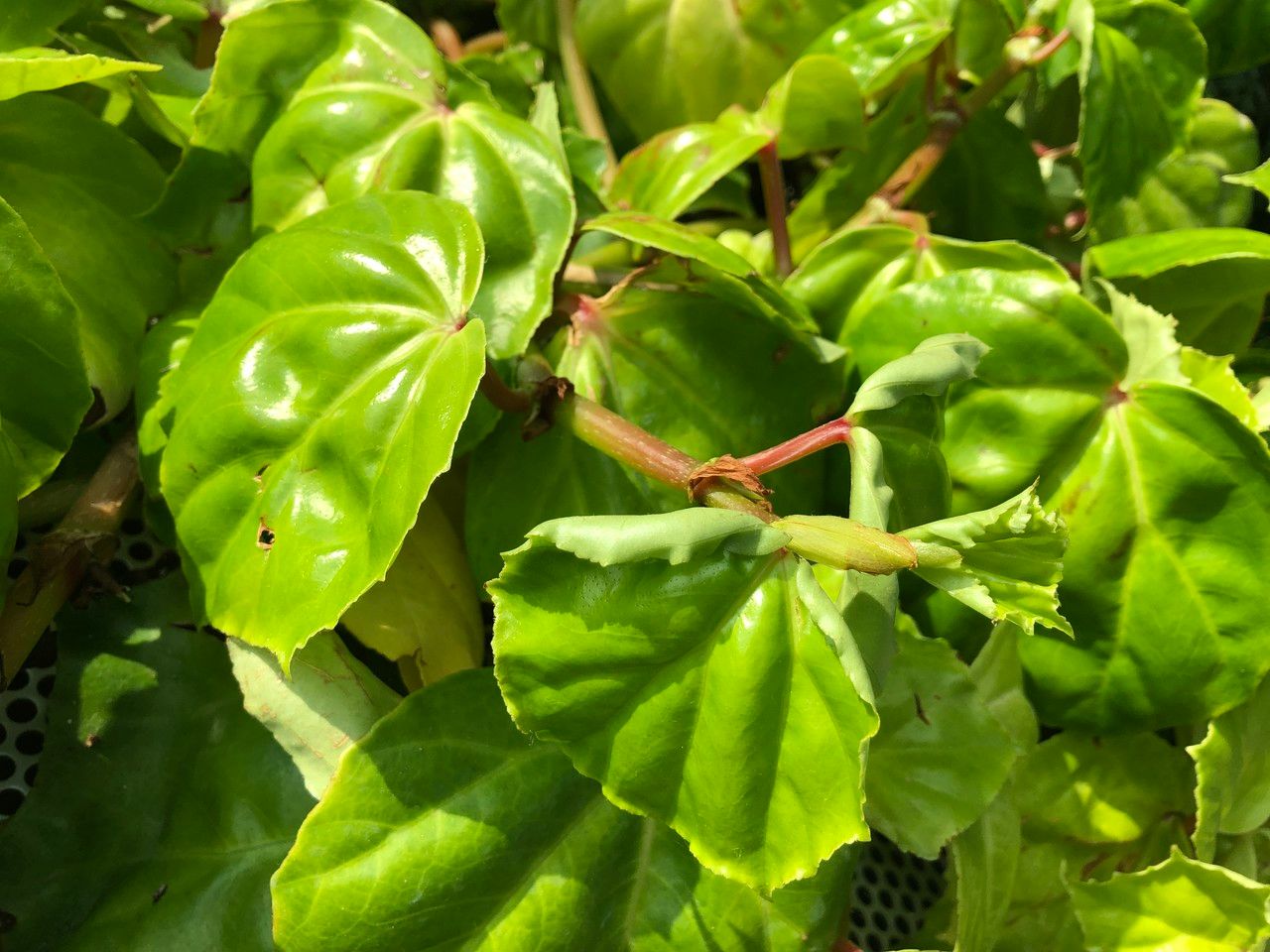
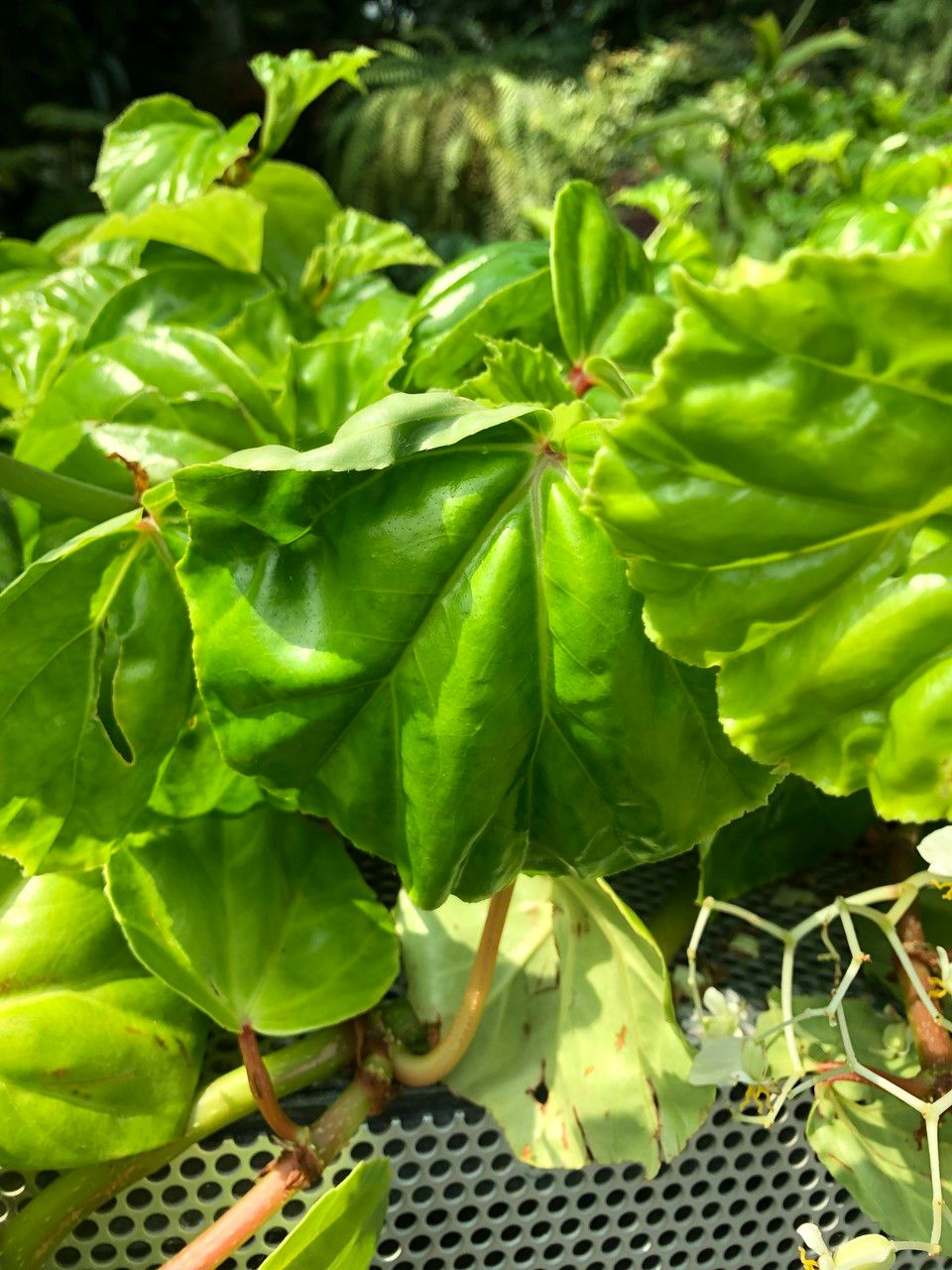
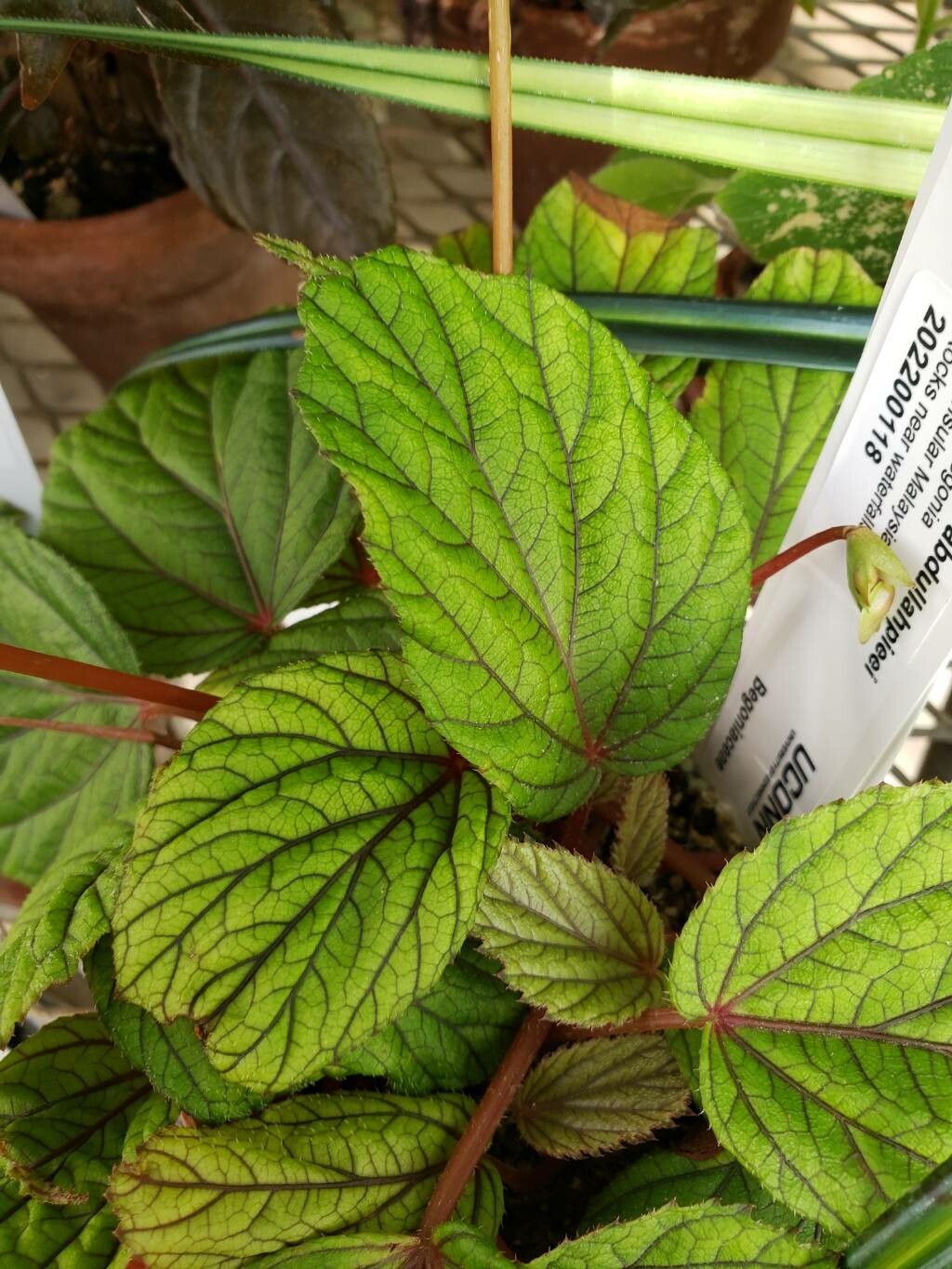
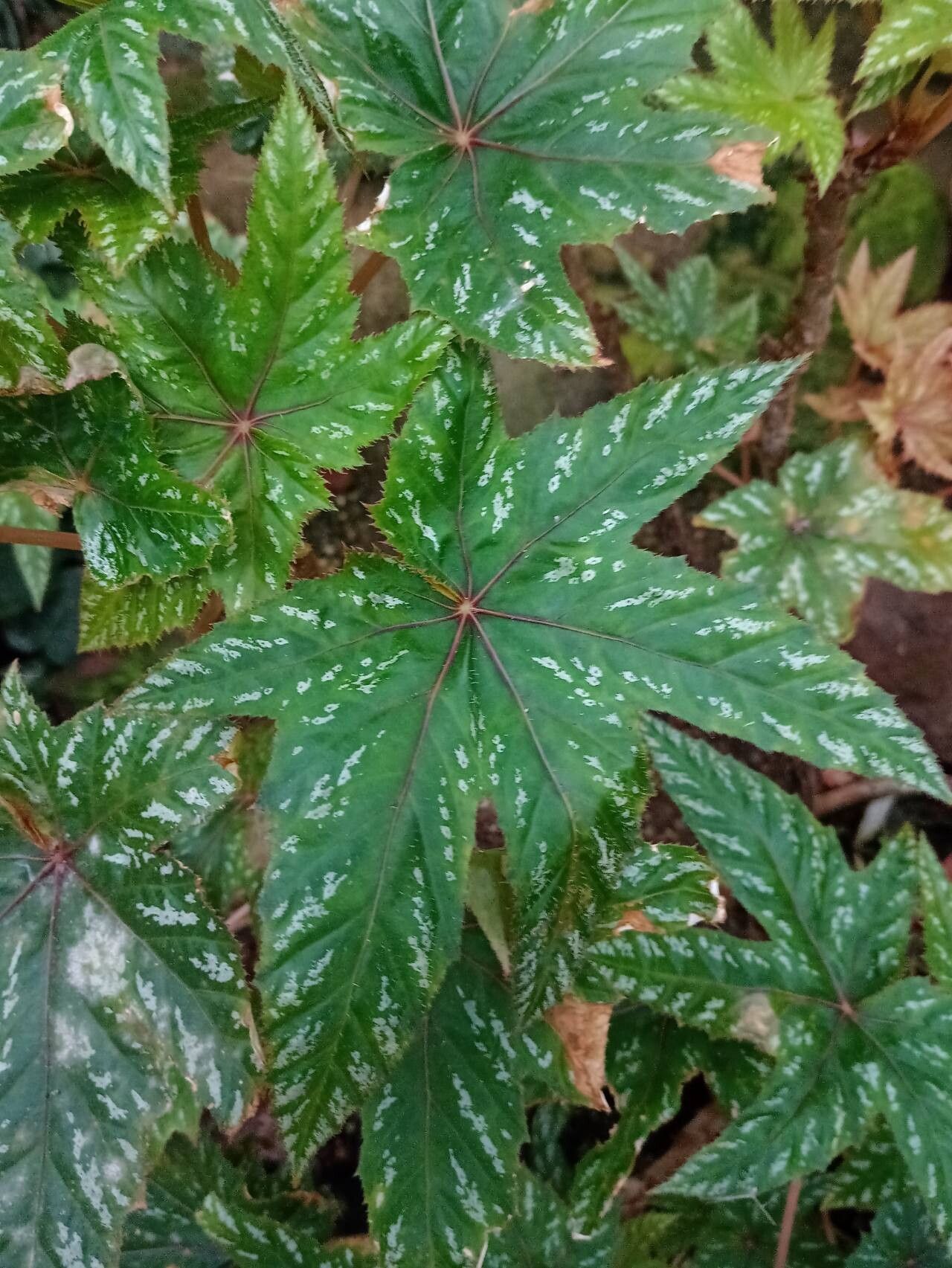
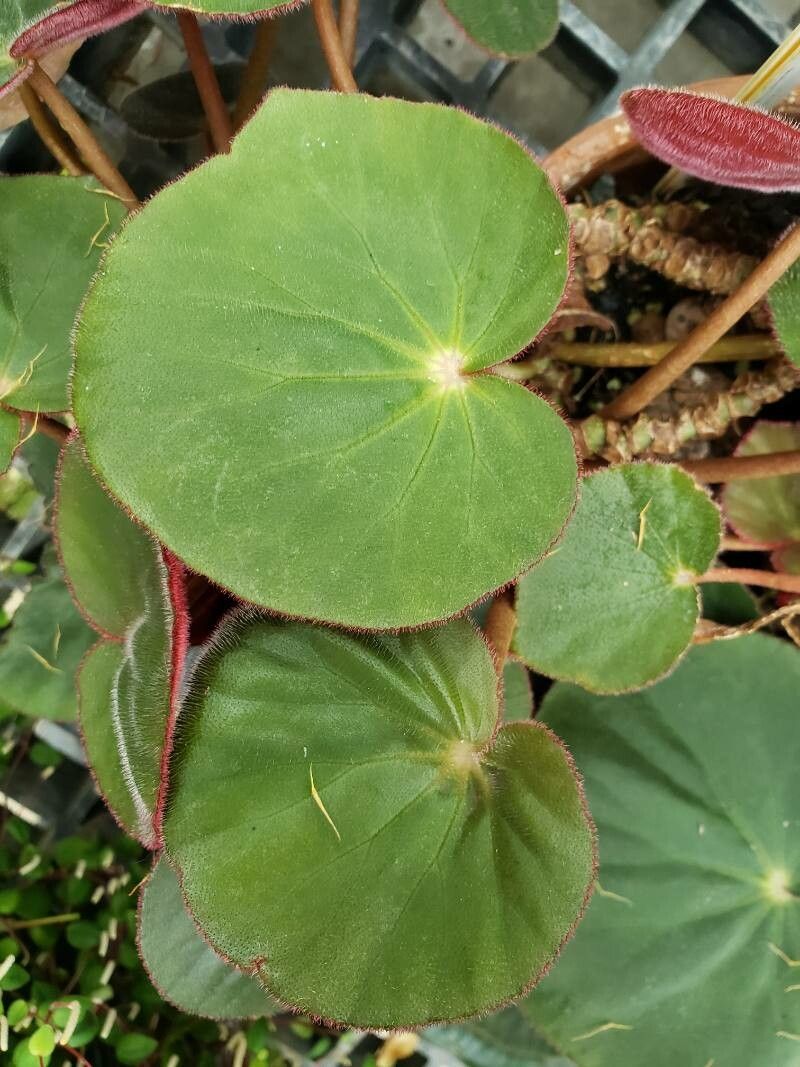
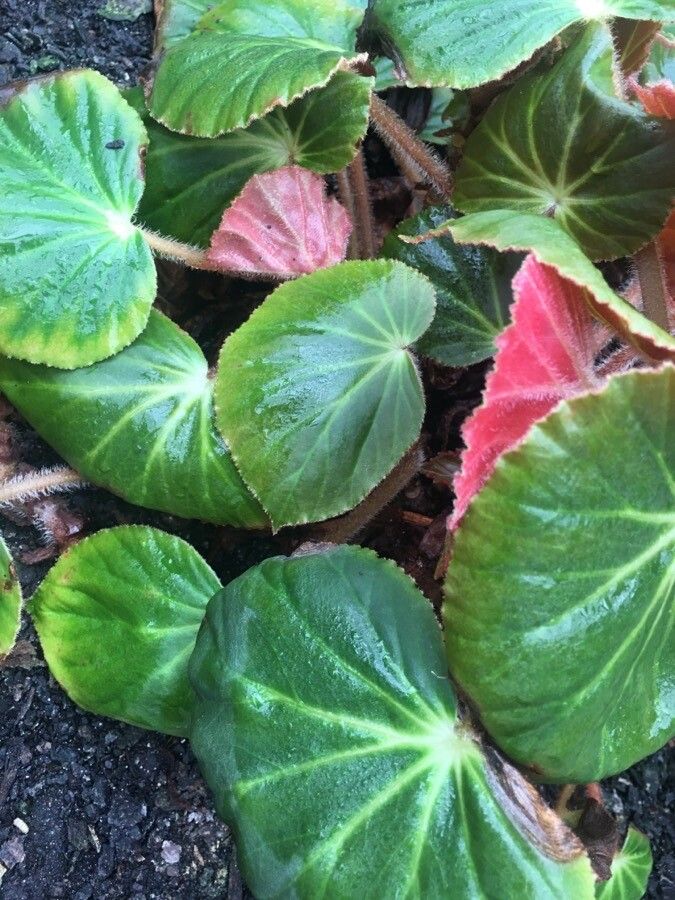
The leaves of Begonia convolvulacea are heart-shaped, featuring a glossy green surface and red undersides. Its small white flowers, each with a yellow center, bloom in clusters on long stems.
This plant thrives in partial shade or filtered sunlight and prefers well-draining soil that retains moisture without becoming waterlogged. It can be propagated through stem cuttings or by division.
Begonia convolvulacea is often used as an ornamental houseplant owing to its attractive foliage and delicate flowers. In tropical climates, it can also be grown outdoors as a ground cover or climbing vine.
In summary, Begonia convolvulacea is a captivating plant species that enhances the beauty and interest of any space it occupies.
The morning-glory begonia has good resistance to disease and is generally not likely to suffer from illnesses. However, it can be vulnerable to pests and diseases present in its environment. These problems are typically mild. In terms of care, the plant requires a moderate amount of maintenance. It should be pruned regularly to keep a pleasing appearance and support healthy growth. Fertilizing can also help encourage flowering. The morning-glory begonia is suitable for anyone with outdoor space, such as a garden or a patio, and does not demand extensive care experience. It may need more attention when grown indoors.
How to keep Begonia Convolvulacea.
Light
The morning-glory begonia is native to habitats like forest understories and rocky areas, where it grows in natural shade. It favors partial sun but can tolerate full sun or full shade, reflecting its versatile and hardy nature.
Water
Native to humid environments, the morning-glory begonia efficiently absorbs moisture and is moderately drought-tolerant. It thrives when the soil moisture is balanced, which can be achieved by watering it weekly. Indoors, this evergreen plant flourishes in stable temperatures and indirect light, benefiting from the higher humidity typically found in homes.
Humidity
This plant will thrive in moderate humidity, which is probably the level in your home. However, misting it a few times a week can be very beneficial. Make sure the room has good ventilation.
Temperature
Morning-glory begonia comes from tropical areas where the climate is generally warm and humid. Consequently, it is well-suited to high temperatures and humidity. It does not like sudden temperature shifts and prefers a steady temperature, so avoiding temperature fluctuations indoors is important. It typically cannot tolerate cold and needs warmer conditions to grow; if the temperature falls too low, the plant may stop growing or even die.
Fertilizer
Correct fertilization is essential for the health and appearance of the Morning-glory begonia. Fertilize the Morning-glory begonia in summer, repeating the application monthly throughout the season. Nutrients supply what the plant needs for growth and to maintain its parts. Fertilization improves the Morning-glory begonia's flower display, ensuring the best blooms.
Pruning
The Morning-glory Begonia features trailing vines adorned with clusters of vibrant flowers. To encourage healthy growth, it is best to prune the plant from early to late spring. This helps remove dead stems and trim overgrown areas to improve air circulation. Using clean tools is essential to prevent damage, and regular pruning promotes robustness and helps prevent disease.
Botanical profile.
- Plant Type
- Herb, Vine
- Life Cycle
- Perennial
- Genus
- Begonia
- Family
- Begoniaceae
- Hardiness Zone
- 10-12
- Mature Height
- 30 cm to 61 cm
- Mature Spread
- 30 cm to 49 cm
- Leaf Color
- Green, Dark Green
- Leaf Type
- Semi-evergreen
- Flower Color
- White, Pink
- Flower Size
- 1.02 cm to 2.03 cm
- Bloom Time
- All year round
- Planting Time
- Spring
- Harvest Time
- All year round
- Native Area
- Brazil
Other names.