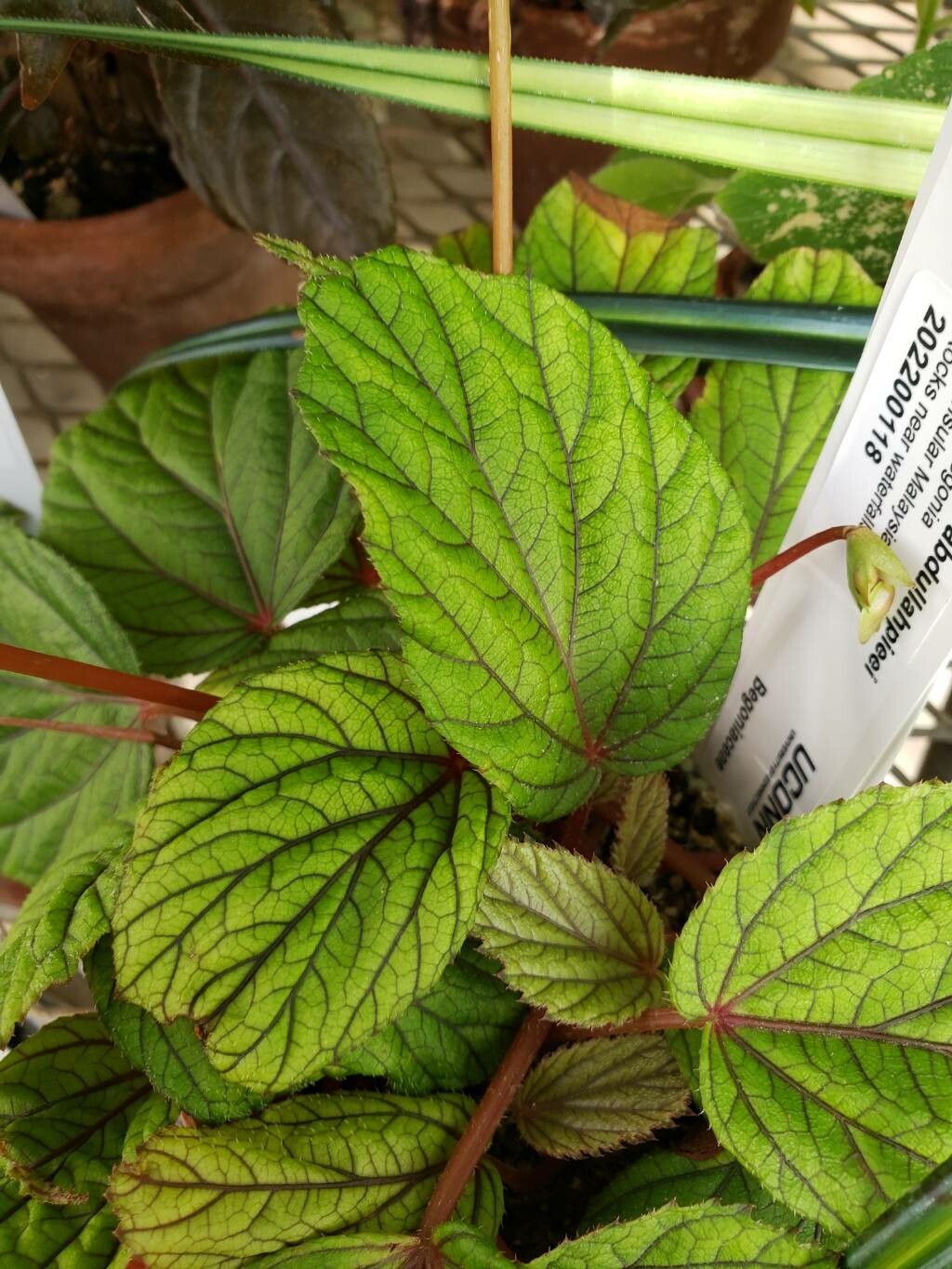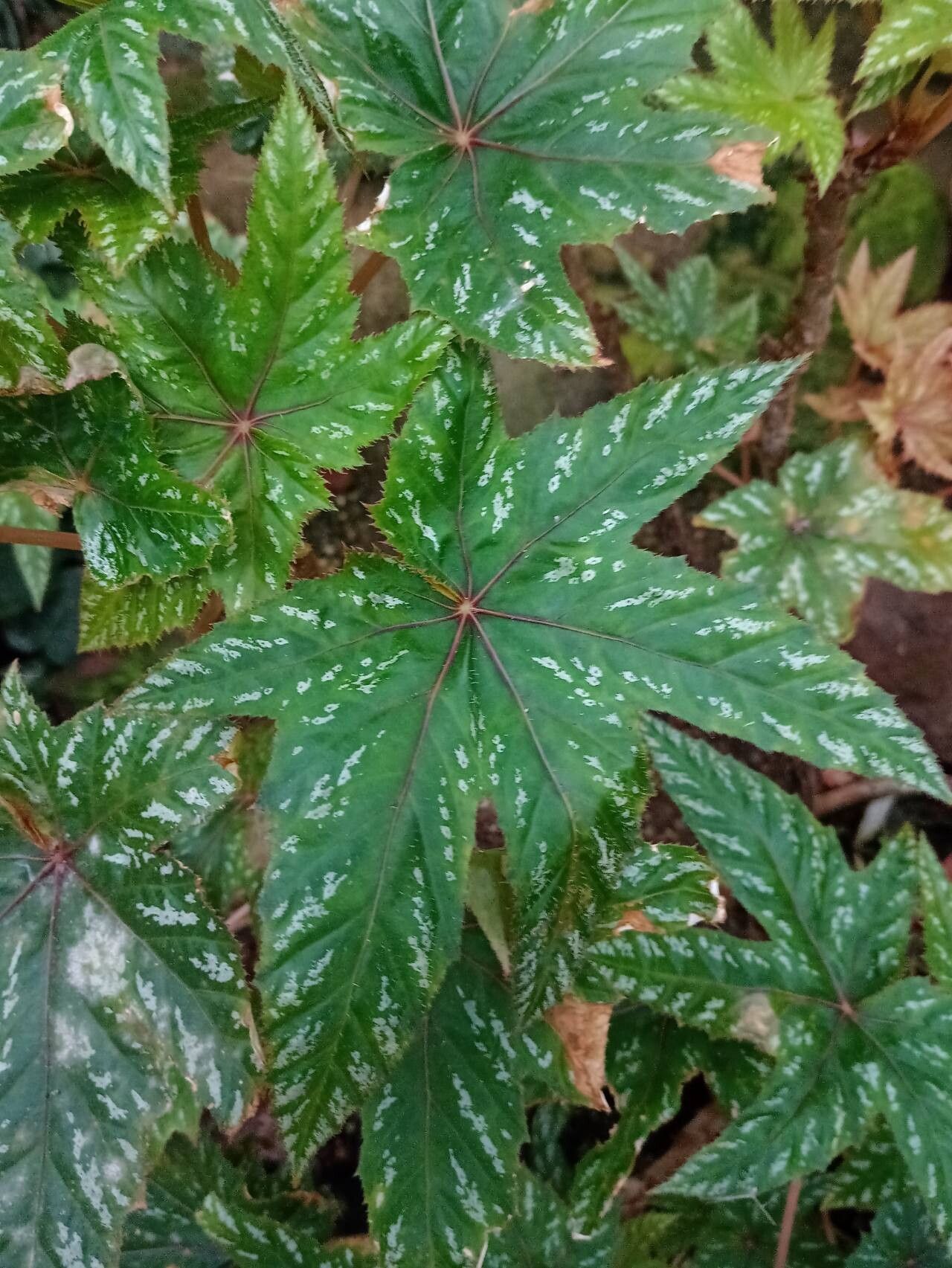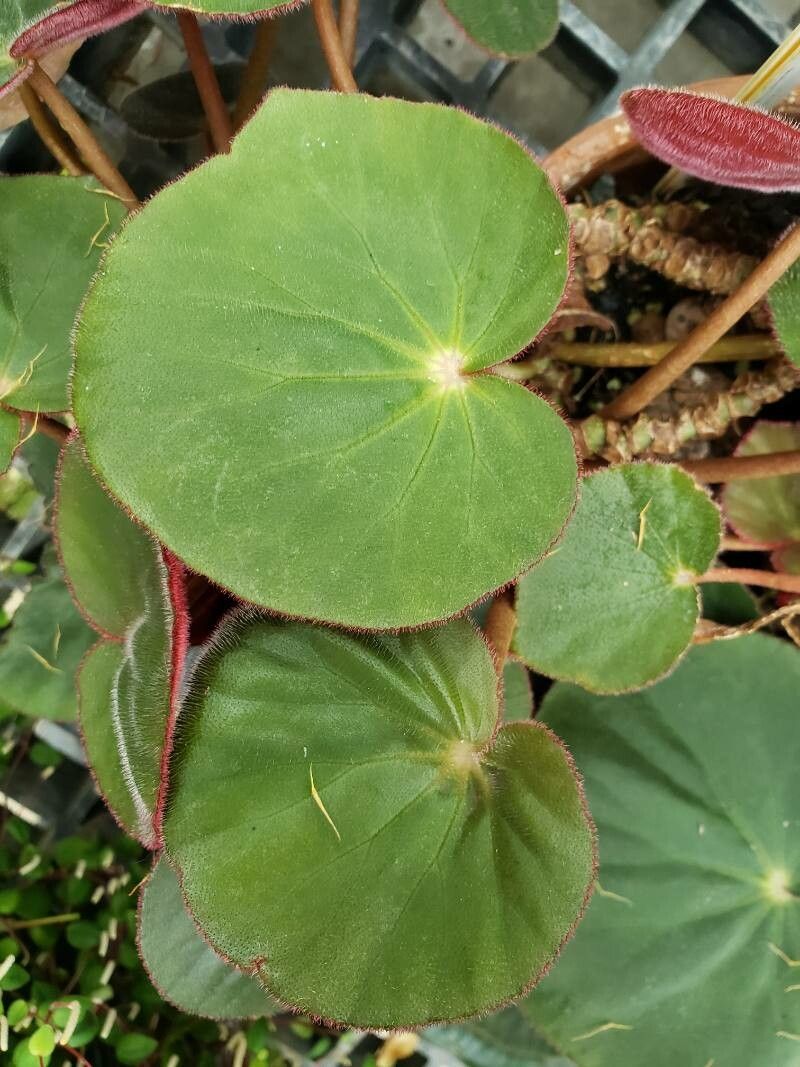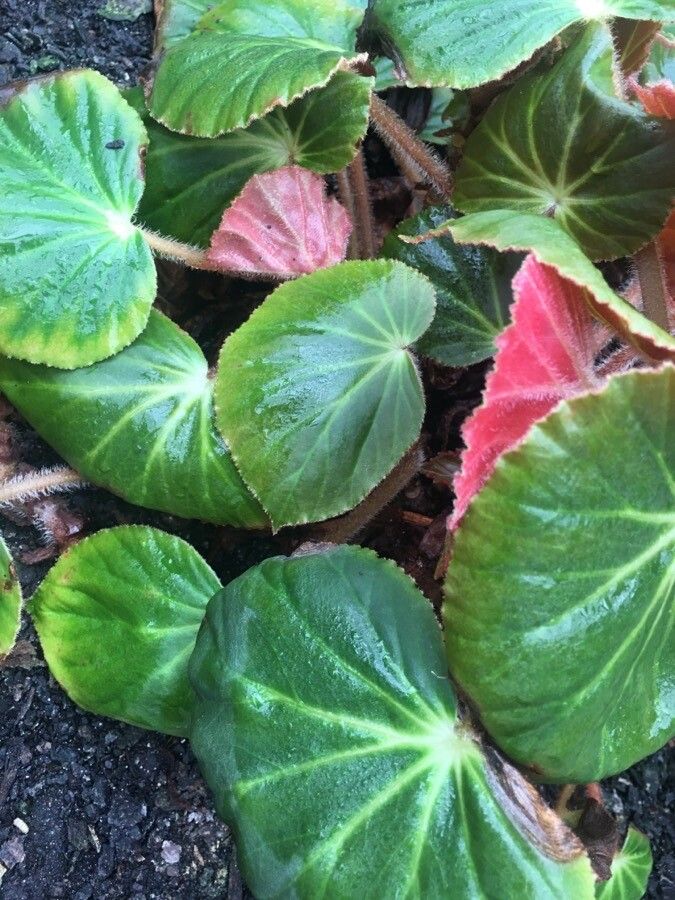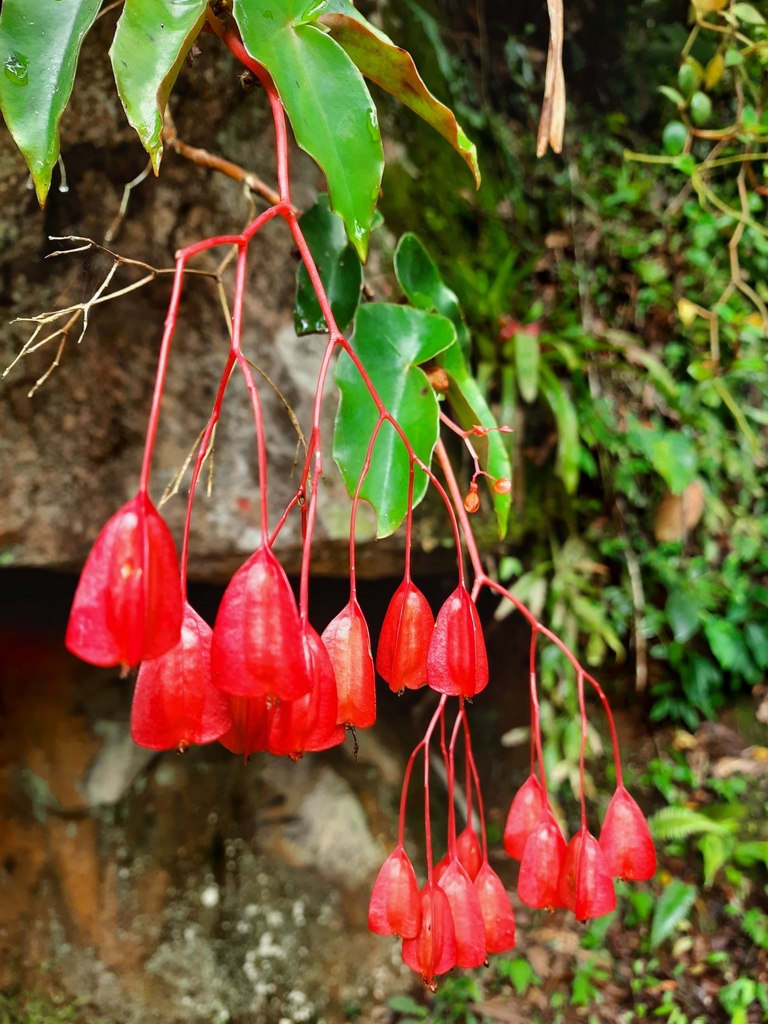
Begonia coccinea is a perennial herbaceous plant belonging to the Begoniaceae family and is native to Brazil. This species can grow up to 60 cm tall and features glossy, dark green leaves with distinctive red undersides. Its bright red or pink flowers bloom in clusters from late spring to early fall.
The plant thrives in partial shade and prefers moist, well-drained soil. Commonly cultivated for its attractive foliage and striking flowers, Begonia coccinea is a popular choice for gardens or indoor spaces with bright indirect light. It can be easily propagated from stem cuttings or by dividing the root ball during the growing season.
Scarlet begonia has strong resistance to disease and is generally not prone to illnesses. Nonetheless, it can be vulnerable to leaf spots when light and ventilation are poor and watering is excessive. The plant is considered easy to care for, since it mainly needs regular watering and little else. Scarlet begonia is appropriate for people who lack the time and energy to provide regular care.
How to keep Begonia Coccinea.
Light
Scarlet begonia does best when given gentle sunlight—sufficient but not overly strong—mimicking the light beneath a canopy. It can live in full shade, but some light encourages more vigorous growth. Both too much and too little light can stress the plant and interfere with its normal development.
Water
Scarlet begonia thrives in humid environments and needs consistent moisture to stay healthy. Weekly watering helps mimic its natural rainfall conditions. When grown indoors, this plant benefits from higher humidity, which is crucial for vibrant flowering—especially during its active growing season. Therefore, monitoring humidity levels is essential.
Humidity
This plant will thrive in moderate humidity, which is probably the level in your home. However, misting it a few times a week can be very beneficial. Make sure the room has good ventilation.
Temperature
Scarlet begonia comes from climates that experience wide temperature swings and prefers daily temperatures between 68 and 100.4 °F (20 to 38 ℃). During extreme weather, it is recommended to adjust care for the scarlet begonia to keep temperatures within that range.
Fertilizer
Appropriate fertilization is essential for the health and appearance of Scarlet begonia. Fertilize Scarlet begonia in summer, repeating the application monthly throughout the season. Nutrients supply the energy for growth and the maintenance of the plant's parts. Fertilizing the Scarlet begonia improves its floral display, ensuring it produces the best blooms.
Pruning
Scarlet begonias are known for their vibrant foliage and flowers. To encourage bushier growth and remove dead branches, it is best to prune them during their dormant period, from late winter to early spring. Regular pruning not only improves airflow but also reduces the risk of disease and encourages blooming. For the best results, always use clean and sharp tools when pruning.
Pot & Repot
When repotting Scarlet begonia, select a pot 1–2 inches (2.5–5.1 cm) larger that provides good drainage. Use a well-draining potting mix. Repot in spring or fall, making sure the root ball is slightly lower than the rim of the flower pot. Water thoroughly after repotting and place it in a warm spot with indirect sunlight.
Botanical profile.
- Plant Type
- Herb
- Life Cycle
- Perennial
- Genus
- Begonia
- Family
- Begoniaceae
- Hardiness Zone
- 10-11
- Mature Height
- 91 cm
- Mature Spread
- 37 cm to 61 cm
- Leaf Color
- Green, Purple
- Leaf Type
- Evergreen
- Flower Color
- Red, Pink
- Flower Size
- 1.02 cm
- Bloom Time
- All year round
- Planting Time
- Spring, Autumn
- Harvest Time
- All year round
- Native Area
- Brazil
Other names.
Reader questions.
What should I do if I give my Scarlet begonia too much or too little water?
Observing the plant closely can help determine if there are issues with watering. If the plant is being overwatered, there are several visible signs such as yellow leaves and yellow-brown patches at the tips. In more severe cases, the leaves may droop and curl due to root rot, making it difficult for the plant to absorb any more water. Indoor Scarlet begonias are particularly susceptible to overwatering, so it's important to catch it early. If you see standing water or any leaf changes, stop watering and allow the soil to dry out for 3-5 days. Acting quickly is crucial if root rot is present. Remove the plant from the pot or ground, wash off the roots, and discard any dead or decaying roots while preserving as much healthy root as possible. Replace the old soil with fresh soil if planting in a pot, or relocate the plant in the garden with new soil. While overwatering is a problem, underwatering can also be harmful. For Scarlet begonias, consistent watering is crucial as they are highly sensitive to drought conditions. Signs of underwatering include curled and lifeless leaves, gradual yellowing from the bottom, and brown edges. Fixing underwatering is relatively easier – simply increase the frequency of watering. If the plant is drying out quickly, raise the humidity level to ensure the soil remains moist for longer. Additionally, consider moving the plant if it's receiving excessive sunlight or exposed to hot temperatures, as this can lead to faster evaporation.
Why should I add fertilizer to my Scarlet begonia?
Fertilizer and soil nutrients are essential for the healthy growth of your Scarlet begonia. Plants use nutrients found in the soil to develop new plant material and maintain existing components. Fertilization is specifically important for the Scarlet begonia to ensure the best display of its flowers. As the main attraction of this plant, gardeners strive to help the flowers appear in their best form. Fertilization is a reliable method to promote the production of high-quality blooms.
What are the sunlight requirements for Scarlet Begonia?
Scarlet Begonia thrives best in gentle sunlight, ideally receiving about 3-6 hours of sunlight daily, which simulates its natural, canopy-covered habitat. It can survive in full shade conditions, defined as less than 3 hours of sunlight, but more vibrant growth is observed with some light exposure. Overexposure to sunlight or underexposure can stress the plant, affecting its normal development. It's essential to watch how sunlight moves through your garden and choose locations that provide a perfect balance of light and shade for your plants.
What is the native climate for Scarlet begonias?
Scarlet begonia thrives in climates that experience a significant range of temperature fluctuation, with ideal daily temperatures ranging between 68 to 100.4 °F (20 to 38 °C). It is extremely heat-loving, indicating that it favors warmer climates but requires adjustments in care during extreme weather conditions to maintain these temperature preferences.
How frequently should I water my Scarlet begonia?
To properly water your plant, here are some guidelines to follow. During spring, watering once a week should be sufficient. However, during the summer, you will need to increase the frequency of watering compared to spring. In winter, you can decrease the frequency of watering. Keep in mind that the timing may vary based on factors like humidity, temperature, and soil type. For your Scarlet begonia, it is important to regularly check the soil condition. You can use your finger or a Soil Moisture Meter to do this. Make sure the soil remains moist but not soggy. Water the plant after the top 1.5-2 inches of soil have dried out and continue testing to establish a watering schedule. Potted plants are more prone to overwatering, so it is crucial to use a pot with proper drainage holes and well-draining soil. Before watering, ensure there is no excess water in the plant tray. If your Scarlet begonia is planted in the ground, rainwater will help it grow better. Aim for about 1 inch of rain per week for optimal growth. If rainfall is insufficient, additional watering once a week may be necessary. Humidity also plays a role in watering. While the plant can thrive in normal room humidity, it prefers higher humidity if possible, typically around 40 to 60 percent. To increase humidity for indoor plants, place a small humidifier nearby. For outdoor plants, misting the plant throughout the day can help maintain humidity.
When should I fertilize my Scarlet begonia?
The Scarlet begonia has two main phases in its yearly cycle. The first phase is the dormant phase during winter, when there is minimal new growth. The second phase is the active growth phase, occurring in spring and fall, when the Scarlet begonia needs the most fertilization. To best fertilize your Scarlet begonia, start in the spring, repeating the feeding once a month throughout the rest of spring and most of the summer. As fall approaches, reduce the fertilization rate.
How does artificial lighting affect Scarlet Begonia's growth?
Indoor Scarlet Begonia plants require adequate lighting for optimal growth, especially when natural sunlight is insufficient, like in winter or less sunny spaces. Artificial lights can promote faster, healthier growth by mimicking natural sunlight conditions. LED lights are preferred for indoor plant lighting due to their customizable wavelengths suitable for plant needs. Full sun plants need 30-50W/sq ft, partial sun plants 20-30W/sq ft, and full shade plants 10-20W/sq ft of artificial light. The light source should be placed 12-36 inches above the plant and kept on for 8-12 hours per day to mimic natural daylight hours effectively.
How should Scarlet begonias be cared for in extreme weather?
In extreme weather conditions, special care should be taken to keep Scarlet begonias within their preferred temperature range of 68 to 100.4 °F (20 to 38 °C). During colder months, it is advisable to bring outdoor-grown Scarlet begonias indoors, placing them near a bright window while ensuring they are kept a safe distance from heaters to prevent harm. Maintaining temperatures above 68°F (20°C) during winter is crucial, as any temperature approaching 41°F (5°C) can be detrimental to the plant.
How should I water my Scarlet begonia correctly?
Here are some easier-to-follow ways to supply water to your Scarlet begonia: 1. Indoor Pot: - For small potted Scarlet begonias, you can bring them to your kitchen sink and use the faucet to add water to the container. Hold the pot and stop watering when water starts running through the drainage holes. Avoid doing this in winter or cold climates as it may harm the plant's roots. 2. Tap Water: - Most of the time, watering with tap water is fine for Scarlet begonias. However, if your local tap water contains a high amount of fluoride, chlorine, or salts, it's better to consider using rainwater or lake water. 3. Tools for Watering: - Scarlet begonias respond well to overhead watering or watering directly into the soil. You can use a watering can, hose, or any tool you prefer to water them. 4. In-ground Scarlet begonias: - When there is not enough rain, aim the hose at the root system of the Scarlet begonia planted in the ground and let it run for more than 10 minutes to ensure thorough watering. Some additional tips for watering your Scarlet begonia: - These plants prefer soft, acidic water. If you have hard water, you can use an at-home water filter to remove minerals and salts. - To get rid of chemicals in tap water, you can let it sit out for 24 hours so that they dissipate. Alternatively, you can purchase filtered water for your plants. - Scarlet begonias thrive best with water that has a pH of 6.5. If possible, collect and store rainwater to use for your plants as it is a better choice than tap water.
When is the best time to not fertilize my Scarlet begonia?
If you want to promote the growth of Scarlet begonias without harming their roots, it's important to adjust your fertilizing schedule accordingly. During the spring and summer, when the plant is actively growing, it requires additional nutrients. However, in the fall and winter, when the plant enters its dormant stage, it is best to refrain from fertilizing.
What are key symptoms of inadequate lighting for Scarlet Begonia?
Scarlet Begonia exhibits several symptoms when exposed to inadequate light conditions. These include smaller new leaves, leggy or sparse growth, faster leaf drop, slowed or halted new growth, lighter-colored new leaves indicating a lack of chlorophyll, chlorosis resulting in leaves losing their green color and turning yellow, sunscald characterized by damaged leaves or stems from excessive sunlight, leaf curling as a defense mechanism to reduce water loss, wilting due to increased water loss from overexposure to sunlight, and leaf scorching observed as brown, dry, or crispy leaf edges. These symptoms suggest the plant's struggle in non-optimal light conditions.
What are the effects of low temperatures on Scarlet begonias?
Scarlet begonias are sensitive to low temperatures and thrive best above 68°F (20°C). Exposure to temperatures below 34°F (1°C) can lead to a lightening of the leaves' color, eventually turning brown or black after frost damage. Symptoms may include wilting and drooping. To mitigate frost damage, it's recommended to trim off the frost-damaged parts and move the plant to a warm environment indoors, near a south-facing window, ensuring it receives ample sunlight while avoiding proximity to heaters or air conditioning vents to prevent air dryness.