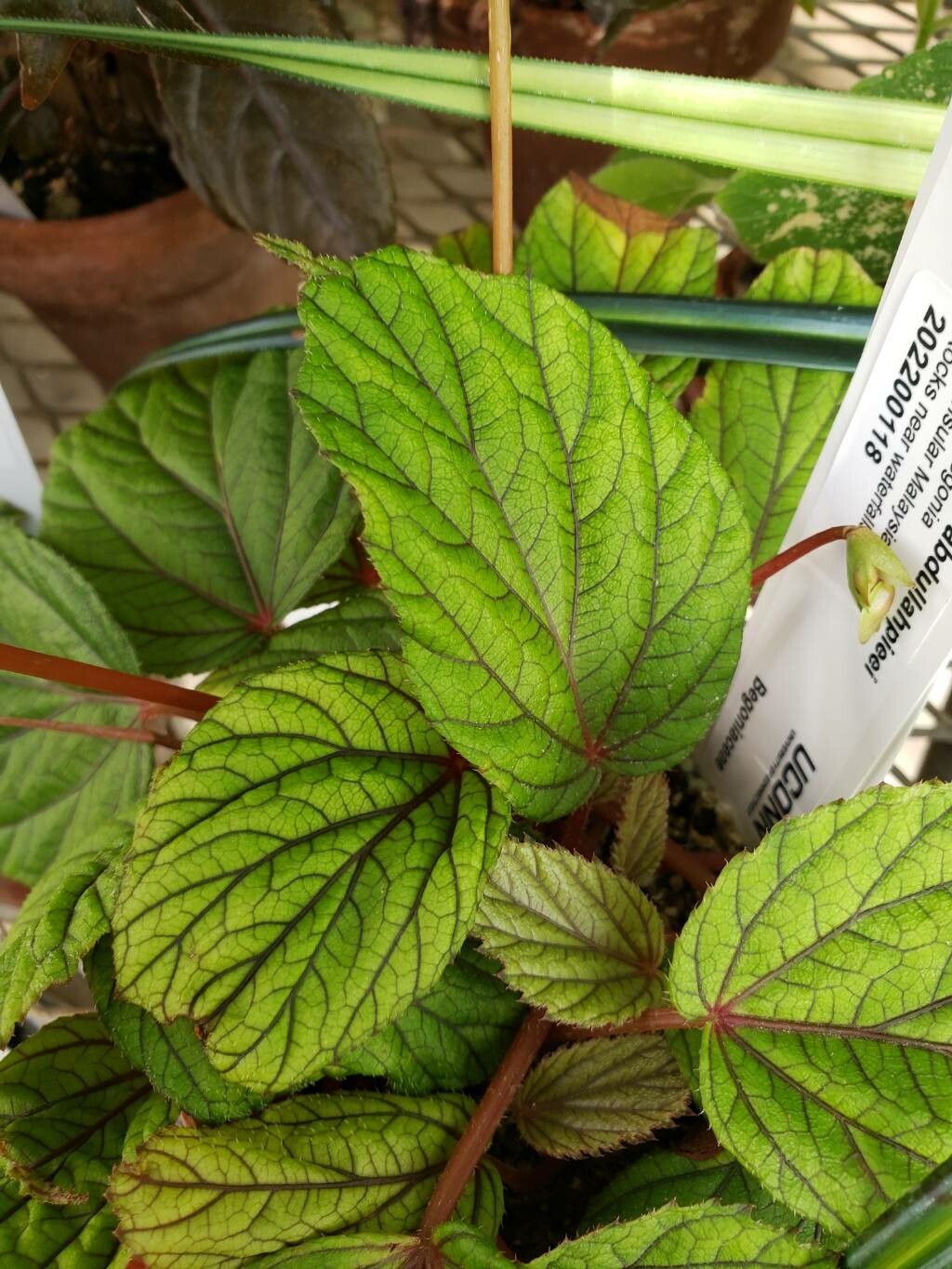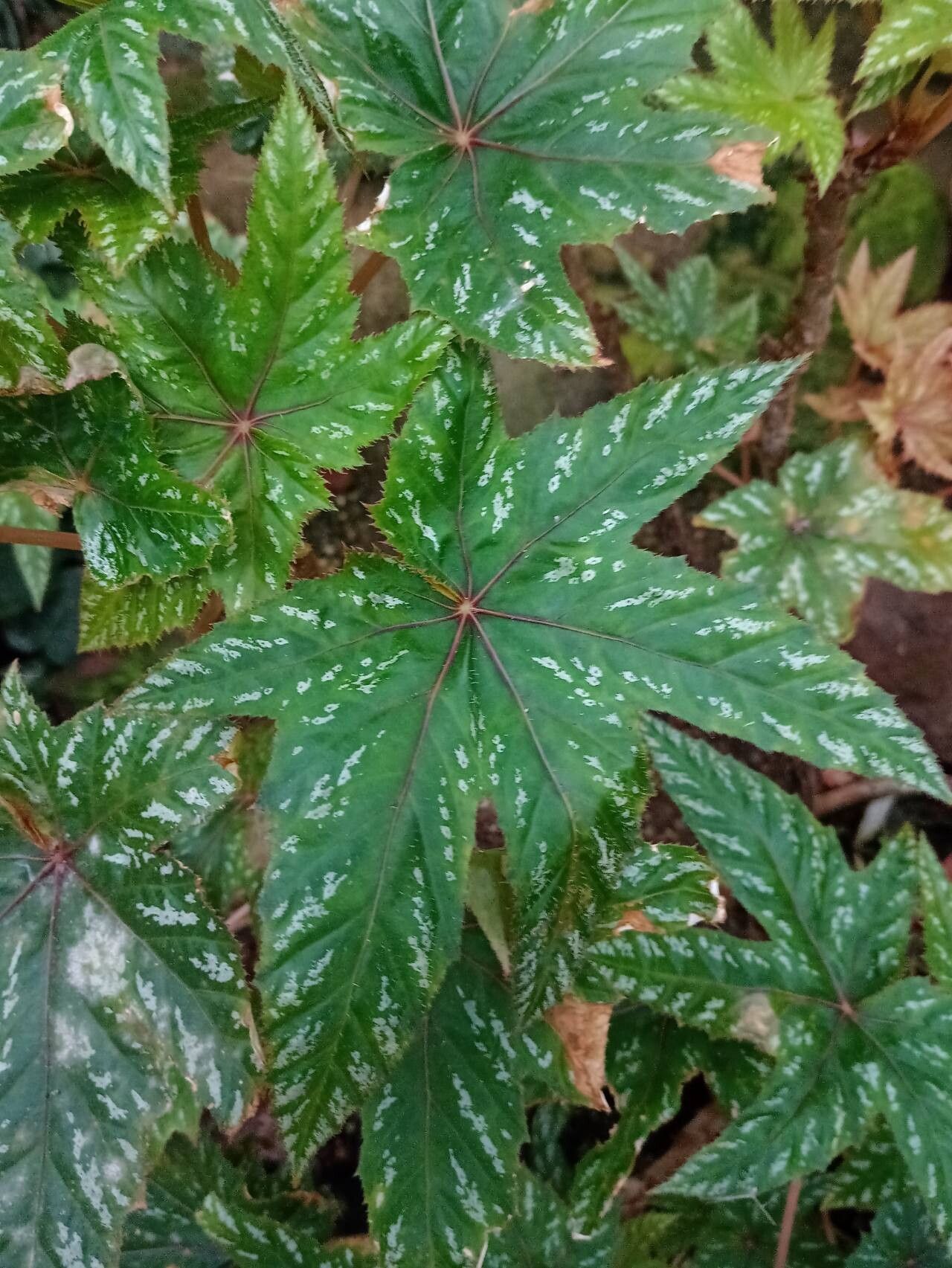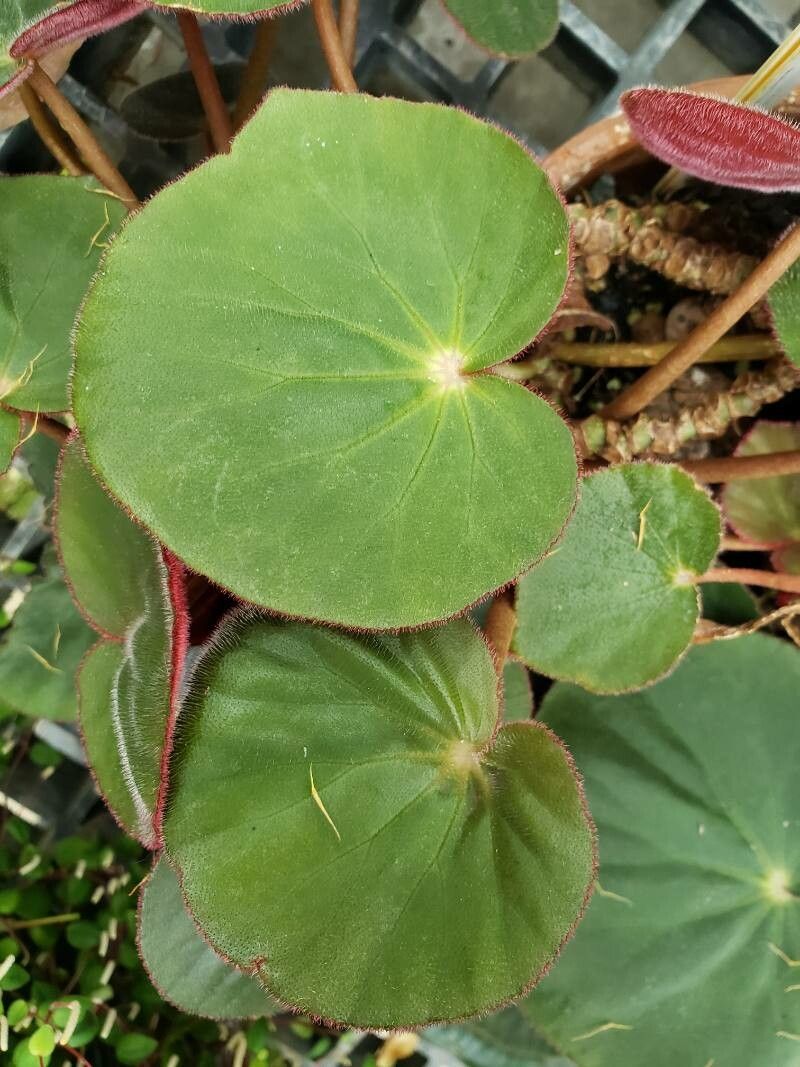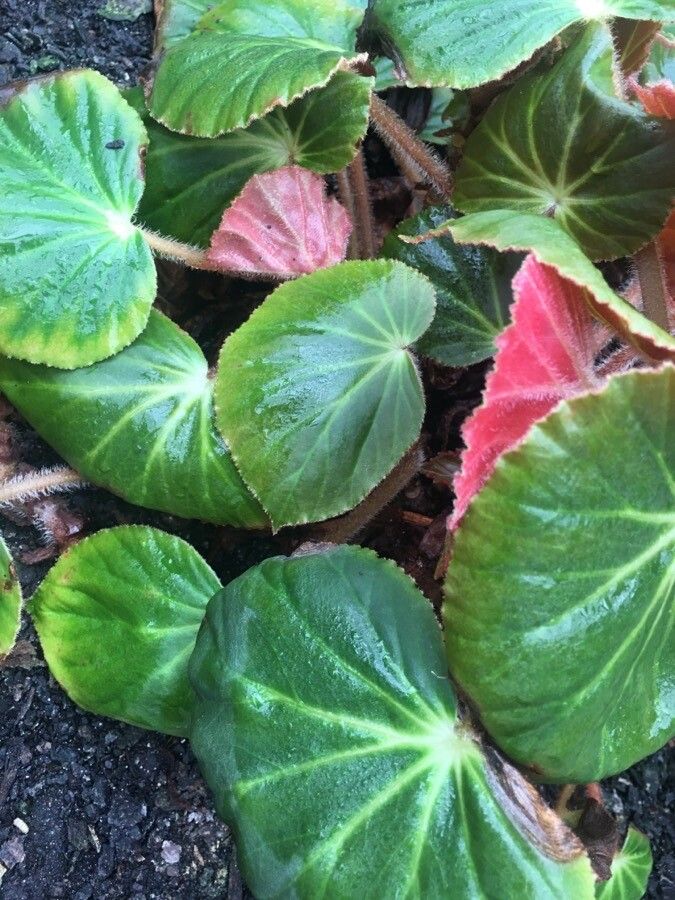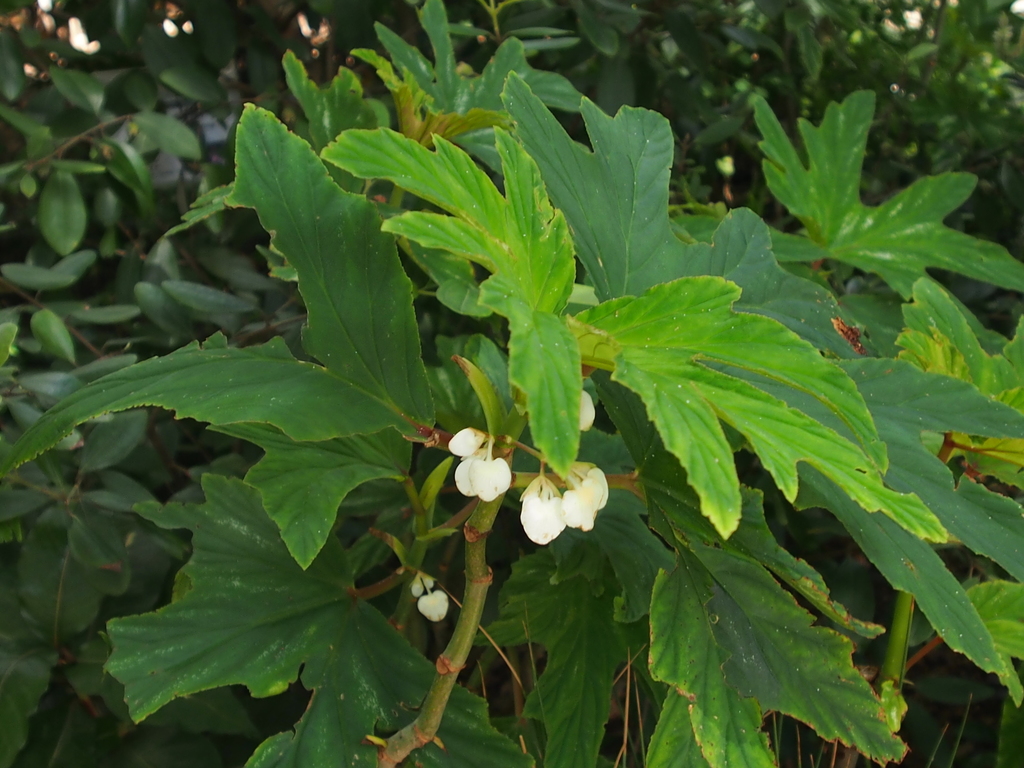
Begonia aconitifolia, commonly known as Begonia tuberhybrida, is a flowering plant species in the family Begoniaceae. Native to South America, this plant is widely cultivated as an ornamental due to its attractive foliage and colorful flowers. The plant features large, deeply lobed leaves that resemble those of aconite plants, giving rise to its specific epithet, "aconitifolia." These leaves are typically green or bronze with red undersides.
The flowers of Begonia aconitifolia are borne on long stems and come in shades of pink, red, white, or yellow, with both double and single petals. This plant prefers partial shade and moist soil conditions but can tolerate some drought once established. It is versatile enough to be grown indoors or outdoors, in containers or hanging baskets, providing year-round enjoyment.
Overall, Begonia aconitifolia is an easy-to-grow plant that enhances any garden setting with its stunning foliage and vibrant blooms.
Begonia aconitifolia is fairly disease-resistant and is generally not often affected by illness. Nonetheless, it can be vulnerable to pests and diseases present in its surroundings. Such infections are usually mild. Carewise, the plant needs moderate maintenance. Regular pruning is necessary to preserve a tidy appearance and encourage healthy growth. Fertilizing can also help stimulate flowering. Begonia aconitifolia is suitable for anyone with outdoor space, such as a garden or patio, and does not require extensive care experience. It may need more attention when grown indoors.
How to keep Begonia Aconitifolia.
Light
Begonia aconitifolia originates from habitats like forest understories and rocky areas, where it grows in natural shade. It prefers partial sun but can tolerate full sun or full shade, showing its adaptable, hardy character.
Temperature
Begonia aconitifolia comes from tropical areas, where the weather is usually warm and humid. Therefore it is adapted to high temperatures and humidity. It does not tolerate sudden temperature shifts and prefers a steady thermal environment, so avoiding temperature fluctuations indoors is important. It typically cannot withstand cold and needs warmer conditions to grow. If the temperature drops too low, the plant may stop growing or even die.
Fertilizer
Appropriate feeding is essential to Begonia aconitifolia's health and appearance. Apply fertilizer in summer and repeat the treatment monthly throughout the season. Nutrients supply energy for growth and help maintain the plant's tissues. Fertilizing boosts the plant's flowering, helping it produce its best blooms.
Pot & Repot
When repotting Begonia aconitifolia, select a pot 1-2 inches (2.5–5.1 cm) larger with good drainage. Use a well-draining potting mix. Repot in spring or fall, making sure the root ball sits slightly below the rim of the flower pot. Water thoroughly after repotting and keep it in a warm place with indirect sunlight.
Botanical profile.
- Plant Type
- Herb
- Life Cycle
- Perennial
- Genus
- Begonia
- Family
- Begoniaceae
- Hardiness Zone
- 9-11
- Mature Height
- 91 cm
- Mature Spread
- 49 cm
- Leaf Color
- Dark Green, Forest Green
- Leaf Type
- Evergreen
- Flower Color
- White, Pink
- Flower Size
- 2.03 cm to 3.05 cm
- Bloom Time
- Late spring, Summer, Early fall, Mid fall
- Planting Time
- Spring, Summer, Autumn
- Harvest Time
- Mid summer, Late summer, Fall
- Native Area
- Brazil