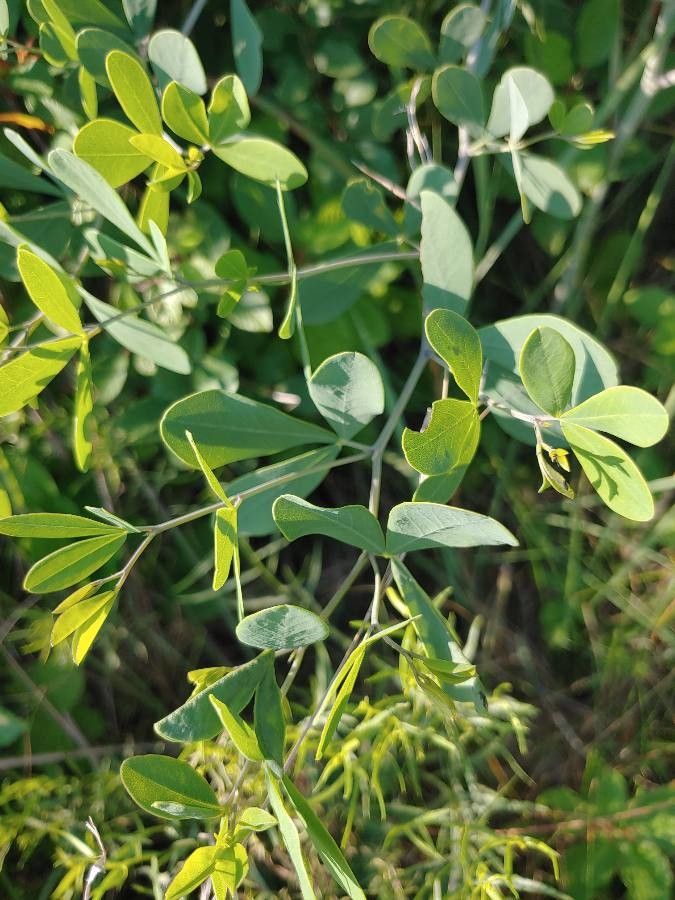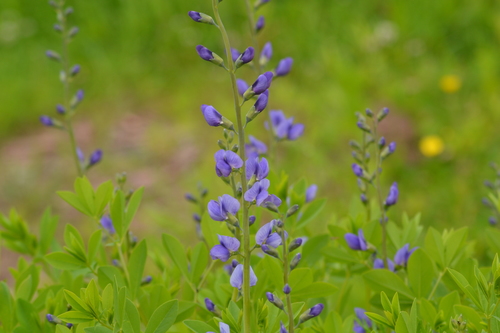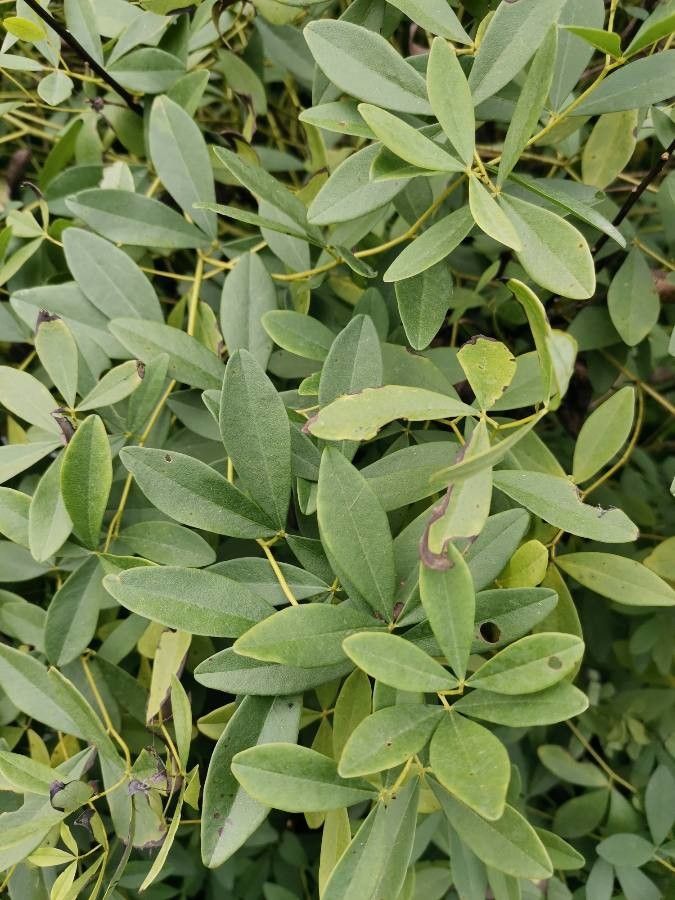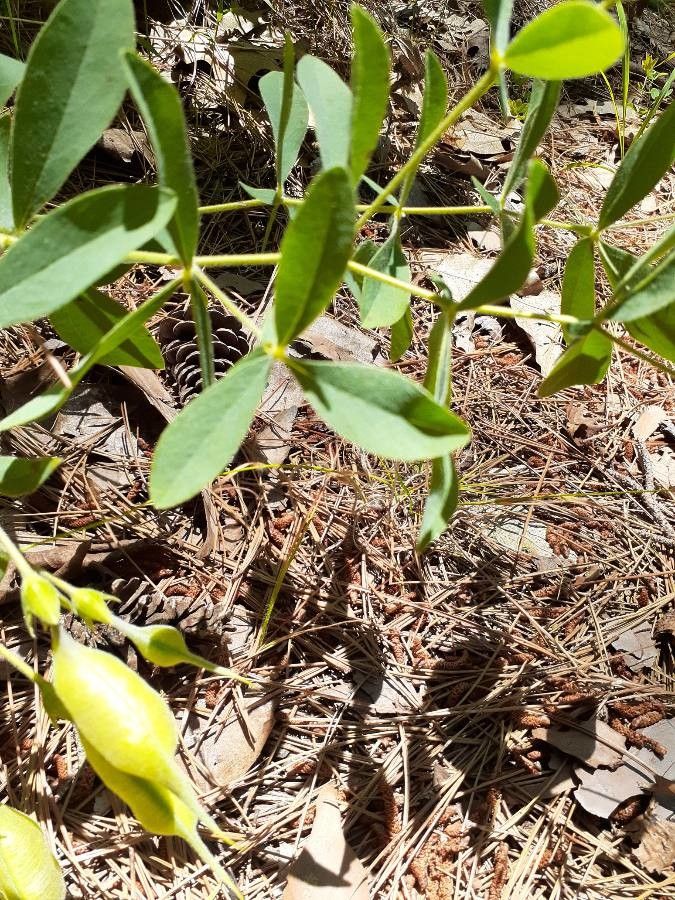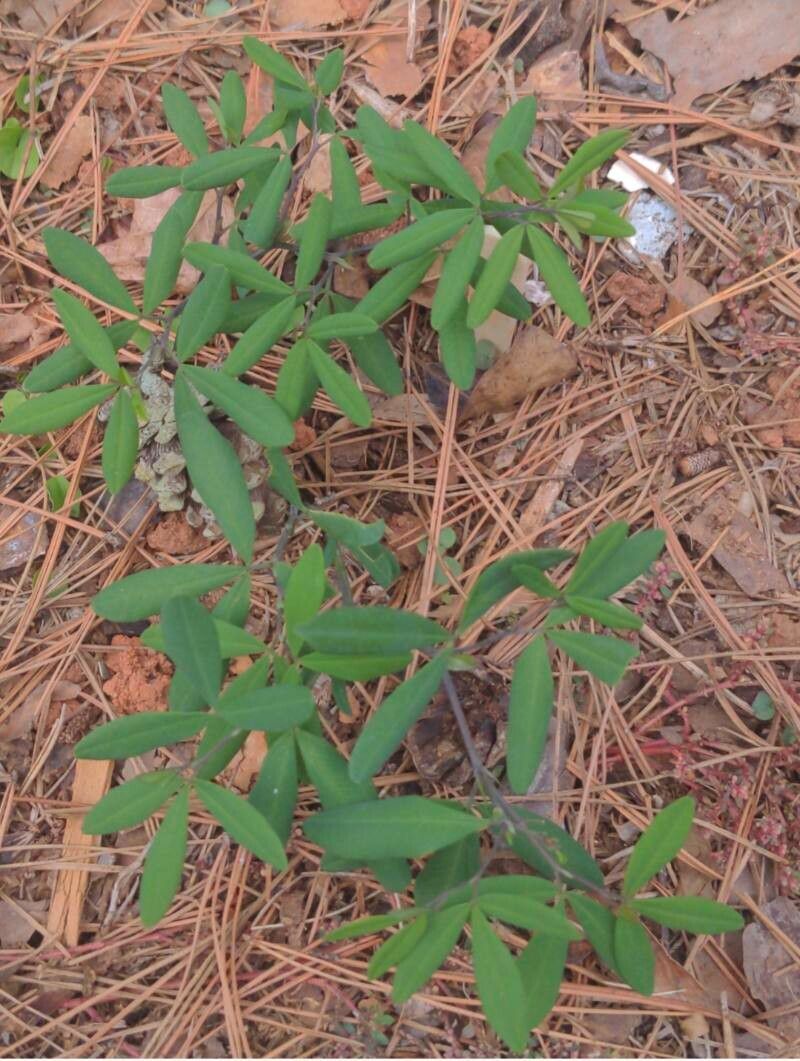
White wild indigo has strong disease resistance and is generally not prone to illnesses. Still, it can be vulnerable to pests and diseases present in its environment. These outbreaks are typically not serious. Care requirements are moderate. The plant should be pruned regularly to keep a good appearance and encourage healthy growth. Applying fertilizer can also help stimulate flowering. White wild indigo is appropriate for anyone with outdoor space, such as a garden or patio, and does not demand extensive experience in plant care. It may need more attention when grown indoors.
How to keep Baptisia Albescens.
Light
Wild white indigo typically thrives when exposed to a considerable amount of sunlight, tolerating even average sunlight conditions. It evolved from its original environment, which had significant sunlight exposure. However, extreme or insufficient exposure can impede its growth, leading to poor health or lackluster flowering.
Temperature
White wild indigo, when cultivated in its natural environment, favors a moderate climate where the temperature fluctuates between 41 and 90 ℉ (5 and 32 ℃). As a rule of thumb, it flourishes in temperature intervals of 50 to 77 ℉ (10 to 25 ℃) and might need acclimatization during periods of intense summer warmth or biting winter chill.
Fertilizer
Typically, a single spring fertilization is enough for White wild indigo, but to optimize its growth, multiple applications could be beneficial. Apply fertilizer every one to one and a half month. This improves the color and texture of the leaves, enhancing their appearance and functionality. Fertilizer also encourages root development and efficient nutrient uptake, contributing to the plant's overall health in the long run.
Pot & Repot
While repotting White wild indigo, select a pot that is 1-2 inches (2.5–5 cm) larger and has sufficient drainage. Opt for a potting mix that drains well. The best times to repot are spring or fall, making sure the root ball is slightly under the edge of the flower pot. After repotting, water it thoroughly and position in a warm area with indirect sunlight.
Botanical profile.
- Plant Type
- Herb
- Life Cycle
- Perennial
- Hardiness Zone
- 5-8
- Mature Height
- 0.61 m to 1.22 m
- Mature Spread
- 61 cm to 76 cm
- Leaf Color
- Green, Blue, Gray, Black
- Leaf Type
- Deciduous
- Flower Color
- White
- Flower Size
- 2.54 cm
- Bloom Time
- Late spring, Early summer
- Planting Time
- Spring, Autumn
- Harvest Time
- Mid summer