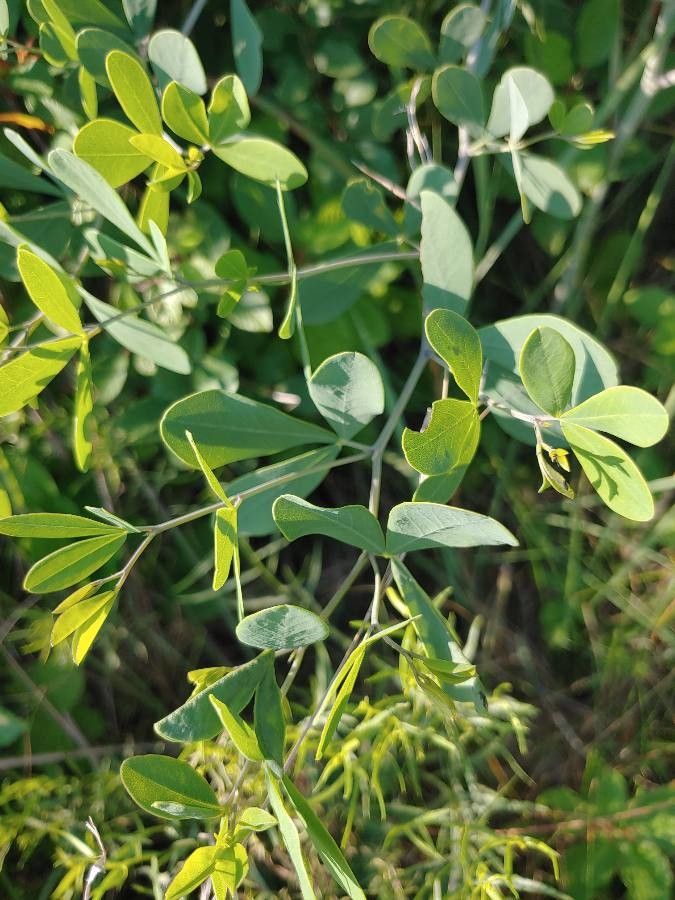
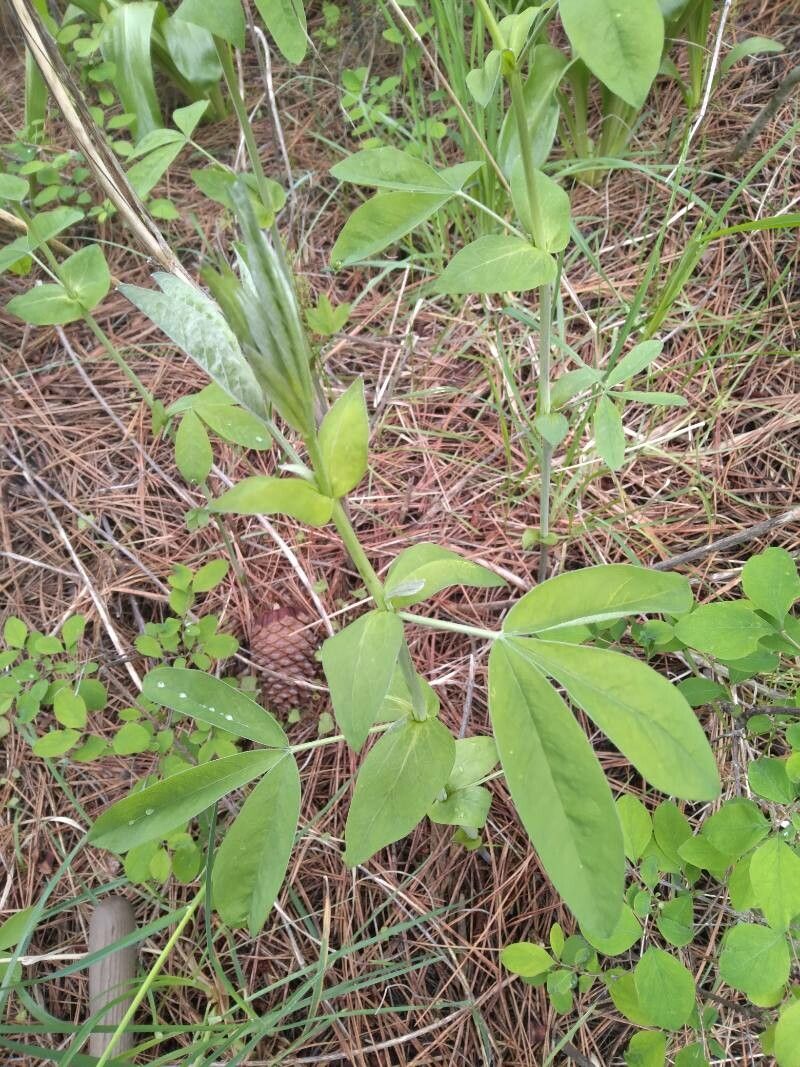
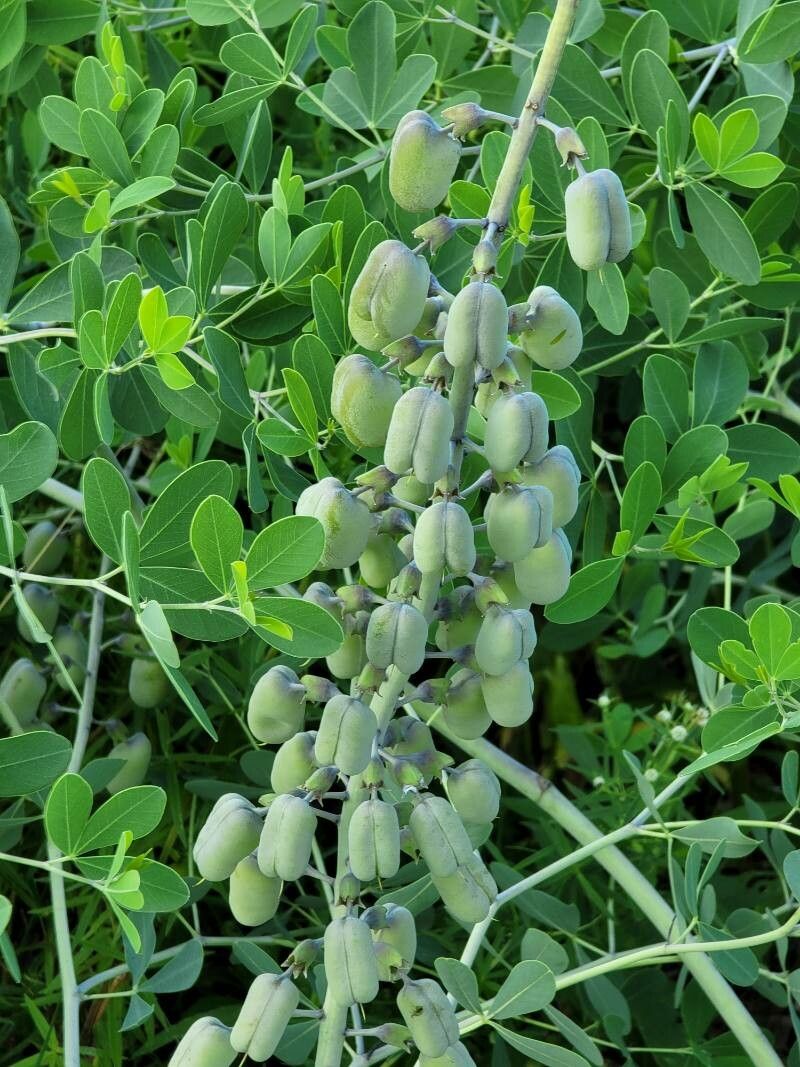
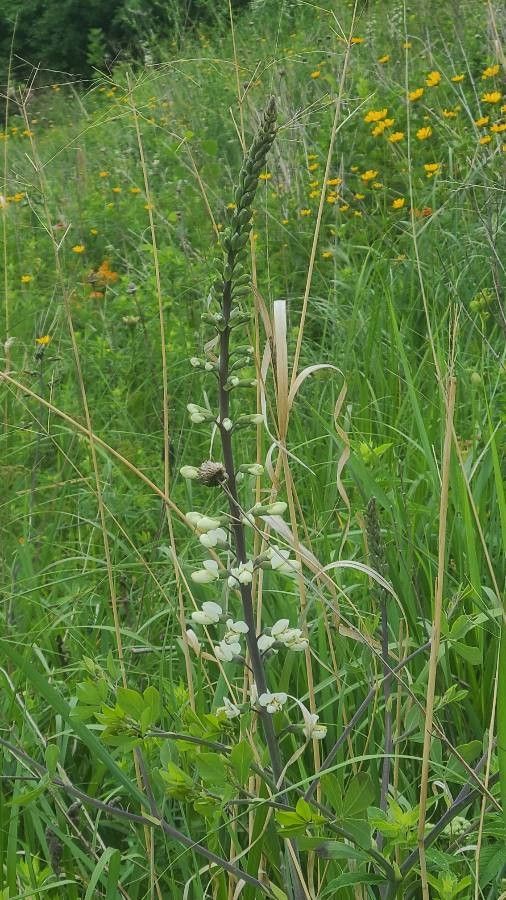
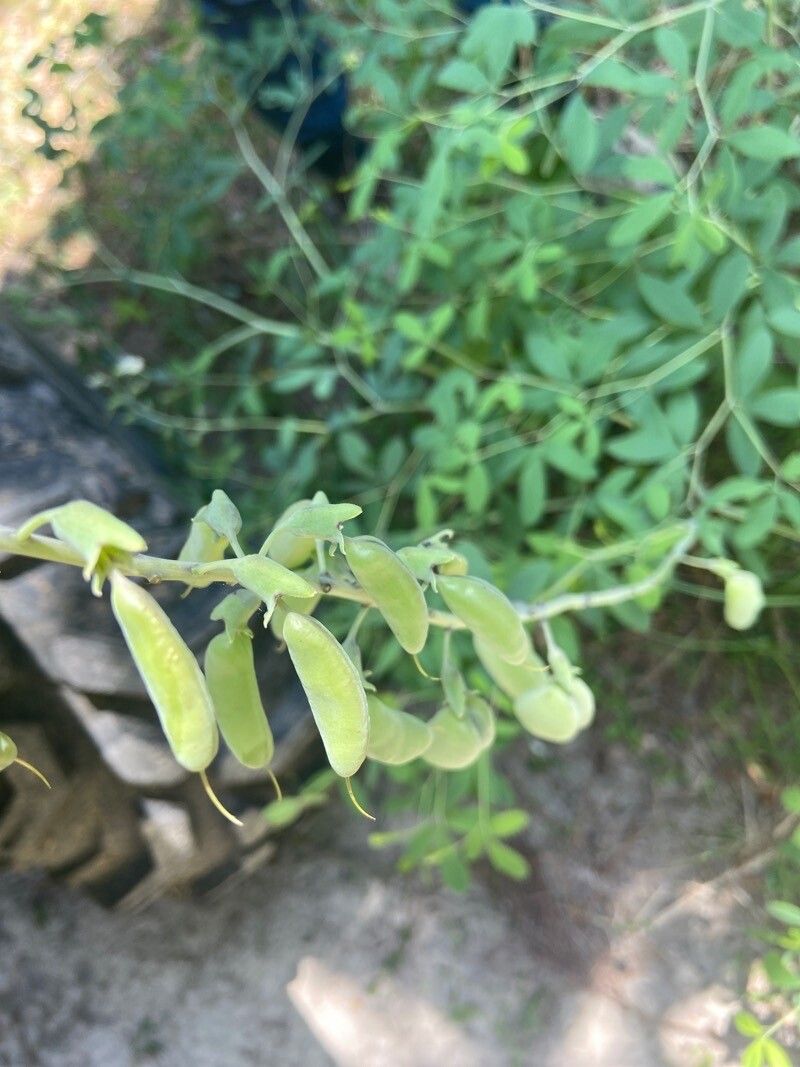
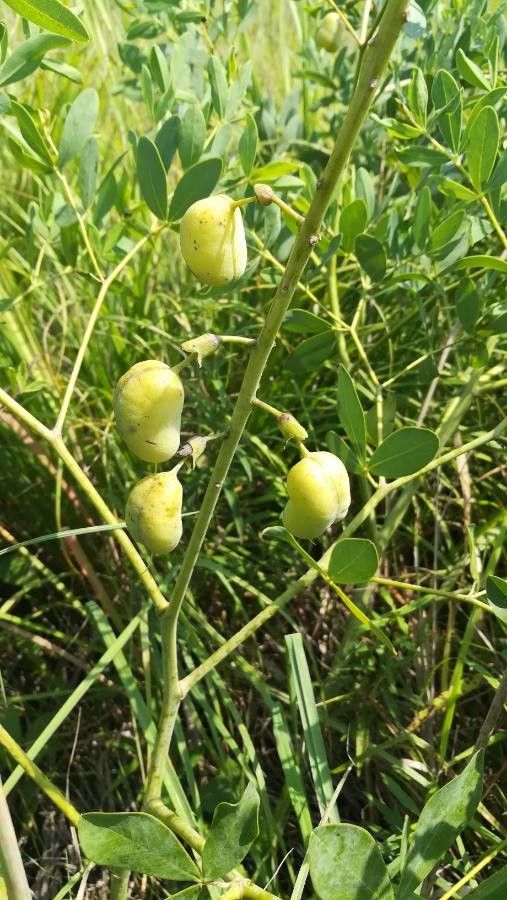
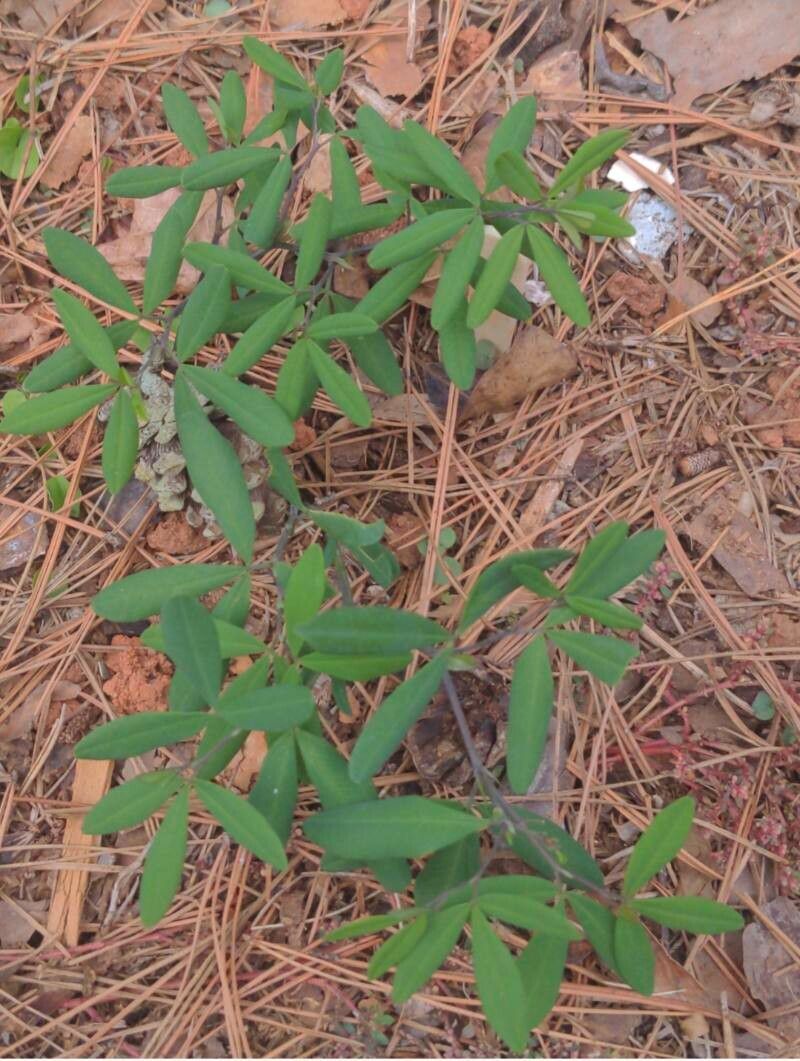
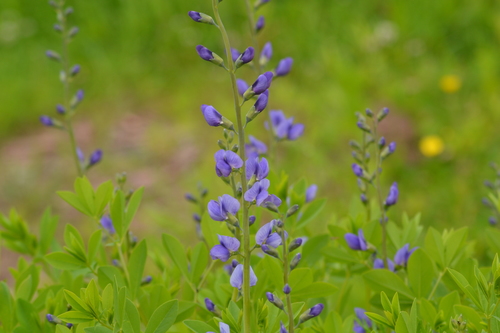
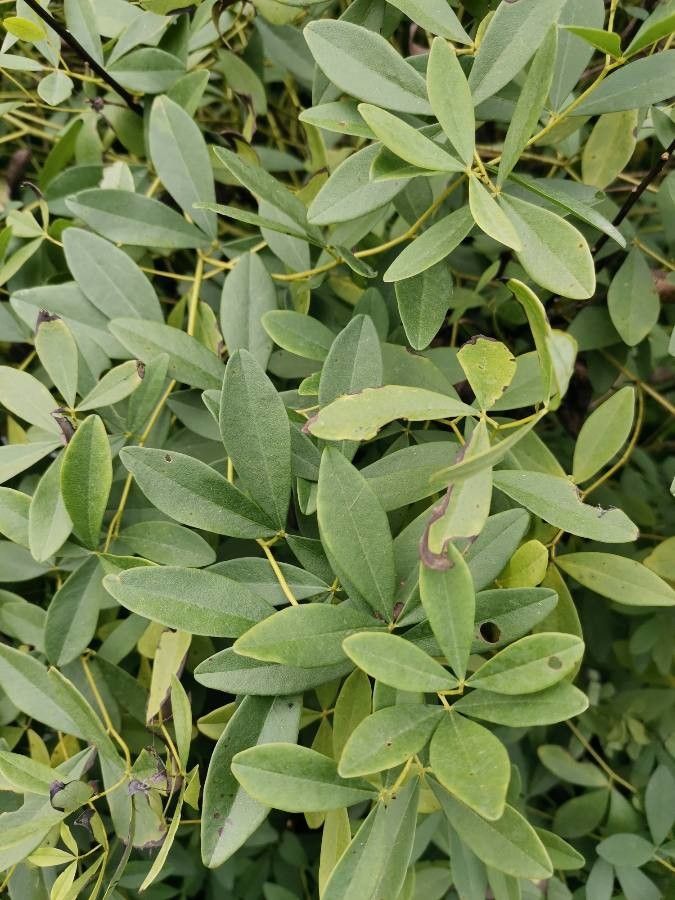
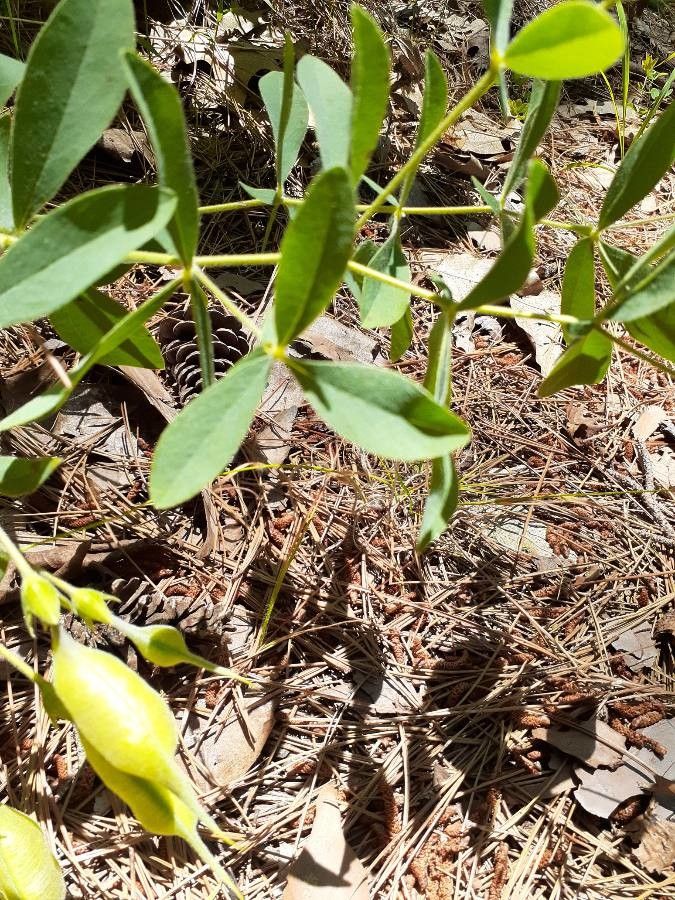
Baptisia alba, commonly called white wild indigo or white false indigo, is a herbaceous perennial plant in the bean family Fabaceae. It is native in central and eastern North America. The plant is typically 2 to 3 feet (0.61 to 0.91 m) tall, but can be taller, with white, pealike flowers. There are two varieties, Baptisia alba var. alba and Baptisia alba var. macrophylla.
White wild indigo has strong disease resistance and is generally not prone to illnesses. Still, it can be vulnerable to pests and diseases present in its environment. These outbreaks are typically not serious. Care requirements are moderate. The plant should be pruned regularly to keep a good appearance and encourage healthy growth. Applying fertilizer can also help stimulate flowering. White wild indigo is appropriate for anyone with outdoor space, such as a garden or patio, and does not demand extensive experience in plant care. It may need more attention when grown indoors.
How to keep Baptisia Alba.
Light
Wild white indigo typically thrives when exposed to a considerable amount of sunlight, tolerating even average sunlight conditions. It evolved from its original environment, which had significant sunlight exposure. However, extreme or insufficient exposure can impede its growth, leading to poor health or lackluster flowering.
Water
White wild indigo thrives in well-drained soil and adapts well to moderate moisture levels. For optimal health, water it once a week, imitating the seasonal rainfall it would naturally receive during its active growth phase. Be sure to allow for short dry spells between waterings. Consistent hydration is crucial, but avoid waterlogging the soil to ensure the best growth conditions for white wild indigo.
Temperature
White wild indigo, when cultivated in its natural environment, favors a moderate climate where the temperature fluctuates between 41 and 90 ℉ (5 and 32 ℃). As a rule of thumb, it flourishes in temperature intervals of 50 to 77 ℉ (10 to 25 ℃) and might need acclimatization during periods of intense summer warmth or biting winter chill.
Fertilizer
Typically, a single spring fertilization is enough for White wild indigo, but to optimize its growth, multiple applications could be beneficial. Apply fertilizer every one to one and a half month. This improves the color and texture of the leaves, enhancing their appearance and functionality. Fertilizer also encourages root development and efficient nutrient uptake, contributing to the plant's overall health in the long run.
Pruning
White wild indigo is characterized by its tall flower spikes and bushy appearance. To encourage healthy growth and abundant blooms, prune the plant in early spring by removing any dead stems. Be sure to use clean tools to prevent the spread of disease. For specific advice suited to your area, consult local horticultural resources.
Pot & Repot
While repotting White wild indigo, select a pot that is 1-2 inches (2.5–5 cm) larger and has sufficient drainage. Opt for a potting mix that drains well. The best times to repot are spring or fall, making sure the root ball is slightly under the edge of the flower pot. After repotting, water it thoroughly and position in a warm area with indirect sunlight.
Botanical profile.
- Plant Type
- Herb
- Life Cycle
- Perennial
- Genus
- Baptisia
- Family
- Fabaceae
- Hardiness Zone
- 5-8
- Mature Height
- 0.61 m to 1.22 m
- Mature Spread
- 61 cm to 76 cm
- Leaf Color
- Green, Blue, Gray, Black
- Leaf Type
- Deciduous
- Flower Color
- White
- Flower Size
- 2.54 cm
- Bloom Time
- Late spring, Early summer
- Planting Time
- Spring, Autumn
- Harvest Time
- Mid summer
Other names.
Reader questions.
How should I water my White wild indigo plant in the best way?
To properly water the White wild indigo, it's best to use filtered water at room temperature. Tap water may contain harmful particles, so filtration is important. Since this plant thrives in warm environments, it's best to avoid using cold water, which can shock its system. Additionally, overhead watering should be avoided as it can lead to issues with the foliage. Instead, it's recommended to use filtered room temperature water and soak the soil until it's completely saturated. This method benefits the plant by moisturizing the roots and aiding in nutrient absorption and root growth.
Why should I put fertilizer on my White wild indigo?
White wild indigo relies heavily on its leaves for structure, making proper fertilization crucial for maintaining their appearance and functionality. Fertilization not only promotes consistent color and healthy texture in the leaves but also helps the plant develop and maintain roots. By fertilizing, you are not only ensuring the plant's current health but also enhancing its ability to absorb soil nutrients in the long run.
What are the sunlight requirements for growing white wild indigo?
White wild indigo thrives best in full sun, requiring above 6 hours of sunlight daily, but it also tolerates partial sun conditions of about 3-6 hours of sunlight. It's crucial to observe how sunlight moves through your garden to find spots offering the perfect balance of light and shade, ensuring the plants' optimal growth and blooming. White wild indigo originally comes from habitats with significant sunlight exposure, making it adaptable to abundant sun. However, too much or too little sunlight can impede its growth, leading to poor health or subdued flowering.
What are the ideal growing conditions for White Wild Indigo?
White Wild Indigo, scientifically known as Baptisia alba, thrives natively in a temperate climate, finding its ideal temperature range between 41 to 90 °F (5 to 32 °C). The plant particularly flourishes when temperatures are maintained between 50 to 77 °F (10 to 25 °C). Despite its strong resistance to cold, adjustments may be necessary during periods of extreme summer heat or winter cold to ensure its optimal growth.
What should I do if I give my White wild indigo plant too much water or too little water?
Overwatering is a common issue that can harm your White wild indigo. It causes the stems and leaves to wilt and turn yellow, and can lead to root rot, mold, and mildew, which can be fatal. Underwatering is less common but still possible, resulting in brittle and brown leaves. It's important to recognize the signs of overwatering early and reduce watering immediately. If the soil doesn't drain well, replace it with a well-draining potting mix. If underwatering is the issue, simply water more regularly until the signs improve.
When should I fertilize my White wild indigo?
If you are growing White wild indigo outdoors, you will notice new growth in early spring. This is when you should start fertilizing for the year. Usually, one application of fertilizer is enough for the plant to thrive. However, if you want maximum growth, you can apply fertilizer multiple times in spring and early summer. In this case, feed the White wild indigo about once every month to a month and a half.
How can artificial lighting benefit indoor white wild indigo plants?
Indoor white wild indigo plants require adequate lighting for optimal growth. When natural sunlight is insufficient, especially in winter or less sunny spaces, artificial lighting can be a crucial alternative, facilitating faster and healthier growth. LED lights are recommended for their ability to mimic the specific wavelengths of light needed, with full sun plants needing 30-50W/sq ft, partial sun plants 20-30W/sq ft, and full shade plants 10-20W/sq ft of artificial light. Adjusting the light source's distance (12-36 inches above the plant) and duration (8-12 hours per day) to mimic natural conditions is key to promoting plant health.
How does White Wild Indigo respond to extreme temperatures, and what measures should be taken?
White Wild Indigo exhibits strong cold resistance, implying that special frost protection measures are not generally required during winter. However, if temperatures are expected to fall below its growth limit, protecting the plant with coverings such as soil or straw becomes crucial. To combat drought and water scarcity during winter and early spring, it is recommended to water the plant abundantly before the first frost in autumn, keeping the soil moist. In contrast, excessive heat can lead to symptoms such as leaves becoming lighter, curling, sunburn, and, in severe cases, the entire plant wilting and drying. To mitigate these effects, it's advised to trim away sunburned and dry parts, provide shade during peak sun exposure, and maintain soil moisture with morning and evening watering.
How frequently should I water my White wild indigo?
If your White wild indigo is in a pot, the most precise way to determine if it needs water is by checking the soil. Stick your finger into the soil and if the top two to three inches are dry, it's time to water it. If you're growing it outdoors, you can use the same method. When the first few inches of soil have dried out, it's time to water. In the spring and early fall, watering once a week is usually enough. However, during extremely hot weather, you may need to water it two or more times a week. It's worth noting that mature, well-established White wild indigo plants can tolerate periods of drought.
When is it not a good idea to add fertilizer to my White wild indigo?
During the late fall and winter, your White wild indigo goes into a dormant phase with no new growth. So, avoid fertilizing it during this time. In the spring and summer, if you fertilize multiple times, gradually reduce the rate as summer approaches since growth slows down. Overall, avoid fertilizing your White wild indigo during hot weather or when the soil is very dry. Fertilizing in such conditions can stress the plant and cause it to die prematurely.
What are the signs of light deficiency or overexposure in white wild indigo?
Signs of light deficiency in white wild indigo include smaller new leaves, leggy or sparse growth, faster leaf drop, halted new growth, and pale or irregularly colored new leaves. On the other hand, symptoms of too much sunlight include chlorosis (yellowing leaves), sunscald (pale or necrotic spots on leaves), leaf curling, wilting, and leaf scorching (brown, dry edges). These signs indicate the plant's struggle with either inadequate or excessive sunlight, affecting its ability to photosynthesize properly and maintain overall health.
What are the immediate actions to take if White Wild Indigo experiences low or high temperature stress?
For White Wild Indigo facing low temperature stress, it is important to remove any parts that have failed to sprout in the spring as a response to damage from winter cold. In situations of high temperature stress, the recommended course of action includes trimming away sunburned and dried parts of the plant. Additionally, relocating the plant to a shaded area or utilizing a shade cloth can provide necessary protection from intense sun exposure. Ensuring the soil remains moist by watering the plant during cooler times of the day, specifically in the morning and evening, is also beneficial.