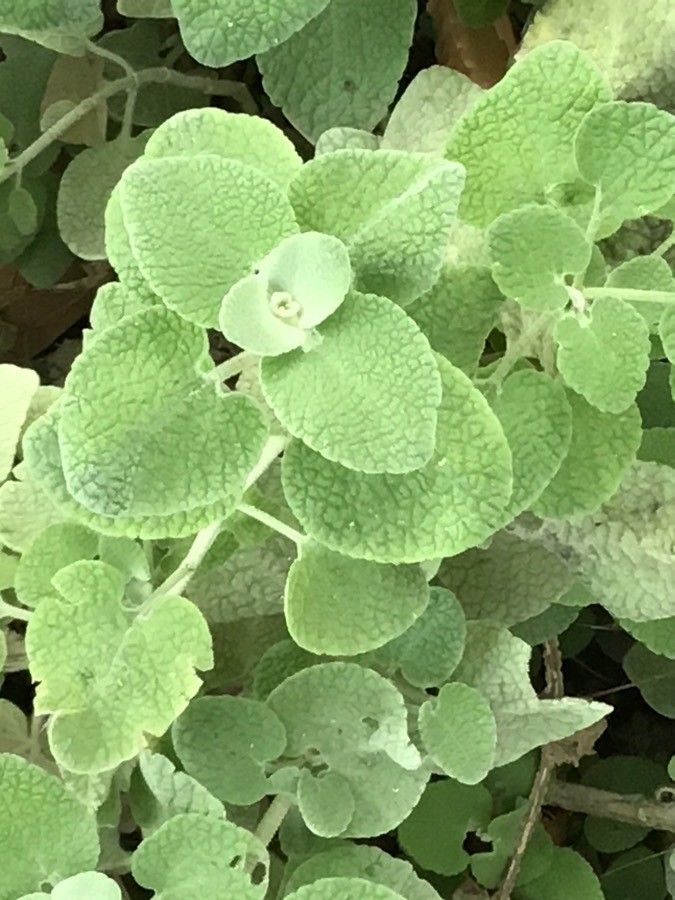
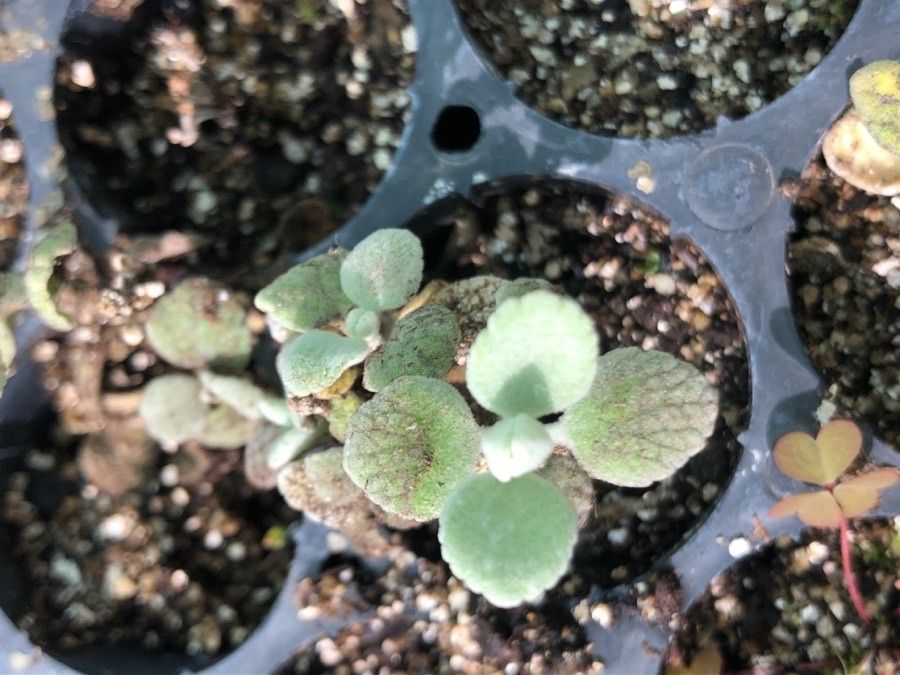
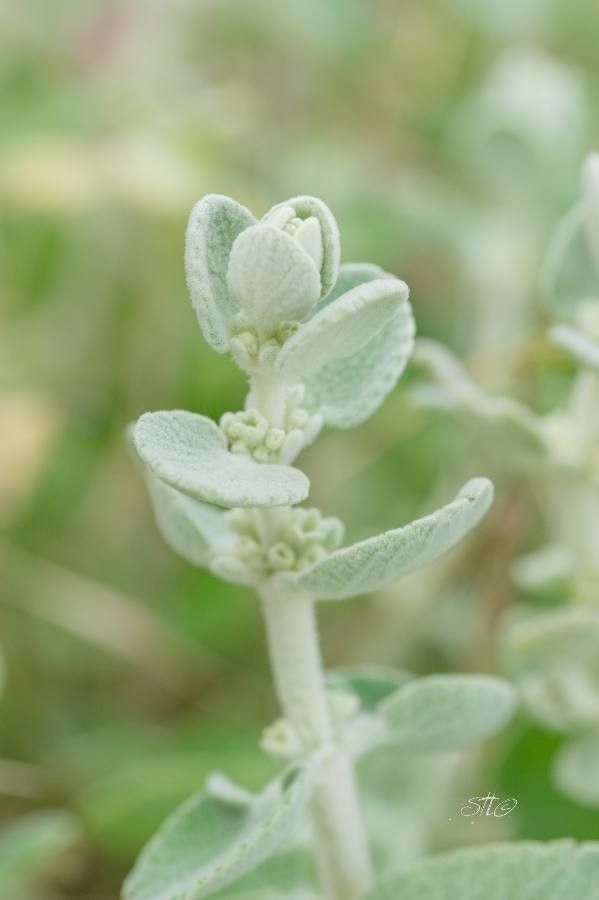
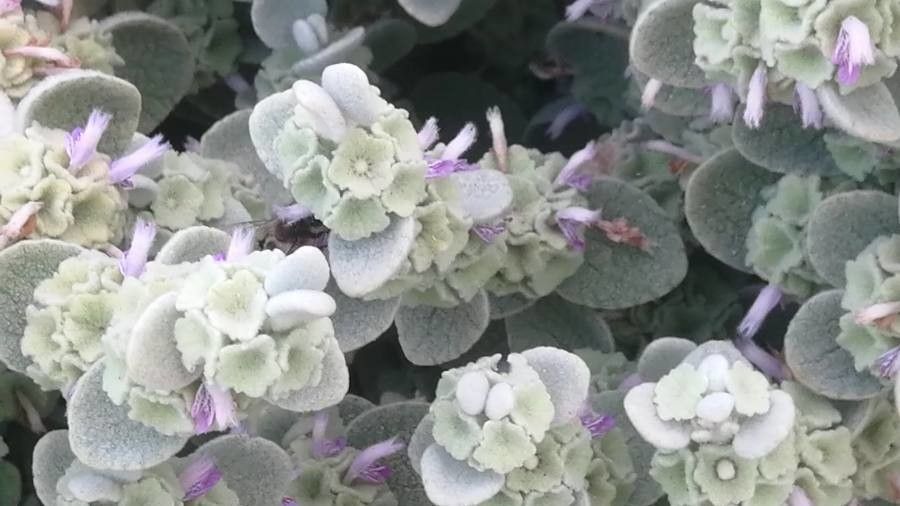
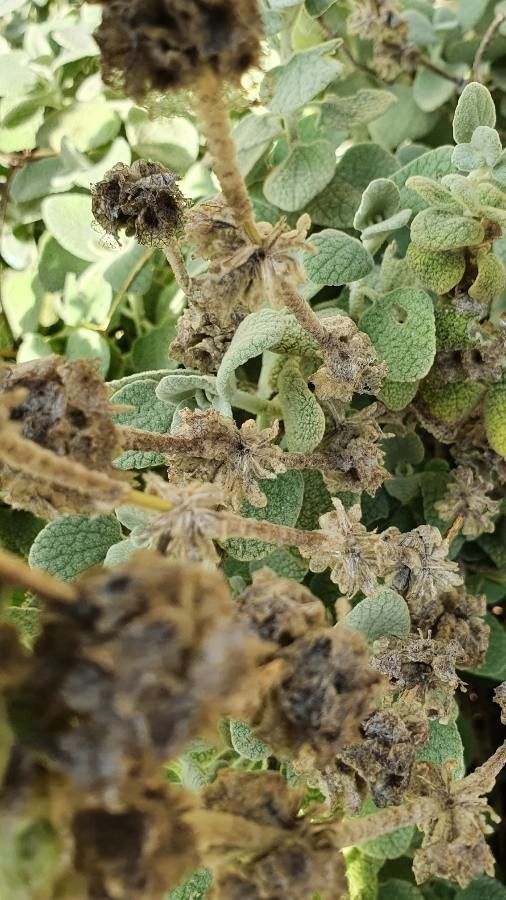
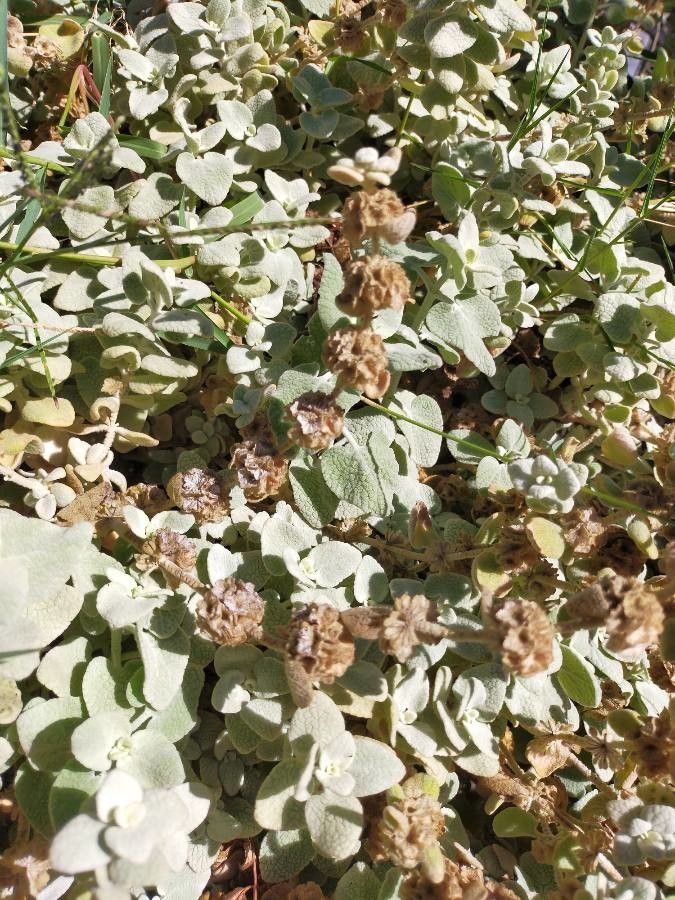
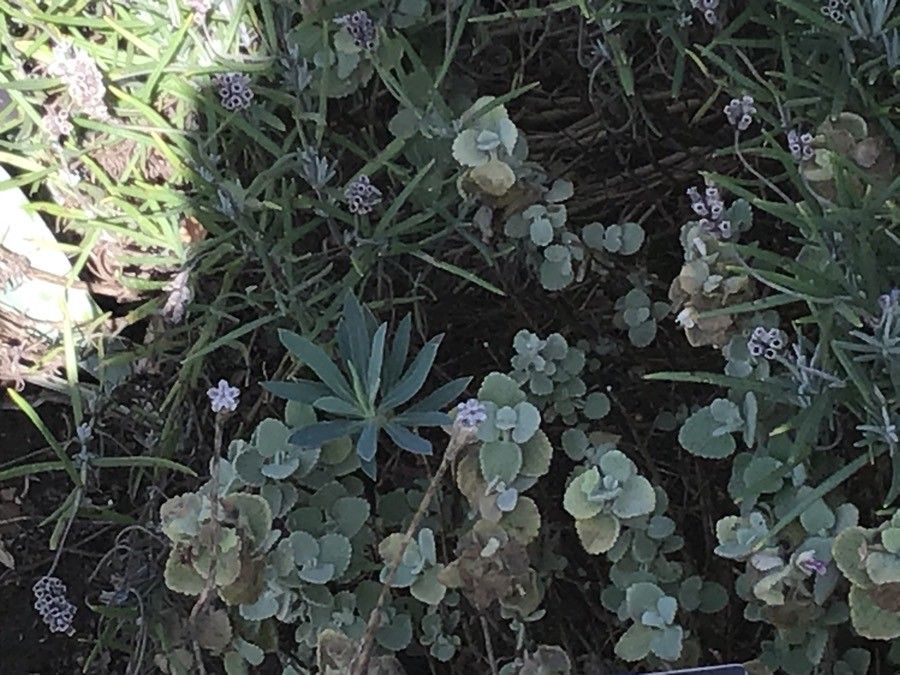
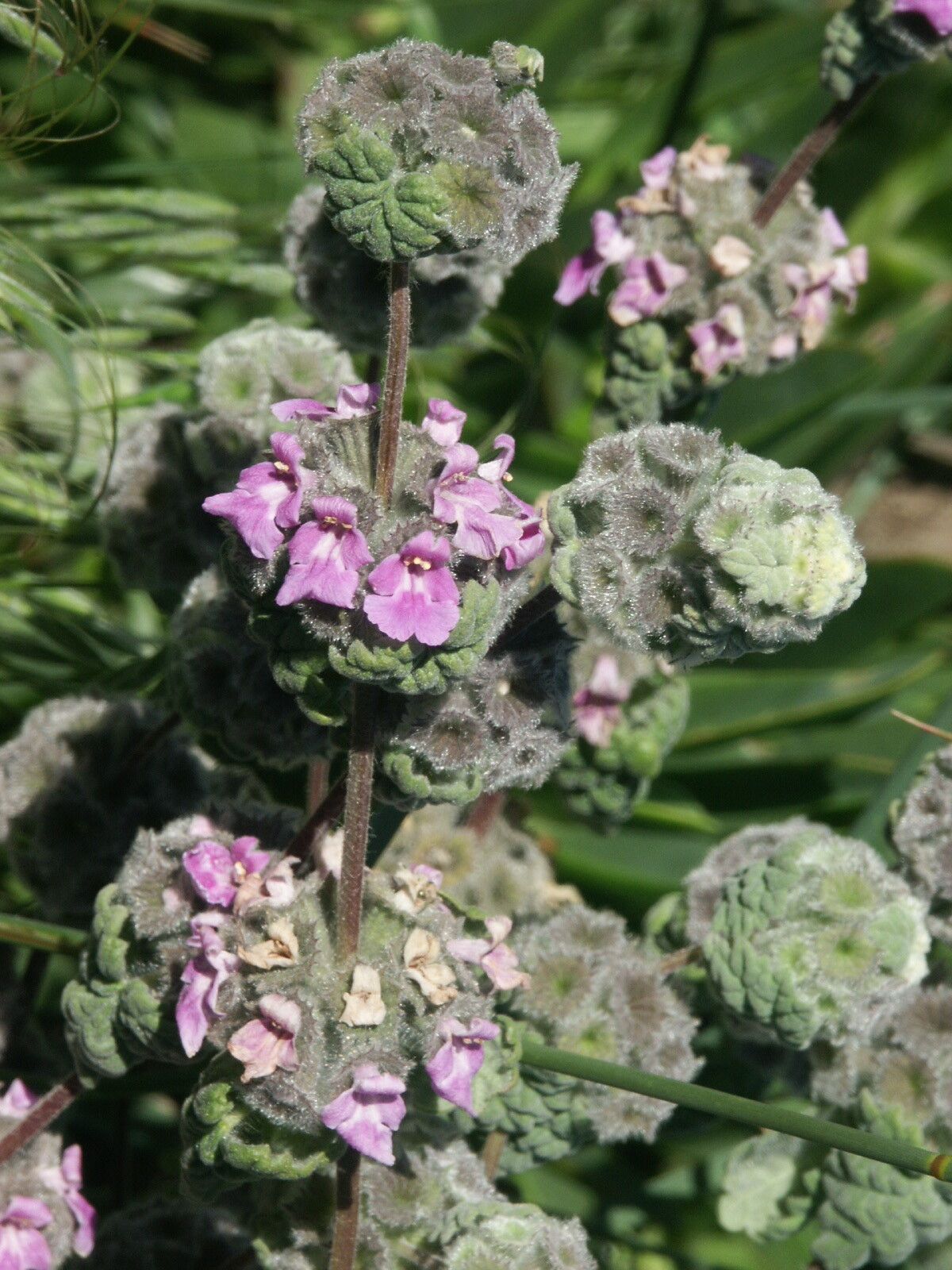
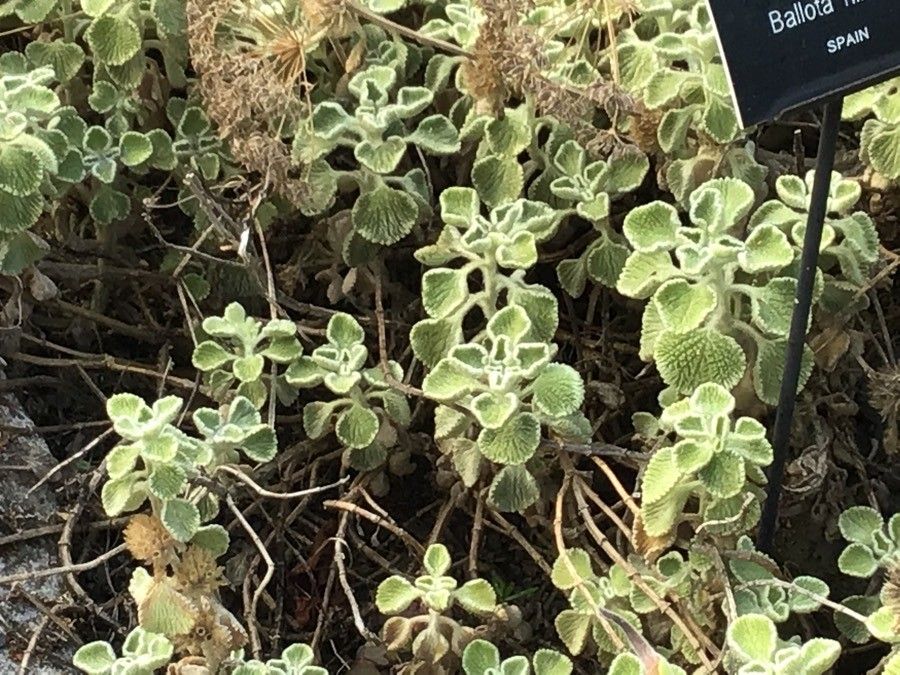
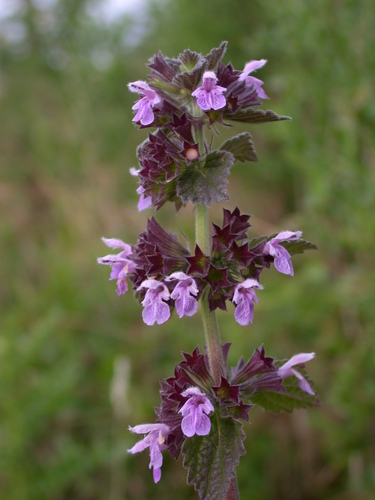
Ballota pseudodictamnus, commonly known as false dittany or Turkish dittany, is a perennial herbaceous plant that belongs to the mint family, Lamiaceae. Native to the Mediterranean region, this plant thrives in rocky and dry habitats such as hillsides, cliffs, and rocky slopes. The plant can grow up to 60 cm in height, featuring a woody base and numerous branches adorned with small, grayish-green leaves that are hairy on both sides. These leaves are aromatic when crushed or rubbed due to the presence of essential oils. From June to August, Ballota pseudodictamnus produces small flowers that are white or pinkish-purple, arranged in dense clusters at the ends of branches. These flowers attract bees, aiding in pollination. Historically, Ballota pseudodictamnus has been valued for its antiseptic properties and has been used as an herbal remedy for respiratory problems such as coughs, bronchitis, asthma, and sore throats, as well as digestive issues like indigestion. Apart from its medicinal uses, Ballota pseudodictamnus is also cultivated for its ornamental value. Its attractive foliage makes it an excellent choice for landscaping, especially on dry slopes where other plants may not thrive. Overall, Ballota pseudodictamnus is an interesting plant with both medicinal properties and ornamental value, making it a valuable addition to gardens and traditional medicine practices around the world.
False dittany is resistant to many diseases and is generally unlikely to be affected by them. Regarding care, the plant is fairly low-maintenance. Planted outdoors it needs only minimal watering, and larger specimens usually do not require pruning. Smaller plants, however, should be trimmed after they finish blooming. False dittany is suitable for anyone with outdoor space, such as a garden or a deck, and does not demand extensive gardening experience.
How to keep Ballota Pseudodictamnus.
Light
False dittany does best when it gets a generous amount of light each day. Its native habitat was rich in sunlight, which is crucial for its healthy growth. It does not need any shade. However, insufficient light can cause stunted growth, while too much sun can produce leaf burn.
Water
False dittany thrives in the rocky soils of the Mediterranean, demonstrating strong drought tolerance and requiring watering only every one to two weeks. It prefers well-draining soil and full sun exposure, flourishing in warm, dry climates with minimal risk of overwatering.
Humidity
This plant prefers dry conditions, so don't mist it. However, watering it less often can also thrive in higher humidity.
Temperature
False dittany is commonly found in its native regions where temperatures range from 59 to 95 °F (15 to 35 ℃). It prefers these warmer climates and may require temperature adjustments if grown during colder seasons to achieve optimum growth.
Fertilizer
The timing of fertilizing False dittany is important. Begin fertilizing in early spring and continue once a month until early summer. Fertilizer encourages attractive blooms and supplies energy during both dormant periods and active growth.
Pruning
False dittany benefits greatly from seasonal pruning, which is most effective when done from early to late winter. This process helps shape the plant, remove weak stems, and encourages dense growth. It also improves air circulation and reduces the risk of diseases. Be sure to use clean, sharp tools for precise cuts to maintain the plant's health.
Pot & Repot
Repot false dittany every 2-3 years in the spring, using a larger container to allow for growth. After repotting, use well-draining soil and provide moderate watering. Avoid placing the plant in direct sunlight for a week to prevent shock and aid in its recovery. These steps will help enhance the vitality of your false dittany.
Botanical profile.
- Plant Type
- Shrub
- Life Cycle
- Perennial
- Genus
- Ballota
- Family
- Lamiaceae
- Hardiness Zone
- 7-10
- Mature Height
- 61 cm
- Mature Spread
- 61 cm
- Leaf Color
- Green, Silver
- Leaf Type
- Evergreen
- Flower Color
- Pink, White, Purple
- Flower Size
- 1.02 cm to 1.52 cm
- Bloom Time
- Late spring, Early summer, Mid summer
- Planting Time
- Spring, Autumn
- Harvest Time
- Late summer, Early fall
Other names.
Reader questions.
How should I water my False dittany plant?
Your False dittany can be watered using various common tools like watering cans, hoses, or even cups. It's important to apply water directly to the soil and make sure all areas are evenly moistened to provide water to the entire root system. Filtering tap water can help remove harmful particles, and using water at or slightly above room temperature is preferred to avoid shocking the plant. However, the False dittany is generally adaptable to different types of water.
Why is it necessary to add fertilizer to my False dittany?
No matter which type of False dittany you have, regular fertilization is key to growing a healthy plant. Providing the right nutrients promotes stronger growth, making your False dittany more resilient and better able to fight off diseases and pests. Since the foliage of your False dittany is its most appealing feature, it's important to maintain it. This means following a consistent fertilization schedule customized for your False dittany. By doing so, you can expect vibrant foliage with a rich color and a lush appearance.
What are the sunlight requirements for False dittany?
False dittany thrives in conditions where it is exposed to full sun, meaning it needs above 6 hours of sunlight daily for optimal growth. Originating in habitats abundant in sunlight, this plant requires a generous amount of light each day and doesn't necessitate any shade. However, gardeners should watch how sunlight moves through their garden and select locations that offer a balance of light and shade, ensuring the happiness and health of their plants. Insufficient light can lead to stunted growth, while too much direct exposure may cause leaf burn.
What is the ideal temperature range for growing False Dittany?
False Dittany, scientifically known as Ballota pseudodictamnus, thrives in temperatures ranging from 59 to 95 °F (15 to 35 °C). Indigenous to lands that enjoy warmer climates, it prefers these conditions for optimal growth, although it shows strong cold resistance, negating the need for special frost protection measures in many cases.
What should I do if I give my False dittany too much or too little water?
Outdoor plants, particularly newly planted or seedlings, are prone to not getting enough water. It is important to keep watering these plants consistently for a few months, especially when they are small or recently planted. Once the roots are established, outdoor plants can rely on rain for most of their water needs. On the other hand, False dittany plants in pots are more likely to be overwatered. If you accidentally overwater your False dittany, you should take immediate action to minimize the damage. Stop watering the plant right away and remove it from its pot to check the roots. If there are no signs of root rot, you can put the plant back in the pot. However, if there is root rot, trim off the affected roots and apply a fungicide to prevent further damage. Finally, make sure to repot your False dittany in well-draining soil. In the case of underwatering, simply water the plant more frequently. Underwatering is usually easy to fix as the leaves will droop, dry out, and fall off. Once the plant is watered adequately, the leaves will regain their fullness. It is important to adjust your watering frequency as soon as you notice underwatering.
What is the best time to fertilize my False dittany?
To ensure healthy growth, it's best to fertilize your False dittany in late winter or early spring. This provides the necessary nutrients for growth once the weather warms up. If you live in a warm climate region, giving an additional fertilizer feeding in early fall can be beneficial. This not only adds nutrients for the following growing season but also helps your False dittany withstand winter cold without foliage damage. Fertilizing earlier allows new branches sufficient time to grow and withstand the cold winter.
Can artificial lighting be used for False dittany, and if so, how?
Yes, artificial lighting can be a vital solution for False dittany, especially when natural sunlight is insufficient, such as during winter or within less sunny indoor spaces. For optimal growth, it's advised to use LED lights, as they can be customized to provide the specific wavelengths needed by the plants. The recommended wattage varies by plant type: full sun plants need 30-50W/sq ft, partial sun plants need 20-30W/sq ft, and full shade plants need 10-20W/sq ft. The lights should be placed 12-36 inches above the plants to mimic natural sunlight, and they should be turned on for 8-12 hours per day, depending on the specific needs of the plant species.
How can False Dittany be protected during extremely cold winters?
While False Dittany exhibits strong cold resistance, in winters where temperatures are expected to dip below -15°C, additional cold protection is advisable. Wrapping the trunk and branches with non-woven fabric or cloth can offer such protection. Moreover, before the onset of the first freeze in autumn, an abundant watering to ensure the soil is moist and enters a frozen state can help avoid drought and water scarcity for the plant during the winter and early spring months.
How frequently should I give water to my False dittany plant?
If your area lacks rainfall, you can still allow most plants to grow normally by providing adequate watering every 2 weeks during the spring and fall. In summer, you'll need to water more frequently. In winter, when growth slows down and plants require less water, you can water less often or not at all. If your False dittany is young or newly planted, it's important to water it more frequently to help it establish and become more adaptable to drought. When it comes to potted plants, there are two main approaches to determining watering frequency for your False dittany. The first is setting a predetermined schedule, such as watering once a week or every other week. However, this method may not always be effective as it doesn't take into account the specific conditions of your plant's environment. Watering frequency can also vary depending on the season. For example, during the summer when the plant's water needs are highest, a predetermined schedule may not be sufficient. An alternative approach is to base your watering frequency on soil moisture. It's generally recommended to wait until the top two to four inches of soil, about ⅓ to ½ the depth of the pots, have completely dried out before watering again.
When is it not a good time to fertilize my False dittany plant?
To properly care for your False dittany, there are specific times of the year when fertilization should be avoided. Firstly, during the early and mid-winter months, when the plant is dormant, it does not require any feeding. Secondly, it is not advisable to fertilize during late spring and throughout the summer months. These months tend to have hotter and drier weather conditions, which can result in negative effects from fertilization. To prevent any issues, it is best to stick to a fertilization schedule that involves feeding only in early spring and early fall.
What are the symptoms of light deficiency or excessive sunlight in False dittany?
False dittany can exhibit several symptoms when affected by suboptimal lighting conditions. Light deficiency can lead to smaller new leaves, leggy or sparse growth, faster leaf drop, slower or halted new growth, and pale or lighter-colored new leaves. Excessive sunlight may cause chlorosis (leaves turning yellow due to chlorophyll breakdown), sunscald (damage from intense exposure leading to pale, bleached areas on the plant), leaf curling (a defense mechanism to minimize water loss), wilting (loss of turgor pressure), and leaf scorching (brown, dry edges on leaves due to excessive sunlight). These symptoms indicate either a need for more sunlight or protection from too much direct sun exposure.
What are the symptoms of False Dittany suffering from low temperatures and what solutions are there?
False Dittany is cold-tolerant and generally thrives when temperatures stay above 15°C. During winter, ensuring the temperature remains above -10°C is crucial. Exposure to temperatures lower than -15°C may not show immediate distress during winter, but by spring, branches can become brittle and dry, failing to produce new shoots. If this occurs, pruning the dead branches that did not produce new leaves in spring is recommended.