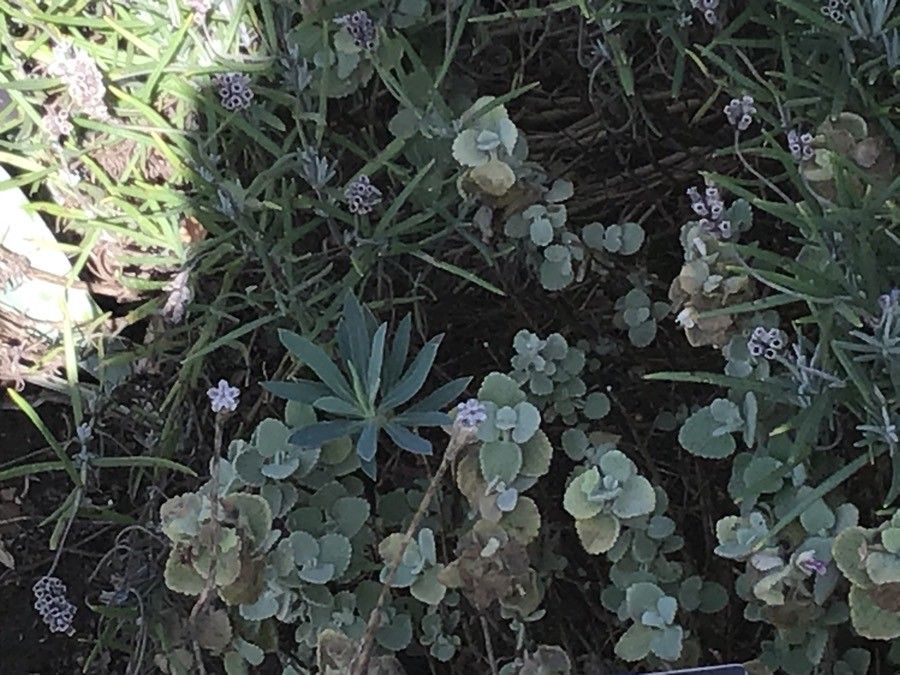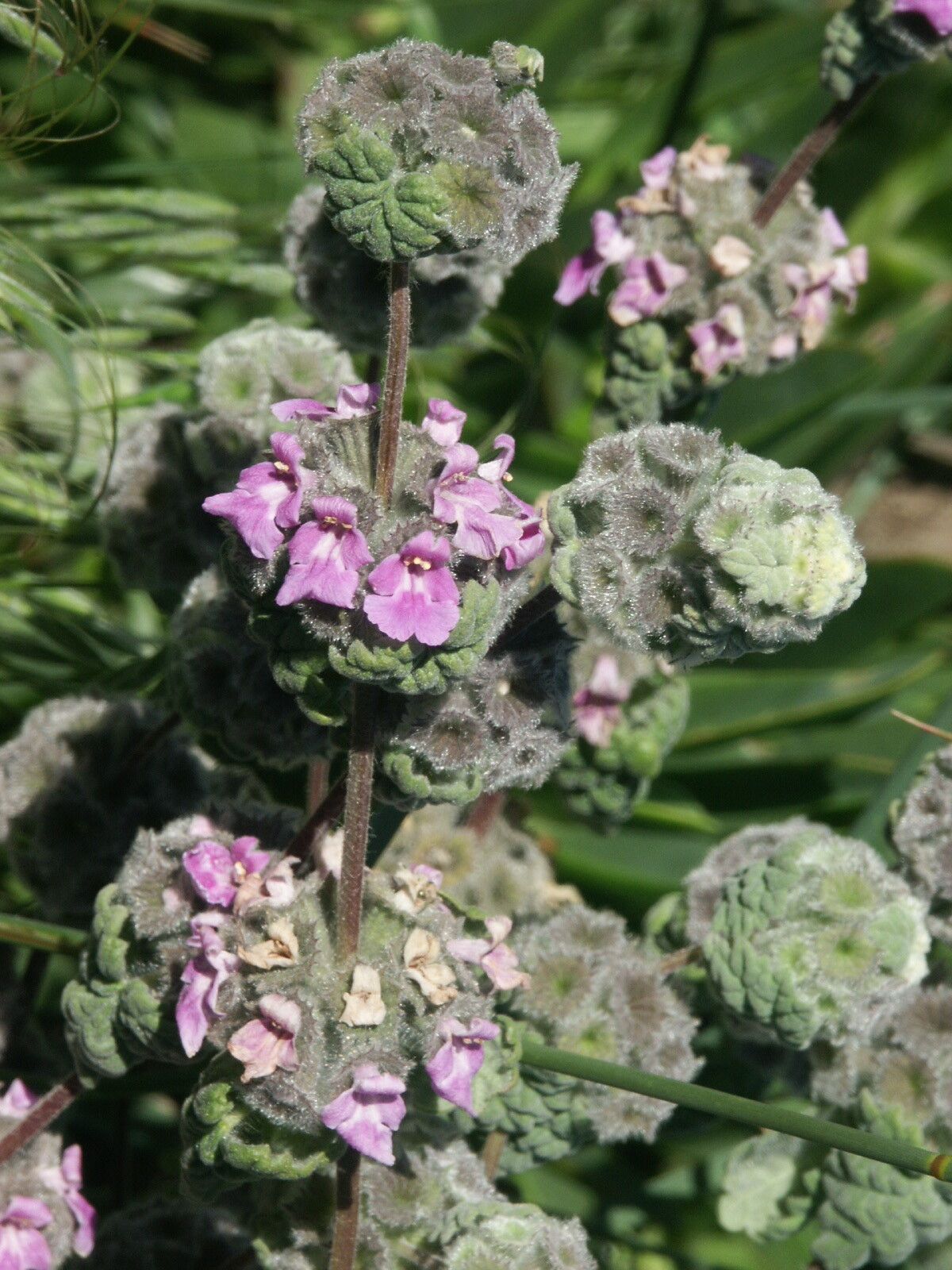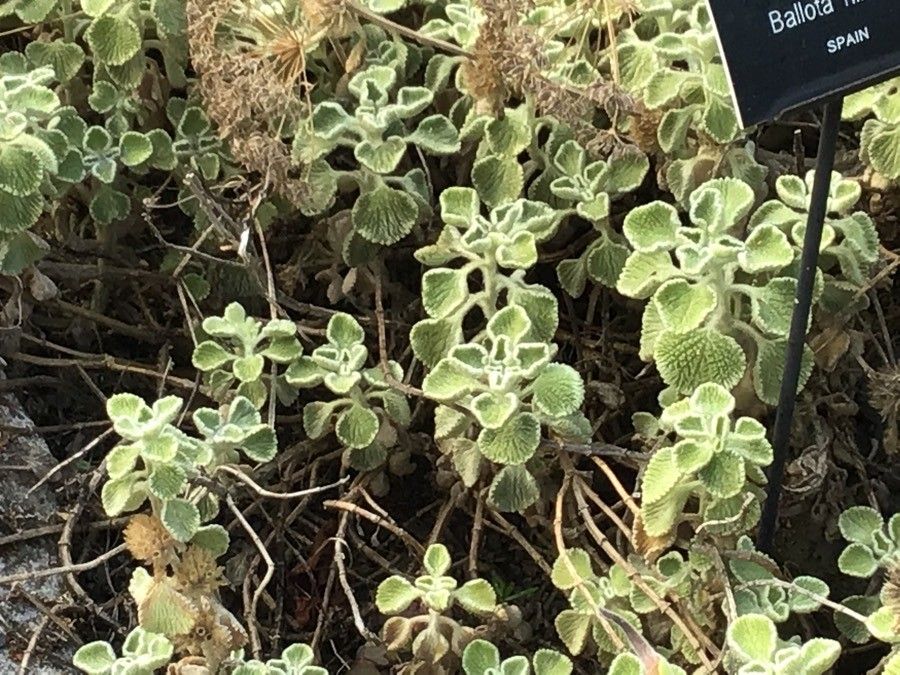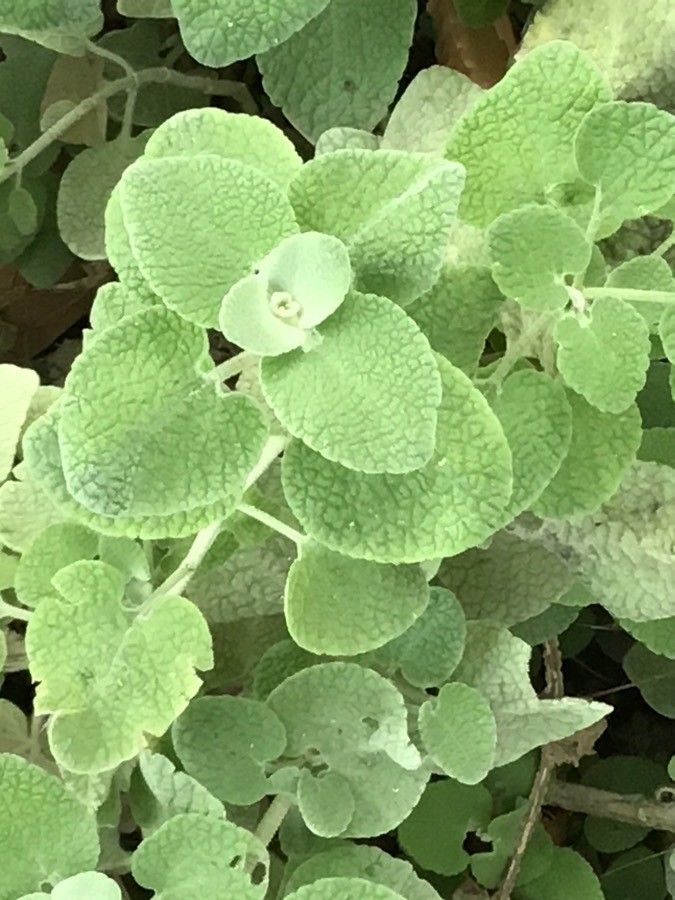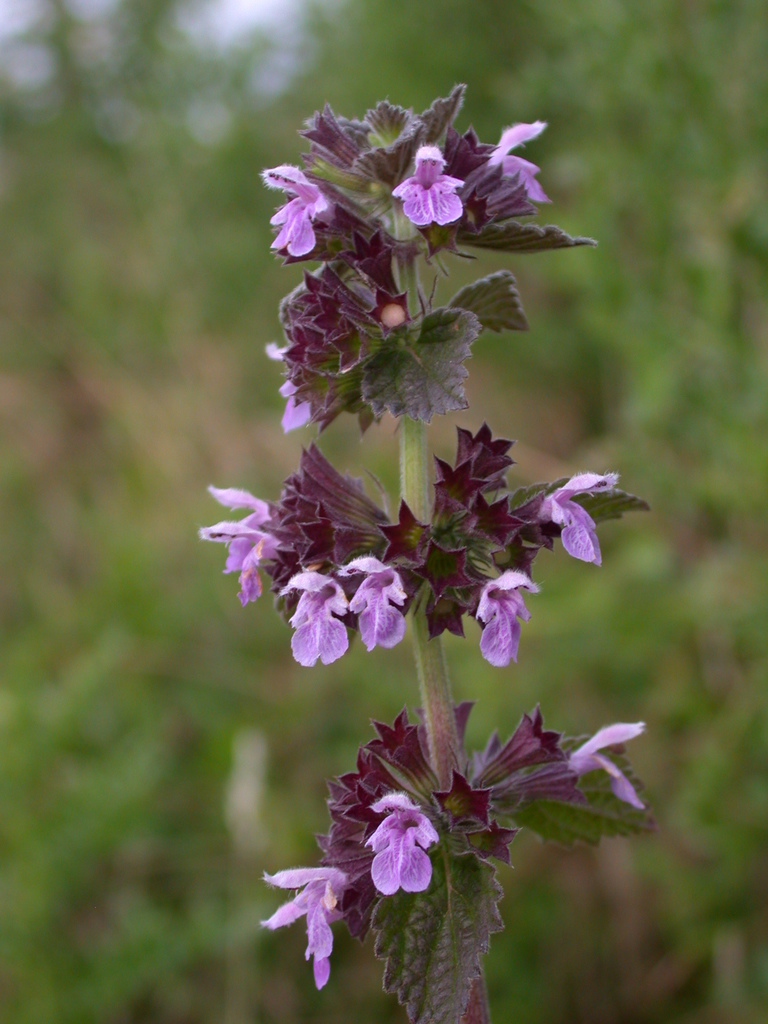
Ballota nigra, commonly known as black horehound, is a perennial herbaceous plant from the mint family, Lamiaceae. Native to Europe and western Asia, this plant has also been naturalized in North America. It typically reaches up to 1 meter in height, featuring a woody stem with numerous branches. The dark green leaves are hairy and emit an unpleasant odor when crushed.
The flowers of Ballota nigra are small and either white or pinkish with purple spots on the lower lip of the corolla. They bloom in dense clusters from June to September, forming at the tops of the stems.
Historically, Ballota nigra has been valued for its medicinal properties, particularly its antispasmodic effects that can help alleviate coughs, asthma attacks, and digestive issues such as bloating or gas pains. Additionally, its strong odor has made it useful as an insect repellent.
This plant thrives in well-drained soil and can grow in both full sun and partial shade. It is drought-tolerant once established and can be propagated easily from seeds or cuttings. However, it has the potential to become invasive if not properly managed.
In summary, Ballota nigra is a hardy perennial herb that not only adds ornamental value with its attractive flowers but also offers medicinal benefits for those seeking natural remedies for ailments like coughs and digestive problems.
Black horehound is fairly resistant to disease and generally does not suffer from them. Still, it can be attacked by pests and illnesses present in its environment. These problems are usually mild. In terms of care, the plant has moderate maintenance needs. It should be pruned regularly to retain a neat appearance and encourage healthy growth. Fertilizing can also help stimulate flowering. Black horehound is well suited to anyone with outdoor space, such as a garden or patio, and does not demand extensive gardening experience. It may need extra care when kept indoors.
How to keep Ballota Nigra.
Light
Black horehound does best with ample sunlight and can still grow under moderate light. However, its health may suffer if it receives too little or too much light. This reflects its native habitat, where strong sunlight is common.
Water
Black horehound, a plant native to the rocky soils of the Mediterranean, shows moderate tolerance to drought. When grown in cultivation, it needs to be watered weekly. To prevent problems with overwatering, it prefers soil that drains well. During its growing season, rainwater helps black horehound develop its aromatic foliage to its fullest potential.
Temperature
Black horehound is a species that does well in regions with temperatures between 59 and 95 °F (15 and 35 °C). Native to cooler climates, black horehound adapts readily to changing weather. To promote optimal growth, alter care during the colder months by protecting it from frost.
Fertilizer
The best time to fertilize a Black horehound is in early spring, as it breaks dormancy and starts active growth. Fertilization supplies essential nutrients needed for healthy development. Although Black horehound has fairly low fertilizer requirements, giving it fertilizer once a year can improve its survival and encourage better, longer-lasting flowers.
Pruning
Black horehound has hairy stems and a strong aroma. For healthy growth, annual pruning in early to late spring is essential. Focus on removing dead or damaged stems and thinning the foliage to improve airflow. Be sure to use sanitized tools to prevent disease and wear gloves to avoid skin irritation.
Botanical profile.
- Plant Type
- Herb
- Life Cycle
- Perennial
- Genus
- Ballota
- Family
- Lamiaceae
- Hardiness Zone
- 7-10
- Mature Height
- 30 cm to 91 cm
- Mature Spread
- 61 cm to 91 cm
- Leaf Color
- Green
- Leaf Type
- Semi-evergreen
- Flower Color
- Pink, Purple
- Flower Size
- 1.27 cm
- Bloom Time
- Late spring, Early summer, Mid summer
- Planting Time
- Spring, Summer, Autumn
- Harvest Time
- Mid summer
Other names.
Reader questions.
How should I water my Black horehound plant?
To properly water the Black horehound, it's recommended to use filtered water at room temperature. Tap water may contain harmful particles, so it's best to avoid it. The reason for using room temperature water is because the Black horehound is accustomed to warm environments and cold water can be a shock. Instead of watering from above, it's better to apply filtered water directly to the soil until it's fully saturated. This helps to moisten the roots, allowing them to spread and absorb nutrients effectively.
Why should I add fertilizer to my Black Horehound?
The main structure of the Black horehound is made up of its leaves. Fertilization is crucial for ensuring these leaves look good and perform their function effectively. Proper fertilization helps maintain consistent color and healthy texture in the leaves. Fertilization also benefits the plant below the soil's surface by promoting the growth of new roots and maintaining the existing root system. This ensures the plant stays healthy and improves its ability to absorb soil nutrients over time.
What are the sunlight requirements for Black horehound?
Black horehound requires full sun exposure, which means it thrives in areas that receive more than 6 hours of sunlight daily. It can also grow in partial sun conditions, where it would get about 3-6 hours of sunlight. It's crucial to monitor the movement of sunlight through your garden, selecting locations that offer an ideal blend of light and shade to ensure your plants' health. This plant's preference for abundant exposure reflects its natural habitat, where it is accustomed to strong sunlight. However, it's important to note that both insufficient and excessive light can negatively affect its health.
What is Black Horehound and where does it originate?
Black horehound, botanically known as Ballota nigra, is a species originally from cooler climates. It thrives in areas where temperatures range between 59 to 95 °F (15 to 35 °C) and adapts well to changing weather conditions. This plant has evolved to endure cold weather and is characterized by its strong cold resistance.
What do I do if I give my Black horehound too much or too little water?
Overwatering is a common problem for Black horehound, which can cause wilting, yellowing of leaves, and diseases like root rot, mold, and mildew. Underwatering is less common but can still occur, causing brittle and brown leaves. To prevent damage, it's important to recognize the signs of overwatering early and reduce watering. If the soil doesn't drain well, replace it with a loose, well-draining potting mix. If underwatering is the issue, simply water more regularly until the signs improve.
When should I fertilize my Black horehound plant?
When you grow your Black horehound outside each year, it will start to grow new leaves in early spring. This is an indicator that it's a good time to start fertilizing for the year. Typically, a single application of fertilizer in the spring is enough for the Black horehound to thrive. However, if you want to encourage maximum growth, you can feed it multiple times during the spring and early summer. In this case, you can feed your Black horehound around once every month to a month and a half.
How can artificial lighting be used for Black horehound indoors?
When natural sunlight is not sufficient, especially during winter or in areas of the home that receive less sunlight, artificial lighting can be a crucial solution for Black horehound's growth. LED lights are recommended due to their ability to provide specific wavelengths needed for plant growth. For full sun plants, 30-50W/sq ft of artificial light is needed, partial sun plants require 20-30W/sq ft, and full shade plants need 10-20W/sq ft. The artificial light source should be placed 12-36 inches above the plant, mirroring natural sunlight conditions. Most plants will need 8-12 hours of light per day.
How do you care for Black Horehound in cooler months?
During the cooler months, Black horehound requires certain care adjustments to ensure optimal growth despite the colder climate. While the plant generally has a strong resistance to cold and can usually withstand winter without special frost protection measures, protection from frost is still necessary if temperatures are expected to drop below -15°C. It is recommended to cover the plant with soil or straw for insulation against extreme cold. Additionally, watering the plant abundantly before the first freeze in autumn helps keep the soil moist and prevents drought and water scarcity during the cold season.
How often do I need to water my Black Horehound plant?
If your plant is in a pot, the most precise way to determine if your Black horehound needs water is by checking the soil moisture. Insert your finger into the soil and if the top two to three inches are dry, it's time to water. If you're growing Black horehound outdoors, you can use a similar method. Once the top few inches of soil have dried out, it's time to water. Typically, during spring and early fall, watering once a week is sufficient. However, during extremely hot weather, you may need to water twice or more per week. It's worth noting that mature, well-established Black horehound plants can withstand drought impressively well.
When is the best time to not add fertilizer to my Black horehound?
During late fall and winter, your Black horehound will go into a dormant phase, stopping new growth. So, avoid fertilizing during this time. When spring and summer come, if you choose to fertilize, start reducing the amount as summer approaches because the growth rate of the Black horehound will slow down too. It's generally not a good idea to fertilize when the weather is unseasonably hot or the soil is extremely dry. Fertilizing in these conditions can stress the Black horehound and lead to premature death.
What are the symptoms of light deficiency or excessive light in Black horehound?
Symptoms of light deficiency in Black horehound include smaller new leaves, leggy or sparse growth, faster leaf drop, slower or halted growth, and lighter-colored new leaves, which indicate a lack of chlorophyll. Excessive sunlight can cause chlorosis, sunscald, leaf curling, wilting, and leaf scorching. These symptoms range from leaves losing their green color to physical damage like pale, bleached areas or brown, dry, crispy edges on leaves. Addressing these symptoms involves adjusting light exposure to match the plant's needs.
How does low temperature affect Black Horehound, and what are the solutions?
Black horehound is cold-tolerant, thriving best when temperature stays above 15°C. During winter, the plant should be kept above -10°C. Exposure to temperatures below -15°C might not show immediate changes but could lead to decreased sprouting or no sprouting at all in the following spring. In such cases, remove any parts of the plant that have failed to sprout as the season progresses into spring to encourage new growth.