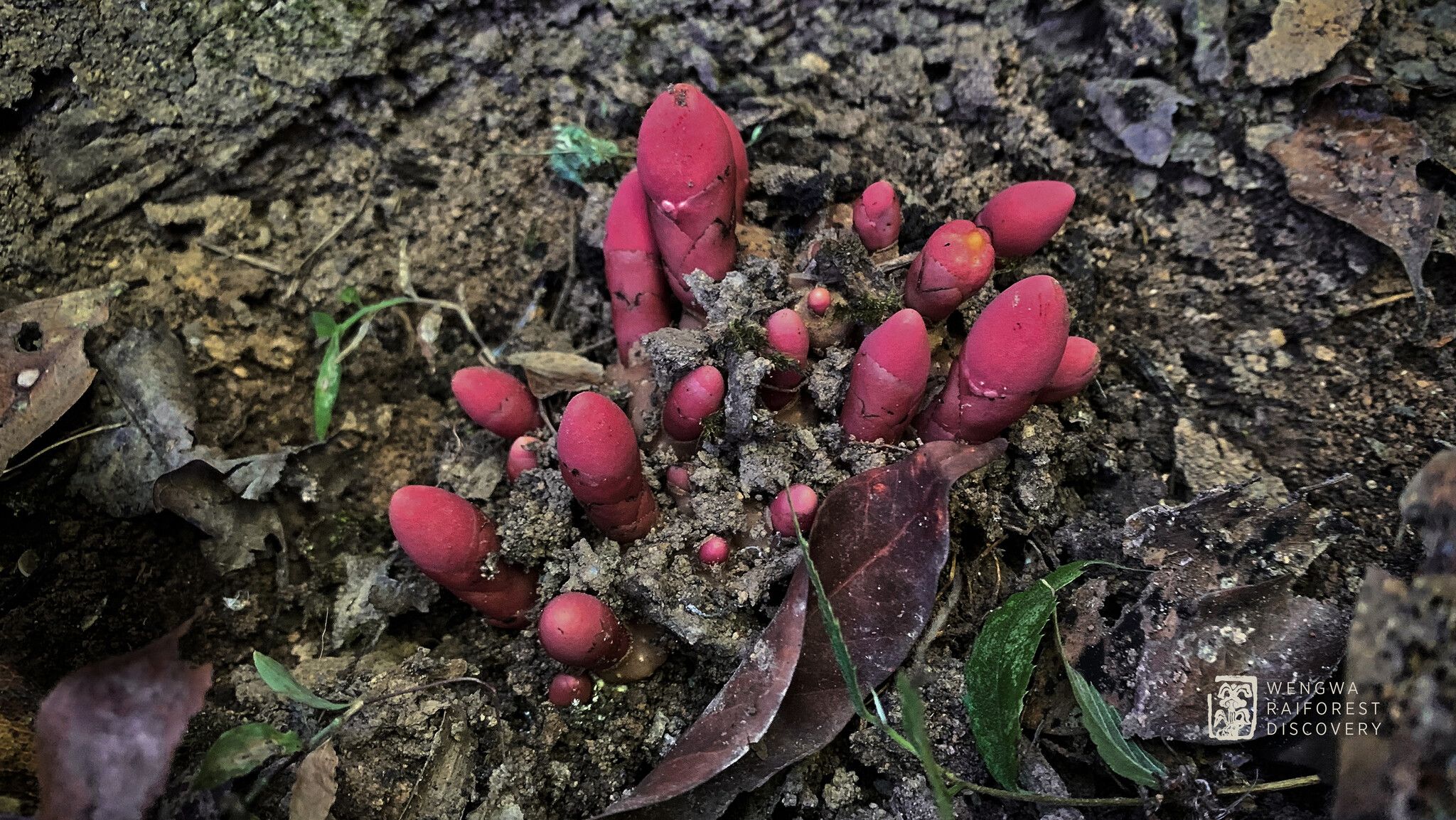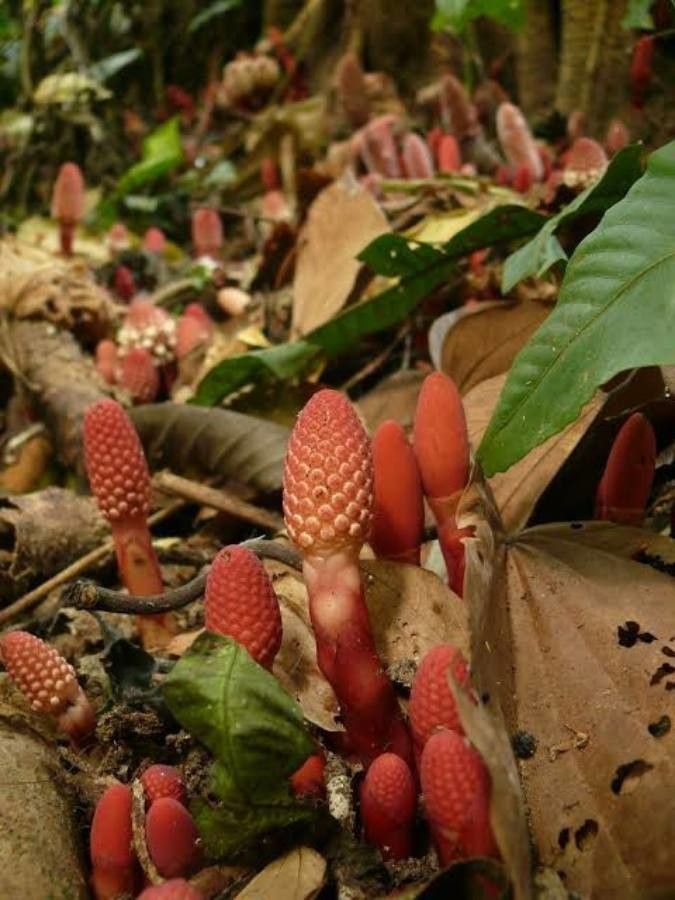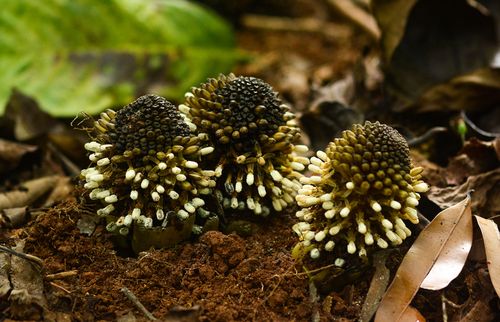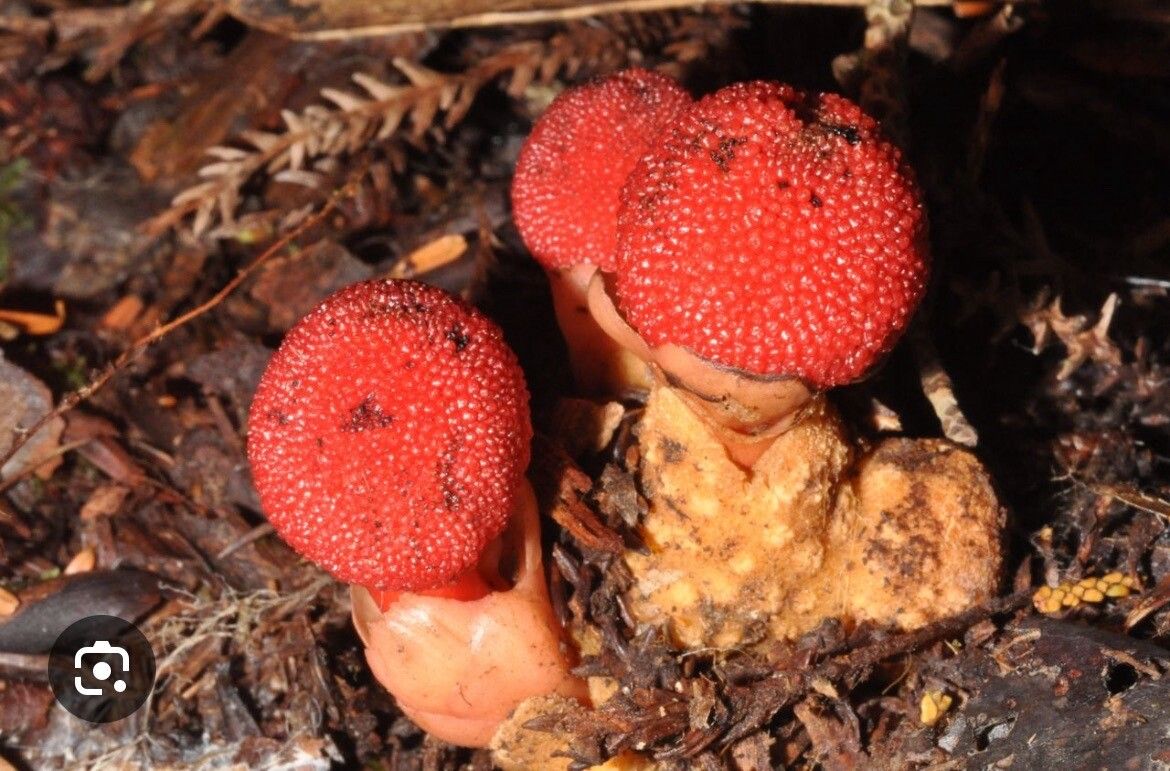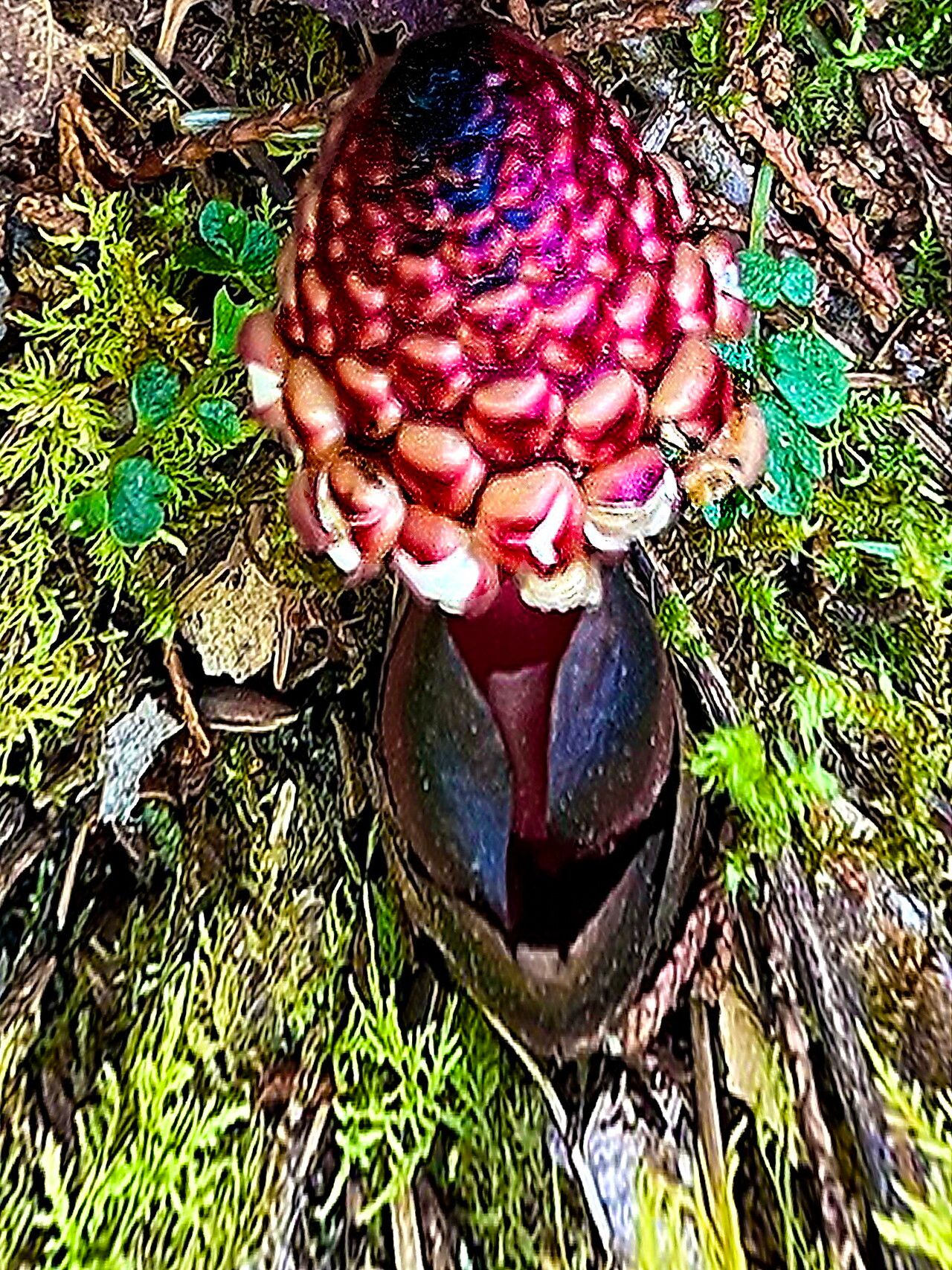
Harland’s Balanophora is fairly resistant to disease and generally not prone to illness. However, it can be affected by pests and diseases present in its surroundings. Such infections are typically not severe. In terms of care, this plant requires moderate maintenance. It should be pruned regularly to maintain a good appearance and support healthy growth. Fertilizing can also help encourage flowering. Harland’s Balanophora is suitable for anyone with outdoor space, such as a garden or patio, and does not demand extensive care experience. It may need more attention when grown indoors.
How to keep Balanophora Harlandii.
Light
Harland's Balanophora is native to habitats such as the understories of forests or rocky zones which naturally provide shade. Although it thrives best in Full Shade, it is also capable of enduring Partial Sun.
Temperature
Balanophora from Harland is native to the tropics, where the weather is generally hot and moist. Hence, it is thoroughly accustomed to elevated temperatures and high moisture levels. It is not fond of rapid temperature variations and favors a steady thermal backdrop, making it critical to prevent indoor temperature swings. Typically, it cannot withstand low temperatures and necessitates warmer conditions for its development. Should the ambient temperature go too far below its tolerance, the plant could stop growing or even perish.
Fertilizer
Harland’s Balanophora needs the most fertilizer during its active growth period, which occurs mainly in spring, summer, and early fall. Fertilizing is necessary to supply essential nutrients that may be missing from the soil, supporting healthy root and stem development as well as attractive foliage, a key feature of this plant.
Botanical profile.
- Plant Type
- Herb
- Life Cycle
- Perennial
- Genus
- Balanophora
- Family
- Balanophoraceae
- Hardiness Zone
- 9-11
- Mature Height
- 3 cm to 9 cm
- Mature Spread
- 5 cm to 15 cm
- Leaf Color
- Brown, Dark Red
- Leaf Type
- Deciduous
- Flower Color
- Yellow, Red
- Flower Size
- 0.15 cm to 0.25 cm
- Bloom Time
- Summer
- Harvest Time
- Late summer, Early fall, Mid fall
- Native Area
- Laos, India, Thailand, China