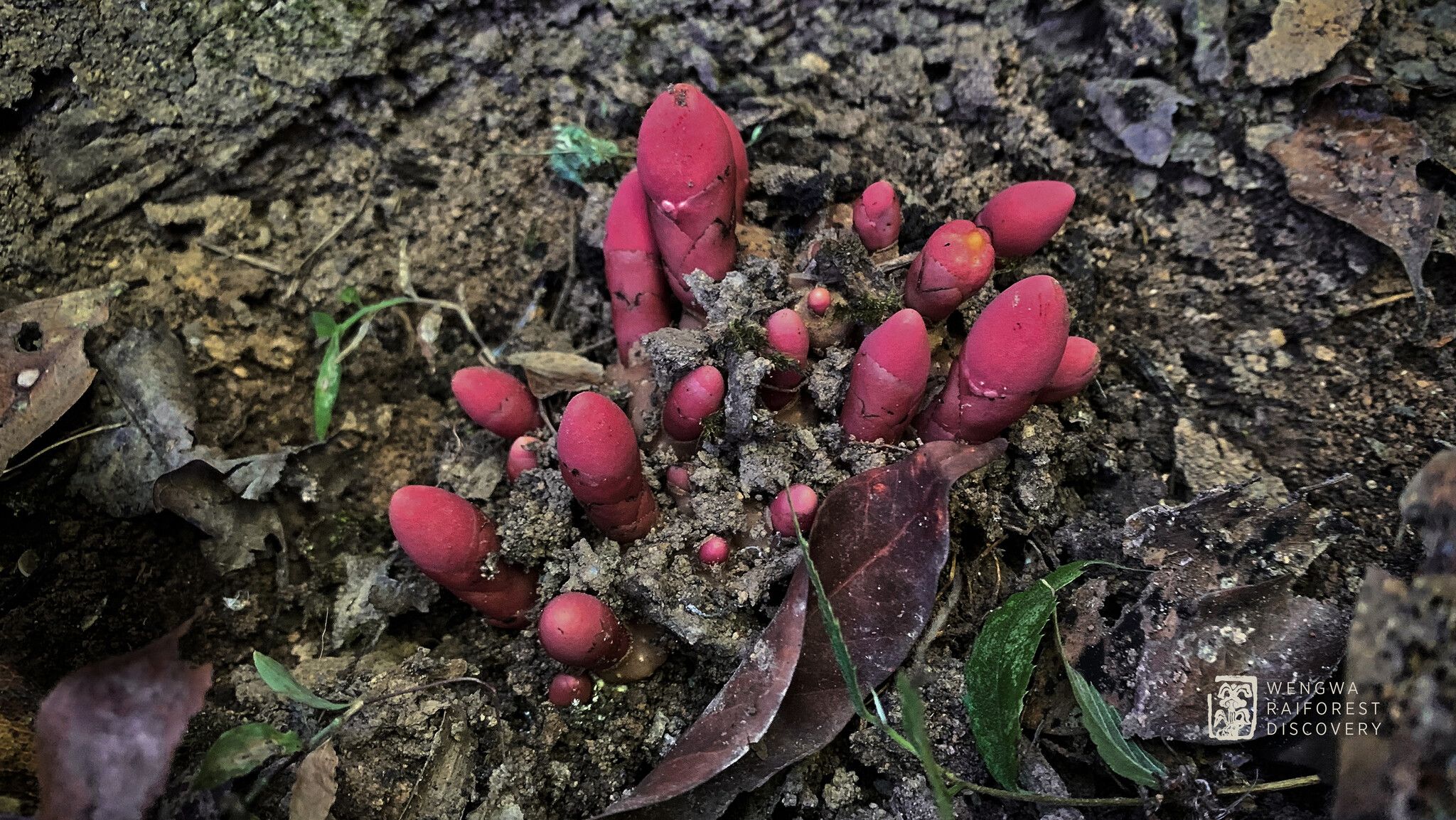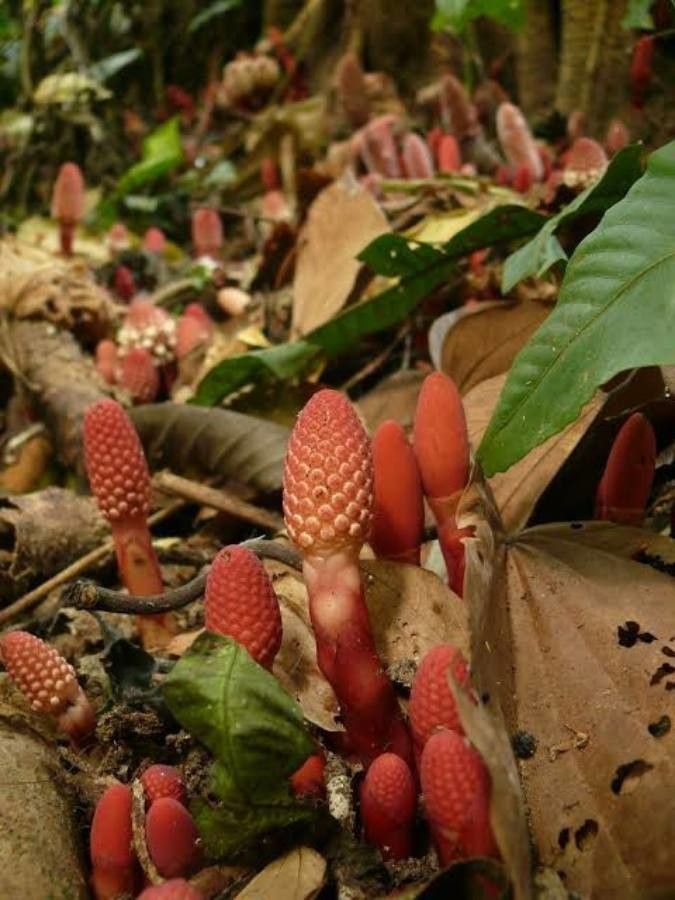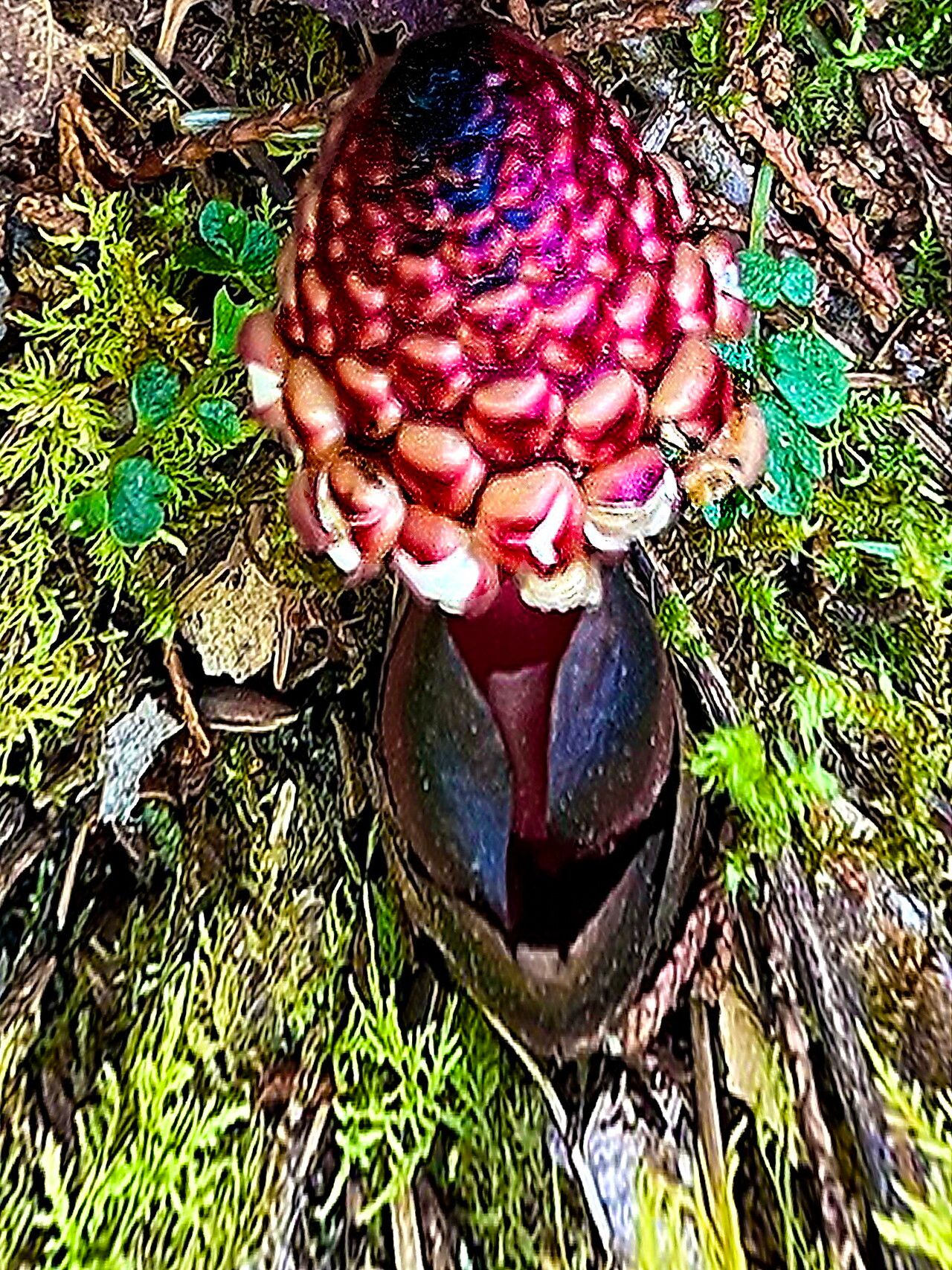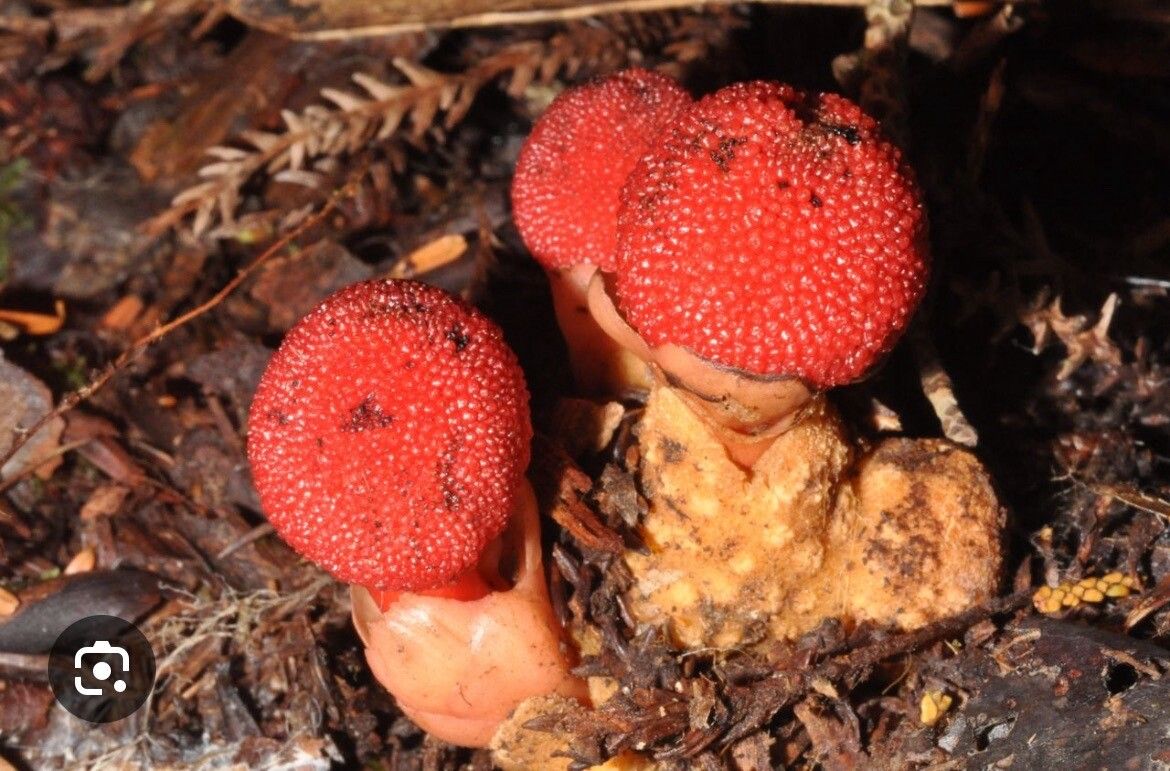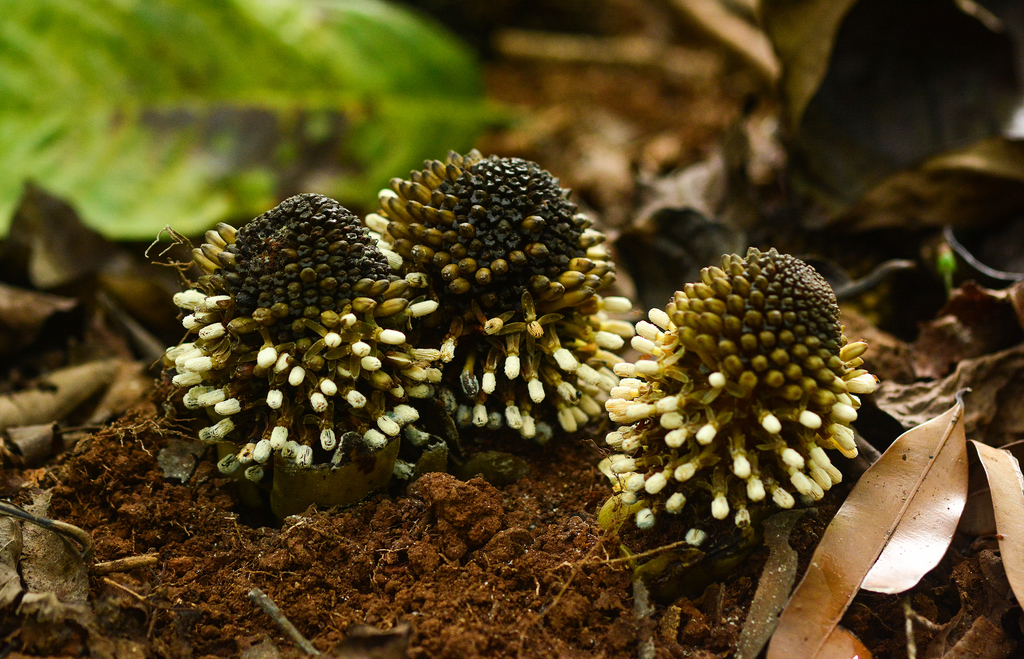
Balanophora fungosa, sometimes known as fungus root is a flowering plant in the family Balanophoraceae and occurs in South Asia, Southeast Asia, Australia and some Pacific Islands. It is an obligate parasite growing on the roots of rainforest trees. The flowering structure is shaped like a puffball but in fact consists of a globe covered with thousands of tiny female flowers. The globe is surrounded at its base by a much smaller number of male flowers. In flower, the plant emits an odour resembling that of mice.
Fungus root is fairly resistant to disease and typically does not suffer from illnesses. Still, it can be affected by pests and diseases present in its environment. Such infections are generally mild. Regarding care, this plant needs moderate maintenance. It should be pruned regularly to maintain its appearance and support healthy growth. Applying fertilizer can also encourage flowering. Fungus root is appropriate for anyone with an outdoor area, like a garden or patio, and does not demand extensive gardening experience. It may require greater attention when cultivated indoors.
How to keep Balanophora Fungosa.
Light
Fungus root is found in habitats such as forest understories or rocky areas that provide natural shade. It prefers full shade but can tolerate partial sun.
Water
Fungus root thrives in humid, consistently moist tropical environments and needs to be watered weekly. As a non-photosynthetic species, it relies on fungi for nutrients, which underscores the crucial role of water availability in its growth and health. Due to these specific needs, it is best suited for indoor cultivation.
Temperature
Fungus root comes from tropical areas where the climate is generally warm and humid. Consequently, it is adapted to high temperatures and moisture. It does not like sudden temperature changes and prefers a steady thermal environment, so avoiding indoor temperature fluctuations is important. It typically cannot tolerate cold and needs higher temperatures to grow. If the environmental temperature becomes too low, the plant may stop growing or even die.
Fertilizer
Fungus root requires the most fertilizer during its active growth phase, which takes place mainly in spring, summer, and early fall. Fertilizing is necessary to supply essential nutrients that may be absent from the soil, encouraging healthy root and stem growth as well as the attractive foliage that is a defining feature of this plant.
Pruning
Fungus root requires minimal pruning, which is best done from early to late spring. Trim away any spent flowers and damaged stems to enhance the plant's appearance, and cut back excess growth to improve air circulation. Be careful to protect the delicate roots and use sterilized tools to prevent the spread of disease.
Botanical profile.
- Plant Type
- Herb
- Life Cycle
- Perennial
- Genus
- Balanophora
- Family
- Balanophoraceae
- Hardiness Zone
- 10-12
- Mature Height
- 15 cm
- Mature Spread
- 5 cm to 15 cm
- Leaf Color
- Brown
- Leaf Type
- Evergreen
- Flower Color
- Red
- Flower Size
- 0.25 cm to 0.51 cm
- Bloom Time
- Summer, Early fall, Mid fall
- Planting Time
- Spring, Summer, Autumn
- Harvest Time
- Late summer, Fall, Early winter
- Native Area
- India, Malaysia, Indonesia, Vietnam, Myanmar, Japan, Vanuatu, Philippines, Laos, Fiji, Thailand, China
Other names.
Reader questions.
What are the sunlight requirements for Balanophora fungosa?
Balanophora fungosa, also known as Fungus root, thrives in conditions where it receives partial sun, amounting to about 3-6 hours of sunlight per day. It's important to observe how sunlight moves through your garden to identify spots that offer a perfect balance of light and shade, which is crucial for the plants' well-being. This careful selection ensures that your Fungus root plants remain happy and healthy.