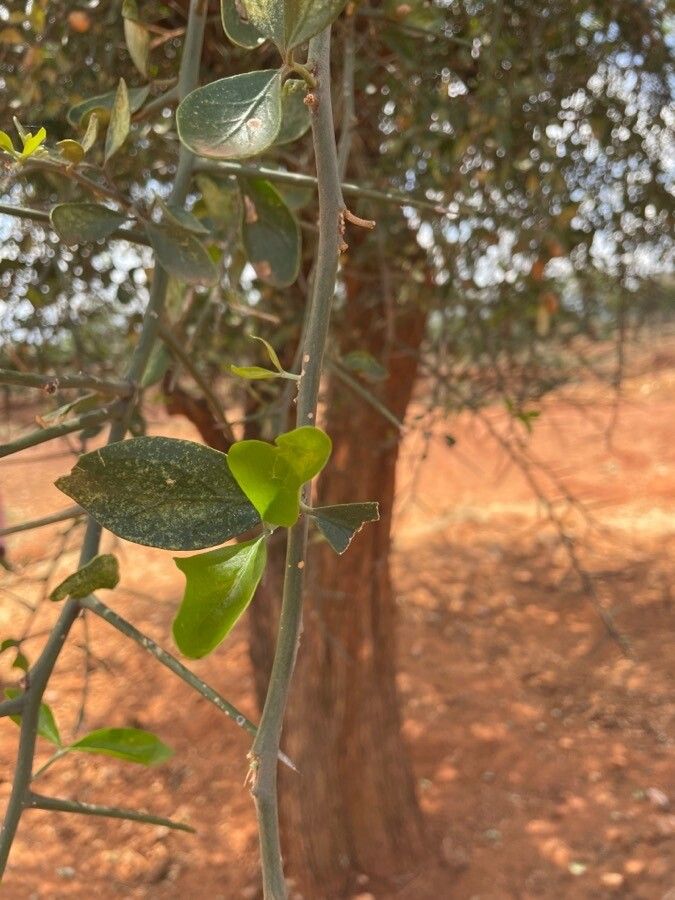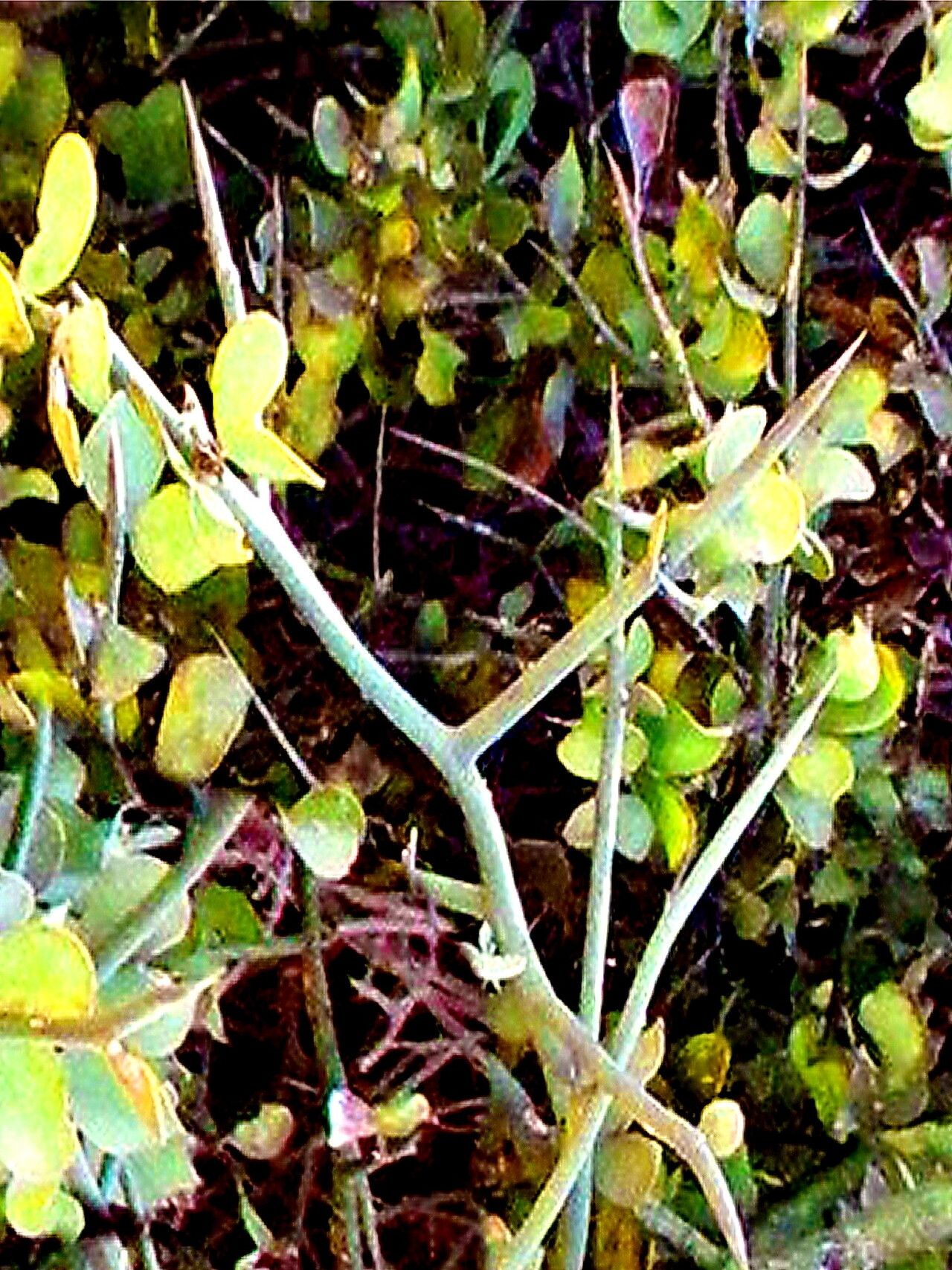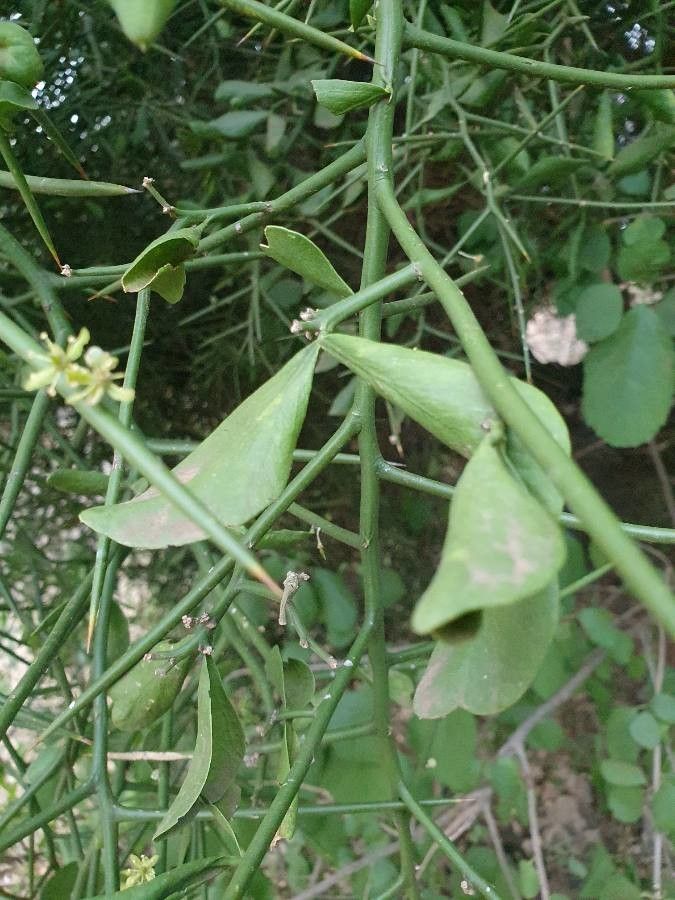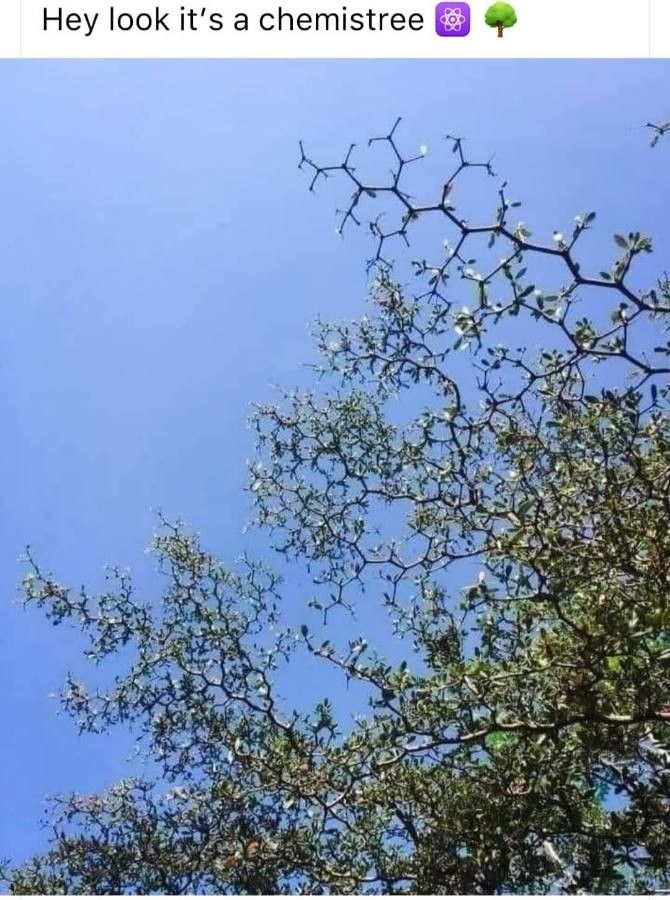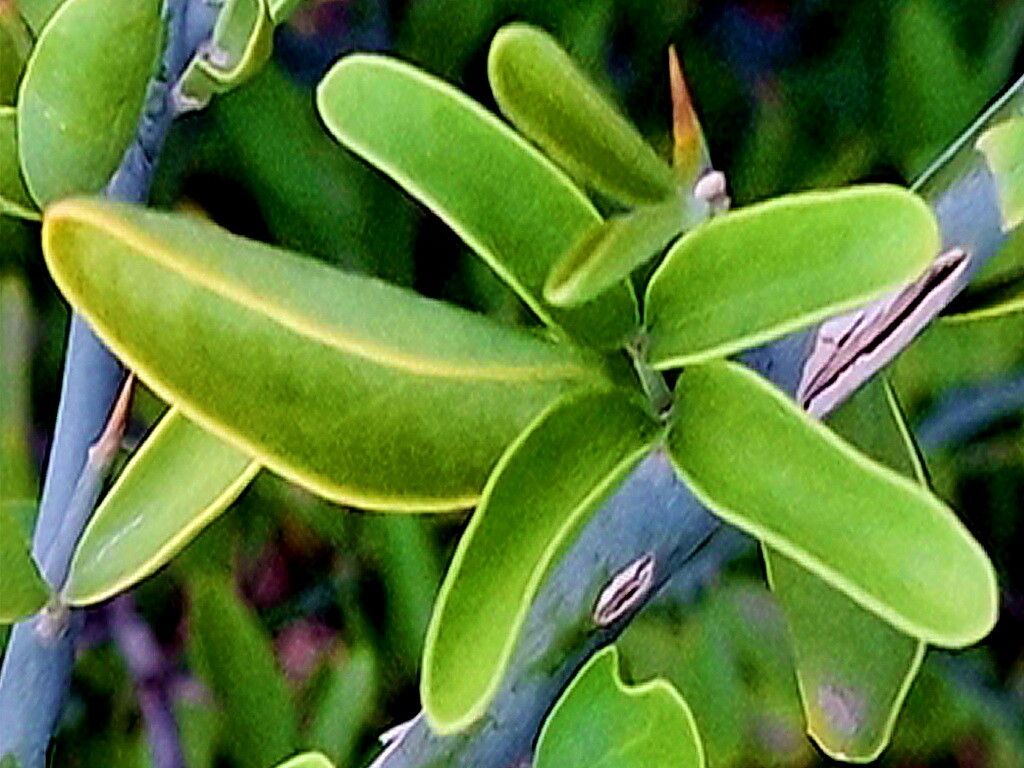
Balanites roxburghii is a spiny, evergreen tree in the family Zygophyllaceae. It is common in open sandy plains of the Indian peninsula, western Rajasthan, west Bengal, Maharashtra, Gujarat and drier parts of India. The specific epithet roxburghii refers to the Scottish botanist William Roxburgh.
Desert date shows strong resistance to disease and is generally unlikely to develop health problems. Regarding maintenance, this species is fairly easy to care for. When grown outdoors it needs only light watering, and mature specimens typically do not require pruning. Smaller specimens, however, should be trimmed after flowering. Desert datet is appropriate for anyone who has outdoor space like a garden or a deck and does not demand extensive gardening experience.
How to keep Balanites Roxburghii.
Light
The desert date thrives best with plenty of sun exposure, reflecting its innate affinity for its original, sun-soaked environments. This suggests a clear preference for constant, uninterrupted sunlight. Nevertheless, it manages remarkably well in lighting conditions that are not perfect. Extremely lengthy or brief periods of light, though, can affect the overall health and output of the plant.
Temperature
The desert date thrives in areas with a temperate climate and is best suited to temperatures ranging from 68 to 100 °F (20 to 38 ℃). In chillier regions, it may require protection during the winter months. Modifying its exposure to sunlight and frequency of watering can aid in its adjustment to abrupt shifts in temperature.
Fertilizer
Opt for organic fertilizers such as compost or fish emulsion instead of synthetic fertilizers for desert date. During spring, young plants require more nitrogen and phosphorus. Ensure to apply compost or fertilizer either before or after plantation. Mature plants, on the other hand, require either a balanced or deficiency-specific fertilizer in the spring. Lack of nutrients can result in underdeveloped leaves, stunted branches, leaves turning yellow or bronze, sour fruits, early fruit shedding, and fruit cracking.
Botanical profile.
- Plant Type
- Tree
- Life Cycle
- Perennial
- Genus
- Balanites
- Family
- Zygophyllaceae
- Hardiness Zone
- 10-12
- Mature Height
- 10.06 m
- Mature Spread
- 3.96 m
- Leaf Color
- Green, Gray, Silver
- Leaf Type
- Deciduous
- Flower Color
- Yellow
- Flower Size
- 0.76 cm to 1.52 cm
- Bloom Time
- All year round
- Planting Time
- Spring, Summer, Autumn, Winter
- Harvest Time
- All year round
- Native Area
- Burkina Faso, Libya, Somalia, Egypt, India, Djibouti, Angola, Namibia, Rwanda, Pakistan, Eritrea, Nigeria, Morocco, Yemen, Kenya, Uganda, Niger, Tanzania, Zimbabwe, Mali, Guinea-Bissau, Benin, Cameroon, Burundi, Mozambique, Oman, Ghana, Ethiopia, Botswana, Congo, Central African Republic, Saudi Arabia, Malawi, Zambia, Sudan, Mauritania, Guinea, Chad, Lebanon, Syria, Vietnam, Myanmar, Israel, Togo, Senegal, Côte d'Ivoire, Algeria, Gambia, Congo (DRC)