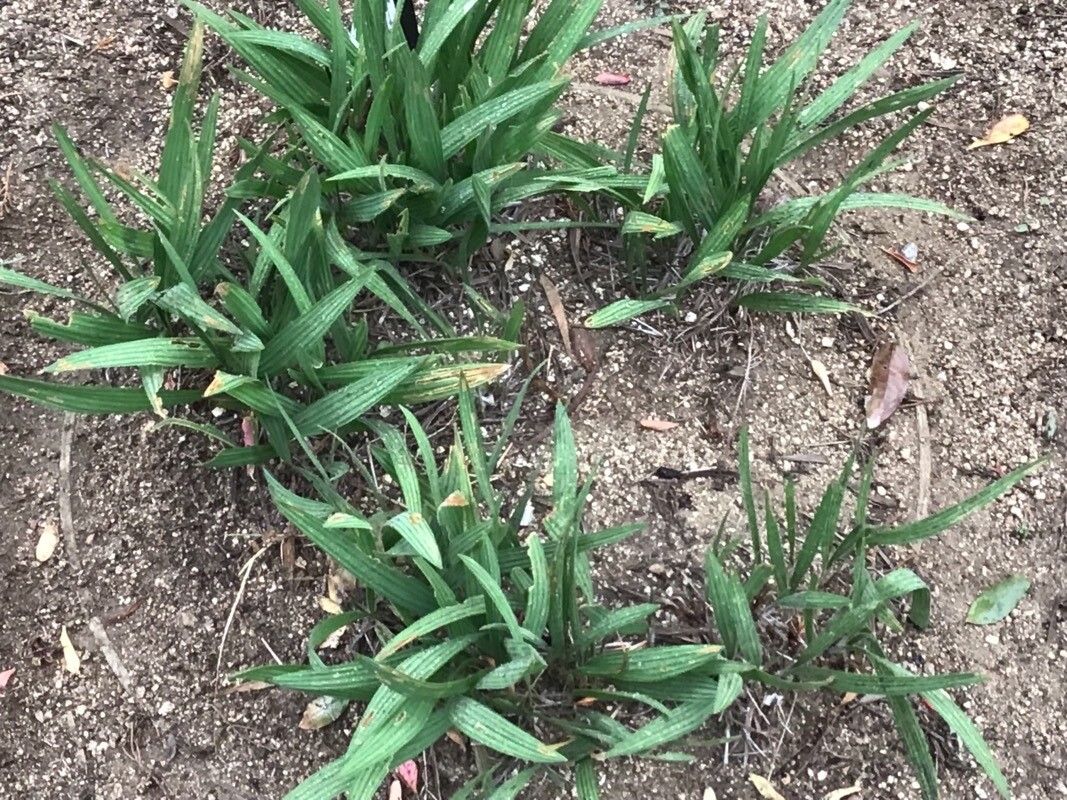
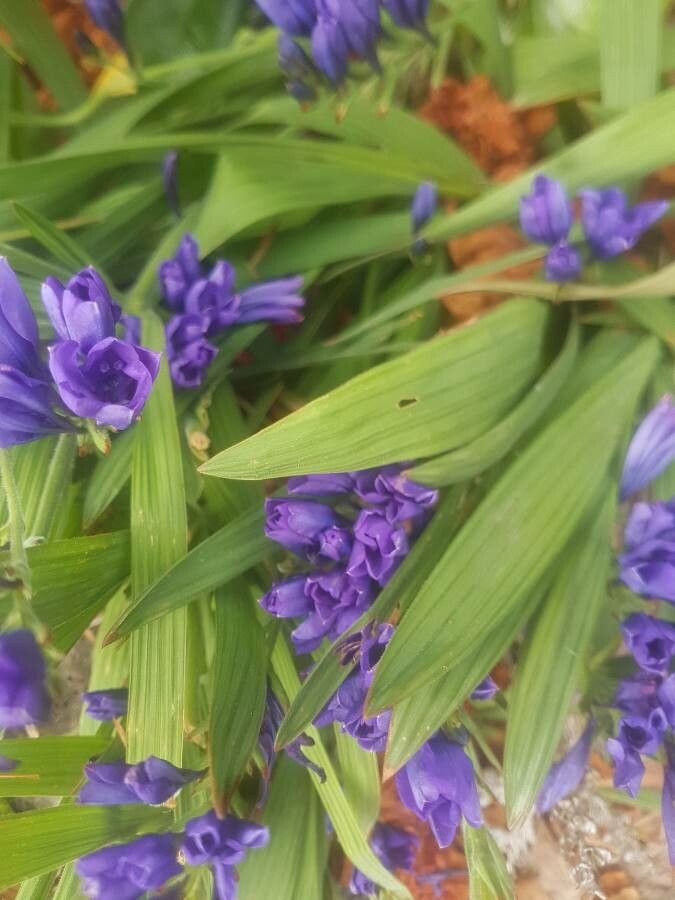
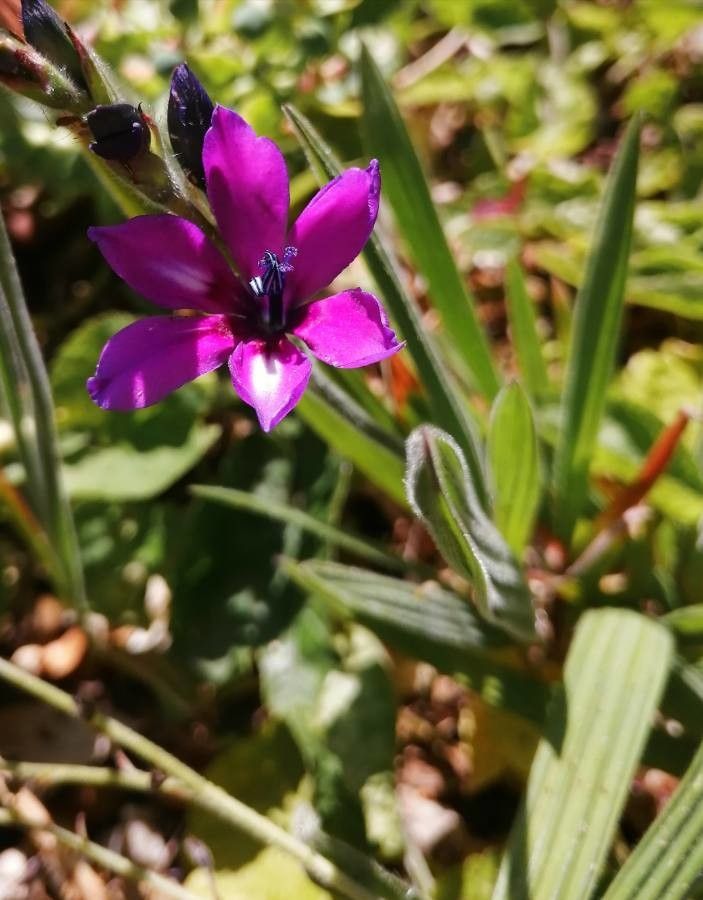
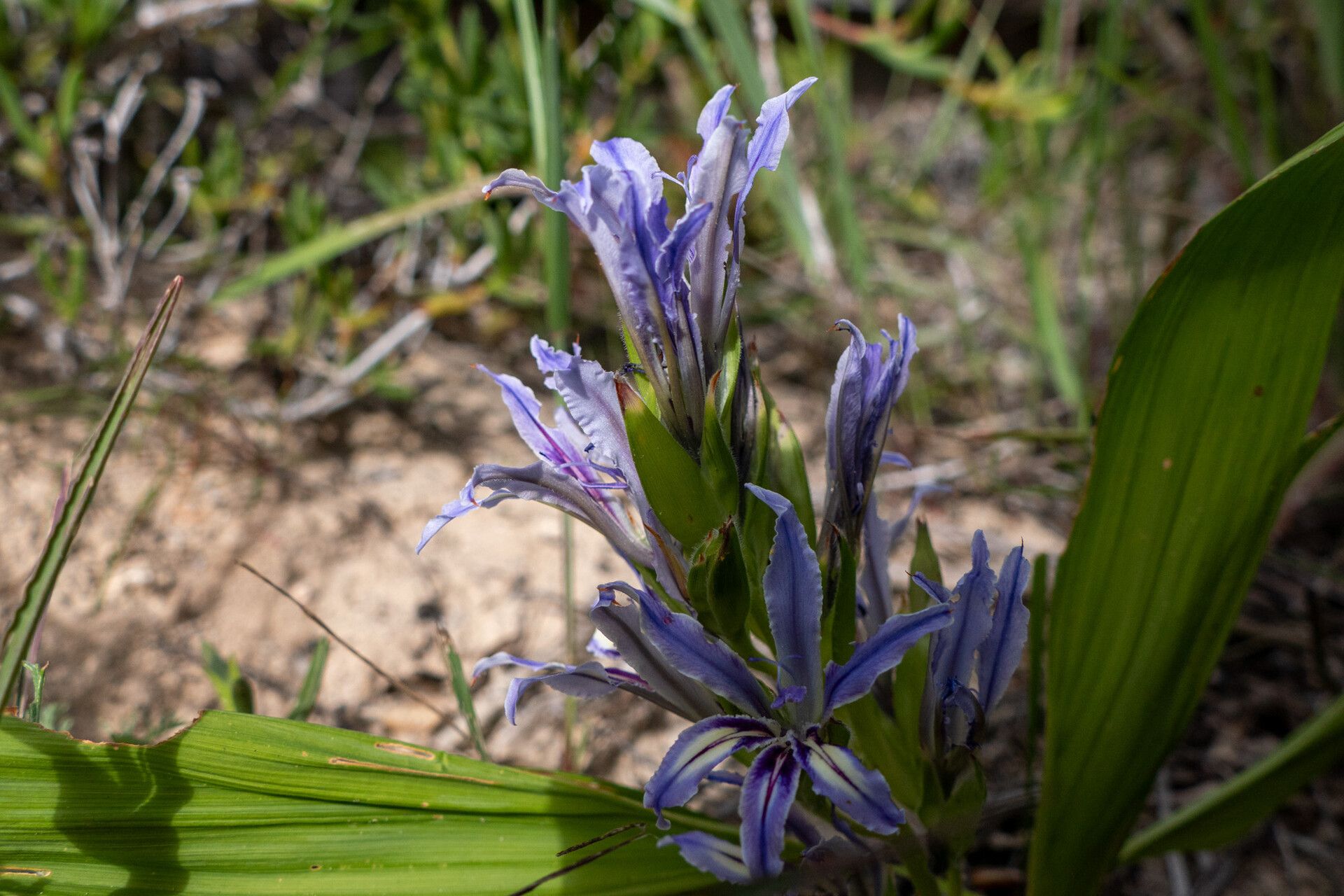
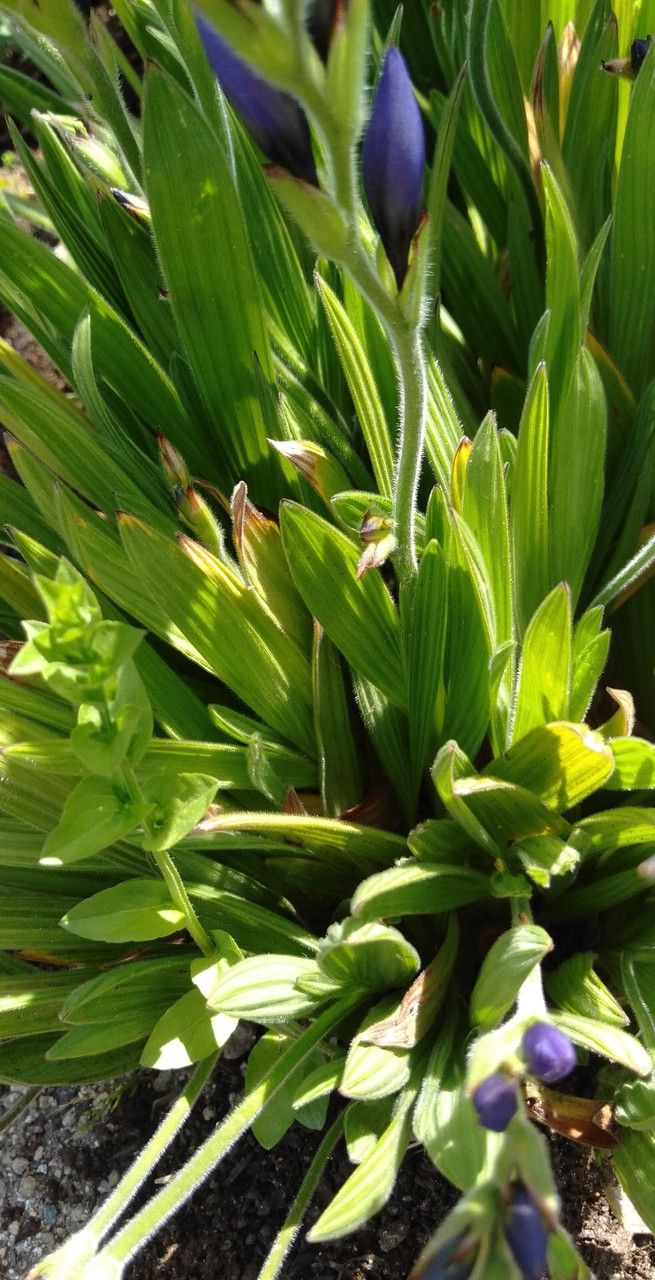
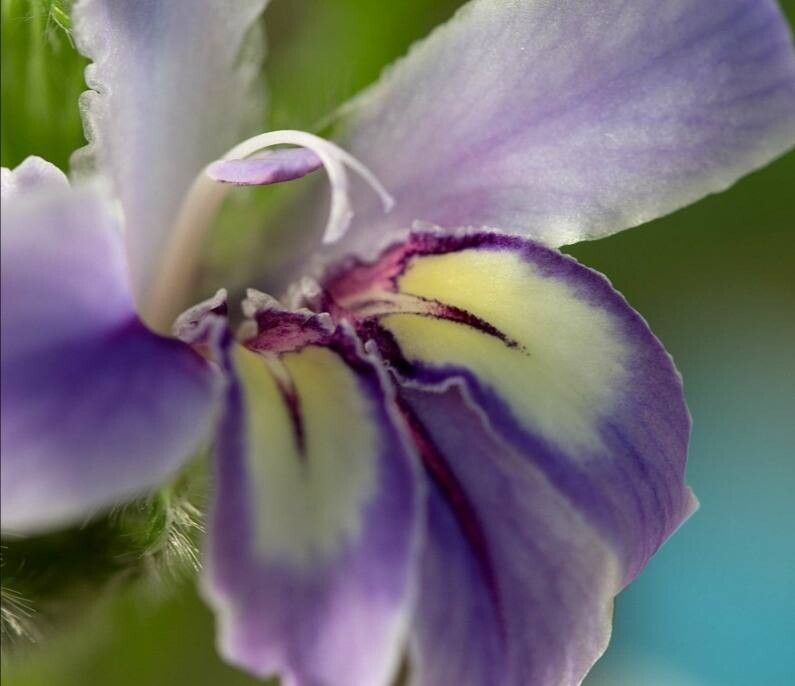
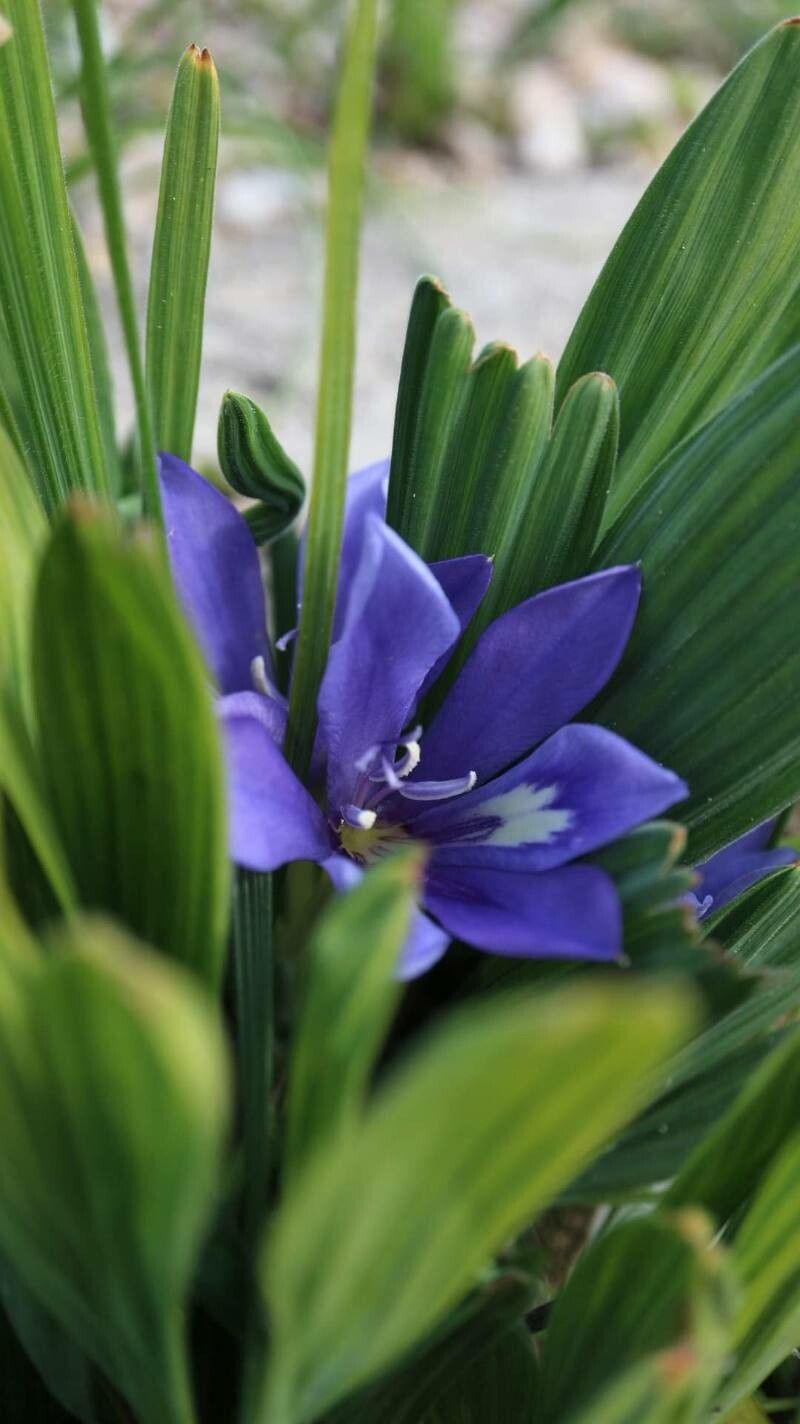
Babiana nervosa is a perennial flowering plant and geophyte belonging to the genus Babiana. The species is endemic to the Western Cape.
Baboon flower has strong resistance to disease and is generally not easily affected by illnesses. Still, it can be vulnerable to pests and diseases present in its environment. Such infections are typically mild. Care-wise, this plant needs moderate maintenance. It should be pruned regularly to preserve an attractive appearance and healthy growth. Applying fertilizer can also encourage blooming. Baboon flower is well suited for anyone with outdoor space, like a garden or patio, and does not require extensive experience in plant care. It may need more attention when grown indoors.
How to keep Babiana Nervosa.
Light
Baboon flower does best in areas with abundant light, though it can tolerate extended periods in moderate lighting. This flowering plant gains significantly from consistent light exposure for healthy growth. However, too much light or too little light can, respectively, hinder development or cause its coloration to fade. Its native habitats are generally bright.
Water
The Baboon flower flourishes with a steady weekly watering schedule that provides balanced moisture. It doesn't require the soil to be constantly damp, nor can it tolerate extreme drought conditions. Typically grown outdoors, its flowering cycle is attuned to seasonal rainfall, mirroring the moisture patterns of its native habitat.
Temperature
Baboon flower originates in temperate regions and prefers temperatures from 59 to 95 °F (15 to 35 ℃). It can safely shift toward the warmer or cooler ends of that range during different seasons.
Fertilizer
The main time to fertilize Baboon flower is in early spring while the flowers are forming. The proper fertilizer promotes better blooms and helps the Baboon flower produce attractive flowers. Fertilizing in early spring helps ensure excellent flowering throughout the season and supplies energy for dormant growth phases.
Pruning
The Baboon flower is known for its vibrant blooms and sword-shaped leaves, and it thrives best in well-drained soil. To encourage healthy growth and remove any dead foliage, prune the plant from early to late spring after it has flowered. Make sure to use clean tools for pruning to prevent infection, which will enhance both flowering and overall plant vigor.
Pot & Repot
Repot the baboon flower every 2 to 3 years, ideally in late winter after its dormancy period. Choose a container that is one size larger and has good drainage. After repotting, place the baboon flower in bright, indirect sunlight. Resume watering once new growth appears to ensure a smooth transition.
Botanical profile.
- Plant Type
- Herb
- Life Cycle
- Perennial
- Genus
- Babiana
- Family
- Iridaceae
- Hardiness Zone
- 8-10
- Mature Height
- 15 cm to 46 cm
- Mature Spread
- 8 cm to 15 cm
- Leaf Color
- Green
- Leaf Type
- Semi-evergreen
- Flower Color
- Purple, Violet
- Flower Size
- 3.05 cm to 5.08 cm
- Bloom Time
- Early spring, Mid spring
- Planting Time
- Spring, Summer
- Harvest Time
- Late spring, Early summer
- Native Area
- South Africa