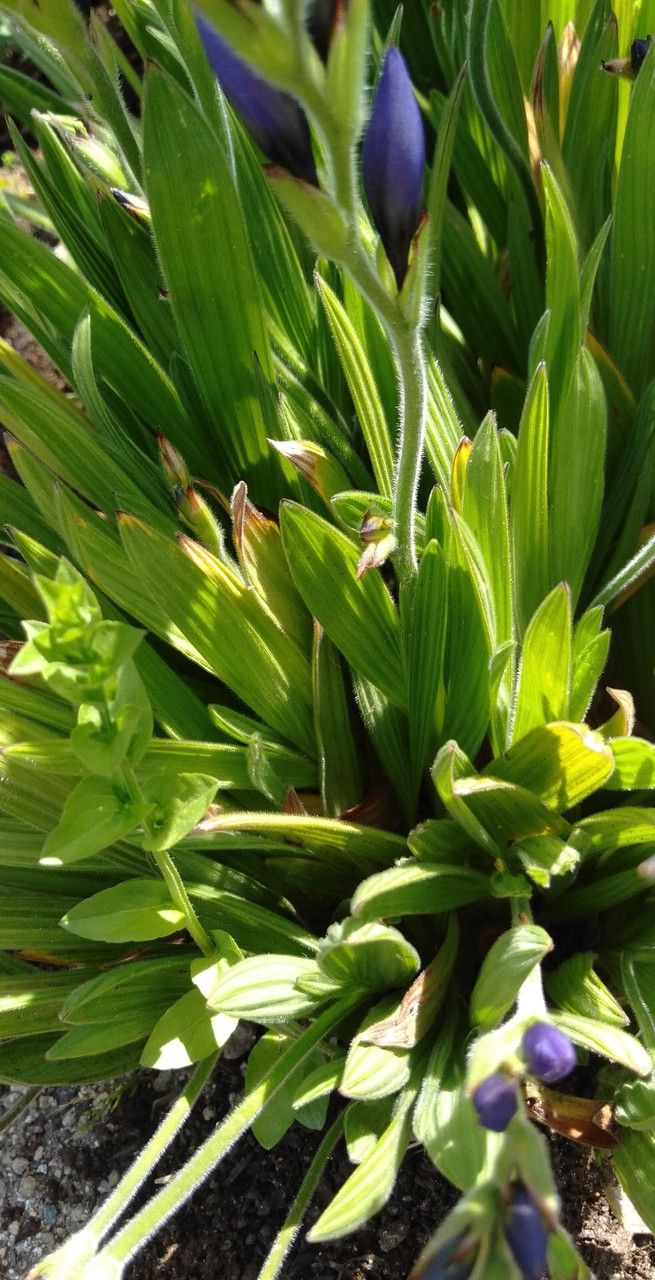
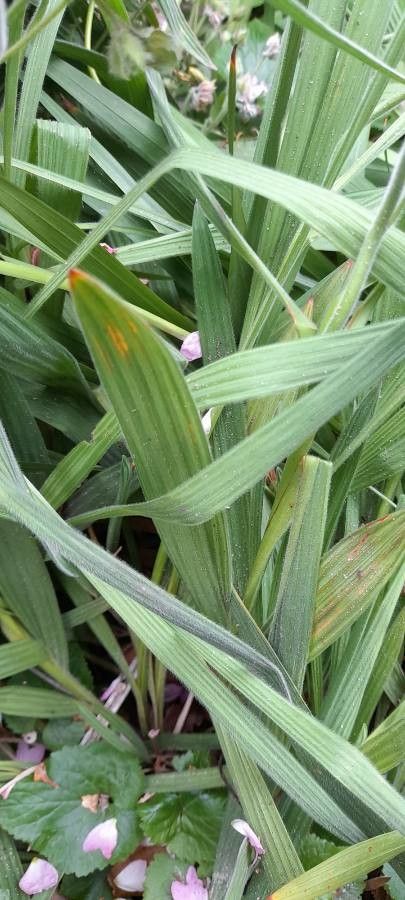
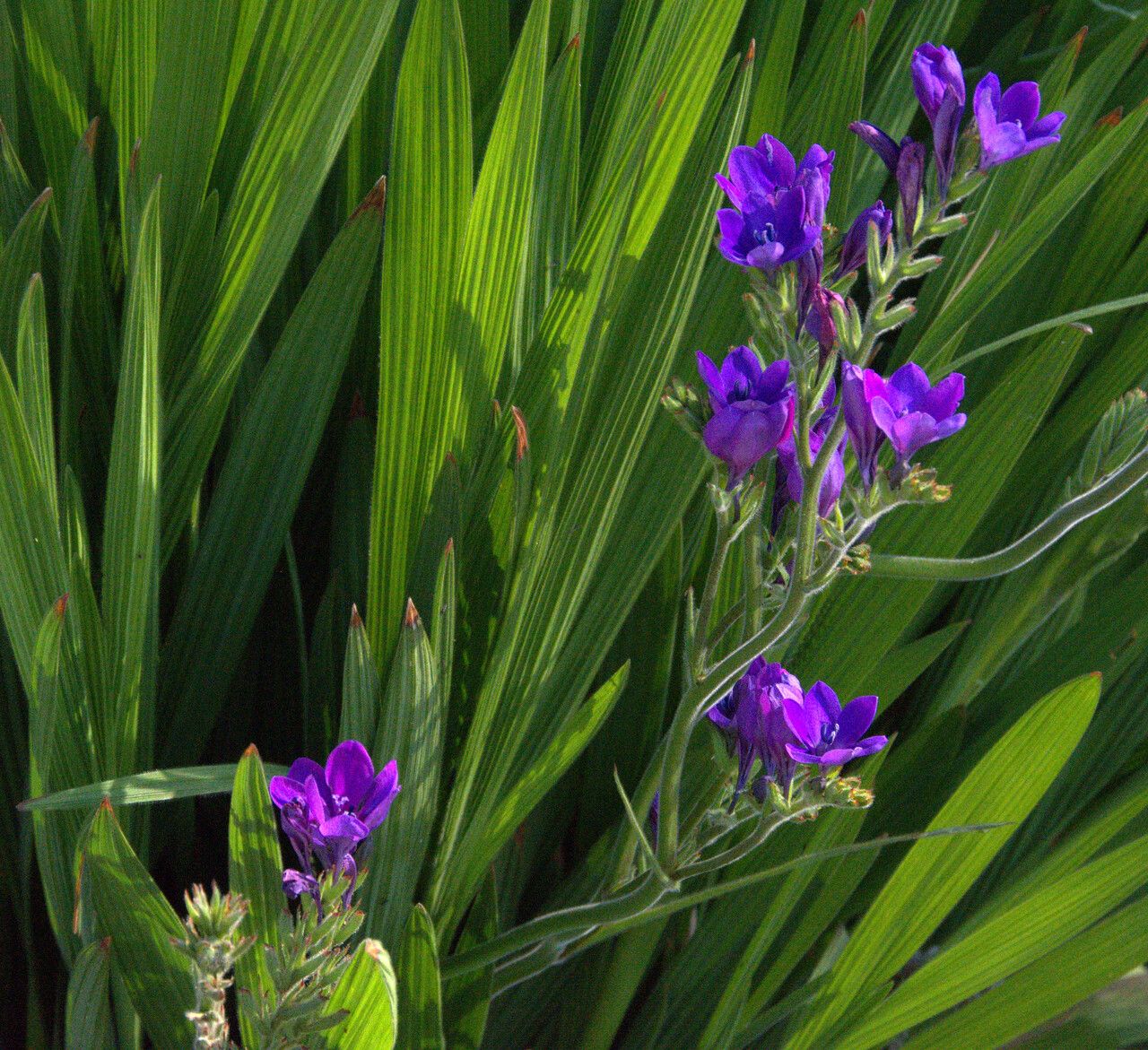
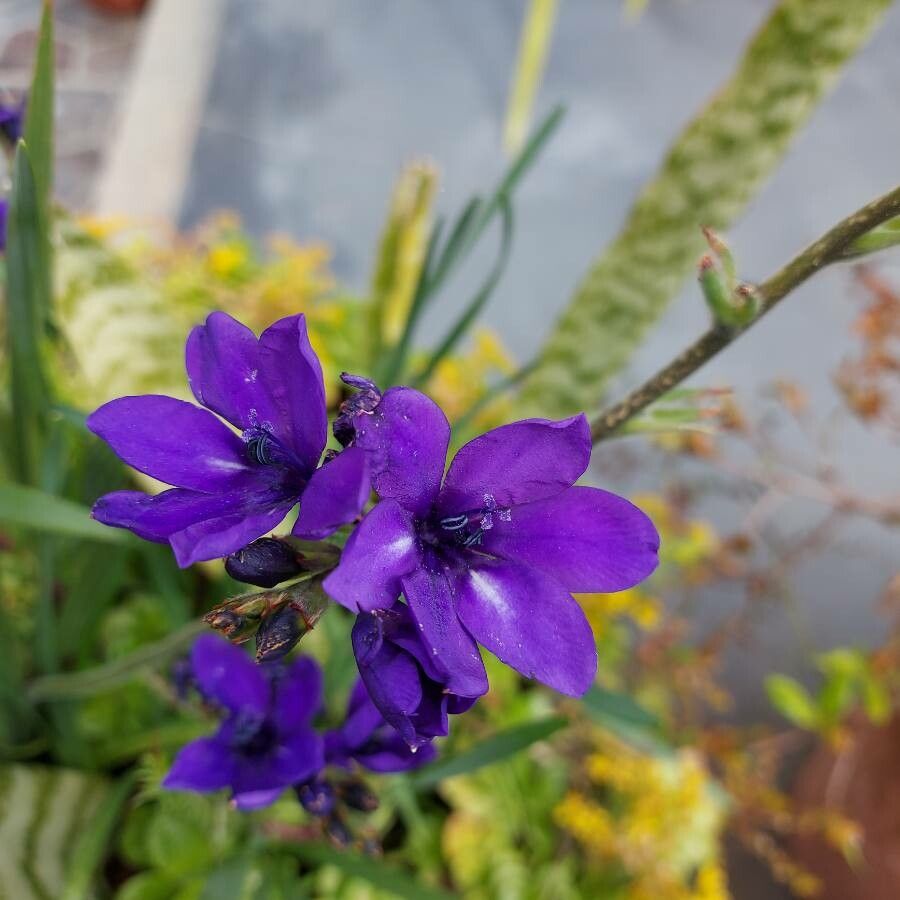
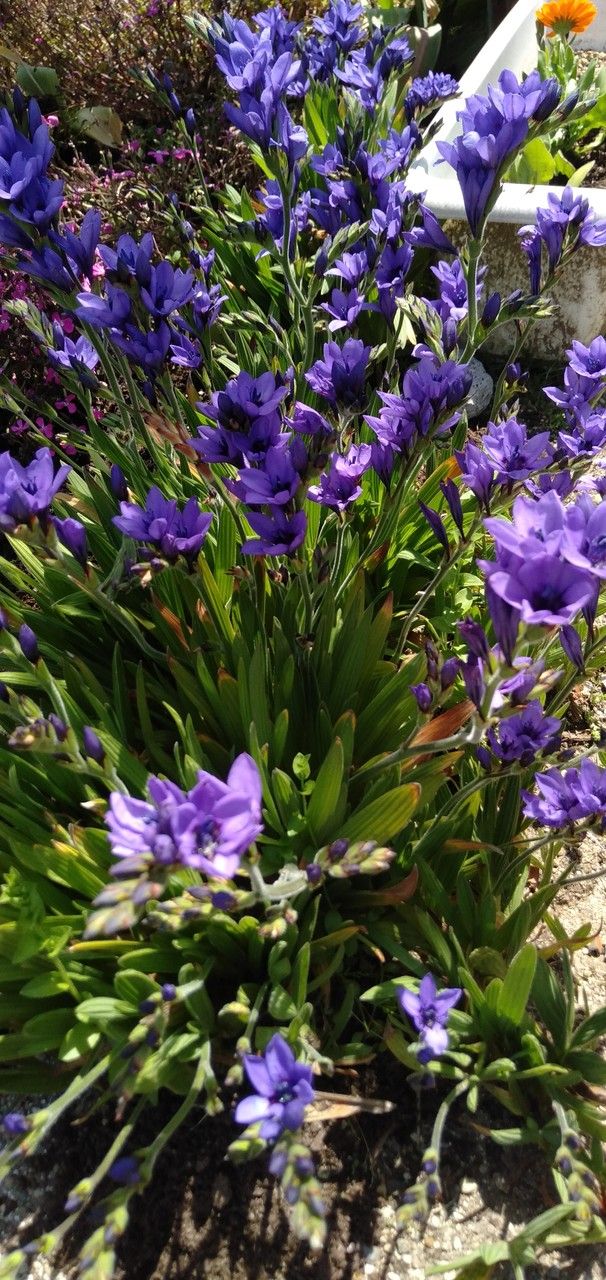
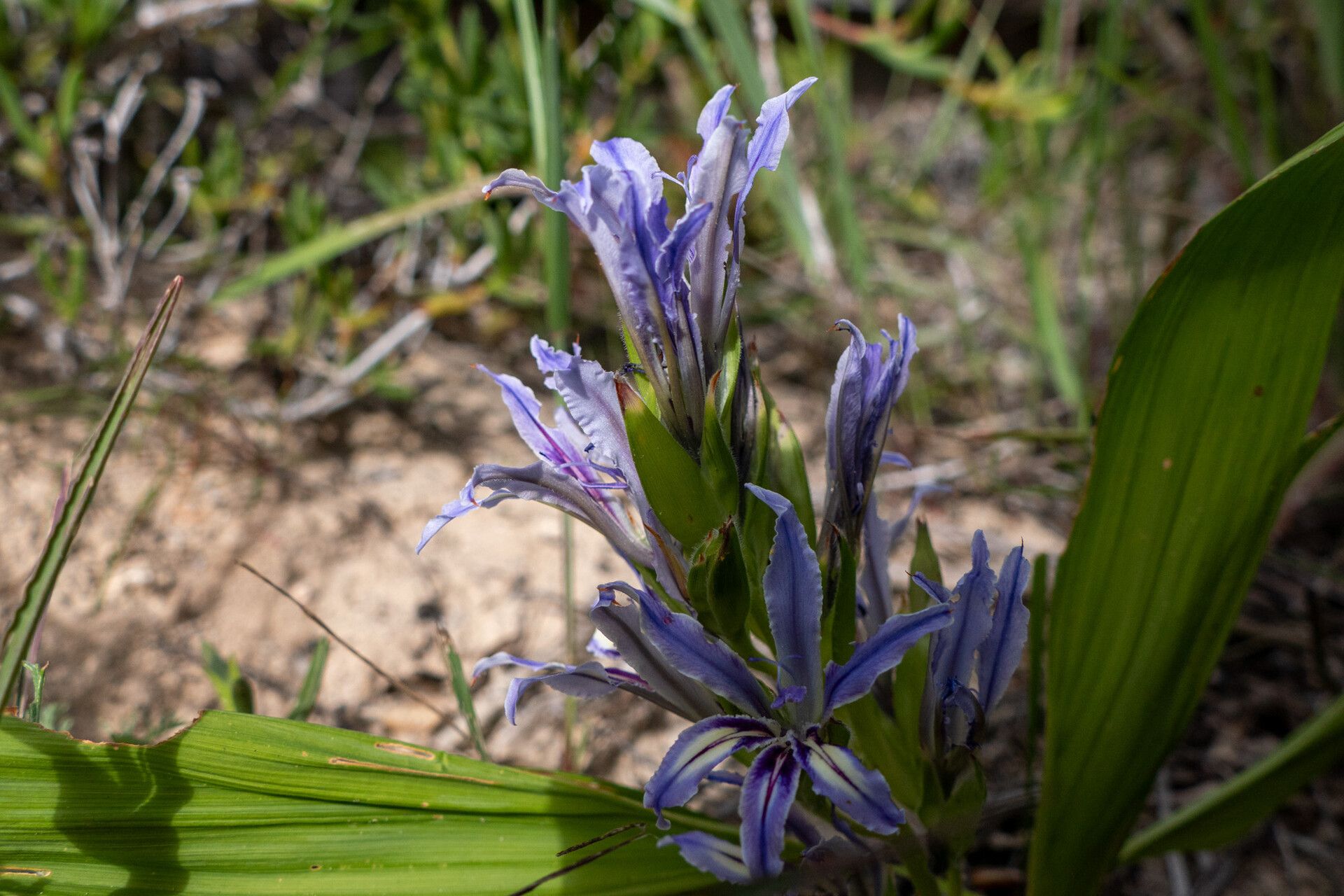
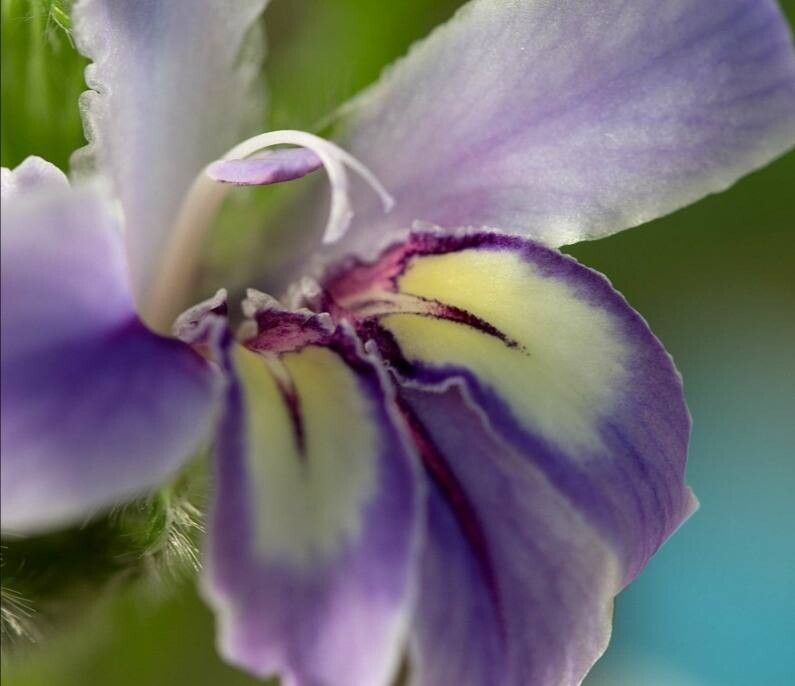
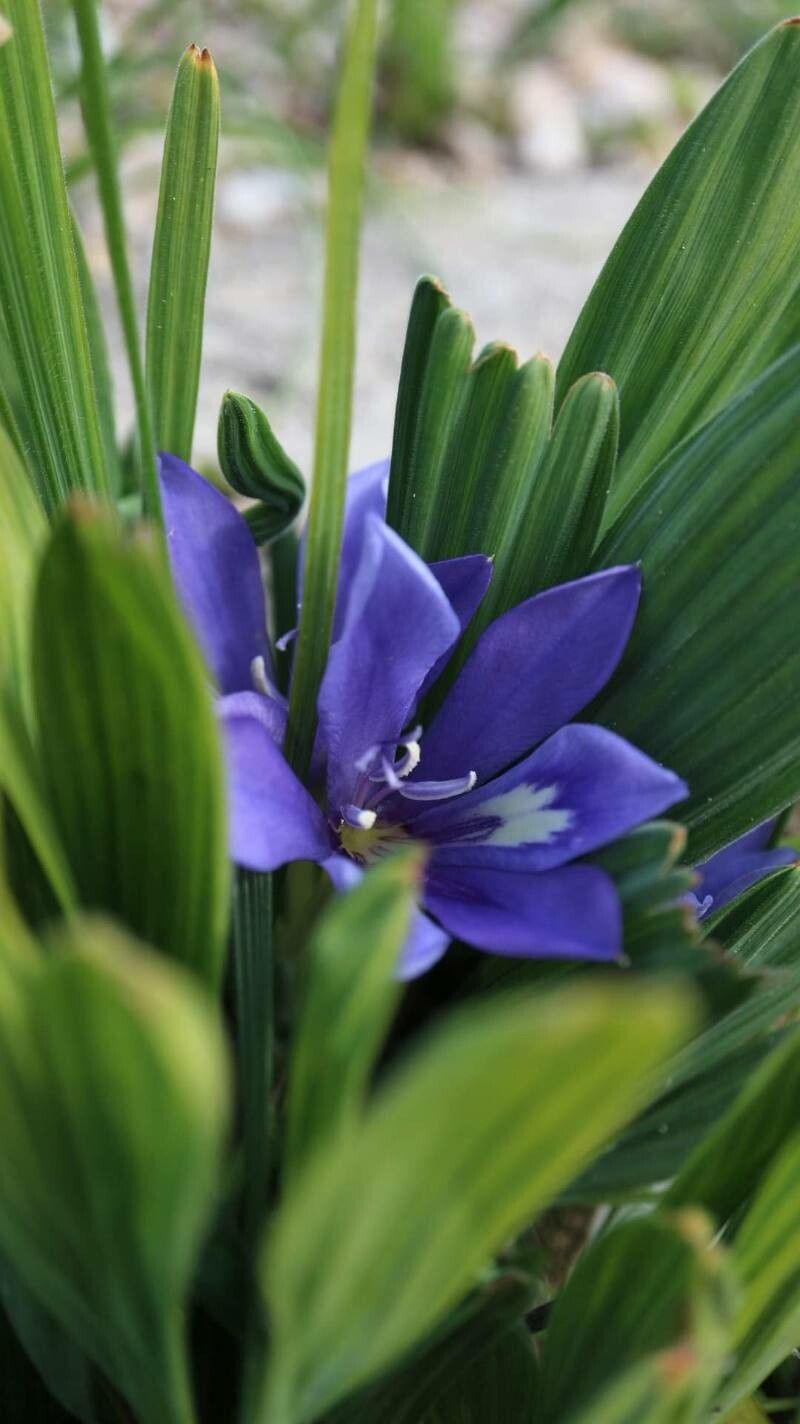
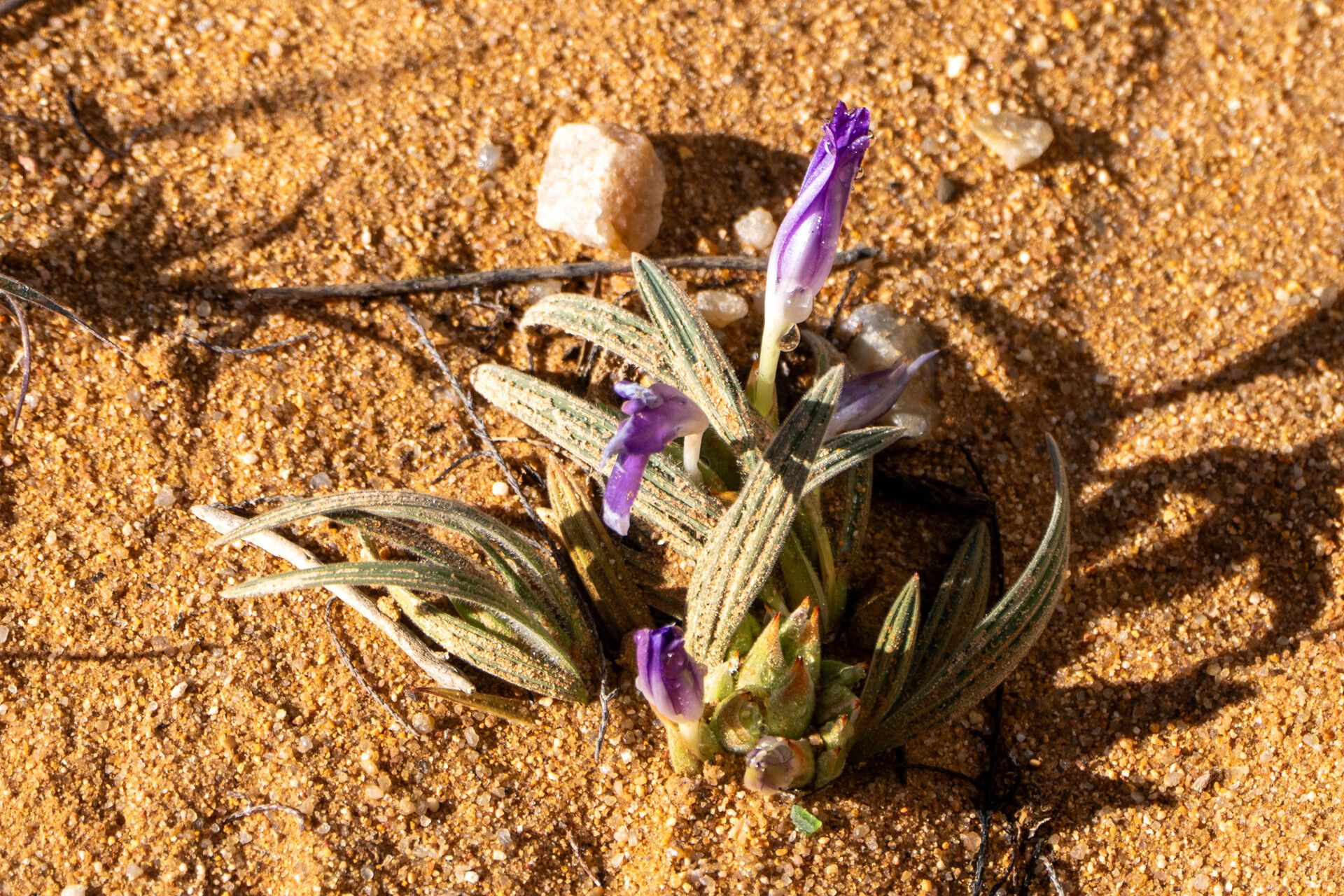
Babiana angustifolia is a plant species in the family Iridaceae.
Baboon flower has strong resistance to disease and is generally not easily affected by illnesses. Still, it can be vulnerable to pests and diseases present in its environment. Such infections are typically mild. Care-wise, this plant needs moderate maintenance. It should be pruned regularly to preserve an attractive appearance and healthy growth. Applying fertilizer can also encourage blooming. Baboon flower is well suited for anyone with outdoor space, like a garden or patio, and does not require extensive experience in plant care. It may need more attention when grown indoors.
How to keep Babiana Angustifolia.
Light
The baboon flower does best when exposed to plentiful sunlight for most of the day. It tolerates lower light, but that can weaken its vigorous growth. Excessive exposure can cause leaf burn, while too little light can stunt its development. This preference reflects its native habitat, where it basks under clear skies for much of the day.
Water
The Baboon flower, native to the arid regions of South Africa, thrives in dry conditions. To mimic its natural environment, water it sparingly, ideally once a week. Its drought-resistant qualities make it ideal for outdoor cultivation, where it can take advantage of seasonal rains while effectively managing its water needs as a bulbous plant.
Temperature
Baboon flower is fairly adaptable to temperature, able to endure higher heat and significant temperature fluctuations. In hot weather, care should be taken with watering and by providing suitable shade to avoid sunburn. Conversely, Baboon flower is relatively sensitive to low temperatures; although it can tolerate some cold, very low temperatures can cause frost damage.
Fertilizer
The main time to fertilize Baboon flower is in early spring while the flowers are forming. The proper fertilizer promotes better blooms and helps the Baboon flower produce attractive flowers. Fertilizing in early spring helps ensure excellent flowering throughout the season and supplies energy for dormant growth phases.
Pruning
To improve the health and appearance of baboon flowers, prune them from early to late spring. Start by removing any dead foliage and thin out crowded stems to improve air circulation. Trim back spent flowers to encourage extended blooming and maintain the plant's shape. Regular pruning not only boosts the plant's vitality but also encourages vigorous growth and a profusion of blooms.
Botanical profile.
- Plant Type
- Herb
- Life Cycle
- Perennial
- Genus
- Babiana
- Family
- Iridaceae
- Hardiness Zone
- 9-11
- Mature Height
- 30 cm
- Mature Spread
- 20 cm to 30 cm
- Leaf Color
- Dark Green
- Leaf Type
- Deciduous
- Flower Color
- Purple, Violet
- Flower Size
- 3.05 cm to 5.08 cm
- Bloom Time
- Early spring, Mid spring
- Planting Time
- Spring
- Harvest Time
- Late spring, Early summer
- Native Area
- South Africa
Reader questions.
What are the sunlight requirements for Baboon Flower?
Baboon flower, also known as Babiana angustifolia, requires specific sunlight conditions to thrive. It prefers full sun, meaning it should receive more than 6 hours of direct sunlight daily. However, it can also grow in partial sun, which is about 3-6 hours of sunlight. It's crucial to observe the movement of sunlight through your garden to ensure that you allocate the ideal spots that provide a perfect balance of light and shade, ensuring the plant's health and happiness.
What are the essentials for growing Baboon Flower?
Growing Baboon flower effectively requires understanding its essential needs. This plant thrives with abundant daylight exposure for most of the day, simulating its natural habitat conditions. While it can endure lesser light, its growth may become stunted, and overexposure can lead to leaf burn. In spaces with insufficient natural sunlight, especially during winter, artificial lighting can be a viable solution to promote healthier growth. LED lights are recommended due to their efficiency and ability to provide specific light wavelengths needed by the plant. The intensity and duration of artificial lighting should mimic natural sunlight as closely as possible, with specific wattage recommendations for different types of plants.
What are the symptoms of inadequate lighting for Baboon Flower?
Baboon flower shows several symptoms when it's not getting enough light, including the growth of smaller new leaves, leggy or sparse growth, faster leaf drop, slower or halted new growth, and lighter-colored or chlorotic leaves. Conversely, symptoms of too much exposure include chlorosis, sunscald, leaf curling, wilting, and leaf scorching. These symptoms indicate the plant's struggle with the available light conditions, impacting its health and aesthetic appearance.
How can I address lighting issues for Baboon Flower indoors?
To alleviate lighting issues for Baboon Flower indoors, gradually increase the plant's exposure to sunlight until it receives at least 6 hours of direct sunlight daily. Utilize south-facing windows and keep curtains open for maximum sunlight. If natural light is insufficient or the plant is not easily movable, consider artificial light solutions. Keep a desk or ceiling lamp on for at least 8 hours a day, or invest in professional plant grow lights. Note that parts of the plant affected by previous inadequate light might not recover, but new growth with improved lighting will be healthy.
What steps should be taken for Baboon Flower to address outdoor lighting conditions?
For outdoor Baboon Flowers, gradually acclimate them to brighter spots by moving them to sunnier locations each week. This careful transition helps prevent sunburn. If your plant suffers from obstructed sunlight due to environmental elements like trees, consider pruning to enhance sunlight exposure. For smaller plants experiencing light obstruction, transplanting during the plant's dormant period, typically late winter or early spring, to a spot with ample sunlight and proper drainage can significantly improve its growth and health.