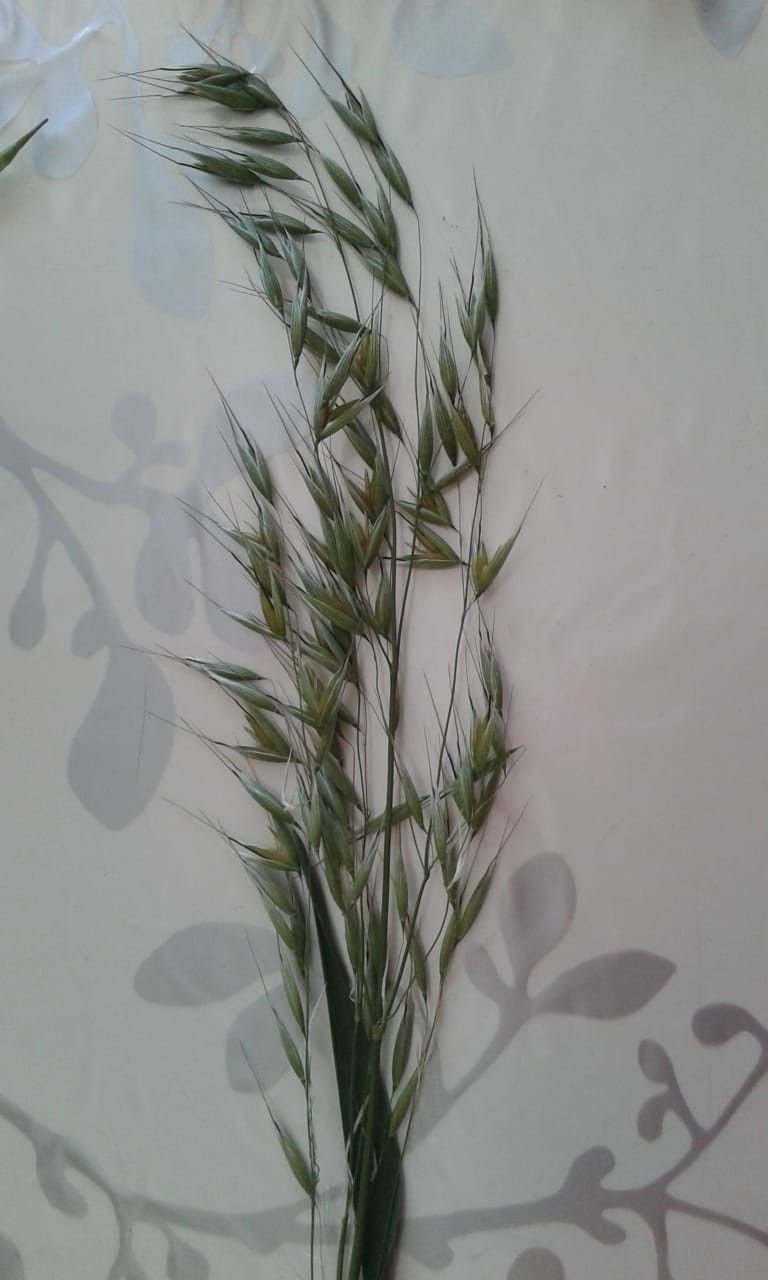
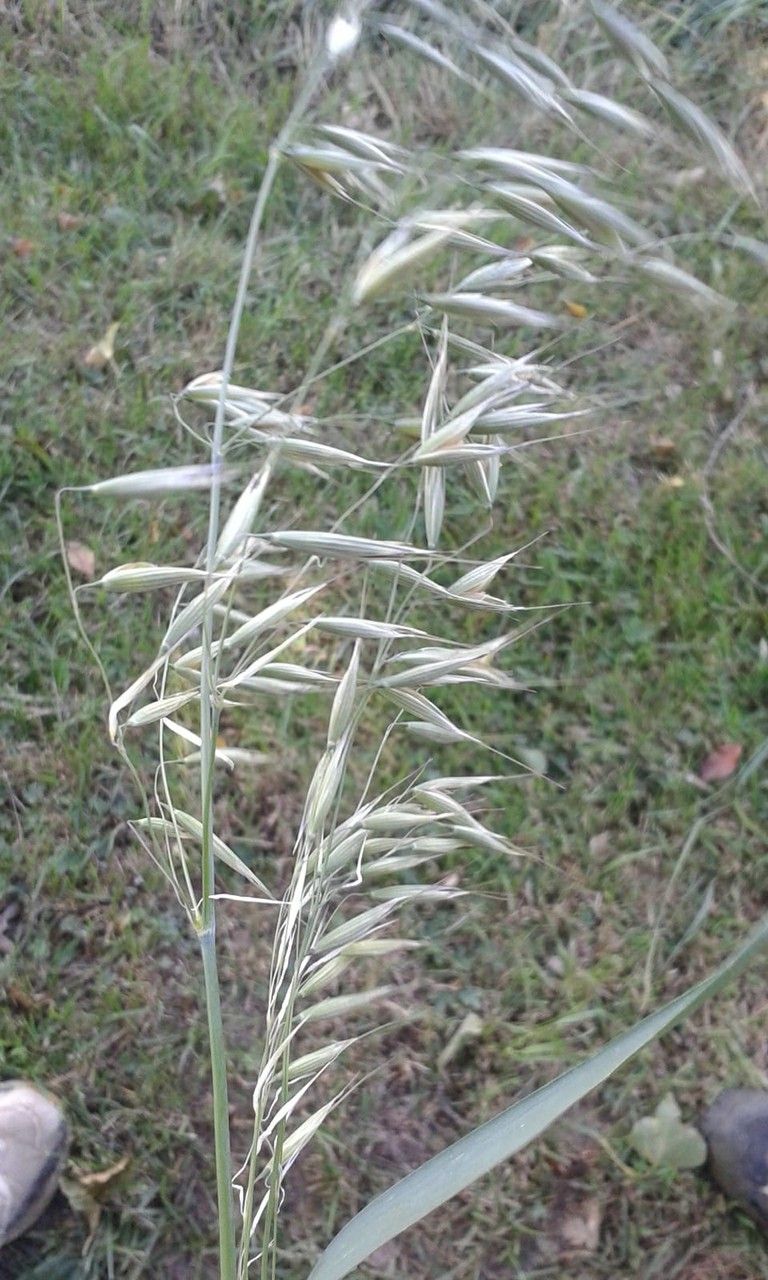
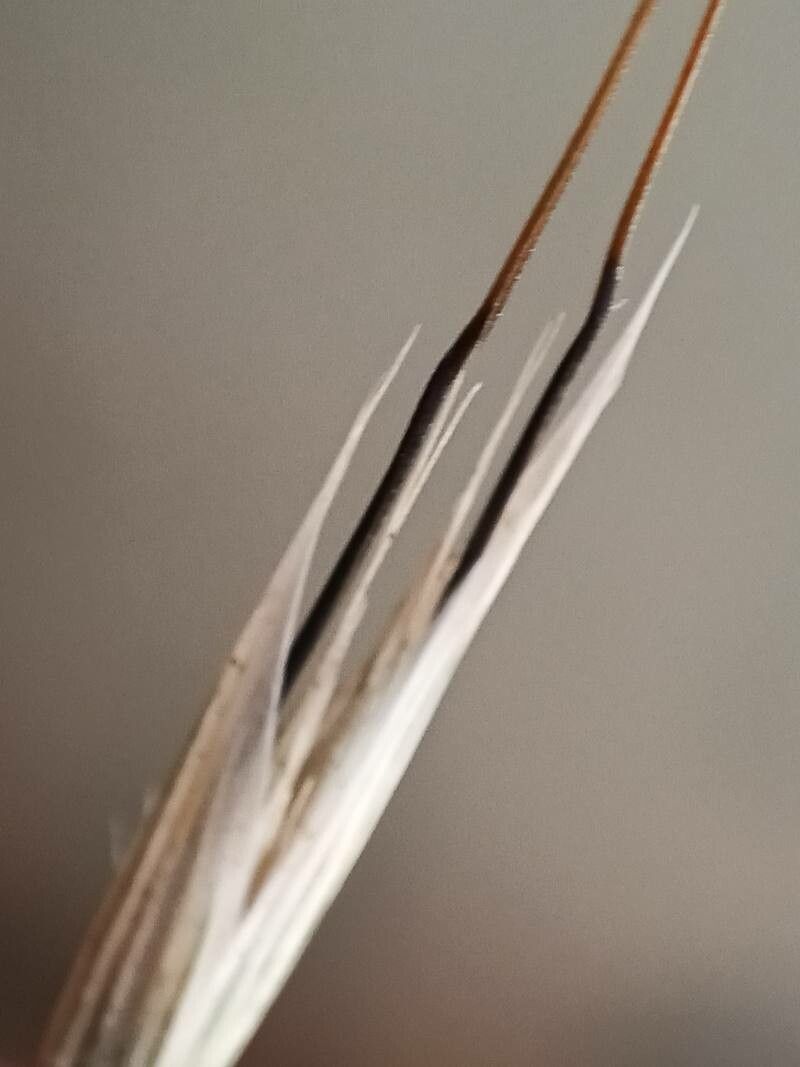
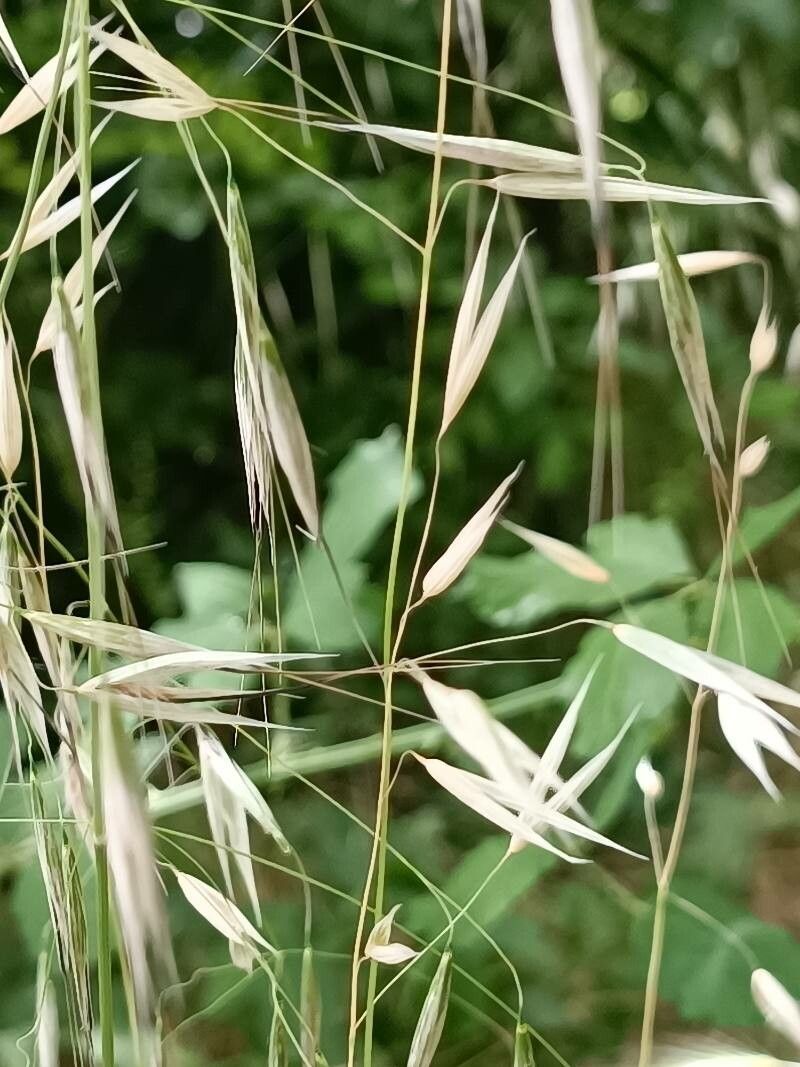
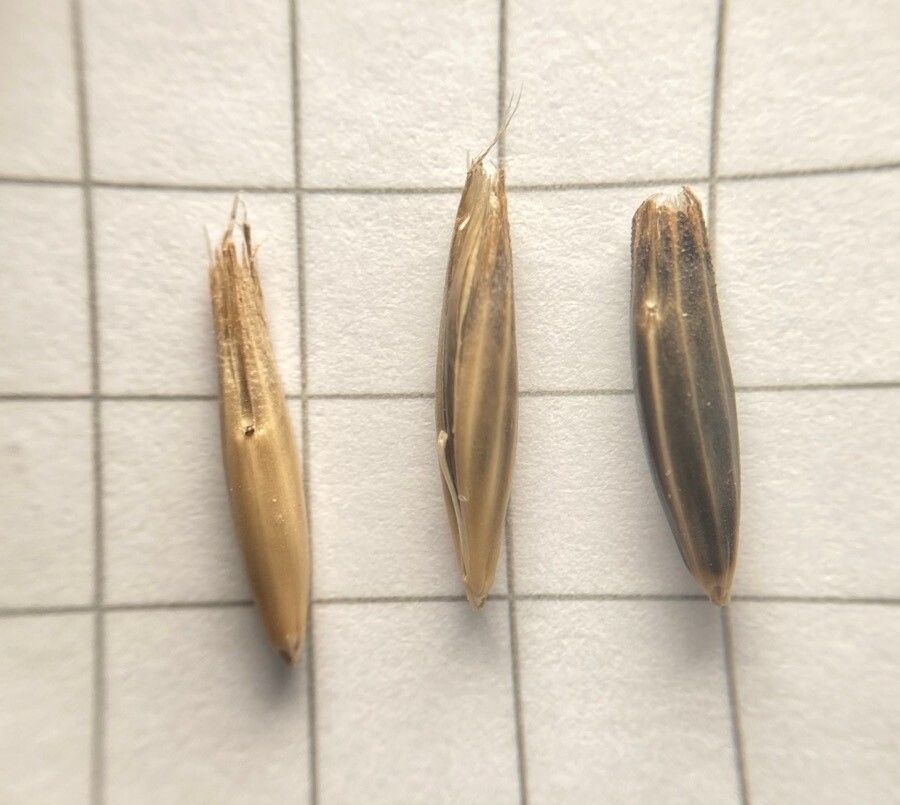
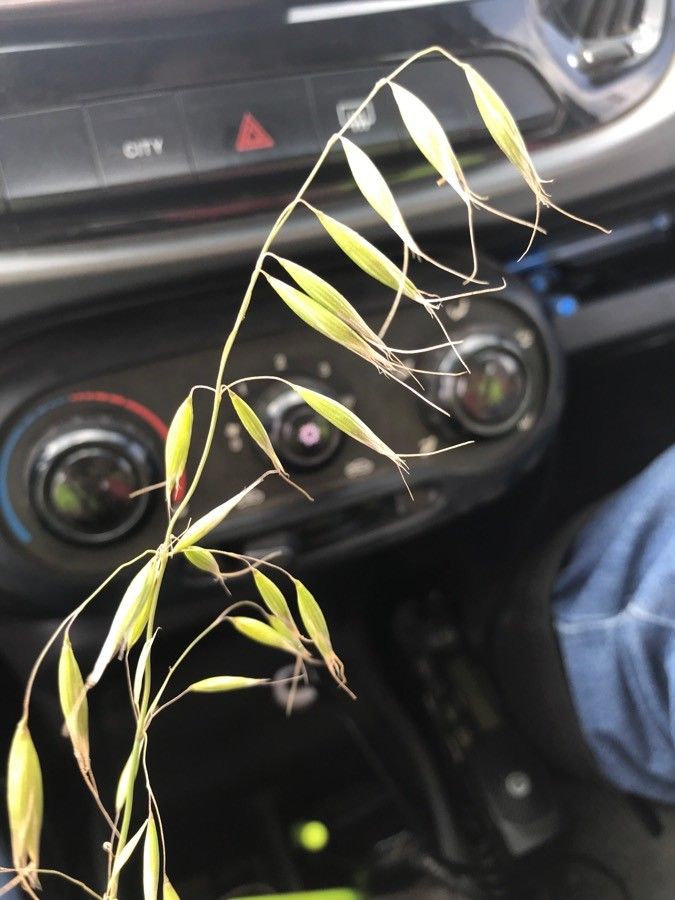
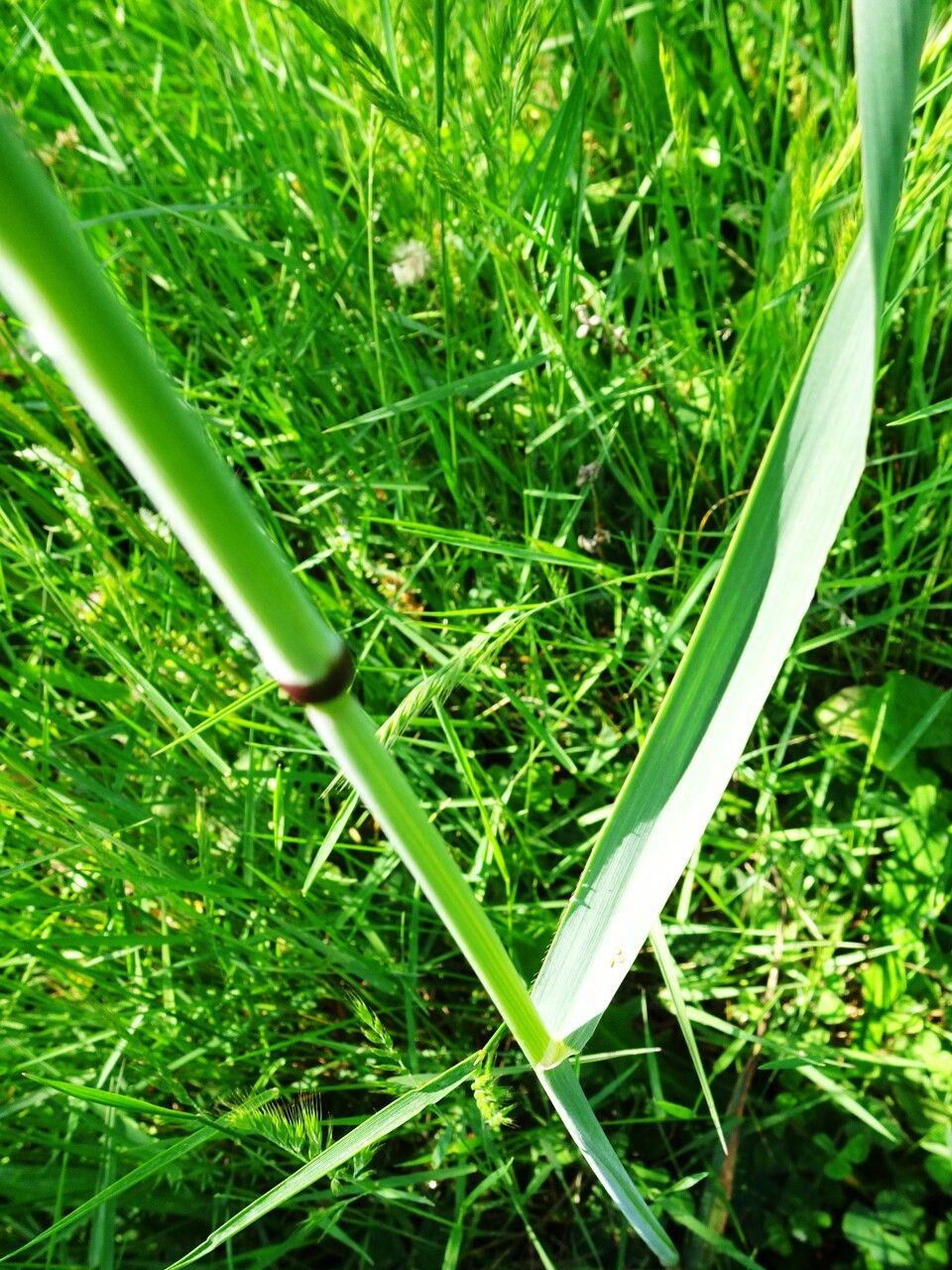
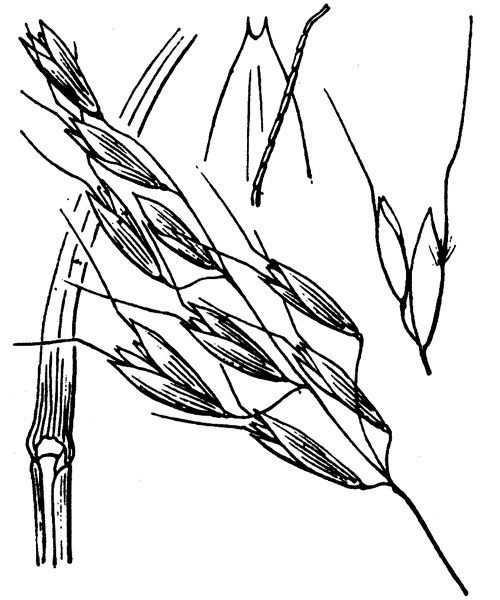
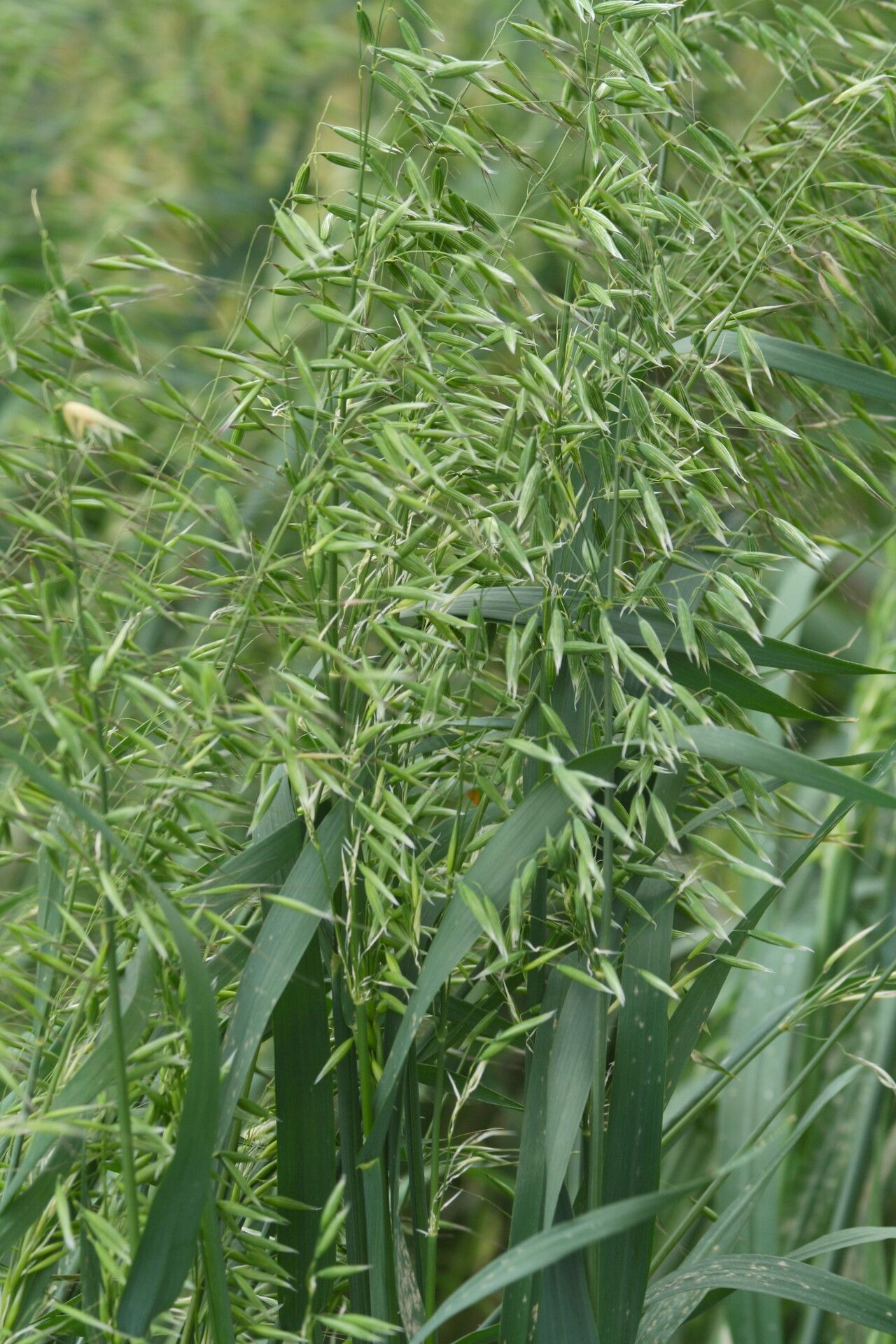
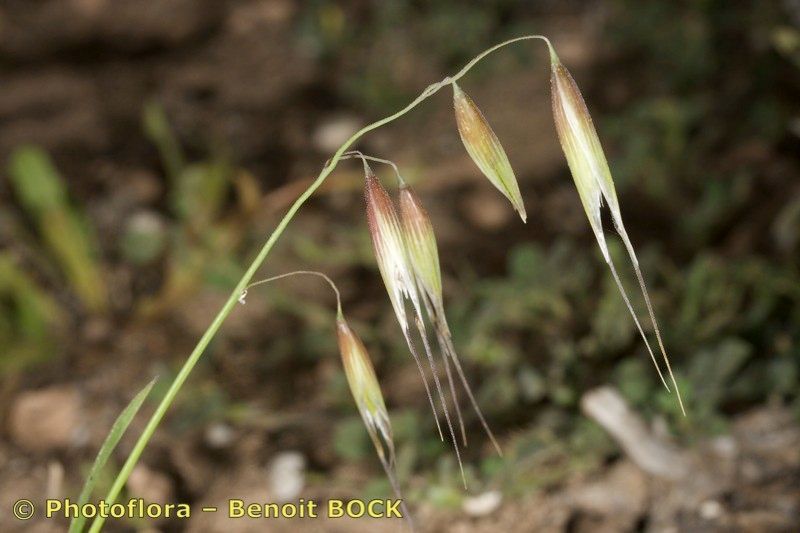
Avena strigosa (also called lopsided oat, bristle oat or black oat; syn. Avena hispanica Ard.) is a species of grass native to Europe. It has edible seeds and is often cultivated as animal feed in southern Brazil. It is sometimes reported as a weed.
Black oats has strong disease resistance and is generally not susceptible to disease. In terms of care, the plant is fairly low-maintenance. When grown outdoors it needs only minimal watering, and larger plants usually do not require pruning. Smaller plants, however, should be pruned after they have finished blooming. Black oats is suitable for anyone with an outdoor area, such as a garden or deck, and does not require extensive plant-care experience.
How to keep Avena Strigosa.
Light
Black oats prosper when exposed to abundant sunlight throughout the day. While it can tolerate semi-shaded conditions, its growth may be reduced. Both excessive and insufficient light can affect the plant's health. Originating from a sunny environment, it is adapted to use sunlight effectively during different stages of growth.
Water
Black oats thrive in conditions similar to their native habitat, needing sufficient moisture to grow well. They prefer to be watered weekly but can survive short dry spells. For outdoor growing, adjust the watering schedule based on the season's rainfall to ensure black oats receive the appropriate amount of water.
Temperature
Black oats originate from temperate regions where average temperatures range from 68 to 95 °F (20 to 35 ℃). They tolerate seasonal temperature fluctuations well, though they may need extra care during temperature extremes.
Fertilizer
For optimal growth, black oats need three fertilizer applications: one before planting, a second about one month after the seedlings emerge, and a final application 1 to 1.5 months after the second. Some types of black oats also benefit from extra fertilizer at planting to encourage rapid growth.
Pruning
Black oats, renowned for their tall growth and use as a cover crop, benefit from pruning performed between early to late spring. Trimming the top growth encourages density, while removing damaged stems helps maintain the plant's health. Regular pruning not only improves soil coverage and suppresses weeds, but it also enhances the appearance of your garden. For best results, use clean, sharp tools.
Botanical profile.
- Plant Type
- Grass
- Life Cycle
- Annual
- Genus
- Avena
- Family
- Poaceae
- Hardiness Zone
- 4-10
- Mature Height
- 0.76 m to 1.52 m
- Mature Spread
- 20 cm to 30 cm
- Leaf Color
- Green
- Leaf Type
- Evergreen
- Flower Color
- Yellow, Green, Brown
- Flower Size
- 3.05 cm to 10.16 cm
- Bloom Time
- Early summer, Mid summer
- Planting Time
- Autumn
- Harvest Time
- Late summer, Early fall
Other names.
Reader questions.
What amount of sunlight is required for Black oats to thrive?
Black oats require an abundance of sunlight throughout the day to thrive. They are best grown under conditions that provide above 6 hours of sunlight daily ('Full sun'), although they can also manage in environments that offer about 3-6 hours of sunlight ('Partial sun'). However, growth may be impacted in semi-shaded conditions. It's essential to observe how sunlight moves through your garden to ensure your plants get a balance of light and shade, optimizing their health and development.
What is the native climate for Black Oats?
Black oats, botanically known as Avena strigosa, is native to temperate zones and thrives in average temperatures ranging from 68 to 95 °F (20 to 35 °C). It is adaptable to seasonal temperature variations, but may require additional care during extreme weather conditions.
How can artificial lighting support the growth of indoor Black oats plants?
Indoor Black oats plants benefit significantly from adequate artificial lighting, especially when natural sunlight is insufficient. Optimal growth can be achieved by using artificial lights to provide the required light intensity and duration. LED lights are recommended because they can be customized to deliver specific wavelengths needed by the plants. Full sun plants need 30-50W/sq ft, partial sun plants require 20-30W/sq ft, and full shade plants should have 10-20W/sq ft of artificial light. The artificial light source should be placed 12-36 inches above the plant for 8-12 hours per day, mimicking natural sunlight conditions for the specific plant species.
How does Black Oats handle cold temperatures?
Black oats have a strong resistance to cold and generally do not require special frost protection measures in winter. However, in conditions where winter temperatures are expected to fall below -30°C, it's important to take steps to protect the plant. Providing protection by covering the plant with materials like soil or straw and watering it abundantly before the first freeze can help maintain soil moisture, aiding the plant through winter and early spring.
What symptoms indicate insufficient light for indoor-grown Black oats?
When Black oats are grown indoors under insufficient light, they may exhibit several symptoms indicating light deficiency. These include smaller new leaves, leggy or sparse growth, faster leaf drop, slower or halted growth, lighter-colored new leaves, and symptoms of overexposure like chlorosis, sunscald, leaf curling, wilting, and leaf scorching. These symptoms result from inadequate light affecting the plant's photosynthesis process, growth, and overall health.
What are the important temperature-related symptoms to look out for in Black Oats?
For Black Oats, during low temperatures (below 0°C and especially below -30°C), there may be a lack of sprouting in spring without any noticeable changes during winter. At high temperatures (above 35°C and especially over 41°C), leaves may lighten in color, become curled, prone to sunburn, and in severe cases, the plant may wilt and dry out.
What are effective solutions for dealing with insufficient light exposure in Black oats?
Addressing insufficient light exposure in Black oats involves a combination of techniques based on the plant's environment. Indoors, gradually increasing sunlight exposure or using artificial lighting can promote healthier growth. For outdoor plants, moving them to sunnier spots gradually helps avoid sunburn. Reducing obstructions by pruning or transplanting to better-lit locations can also improve sunlight access. It's important to adapt these solutions to your plant's specific needs, ensuring new growth is healthy even if parts of the plant impacted by previous light deficiencies may not recover.
What are the recommended solutions for temperature-related issues in Black Oats?
In spring, if Black Oats fail to sprout due to low temperatures, remove any parts that show no signs of growth. For issues related to high temperatures, such as sunburn or drying, trim away the affected areas. To protect the plant from excessive heat, move it to a shaded location or use a shade cloth, and ensure the soil is kept moist with watering in the morning and evening.