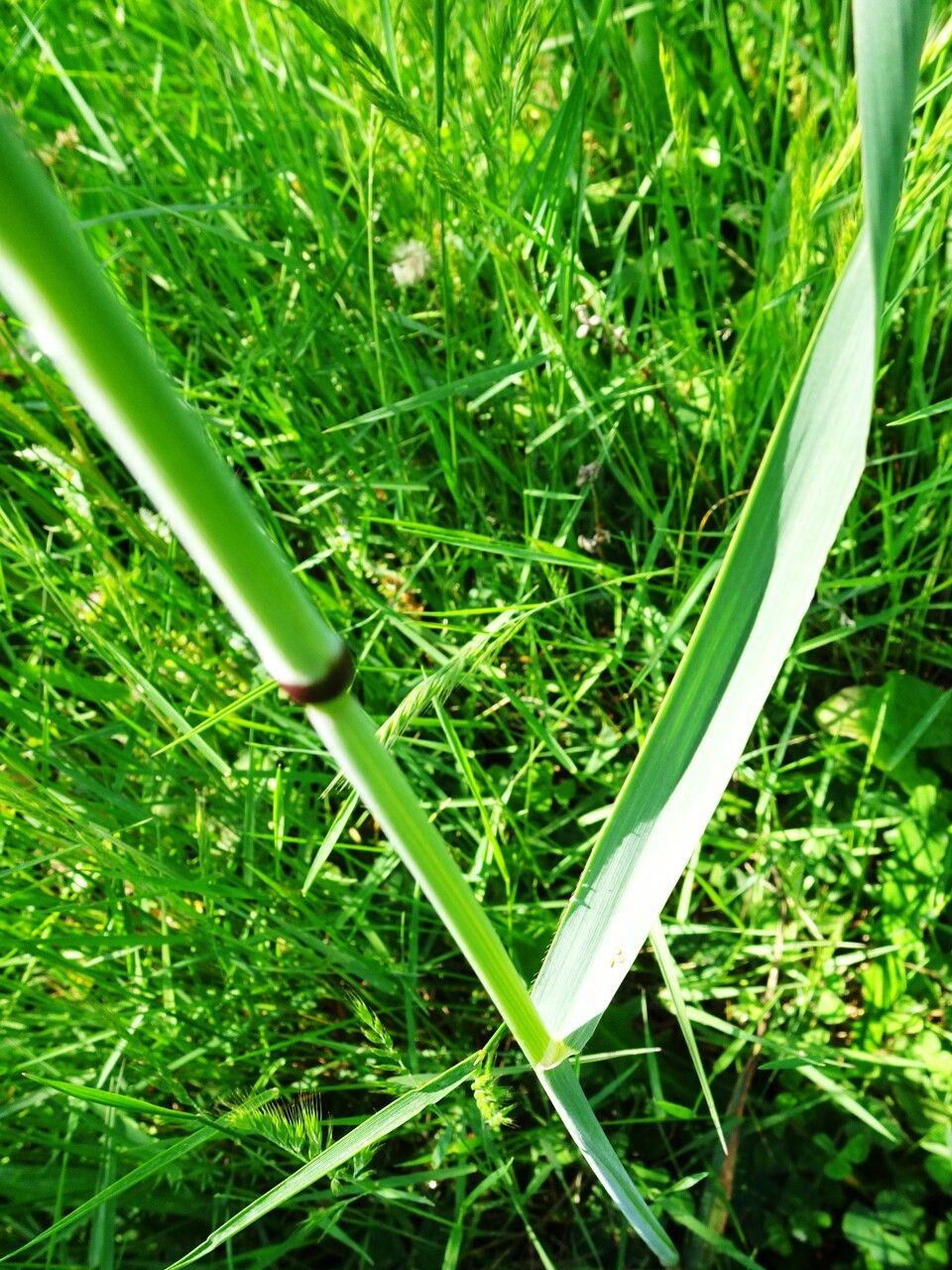
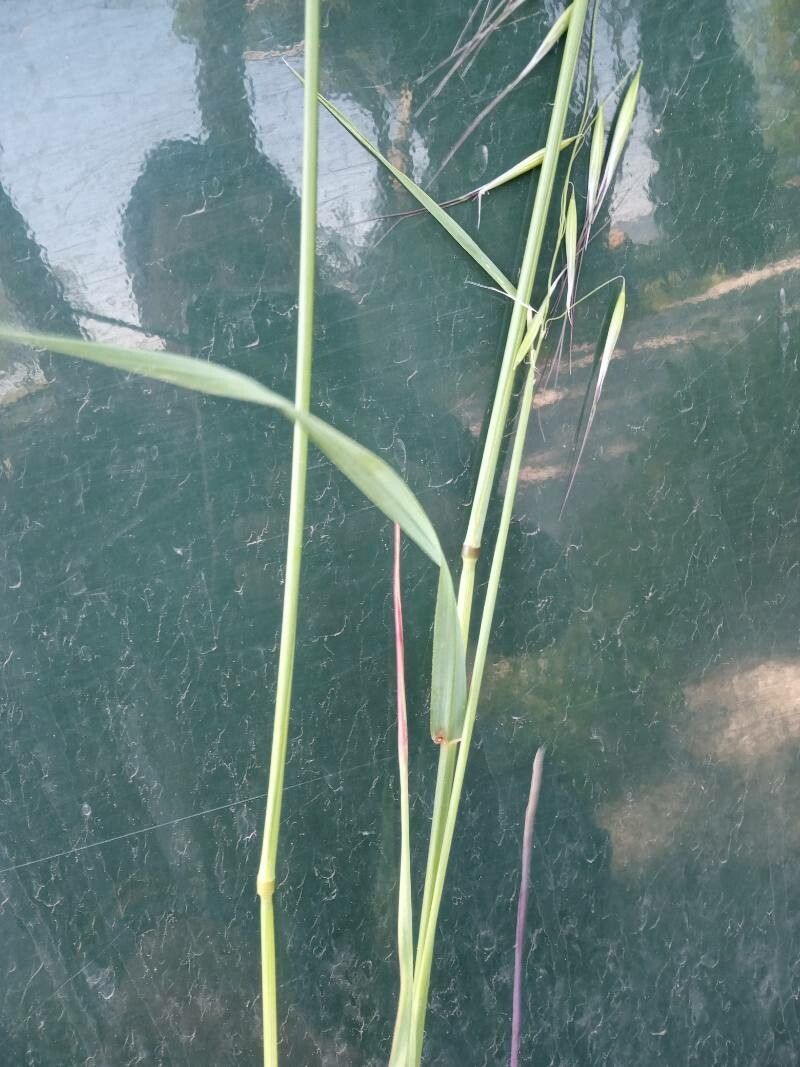
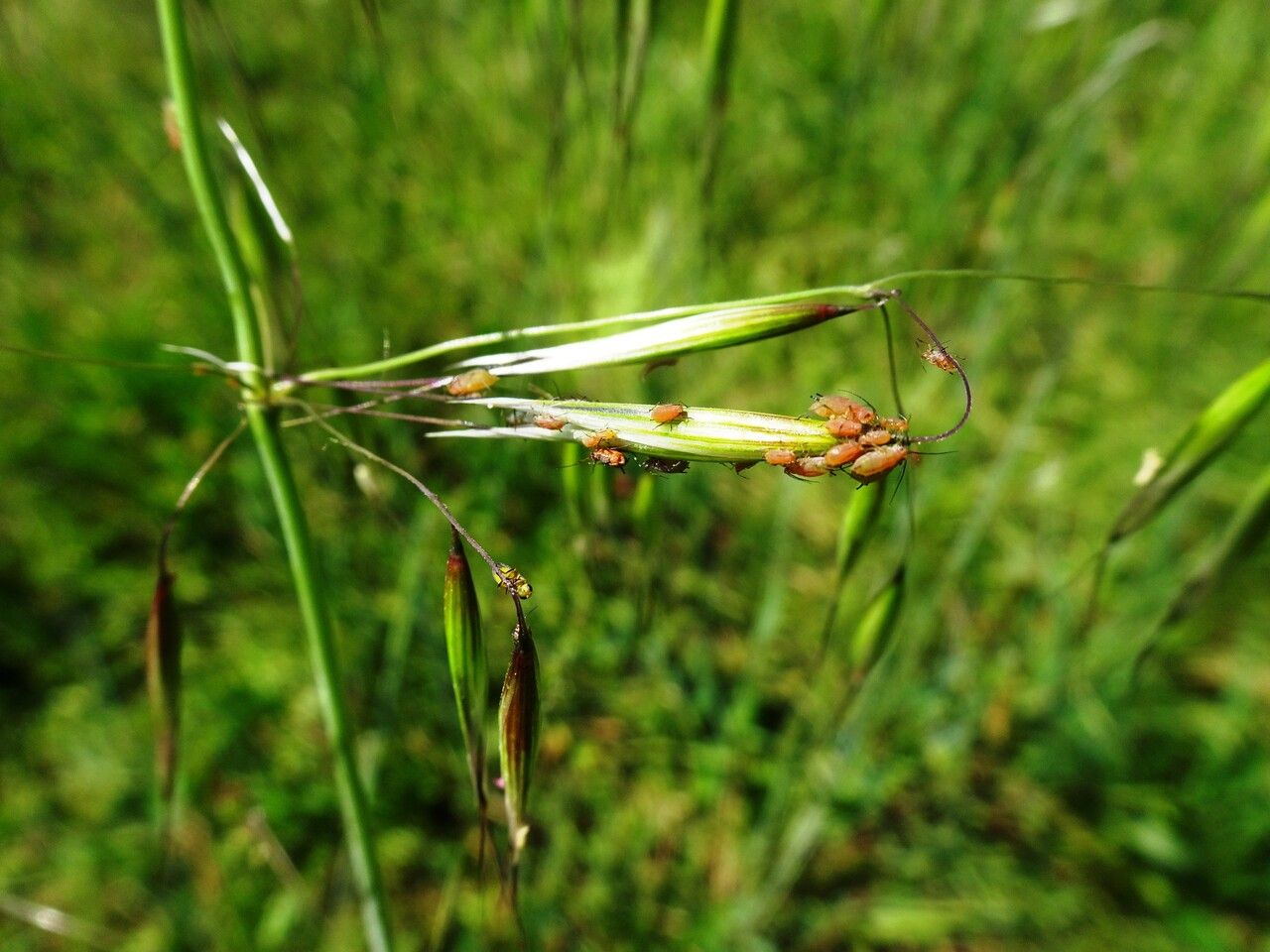
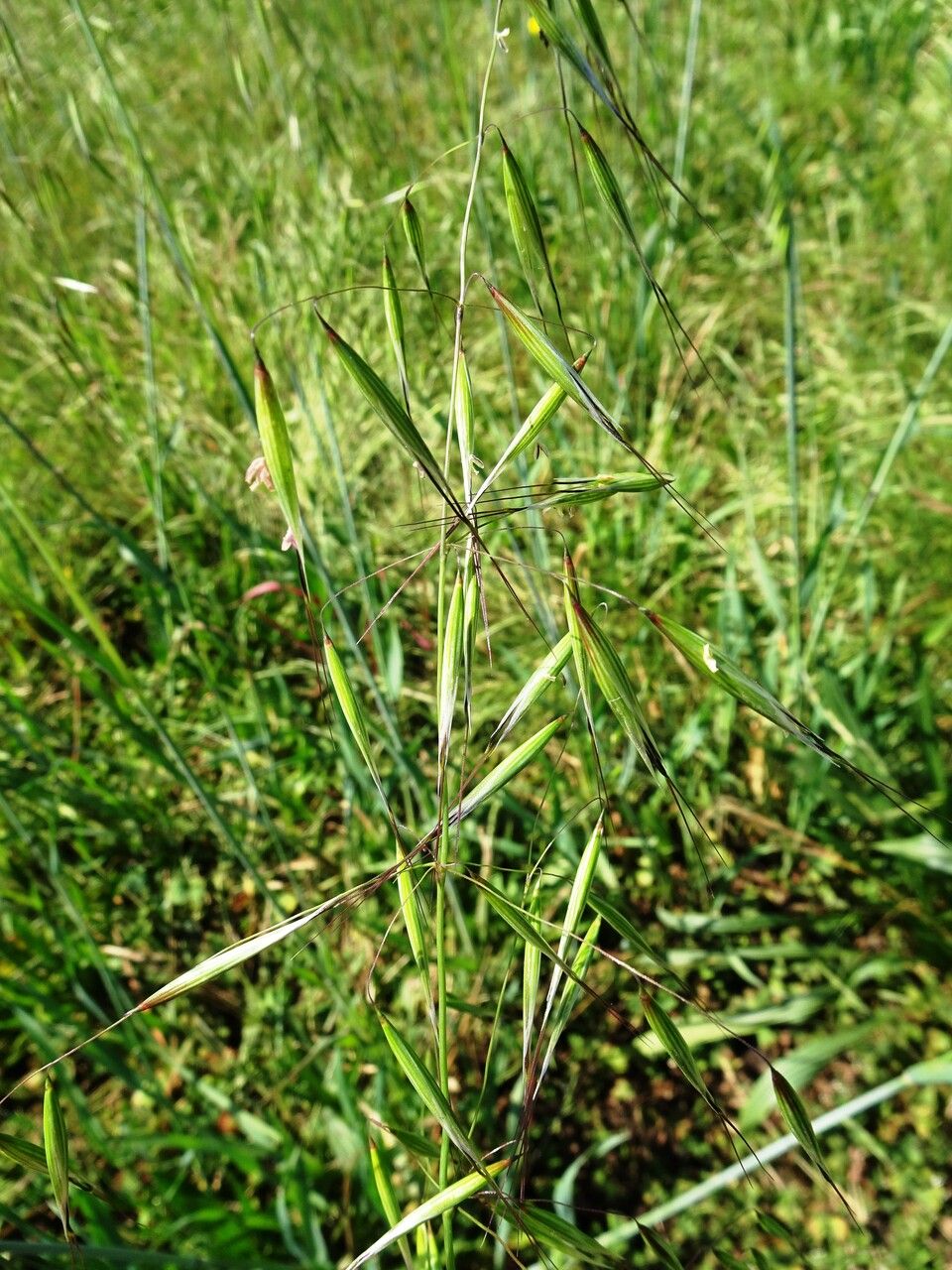
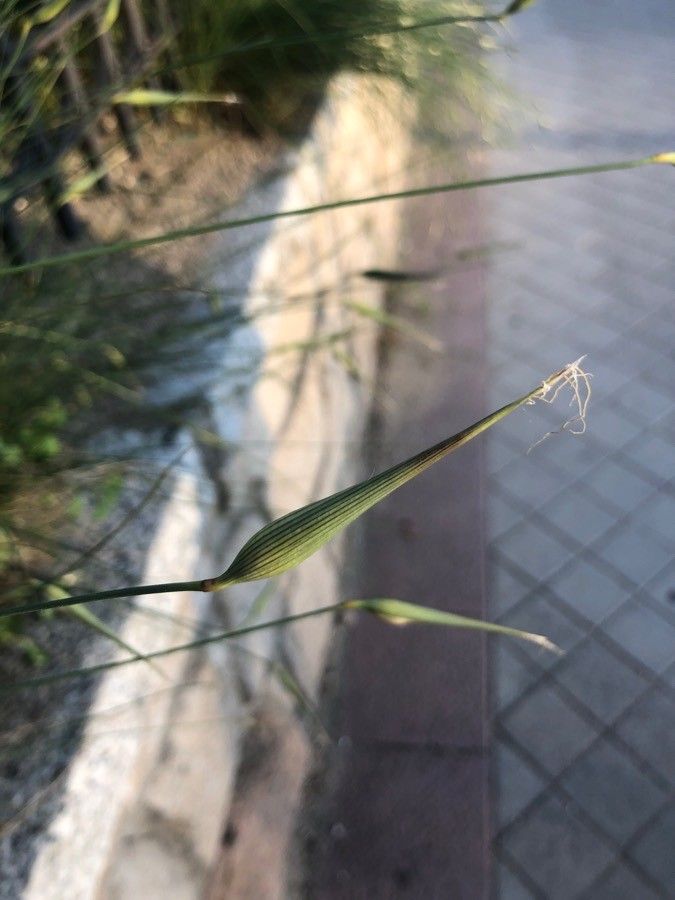
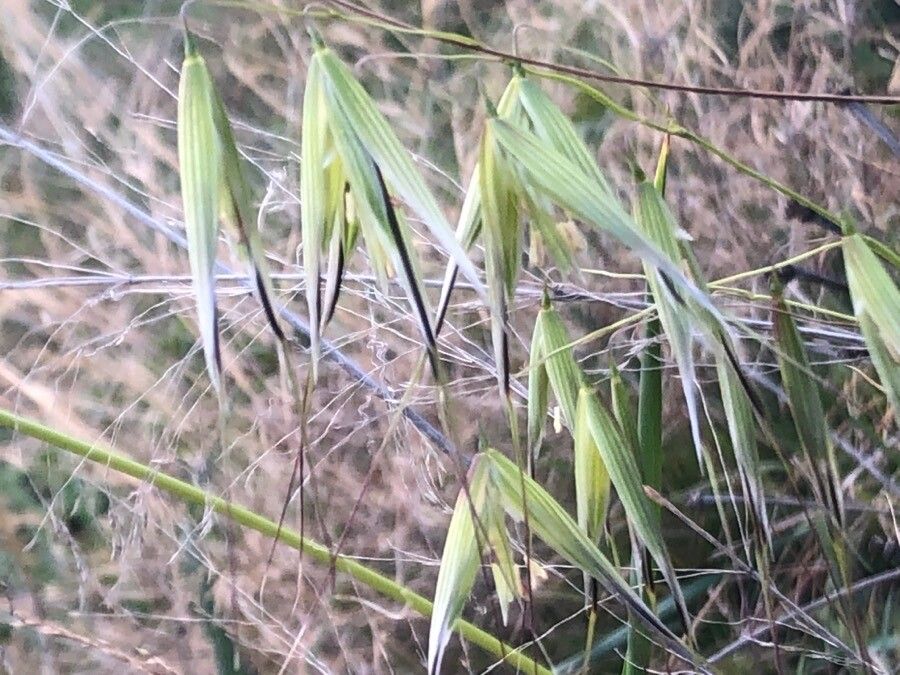
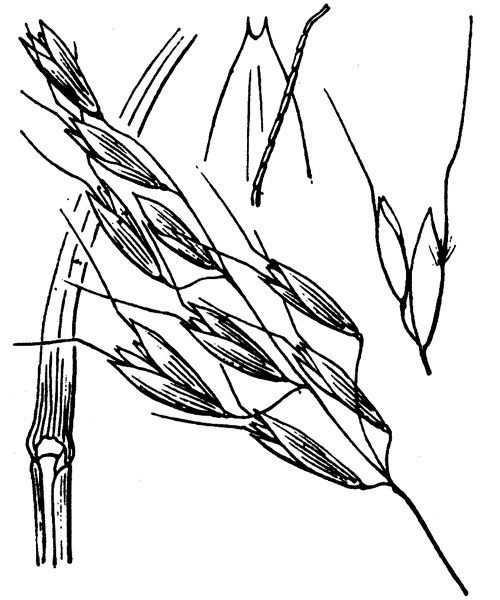
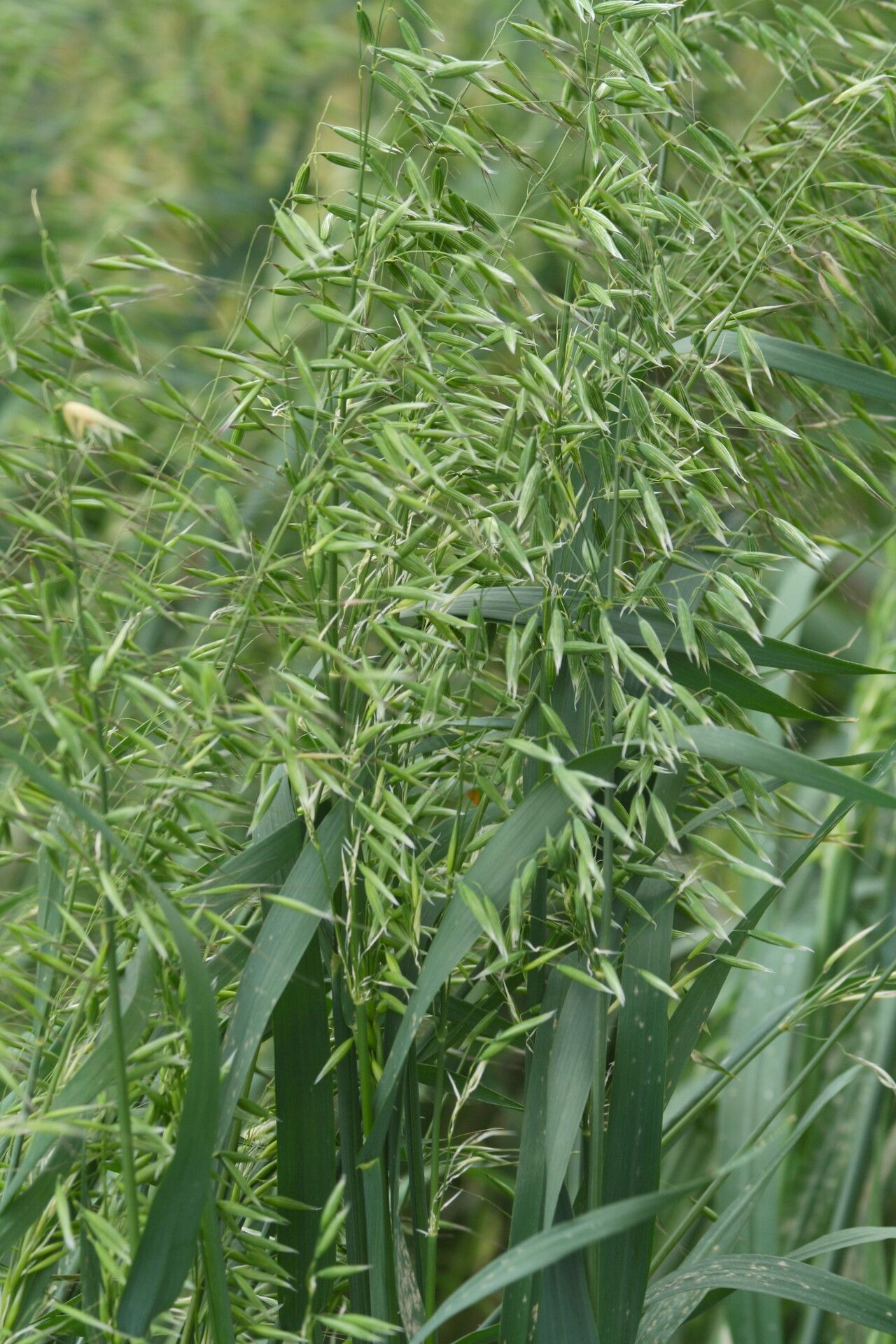
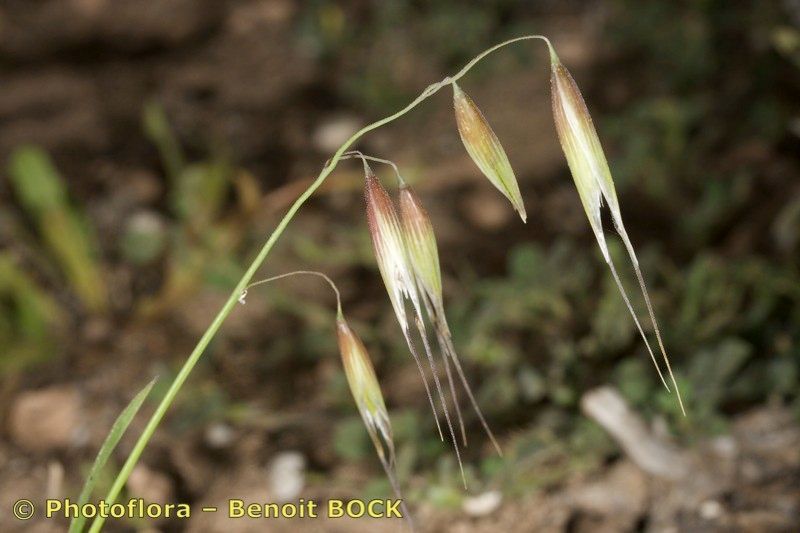
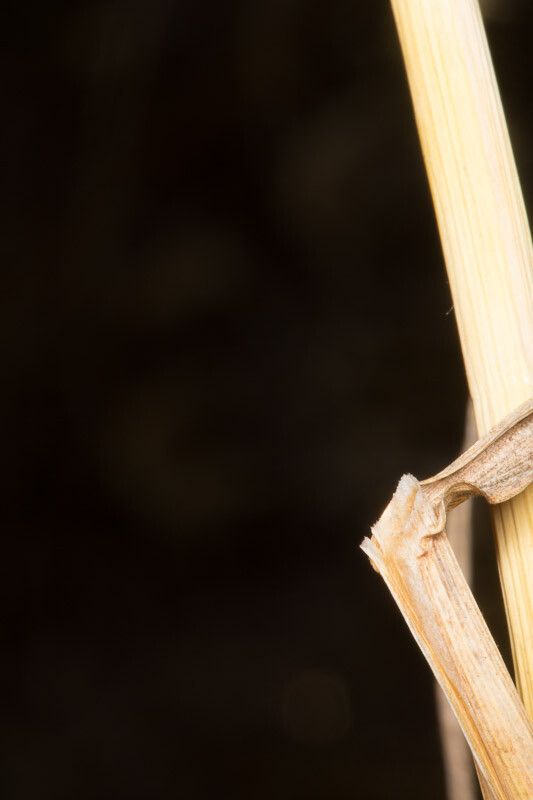
Avena barbata, commonly known as slender oat or slender wild oat, is a grass species belonging to the Poaceae family. This annual plant can grow up to 1 meter tall and features a slender stem with long leaves. It produces spikelets with awns that can extend up to 10 cm in length.
Native to the Mediterranean region, Avena barbata has been introduced to many parts of the world, where it is used as a forage crop and for erosion control. It thrives in dry, disturbed areas such as roadsides, fields, and waste sites.
Traditionally, Avena barbata has been used for medicinal purposes, including the treatment of skin diseases, respiratory issues, and digestive disorders. The plant contains compounds with antioxidant properties.
However, Avena barbata can also be invasive, outcompeting native plants and reducing biodiversity. Its seeds are easily dispersed by wind or animals, making the plant difficult to control once it is established.
In summary, Avena barbata is a plant of considerable interest due to its beneficial uses and potential negative impacts on ecosystems where it becomes invasive.
Slender wild oat is fairly disease-resistant and generally not prone to illnesses. However, it can be vulnerable to pests and diseases present in its environment. Such infections are generally not severe. Regarding care, this plant requires moderate maintenance. Regular pruning is needed to maintain an attractive appearance and promote healthy growth. Fertilizing can also help encourage flowering. Slender wild oat is suitable for anyone with outdoor space, such as a garden or patio, and does not demand extensive care experience. It may need more attention when grown indoors.
How to keep Avena Barbata.
Light
Slender wild oat grows best in locations with plentiful light throughout the day, though it can cope with moderate light conditions. Both excessive and insufficient light can hinder its healthy growth. Originating from environments with abundant sunlight, its growth stages are inherently linked to adequate sun exposure.
Water
Slender wild oat flourishes in areas with moderate rainfall, as it prefers balanced moisture. Although it can tolerate dry conditions, weekly watering helps it achieve optimal growth. This grass is commonly found in temperate climates, where periodic rain patterns perfectly meet its needs.
Temperature
Slender wild oat originates from regions where temperatures range from 68 to 95°F (20 to 35℃). It prefers these warm conditions and can adapt as the seasons change.
Fertilizer
For optimal development, Slender wild oat requires three fertilizer applications: before planting, one month after seedlings emerge, and a final application 1 to 1.5 months after the second. Some Slender wild oat varieties benefit from extra fertilizer at planting to promote rapid growth.
Pruning
To encourage healthy growth, slender wild oat should be pruned from early to late spring. Begin by removing any dead or damaged stems, and thin out the plant to improve air circulation and light penetration. Regular pruning helps maintain the plant's vigor and natural shape by promoting dense foliage and robust development.
Botanical profile.
- Plant Type
- Herb
- Life Cycle
- Annual
- Genus
- Avena
- Family
- Poaceae
- Hardiness Zone
- 4-8
- Mature Height
- 61 cm to 76 cm
- Mature Spread
- 20 cm to 40 cm
- Leaf Color
- Green
- Leaf Type
- Semi-evergreen
- Flower Color
- Yellow, Green
- Flower Size
- 6.35 cm to 11.43 cm
- Bloom Time
- Mid spring, Late spring, Early summer
- Planting Time
- Spring, Summer
- Harvest Time
- Summer
Other names.
Reader questions.
How should I water my Slender wild oat plant to keep it healthy?
To water Slender wild oat, you have several options. You can use a garden hose with a spray nozzle, a watering can, or any other watering tool you have on hand. Slender wild oat is not too fussy about its water source, as it can survive with rainwater, tap water, or filtered water. However, it's best to avoid watering this plant from above, as it can harm the leaves and flowers and may even lead to disease. Instead, a drip irrigation system works well for Slender wild oat because it delivers water evenly and directly to the soil. If you have a Slender wild oat in a container, the watering technique is similar, but you'll just need to change the tools you use. You can use a cup, watering can, or even your tap to water the plant directly into the soil.
What are the sun requirements for Slender wild oat?
Slender wild oat requires full sun, meaning it should receive above 6 hours of sunlight daily. However, it can also tolerate partial sun conditions, which is about 3-6 hours of sunlight. It's essential to observe the movement of sunlight through your garden to ensure that you plant Slender wild oat in a location that provides an ideal balance of light and shade. This ensures the plant stays happy and healthy.
What is the ideal temperature range for Slender wild oat?
Slender wild oat, scientifically known as Avena barbata, thrives in areas where the temperature stays between 68 to 95°F (20 to 35°C). It adjusts well to these warm conditions through the changing seasons. Thanks to its strong cold resistance, it typically doesn't require special frost protection measures in winter. However, in conditions where winter temperatures are expected to drop below -30°C, it is important to protect the plant from the cold by using materials such as soil or straw for coverage. It's also advisable to water the plant abundantly before the first freeze of autumn to ensure the soil remains moist and enters a frozen state, which helps prevent drought and water scarcity for the plant during the winter and early spring months.
What do I do if I give my Slender wild oat too much or too little water?
The solution for underwatering Slender wild oat plants is simple: when you notice that your plant is dry, water it more regularly. On the other hand, overwatering can be a more serious problem that can lead to diseases and the death of the plant. To avoid this, choose a suitable location that receives plenty of sunlight to dry the soil and has good drainage to prevent water from pooling. If you have overwatered your Slender wild oat in a pot, you may need to consider transferring it to a new pot with better drainage. When repotting, use loose soil and a pot that drains efficiently.
What are the essential growing conditions for Slender wild oat?
Slender wild oat thrives best in locations with abundant light exposure throughout the day but can also manage in areas with moderate light conditions. Originating from environments with plenty of sunlight, its growth heavily depends on adequate sun exposure. In cases where natural sunlight is insufficient, such as during winter or in less sunny spaces, artificial lighting can be used to supplement light for optimal growth. Indoor plants may require specific types of artificial light, like LED lights, which can be customized to provide the necessary wavelengths of light. The amount of artificial light needed varies depending on whether the plant needs full sun, partial sun, or shade.
How does Slender wild oat react to low temperatures?
Slender wild oat is quite tolerant of cold temperatures and generally thrives when the temperature remains above 20°C. During the winter months, it's ideal to keep the temperature above 0°C for the plant. In cases where the temperature falls below -30°C, there might not be noticeable changes during the winter, but there could be a decrease in sprouting or no sprouting at all when spring arrives. To manage this, in the spring, it's recommended to remove any parts of the plant that have failed to sprout as part of the care routine.
How frequently do I need to water my Slender wild oat?
To keep your Slender wild oat healthy, it is important to water it regularly throughout the growing season. In the spring, you should water it once a week. As the season progresses and it gets warmer, you may need to increase watering to two to three times a week. However, watering it too often can be harmful. It's important to keep the soil relatively moist without making it too wet. If your Slender wild oat is in a pot, you'll need to water it more frequently. Potted soil can dry out faster, so in most cases, you should plan to water it a few times per week compared to just once per week for a plant in the ground.
What symptoms indicate light deficiency in Slender wild oat?
When Slender wild oat is grown indoors or in conditions with inadequate light, it may show several symptoms indicating light deficiency. These include small leaves, leggy or sparse growth, faster leaf drop, slower or no new growth, and lighter-colored new leaves, all suggesting the plant is not receiving enough light. Additionally, excessive sunlight can cause issues such as chlorosis, where leaves lose their green color, sunscald, leaf curling, wilting, and leaf scorching. Paying attention to these signs is crucial for adjusting your plant's light exposure to meet its needs.
How does Slender wild oat respond to high temperatures?
In summer, it's essential to ensure that the temperature around Slender wild oat does not exceed 35°C. If the temperatures rise above 38°C, the plant may exhibit signs of stress such as leaves becoming lighter in color, curling, or suffering from sunburn. In severe cases, the plant might wilt and dry out entirely. To mitigate these symptoms, trim away sunburned and dried-up parts of the plant. Relocate the plant to a spot with shade during the midday and afternoon sun or use a shade cloth to protect it. Additionally, watering the plant in the morning and evening helps keep the soil adequately moist, further supporting the plant under high temperature conditions.
How much water does my Slender wild oat plant require?
There are multiple ways to determine how much water your Slender wild oat needs. Some gardeners prefer checking the soil moisture by touching it and watering until the top six inches feel moist. Alternatively, you can follow a general guideline of giving your Slender wild oat around two gallons of water per week, adjusting based on temperature and soil dryness. However, be cautious not to overwater if your plant requires less. When growing in a container, you should ensure all layers of soil are moistened, which can be checked by sticking your finger in or looking for excess water draining from the pot.
How can I address Slender wild oat's light-related issues?
To address light-related issues in Slender wild oat, gradual adjustments to its light exposure are recommended. For indoor plants, gradually moving them to sunnier locations or utilizing artificial light sources can help achieve at least 6 hours of direct sunlight daily. For outdoor plants, finding the best spot for sunlight and gradually increasing light exposure can prevent sunburn. Additionally, minimizing obstructions that block sunlight and, if necessary, transplanting smaller plants during their dormant period to a location with ample sunlight and good drainage can significantly improve their health and growth.
How do I know if I am giving enough water to my Slender wild oat?
Avoiding overwatering your Slender wild oat can be tricky. These plants have deep roots that need to be watered weekly, but they are also prone to root rot and browning if overwatered. Underwatering is less of a concern as these plants can survive without extra water for a while, but they may wilt and have dry leaves if left without water for too long.