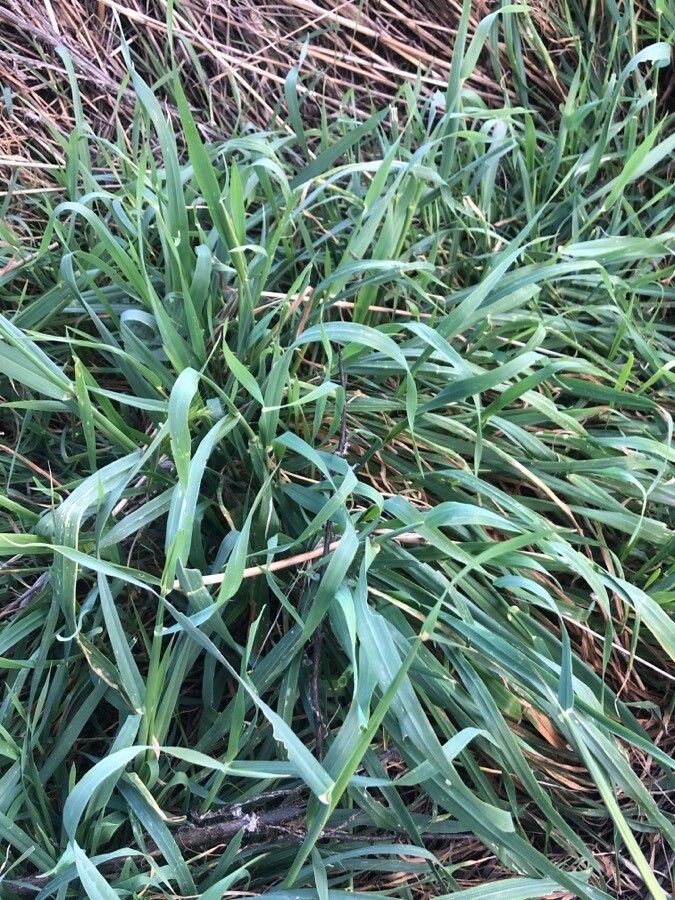
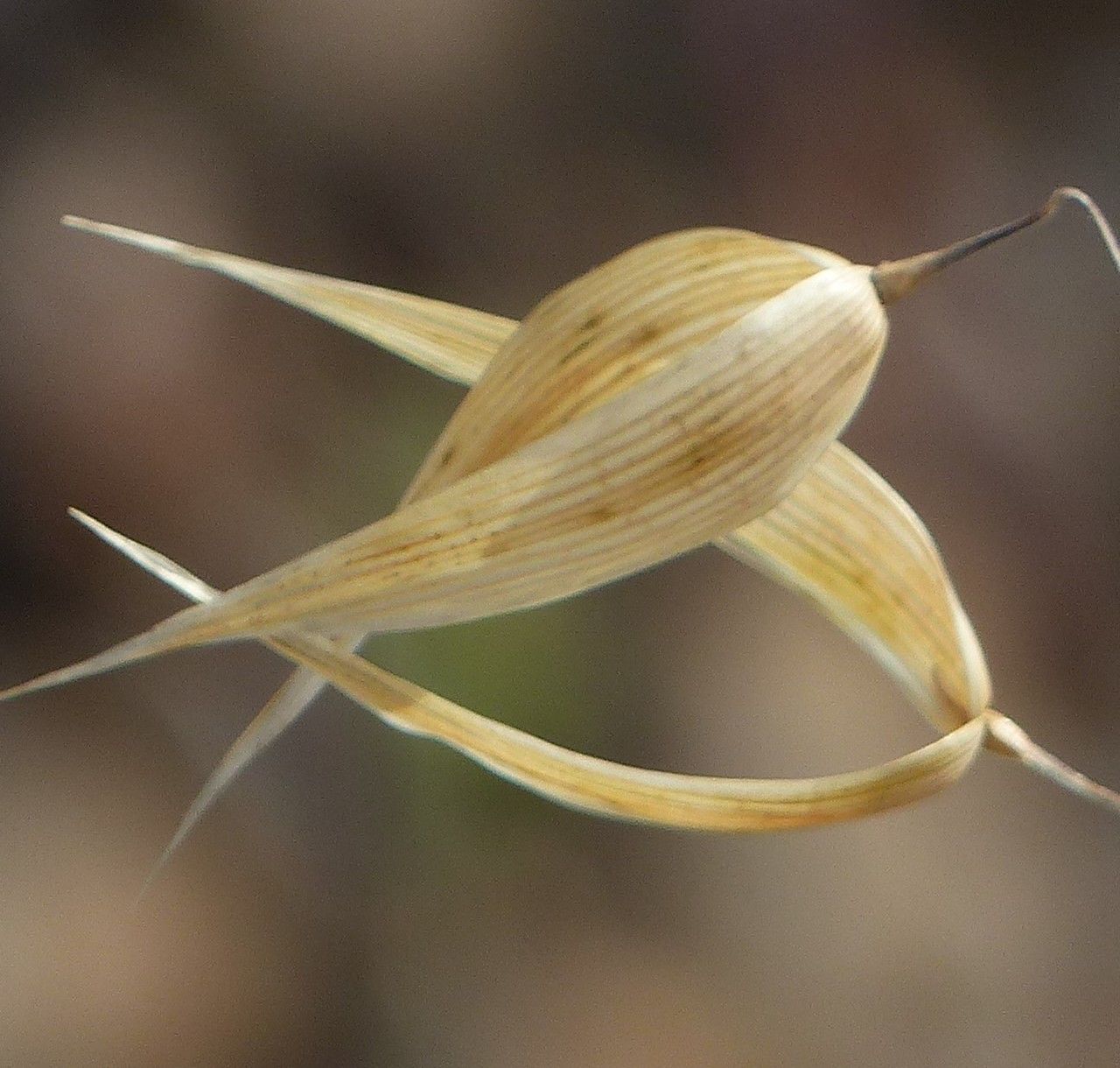
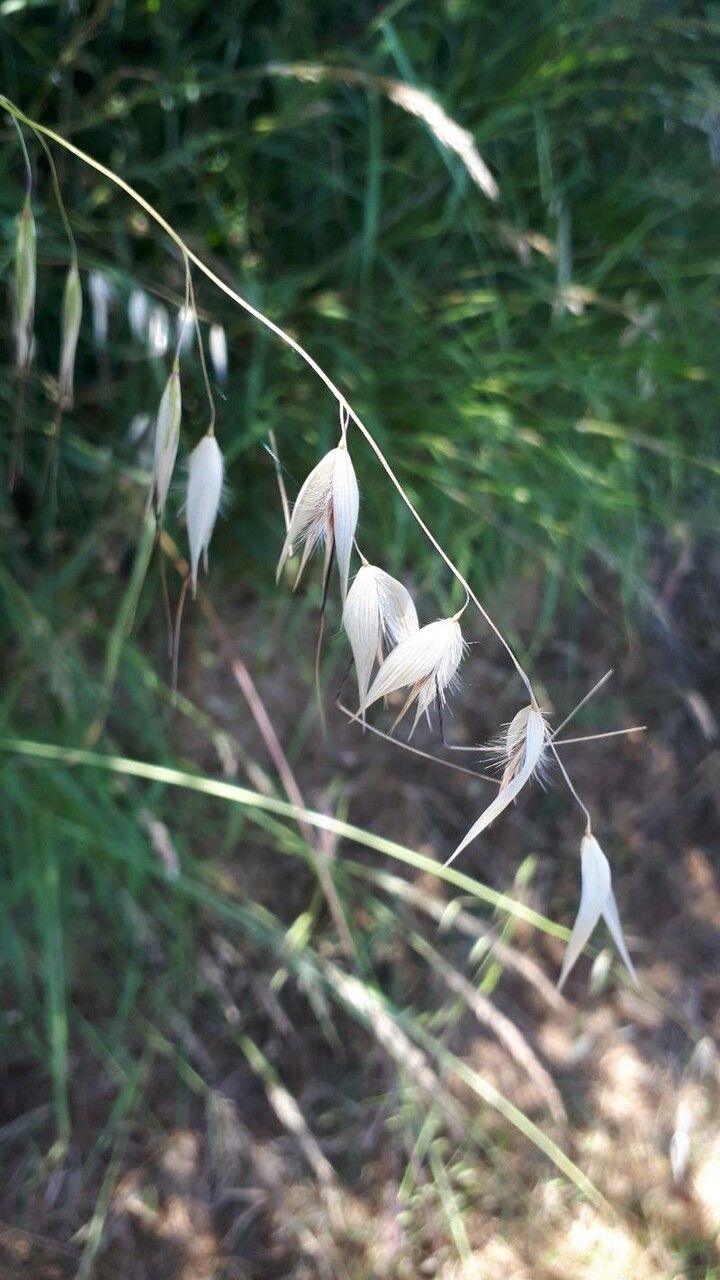
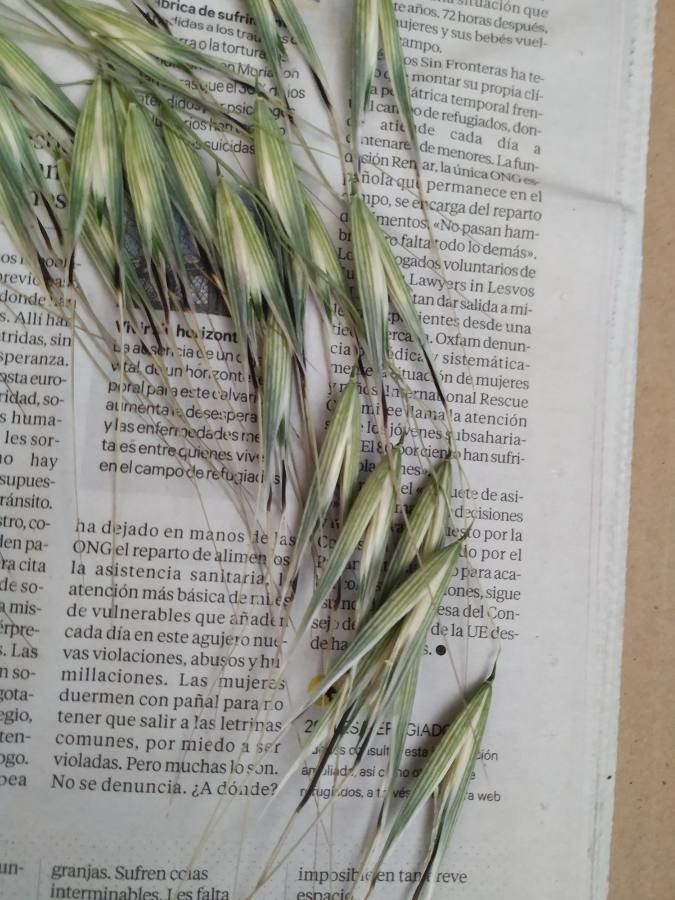
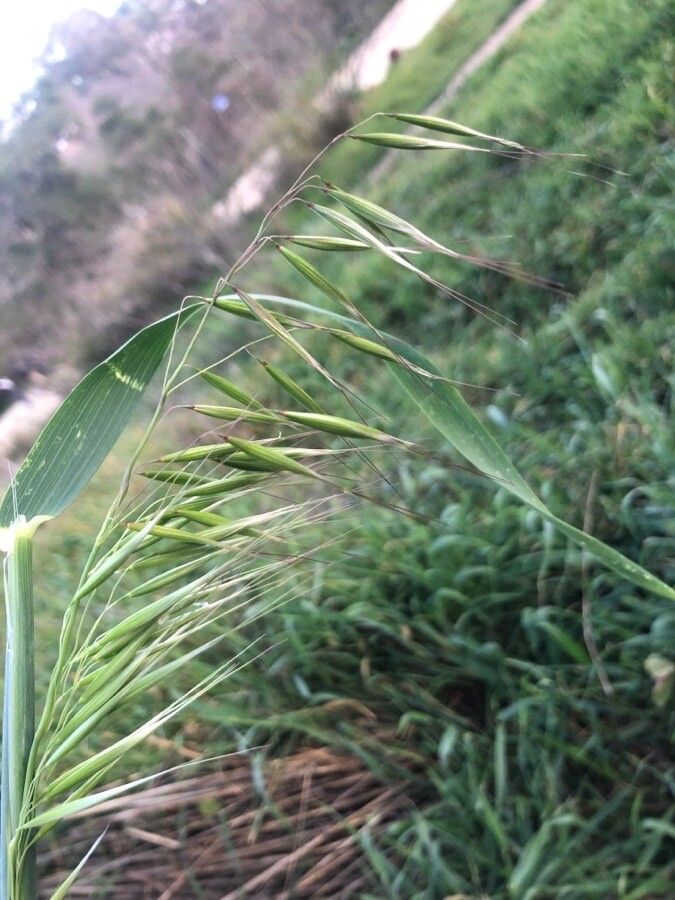
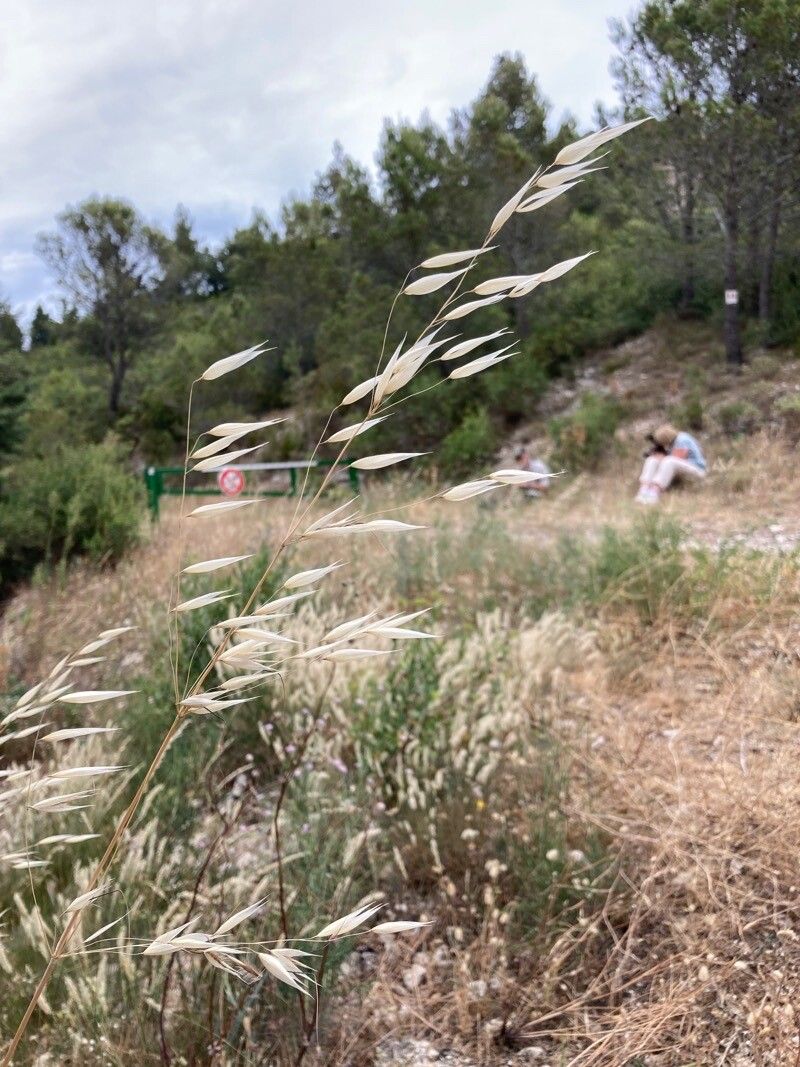
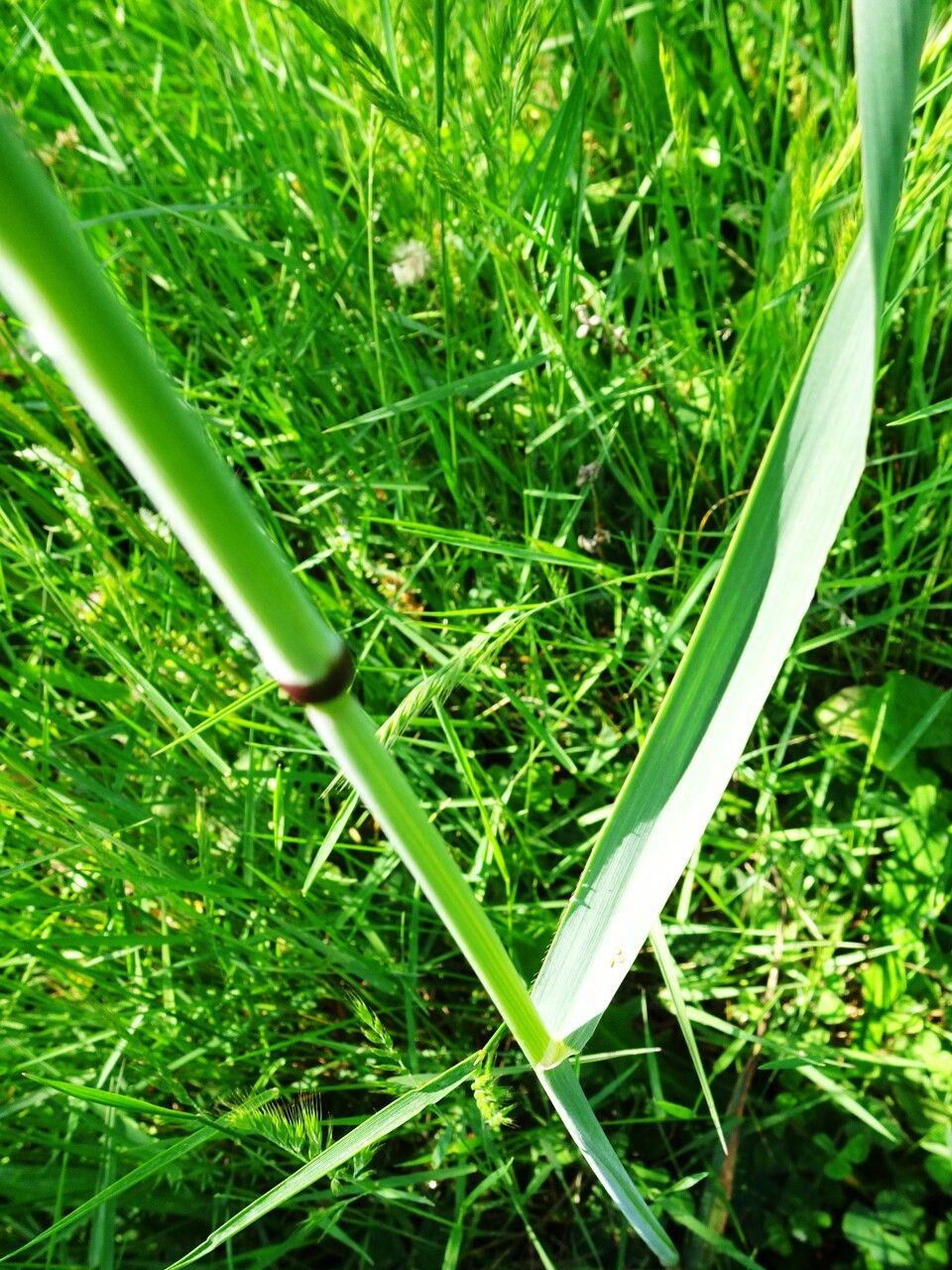
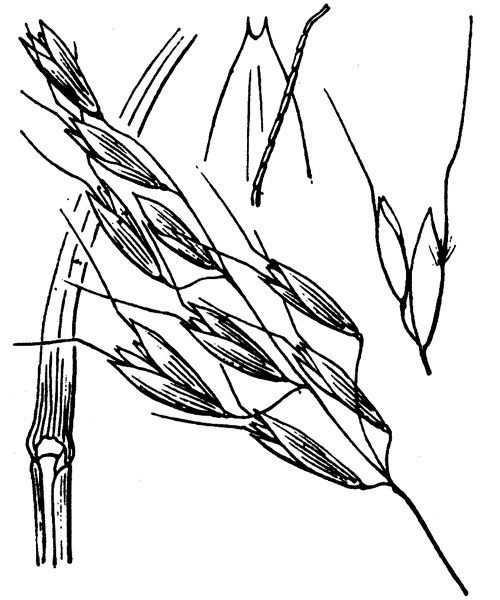
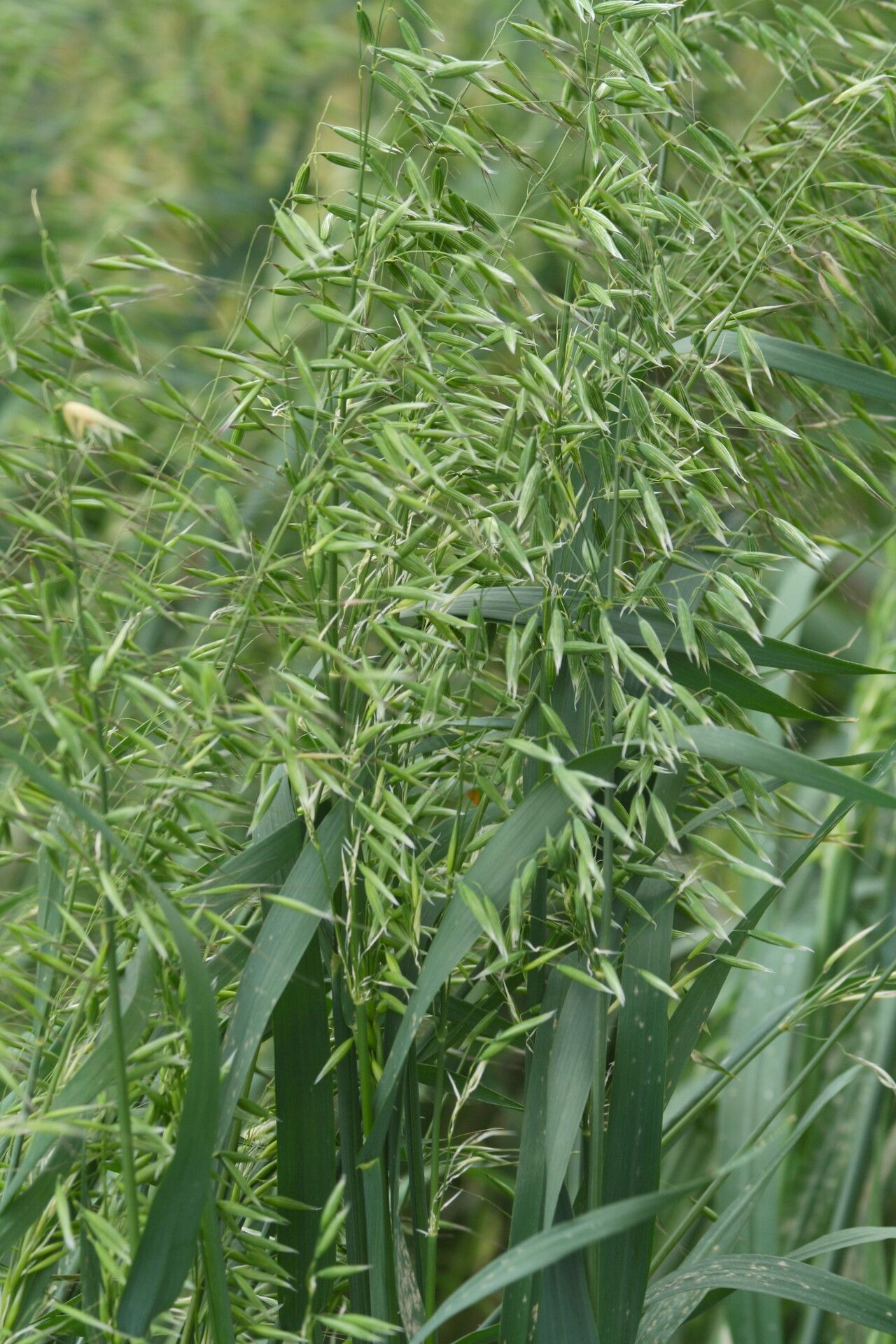
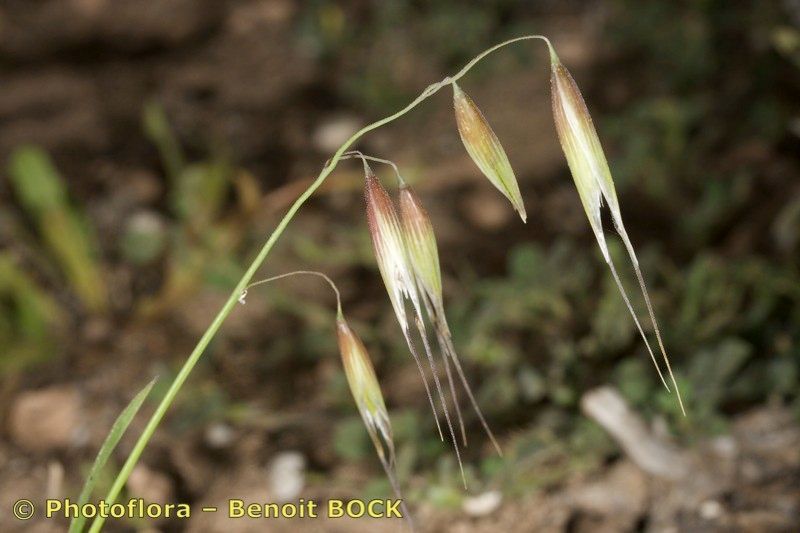
Avena sterilis, commonly known as wild oat or animated oat, is a grass species belonging to the Poaceae family. Native to Mediterranean regions, it is widespread across Europe, North Africa, and Asia. The plant can grow up to 1 meter tall and features a distinctive panicle with long awns, giving it an animated appearance when blown by the wind.
Cultivated for its edible seeds for centuries, Avena sterilis is commonly used in cereals and bread-making. It is also valuable as animal feed due to its high nutritional content. Additionally, the plant has medicinal properties, including its effectiveness as a diuretic.
Avena sterilis thrives in well-drained soils with moderate moisture levels and can withstand drought conditions. It grows best under full sun but can also tolerate partial shade.
Despite its usefulness, Avena sterilis is considered an invasive weed in some regions because it can outcompete native vegetation for resources such as water and nutrients.
Overall, Avena sterilis is a versatile grass species that offers economic benefits through food production and medicinal uses. However, it requires careful management when grown outside its natural habitat to mitigate its potential invasive tendencies.
Wild oat has strong disease resistance and is generally not prone to illnesses. However, it can be vulnerable to pests and diseases present in its environment. These infections are typically mild. In terms of care, this plant requires moderate maintenance. It should be pruned regularly to maintain a neat appearance and healthy growth. Fertilizing can also help encourage flowering. Wild oat is suitable for anyone with outdoor space, such as a garden or patio, and does not demand extensive care experience. It may need more attention when grown indoors.
How to keep Avena Sterilis.
Light
Wild oat does best with abundant sunlight, preferring areas where the sun's rays are unobstructed. This lets the plant grow well through its various stages. Excessive or insufficient light can be harmful. Its original habitat, not specified by location, received plenty of sun.
Water
Animated oat thrives in Mediterranean climates, where it enjoys a balance of moisture and demonstrates moderate drought tolerance. To keep it healthy, weekly watering is recommended; this helps maintain proper hydration without causing waterlogging. The plant excels in well-draining soil, making it ideal for xeriscaping or low-water gardens.
Temperature
Wild oat originates from temperate regions and prefers a warm setting, growing best between 68 and 95 °F (20 and 35 °C). You should adjust indoor temperatures to maintain this range throughout the different seasons.
Fertilizer
For optimal development, Wild oat needs three fertilizer applications: one before planting, one about one month after seedlings emerge, and a final one 1 to 1.5 months after the second. Some Wild oat varieties also benefit from extra fertilizer at planting to promote rapid growth.
Pruning
Pruning animated oats is essential for maintaining their vigor and health. Focus on removing dead stems and thinning the plants to achieve the best results. It's best to prune from early to late spring to encourage new growth and prevent disease. This practice improves air circulation and increases light access, promoting overall plant health. For more detailed techniques, consult local horticultural resources.
Botanical profile.
- Plant Type
- Herb
- Life Cycle
- Annual
- Genus
- Avena
- Family
- Poaceae
- Hardiness Zone
- 4
- Mature Height
- 0.3 m to 1.22 m
- Mature Spread
- 30 cm to 61 cm
- Leaf Color
- Light Green, Yellow Green
- Leaf Type
- Deciduous
- Flower Color
- Yellow, Green, Brown
- Flower Size
- 0.25 cm to 0.51 cm
- Bloom Time
- Late spring, Early summer
- Planting Time
- Spring
- Harvest Time
- Mid summer
Other names.
Reader questions.
How frequently should I give water to my Animated oat?
The watering needs of Animated oat grass will vary based on planting location. Usually, it should be watered once a week. In hot climates, watering once or twice a week in the summer may be necessary. In moderate climates, watering once every seven days or more may be enough. Grass in containers generally needs more frequent watering compared to ground grass. However, the location also affects watering requirements, as shaded grasses need less frequent watering than those in the ground. It is important to water Animated oat only when the soil is dry. To determine if the soil is dry, you can press your finger a couple of inches into the soil or use a portable scale to weigh potted grass. If the blades appear folded and thinner than usual, it indicates insufficient water for the roots. Regular, deep waterings, despite the grass's drought tolerance, will result in a beautiful color. In the wild, Animated oat grows in open scrubland where it experiences extreme heat, bright sun, and intermittent rain. Despite being drought resistant, this grass still requires care and attention. Consistent watering is recommended for optimal growth. When first planted, Animated oat will need more frequent watering until it establishes deep roots. Potted grass in direct sun will dry out quickly, so the soil should be tested every 3 to 4 days and watered when dry. Ground-planted Animated oat generally needs less watering, although this depends on the soil type. Clay soil holds water longer and may feel dry at the surface while retaining moisture below ground. Sandy soils that drain quickly will require more frequent watering.
What are the sunlight requirements for Animated oat?
Animated oat requires full sun, meaning it needs more than 6 hours of sunlight daily, but it can also manage with partial sun, receiving about 3-6 hours of sunlight. It's essential to observe the movement of sunlight through your garden to find the perfect balance of light and shade, ensuring the plants' well-being. Originating in habitats with significant sun hours, the growth and health of Animated oat are deeply influenced by sunlight. However, exposure to either too much or too little sunlight can hinder its development.
What is the Animated oat?
The Animated oat, known botanically as Avena sterilis, doesn't have detailed information provided on its essentials, symptoms, or additional attributes in this context.
What do I need to be careful about when watering my Animated oat in different seasons, climates, or while it's growing?
To determine if you are watering enough, observe the rate of growth of your grasses. Animated oat, particularly during the hottest months, can double in size within a year. If the weather is hot but the grass is not growing vigorously, adjust your watering schedule. In winter, you can probably water once a month, but always check the soil for moisture. During the growth cycle (in the warmest months), the grass requires more water. However, during winter and cooler months, the water needs are significantly reduced. Remember that Animated oat should always be planted in soil that is completely dried out before adding water.
How can artificial lighting support indoor Animated oat plants?
For indoor Animated oat plants, artificial lighting is crucial, especially when natural sunlight is insufficient, such as in winter or less sunny spaces. Artificial lights can promote faster, healthier growth. LED lights are preferred for being customizable to the plants' specific light wavelength needs. The general guidelines include using 30-50W/sq ft of light for full sun plants, 20-30W/sq ft for partial sun plants, and 10-20W/sq ft for full shade plants. The light source should be positioned 12-36 inches above the plant, and the lighting duration should mimic natural daylight hours, typically 8-12 hours per day.
What should I do if I give my Animated oat too much or too little water?
Proper watering is crucial for the health of this beautiful ornamental grass. Watering issues can be addressed when the grass is in the ground, but in a container, too much or too little water can be deadly. Insufficient water can cause the grass to stop growing, resulting in drooping leaves, weak seed head production, and browning. On the other hand, overwatering can lead to yellow leaves with brown tips. If you suspect watering problems, determine whether the issue is too much or too little water. If it's excessive, stop watering and allow the soil to dry out. Test the moisture level once new growth appears to decide if more water is needed. If the grass needs more water, give it a deep drink and observe if it perks up. It's important to note that a thorough, deep watering is always better than frequent shallow waterings. Deep watering helps stimulate the growth of deep roots, making the grass more resilient to drought and water-related issues.
What are the symptoms of insufficient light in Animated oat?
When cultured indoors with inadequate light, Animated oat may show symptoms of light deficiency. These include the development of smaller leaves compared to previous ones, leggy or sparse growth, faster leaf drop, slower or halted new growth, and paler new leaves. These signs indicate the plant is struggling with poor light conditions and adjusting its growth patterns to conserve resources.
What are the symptoms of excessive sunlight in Animated oat?
Excessive sunlight can also harm Animated oat, leading to chlorosis, where leaves lose their green color, turning yellow due to chlorophyll breakdown, impairing photosynthesis. Sunscald, leaf curling, wilting, and leaf scorching are other symptoms, showing damage from intense sunlight exposure, including pale, bleached areas, curled leaves to minimize surface area exposure, drooping from lost turgor pressure, and brown, dry leaf edges, respectively.
How can I manage light exposure for indoor and outdoor Animated oat plants?
For optimal growth, gradually move plants to sunnier locations to ensure they receive at least 6 hours of direct sunlight daily. Use south-facing windows and keep curtains open for maximum exposure. For large or immovable plants, consider artificial lighting, keeping lights on for at least 8 hours a day. Outdoors, adapt plants to sunnier spots gradually to prevent sunburn. Note that parts of the plant affected by insufficient sunlight may not recover, but new growth after adjusting light exposure will be healthy. To reduce obstructions, prune trees or branches blocking sunlight and consider transplanting smaller plants during their dormant period to sunnier locations with good drainage.