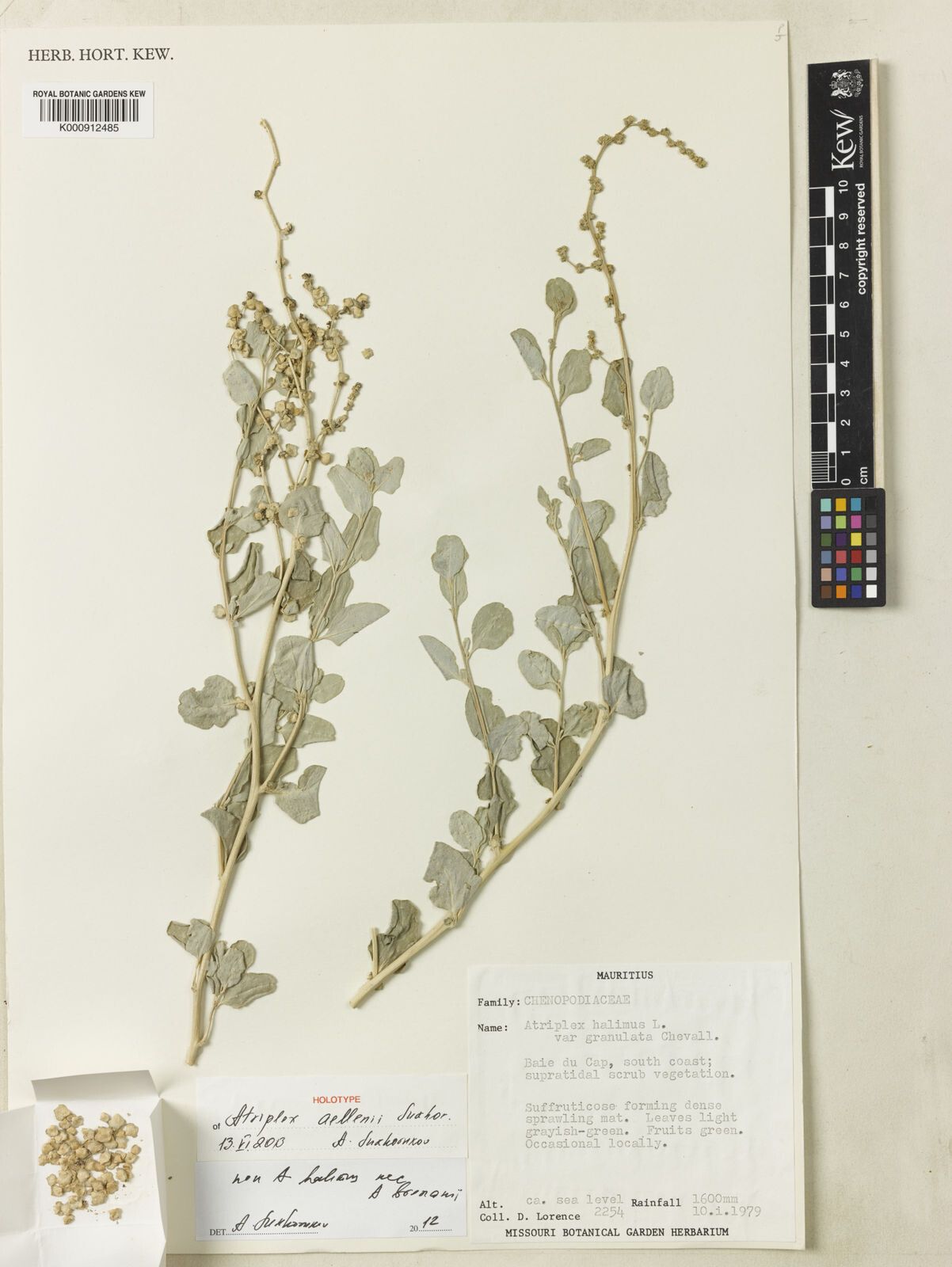
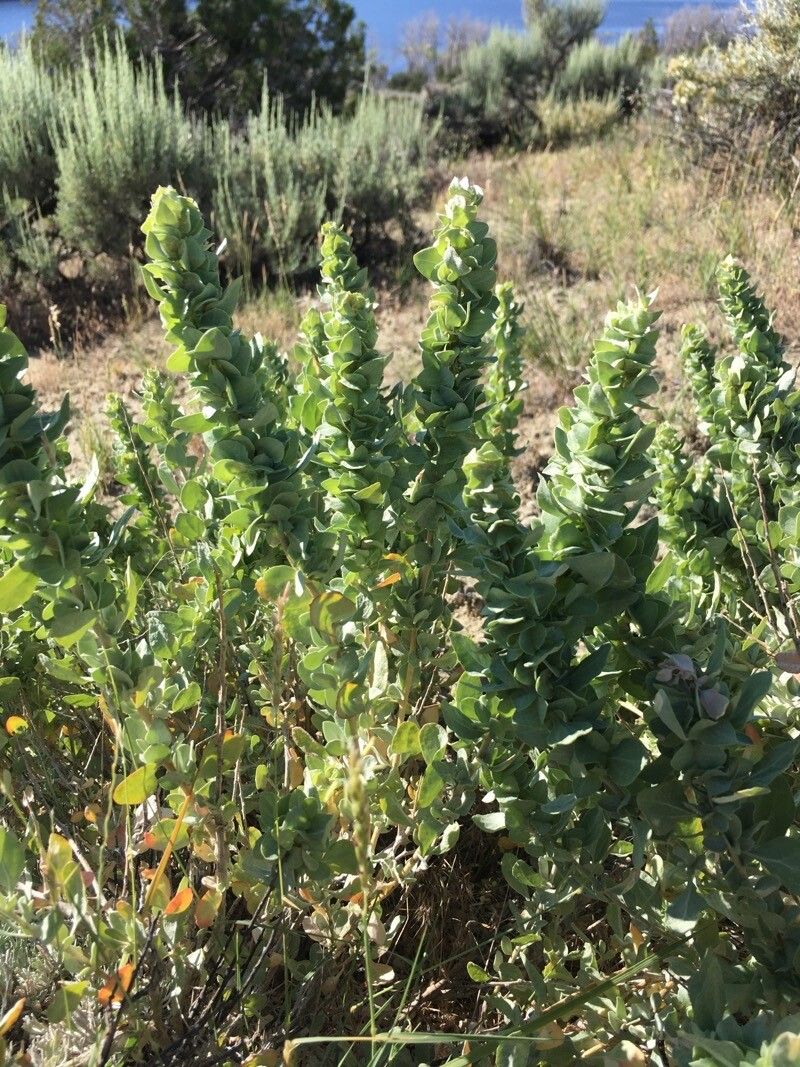
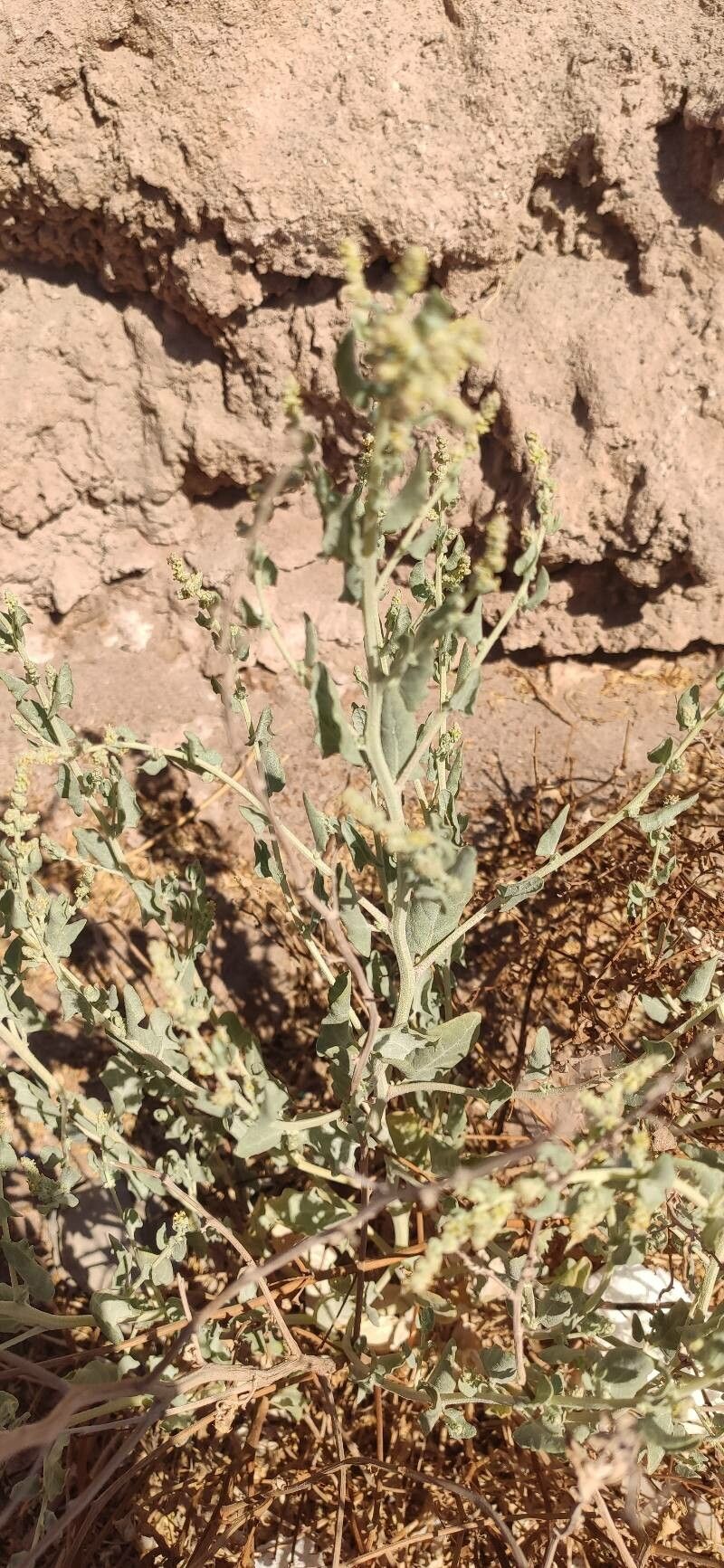
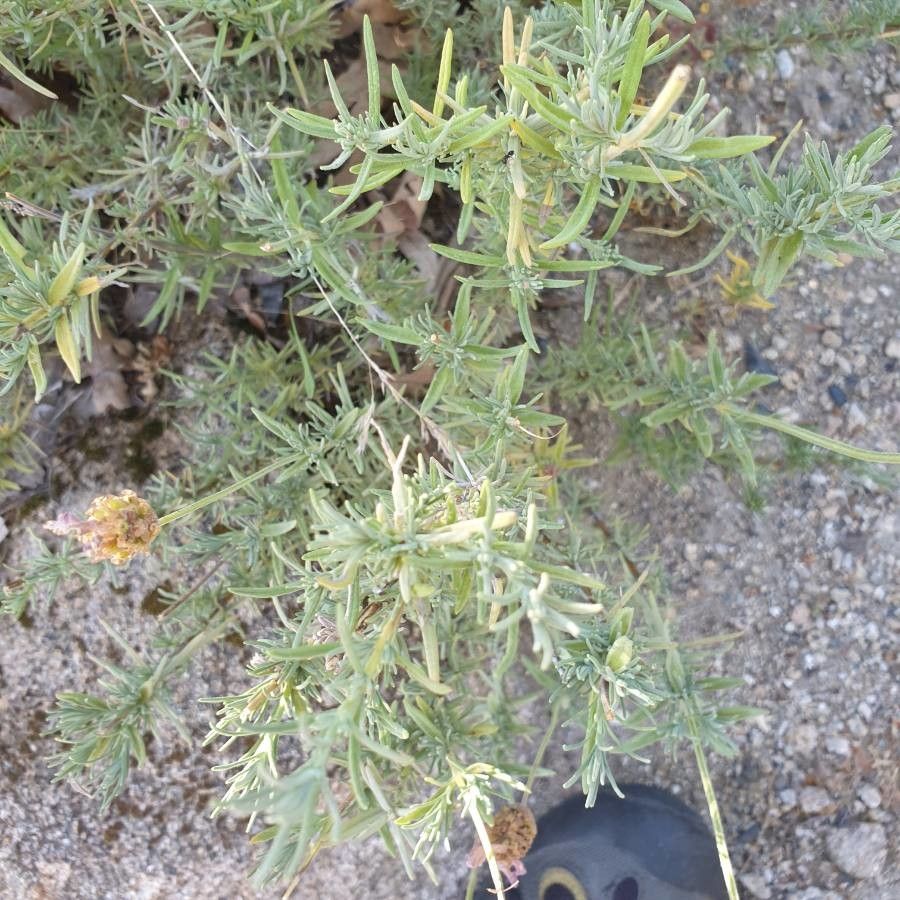
Atriplex suberecta, commonly known as the erect saltbush, is a shrub species belonging to the Amaranthaceae family. Native to Australia, it thrives in diverse habitats, including coastal dunes, salt marshes, and inland plains. The plant can grow up to 2 meters tall and features a dense branching habit with grey-green leaves covered in fine hairs. Its leaves are triangular or diamond-shaped with toothed edges.
The erect saltbush plays a crucial role in soil conservation due to its deep root system, which helps stabilize the soil and prevent erosion. It also serves as a vital habitat for various wildlife species, such as birds and insects.
Highly tolerant of saline soils, this plant is an excellent choice for land reclamation projects or areas affected by salinity. Additionally, Indigenous Australians have traditionally used it for medicinal purposes, including treating skin conditions.
Overall, Atriplex suberecta is a resilient shrub with multiple benefits, including soil conservation, wildlife habitat provision, and medicinal uses, making it an important species within its native range.
Peregrine saltbush has strong resistance to disease and is typically not susceptible to illnesses. Still, it can be affected by pests and diseases found in its environment. Such infections are generally mild. Regarding maintenance, this plant is moderate in its care needs. It should be pruned on a regular basis to preserve a neat appearance and support healthy growth. Applying fertilizer can also encourage flowering. Peregrine saltbush is appropriate for anyone with outdoor areas like a garden or patio and does not demand extensive gardening experience. It may need extra attention if kept indoors.
How to keep Atriplex Suberecta.
Light
Peregrine saltbush comes from bright, open habitats and performs best in full sun. It can tolerate partial sun, but favors direct sunlight for optimal growth. This plant, which can be annual or biennial, is recognized for its sun-loving habit.
Temperature
Peregrine saltbush comes from tropical areas where the climate is generally warm and humid. Consequently, it is well adapted to high temperatures and humidity. It does not tolerate sudden temperature shifts and prefers a consistent temperature, so avoiding temperature fluctuations indoors is important. It usually cannot endure cold conditions and needs higher temperatures to grow. If the ambient temperature falls too low, the plant may stop growing or even die.
Fertilizer
Peregrine saltbush responds well to regular, light applications of fertilizer to encourage healthy leaf development. You should fertilize Peregrine saltbush about once a month during the summer months. Nitrogen is important for foliage, and supplying nitrogen-rich sources helps Peregrine saltbush thrive.
Botanical profile.
- Plant Type
- Herb
- Life Cycle
- Annual
- Genus
- Atriplex
- Family
- Amaranthaceae
- Hardiness Zone
- 8-11
- Mature Height
- 30 cm to 61 cm
- Mature Spread
- 30 cm to 49 cm
- Leaf Color
- Green Yellow, Olive Drab
- Leaf Type
- Deciduous
- Flower Size
- 0.20 cm to 0.25 cm
- Bloom Time
- Summer
- Planting Time
- Autumn, Winter
- Harvest Time
- Late summer, Early fall, Mid fall
- Native Area
- South Africa, Namibia, Botswana, Zimbabwe