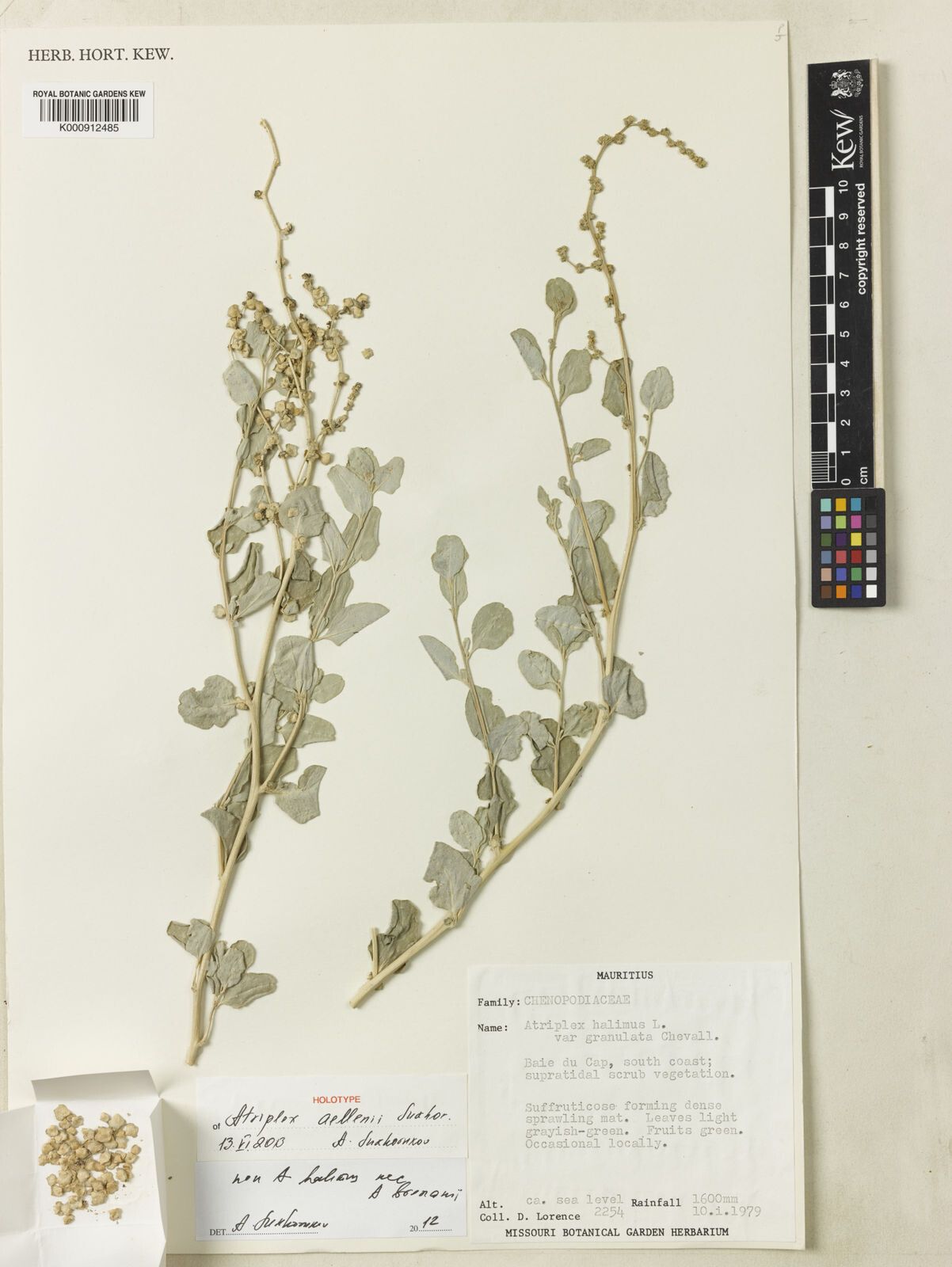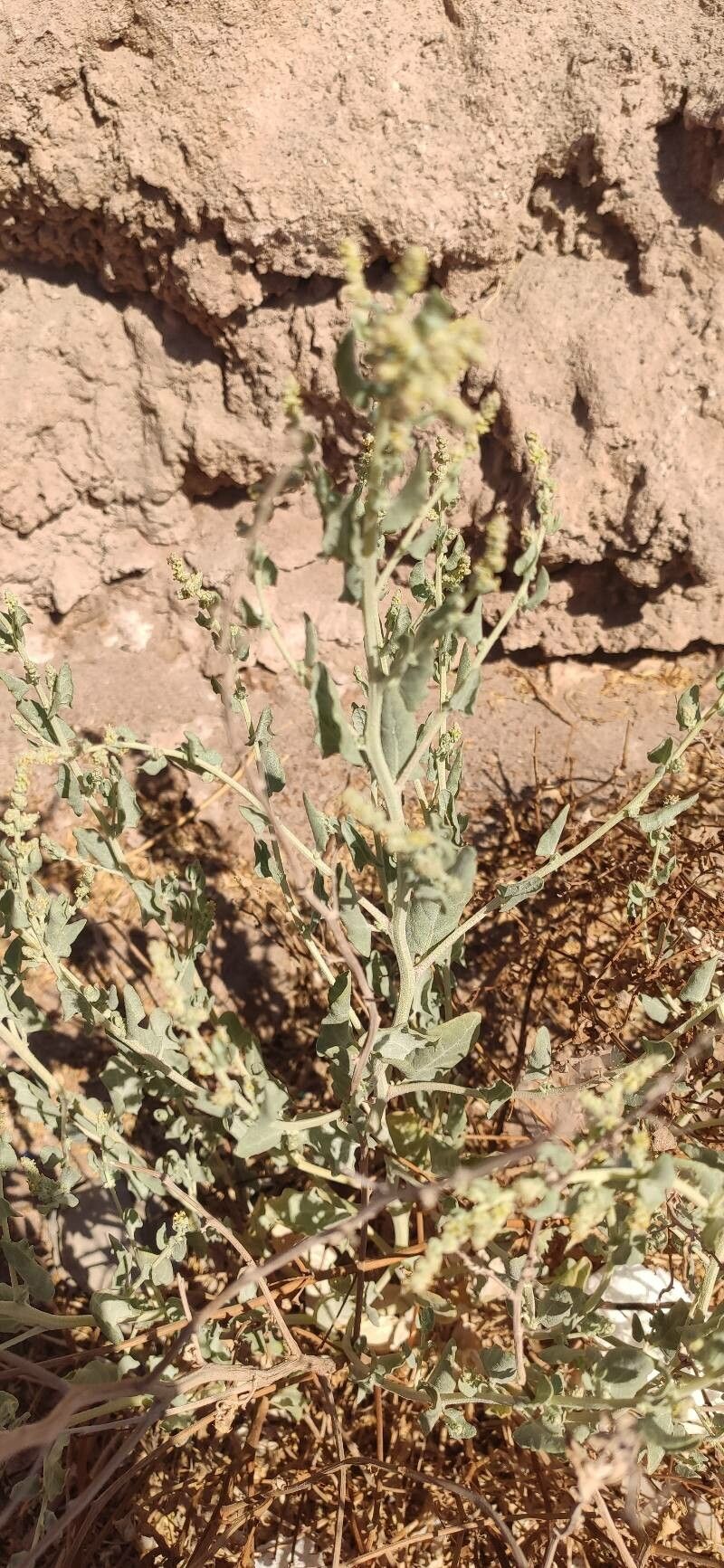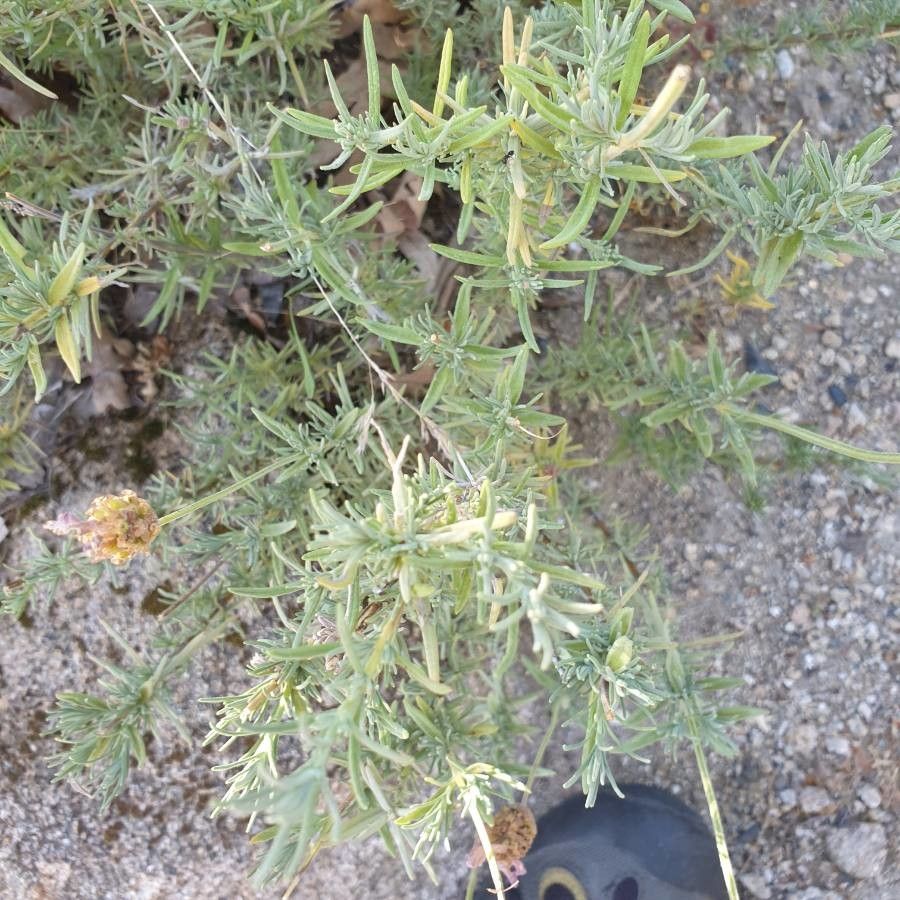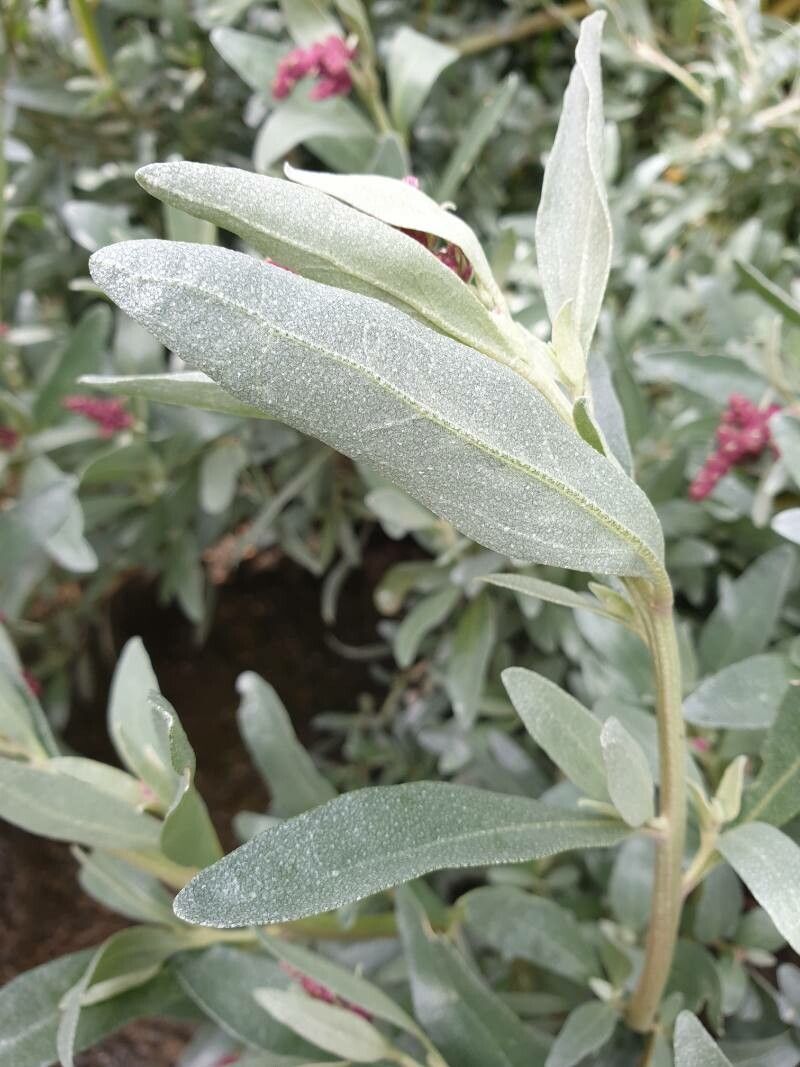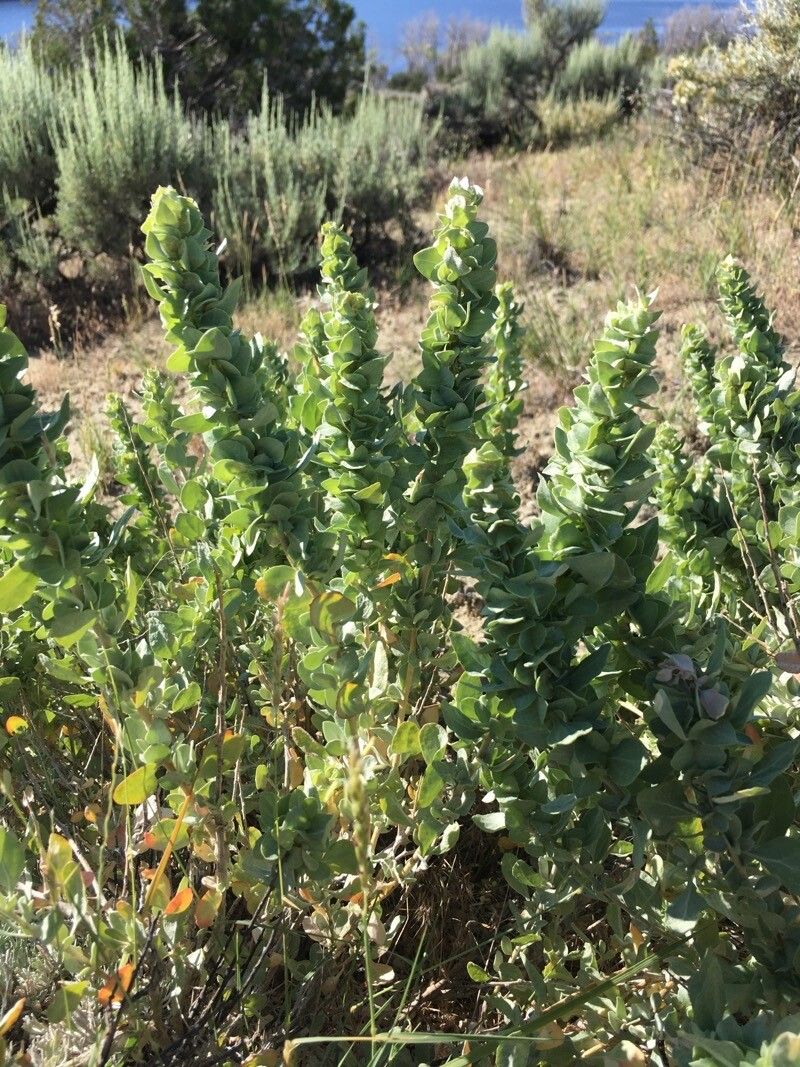
Atriplex argentea is a species of saltbush known by the common names silverscale saltbush and silver orache. It is native to western North America from southern Canada to northern Mexico, where it grows in many types of habitat, generally on saline soils.
Tumbling saltweed shows good resistance to disease and is usually not susceptible to illnesses. Nevertheless, it can be affected by pests and diseases present in its environment. These infections are typically not serious. Regarding care, this plant requires moderate maintenance. It should be pruned regularly to preserve a neat appearance and healthy growth. Fertilizing can also encourage flowering. Tumbling saltweed is appropriate for anyone with outdoor space, such as a garden or patio, and does not demand much gardening experience. It may need more attention when grown indoors.
How to keep Atriplex Argentea.
Light
Tumbling saltweed comes from bright, open habitats and does best in full sun. It can tolerate partial sun but favors direct sunlight for optimal growth. This annual or biennial plant is noted for its sun-loving nature.
Water
The silverscale saltbush, native to arid regions, is highly drought-tolerant and requires minimal watering—ideally, once a week. It thrives in well-draining soil and prefers drier conditions to prevent excess water from accumulating around its roots. This preference mirrors the sparse rainfall patterns of its natural habitat.
Temperature
Tumbling saltweed can tolerate a wide range of temperatures, but its range may still be restricted by different mixes of moisture and heat. It does best in warm summer climates when rainfall or supplemental watering is sufficient. Long periods of cloudy, rainy weather, as well as extended high temperatures, increase the chances of Tumbling saltweed dying. In winter, adequate protection from cold can improve the plant’s survival rate.
Fertilizer
Tumbling saltweed does well with regular, light applications of fertilizer to encourage healthy leaf growth. Apply fertilizer to Tumbling saltweed roughly once a month during the summer. Nitrogen is essential for foliage, and adding nitrogen-rich sources helps Tumbling saltweed thrive.
Pruning
Silverscale saltbush is a tough perennial plant with striking silver-gray leaves. To encourage growth and keep its shape, prune it from early to late spring by removing dead branches and thinning out thick areas. Making clean cuts helps prevent disease, and doing only minimal pruning in colder areas can protect the plant from frost damage.
Botanical profile.
- Plant Type
- Herb
- Life Cycle
- Annual
- Genus
- Atriplex
- Family
- Amaranthaceae
- Hardiness Zone
- 5-9
- Mature Height
- 1.52 m
- Mature Spread
- 20 cm to 61 cm
- Leaf Color
- Gray, Silver
- Leaf Type
- Semi-evergreen
- Flower Color
- Yellow, Green, Brown
- Flower Size
- 0.51 cm
- Bloom Time
- Mid summer, Late summer, Early fall
- Planting Time
- Spring, Autumn
- Harvest Time
- Early fall, Mid fall
- Native Area
- Libya, Egypt, Turkey, India, Austria, Slovakia, Montenegro, Pakistan, Slovenia, Morocco, Croatia, Belarus, Russia, Germany, Estonia, Romania, Latvia, Portugal, France, Tunisia, Cyprus, Bulgaria, Poland, Greece, Ukraine, Lebanon, Serbia, Lithuania, Syria, Italy, Kazakhstan, Spain, Israel, Albania, Azerbaijan, Algeria, Hungary
Other names.
Reader questions.
What are the sunlight requirements for Silverscale saltbush?
Silverscale saltbush thrives in environments with ample sunlight, requiring full sun for optimal growth, characterized by more than 6 hours of sunlight daily. It can also tolerate partial sun, which means about 3-6 hours of sunlight. It's important to watch how sunlight moves through your garden and choose spots that offer a balance of light and shade to ensure the plants' health.
What essentials should be considered for growing Silverscale saltbush?
Silverscale saltbush originates from bright, open environments, flourishing best in full sunlight and able to tolerate partial sun. For indoor plants lacking in natural light, particularly during winter or in less sunny spaces, artificial lighting serves as a crucial alternative. LED lights are recommended for their ability to be customized to specific light wavelengths needed by the plants, with full sun plants requiring 30-50W/sq ft, partial sun plants 20-30W/sq ft, and full shade plants 10-20W/sq ft of artificial light. The light should be placed 12-36 inches above the plant to mimic natural sunlight, for 8-12 hours per day.
What are some common symptoms of inadequate sunlight for Silverscale saltbush?
When Silverscale saltbush is cultivated indoors under inadequate light, it may show symptoms like small leaves, leggy or sparse growth, faster leaf drop, slower or no new growth, lighter-colored new leaves, chlorosis (leaves losing their green color), sunscald (damage from intense sunlight), leaf curling (as a defense against sunlight), wilting, and leaf scorching (brown, dry, crispy patches on leaves). These symptoms indicate either a deficiency or an excess of sunlight exposure.
How can I address sunlight-related issues for Silverscale saltbush?
To optimize growth for Silverscale saltbush, gradually move plants to locations with at least 6 hours of direct sunlight daily, especially if indoors. Use south-facing windows or consider artificial lighting for large or immovable plants, ensuring at least 8 hours of light. Outdoors, adapt plants to sunlight gradually to avoid sunburn. If sunlight is blocked by obstructions like trees, consider pruning to improve light access. For smaller plants, transplanting during their dormant period to a sunnier location with good drainage may help. Note that parts of the plant affected by sunlight deficiency may not recover, but new growth should be healthy with improved light conditions.