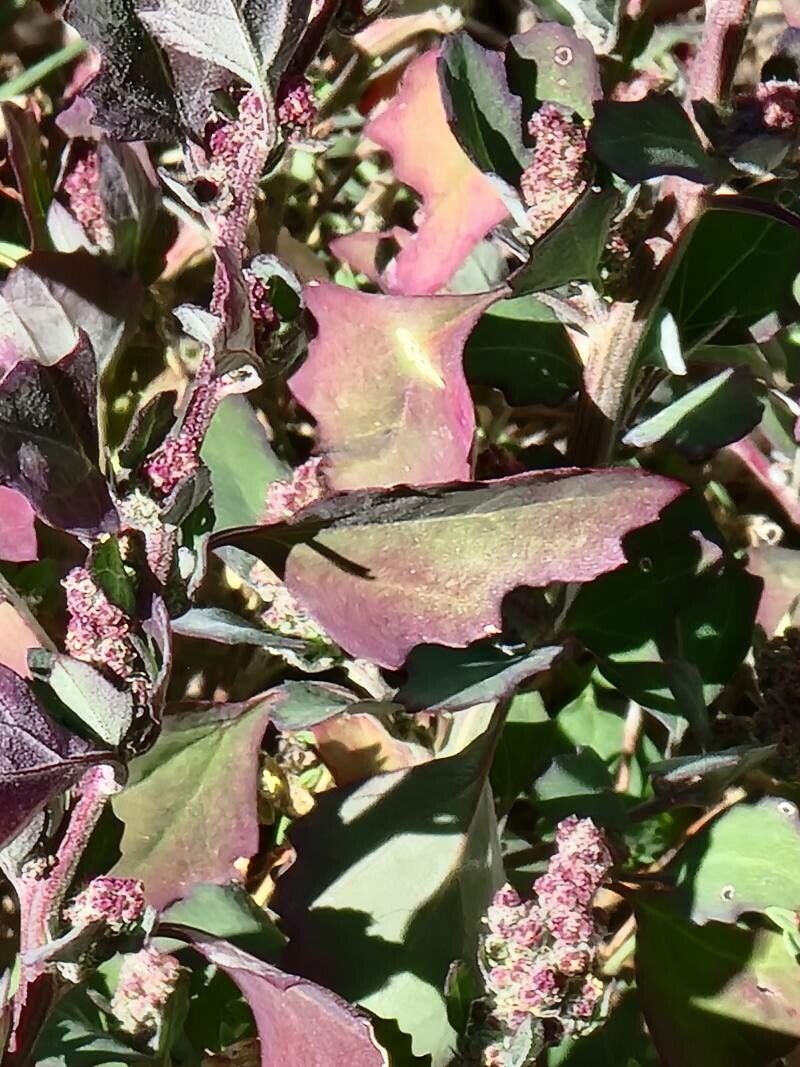
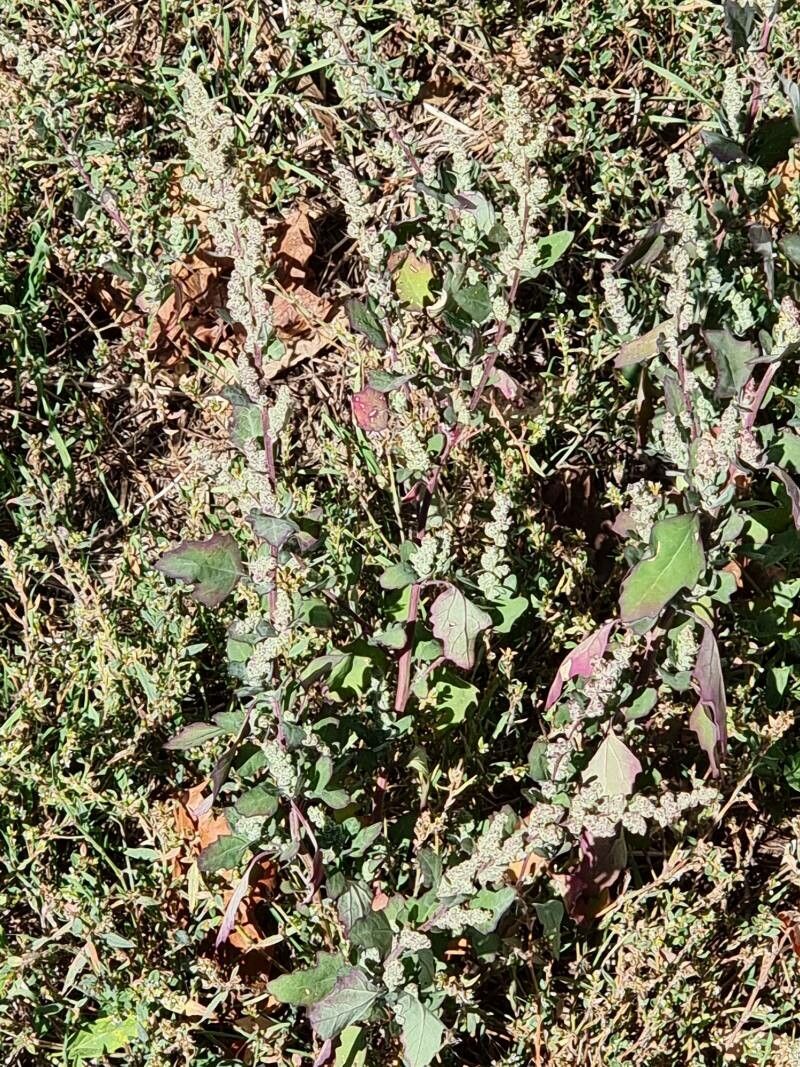
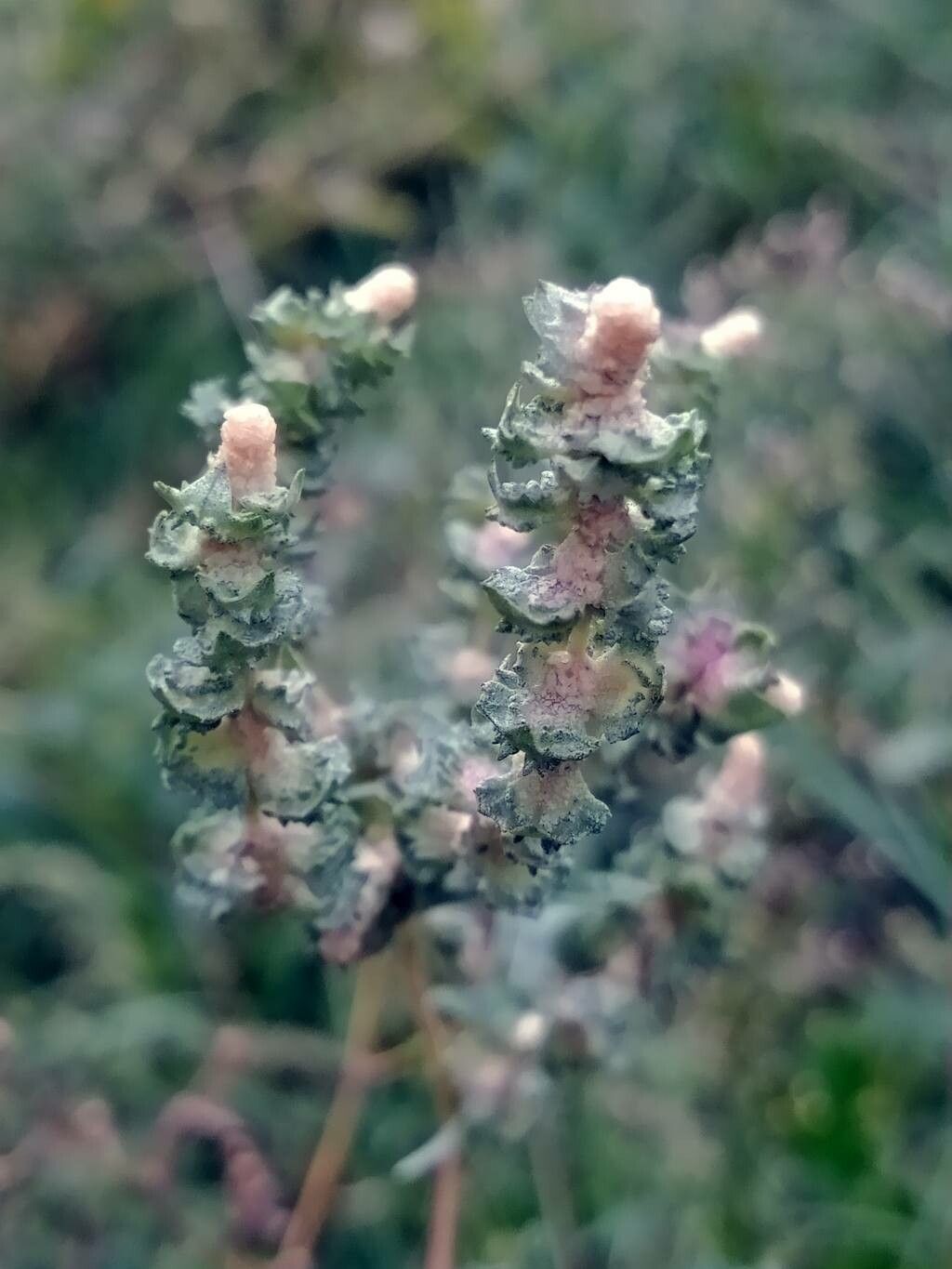
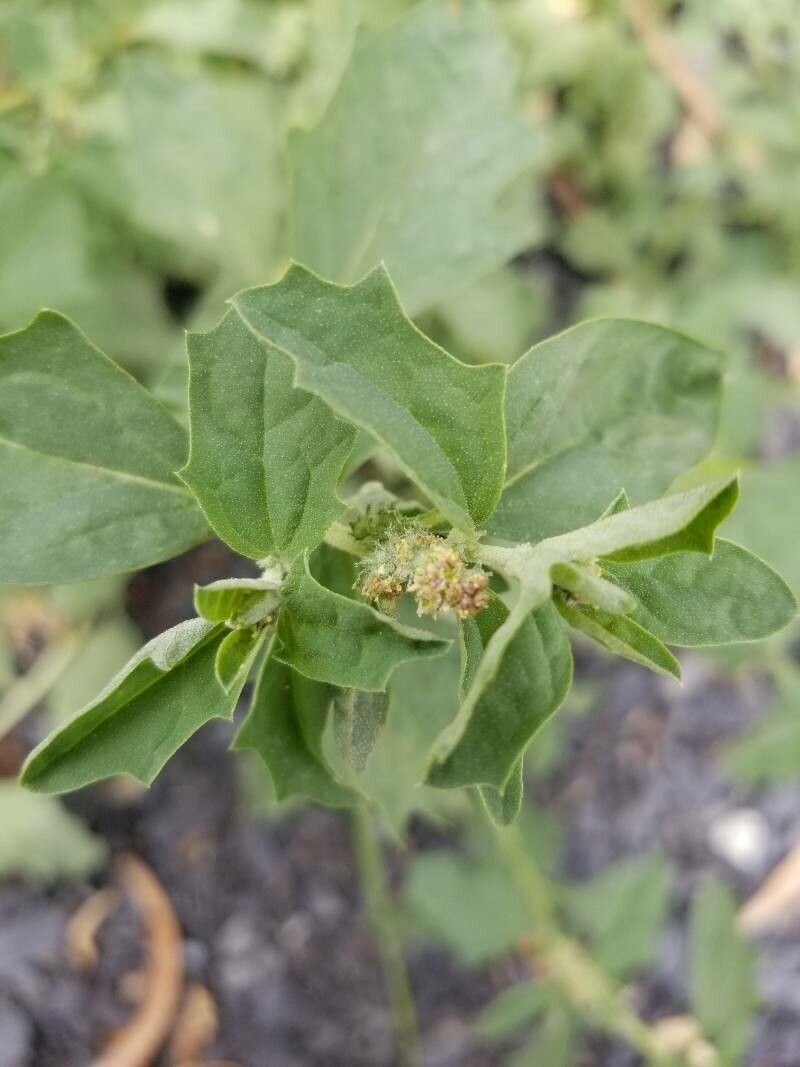
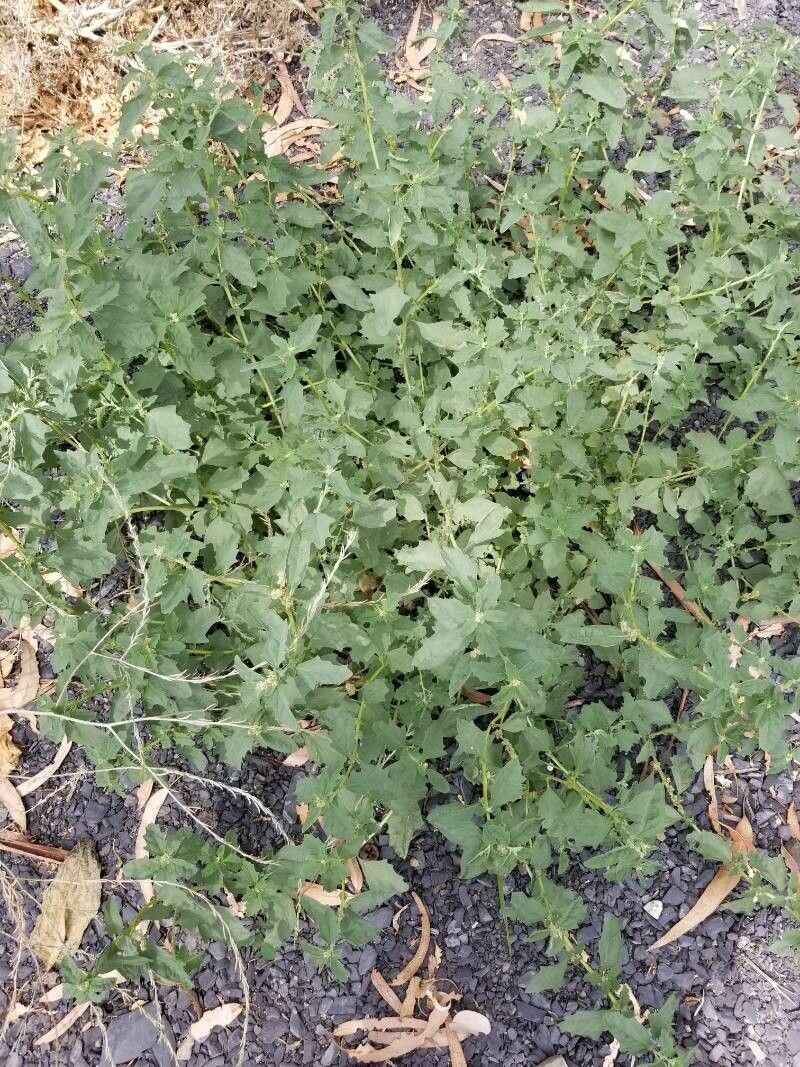
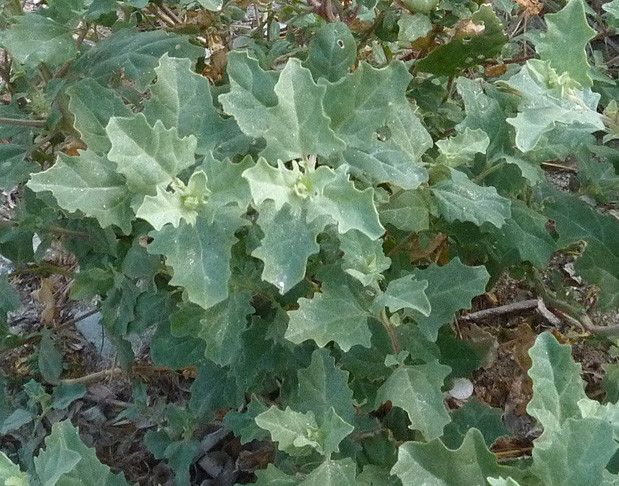
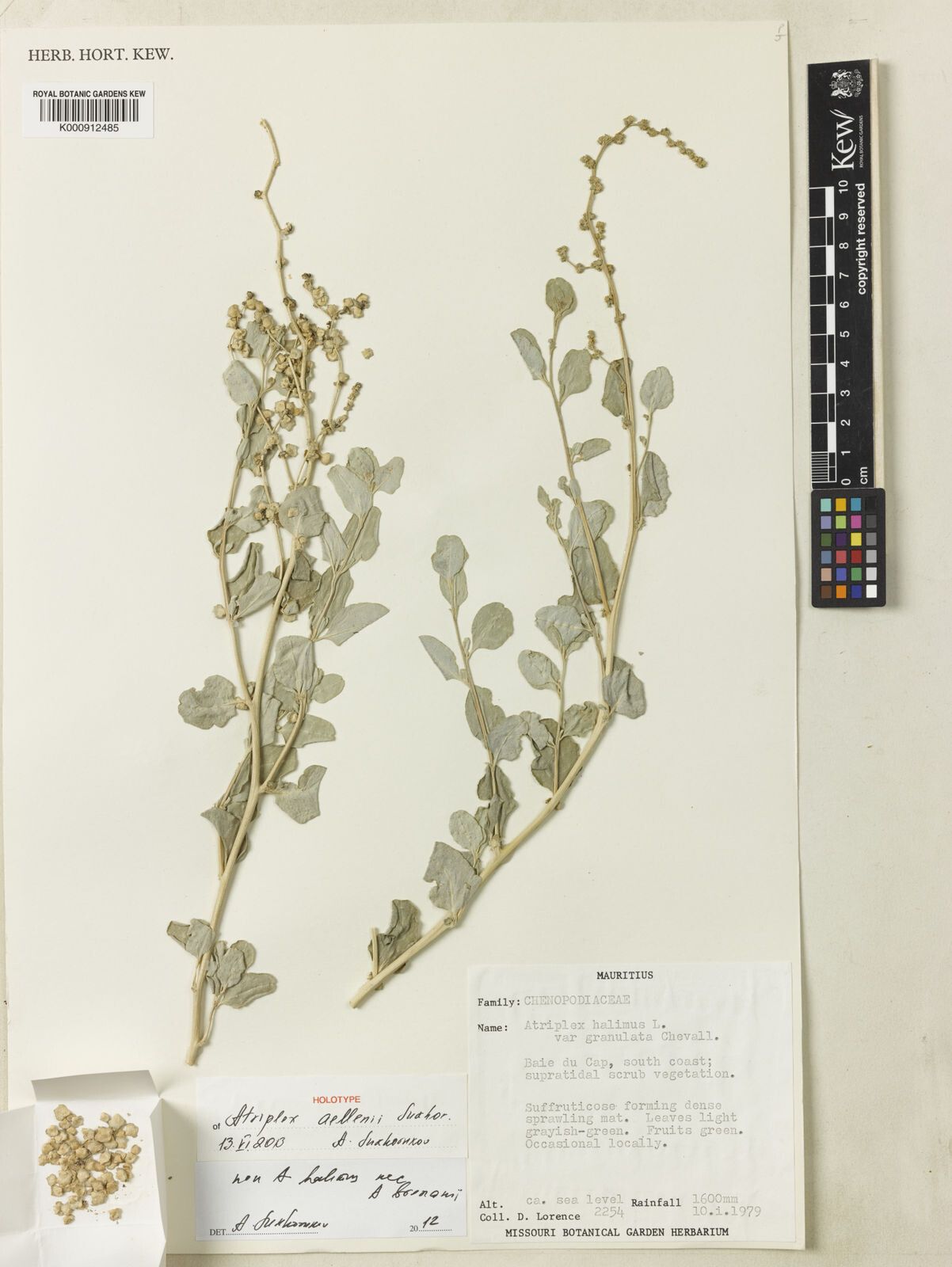
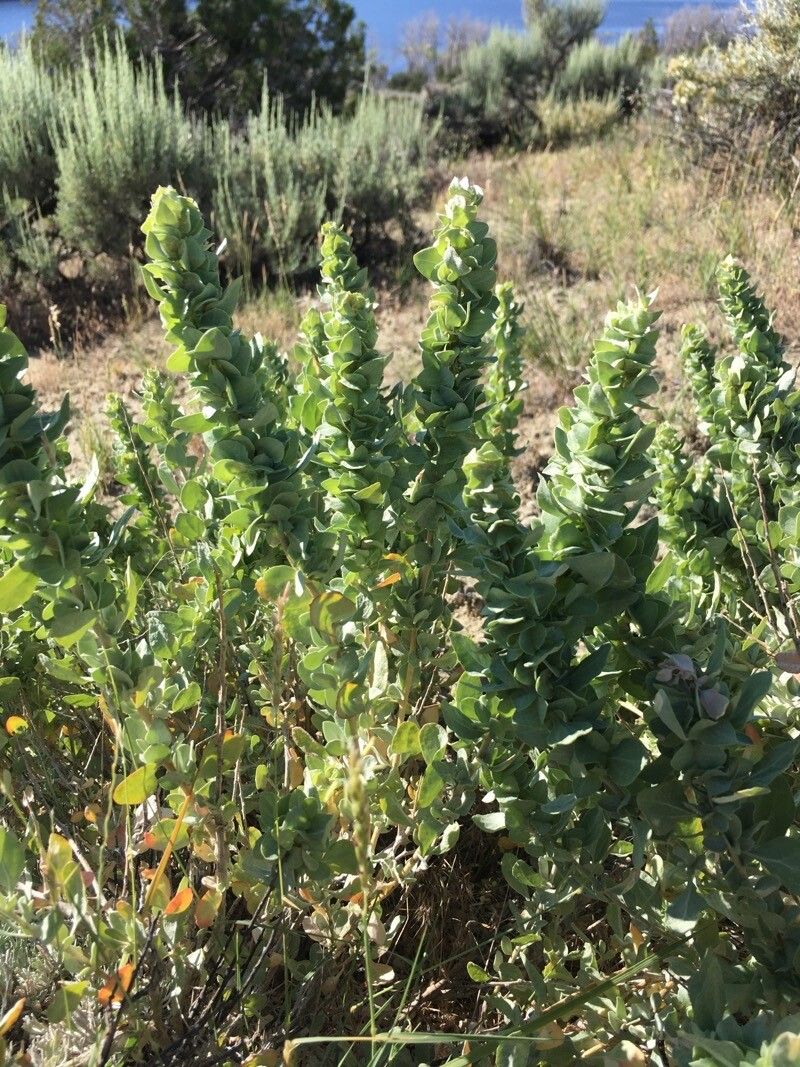
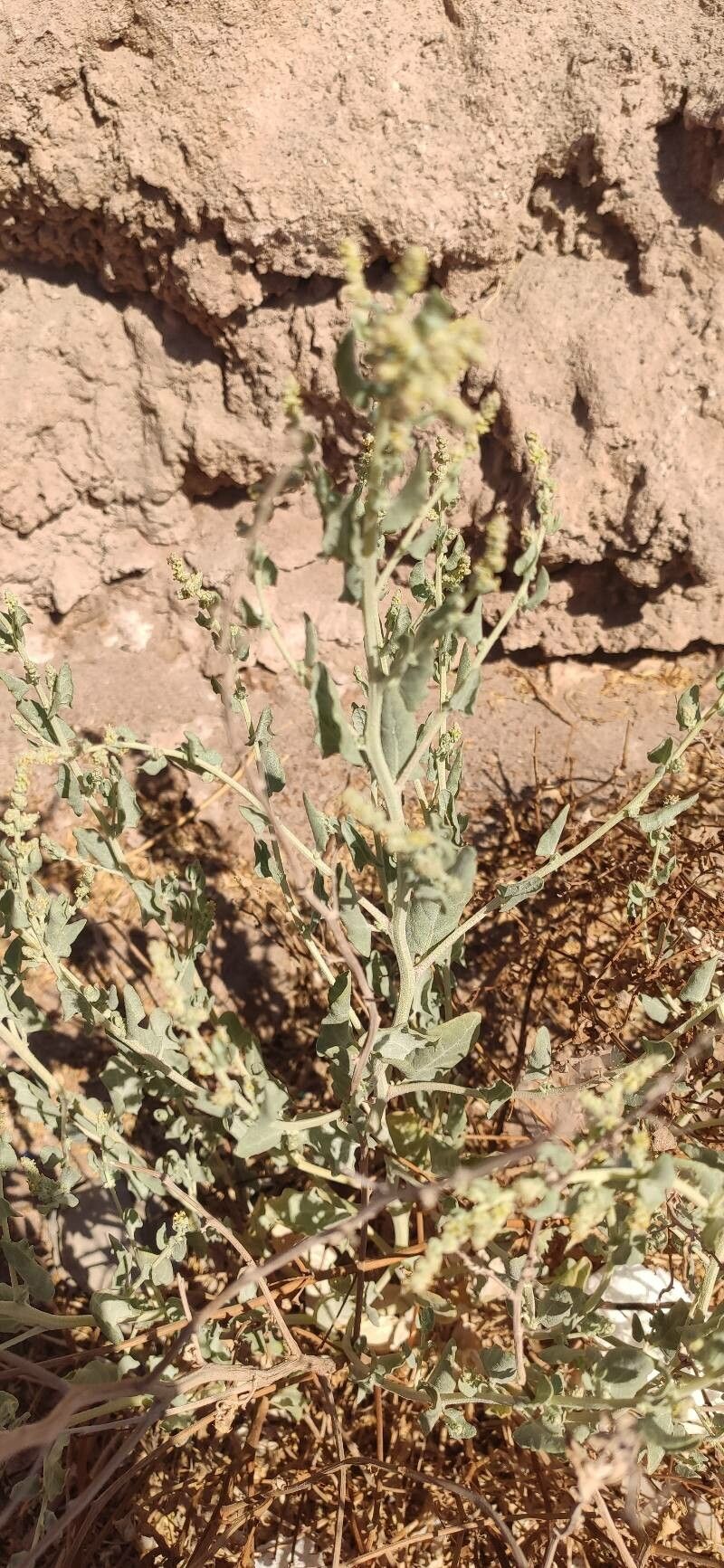
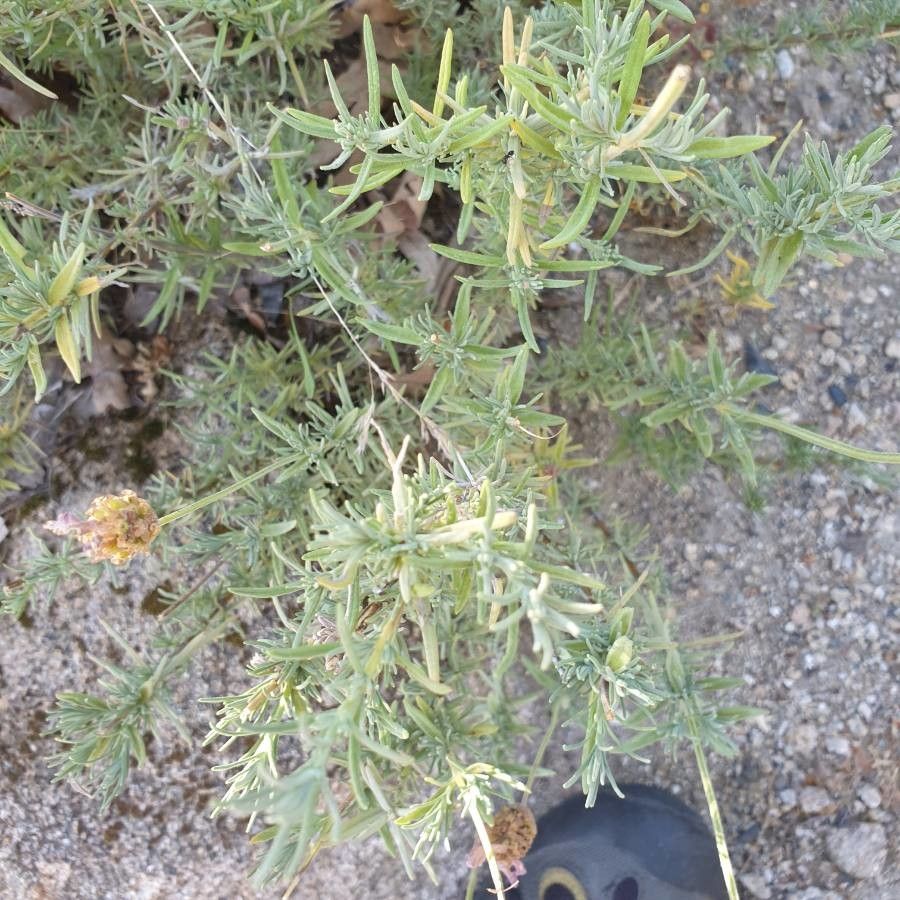
Atriplex rosea, commonly known as the rosy saltbush, is a species of flowering plant in the Amaranthaceae family. It is a small shrub that grows up to 1 meter tall, featuring gray-green leaves covered in fine hairs. The plant produces small, inconspicuous greenish-yellow flowers that bloom from late spring to early summer. Native to Australia, the rosy saltbush thrives in arid regions across the country. It is highly adapted to dry conditions and can tolerate high levels of salinity, making it a valuable species for land reclamation projects. Beyond its ecological significance, Atriplex rosea has been used for medicinal purposes by Indigenous Australians for centuries. Traditionally, the leaves were used to treat coughs and colds, while the seeds were ground into flour or roasted as a food source. In summary, Atriplex rosea is an important plant species with both ecological importance and cultural value.
Tumbling saltweed shows good resistance to disease and is usually not susceptible to illnesses. Nevertheless, it can be affected by pests and diseases present in its environment. These infections are typically not serious. Regarding care, this plant requires moderate maintenance. It should be pruned regularly to preserve a neat appearance and healthy growth. Fertilizing can also encourage flowering. Tumbling saltweed is appropriate for anyone with outdoor space, such as a garden or patio, and does not demand much gardening experience. It may need more attention when grown indoors.
How to keep Atriplex Rosea.
Light
Tumbling saltweed comes from bright, open habitats and does best in full sun. It can tolerate partial sun but favors direct sunlight for optimal growth. This annual or biennial plant is noted for its sun-loving nature.
Water
Tumbling saltweed thrives with consistent hydration but can tolerate occasional dry periods, requiring watering once a week. It adapts well to different humidity levels, which makes it suitable for indoor environments and container gardening. In these settings, maintaining soil moisture is essential.
Temperature
Tumbling saltweed can tolerate a wide range of temperatures, but its range may still be restricted by different mixes of moisture and heat. It does best in warm summer climates when rainfall or supplemental watering is sufficient. Long periods of cloudy, rainy weather, as well as extended high temperatures, increase the chances of Tumbling saltweed dying. In winter, adequate protection from cold can improve the plant’s survival rate.
Fertilizer
Tumbling saltweed does well with regular, light applications of fertilizer to encourage healthy leaf growth. Apply fertilizer to Tumbling saltweed roughly once a month during the summer. Nitrogen is essential for foliage, and adding nitrogen-rich sources helps Tumbling saltweed thrive.
Pruning
Tumbling saltweed is a drought-tolerant plant that benefits from pruning between early and late spring. This encourages healthy new growth and maintains a balanced structure. To promote density and improve air circulation, be sure to trim any weak stems. Regular pruning also helps control the plant's invasiveness. Always use sharp, clean tools to prevent the spread of disease, following best horticultural practices.
Botanical profile.
- Plant Type
- Herb
- Life Cycle
- Annual
- Genus
- Atriplex
- Family
- Amaranthaceae
- Hardiness Zone
- 5-9
- Mature Height
- 1.52 m
- Mature Spread
- 20 cm to 61 cm
- Leaf Color
- Gray, Silver
- Leaf Type
- Semi-evergreen
- Flower Color
- Yellow, Green, Brown
- Flower Size
- 0.51 cm
- Bloom Time
- Mid summer, Late summer, Early fall
- Planting Time
- Spring, Autumn
- Harvest Time
- Early fall, Mid fall
- Native Area
- Libya, Egypt, Turkey, India, Austria, Slovakia, Montenegro, Pakistan, Slovenia, Morocco, Croatia, Belarus, Russia, Germany, Estonia, Romania, Latvia, Portugal, France, Tunisia, Cyprus, Bulgaria, Poland, Greece, Ukraine, Lebanon, Serbia, Lithuania, Syria, Italy, Kazakhstan, Spain, Israel, Albania, Azerbaijan, Algeria, Hungary
Other names.
Reader questions.
What are the sun requirements for Tumbling saltweed?
Tumbling saltweed, known botanically as Atriplex rosea, thrives in environments that offer full sun, defined as receiving above 6 hours of sunlight daily. It can also tolerate partial sun, which means about 3-6 hours of sunlight. However, for optimal growth and health, ensuring it has sufficient access to sunlight is necessary. Observing your garden's sunlight patterns can help determine the best spots for planting, ensuring a balance of light and shade that promotes the well-being of your Tumbling saltweed.
How does artificial lighting support Tumbling saltweed indoors?
When natural sunlight is not enough, especially during winter or in spaces that do not receive ample sunlight, artificial lighting becomes crucial for Tumbling saltweed's growth. LED lights are recommended for their ability to be tailored to provide specific light wavelengths necessary for the plant. For plants that love full sun, 30-50W/sq ft of artificial light is needed. Partial sun plants require 20-30W/sq ft, and full shade plants need 10-20W/sq ft. The light source should be positioned 12-36 inches above the plant, simulating natural sunlight's distance, and it's important to mimic natural daylight hours, with most plants benefiting from 8-12 hours of light per day.
What are the symptoms of inadequate sunlight for Tumbling saltweed?
Tumbling saltweed shows several symptoms when it doesn't receive adequate sunlight. New leaves might appear smaller, and the plant may exhibit leggy or sparse growth due to longer spaces between leaves or stems. It may also experience faster leaf drop, slower or no new growth, and lighter-colored new leaves, signaling a lack of chlorophyll and essential nutrients. Conditions such as chlorosis, where leaves turn yellow, and sunscald, which damages plant tissues, can occur alongside leaf curling, wilting, and leaf scorching from excessive sunlight or inadequate sunlight.
What solutions can address sunlight issues for Tumbling saltweed?
To combat sunlight issues for Tumbling saltweed, consider gradually moving the plant to sunnier locations, ensuring it receives at least 6 hours of direct sunlight daily. This can be achieved by using a south-facing window and keeping curtains open. For large or immobile plants, artificial lighting, such as desk, ceiling lamps, or professional grow lights, for at least 8 hours a day may help. Outdoors, it's crucial to adapt plants to increased sunlight gradually to prevent sunburn. Additionally, reducing obstructions or transplanting smaller plants during their dormant period to spots with ample sunlight and good drainage can significantly improve their exposure to sunlight.