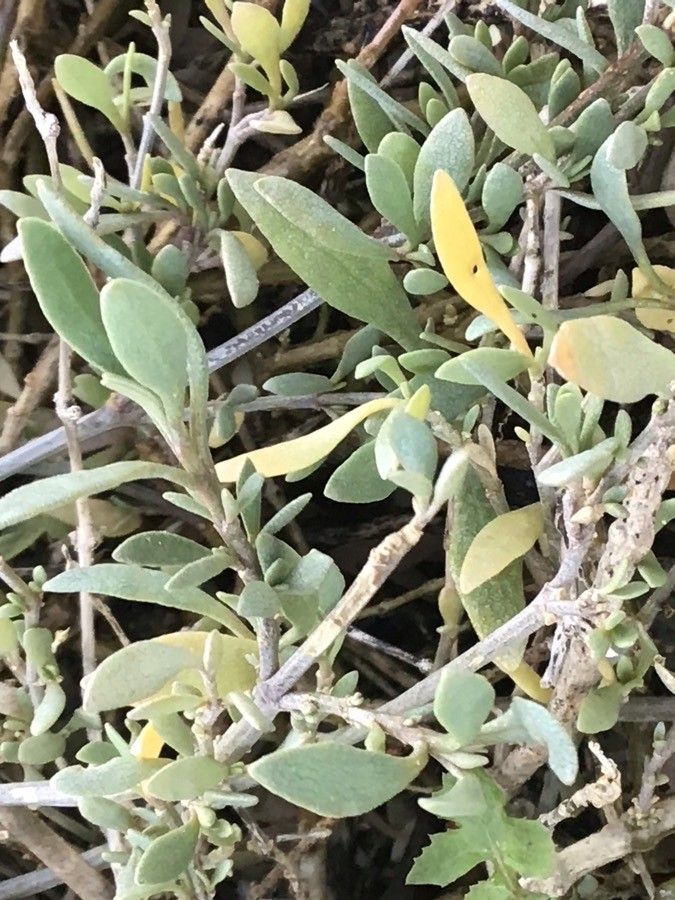
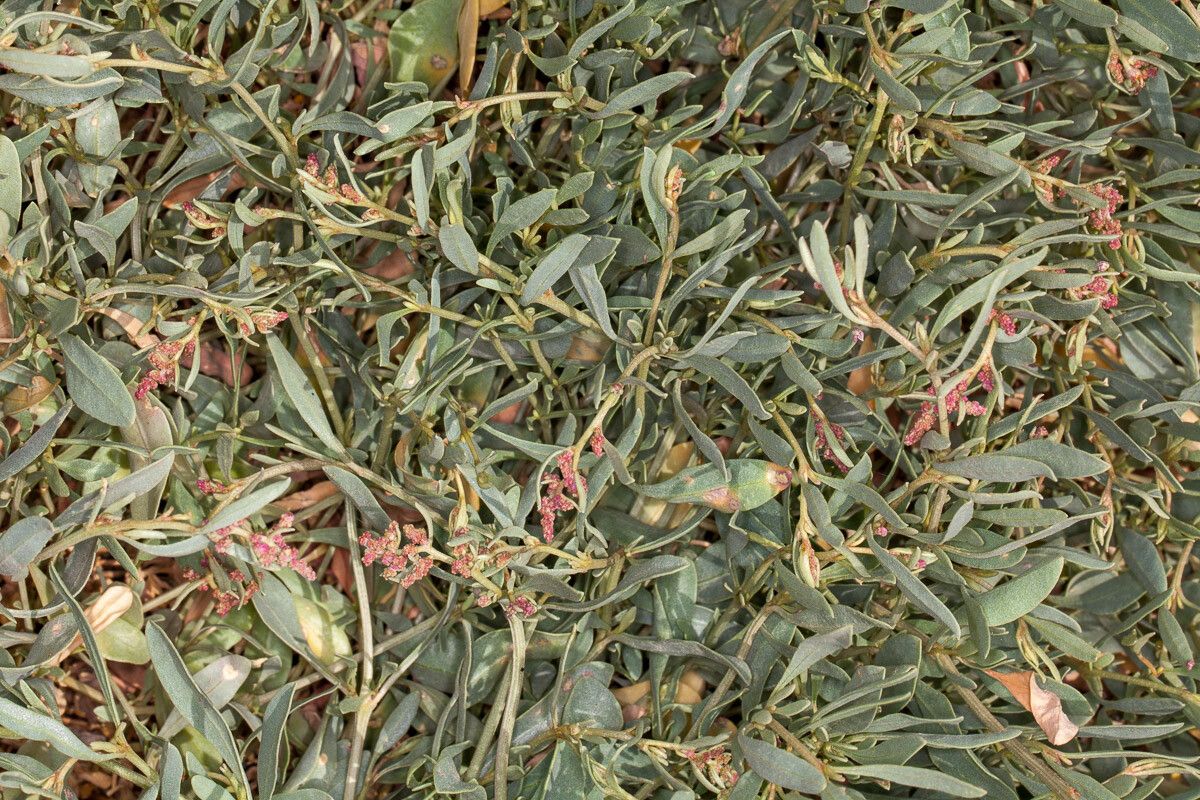
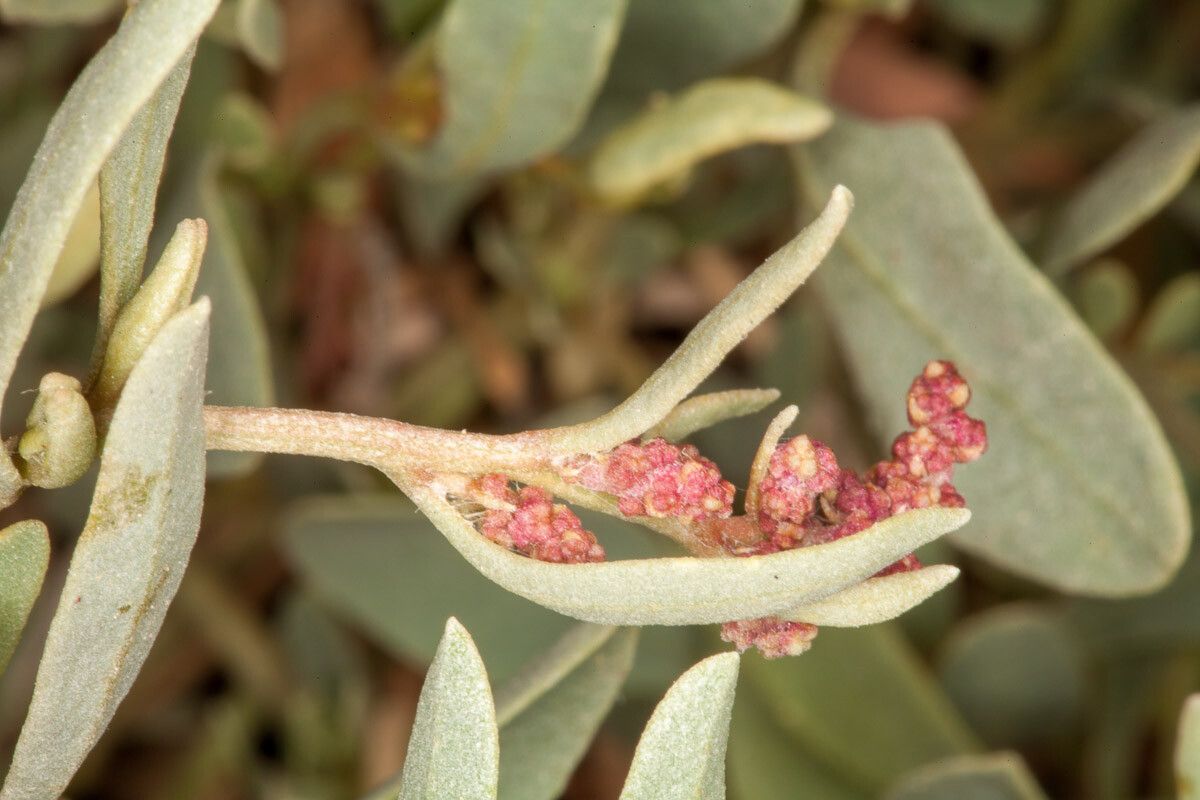
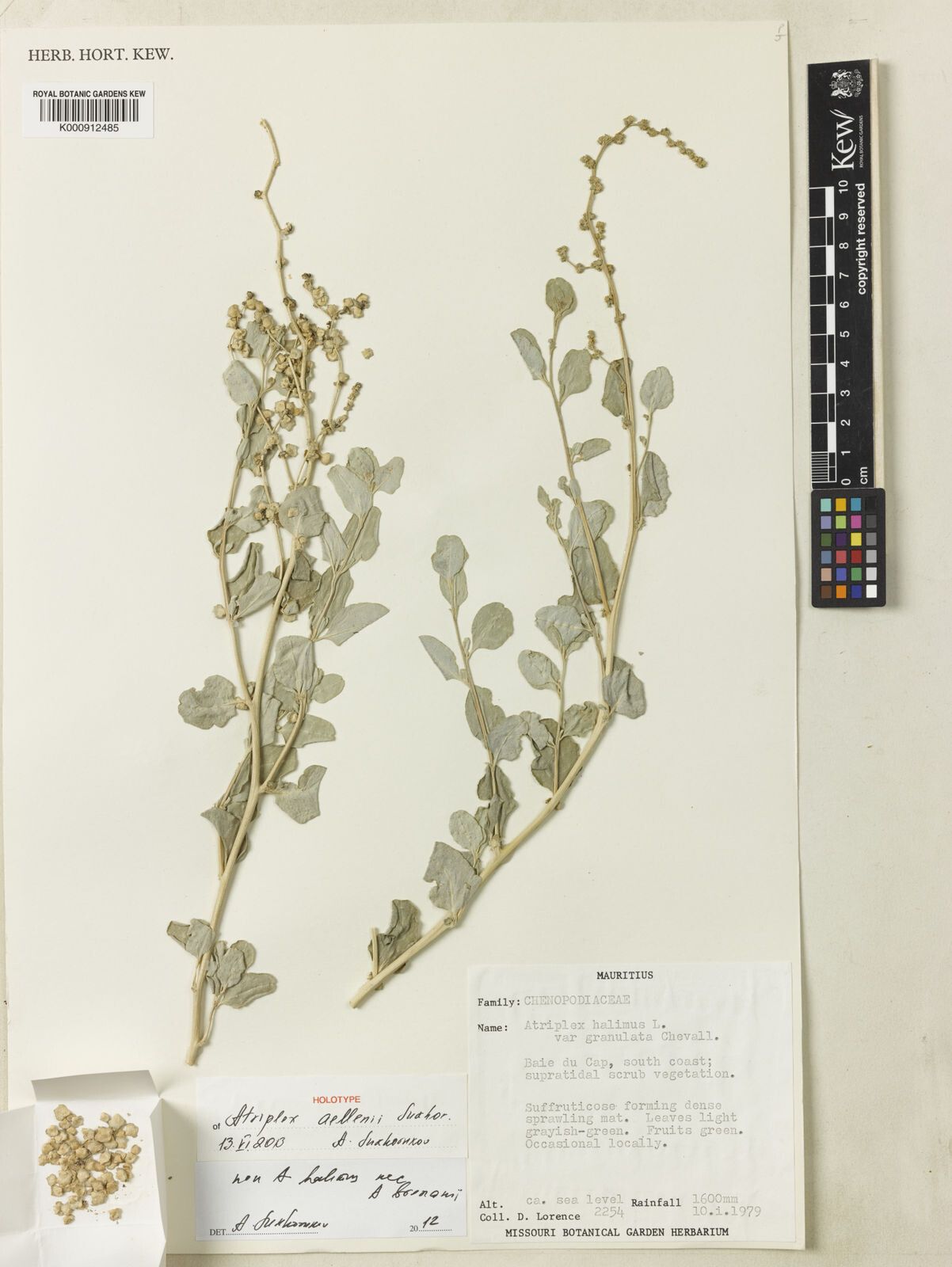
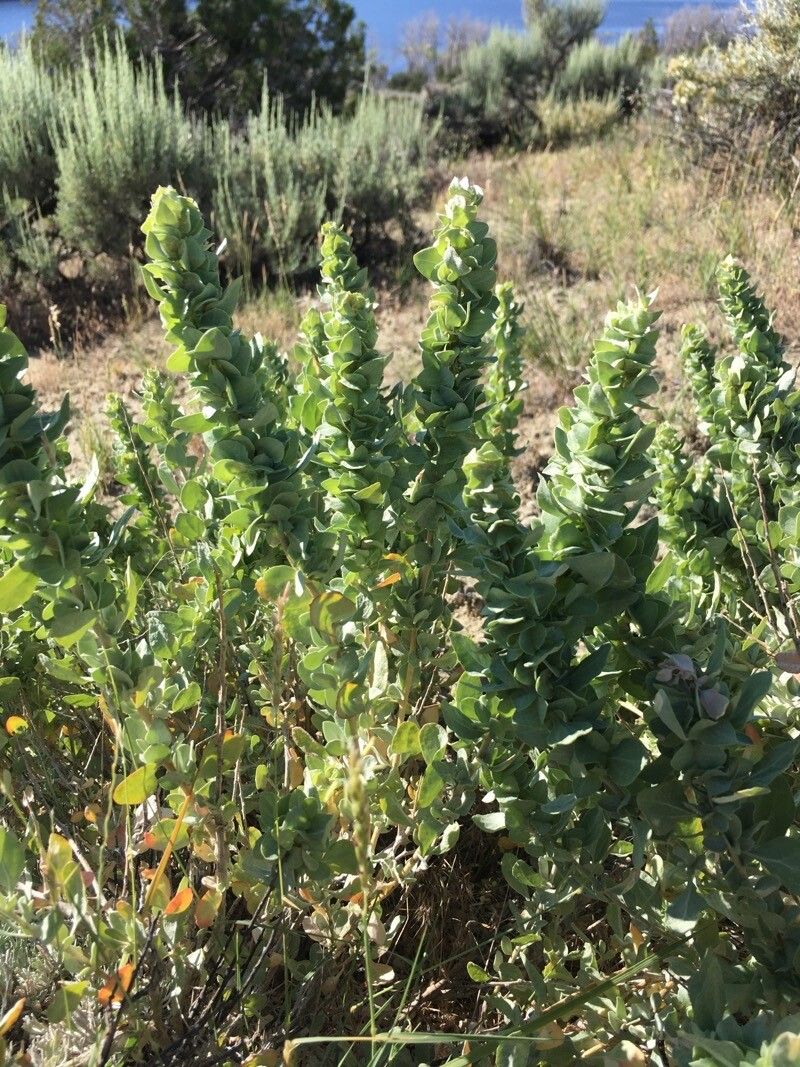
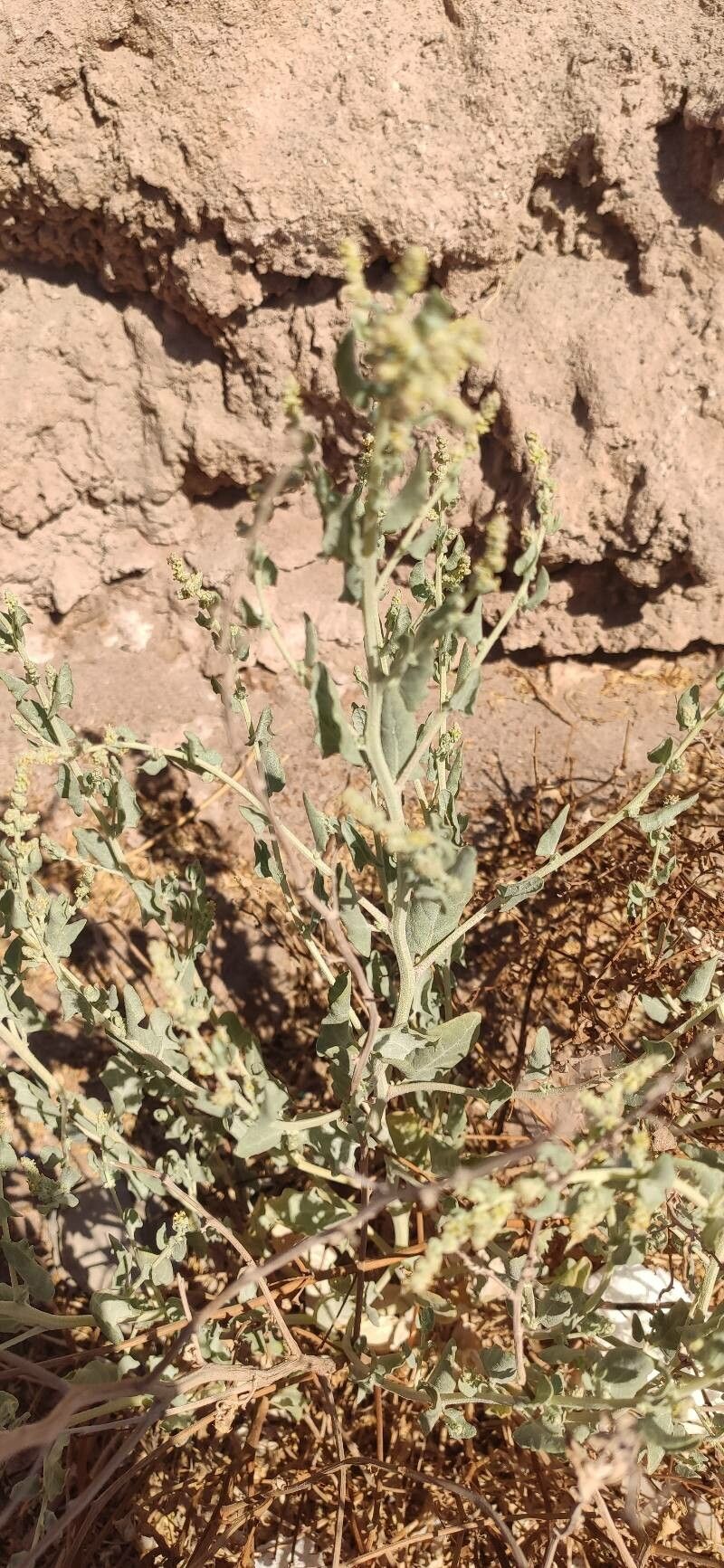
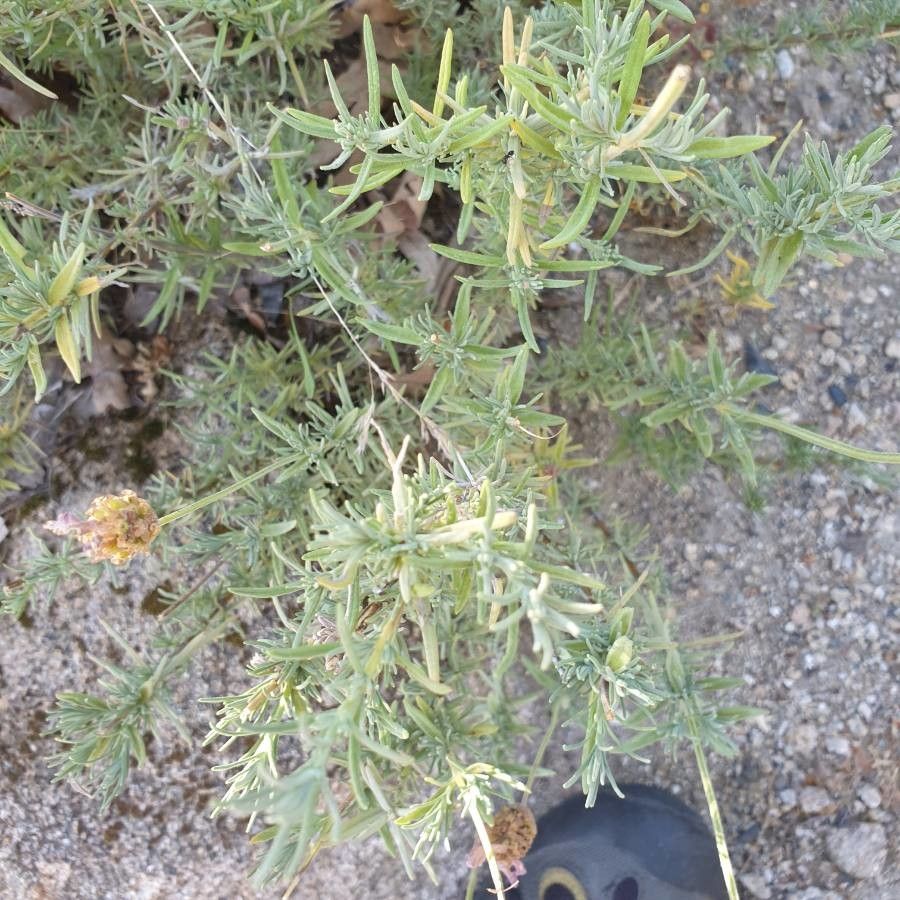
Halimione portulacoides or sea purslane (2n=36) is a shrub found in Eurasia.
Lesser shrubby orach shows good resistance to disease and is generally not susceptible to illnesses. Regarding care, this plant is fairly low-maintenance. When grown outdoors it needs only minimal watering, and larger plants usually do not require pruning. Smaller plants, however, should be pruned after they have finished blooming. Lesser shrubby oracht is suitable for anyone with an outdoor area, such as a garden or deck, and does not require much plant-care experience.
How to keep Atriplex Portulacoides.
Light
Lesser shrubby orach originates in open habitats, like sunny meadows and forest edges, which supply plenty of light. It prospers in Full Sun but can also tolerate Partial Sun, adapting well to a range of sunlight conditions.
Water
The lesser shrubby orach flourishes in environments with brackish water and high soil salinity, demonstrating its ability to withstand drought conditions. It needs only minimal watering every 2 to 3 weeks, which mirrors its natural adaptation to dry periods. When grown outdoors, the lesser shrubby orach effectively takes advantage of rainfall, thus minimizing the need for additional irrigation during its growth stages.
Temperature
The lesser shrubby orach is very adaptable to a range of climate conditions, tolerating both hot summers and cold winters. It does, however, have an ideal temperature range for growth. If temperatures become too high, the plant can experience heat and humidity stress that may kill it. In areas where temperatures approach the lower end of its cold tolerance, insulating measures should be used to protect the plant.
Fertilizer
Fertilize your Lesser shrubby orach in early spring to encourage healthy growth. Regular fertilization improves overall health, leading to vigorous growth, increased tolerance of harsh conditions, and better resistance to diseases and pests. Follow a set fertilization schedule for your Lesser shrubby orach to maintain foliage that is vibrant, deeply colored, and lush in appearance.
Pruning
Lesser shrubby orach is a bushy, salt-tolerant plant that benefits from winter pruning to enhance air circulation and maintain its shape. To promote healthy growth, concentrate on removing dead branches and selectively trimming any overgrown areas. It's important to choose the right time for pruning and to use clean tools to avoid disturbing flowering and to prevent disease.
Botanical profile.
- Plant Type
- Shrub
- Life Cycle
- Perennial
- Genus
- Atriplex
- Family
- Amaranthaceae
- Hardiness Zone
- 6-9
- Mature Height
- 76 cm
- Mature Spread
- 49 cm to 91 cm
- Leaf Color
- Green, Blue
- Leaf Type
- Evergreen
- Flower Color
- Yellow, Green
- Flower Size
- 0.20 cm to 0.25 cm
- Bloom Time
- Mid summer, Late summer, Early fall
- Planting Time
- Spring, Summer, Autumn
- Harvest Time
- Fall
- Native Area
- Libya, Egypt, Turkey, Tunisia, Cyprus, Greece, Morocco, Germany, Italy, Spain, Denmark, Netherlands, Israel, France, Albania, Ireland, United Kingdom, Algeria, Belgium, Portugal
Other names.
Reader questions.
How should I water my Lesser shrubby orach?
Your Lesser shrubby orach is not very particular about how you water it. You can use any common watering tool to wet the soil, like watering cans, hoses, or even cups. Regardless of the tool you use, it's important to water directly onto the soil. Make sure to evenly moisten all areas of the soil to provide water to the entire root system. Using filtered water is helpful as tap water may have harmful particles for the plant. Additionally, try to use water that is at or slightly above room temperature, as extremely hot or cold water can be a bit of a shock for the Lesser shrubby orach. However, this plant typically responds well to any type of water you give it.
Why is it necessary to fertilize my Lesser shrubby orach?
No matter what type of Lesser shrubby orach you have, regular fertilization is key to ensuring your plant's overall health. Providing the right nutrients will promote stronger growth and enhance its ability to withstand challenging conditions, as well as resist diseases and pests. Since the foliage of your Lesser shrubby orach is its most appealing feature, it is important to maintain it. This involves following a consistent fertilization schedule tailored to your plant, which will result in vibrant, lush leaves with deep color.
What are the sunlight requirements for Lesser shrubby orach?
Lesser shrubby orach, known botanically as Atriplex portulacoides, thrives in environments that provide full sun, necessitating more than 6 hours of sunlight daily. It can also adapt to partial sun conditions, with about 3-6 hours of sunlight. This adaptability allows it to flourish in both sunny meadows and forest edges. However, it is crucial to monitor the movement of sunlight through your garden carefully to ensure that the plants receive the ideal balance of light and shade, maintaining their health and happiness.
What should I do if I give too much or too little water to my Lesser shrubby orach?
Outdoor plants, especially newly planted ones or seedlings, are prone to lack of watering. To ensure their survival, make sure to water them adequately for the first few months. Once the roots are established, they can rely on rainfall most of the time. However, when Lesser shrubby orach is planted in pots, overwatering becomes more likely. If you accidentally overwater your Lesser shrubby orach, take immediate action to resolve the issue. First, stop watering the plant to minimize the impact of overwatering. Then, remove the plant from its pot to inspect the roots. If there is no sign of root rot, you can return the plant to its container. But if you notice root rot, trim away the affected roots and consider using fungicide to prevent further damage. Finally, repot the Lesser shrubby orach in well-draining soil. On the other hand, if you underwater the Lesser shrubby orach, its leaves may droop, dry out, and fall off. To fix this issue, water the plant more regularly. When you notice signs of underwatering, adjust your watering frequency without delay.
When should I fertilize my Lesser shrubby orach?
To ensure healthy growth, it is recommended to fertilize your Lesser shrubby orach in late winter or early spring. This gives the plant the necessary nutrients to thrive when the weather becomes warmer. If you live in a warm climate region, it is also helpful to provide another round of fertilizer in early fall. This not only supplements the soil with nutrients for the upcoming growing season, but also strengthens the plants to withstand winter without foliage damage. Fertilizing earlier in the season will allow new branches to grow sufficiently and endure the cold winter conditions.
How can artificial lighting support the growth of indoor Lesser shrubby orach plants?
When natural sunlight is insufficient for indoor Lesser shrubby orach plants, especially during winter or in less sunny spaces, artificial lighting can serve as an essential growth aid. Adequate artificial lighting can stimulate faster and healthier plant growth. LED lights, in particular, are recommended because they can be tailored to provide specific light wavelengths needed by plants. Full sun plants require 30-50W/sq ft of artificial light, partial sun plants need 20-30W/sq ft, and full shade plants need 10-20W/sq ft. The proper placement of the light source should be 12-36 inches above the plant to simulate natural sunlight as closely as possible, and the duration should mimic the plant's natural daylight hours, usually between 8-12 hours per day.
How frequently should I water my Lesser shrubby orach?
To properly care for outdoor plants, you typically rely on rainfall. However, if your area doesn't get enough rainfall, you'll need to water your plants every 2 weeks during the spring and fall. In the summer, you'll need to water more frequently. During the slower growth period in winter, you can water less often or even skip watering altogether. If your Lesser shrubby orach is young or newly planted, you'll need to water it more often to help it establish and grow. As it matures, it will become more adaptable and drought-tolerant. For potted Lesser shrubby orach, there are two ways to determine watering frequency. One way is to follow a predetermined watering schedule, such as once a week or once every other week. However, this approach may not account for the specific conditions of your plant's environment. Another option is to base watering frequency on the moisture level of the soil. Generally, it's best to wait until the top two to four inches of soil (about ⅓ to ½ depth of the pots) have completely dried out before watering again. This method allows you to adjust watering based on the season and the plant's water needs.
When is it not a good idea to add fertilizer to my Lesser shrubby orach?
There are a few specific times when you should avoid fertilizing your Lesser shrubby orach. One is during the early and mid-winter months when the plant is dormant and does not require feeding. Another time to avoid fertilizing is during late spring and summer. During this period, the weather is usually hotter and drier, which can have a negative impact on the plant if fertilized. To prevent any issues, it is best to stick to a fertilization schedule that only includes feeding in the early spring and early fall.
What are the common symptoms of light deficiency in Lesser shrubby orach?
When Lesser shrubby orach does not receive adequate light, it may exhibit several symptoms indicative of light deficiency. These include the development of smaller-than-usual new leaves, leggy or sparse growth, early shedding of older leaves, slowed or halted growth, and paler new leaves. Additionally, excessive sunlight can lead to chlorosis (leaves turning yellow due to chlorophyll breakdown), sunscald (damage from intense sunlight exposure), leaf curling (a defense mechanism to minimize water loss), wilting (loss of turgor pressure), and leaf scorching (brown, dry, crispy leaf edges). These symptoms highlight the plant's need for an optimum balance of light.
How much water does my Lesser shrubby orach plant need?
When watering your Lesser shrubby orach, remember that it doesn't always require a large amount of water. Instead, if only a few inches of soil have dried since the last watering, give it about five to ten ounces of water each time. You can also determine how much water to provide based on the moisture levels in the soil. Keep track of how many inches of soil have dried out between waterings. To ensure your Lesser shrubby orach gets enough moisture, water it until all the dry soil layers from the previous watering are moistened. If over half of the soil has dried out, consider giving more water. In such cases, continue watering until excess water drains from the pot's drainage holes. If your Lesser shrubby orach is planted in an outdoor area that receives sufficient rain, additional watering may not be necessary. When the plant is young or establishing, make sure it receives 1-2 inches of rain per week. As it grows and becomes more established, it can rely solely on rainwater. Only if the weather is hot and there has been no rainfall for 2-3 weeks should you consider giving a full watering to prevent stress to the plant.
What kind of fertilizer does my Lesser shrubby orach plant need?
A Lesser shrubby orach mostly relies on nitrogen as the most important nutrient, but phosphorus and potassium are also essential. It is beneficial to provide a balanced fertilizer like a 10-10-10, as Lesser shrubby orach requires a good amount of all three nutrients. However, a more refined nutrient ratio with slightly higher nitrogen content, like 10-6-4, often promotes optimal growth. Both granular and liquid-based fertilizers can be used for fertilizing.
What solutions can address light-related issues in Lesser shrubby orach?
To mitigate light-related issues in Lesser shrubby orach, different strategies can be employed based on the plant's location. For indoor plants, gradually moving them to sunnier spots each week until they receive at least 6 hours of direct sunlight daily is effective, supplemented by using artificial light sources like desk or ceiling lamps for at least 8 hours a day. Outdoors, similarly, plants should be moved progressively to sunnier locations to prevent sunburn from abrupt exposure changes. If physical obstructions like trees block sunlight, consider pruning to improve light filtration. For smaller plants, transplanting during the dormant period to a sunnier location with good drainage can be beneficial. It's important to note that parts of the plant already affected by insufficient sunlight might not recover, but new growth following these adjustments should be healthy.