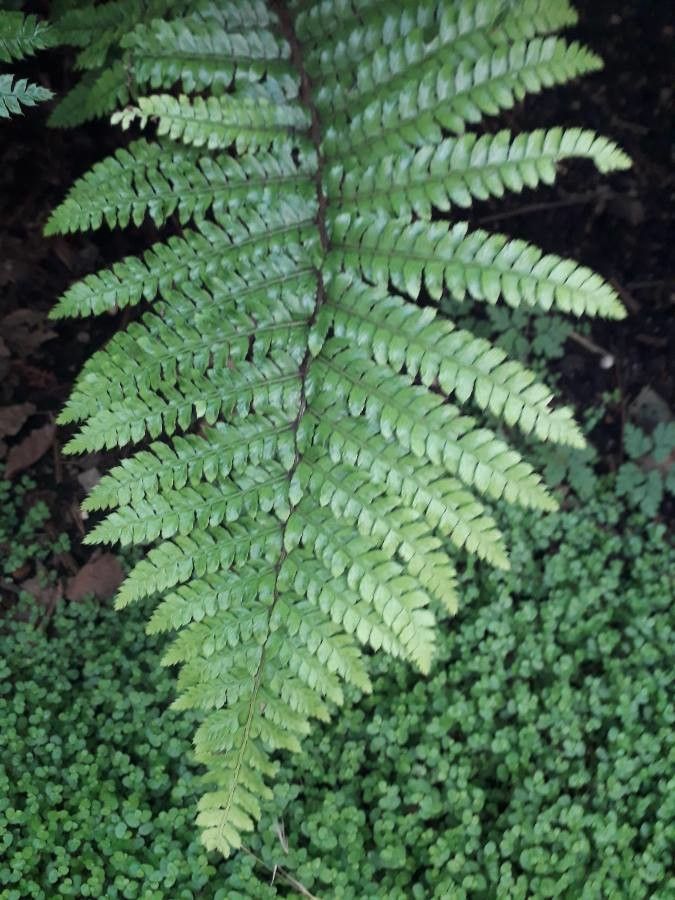
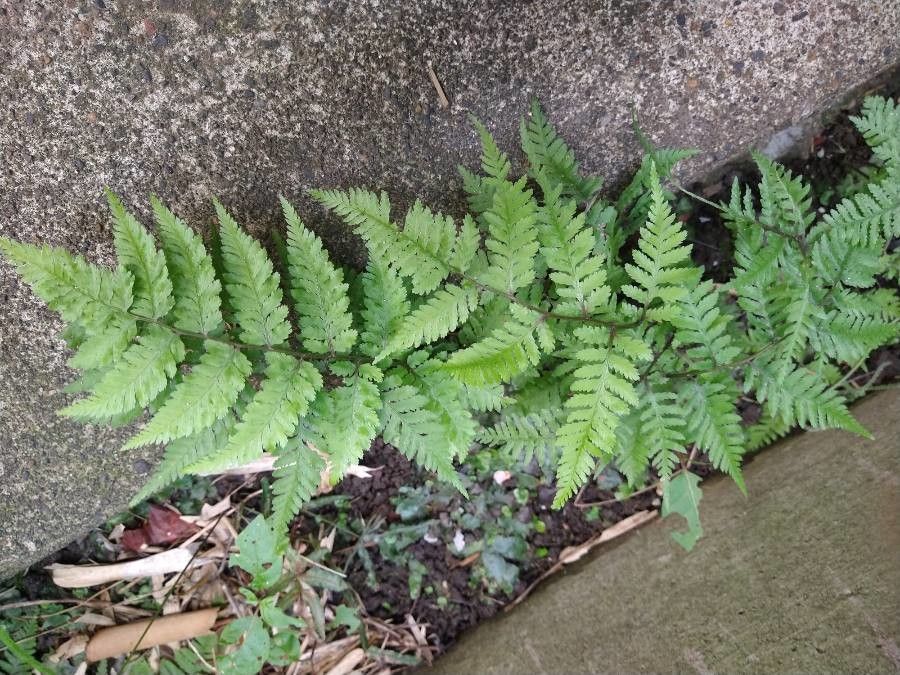
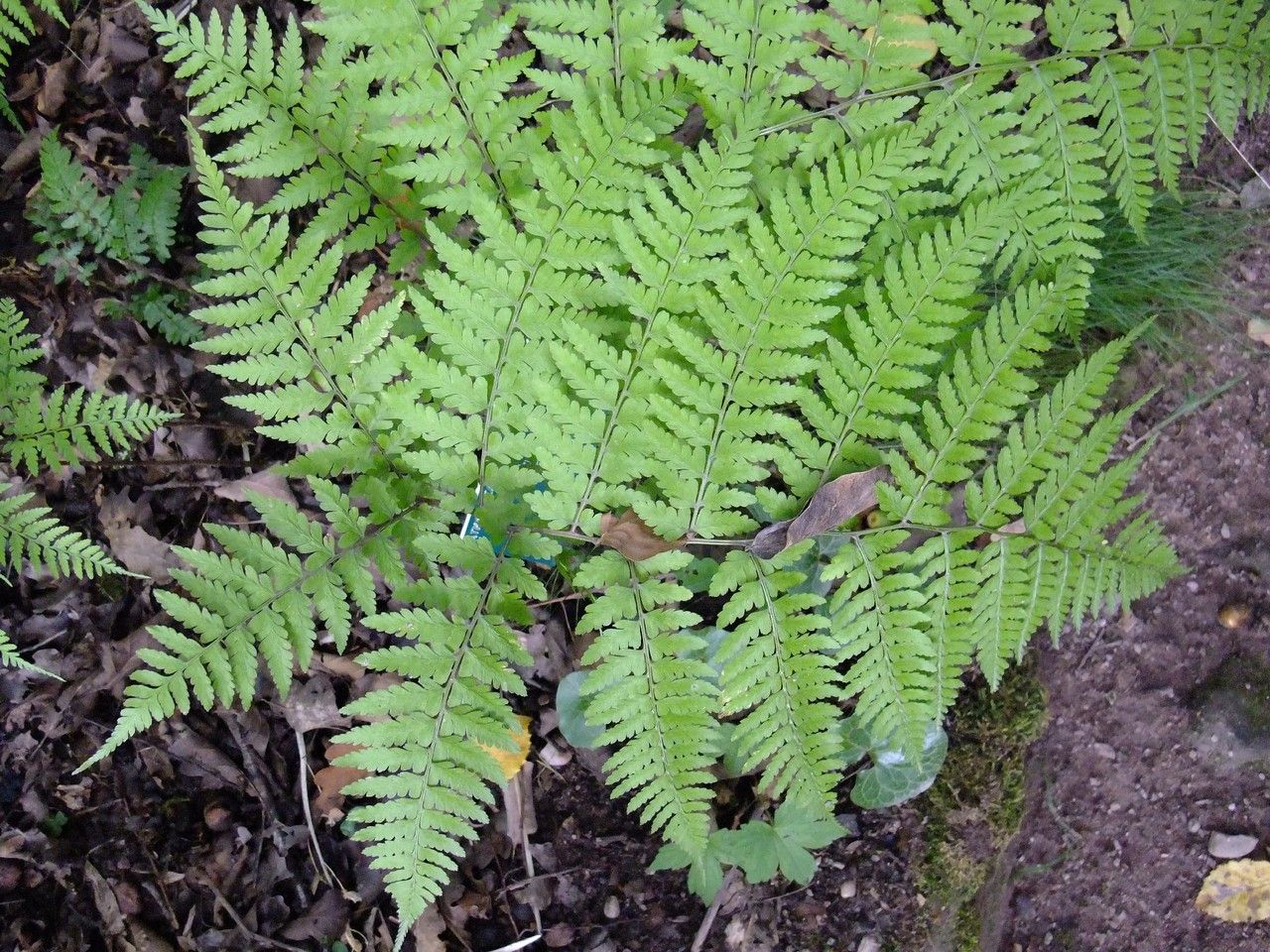
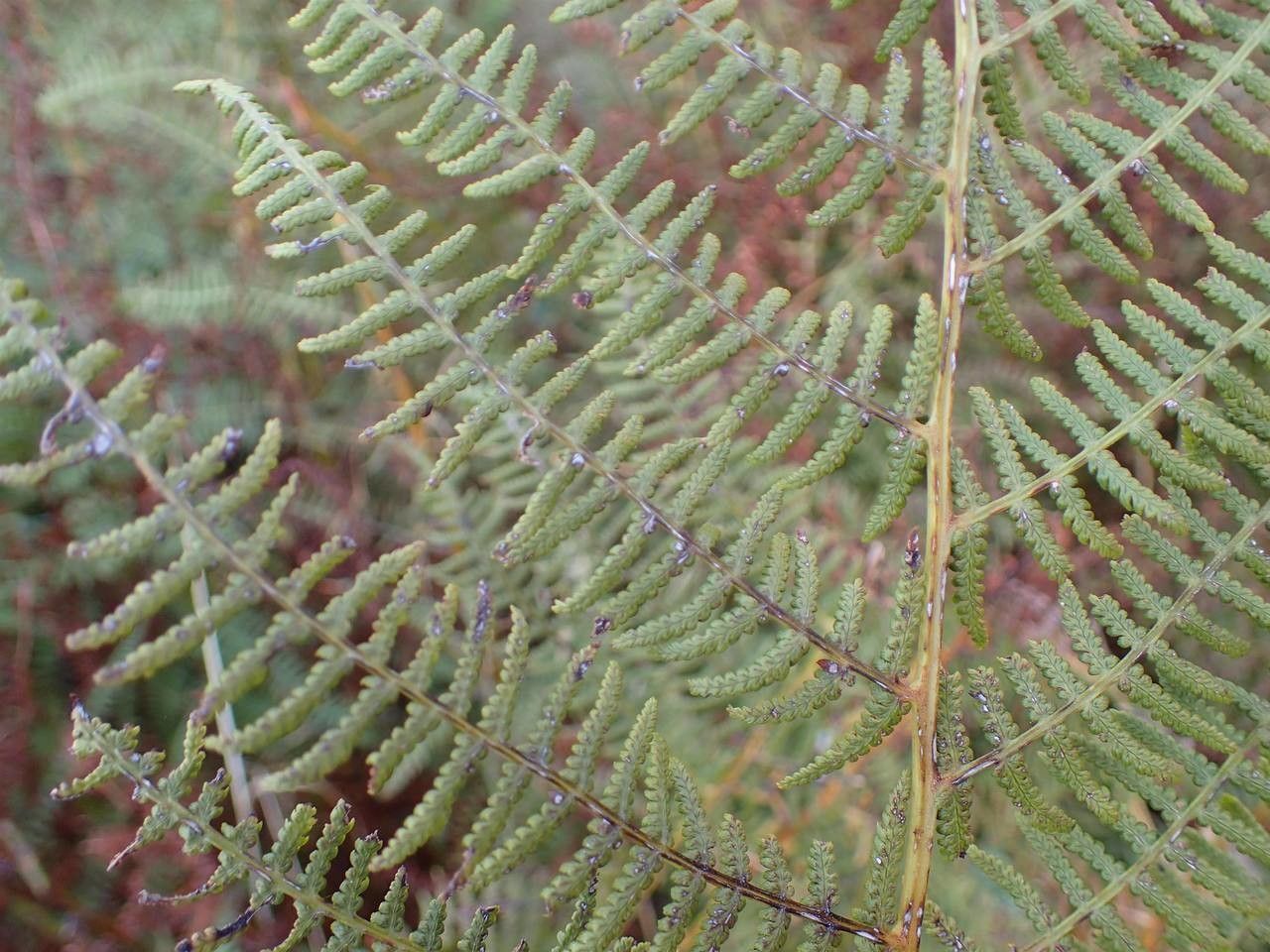
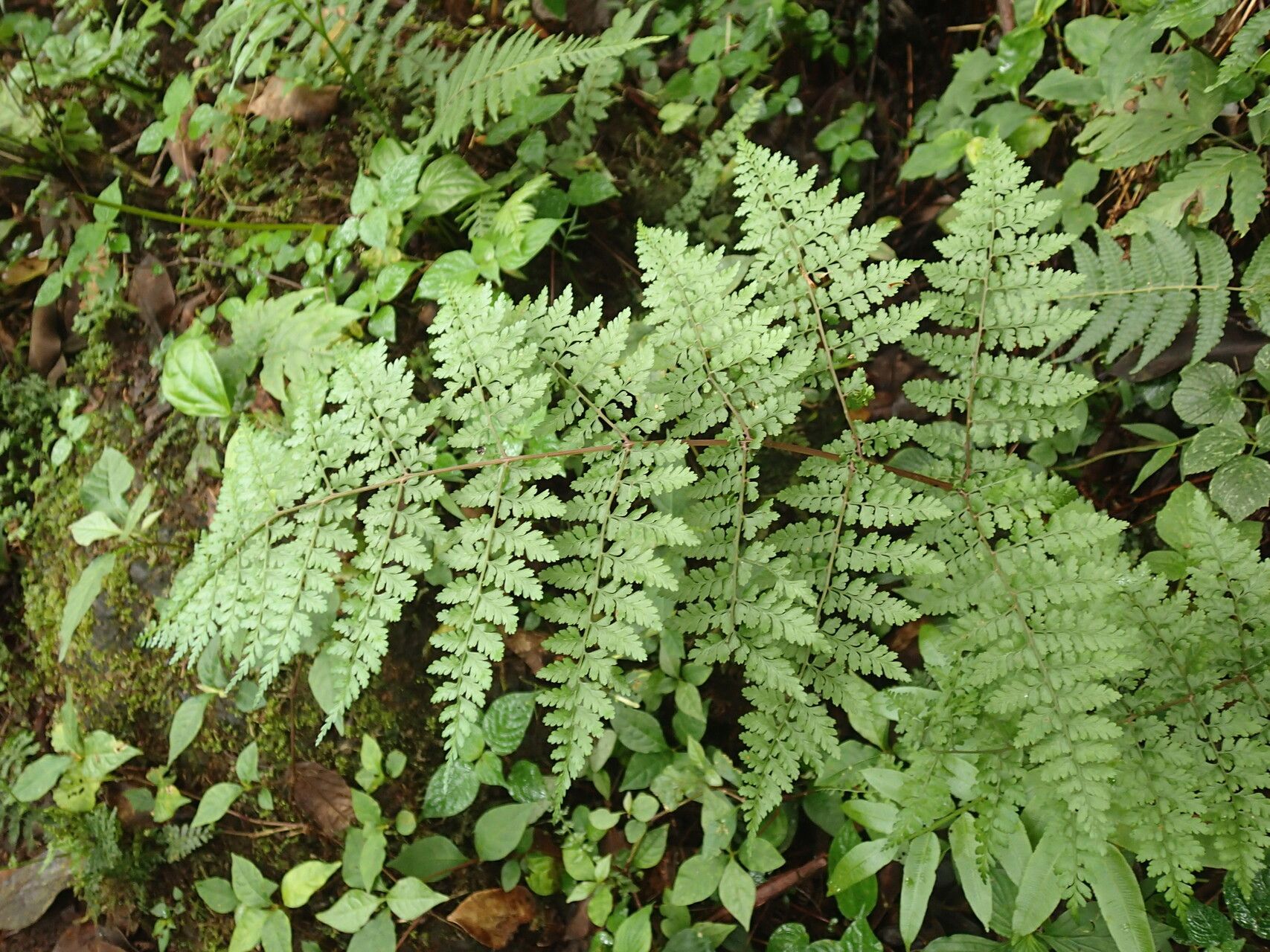
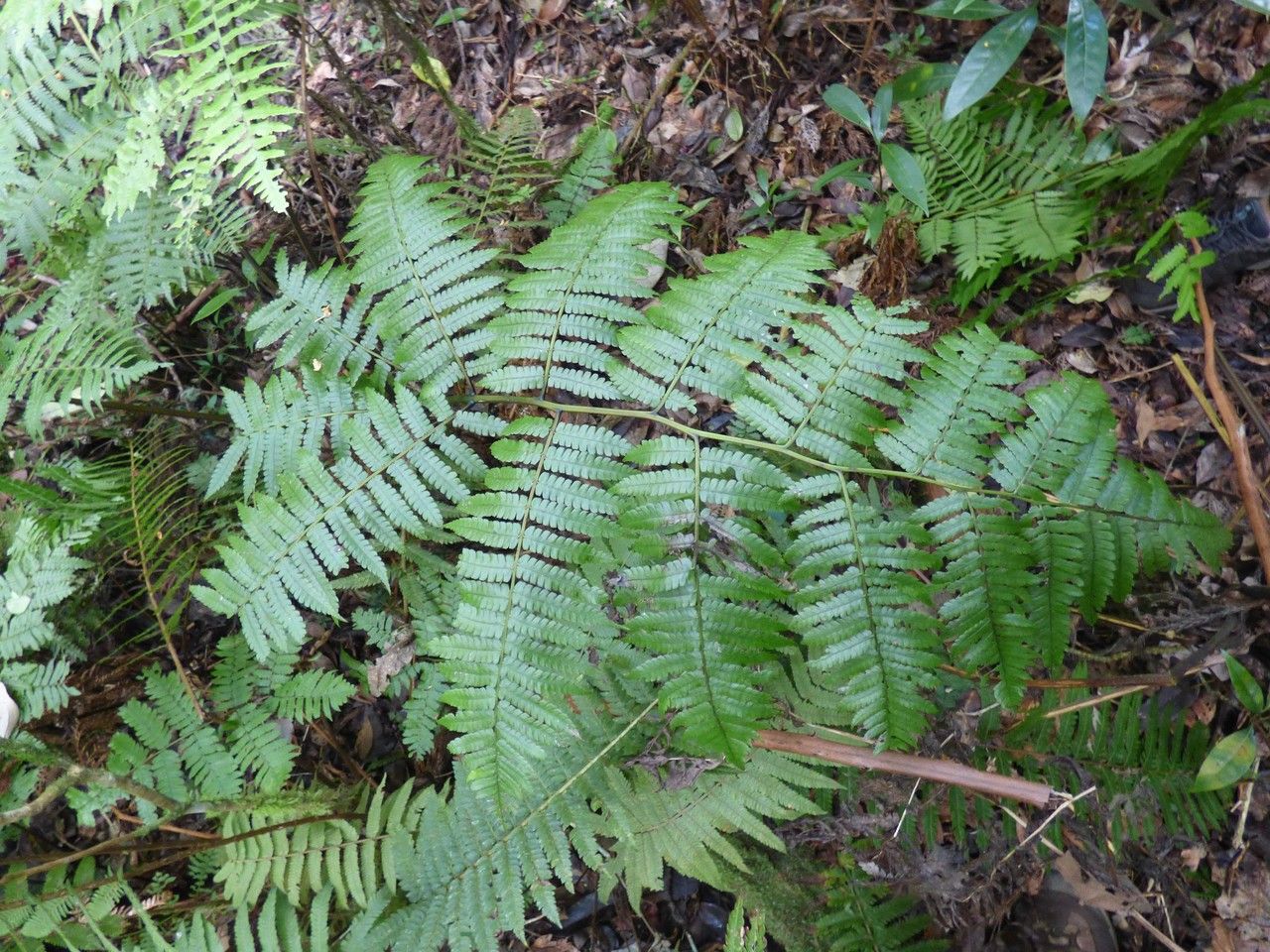
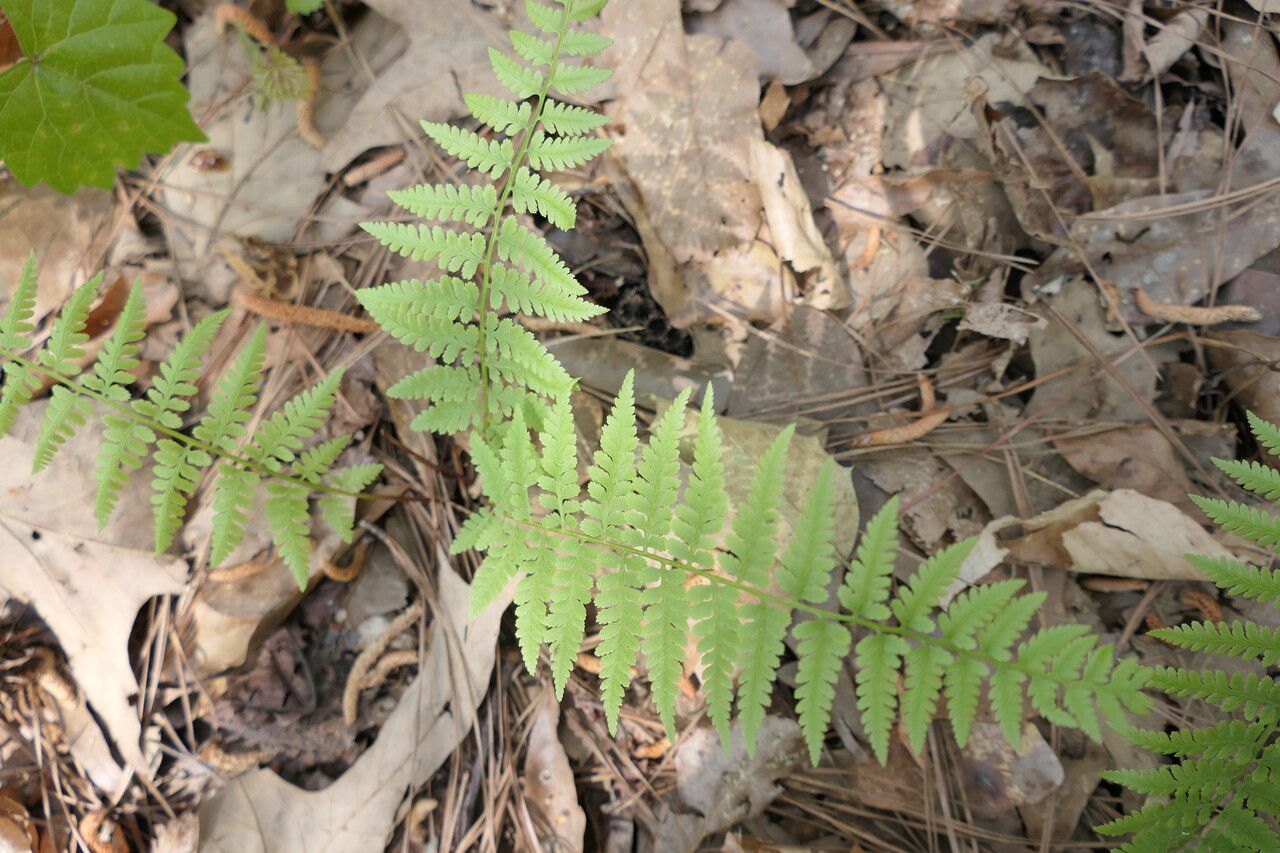
Lady fern typically shows strong disease resistance and faces relatively few insect pests. Its care is regarded as challenging because it needs a consistently moist environment and frequent watering. At the same time, if the roots are overwatered and the surroundings lack good ventilation, they are susceptible to rot. Lady fern is appropriate for people with some gardening experience, since many can keep it alive for a limited time. Nevertheless, it can struggle to thrive and its fronds may dry out and become less healthy over time.
How to keep Athyrium Vidalii.
Light
Lady fern does best in places with partly diffused light, though it can still grow in largely shaded locations. It comes from habitats where light is not direct but softly filtered. Excessive exposure can injure the plant, while subdued lighting does not hinder its growth.
Water
Lady fern flourishes in damp, shaded woodland settings, where it requires consistent moisture. To mimic its natural habitat, it should be watered twice a week. When grown indoors as an ornamental plant, it needs sufficient hydration during the growing season to ensure optimal foliage development, though it can tolerate brief periods of dryness.
Temperature
Lady fern grows best in dense forest undergrowth. It is very sensitive to temperature and moisture, and high heat, dry conditions, and strong sunlight can all stress the plant. In summer it needs adequate shade and a humid, moisture-rich environment. Generally, Lady fern requires no special care in winter, but an extended winter drought can still kill the plant.
Pruning
The lady fern is a deciduous plant known for its feathery fronds. To promote healthy new growth, early spring is the best time to prune. Remove any dead fronds by cutting them back to the base, taking care to avoid damaging any new shoots. This process improves air circulation, reduces the risk of fungal problems, and enhances both the appearance and vitality of the lady fern.
Botanical profile.
- Plant Type
- Fern
- Life Cycle
- Perennial
- Genus
- Athyrium
- Family
- Aspleniaceae
- Hardiness Zone
- 5-8
- Mature Height
- 46 cm to 76 cm
- Mature Spread
- 76 cm
- Leaf Color
- Green, Yellow, Red
- Leaf Type
- Deciduous
- Planting Time
- Spring, Summer
- Native Area
- Russia, Vietnam, Japan, South Korea, China
Other names.
Reader questions.
What are the sunlight requirements for Lady fern?
Lady fern requires specific sunlight conditions to thrive. It needs about 3-6 hours of direct sunlight daily, classifying it under partial sun. However, it can also grow in full shade, which means receiving less than 3 hours of sunlight a day. It's crucial to observe how sunlight moves through your garden to find spots that provide a balance of light and shade to ensure the plant's well-being.
What essentials should be considered for growing Lady fern indoors?
When cultivating Lady fern indoors, it's vital to simulate its natural lighting conditions, which are semi-illuminated yet can endure significant shadow. Direct sunlight can be harmful, but a moderate amount won't impede its growth. Artificial lighting becomes essential if natural light is insufficient, especially during winter or in darker spaces. LED lights are recommended, being energy-efficient and able to offer a spectrum tailored to the plant's needs. Depending on the plant's sunlight requirement (full sun, partial sun, or full shade), the artificial light's wattage and placement should be adjusted accordingly, ensuring 8-12 hours of light daily to mimic natural daylight hours.
What are important symptoms of light deficiency in Lady fern?
Light deficiency in Lady fern can lead to several recognizable symptoms. New leaves might grow smaller, suggesting inadequate light. The plant may exhibit leggy or sparse growth, making it appear thin and possibly leading to breakage. Early leaf drop is another symptom, as the plant sheds older foliage to conserve energy for new growth. A halt in growth can occur, showing the plant is in survival mode due to poor lighting conditions. Additionally, lighter-colored new leaves or chlorosis can indicate a serious need for more light. Excessive sunlight might cause symptoms like sunscald, leaf curling, wilting, leaf scorching, and chlorosis, indicating the plant's struggle with overexposure.
How can I address light-related issues for my indoor and outdoor Lady fern plants?
To optimize Lady fern's growth in light-related conditions, progressively expose it to sunnier spots each week until it reaches the recommended 3-6 hours of sunlight for gradual adaptation. For indoor plants that are large or immobile, using artificial lighting such as desk lamps or professional grow lights for at least 8 hours daily can provide the necessary light. Outdoor plants should also be gradually moved to brighter areas, avoiding abrupt changes to prevent sunburn. For plants grounded outdoors, reducing obstructions like pruning trees can help increase sunlight exposure. If necessary, transplanting smaller plants during their dormant period to a well-lit location with good drainage can enhance their growth by providing adequate sunlight.