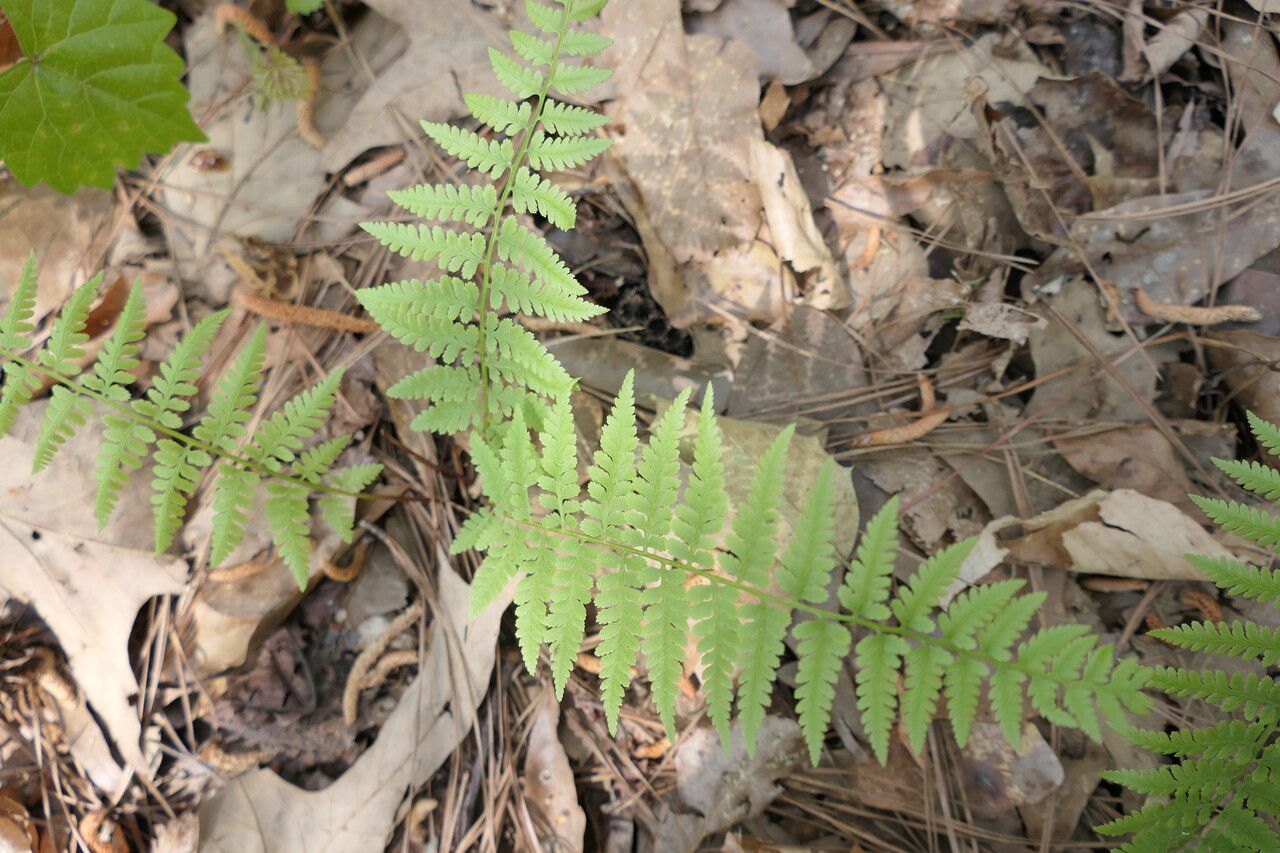
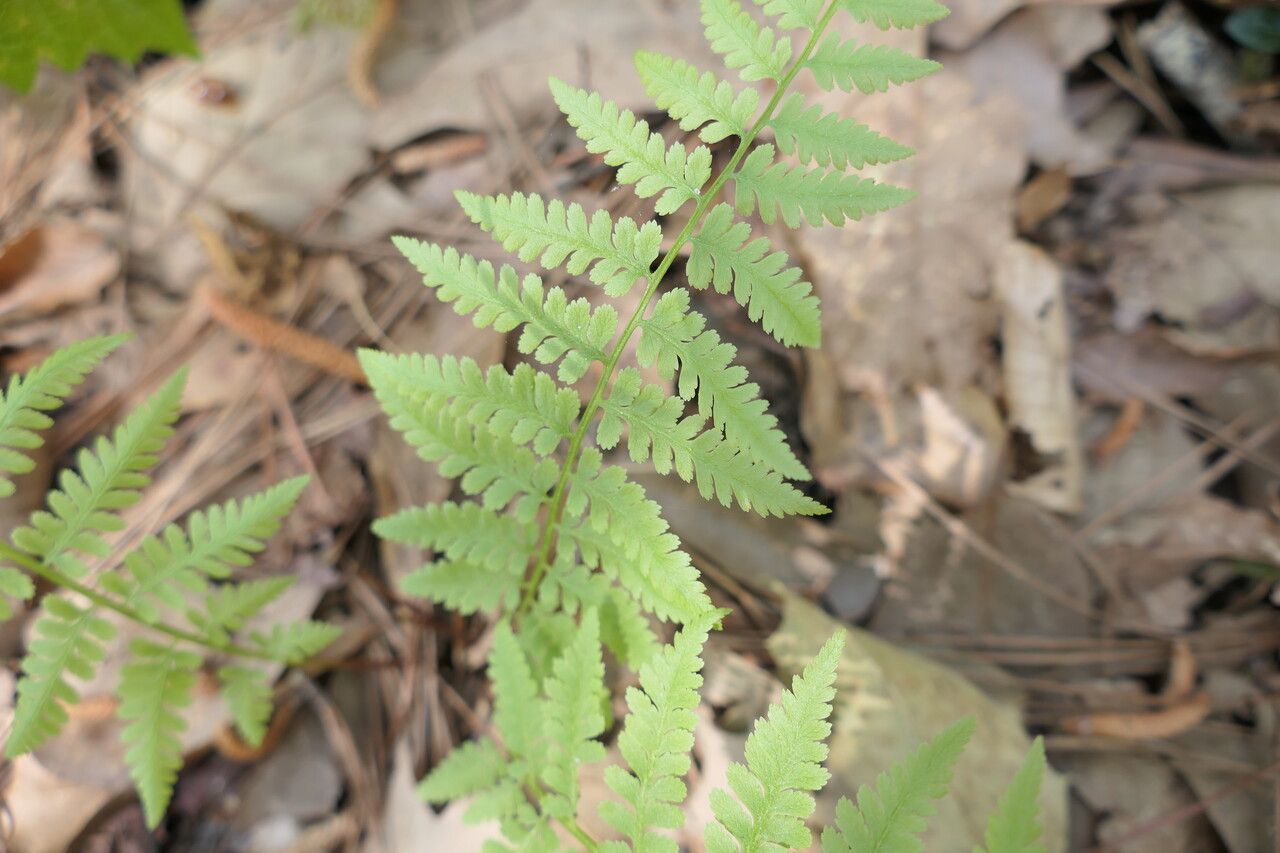
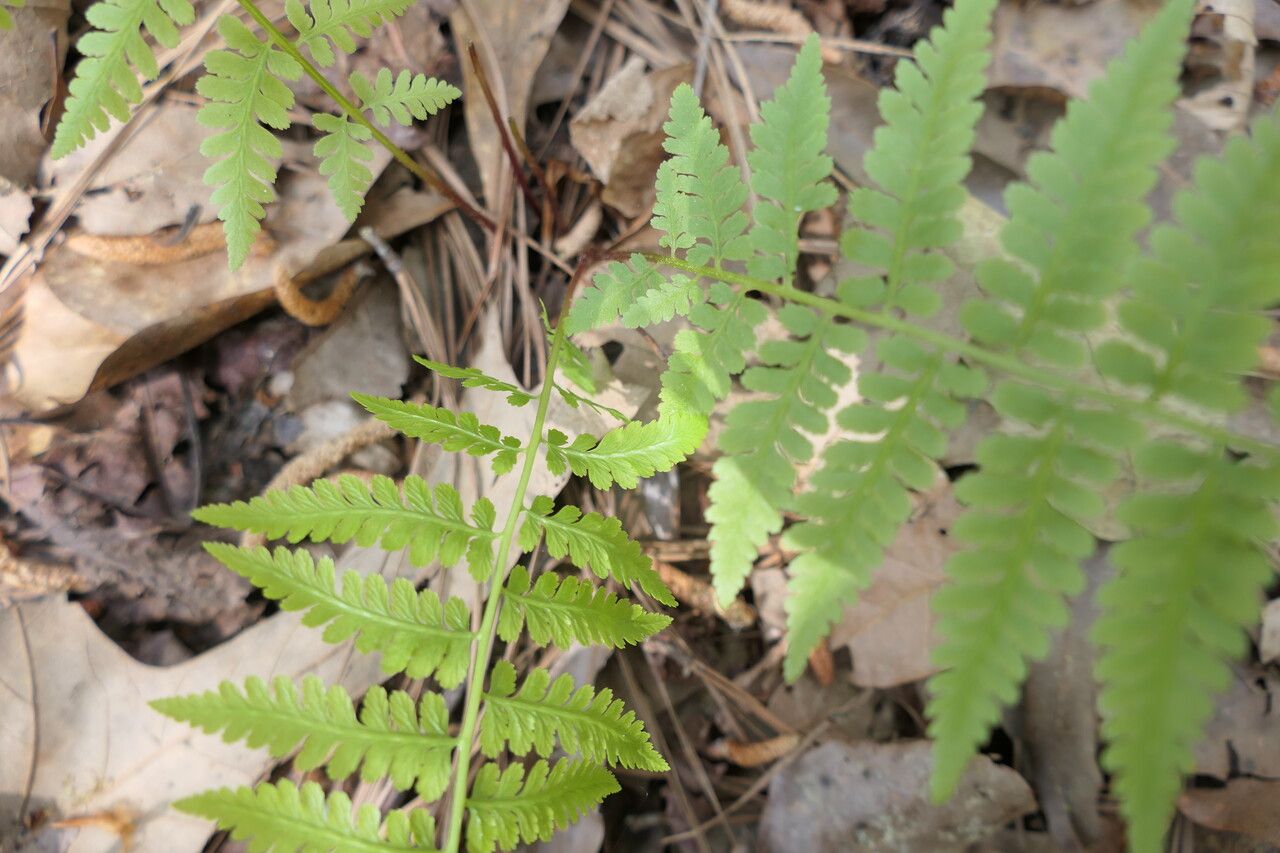
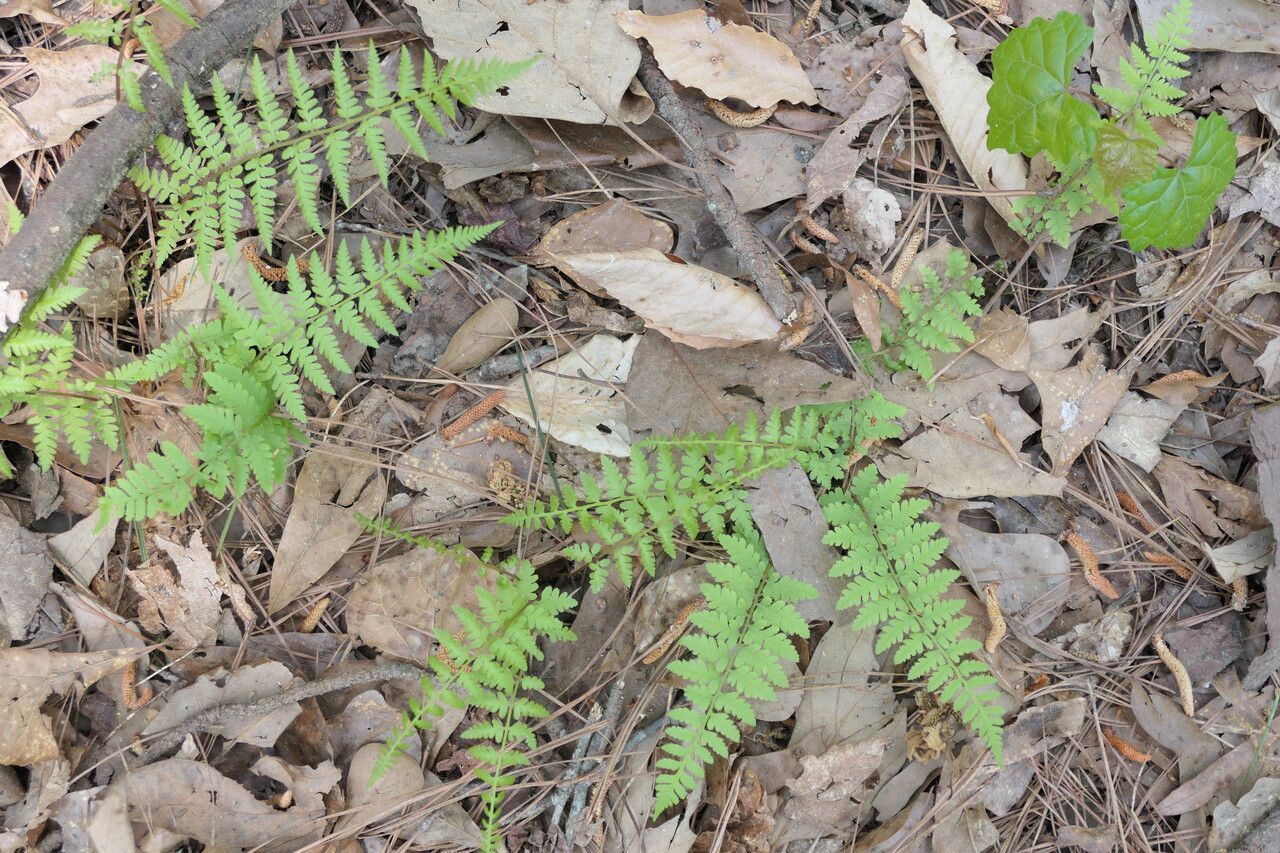
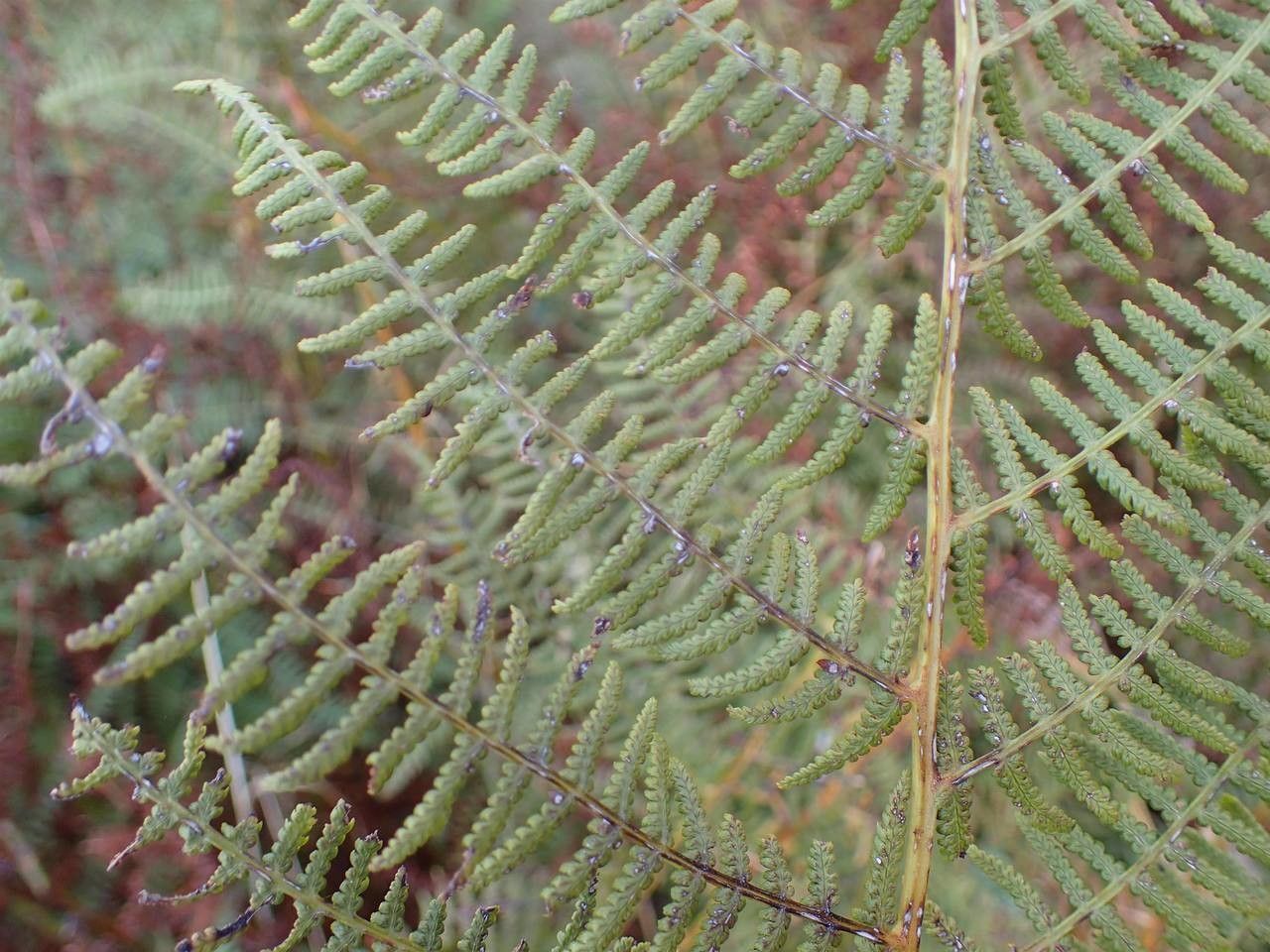
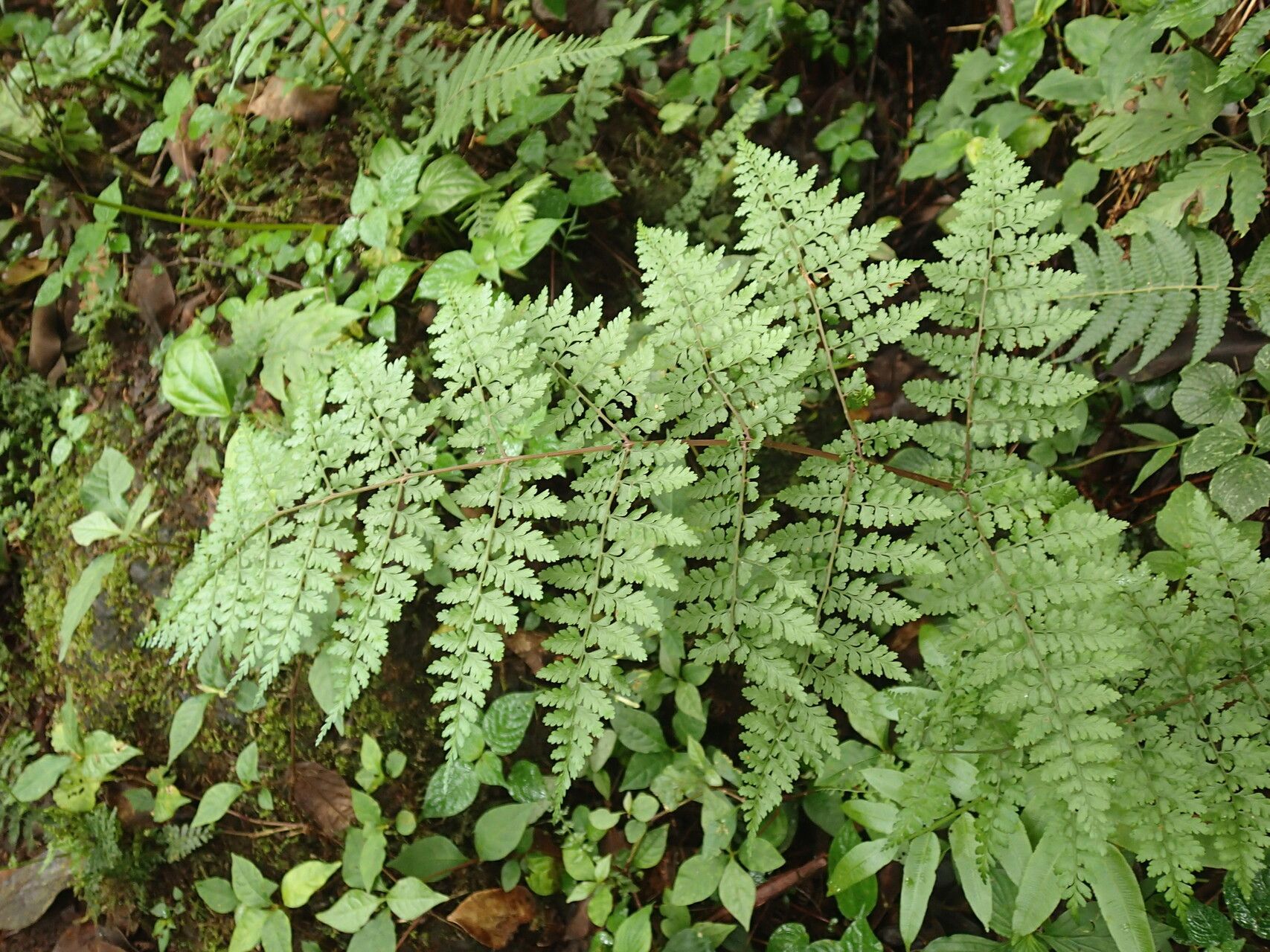
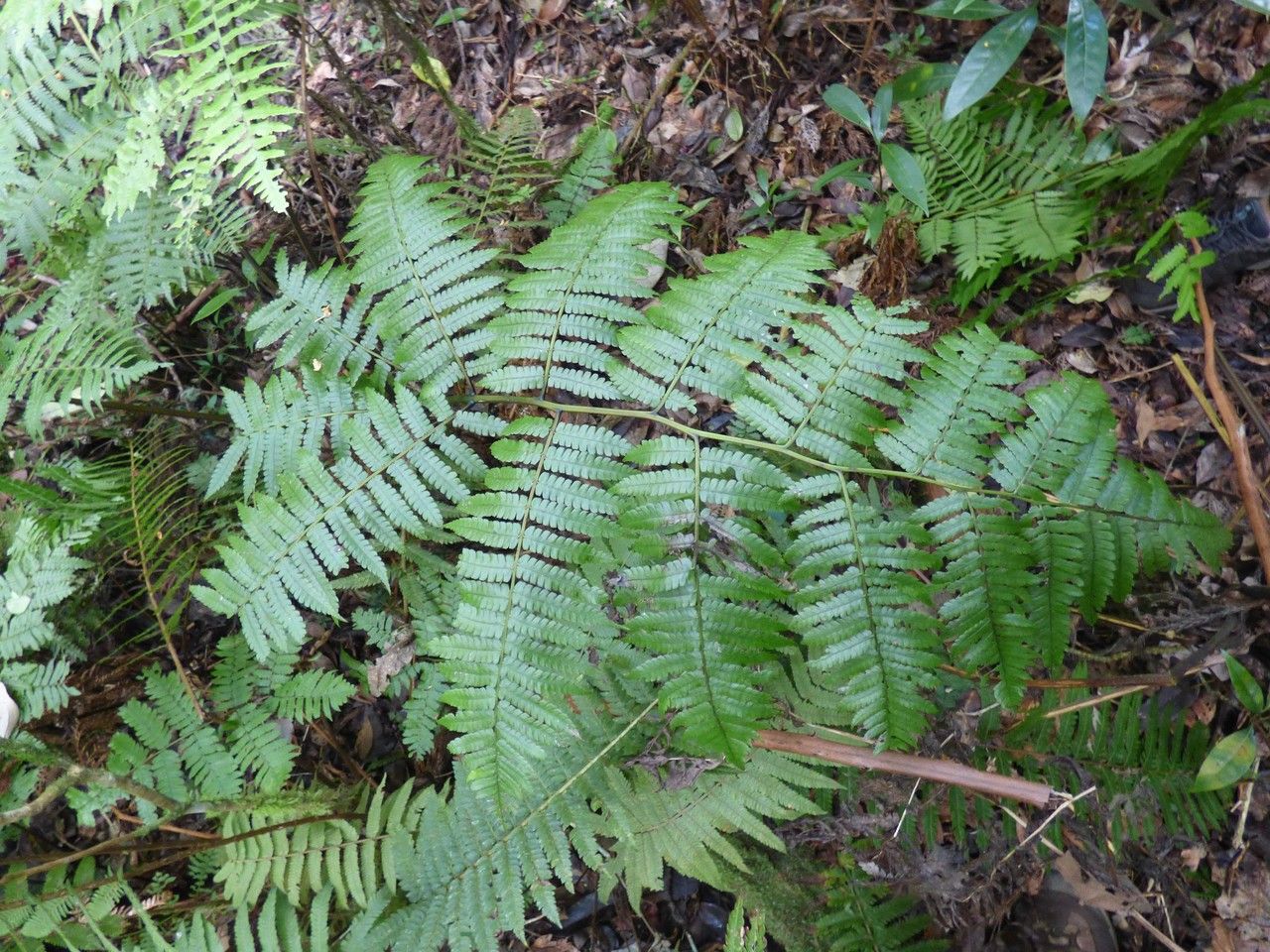
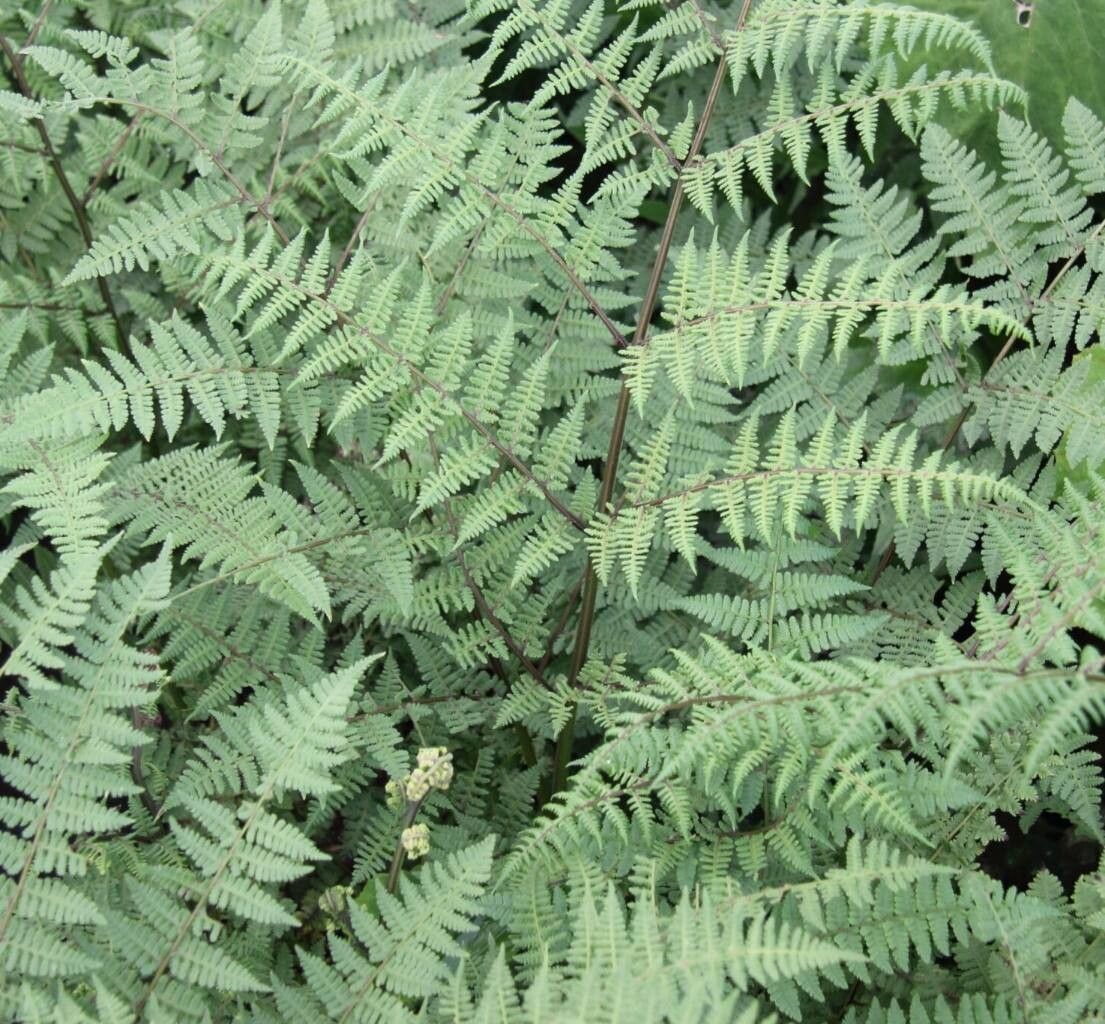
Athyrium asplenioides, or southern lady fern, is a species of the family Athyriaceae. It is a deciduous fern and reaches a height between 1 and 3 feetIts specific epithet asplenioides means "Asplenium-like". Many botanists instead considered it a variety of the common lady-fern, making it Athyrium filix-femina (L.) Roth, var. asplenioides (Michx.) Farwell.
Southern lady fern has strong disease resistance and is generally not likely to suffer from illnesses. Nevertheless, it can be vulnerable to pests and diseases present in its environment, although these problems are typically mild. Regarding care, this plant needs a moderate level of maintenance. It should be pruned regularly to keep an attractive appearance and support healthy growth. Fertilizing can also encourage flowering. Southern lady fern is appropriate for anyone with outdoor space, such as a garden or patio, and does not demand extensive care experience. It may need more attention when grown indoors.
How to keep Athyrium Asplenioides.
Light
The southern lady fern is content in spots with moderate sunlight and can also thrive in areas with reduced light. It does well in shade, but too little light can produce elongated, weak fronds. Conversely, continuous exposure to strong sunlight may damage its delicate leaflets.
Water
The Southern Lady Fern flourishes in humid environments similar to tropical rainforests and prefers a balance between dry and moist conditions. It is ideally watered weekly, though it also shows some drought tolerance. As an evergreen fern, it maintains its lush green foliage throughout the year, making it an excellent choice for indoor cultivation with a steady water supply.
Temperature
Southern lady fern is native to temperate areas. Its temperature needs are between 41 and 95°F (5 to 35℃). To promote healthy growth, observe seasonal changes, give it additional warmth in winter, and consider situating it in shade during summer heat.
Fertilizer
One spring application of fertilizer is generally adequate for Southern lady fern, though repeated feedings can maximize growth. Apply fertilizer every one to one and a half months. Fertilization improves the leaves' appearance and function, encouraging uniform color and a healthy texture. It also encourages root development and nutrient uptake, supporting long-term plant health.
Pruning
The Southern lady fern flourishes in shady areas and is known for its finely divided fronds. To encourage growth and improve air circulation, it's important to prune the plant in the spring to remove any damaged fronds. Use sharp, sterile tools to cut close to the base, which helps prevent disease. Regular pruning also reduces pests and keeps the plant looking its best.
Botanical profile.
- Plant Type
- Herb
- Life Cycle
- Perennial
- Genus
- Athyrium
- Family
- Athyriaceae
- Hardiness Zone
- 5-9
- Mature Height
- 30 cm to 91 cm
- Mature Spread
- 61 cm to 91 cm
- Leaf Color
- Green
- Leaf Type
- Deciduous
- Planting Time
- Spring, Summer, Autumn
- Native Area
- Russia, Denmark
Other names.
Reader questions.
What are the sunlight requirements for the Southern lady fern?
The Southern lady fern has specific sunlight requirements to thrive. It needs partial sun, which means about 3-6 hours of sunlight per day. For areas with full shade, it requires less than 3 hours of direct sunlight. It's important to observe how sunlight moves through your garden to choose the best spots that provide a balance of light and shade, ensuring the plants' well-being.
What are the ideal temperature requirements for the Southern lady fern?
The Southern lady fern, botanically known as Athyrium asplenioides, thrives in temperate climates with ideal temperature ranges between 41 to 95°F (5 to 35°C). To accommodate the seasonal fluctuations, it's essential to provide more warmth during the winter months and consider shade placement during the peak summer heat. Despite its strong cold resistance, in regions where winter temperatures are expected to drop below -25°C, protective measures should be implemented, such as covering the plant with soil or straw. Additionally, ensuring the soil is moist before the first freeze in autumn helps prevent drought and water scarcity for the plant during the colder months.
How does the Southern lady fern adapt to different lighting conditions?
The Southern lady fern can adapt to varying light conditions. It is content in areas with moderate sunlight exposure and can even thrive in less light, flourishing in shadows. However, insufficient light may lead to elongated, weak fronds, while excessive sunlight can damage the delicate leaflets. Artificial lighting can be a vital solution for indoor plants when natural sunlight is not enough. LED lights are a popular choice, offering specific wavelengths needed by the plants. The appropriate intensity of artificial light varies based on the plant's sunlight needs, with full sun plants requiring 30-50W/sq ft, partial sun plants 20-30W/sq ft, and full shade plants 10-20W/sq ft.
How does the Southern lady fern react to low temperatures?
The Southern lady fern is known for its cold tolerance, performing best when temperatures remain above 5°C. During winter, it's crucial to keep the temperature above -20°C. However, if temperatures fall below -25°C, the plant may not show immediate adverse effects during the winter, but there's a chance for decreased sprouting or no sprouting at all come springtime. The recommended solution for any parts of the plant that fail to sprout with the arrival of spring is their removal to promote healthier growth.
What are the symptoms of poor lighting conditions in Southern lady ferns?
Southern lady ferns may exhibit several symptoms under poor lighting conditions. These include smaller new leaves, leggy or sparse growth, faster leaf dropping, a halt in new growth, and paler new leaves. Additionally, chlorosis can occur, leading to yellowing leaves due to insufficient sunlight, while sunscald results from intense sunlight exposure causing damage. Leaf curling may happen as a defense mechanism against excessive sunlight, and wilting can occur due to increased water loss. Leaf scorching, characterized by brown, dry, and crispy leaf edges, also indicates excessive sunlight.
How should care for the Southern lady fern change during high temperatures?
In the summer, it's important to ensure that the Southern lady fern does not experience temperatures above 35°C. Exposure to temperatures exceeding 38°C can lead to the leaves turning a lighter color, becoming prone to curling, and susceptibility to sunburn. In severe cases, this can result in wilting and drying of the entire plant. To mitigate these issues, any sunburned or dried parts should be trimmed away. Additionally, moving the plant to a location that provides protection from the midday and afternoon sun, or using a shade cloth can be beneficial. Ensuring the soil stays moist by watering in the morning and evening is also crucial.
How can I manage my Southern lady fern's exposure to light?
Managing the Southern lady fern's exposure to light involves several strategies. For indoor plants, gradually shifting them to sunnier spots each week until they receive 3-6 hours of direct sunlight daily can help. If the plant is large or not easily movable, supplementing with artificial light, such as desk lamps or professional plant grow lights for at least 8 hours a day, is beneficial. Outdoors, gradually moving plants to sunnier locations each week avoids sudden changes that could cause sunburn. Minimizing obstructions, through pruning or transplantation during the plant's dormant period, can also enhance light exposure. However, it's essential to note that parts of the plant damaged by insufficient light may not recover, but new growth after correcting the light exposure will be healthy.