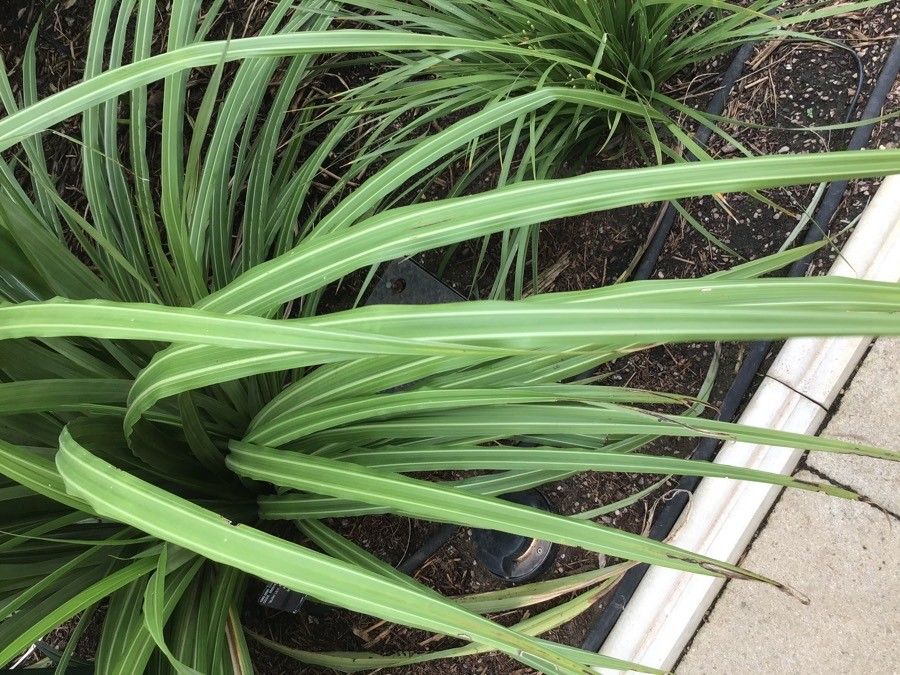
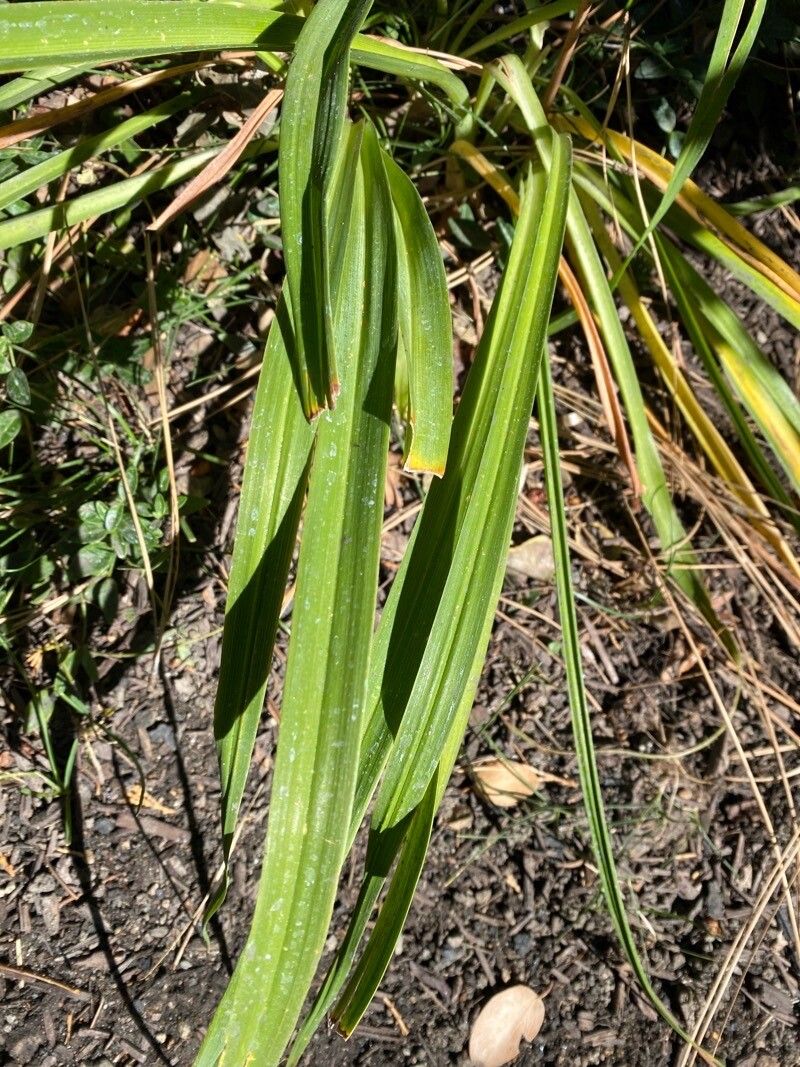
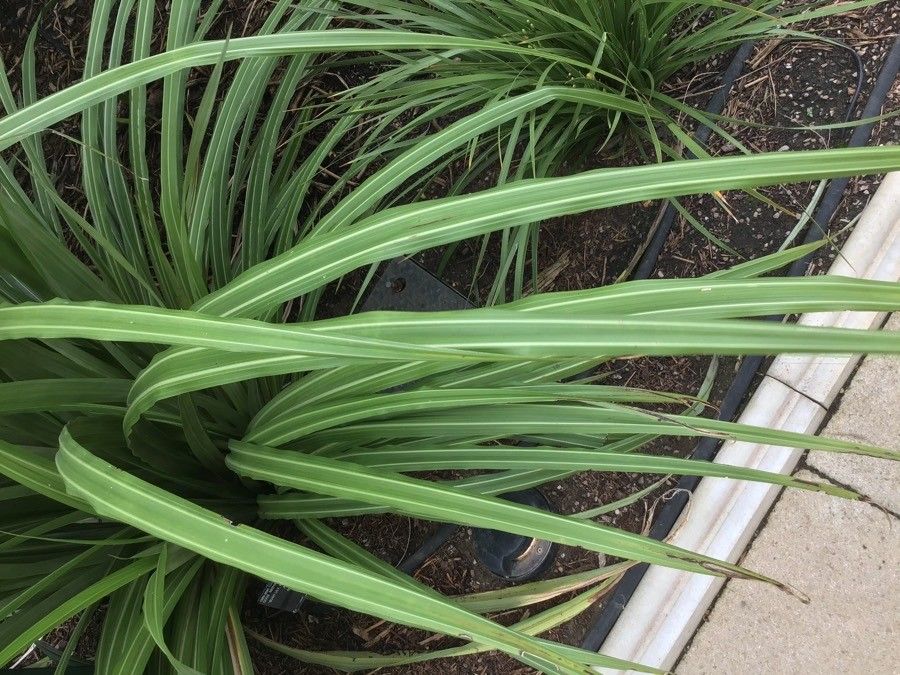
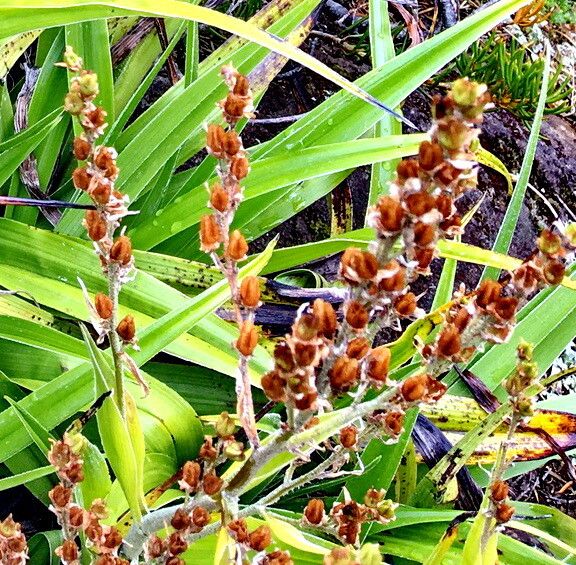
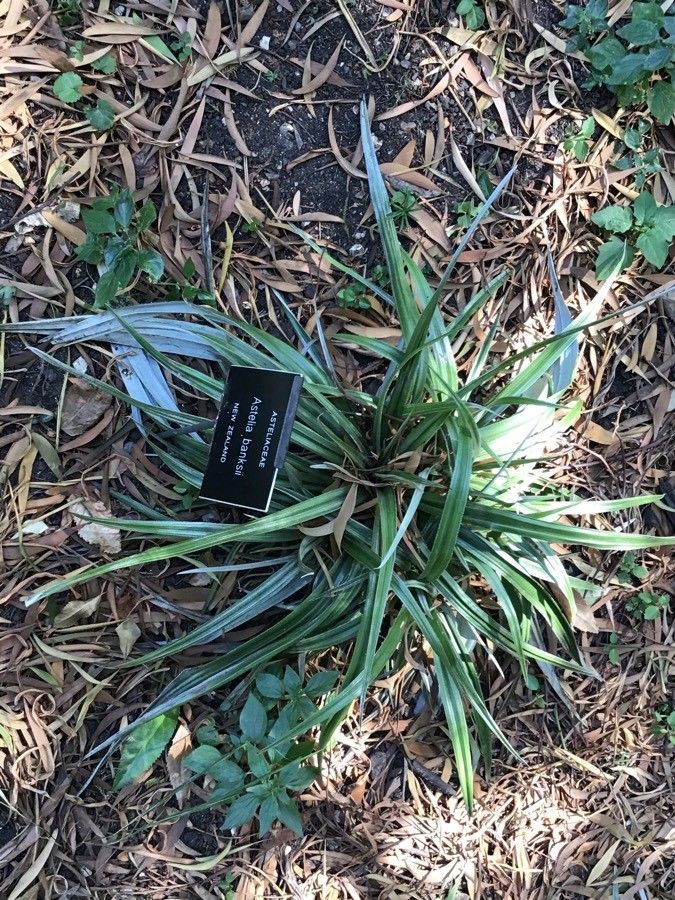
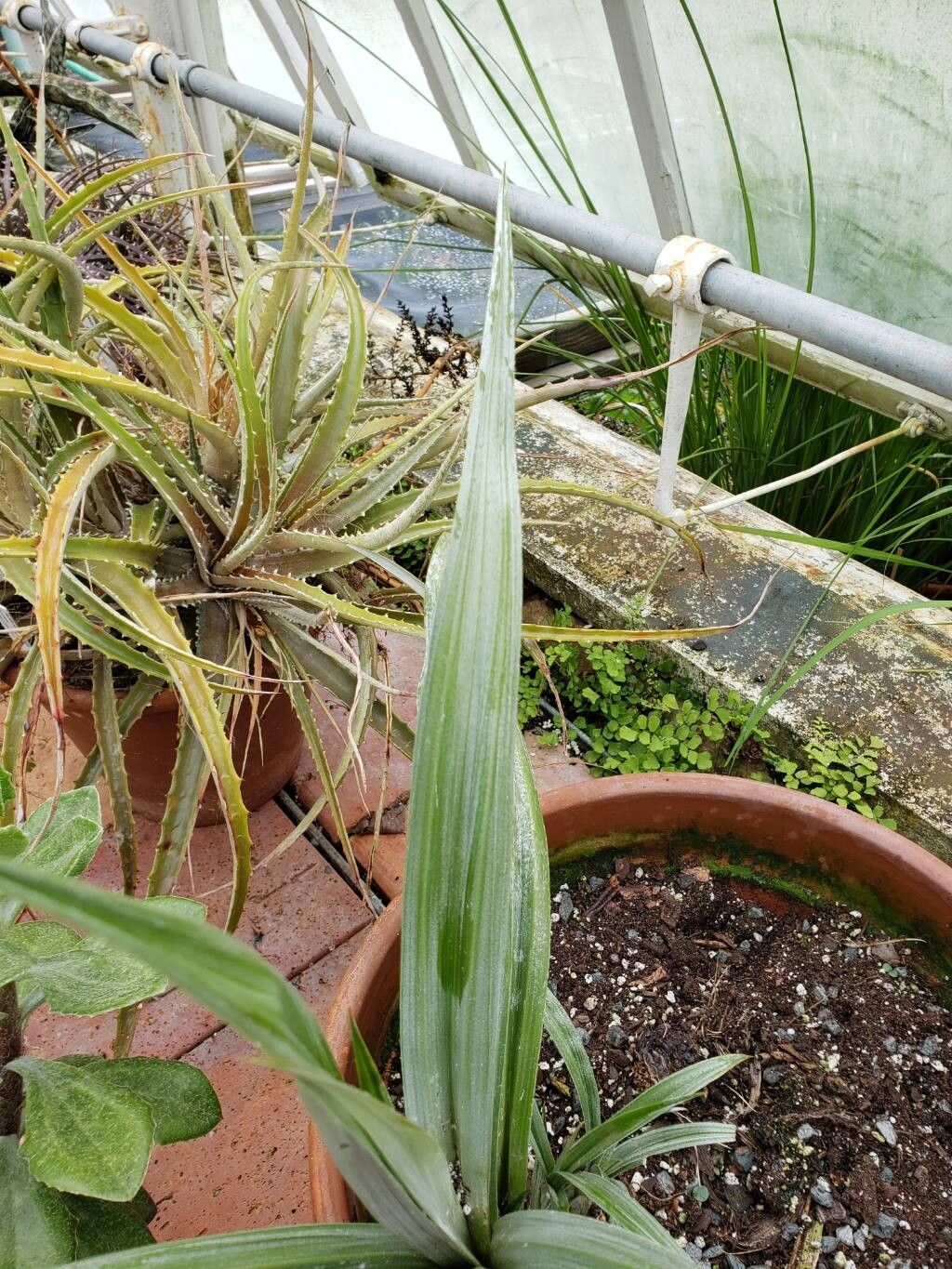
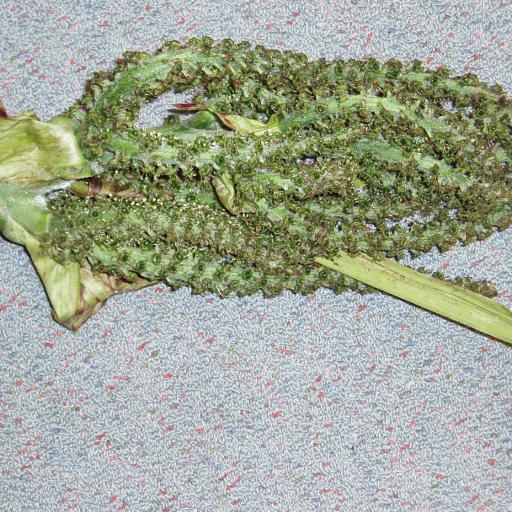
Astelia fragrans, commonly known as bush lily, bush flax or kakaha, is the most common astelia species found in New Zealand. It grows from sea level to elevations of approximately 900 metres. A. fragrans has long, sword-like green leaves, with midribs that can be red. In the centre of the plant, clumps of green flowers are produced between October and November. During summer yellow-orange fruit is created.It was first described by William Colenso in 1883.
Bush flax has strong disease resistance and is generally unlikely to develop diseases. In terms of care, this plant is fairly low-maintenance. When grown outdoors it requires little watering, and larger plants usually do not need pruning; however, smaller plants should be pruned after they have bloomed. Bush flax is suitable for anyone with an outdoor area, such as a garden or deck, and does not demand a lot of experience in plant care.
How to keep Astelia Fragrans.
Light
Bush flax grows best where sunlight is filtered, such as under the shade of canopy trees. While it can tolerate low light, enough light encourages healthier growth. From its native habitat, this plant is suited to environments where sunlight intensity is moderated. Nonetheless, both too much and too little sun can influence the plant’s overall health.
Water
Bush flax, native to the understory of New Zealand's forests, thrives in moist, well-drained soils and requires consistent watering. Once established, it can tolerate moderate drought conditions. To maintain optimal health, water the plant weekly. As an evergreen, bush flax retains moisture during winter, making it suitable for both indoor and outdoor cultivation in a variety of climates.
Temperature
Bush flax is native to temperate regions and does well in temperatures between 59 and 95 °F (15 and 35 °C). It prefers mild conditions and may need warming in colder months or shading when temperatures climb.
Fertilizer
Bush flax needs extra nutrients to encourage healthy new growth. In spring, spreading compost around the base of the plant can effectively supply the nutrition it requires. Fertilizing supports vigorous growth and helps the plant resist diseases and pests.
Pruning
Bush flax, known for its sword-like leaves, benefits from regular pruning, especially in early spring. Important techniques involve trimming damaged leaves and thinning the clumps to improve air circulation. Pruning encourages healthy growth and enhances the plant's appearance by keeping the foliage vibrant and tidy.
Botanical profile.
- Plant Type
- Grass
- Life Cycle
- Perennial
- Genus
- Astelia
- Family
- Asteliaceae
- Hardiness Zone
- 8-10
- Mature Height
- 91 cm
- Mature Spread
- 91 cm
- Leaf Color
- Green
- Leaf Type
- Evergreen
- Flower Color
- Green, White
- Flower Size
- 2.54 cm
- Bloom Time
- Late fall, Early winter, Mid winter
- Planting Time
- Spring, Summer, Autumn
- Harvest Time
- Late winter, Early spring, Mid spring
- Native Area
- New Zealand
Reader questions.
What are the sunlight requirements for Bush Flax?
Bush Flax, known botanically as Astelia fragrans, requires about 3-6 hours of sunlight daily, falling under the partial sun category. It's crucial to observe how sunlight moves through your garden throughout the day, choosing spots that offer a harmonious balance of light and shade to ensure the plants thrive. In its natural habitat, Bush Flax is accustomed to diffused sunlight found under the canopy of trees, where light intensity is moderated. While it can withstand low light conditions, providing adequate sunlight is essential for optimal growth and health. However, both too much and too little sunlight can adversely affect the plant.
How can artificial lighting support Bush Flax indoor growth?
When natural sunlight is insufficient for indoor Bush Flax plants, especially in winter or less sunny locations, artificial lighting serves as an excellent alternative to promote healthy growth. LED lights are preferable for their capability to offer specific light wavelengths needed by plants. For optimal growth, full sun plants require 30-50W/sq ft of artificial light, partial sun plants need 20-30W/sq ft, and shade plants need 10-20W/sq ft. The light source should be positioned 12-36 inches above the plant to mimic natural sunlight conditions effectively. Furthermore, ensuring plants get 8-12 hours of light per day can mimic natural daylight hours, encouraging healthier growth.
What symptoms indicate insufficient light for Bush Flax?
Insufficient light for Bush Flax can lead to several distinct symptoms indicating the need for more suitable lighting conditions. These include smaller new leaves compared to mature ones, leggy or sparse growth with longer spaces between leaves or stems, faster leaf drop as the plant conserves resources, slower or stagnant new growth as the plant enters a survival mode, paler new leaves signaling a lack of chlorophyll, chlorosis where leaves turn yellow due to chlorophyll breakdown, sunscald characterized by pale or necrotic areas from intense sunlight, leaf curling as a defense against excessive sunlight, wilting from increased water loss, and leaf scorching with brown or crispy leaf edges from too much sunlight.
What are the solutions for managing Bush Flax in varying light conditions?
To manage Bush Flax in different light conditions and ensure healthy growth, several strategies can be adopted. For indoor plants, gradually shift them to sunnier spots each week until they receive the necessary 3-6 hours of sunlight, or use artificial light sources like desk or ceiling lamps for at least 8 hours daily, or invest in professional grow lights. Outdoor plants should also be moved gradually to sunnier locations to avoid sunburn. Minimize obstructions by pruning trees or branches blocking sunlight and consider transplanting smaller plants during their dormant period to locations with better sunlight and drainage. Note that parts of the plant affected by insufficient light might not recover, but new growth will be healthy after improving light exposure.