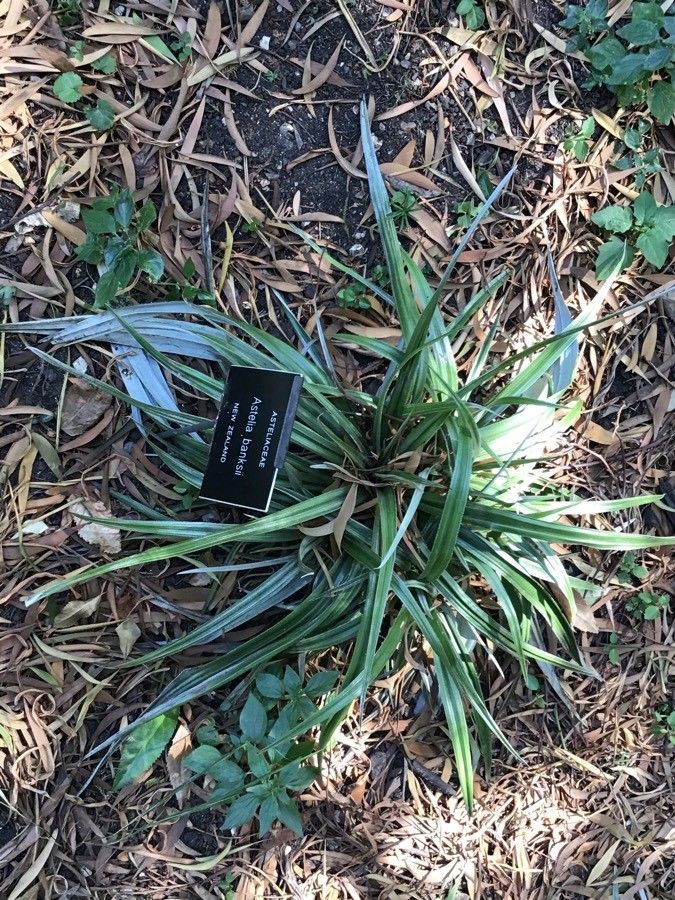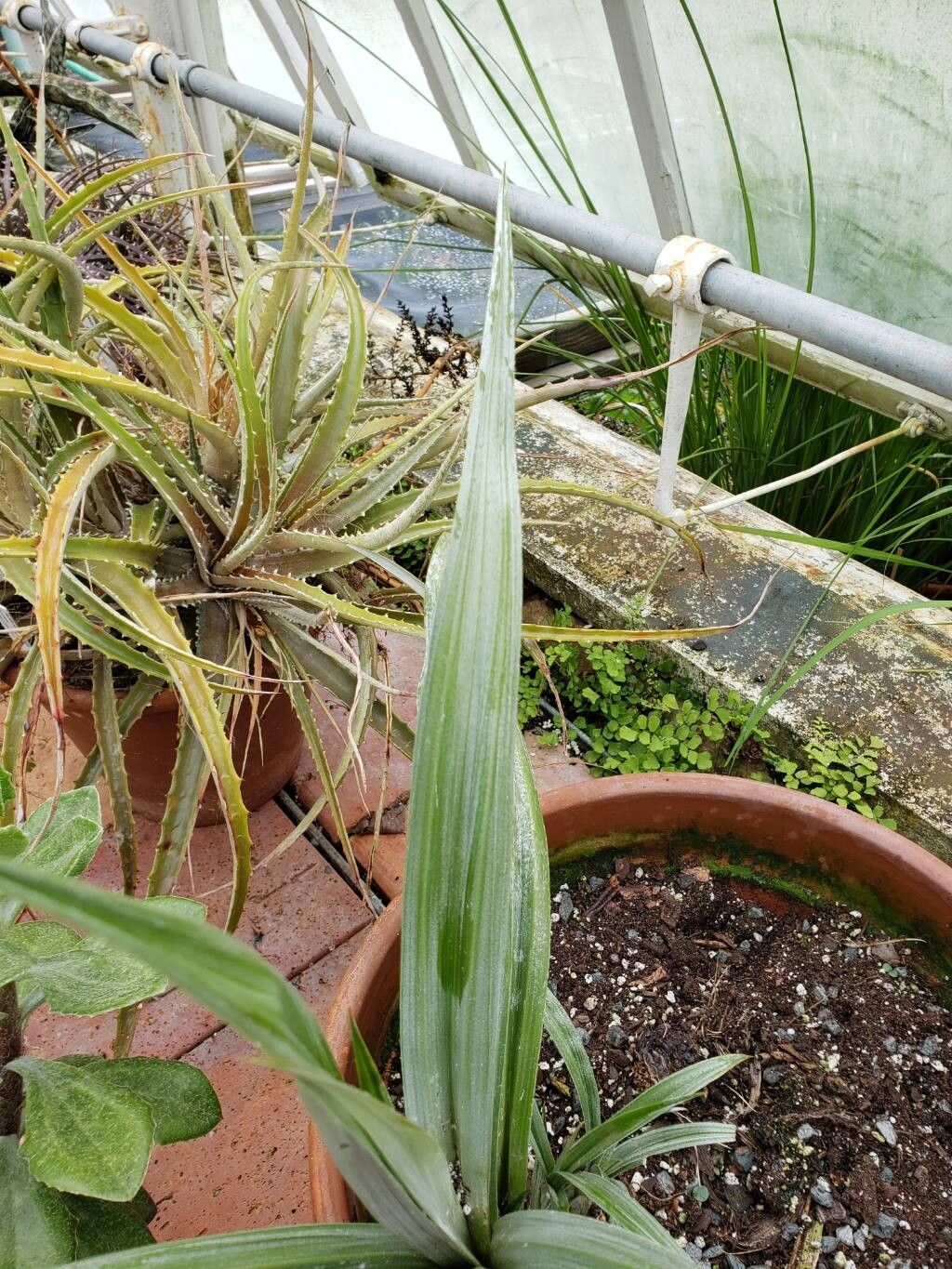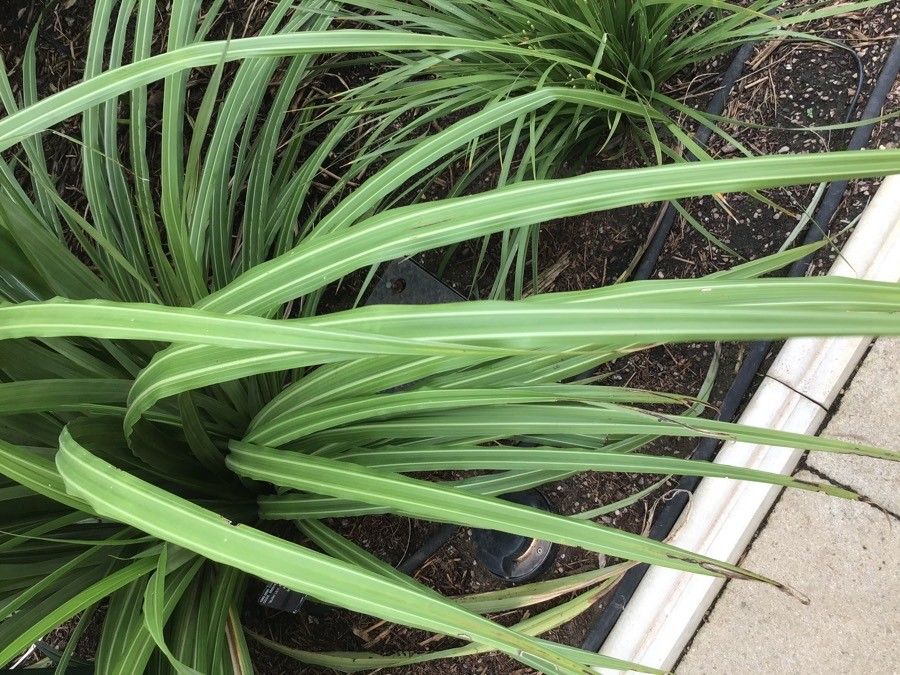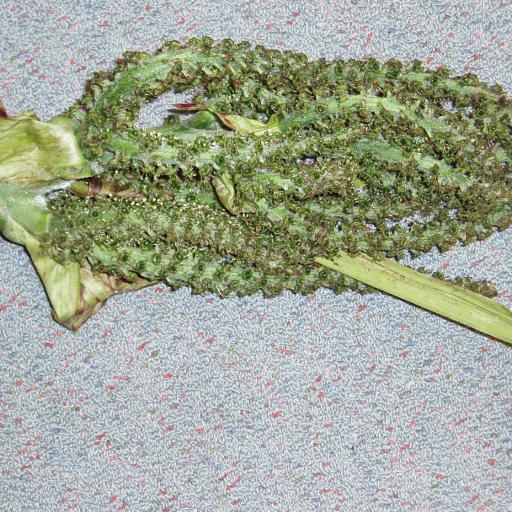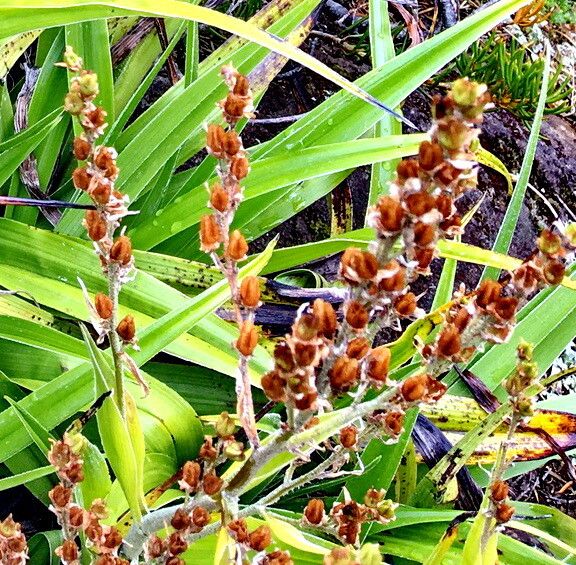
Astelia alpina called pineapple grass, silver astelia, or perching lily is a commonly found species in alpine and subalpine areas of Tasmania and the Australian Alps. It is a perennial herb that typically dominates its environment by growing in dense clusters, called mats, in alpine bogs. There are two subspecies: Astelia alpina var. novae hollandiae from New South Wales and Victoria and Astelia alpina var. alpina endemic to Tasmania. Both subspecies appear very similar to each other. The species was originally described by Robert Brown.
Pineapple grass is largely disease-resistant and generally not prone to illnesses. However, it can be affected by pests and diseases present in its environment. These problems are usually mild. In terms of care, the plant requires moderate maintenance. It should be pruned regularly to maintain an attractive appearance and healthy growth. Fertilizing can also help encourage flowering. Pineapple grass is suitable for anyone with an outdoor area, such as a garden or patio, and does not demand extensive gardening experience. It may need more attention when grown indoors.
How to keep Astelia Alpina.
Fertilizer
For Pineapple grass, a one-time use of fertilizer in the spring is generally enough, though more frequent applications can boost growth. Fertilize once a month to once every six weeks. Fertilization improves the look and functionality of the leaf, sustaining regular color and a healthy feel. Plus, it encourages the growth of roots and their capacity to absorb nutrients, contributing to the overall prolonged health of the plant.
Pruning
Pineapple grass is a perennial plant with a tufted, grass-like appearance. To promote healthy growth and reduce the risk of disease, prune it in early spring. Trim away any dead foliage and old leaves. Be sure to use clean, sharp tools to ensure effective maintenance and to safeguard the plant's health.
Botanical profile.
- Plant Type
- Herb
- Life Cycle
- Perennial
- Genus
- Astelia
- Family
- Asteliaceae