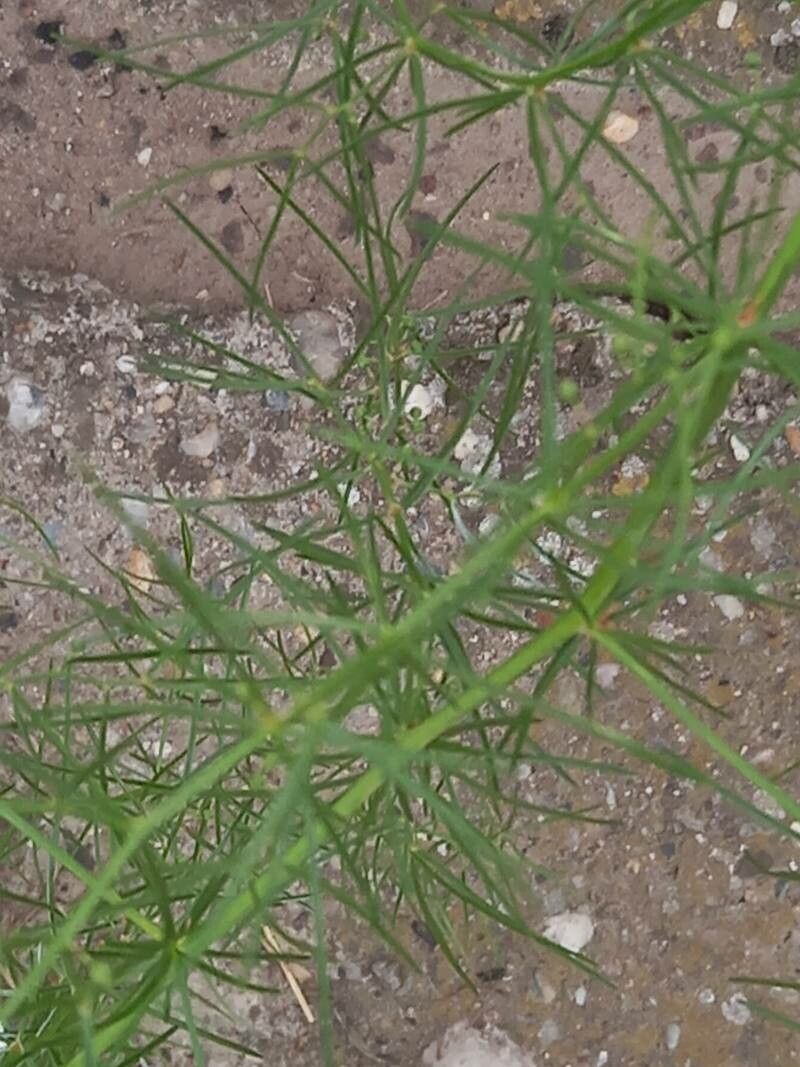
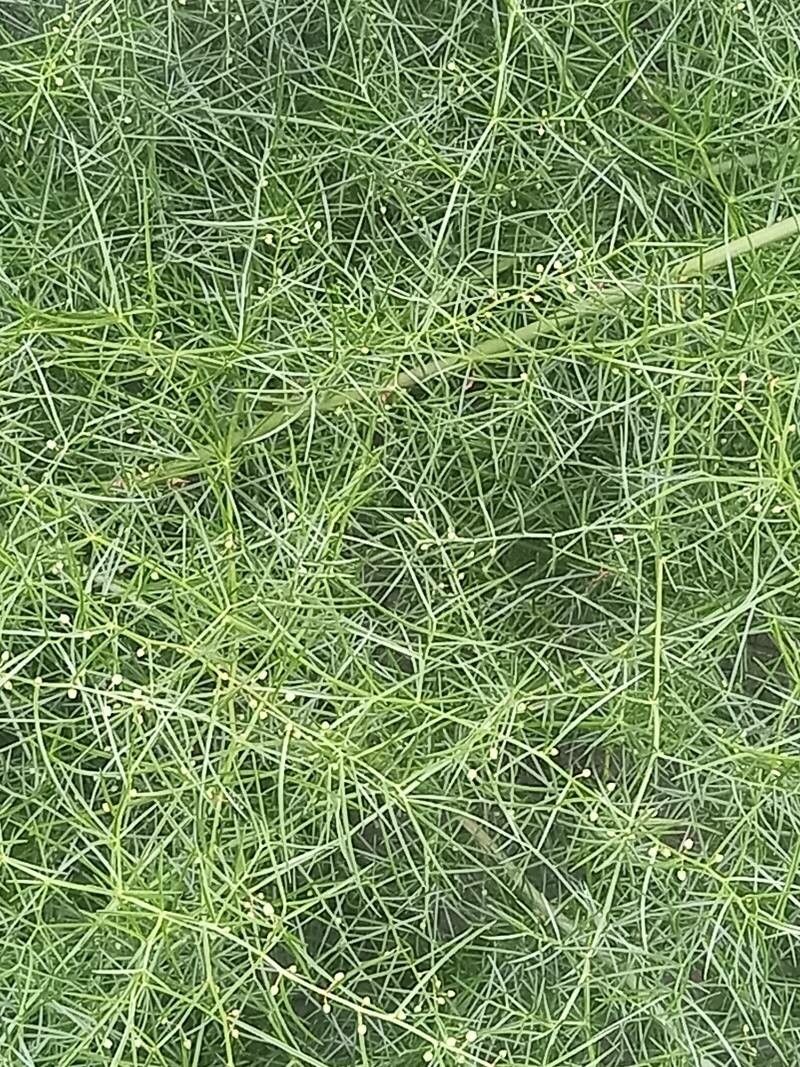
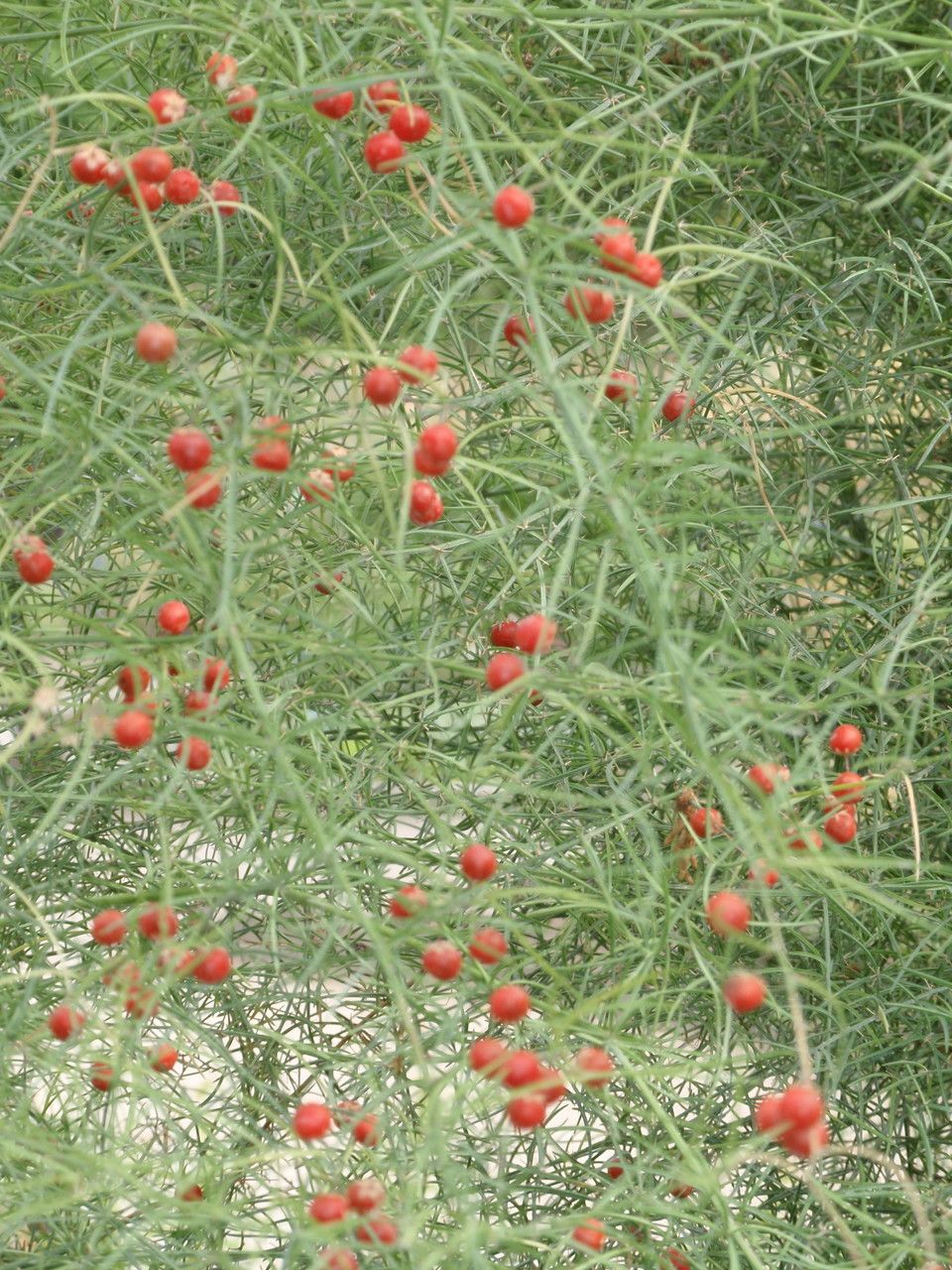
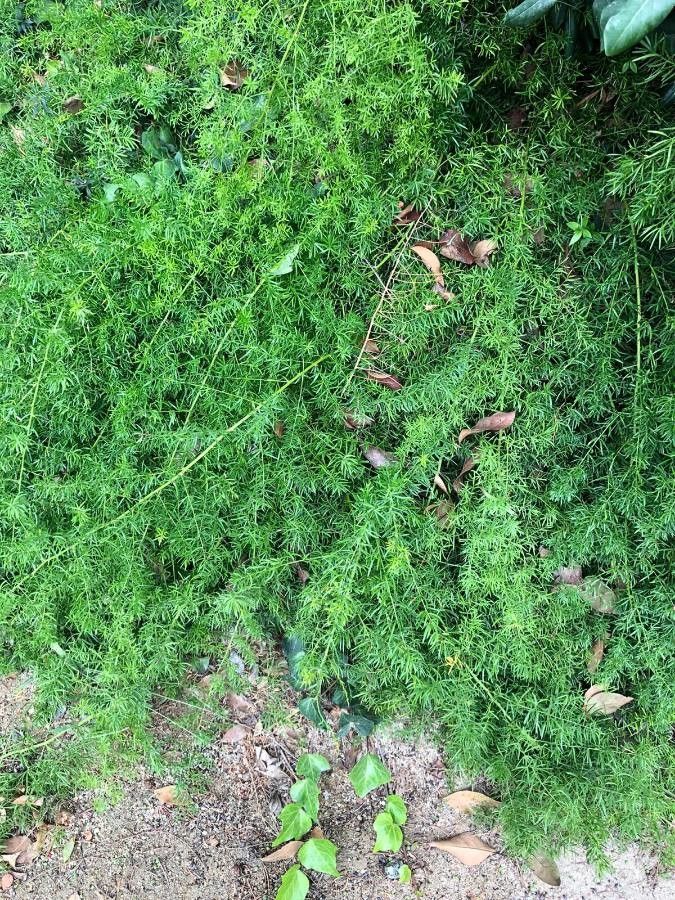
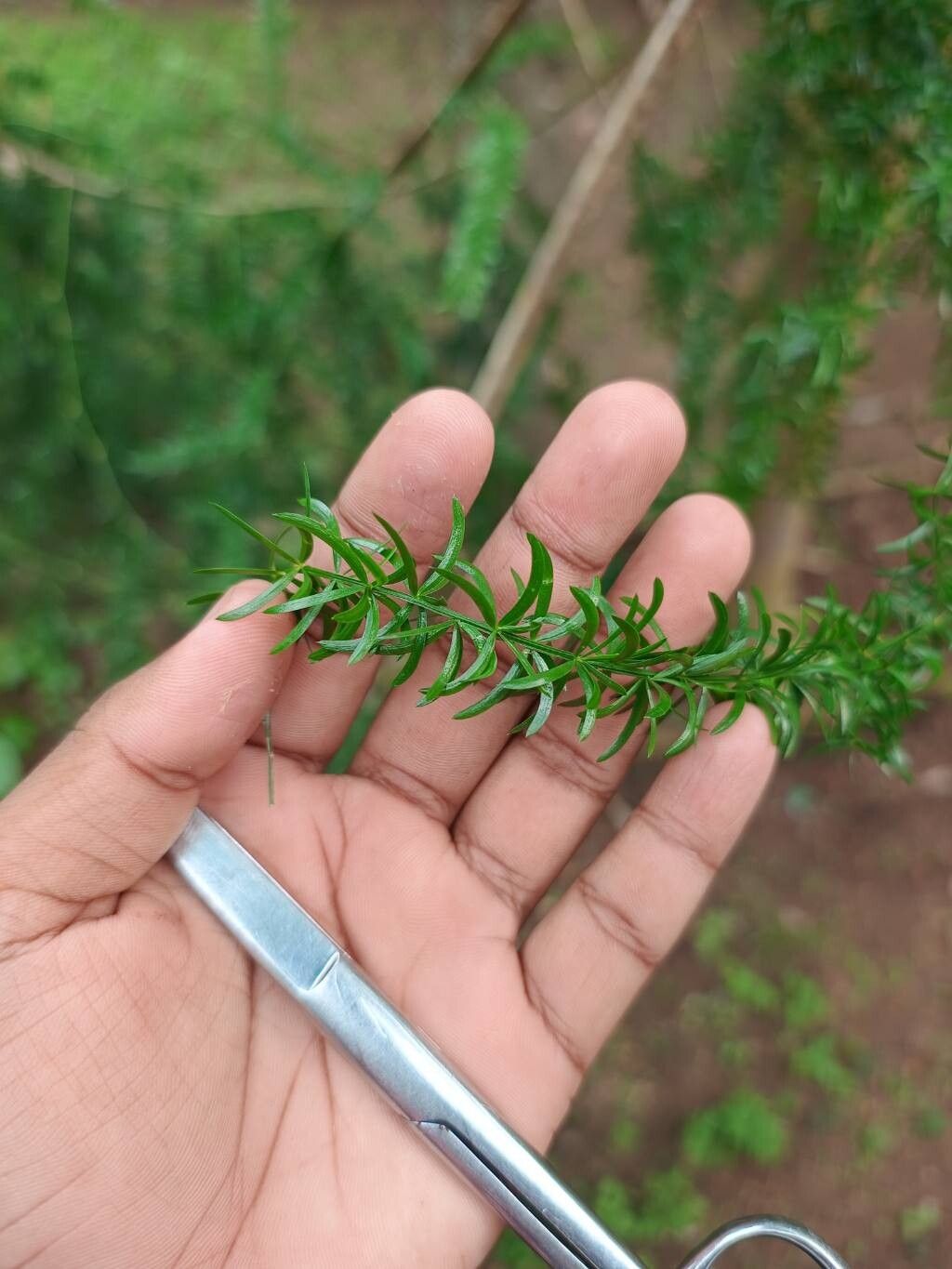
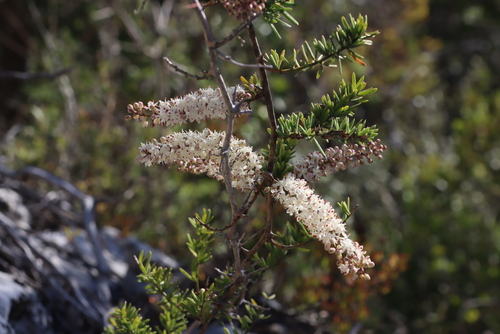
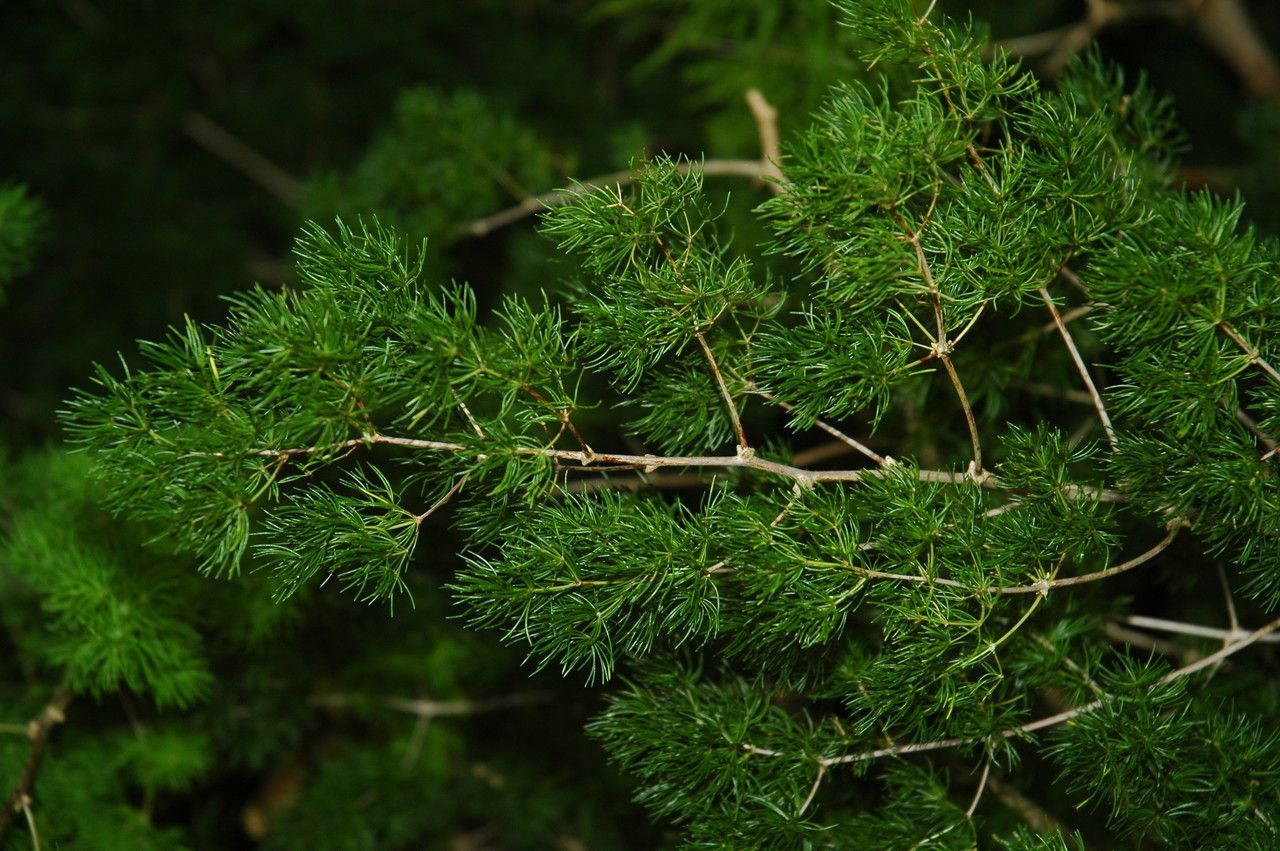
Climbing asparagus has strong resistance to disease and is generally unlikely to get sick. Still, it can be affected by pests and illnesses present in its environment. Such infections are typically not serious. Regarding care, this plant needs moderate attention. It should be pruned regularly to preserve an attractive appearance and healthy growth. Applying fertilizer can also encourage flowering. Climbing asparagus is appropriate for anyone with outdoor space, like a garden or patio, and does not demand extensive care experience. It may need more attention when cultivated indoors.
How to keep Asparagus Verticillatus.
Light
Climbing asparagus is native to habitats like forest understories and rocky areas, where it grows in natural shade. It prefers partial sun but can adapt to full sun or full shade, showing its versatile and hardy nature.
Temperature
Climbing asparagus can tolerate a wide range of temperature conditions, but its distribution may still be limited by different combinations of water and heat. It grows best in warm summer climates with adequate rainfall or irrigation. Extended periods of cloudy, rainy weather, as well as prolonged high temperatures, can increase the likelihood that Climbing asparagus will die. In winter, adequate protection from cold can improve the plant's chances of survival.
Fertilizer
The best time to fertilize a Climbing asparagus is in early spring, when it is coming out of dormancy and beginning active growth. Fertilizing supplies the essential nutrients needed for healthy development. Although Climbing asparagus has fairly low fertilizer requirements, feeding it annually can improve its survival and encourage better, longer-lasting flowers.
Pruning
Climbing asparagus is a vigorous, twining plant known for its feathery foliage. To keep the plant healthy and attractive, it's important to prune it in early spring. This helps remove any dead stems and control its size. Regular pruning promotes healthy growth. Be sure to sanitize your tools to prevent any potential diseases. By doing so, you can maintain climbing asparagus as a manageable and appealing addition to your garden.
Botanical profile.
- Plant Type
- Herb, Vine
- Life Cycle
- Perennial
- Genus
- Asparagus
- Family
- Asparagaceae
- Hardiness Zone
- 4-9
- Mature Height
- 0.91 m to 2.13 m
- Mature Spread
- 49 cm to 91 cm
- Leaf Color
- Light Green
- Leaf Type
- Evergreen
- Flower Size
- 0.51 cm to 0.76 cm
- Bloom Time
- Early summer, Mid summer
- Planting Time
- Spring, Summer
- Harvest Time
- Late summer, Early fall, Mid fall
- Native Area
- Russia, Iraq, Turkey, Kazakhstan, Romania, Iran, Bulgaria, Azerbaijan, Armenia, Greece, Ukraine, Turkmenistan, Serbia
Other names.
Reader questions.
What are the sunlight requirements for Climbing Asparagus (Asparagus verticillatus)?
Climbing Asparagus (Asparagus verticillatus) has specific sunlight requirements to thrive. It needs partial sun, meaning about 3-6 hours of sunlight per day. Alternatively, it can grow in full shade with less than 3 hours of sunlight daily. It's important to observe how sunlight moves through your garden throughout the day. By doing so, you can choose spots that provide the perfect balance of light and shade, ensuring the happiness and health of your Climbing Asparagus plants.
What is the botanical name of Climbing Asparagus?
The botanical name of Climbing Asparagus is Asparagus verticillatus.