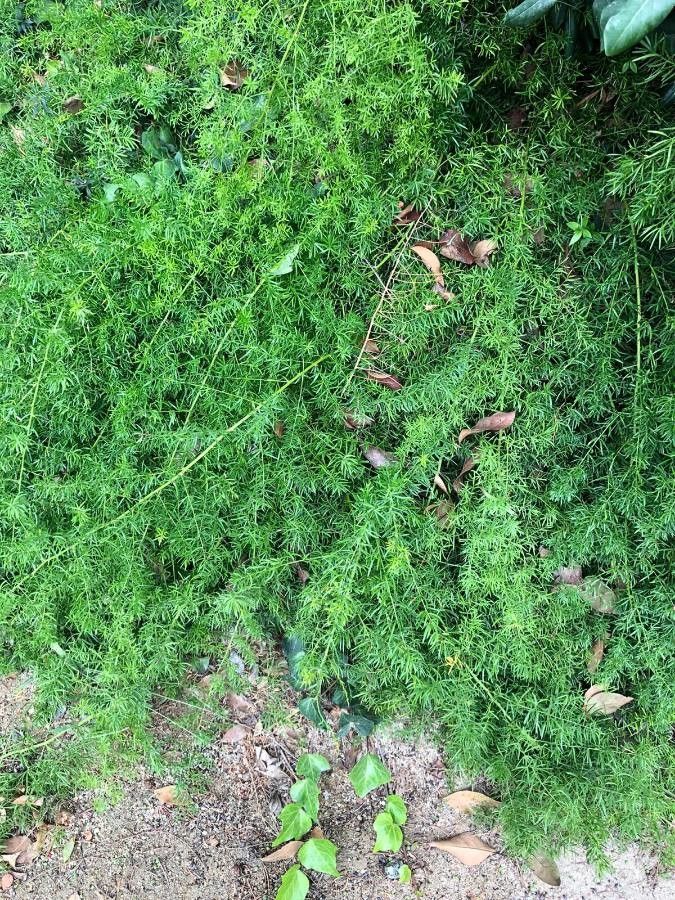
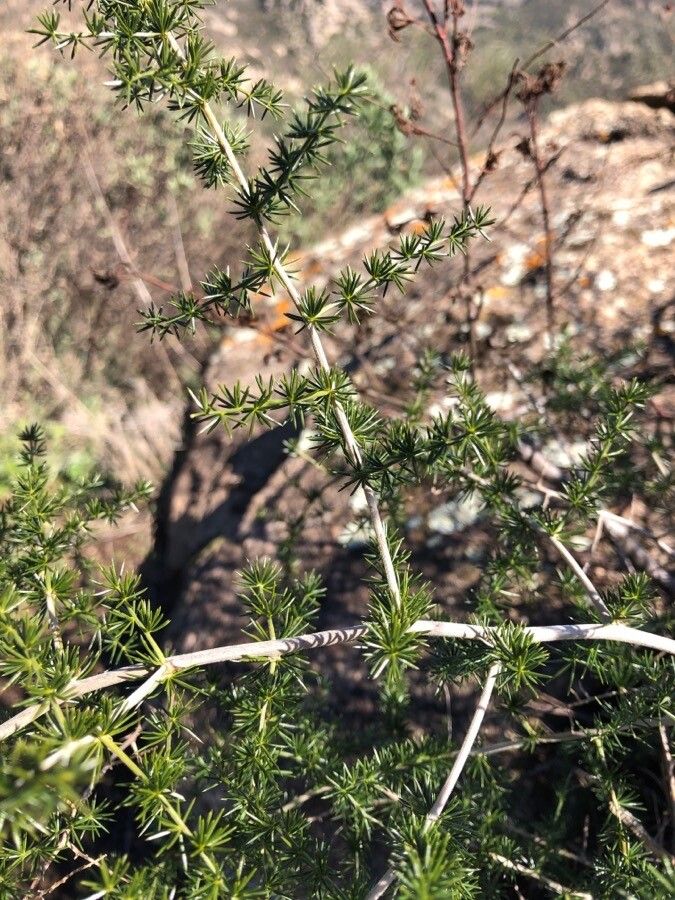
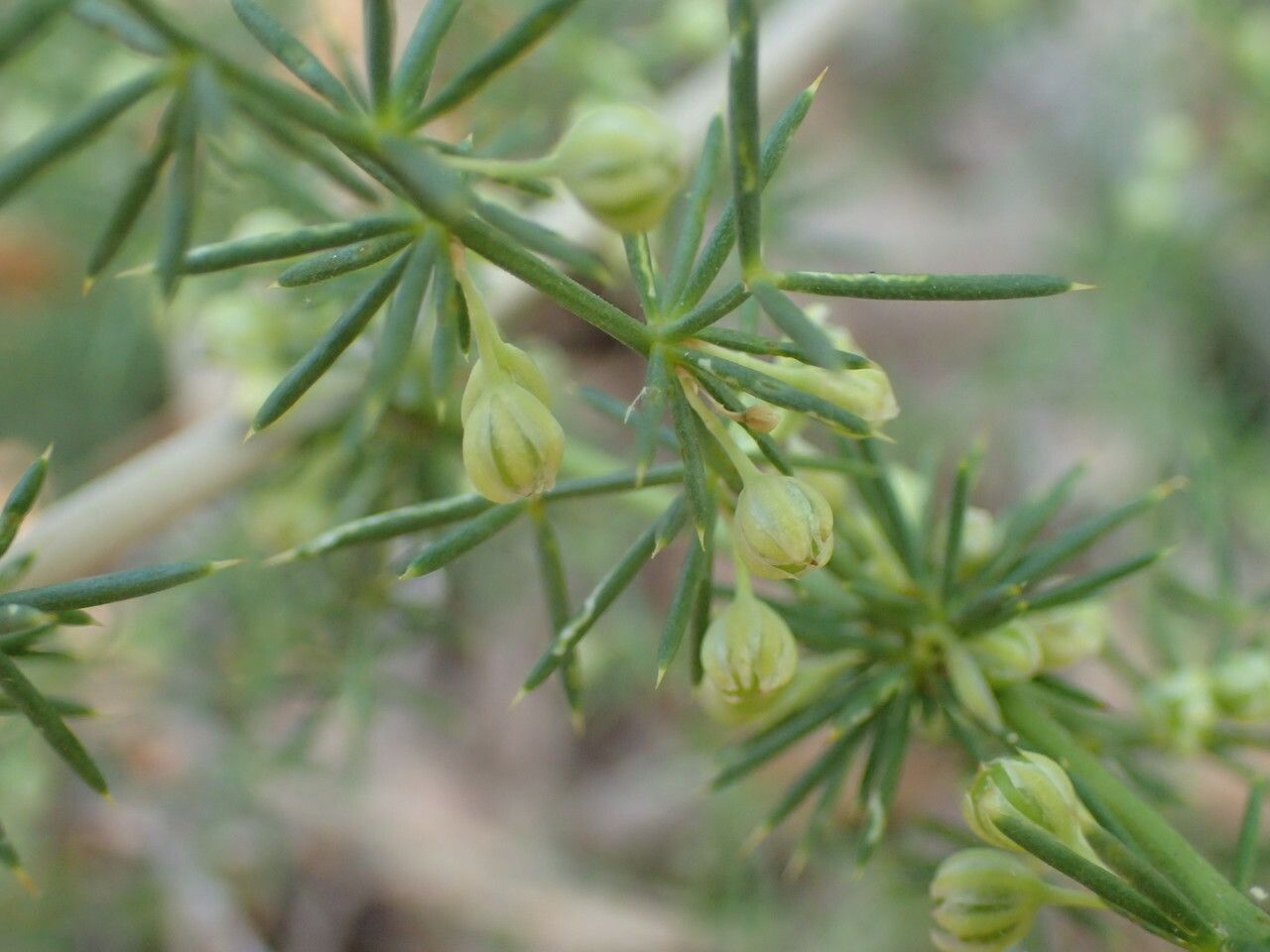
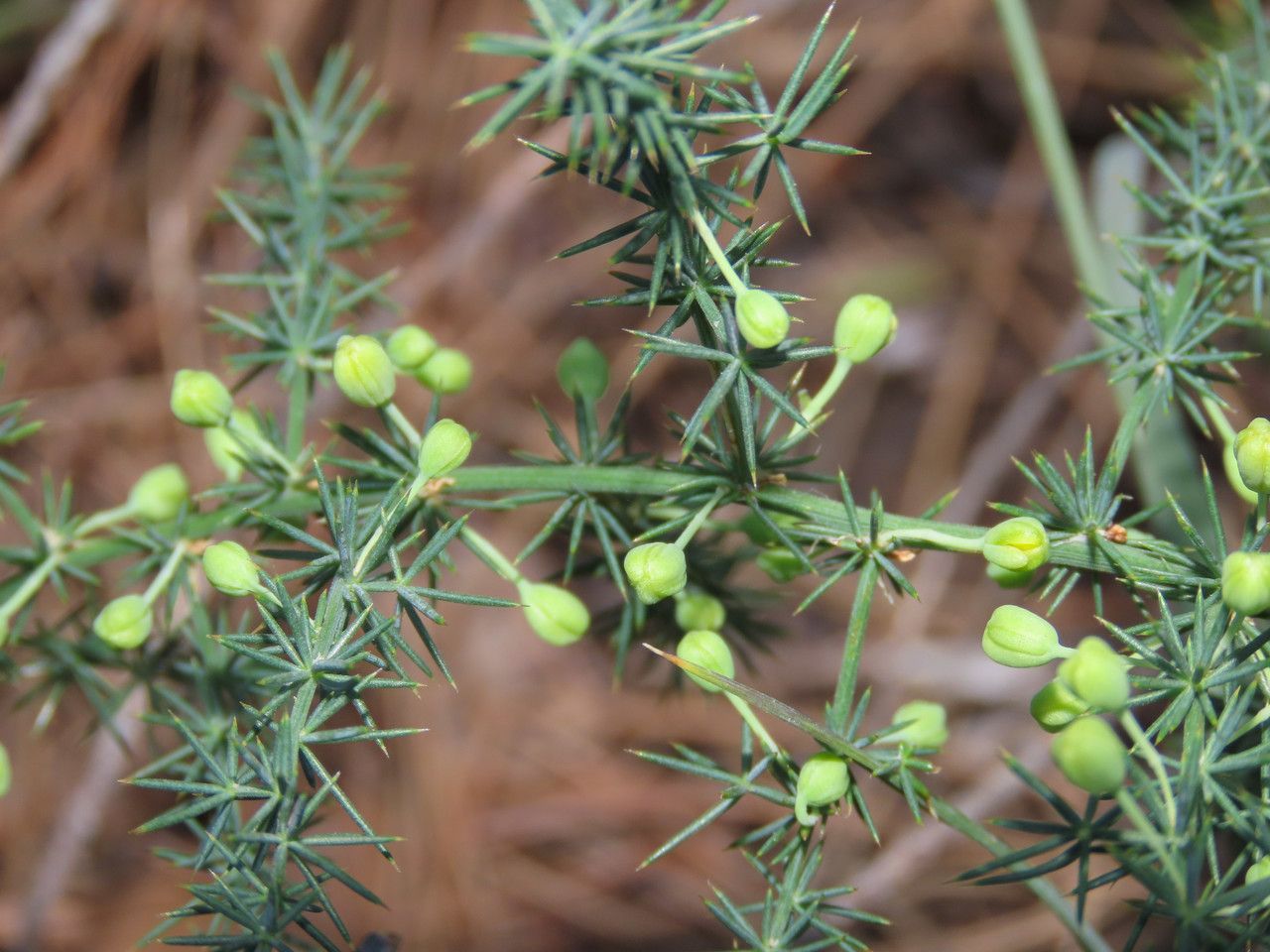
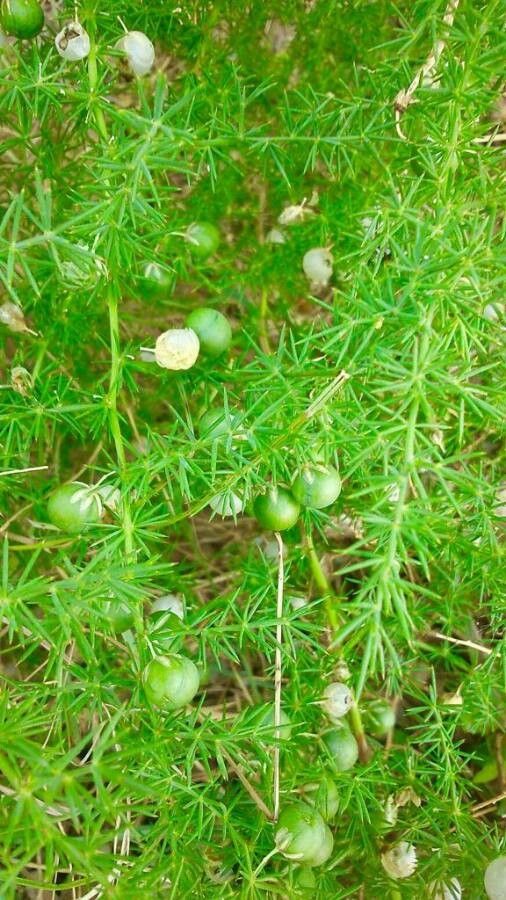
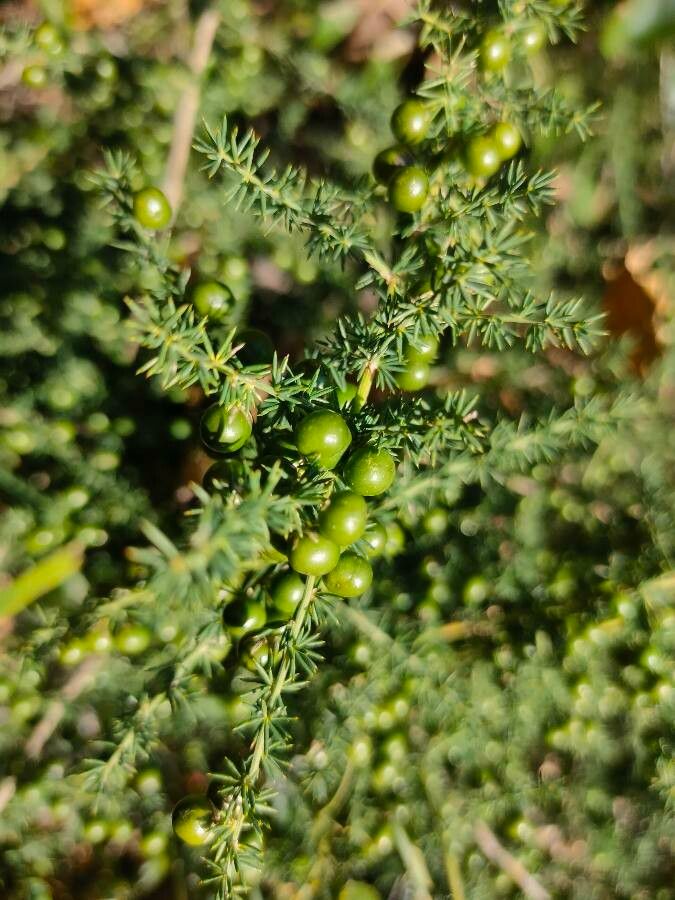
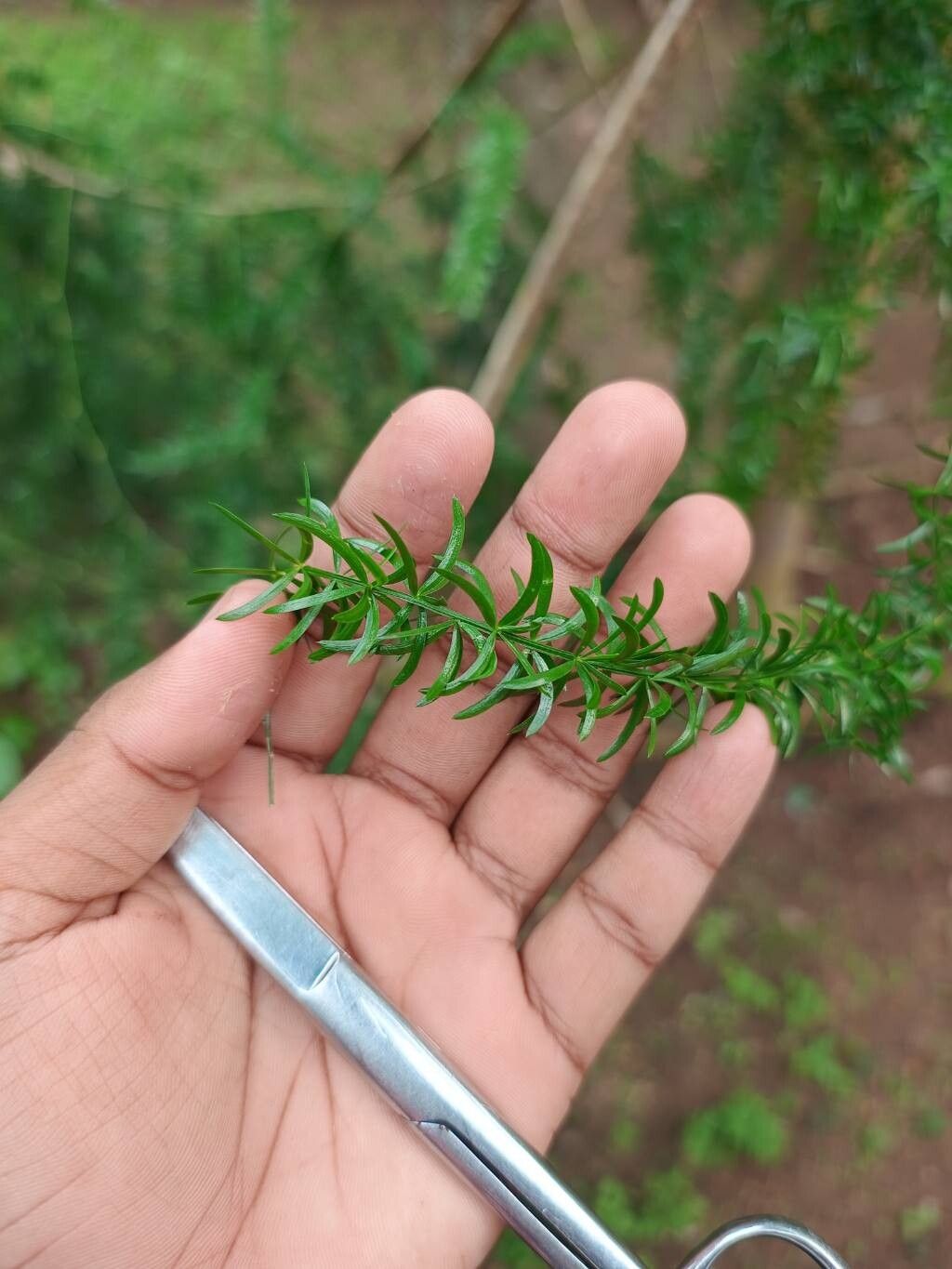
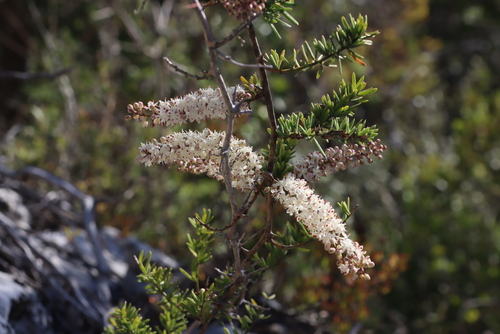
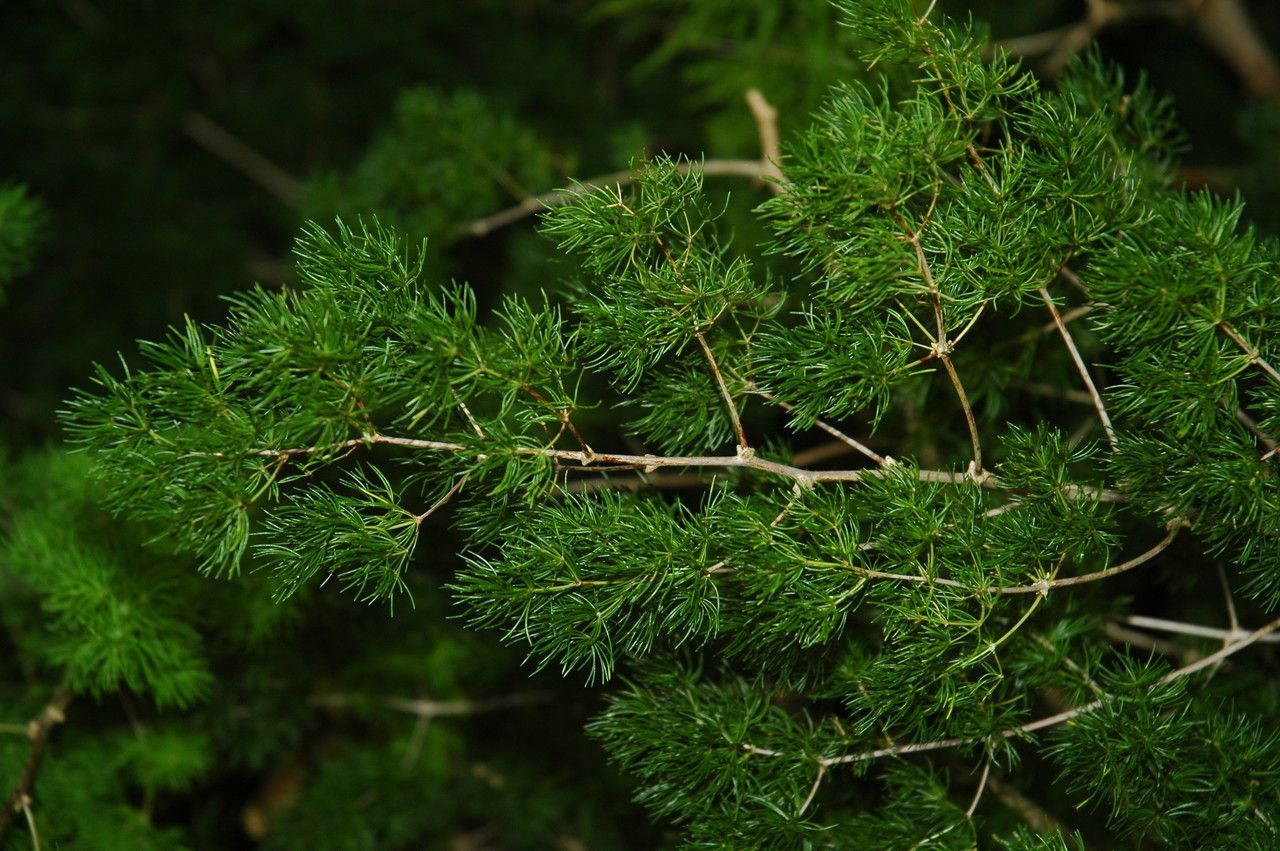
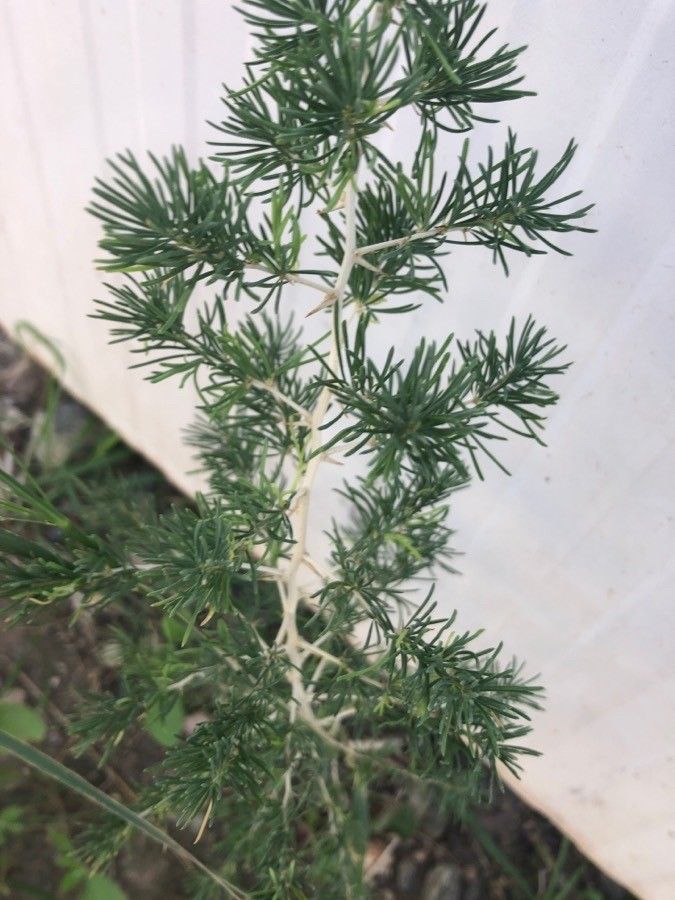
Asparagus acutifolius, commonly known as wild asparagus or sparrow grass, is a perennial plant species belonging to the Asparagaceae family. Native to the Mediterranean region, this plant thrives in rocky, dry habitats such as hillsides, scrublands, and forests.
The plant features a woody stem that can grow up to 2 meters in height and has needle-like, sharp, dark green leaves. Its small flowers are white or pinkish, with six petals arranged in clusters.
Asparagus acutifolius is renowned for its edible shoots, which have been used in cooking since ancient times. Harvested when they reach about 15-20 cm in length, before becoming woody, the shoots have a slightly bitter taste that can be enhanced through cooking or grilling.
In addition to its culinary applications, Asparagus acutifolius has been utilized for medicinal purposes due to its diuretic properties, which help improve kidney function by increasing urine production.
Overall, Asparagus acutifolius is an intriguing plant species with both culinary and medicinal uses. Its unique appearance also makes it an attractive addition to any garden.
Wild asparagus is fairly disease-resistant and usually not prone to illnesses. However, it can be vulnerable to pests and diseases found in its surroundings. These issues are typically not severe. As for care, the plant requires a moderate level of maintenance. It needs regular pruning to keep a tidy appearance and support healthy growth. Fertilizing can also help encourage flowering. Wild asparagus is well suited for anyone with outdoor space, such as a garden or patio, and does not demand extensive care experience. It may need more attention when grown indoors.
How to keep Asparagus Acutifolius.
Light
Wild asparagus thrives with abundant sunlight but can also tolerate moderate light. Native to sun-drenched habitats, it requires plenty of light for healthy growth. Too little light can slow its development, while too much can scorch the leaves.
Water
Wild asparagus, native to arid regions, is exceptionally drought-tolerant and requires very little moisture. To maintain optimal health, water it weekly, mimicking the dry conditions of its natural habitat. When grown outdoors, wild asparagus often thrives with the help of natural rainfall, as its growth cycle is adapted to the seasonal availability of water.
Temperature
Wild asparagus comes from warm regions and grows best at temperatures of 59 to 95 °F (15 to 35 ℃). It achieves ideal growth within this span but can tolerate slight departures. Adjustments should be made during extreme seasonal temperatures to support optimal growth.
Fertilizer
Typically, Wild asparagus requires only one application of fertilizer in spring, however, you can boost growth by feeding it several times. It should be fed once every thirty to forty-five days. Fertilization improves the look and functionality of the leaves, ensuring steady coloration and a robust texture. Additionally, it promotes root development and nutrient uptake, which contribute to the overall wellbeing of the plant in the long run.
Pruning
To care for wild asparagus, it is important to prune it in early spring. Use clean shears to remove any damaged stems and improve air circulation. This procedure encourages vigorous growth, increases productivity, and enhances disease resistance, resulting in a healthy and attractive plant.
Botanical profile.
- Plant Type
- Herb
- Life Cycle
- Perennial
- Genus
- Asparagus
- Family
- Asparagaceae
- Hardiness Zone
- 7-10
- Mature Height
- 30 cm to 61 cm
- Mature Spread
- 49 cm to 91 cm
- Leaf Color
- Green
- Leaf Type
- Deciduous
- Flower Color
- Yellow, Pink, Green, Cream
- Flower Size
- 0.51 cm to 0.51 cm
- Bloom Time
- Mid spring, Late spring, Early summer
- Planting Time
- Spring, Autumn
- Harvest Time
- Mid summer
- Native Area
- Libya, Turkey, Tunisia, Montenegro, Cyprus, Bulgaria, Greece, Croatia, Slovenia, Morocco, Lebanon, Serbia, Syria, Italy, Spain, France, Albania, Algeria, Portugal
Other names.
Reader questions.
How should I water my Wild asparagus to make it grow well?
To properly water Wild asparagus, it's best to use filtered water at room temperature. Tap water may have harmful particles, so filtering it is preferable. Since Wild asparagus is accustomed to warm environments, it's important to avoid using cold water as it can shock the plant. Instead of overhead watering, simply apply the filtered room temperature water to the soil until it is completely soaked. This method benefits the plant by moisturizing the roots and aiding in their spread and nutrient absorption.
Why should I add fertilizer to my Wild asparagus?
Wild asparagus is mainly composed of leaves, and fertilization is essential for maintaining their appearance and functionality. Proper fertilization results in consistent color and a healthy texture of the leaves. Additionally, it promotes root growth and maintenance, both below the soil's surface. By fertilizing your Wild asparagus, you not only ensure its current health but also enhance its ability to absorb soil nutrients in the long run.
What are the sunlight requirements for wild asparagus?
Wild asparagus, known botanically as Asparagus acutifolius, thrives best when exposed to full sun, requiring more than 6 hours of sunlight daily. However, it can also tolerate partial sun, with about 3-6 hours of sunlight. These sunlight conditions are crucial for its healthy growth, as originating from a habitat that is basked in sunlight, wild asparagus needs ample light. Insufficient light can impede its development, while too much exposure can cause scorched leaves. To ensure your wild asparagus is happy, pay attention to how sunlight moves through your garden over the course of the day and choose planting spots that offer a balanced exposure.
What temperatures are ideal for the growth of wild asparagus?
Wild asparagus thrives in warm climates, with optimal growth temperatures ranging from 59 to 95 °F (15 to 35 °C). Although these conditions are ideal, the plant can withstand slight variations beyond this range. During extreme seasonal temperatures, adjustments may be necessary to maintain optimal growth conditions.
What should I do if I give my Wild asparagus too much water or too little water?
Both overwatering and underwatering can harm the health of your Wild asparagus, but overwatering is more common. Overwatering causes wilting, yellowing of stems and leaves, and can lead to diseases like root rot, mold, and mildew, which can be fatal for the plant. Wild asparagus can tolerate drought better, so underwatering is less likely, but it can still occur, resulting in brittle, brown leaves. It's important to recognize and address signs of overwatering quickly, as some diseases may become irreversible if ignored. Reduce watering immediately if you notice early signs. Also, check the soil's drainage; if it's poor, replace it with loose, well-draining potting mix. If you see signs of underwatering, simply increase the frequency of watering until the signs disappear.
When should I fertilize my Wild asparagus?
When you grow Wild asparagus outdoors, it will start growing new shoots in early spring. This is when you should begin fertilizing it for the year. Typically, a single application of fertilizer in the spring will do the job. However, if you want to get the most out of your Wild asparagus, you can fertilize it multiple times during the spring and early summer. In this case, you should feed it about once every month to a month and a half.
How can artificial lighting be used for wild asparagus?
When natural sunlight is not sufficient, especially during winter or in locations that do not receive much sun, artificial lighting can be a lifesaver for indoor wild asparagus plants. The use of artificial lights can promote faster and healthier growth by providing adequate lighting. LED lights are a preferred choice because they can be adapted to emit specific light wavelengths that are beneficial to plants. For plants requiring full sun, 30-50W per square foot of artificial light is recommended; for partial sun plants, 20-30W per square foot; and for plants that are in full shade, 10-20W per square foot is sufficient. The light should be placed 12-36 inches above the plant, simulating natural sunlight as closely as possible, and kept on for 8-12 hours a day to mimic the natural daylight cycle.
Does wild asparagus require special frost protection during winter?
Despite its strong cold resistance, wild asparagus may need cold protection if winter temperatures are expected to fall below -15°C. This can be done by covering the plant with soil or straw. Additionally, before the first freeze in autumn, it's advisable to water the plant abundantly to ensure the soil remains moist and enters a frozen state, which helps prevent drought and water scarcity during the winter and early spring months.
How often should I water my Wild asparagus? -> How often do I need to water my Wild asparagus?
If your Wild asparagus is in a pot, you can check if it needs water by sticking your finger in the soil. If the top two to three inches of soil are dry, it's time to water it. The same method can be used if you're growing the Wild asparagus outdoors in the ground. If the top few inches of soil have dried out, it's time to water it. In the spring and early fall, this usually means watering once a week. In very hot weather, you may need to water twice a week or even more. However, mature and well-established Wild asparagus can handle drought well.
When should I not put fertilizer on my Wild asparagus?
During late fall and winter, Wild asparagus goes into a dormant phase and stops producing new growth. To avoid stressing the plant, it is best not to fertilize it during this time. In spring and summer, if you choose to fertilize, gradually reduce the amount as summer approaches because the growth rate of the Wild asparagus will also slow down. It is important to note that it is never a good idea to fertilize the Wild asparagus during unusually hot weather or when the soil is extremely dry. Fertilizing in these conditions can cause stress and premature death of the plant.
What are the symptoms of improper lighting in wild asparagus?
Improper lighting can lead to several symptoms in wild asparagus. Some of these symptoms include the development of smaller leaves than normal, leggy or sparse growth where the distance between leaves or stems becomes longer, and a quicker drop of older leaves to conserve the plant's resources. Additionally, when receiving inadequate light, wild asparagus may experience slower or completely halted growth, exhibit lighter-colored new leaves due to a lack of chlorophyll, and suffer from chlorosis, where leaves lose their green color and turn yellow. Excessive sunlight exposure can also cause problems such as sunscald, leaf curling as a defense mechanism against water loss, wilting due to increased transpiration, and leaf scorching, characterized by brown, dry edges on leaves.
What are the symptoms of wild asparagus being affected by low temperature?
Wild asparagus is cold-tolerant, ideally remaining above 15°C. During winter, temperatures should be kept above -10°C. However, if temperatures drop below -15°C, there may not be noticeable changes during winter, but a decrease in sprouting or even a complete lack of sprouting may occur in spring.