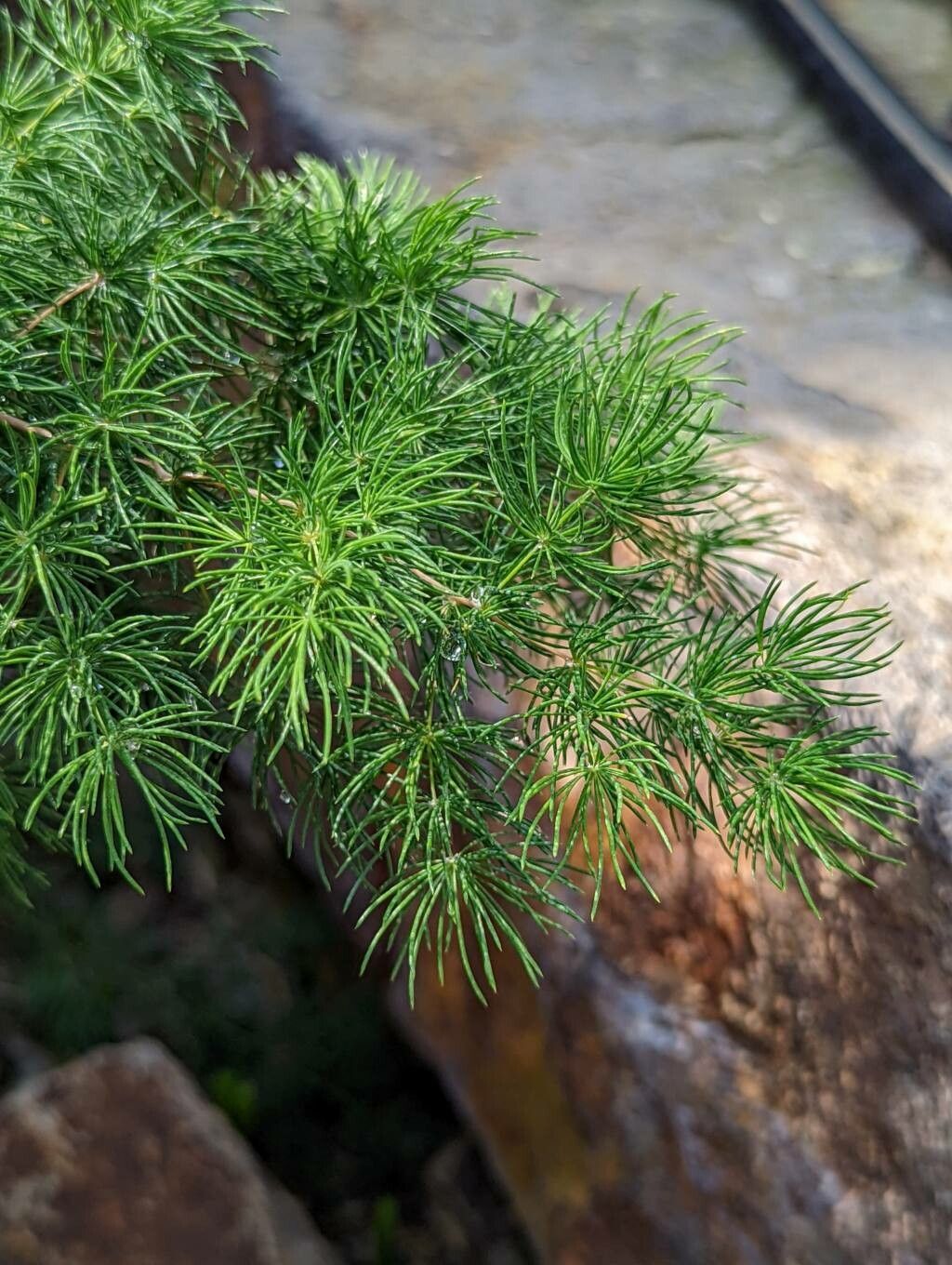
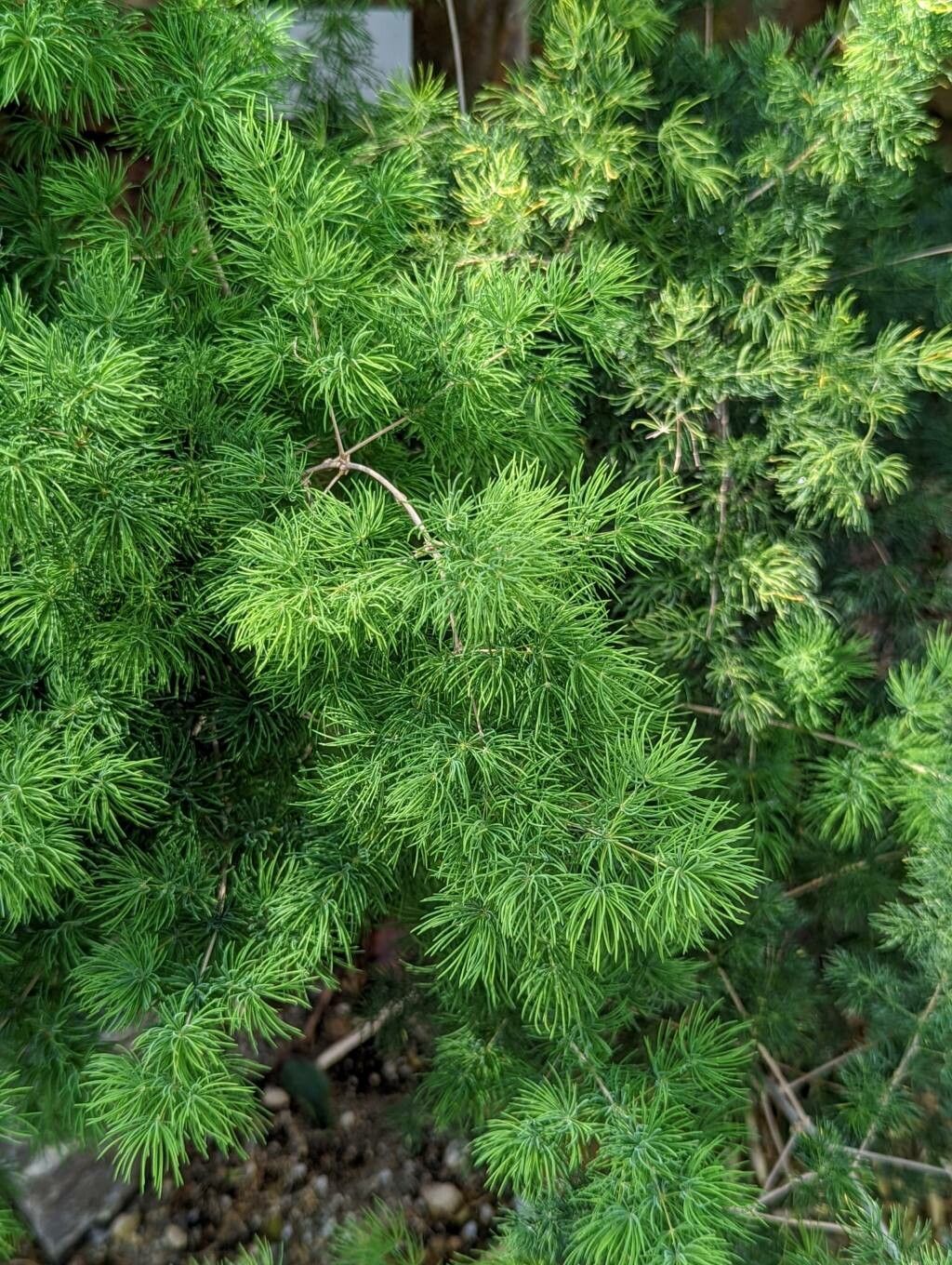
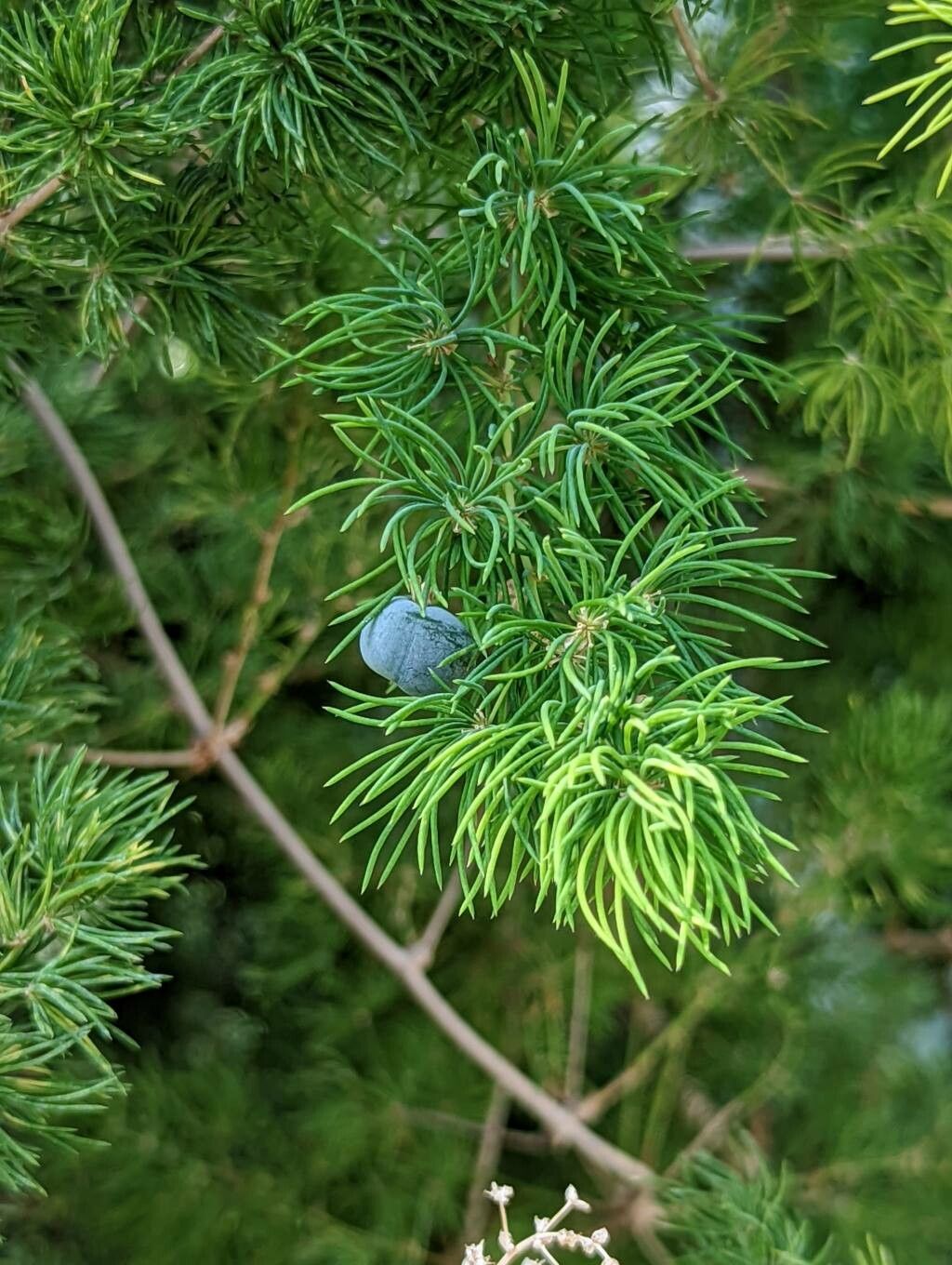
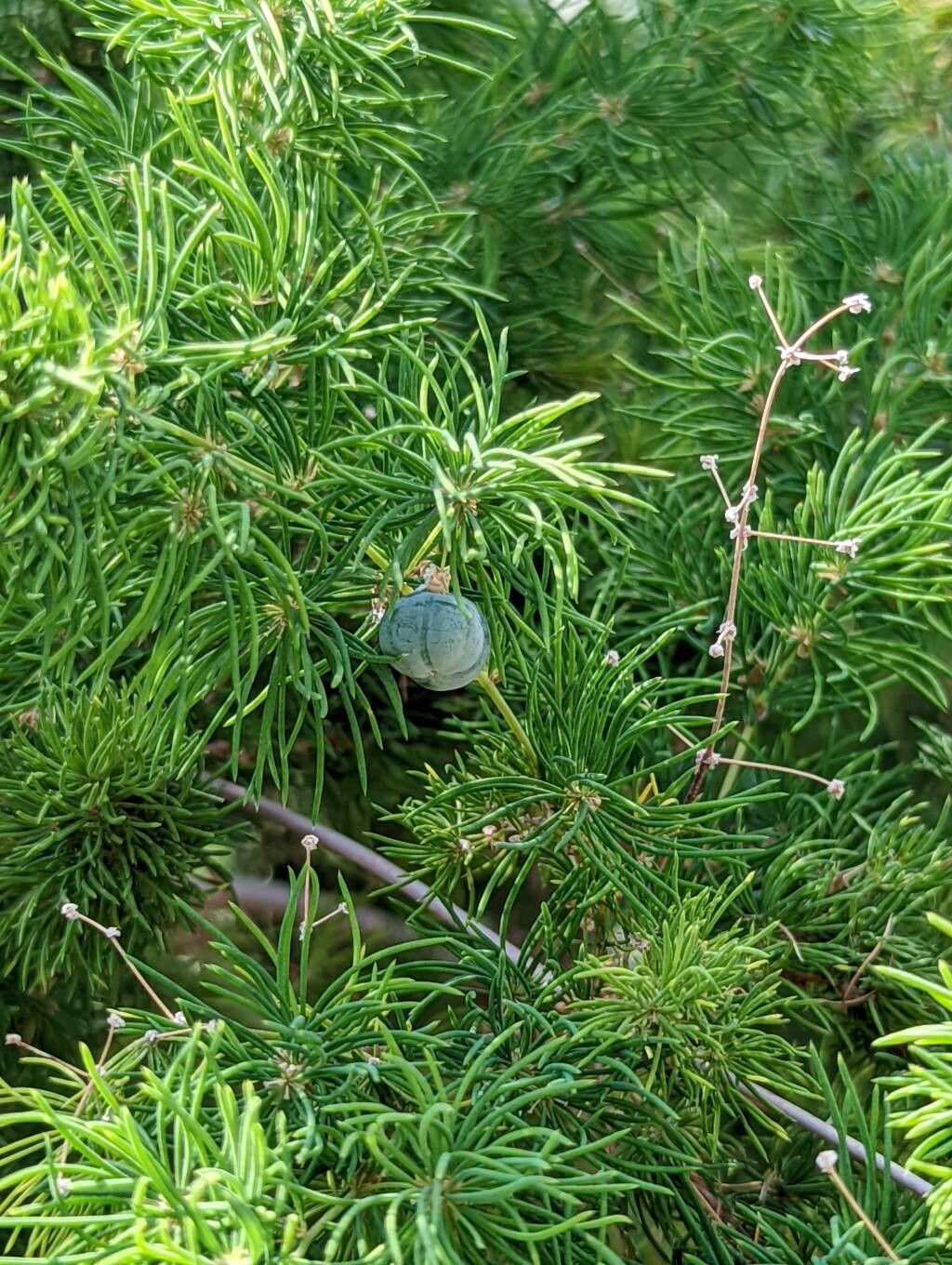
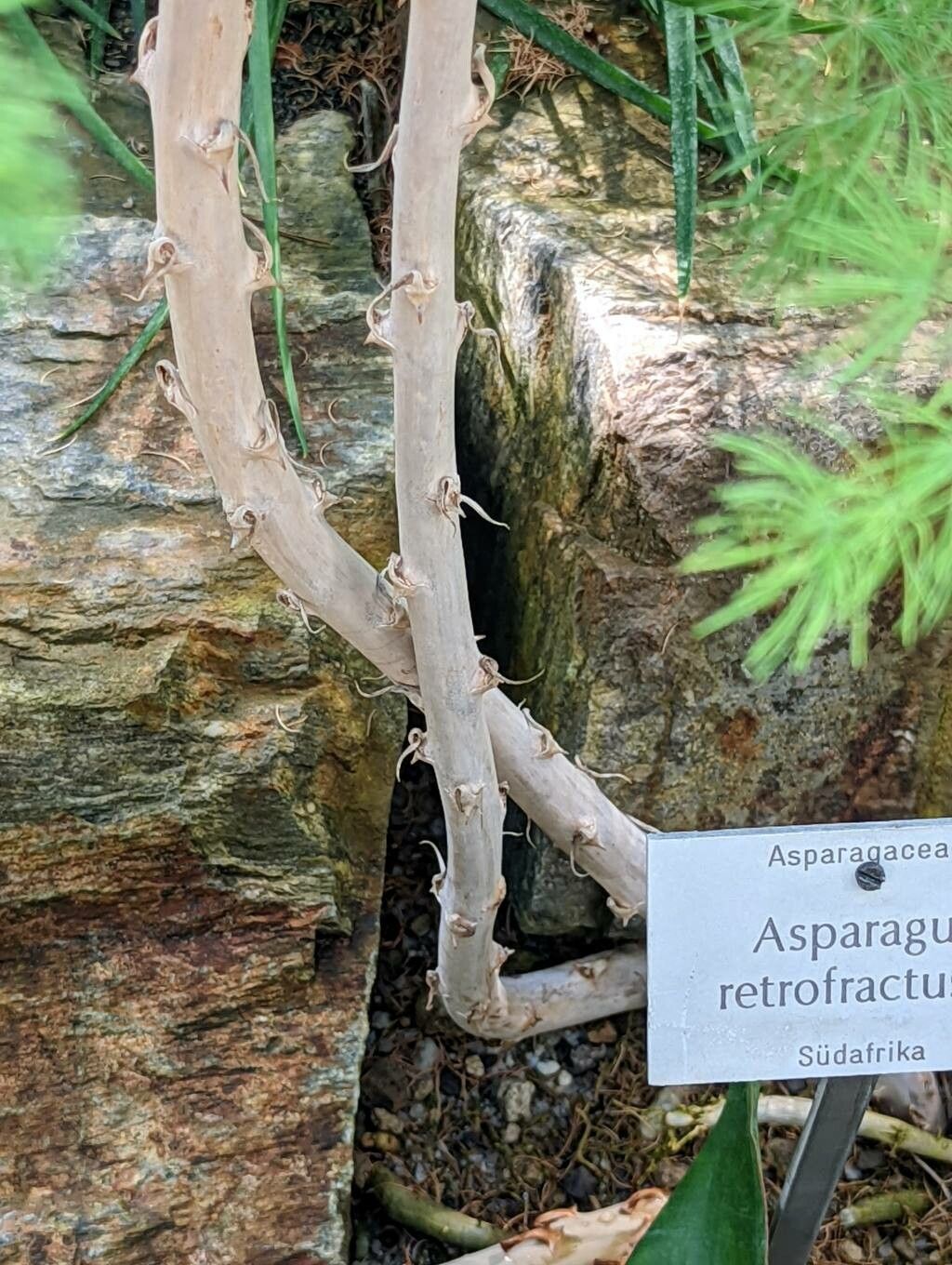
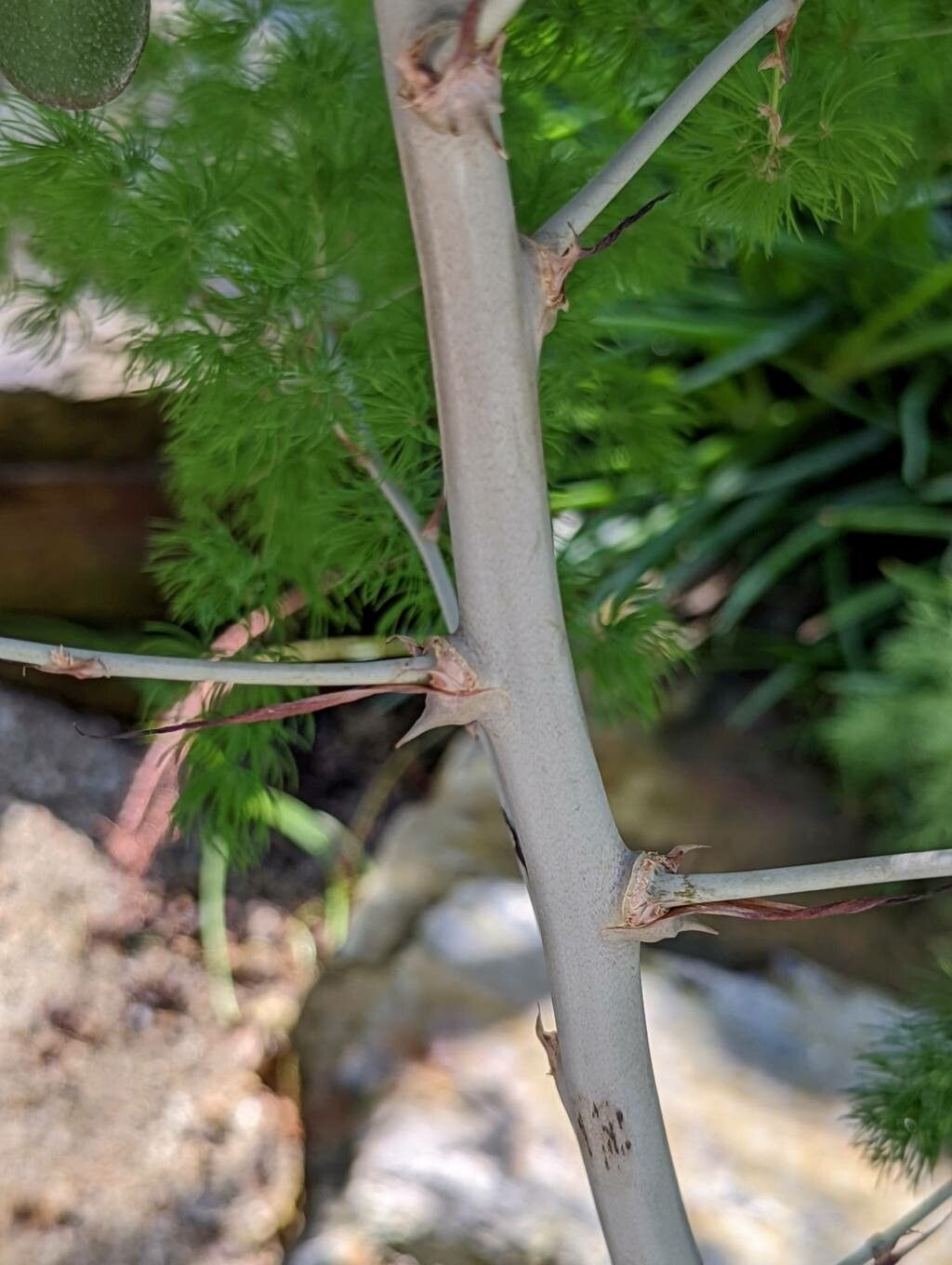
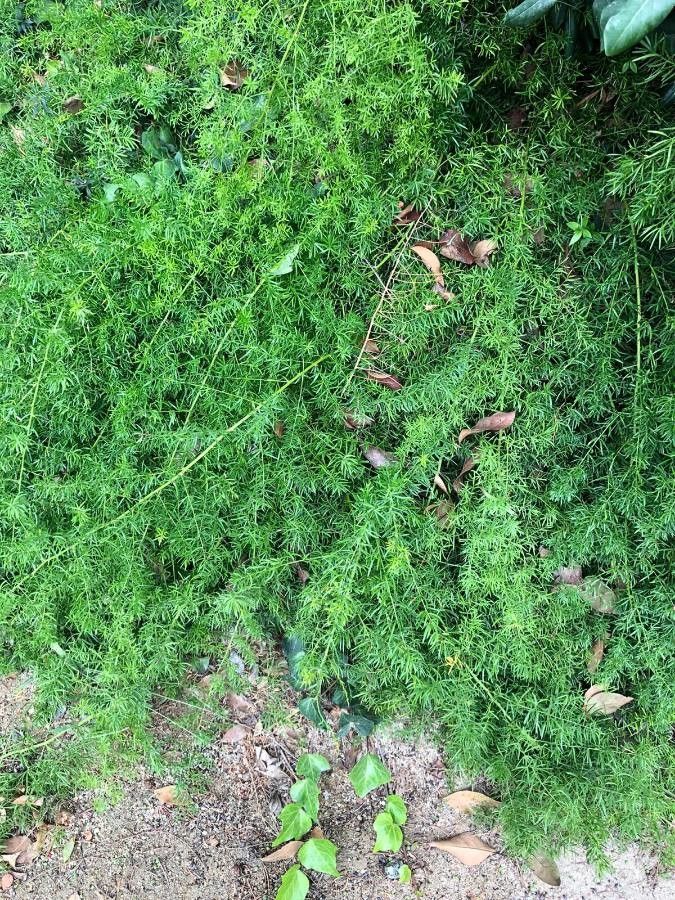
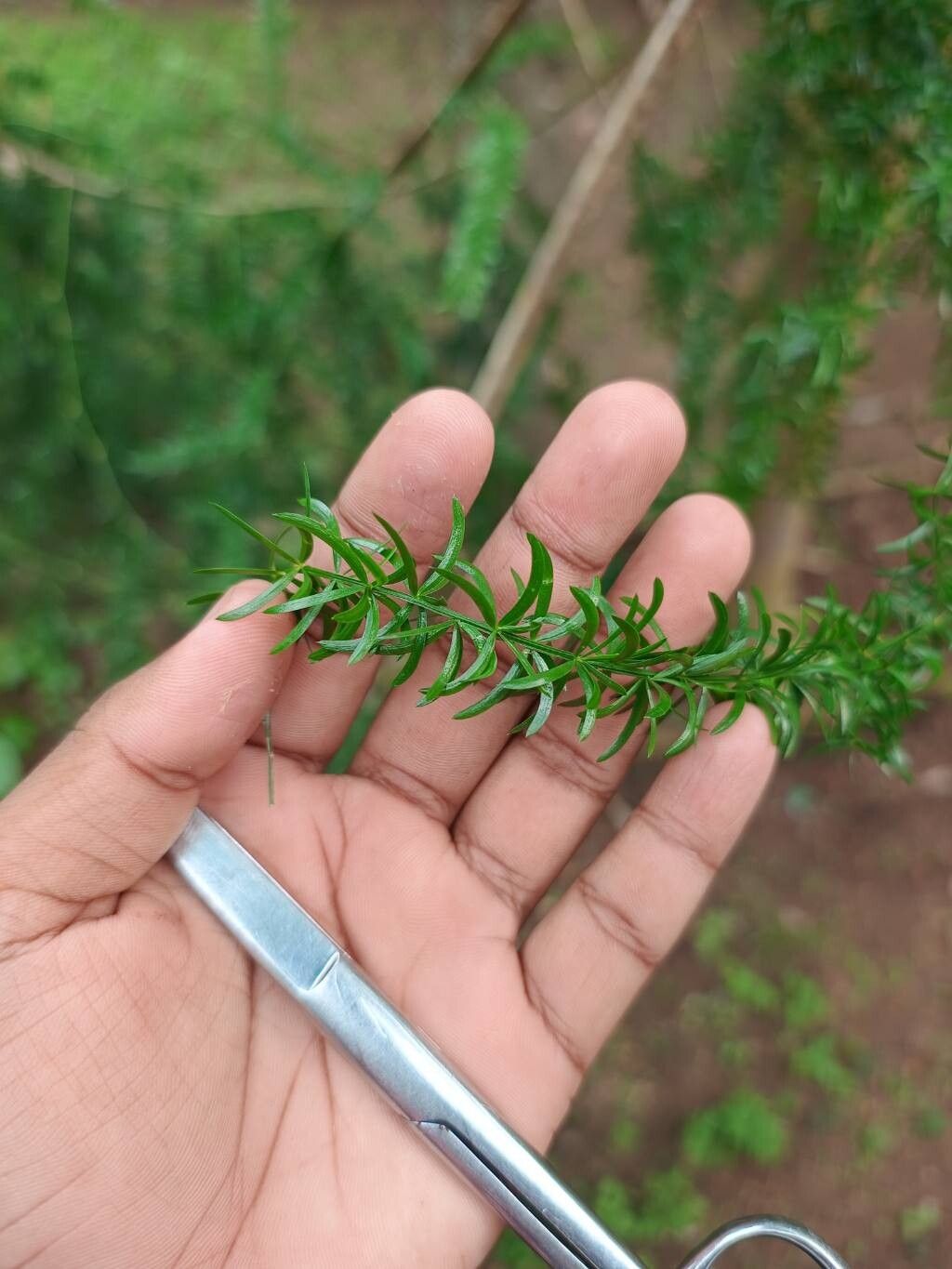
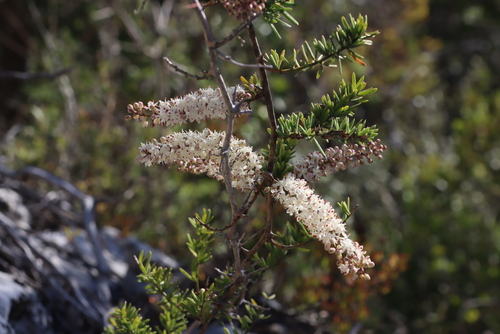
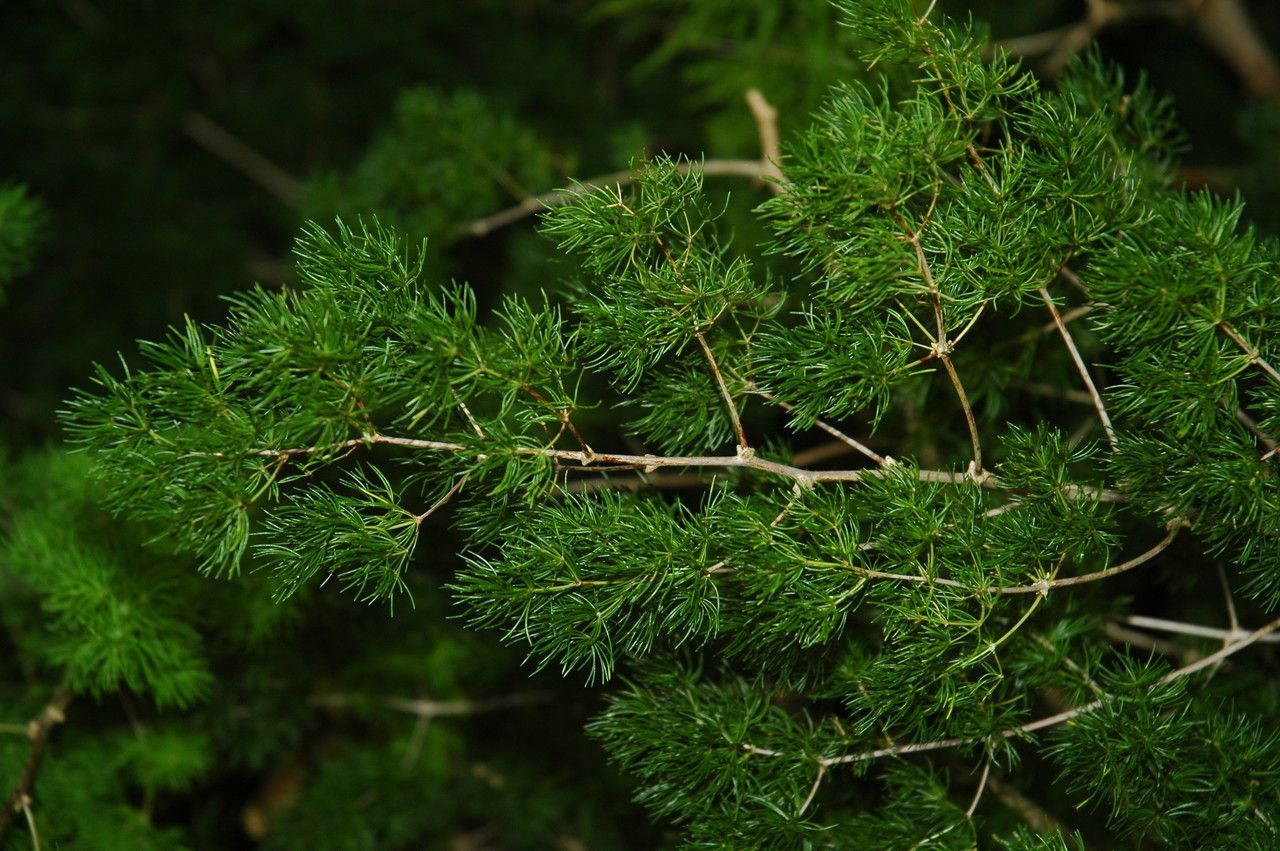
Asparagus retrofractus ("Ming Asparagus fern") is a shrub of the Asparagus genus that is indigenous to the western regions of South Africa.
The Ming fern is fairly disease-resistant and usually does not fall prey to many illnesses. Still, it can be vulnerable to pests and diseases present in its surroundings. These problems are typically not serious. In terms of care, the plant needs moderate maintenance. Regular pruning is required to keep it looking neat and to support healthy growth. Fertilizing can also help encourage flowering. The Ming fern is suitable for anyone with outdoor space, such as a garden or patio, and does not demand extensive care experience. It may need extra attention when grown indoors.
How to keep Asparagus Retrofractus.
Light
Ming fern is native to habitats like forest understories or rocky areas that provide natural shade. It prefers partial sun but can tolerate full sun or full shade, showing its versatile and hardy nature.
Water
The Ming fern is an excellent choice for indoor decoration because it thrives in moderate humidity and requires watering only every 1 to 2 weeks. Although it originates from regions with ample rainfall, it tolerates drought well and maintains its lush appearance throughout the year.
Temperature
Ming fern comes from tropical areas where the climate is generally warm and humid. As a result, it is well suited to high temperatures and humidity. It is sensitive to sudden temperature changes and prefers a stable temperature environment, so preventing temperature fluctuations indoors is important. It typically does not tolerate cold and needs higher temperatures to grow. If the surrounding temperature falls too low, the plant may stop growing or even die.
Fertilizer
Appropriate fertilization is essential for a Ming fern’s health and appearance. Fertilize the Ming fern in summer, repeating the treatment monthly throughout the season. Nutrients support growth and help maintain the plant’s parts. Fertilization improves the Ming fern’s flower display, ensuring the best blooms.
Pruning
To keep your ming fern healthy and well-shaped, prune it in early spring. Start by removing any dead or yellowing fronds and trimming leggy stems to encourage bushiness. Thin out the interior for improved air circulation, which helps reduce disease risk. Regularly remove older stems to rejuvenate the plant's appearance and promote its overall health.
Botanical profile.
- Plant Type
- Herb
- Life Cycle
- Perennial
- Genus
- Asparagus
- Family
- Asparagaceae
- Hardiness Zone
- 9-11
- Mature Height
- 1.83 m to 2.44 m
- Mature Spread
- 49 cm to 91 cm
- Leaf Color
- Dark Green
- Leaf Type
- Evergreen
- Flower Color
- White
- Flower Size
- 0.51 cm to 0.76 cm
- Bloom Time
- Mid spring, Late spring, Early summer
- Planting Time
- Spring, Autumn
- Harvest Time
- Mid summer, Late summer, Early fall
- Native Area
- South Africa, Namibia, Botswana
Other names.
Reader questions.
What are the sunlight requirements for a Ming fern?
The Ming fern, or Asparagus retrofractus, thrives under specific sunlight conditions. It requires partial sun, meaning about 3-6 hours of sunlight daily, to grow effectively. However, it can also survive in full shade areas, where it receives less than 3 hours of sunlight a day. It's important to observe the movement of sunlight through your garden to ensure you choose a location that offers the right balance of light and shade. This careful placement is essential for the happiness and health of your plant.
What is the botanical name of the Ming fern?
The botanical name of the Ming fern is Asparagus retrofractus. This species is known for its unique and ornamental appearance, making it a popular choice for gardeners and houseplant enthusiasts alike.