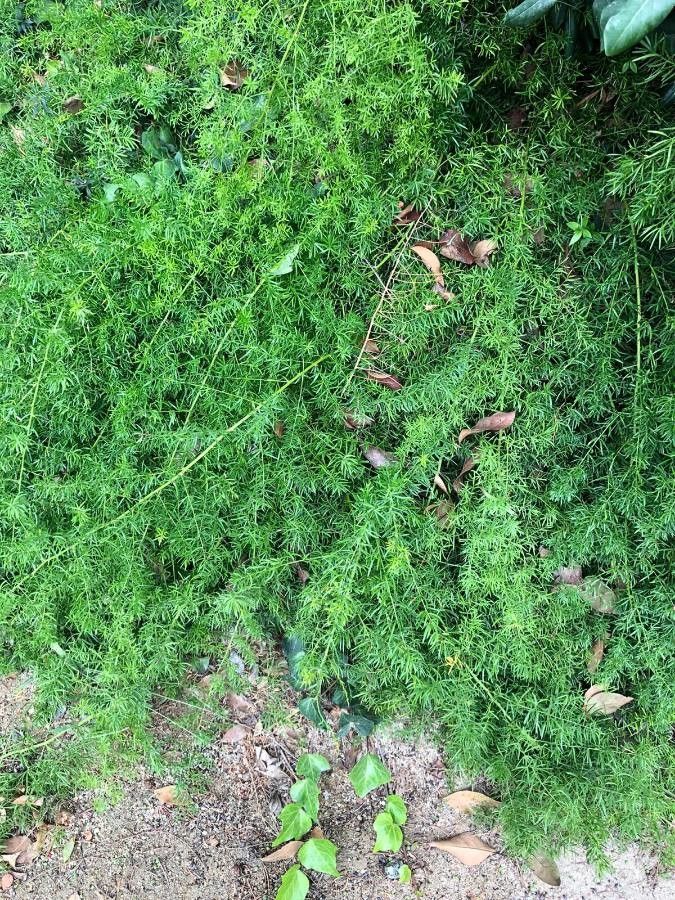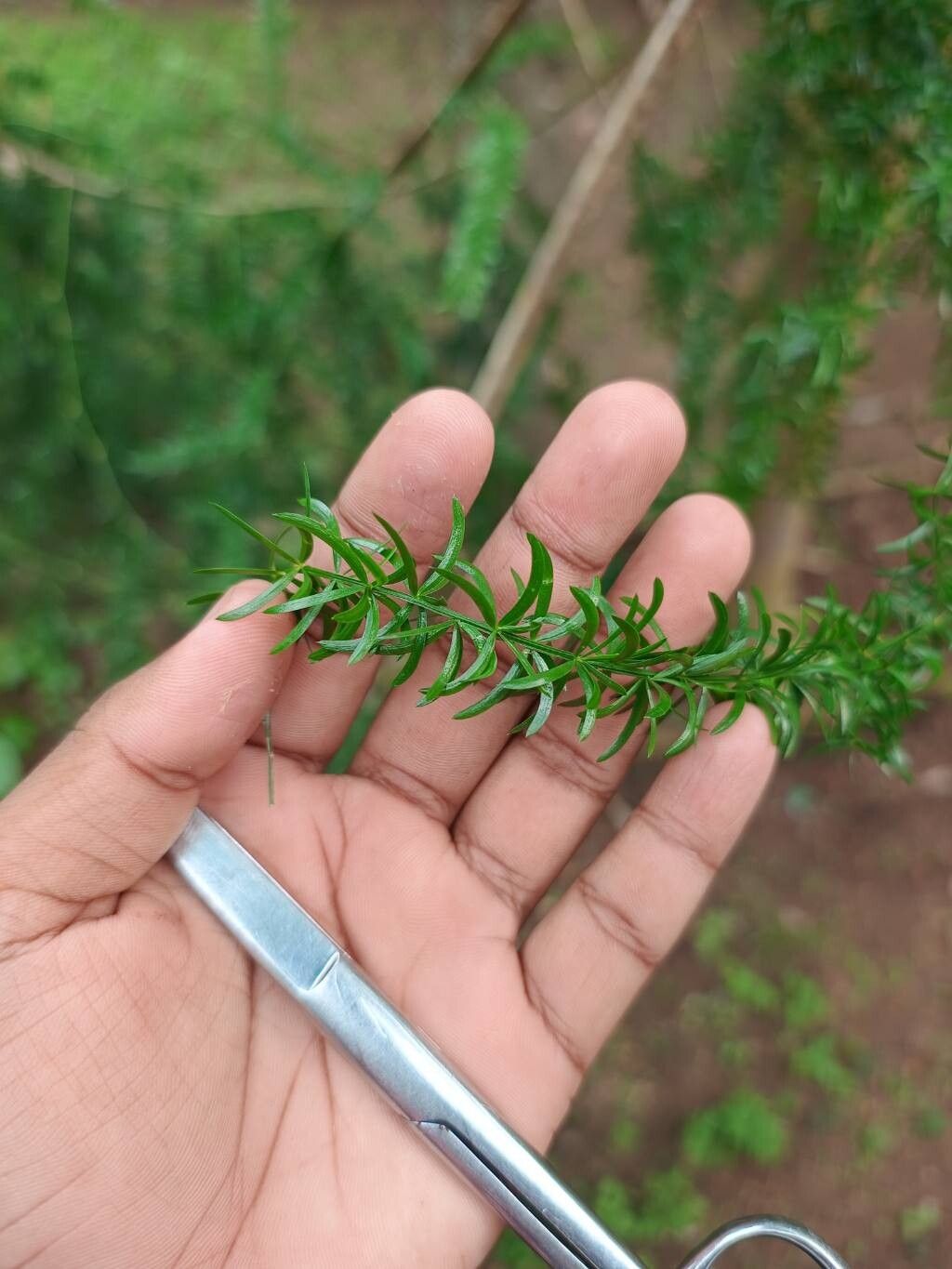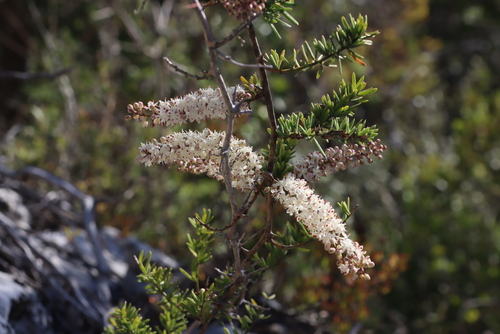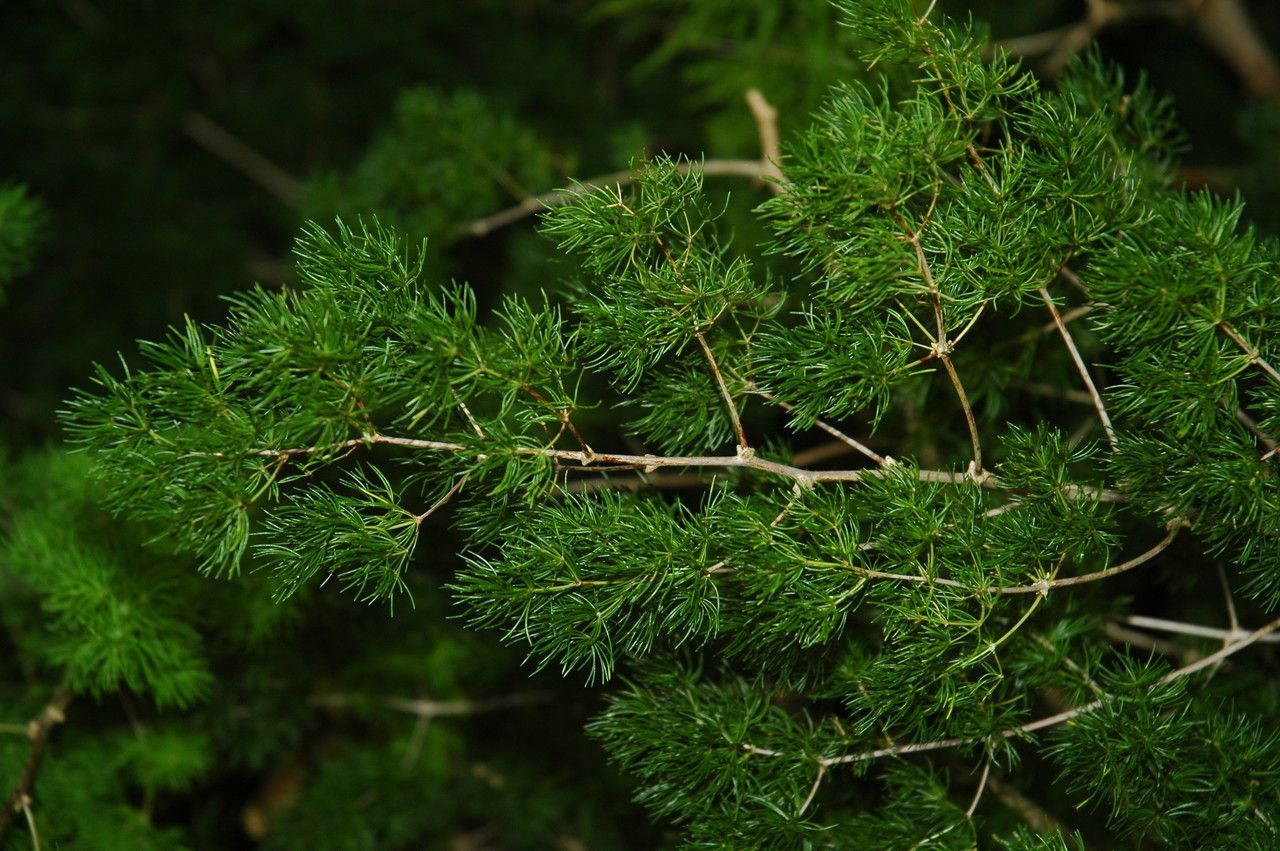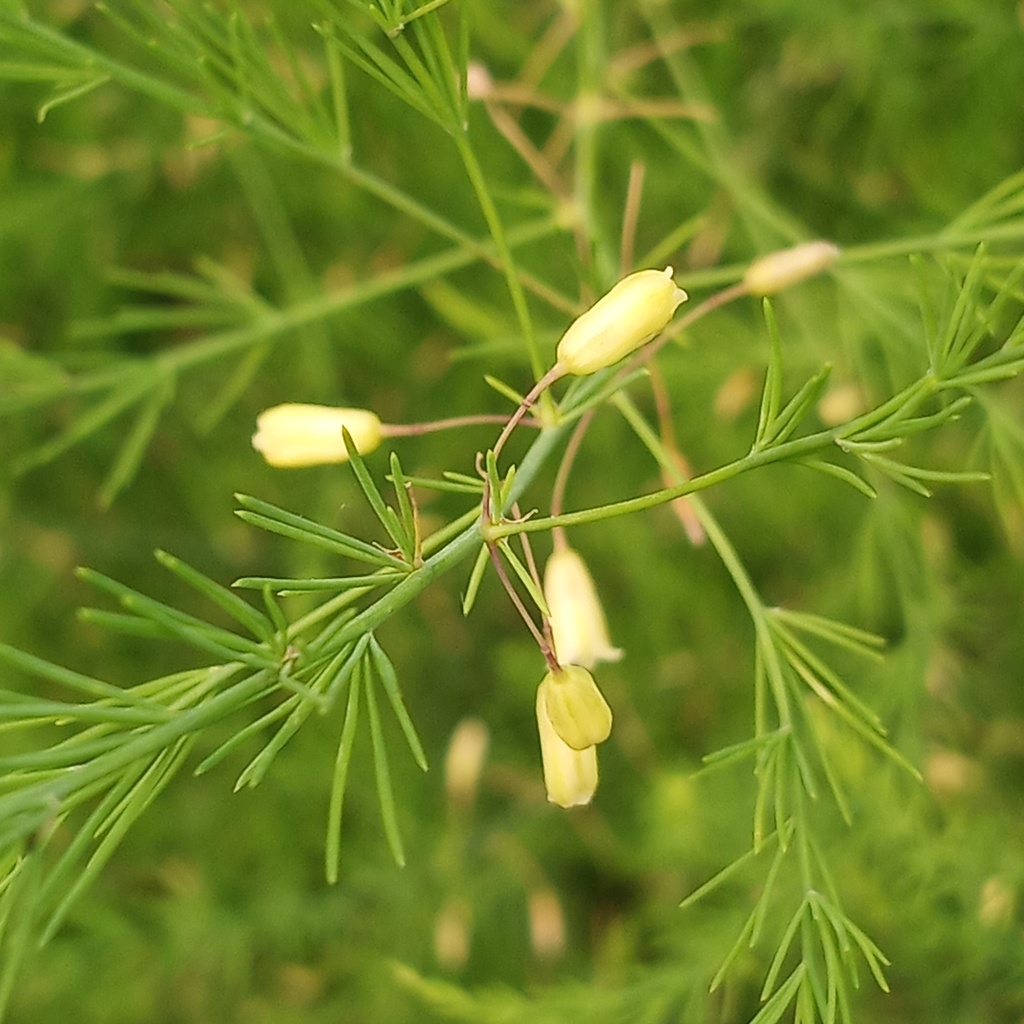
Asparagus, or garden asparagus, folk name sparrow grass, scientific name Asparagus officinalis, is a perennial flowering plant species in the genus Asparagus. Its young shoots are used as a spring vegetable. It was once classified in the lily family, like the related Allium species, onions and garlic. However, genetic research places lilies, Allium, and asparagus in three separate families—the Liliaceae, Amaryllidaceae, and Asparagaceae, respectively— the Amaryllidaceae and Asparagaceae are grouped together in the order Asparagales. Sources differ as to the native range of Asparagus officinalis, but generally include most of Europe and western temperate Asia. It is widely cultivated as a vegetable crop.
Asparagus has moderate resistance to disease and can be susceptible to problems such as leaf spot. Its vulnerability to insect pests varies by variety, but most are not highly resistant to pests. In terms of care, asparagus requires regular watering and fertilization, along with frequent pruning of yellow leaves. It is important to control pests and diseases when they appear and to harvest the plant in a timely manner. Asparagus is suitable for those who have some time and energy to devote to regular care.
How to keep Asparagus Officinalis.
Light
Asparagus grows best with abundant light, such as in an open garden. They can also tolerate areas where light is scarcer. Different stages of growth still do well under those conditions. However, too much or too little light can impair their development.
Water
Garden asparagus thrives in moist, well-drained soil and requires consistent moisture, needing to be watered weekly. It adapts well to outdoor conditions, benefiting from natural rainfall. By aligning its growth cycle with seasonal water availability, it flourishes during the growing season.
Temperature
Asparagus prefers temperatures from 41 to 95 ℉ (5 to 35 ℃) for optimal growth. It naturally occurs in areas with cool to moderate climates. In hot summer months, it is advisable to regulate soil temperature by applying mulch so the plant can thrive.
Fertilizer
Asparagus species do well with one to two applications of organic fertilizers that supply potassium and phosphorus. Apply the fertilizer before planting, work it into the soil, and water thoroughly. Usually a single application is adequate, though a second application can be made after seedlings have become established. Avoid overusing fertilizer to prevent damage to the plants.
Pruning
To help garden asparagus thrive, it's important to prune dead or weak stems early in the spring to promote new growth. Removing yellowing foliage also boosts the plant's vigor, appearance, and yield. This routine maintenance is crucial for encouraging healthy shoots and preventing disease.
Pot & Repot
When repotting Asparagus, choose a pot 1–2 inches (2.5–5.1 cm) larger with good drainage. Use a well-draining potting mix. Repot in spring or fall, ensuring the root ball is slightly lower than the rim of the flower pot. Water thoroughly after repotting and place in a warm spot with indirect sunlight.
Toxicity
Asparagus are safe to eat and non-toxic to humans or pets. However, it isn’t usually recommended for dogs and cats because the vegetable can be difficult to digest. The small, red berries can be mildly toxic when ingested. Keep these away from small children and pests to reduce the risk of vomiting and diarrhea.
Further reading →
The toxicity and danger assessments provided are for reference only. We do not assure their accuracy, so it's crucial not to depend on them. Seek professional advice when necessary for accurate guidance.
Botanical profile.
- Plant Type
- Herb
- Life Cycle
- Perennial
- Genus
- Asparagus
- Family
- Asparagaceae
- Hardiness Zone
- 4-10
- Mature Height
- 0.91 m to 1.52 m
- Mature Spread
- 46 cm to 91 cm
- Leaf Color
- Green
- Leaf Type
- Deciduous
- Flower Color
- Green, Yellow
- Flower Size
- 2.54 cm
- Bloom Time
- Late spring, Early summer
- Planting Time
- Spring
- Harvest Time
- Early summer, Mid summer
- Native Area
- Siberia to Southern Africa
Other names.
Reader questions.
How should I water my Garden asparagus?
The Garden asparagus has specific preferences for water and how it is provided. Incorrect watering techniques can harm your tomatoes. To water Garden asparagus correctly, apply water directly to the soil in a slow and gentle manner. Avoid pouring all the water at once or using overhead watering. While watering slowly, make sure the soil is sufficiently moist by watering deeply.
Why should I put fertilizer on my Garden asparagus?
Garden asparagus grows quickly and requires a lot of energy to produce the root vegetables we enjoy. Along with sunlight, oxygen, and water, garden asparagus species need nutrients to grow and develop roots. Although garden soil generally contains these nutrients due to organic matter decomposition, sometimes they may be lacking, hindering healthy garden asparagus growth. In such cases, fertilizer provides the necessary boost for garden asparagus to thrive.
What are the sunlight requirements for garden asparagus?
Garden asparagus requires full sun, which is above 6 hours of sunlight daily, for optimal growth. However, it can also tolerate partial sun, receiving about 3-6 hours of sunlight. It's essential to observe the movement of sunlight through your garden to ensure your plants get a balance of light and shade, which is crucial for their health and happiness.
What are the ideal temperature conditions for growing Garden asparagus?
Garden asparagus (Asparagus officinalis) thrives best in temperatures ranging from 41 to 95°F (5 to 35°C). It originates from regions with cool to moderate climates, preferring relatively warm temperatures. During the winter, it is beneficial to maintain temperatures above 5°C, ensuring the minimum temperature stays above the freezing point to prevent damage. If outdoor temperatures fall to -5°C (25°F) or below in winter, it's advisable to bring the plant indoors or offer protection with a temporary greenhouse or materials like plastic film or fabric to safeguard against freezing.
What should I do if I give my Garden asparagus too much water or too little water?
If you have overwatered your Garden asparagus and are worried about disease, take immediate action. The best approach is usually to remove the plant from its current spot and let the roots dry before transplanting it. Make sure the new location has well-draining soil. If you grow in pots, consider using a pot with better drainage. In the case of underwatering, simply water your plant more frequently.
When should I fertilize my Garden asparagus for the best results?
To prepare your soil for planting, apply natural fertilizer. You have flexibility with the timing, but make sure you have ample time to incorporate the fertilizer into the soil and water it thoroughly before planting seeds or seedlings. Typically, a single application of fertilizer is sufficient to support the growth of Garden asparagus throughout the season. However, if desired, you can apply an extra round of fertilizer once the seedlings have established themselves to enhance their yield. It's important to exercise caution and avoid excessive fertilizer usage that might harm the plants.
How does light affect the growth of garden asparagus?
Light plays a significant role in the growth of garden asparagus. While it thrives best in generous light exposure typical of open garden settings, it can adapt to locations with less abundant light. Different growth stages can prosper under varying light conditions, but an inappropriate amount of light can impede the plant's development. Indoor plants may need artificial lighting to achieve optimal growth, especially in less sunny spaces or during winter. LED lights are recommended due to their ability to provide specific light wavelengths needed by plants. The amount of artificial light required varies based on the plant type: full sun plants need 30-50W/sq ft, partial sun plants need 20-30W/sq ft, and full shade plants need 10-20W/sq ft.
How does Garden asparagus respond to low temperatures, and what should be done?
Garden asparagus has a moderate tolerance to low temperatures, with optimal growth observed between 5°C and 35°C. It should be kept from falling below -25°C during winter to avoid cold damage. Exposure to temperatures below -30°C can cause the leaves to darken, lead to water-soaked necrosis, and in severe cases, cause wilting and drooping, turning the leaves brown. To mitigate frost damage, trim the affected parts and move the plant to a warmer indoor environment or set up a greenhouse for protection. Ensure it is placed near a south-facing window for sunlight, or use supplemental lighting if necessary.
How frequently do I need to water my asparagus plants in the garden?
Garden asparagus requires a lot of water during the growing season, so it's important to water it frequently. In the spring and summer, water your Garden asparagus about once or twice per week. As the season goes on, you'll need to increase the watering frequency. During the summer, you may need to water it twice per day or more, depending on the weather. Once the major growth phases are over, you can reduce the watering frequency to about once per week until the end of the growing season.
When is not a good time to add fertilizer to my Garden asparagus?
To ensure effective fertilization, remember to avoid applying fertilizer when the soil is dry. After fertilizing, make sure to water your plants thoroughly as this helps deliver the nutrients properly. If you prioritize the growth of foliage over the root crops, then high-nitrogen fertilizers might be suitable for you. However, take care not to let fertilizer come into contact with the base of the plant, leaves, or stems as it can potentially damage them.
What symptoms indicate insufficient or excessive light exposure in garden asparagus?
Symptoms of insufficient light exposure in garden asparagus include smaller leaves, leggy or sparse growth, faster leaf drop, slower or no new growth, lighter-colored new leaves, and symptoms of excessive light exposure like chlorosis, sunscald, leaf curling, wilting, and leaf scorching. These symptoms suggest that the plant's light requirements are not being met, highlighting the need for adjustments in light exposure to ensure the plant's health.
How should Garden asparagus be cared for in high temperatures?
During summer, it's important to maintain Garden asparagus temperatures below 35°C to prevent heat stress. If temperatures exceed 41°C, the plant's growth may slow, leaves may lighten in color, and it becomes more prone to sunburn. To care for the plant in high temperatures, trim away the sunburned and dried parts. Relocate the plant to a shaded area, especially from the afternoon sun. Watering in the morning and evening will help keep the soil moist and assist in cooling the plant.