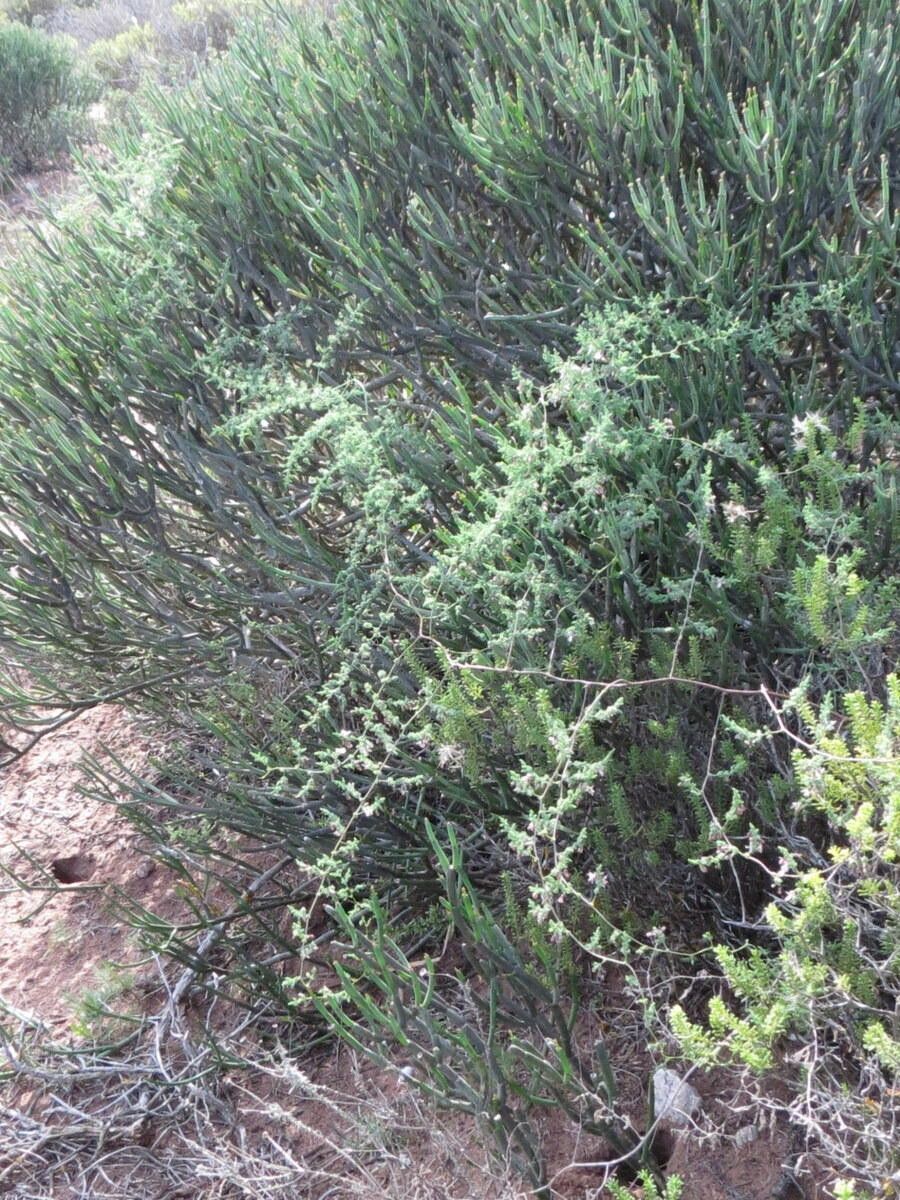
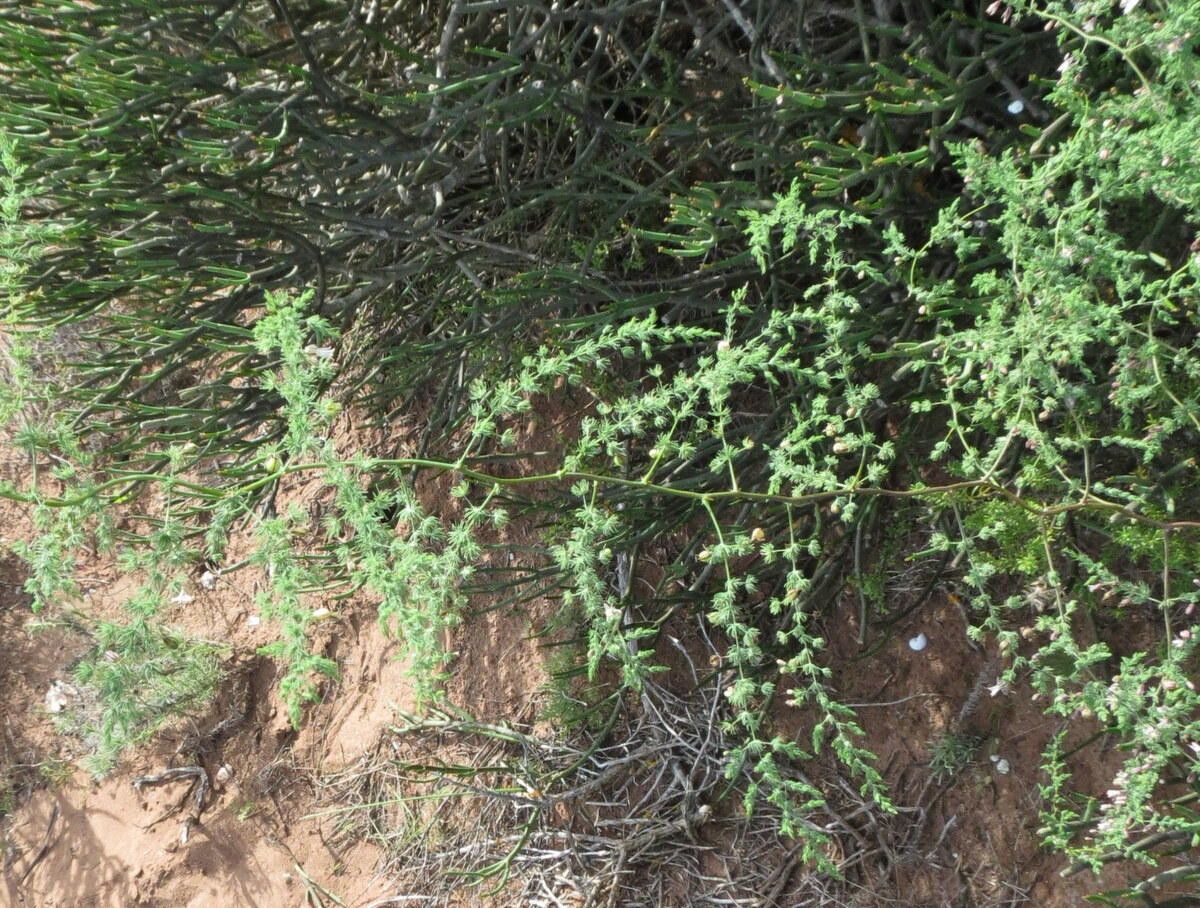
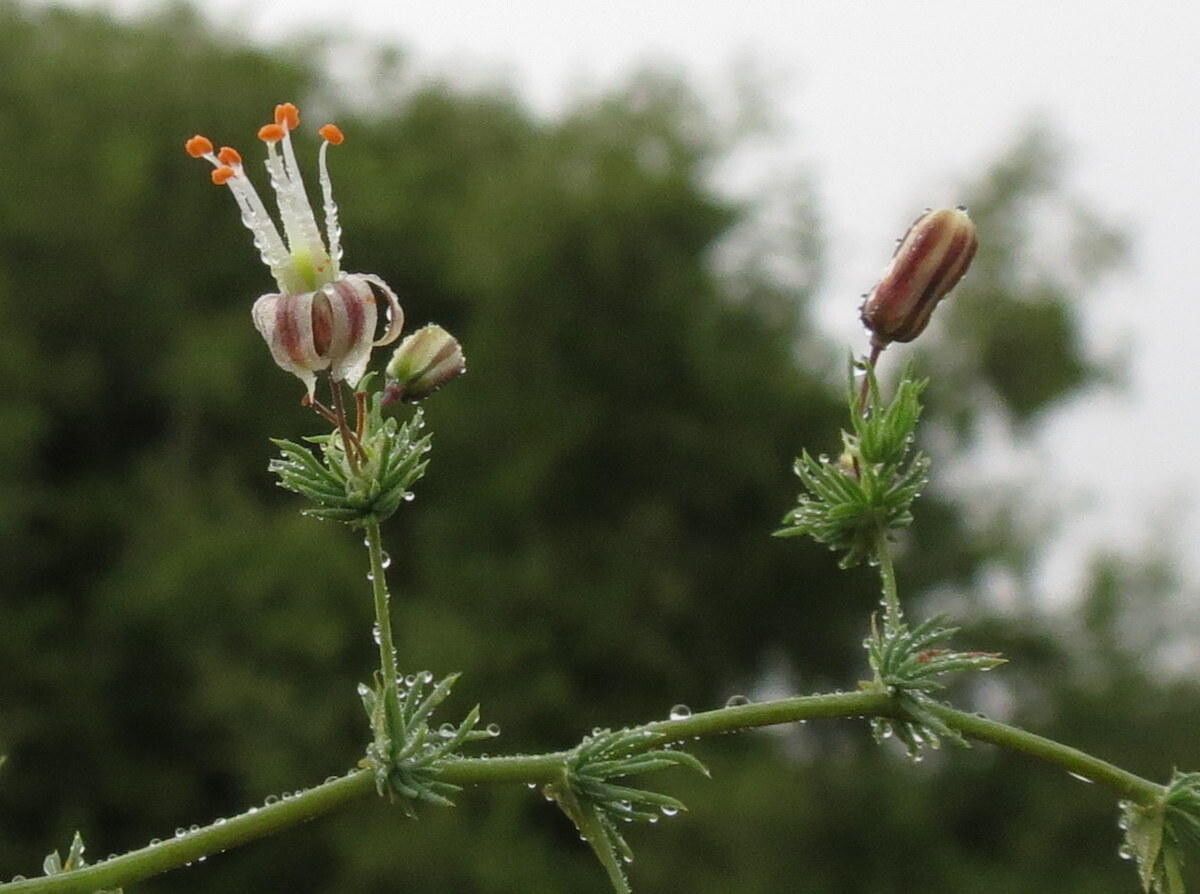
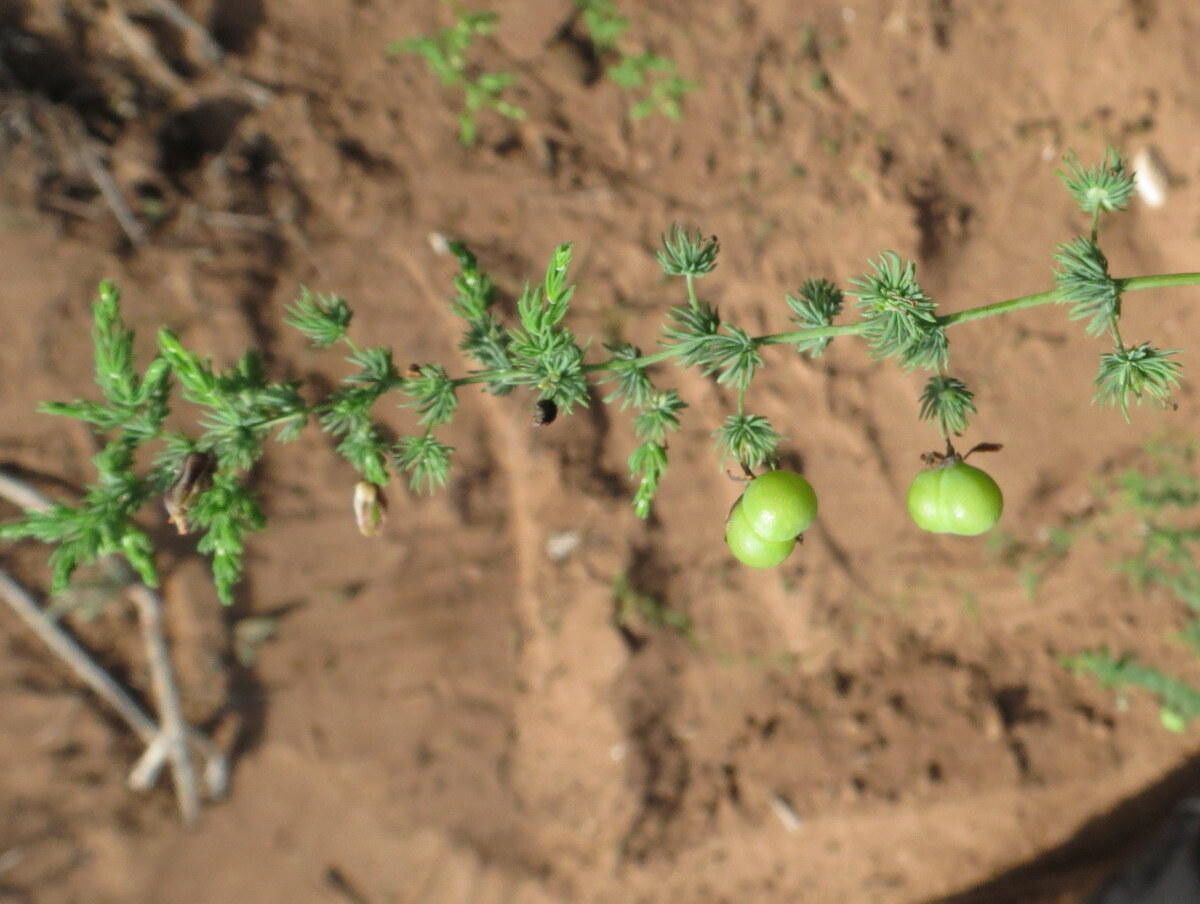
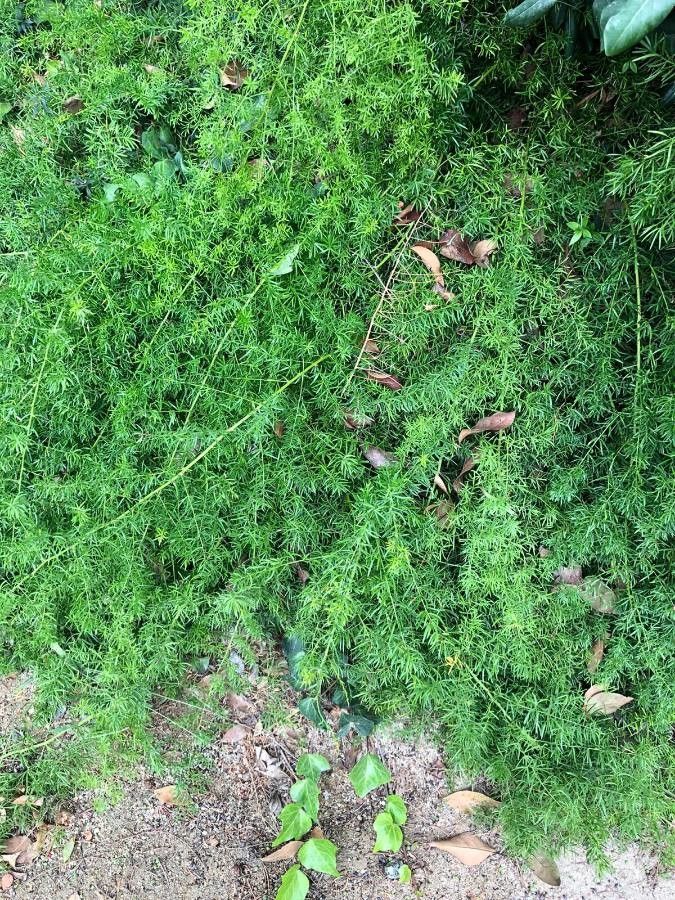
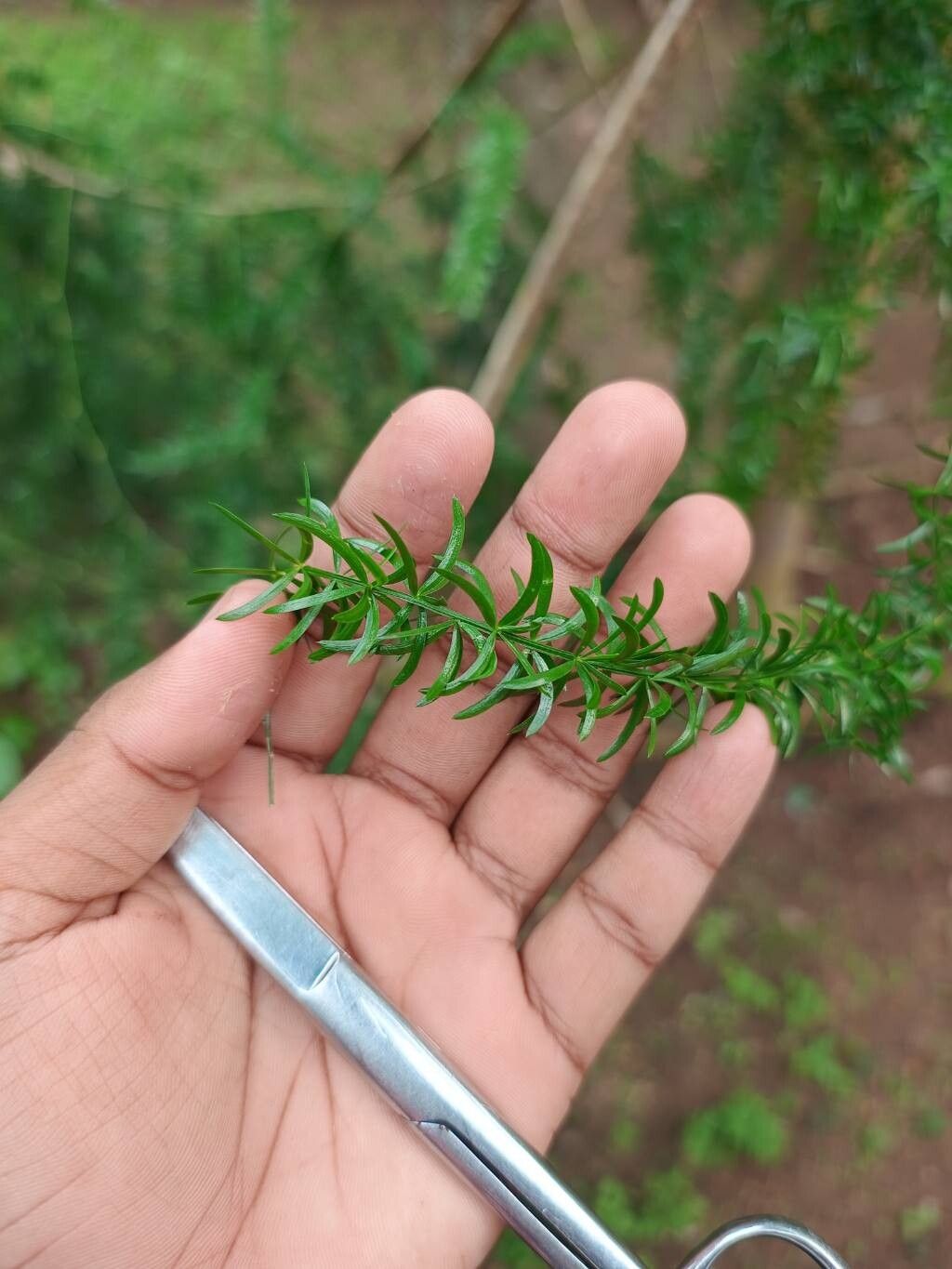
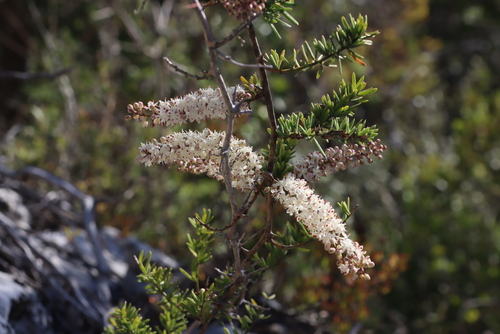
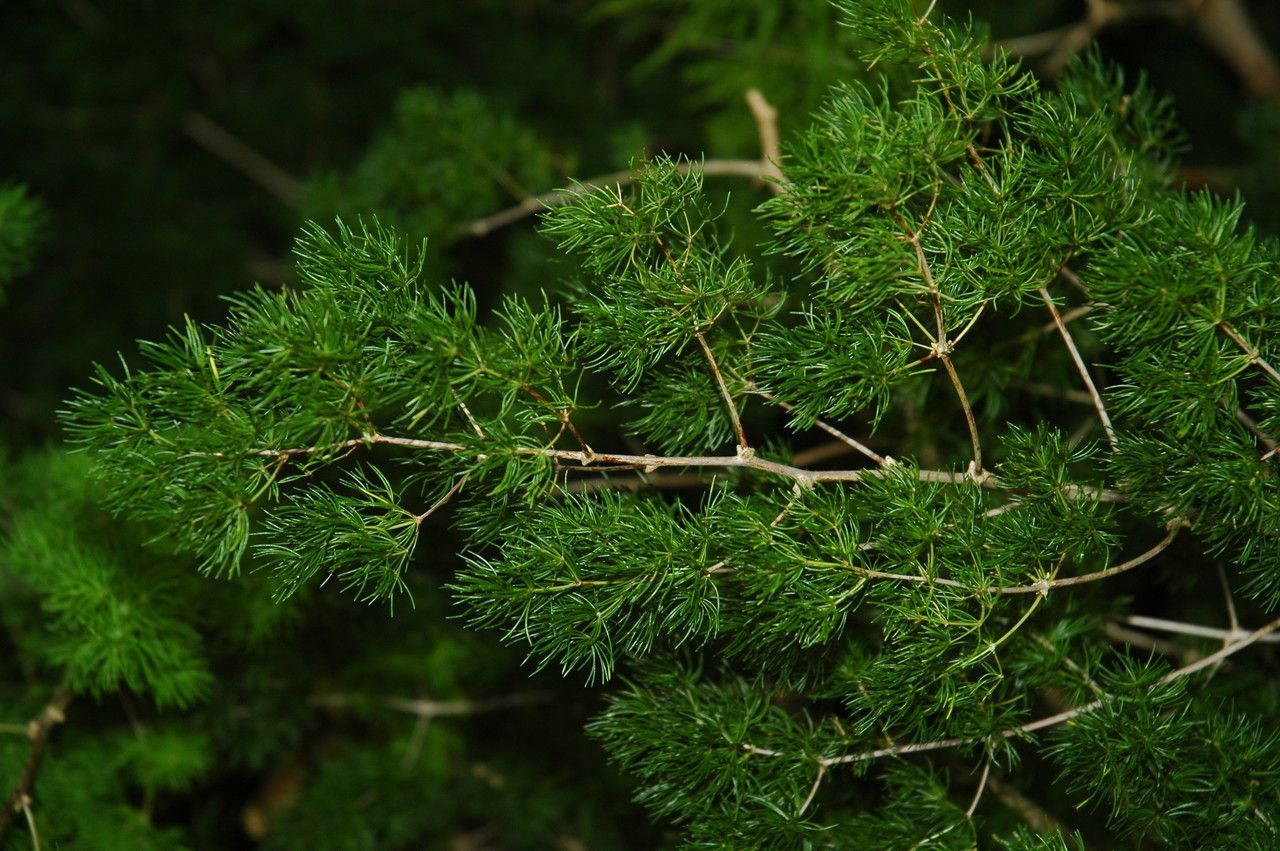
Racemose asparagus is fairly disease-resistant and usually not susceptible to illnesses. Still, it can be affected by pests and diseases present in its environment, though these problems are generally mild. Regarding care, this plant needs moderate maintenance. Regular pruning is required to keep a neat appearance and support healthy growth. Fertilizing can also encourage flowering. Racemose asparagus is suitable for anyone with outdoor space, such as a garden or patio, and does not demand extensive care experience. It may need more attention when kept indoors.
How to keep Asparagus Fasciculatus.
Light
Racemose asparagus occurs naturally in habitats like forest understories and rocky sites, where it grows under natural shade. It prefers partial sun but can adapt to full sun or full shade, showing how versatile and hardy it is.
Temperature
Racemose asparagus comes from tropical areas, where the climate is generally warm and humid. As a result, it is well adapted to high temperatures and humidity. It does not tolerate sudden temperature changes and prefers a stable thermal environment, so avoiding temperature fluctuations indoors is important. It usually cannot endure cold and requires higher temperatures for growth. If the surrounding temperature falls too low, the plant may stop growing or even die.
Fertilizer
Appropriate fertilization is vital for the health and appearance of Racemose asparagus. Fertilize Racemose asparagus during summer, repeating the treatment monthly throughout summer. Nutrients fuel growth and sustain the plant's parts. Fertilization improves Racemose asparagus's flower display, ensuring the best blooms.
Botanical profile.
- Plant Type
- Herb
- Life Cycle
- Perennial
- Hardiness Zone
- 9-11
- Mature Height
- 0.91 m to 2.13 m
- Mature Spread
- 49 cm to 91 cm
- Leaf Color
- Green
- Leaf Type
- Semi-evergreen
- Flower Color
- White
- Flower Size
- 0.20 cm to 0.25 cm
- Bloom Time
- Summer
- Planting Time
- Spring
- Harvest Time
- Late summer, Early fall, Mid fall
- Native Area
- Sri Lanka, Somalia, India, Malaysia, Angola, Namibia, Madagascar, Rwanda, Pakistan, Eritrea, Nigeria, Yemen, Kenya, Guinea-Bissau, Tanzania, Sierra Leone, Indonesia, Cambodia, Equatorial Guinea, Mozambique, Oman, Ghana, Ethiopia, Botswana, Central African Republic, Nepal, South Africa, Sudan, Bangladesh, China, Vietnam, Myanmar, Togo, Bhutan, Côte d'Ivoire, Eswatini, Iran, Thailand