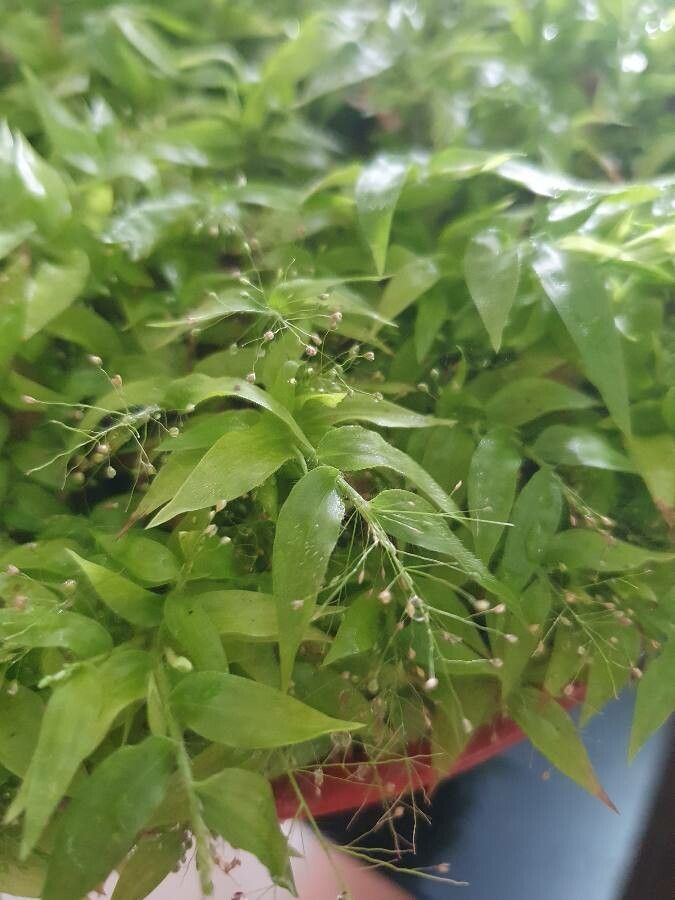
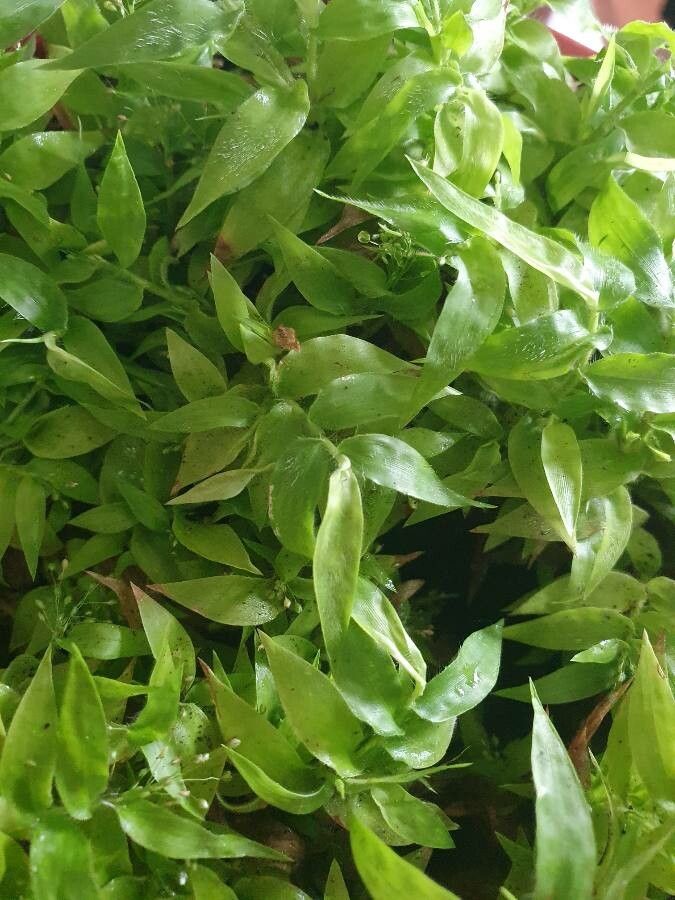
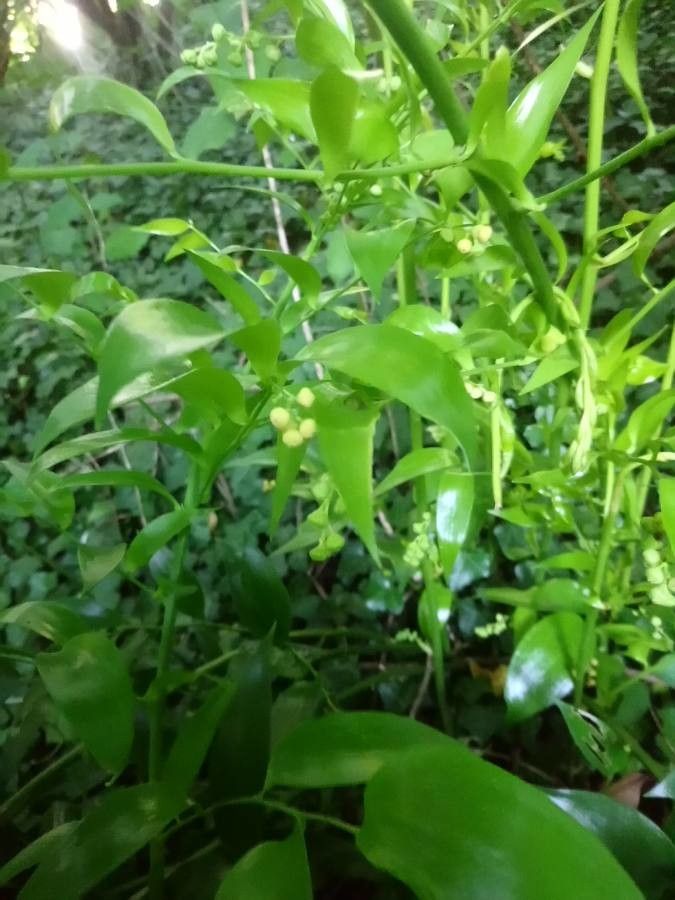
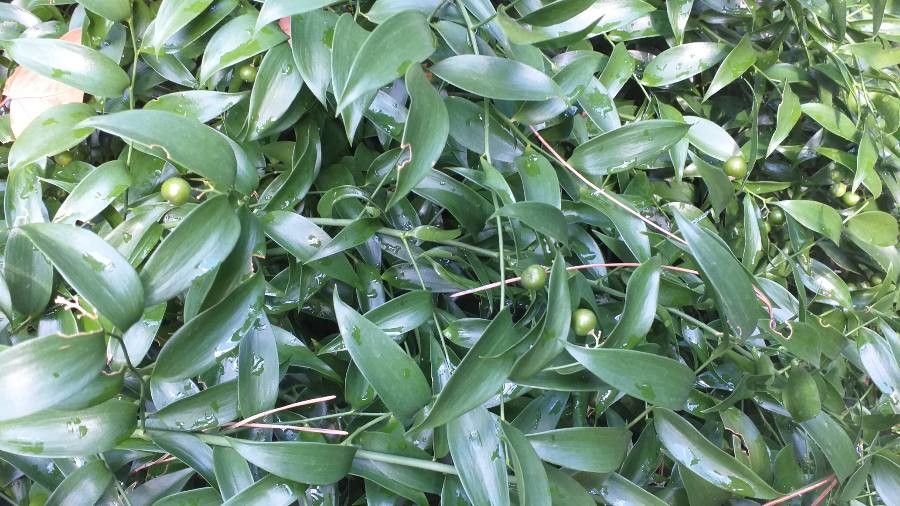
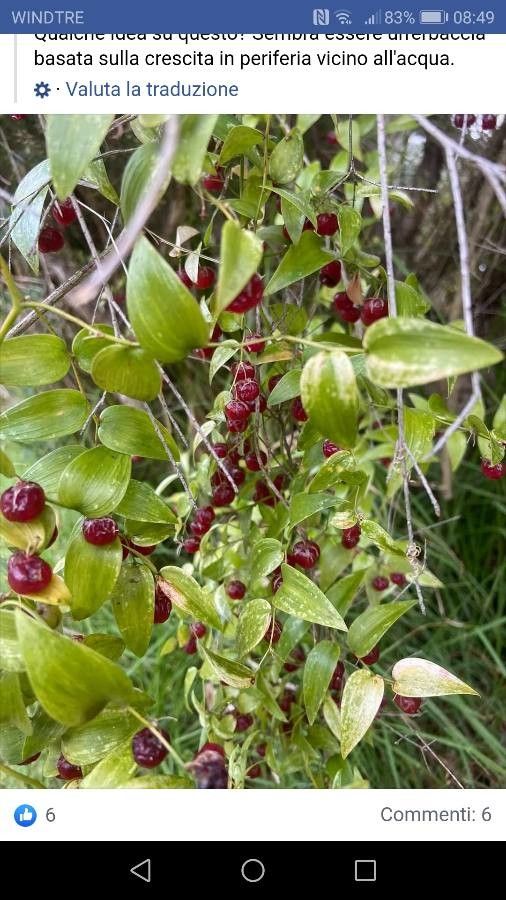
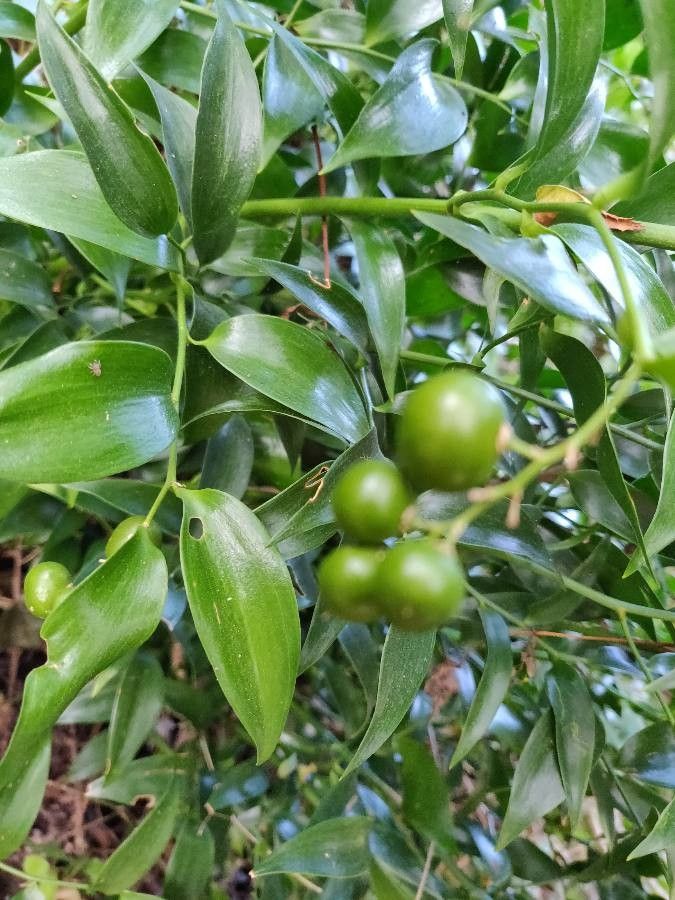
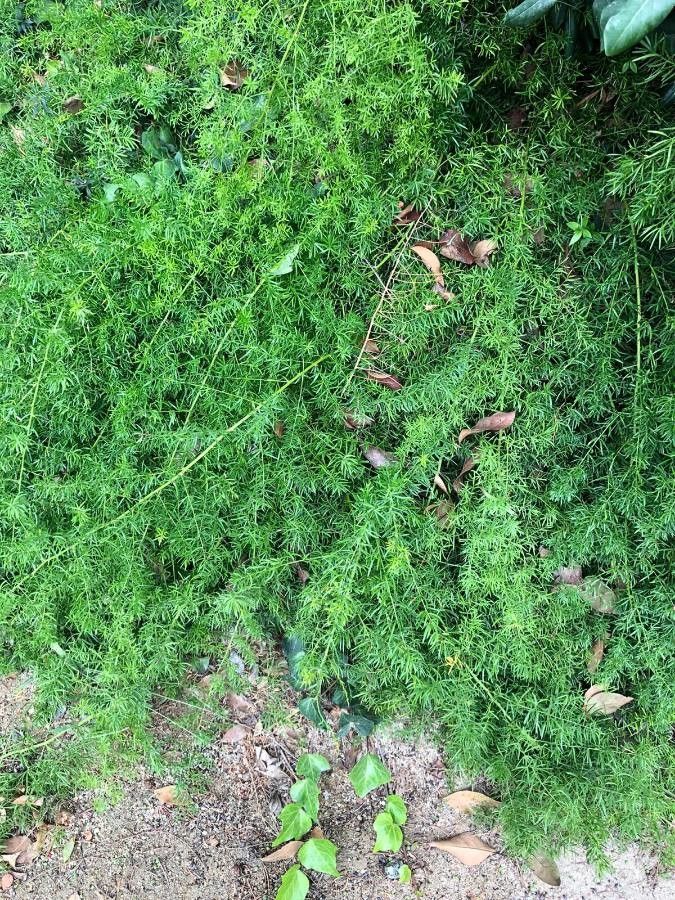
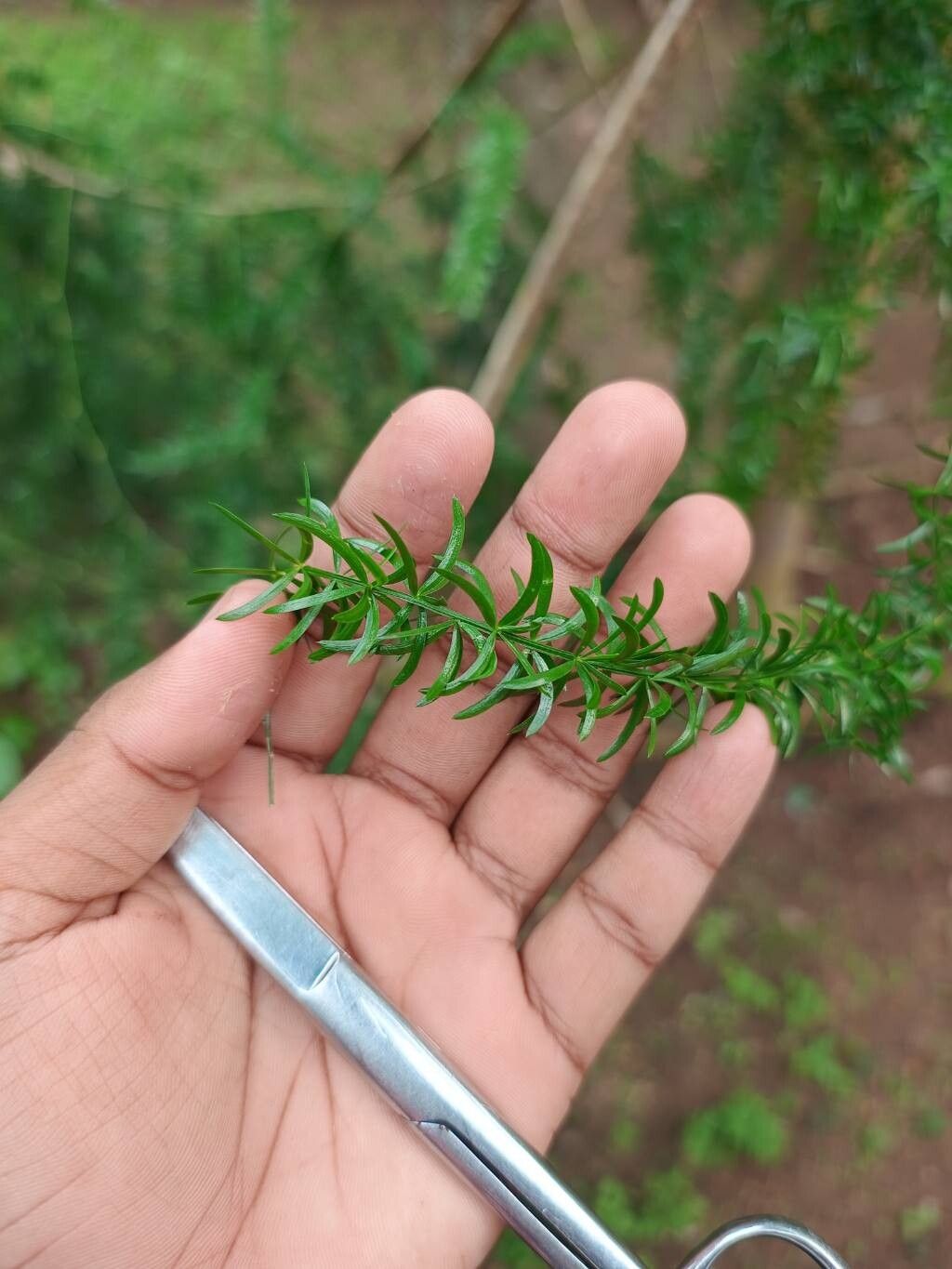
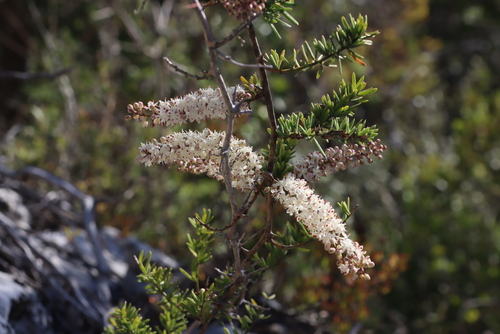
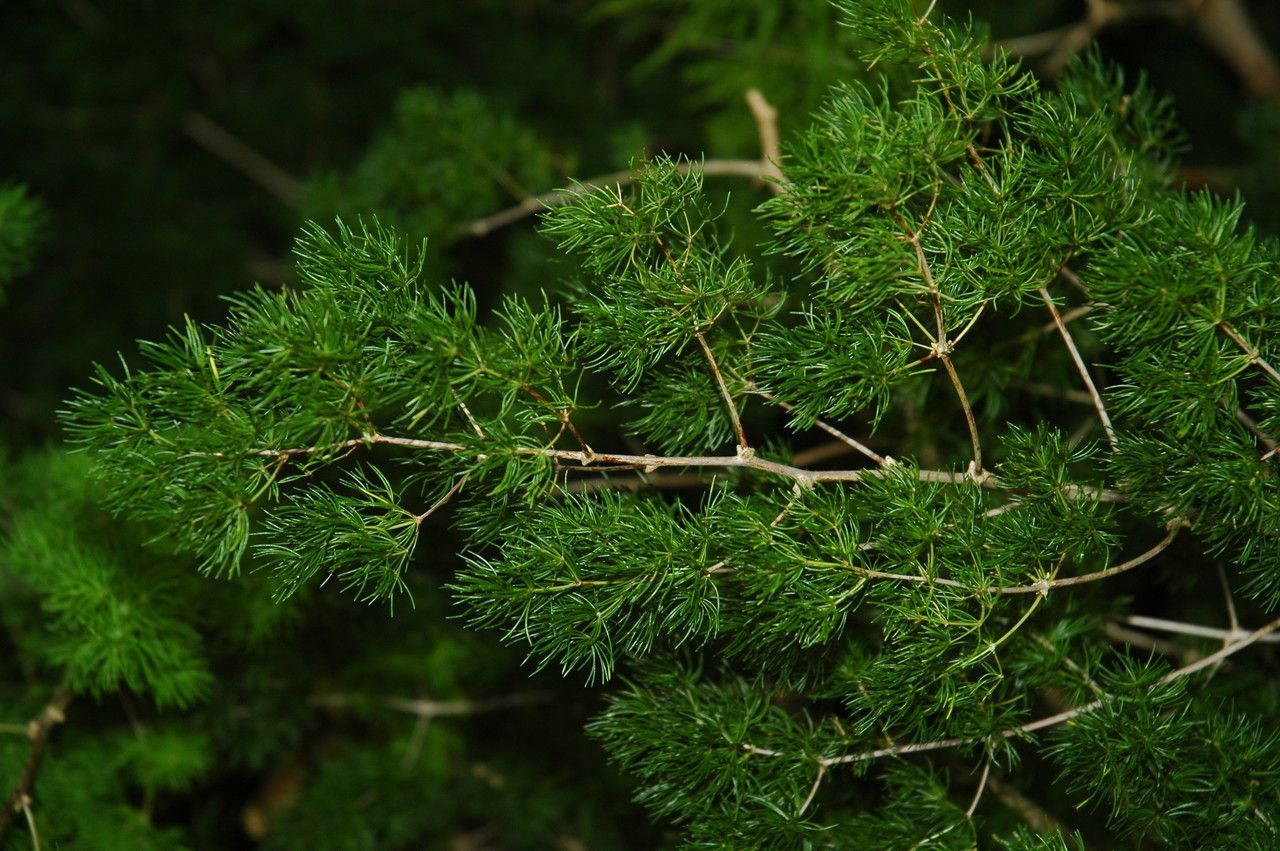
Asparagus asparagoides, commonly known as Bridal Creeper or Smilax, is a perennial vine native to South Africa. This member of the Asparagaceae family features long, slender stems that can reach up to 2 meters in length. The plant blooms with small white flowers in the summer and produces red berries in the fall.
Bridal Creeper is considered an invasive species in many parts of the world due to its rapid spread and tendency to outcompete native vegetation. It can thrive in various soil types and adapts well to both sunny and shaded environments.
For centuries, indigenous peoples have used Bridal Creeper for medicinal purposes. The roots were traditionally employed as a diuretic, while the leaves were valued for their anti-inflammatory properties.
Despite its invasive nature, Bridal Creeper is sometimes cultivated for ornamental purposes because of its attractive foliage and climbing ability. However, it should be planted with caution, as it can quickly dominate an area if not properly managed.
Bridal creeper has strong disease resistance and is generally not susceptible to illnesses. However, it can be prone to leaf spots if light and ventilation are poor and if watering is excessive. The care level for this plant is considered easy, since it only needs regular watering and requires little other attention. Bridal creeper is appropriate for people who do not have the time or energy to spend on regular care.
How to keep Asparagus Asparagoides.
Light
Bridal creeper performs best with ample sunlight but can also tolerate locations with moderate light. Its photosynthesis functions most effectively with plentiful light, which encourages healthy growth. Nevertheless, excessive radiation can be stressful, and insufficient light may cause less-than-ideal development. Its hardiness stems from its native habitat, where abundant sunlight was common.
Water
Bridal creeper, a plant from moderate climates, thrives in consistently moist soil. It prefers to be watered weekly and can tolerate moderate drought, making good use of seasonal rainfall. Once established, the plant stores water during wet months, which minimizes the need for additional irrigation.
Humidity
This plant will thrive in moderate humidity, which is probably the level in your home. However, misting it a few times a week can be very beneficial. Make sure the room has good ventilation.
Temperature
Bridal creeper originates from temperate regions, where it is exposed to a wide range of temperatures. It prefers temperatures of 68 to 100 ℉ (20 to 38 ℃). In winter it can tolerate cooler conditions, but in summer it may need some shade or protection from extreme heat.
Fertilizer
Bridal creeper needs the most fertilizer during its active growth period, which is mainly in spring, summer, and early autumn. Fertilizing provides essential nutrients that the soil may lack, encouraging healthy root and stem growth and the attractive foliage that characterizes this plant.
Pruning
To encourage healthy growth in bridal creeper, it is beneficial to prune it in early spring. This involves trimming back the shoots and removing any damaged stems. Thinning the plant helps improve air circulation and light exposure. By timing your pruning to align with the plant's growth cycle, you can enhance its appearance and prevent it from becoming invasive.
Pot & Repot
Repot Bridal creeper in early spring, selecting a pot only slightly larger than the current one and with adequate drainage. Use a well-draining potting mix and make sure the root ball sits at the same level as before. Gently loosen any root-bound roots. After repotting, water well and place the plant in a warm, shaded spot. Prune regularly to keep size down and encourage new growth.
Botanical profile.
- Plant Type
- Vine, Herb
- Life Cycle
- Perennial
- Genus
- Asparagus
- Family
- Asparagaceae
- Hardiness Zone
- 10-12
- Mature Height
- 3.05 m
- Mature Spread
- 40 cm
- Leaf Color
- Green
- Leaf Type
- Evergreen
- Flower Color
- White
- Flower Size
- 2.54 cm
- Bloom Time
- Mid spring, Late spring, Early summer
- Planting Time
- Spring
- Harvest Time
- Mid summer
- Native Area
- Malawi, Lesotho, South Africa, Eswatini, Ethiopia, Kenya, Congo (DRC), Uganda, Tanzania, Zimbabwe
Other names.
Reader questions.
How should I water my Bridal creeper?
To properly water the Bridal creeper, it is recommended to use filtered water at room temperature. Tap water may contain harmful particles, hence why filtered water is preferred. The water should be at room temperature or slightly warmer because the Bridal creeper is accustomed to a warm environment and cold water can be a shock to its system. It is also advisable to avoid overhead watering as it can cause issues with the foliage. Instead, the filtered room temperature water should be applied directly onto the soil until it is completely soaked. This helps to moisten the roots, allowing them to continue spreading through the soil and absorb the necessary nutrients.
Why should I put fertilizer on my Bridal creeper?
All plants, including the Bridal creeper, need soil nutrients to grow. However, there is no guarantee that the soil will have all the necessary nutrients. To ensure healthy growth, fertilization and soil amendments are necessary. These provide basic nutrients and specific nutrients that the plants need. For the Bridal creeper, fertilizer is important for the development of its roots and stems. It also helps in producing a beautiful set of leaves, which is important because the foliage is what makes the plant visually appealing.
What are the sun requirements for Bridal Creeper (Asparagus asparagoides)?
Bridal Creeper thrives best when it receives generous exposure to sunlight, optimally thriving in conditions that offer full sun, defined as above 6 hours of sunlight daily, but it can also manage well in partial sun, which is about 3-6 hours of sunlight. It’s important to observe the movement of sunlight through your garden to choose spots that offer a perfect balance for the plant’s needs. Inadequate light might lead to suboptimal development, while excessive exposure can cause stress.
What is the ideal temperature range for Bridal creeper?
Bridal creeper thrives in temperate regions and prefers temperatures between 68 to 100°F (20 to 38°C). It requires a wide range of temperatures to grow optimally. During winter, the plant can tolerate cooler climates, but in the summer, it may need some shade to protect it from extreme heat. Bridal creeper loves heat, and cold temperatures can be harmful. To ensure its growth during winter, keep it indoors near a bright window, away from heaters, with temperatures maintained above 20°C. Temperatures nearing 5°C can damage the plant.
What should I do if I give too much or too little water to my Bridal creeper?
Overwatering and underwatering can both harm the health of your Bridal creeper, but overwatering is more commonly seen. Too much water can cause the stems and leaves to wilt and turn yellow. It can also lead to diseases like root rot, mold, and mildew, which can be deadly for your plant. While underwatering is less likely, it can still occur. In this case, the leaves of your Bridal creeper will become brittle and brown. It is crucial to notice signs of overwatering early, as some diseases like root rot may become irreversible if not addressed promptly. If you spot the signs, reduce your watering schedule immediately. Assess the soil drainage as well and replace it with a well-draining potting mix if necessary. If your Bridal creeper is not receiving enough water, simply increase your watering frequency until the signs subside.
When should I fertilize my Bridal creeper for the best results?
During the active growth phase of a Bridal creeper, which usually occurs in spring, summer, and early fall, it requires the most fertilizer. Once winter ends, you should feed it every two to four weeks until fall. As fall arrives, gradually reduce the fertilization rate until you completely stop feeding it, since the Bridal creeper has less active growth in winter.
How can artificial lighting support indoor Bridal Creeper plants?
For indoor Bridal Creeper plants, especially in scenarios where natural sunlight is insufficient—such as during winter or in spaces that receive less sunlight—artificial lighting can be a vital solution. The application of artificial lights, like LED which can be customized to specific wavelengths, helps in promoting faster and healthier growth. The amount of artificial light required varies based on whether the plant needs full sun (30-50W/sq ft), partial sun (20-30W/sq ft), or full shade (10-20W/sq ft). Positioning the light source 12-36 inches above the plant and ensuring it receives 8-12 hours of light per day mimics natural sunlight conditions effectively.
How does low temperature affect Bridal creeper and what are the solutions?
Bridal creeper prefers warm temperatures and struggles with the cold, thriving best above 20°C and needing to be kept above 5°C during winter. Exposure to temperatures below 1°C might cause its leaves to lighten in color and, following frost damage, the leaves gradually turn brown or black with symptoms of wilting and drooping appearing. To mitigate these effects, you can trim off the frost-damaged parts and move the plant to a warmer indoor setting, placing it near a south-facing window for sufficient sunlight. Additionally, avoid placing the plant close to heaters or air conditioning vents as this could lead to excessively dry air around the plant.
How often do I need to water my Bridal creeper?
If your Bridal creeper plant is in a pot, the most precise way to determine if it needs water is by inserting your finger into the soil. If the top two to three inches of soil feel dry, it's time to water it. For Bridal creeper plants grown outdoors, you can use a similar method to test the soil. When the top few inches of soil have dried out, it's time to water. Typically, during spring and early fall, this plant needs watering about once a week. In extremely hot weather, watering may need to be increased to about twice a week or more. However, mature and well-established Bridal creeper plants have the ability to withstand drought.
When is it not a good idea to put fertilizer on my Bridal creeper?
For most of the year, including spring, summer, and most of fall, it's important to regularly feed your Bridal creeper. However, there are exceptions. If you see that your Bridal creeper has been over-fertilized or if you made a mistake while fertilizing it, leading to fertilizer burn or another issue, you'll need to fix that before going back to the regular feeding schedule. The only time you should not fertilize a Bridal creeper is during winter. If you're growing this plant indoors in a cold winter area, it will become dormant during this time. Feeding it during its dormant phase is not only unnecessary and unhelpful to its growth, but it can also cause fertilizer burn.
What are the symptoms of inadequate sunlight for Bridal Creeper?
Symptoms of inadequate sunlight in Bridal Creeper include smaller new leaves, leggy or sparse growth, faster leaf drop, slower or no new growth, lighter-colored new leaves, and chlorosis, which involves the leaves losing their green color and turning yellow. Additionally, sunscald can occur from excessive sunlight, resulting in pale, bleached areas on tissues, while leaf curling defends against water loss and damage. Wilting and leaf scorching, characterized by brown, dry edges on leaves, may also occur due to excessive sunlight.
What should be done if Bridal creeper experiences high temperatures?
In the summer, it's crucial to ensure that Bridal creeper's environment remains below 38°C. Above 43°C, the plant's leaves might lighten, and it becomes significantly more prone to sunburn. If this occurs, trim away the sunburned and dried parts of the plant. It's also beneficial to relocate it to an area with shade during the intense midday and afternoon sun. To maintain the soil's moisture, water the plant in the morning and evening.