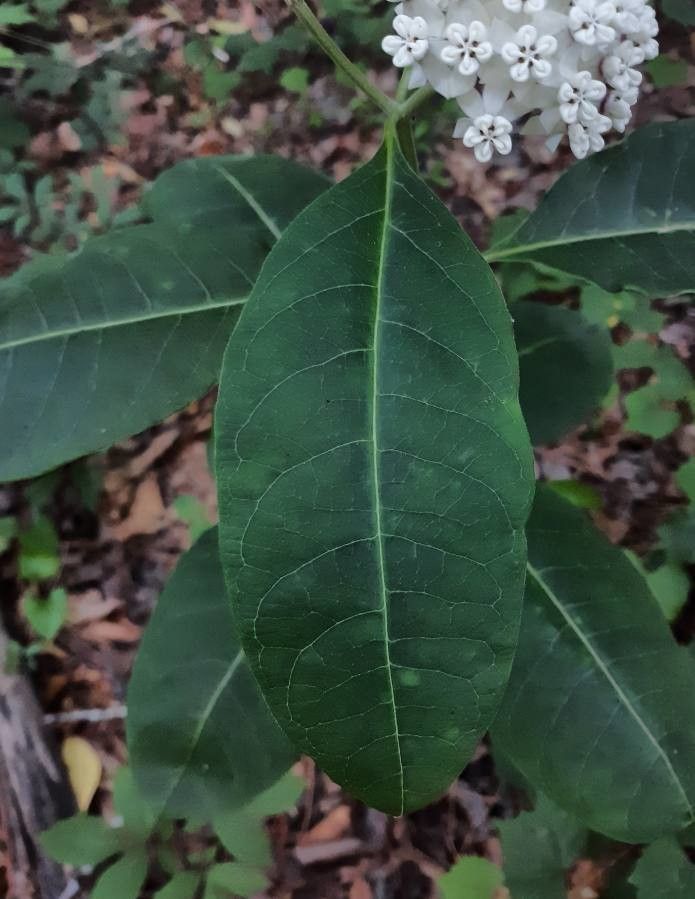
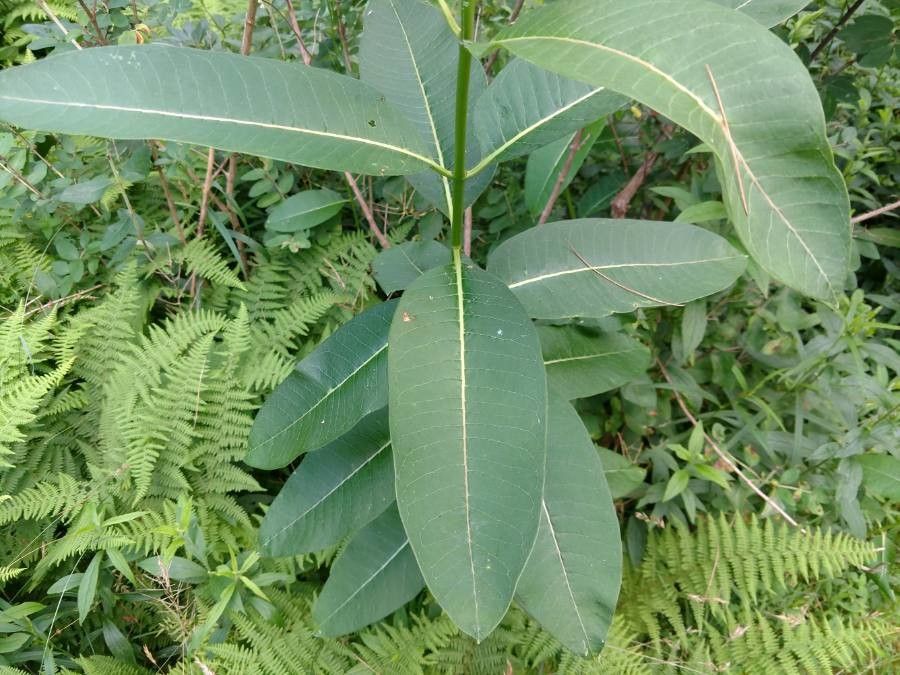
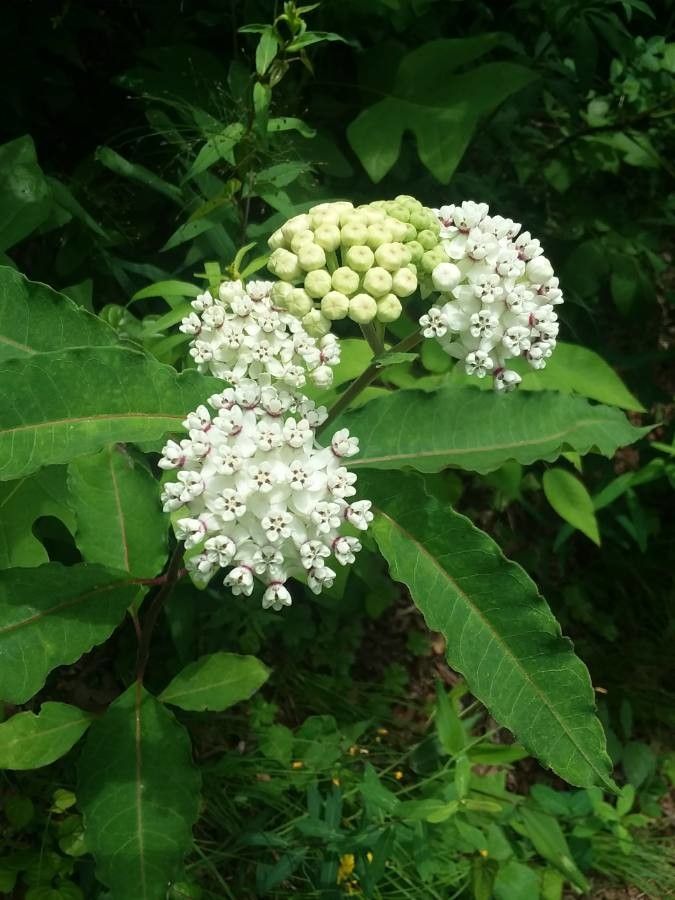
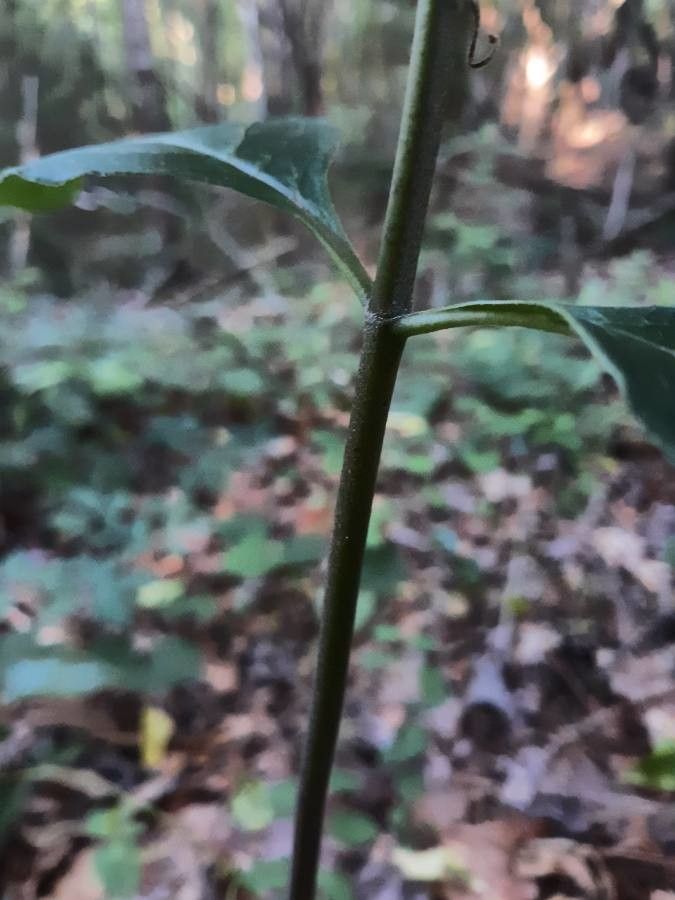
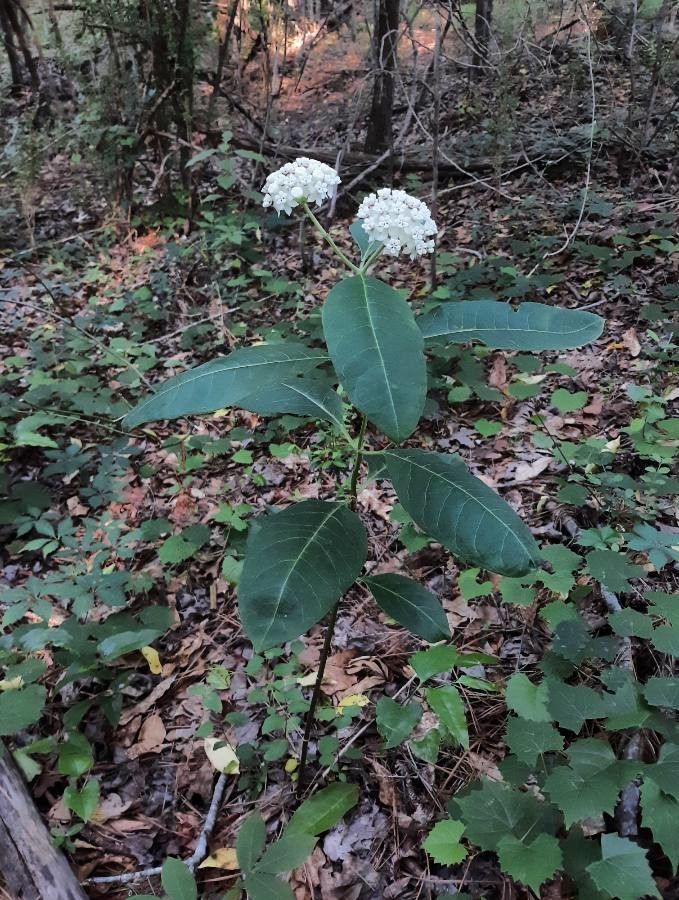
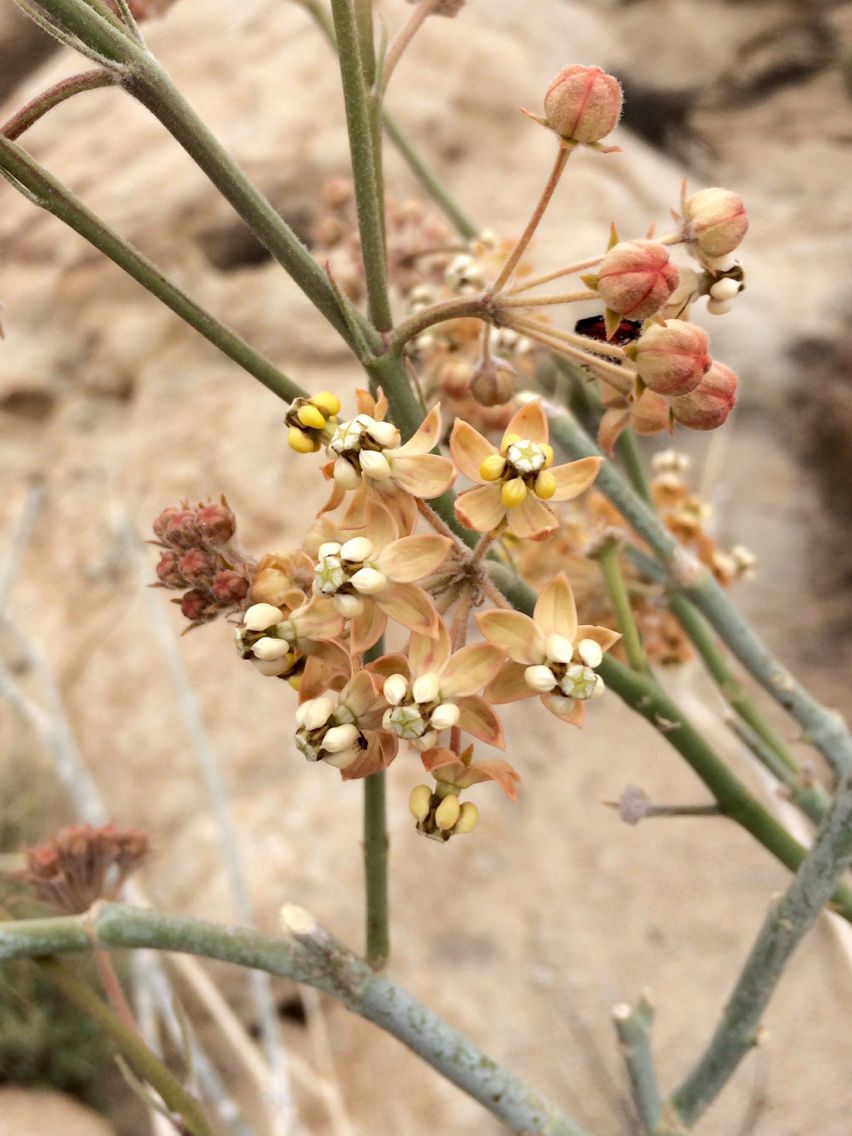
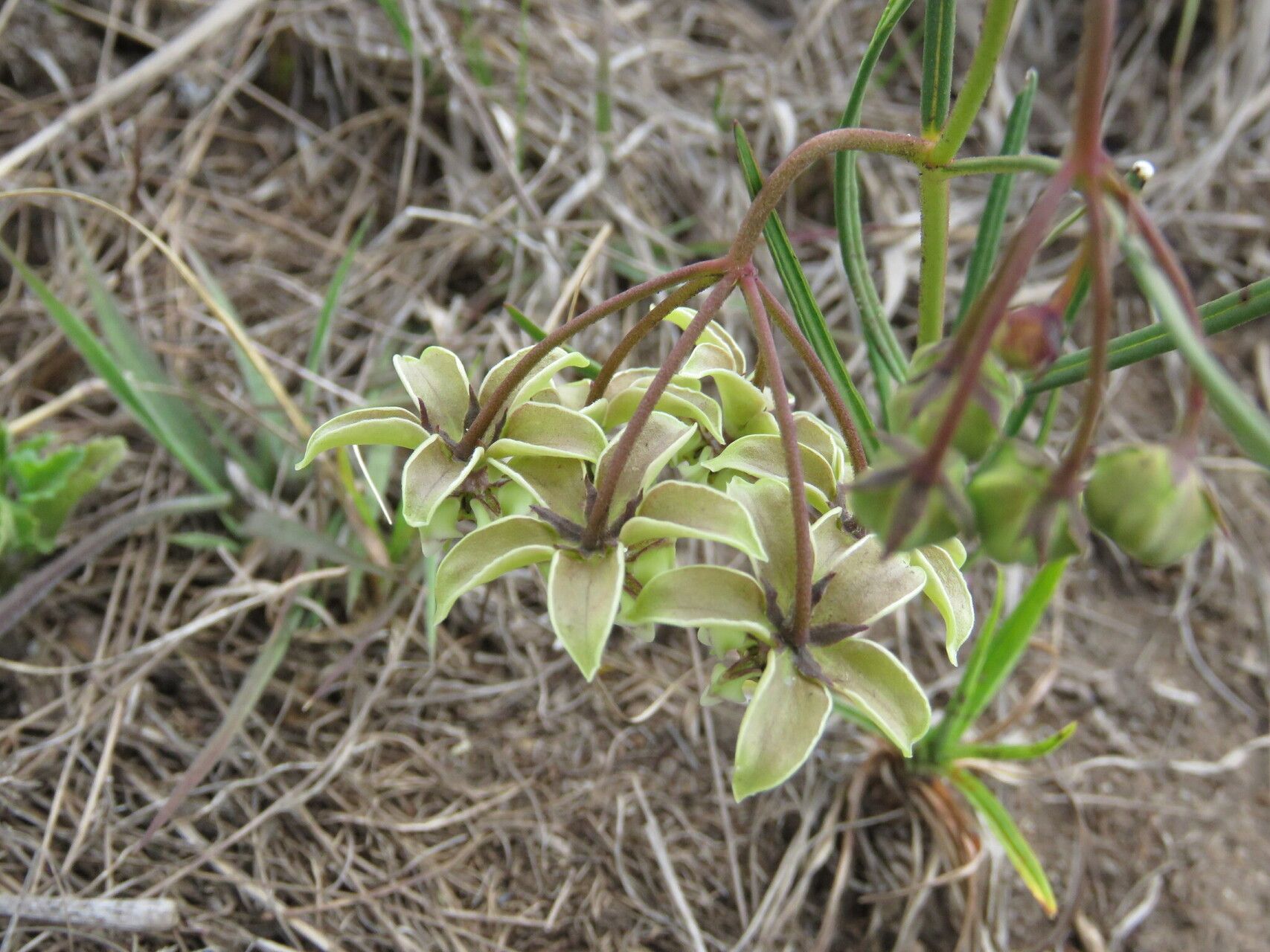
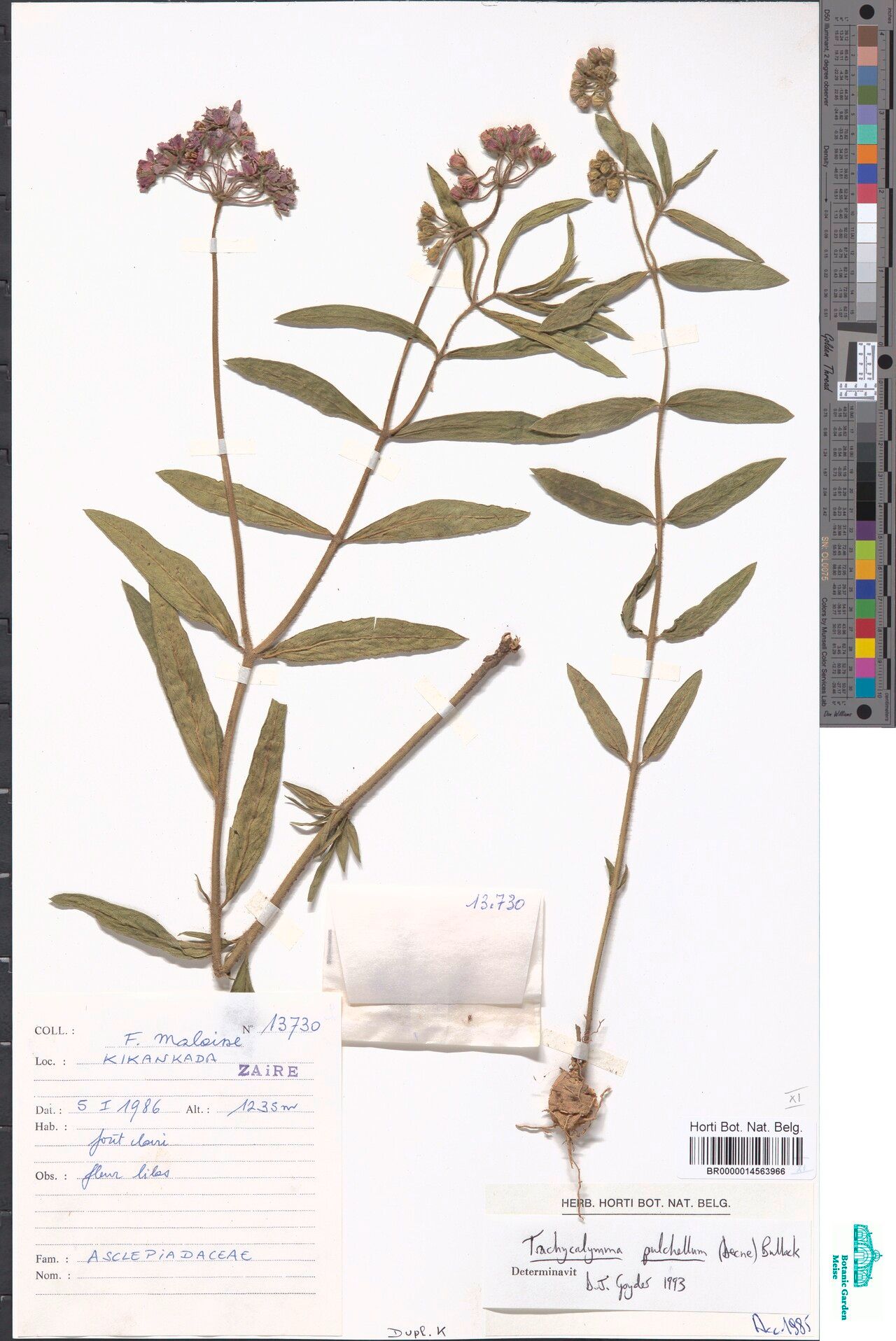
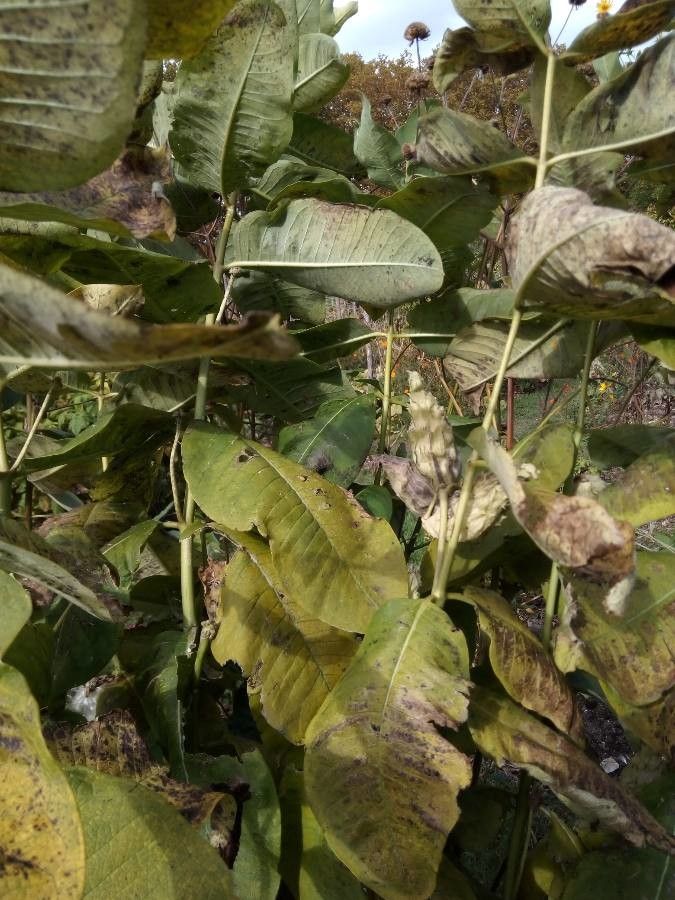
Asclepias variegata, commonly called the redring milkweed or white milkweed, is a plant in the family Apocynaceae. It is native to eastern North America, where it is found in Canada and the United States. It is most common in the Southeastern United States, and becomes rare in the northern edge of its range. Its natural habitat is forest openings and savannas, often in sandy soils.It produces small white flowers with purplish centers that area crowded into round, terminal clusters. It flowers in early summer.
Redring milkweed has strong disease resistance and is typically not prone to illness. However, it can be susceptible to pests and diseases present in its environment. These problems are generally minor. As for care, the plant requires a moderate level of maintenance. It should be pruned regularly to keep a neat appearance and support healthy growth. Fertilizing can also help encourage flowering. Redring milkweed is suitable for anyone with outdoor space, such as a garden or patio, and does not demand extensive gardening experience. It may need more attention when kept indoors.
How to keep Asclepias Variegata.
Light
Redring milkweed does best with moderate sun exposure, though it can tolerate stronger light. The conditions of its native habitat, where sunlight is not at full intensity throughout the day, shaped this preference. Both excessive and insufficient light can impede its growth and potentially cause harm.
Water
Redring milkweed thrives in consistently moist soil and benefits from regular watering to enhance flowering throughout the growing season. Watering it weekly is sufficient to meet its needs and helps prevent both stress and overhydration. This resilient herbaceous perennial maintains its vigor even during drier periods.
Temperature
Redring milkweed is indigenous to temperate areas, so it prefers a temperature range of 41 to 95 °F (5 to 35 ℃). In colder months, you may want to adjust the surroundings to keep the temperature above 41 °F (5 ℃).
Fertilizer
The best time to fertilize a Redring milkweed is in early spring, as it comes out of dormancy and begins active growth. Fertilizing supplies key nutrients needed for healthy development. While Redring milkweed has fairly low fertilizer requirements, applying fertilizer annually can improve its survival and encourage better, longer-lasting flowers.
Pruning
To keep redring milkweed healthy, regularly remove any infected plants and wilting leaves. In tropical climates, prune the branches in early spring to encourage new growth. Because redring milkweed is toxic, always wear gloves when handling it, keep it out of reach of children, and avoid ingesting it.
Botanical profile.
- Plant Type
- Herb
- Life Cycle
- Perennial
- Genus
- Asclepias
- Family
- Apocynaceae
- Hardiness Zone
- 4-10
- Mature Height
- 91 cm
- Mature Spread
- 1.22 m
- Leaf Color
- Green, Purple, Lavender
- Leaf Type
- Deciduous
- Flower Color
- White
- Flower Size
- 1.02 cm to 2.03 cm
- Bloom Time
- Late spring, Early summer
- Planting Time
- Spring, Summer
- Harvest Time
- Mid summer, Late summer, Early fall
Other names.
Reader questions.
How should I water my Redring milkweed?
To properly water the Redring milkweed, it is recommended to use filtered water at room temperature. Tap water may contain harmful particles, so filtering is ideal. The plant prefers warm temperatures, so avoid using cold water as it can shock its system. Another tip is to avoid overhead watering, which may cause problems with the foliage. Instead, focus on thoroughly soaking the soil with filtered room temperature water. This benefits the plant by moistening the roots and helping them spread throughout the soil to absorb necessary nutrients.
What are the sunlight requirements for Redring milkweed?
Redring milkweed thrives best under moderate sun exposure but can also tolerate more intense light conditions. It requires partial sun, meaning about 3-6 hours of sunlight daily, or full sun, which is more than 6 hours of sunlight per day. Its growth and health can be negatively affected by either too much or too little light, owing to its native habitat's specific light conditions. Watch how sunlight moves through your garden to find spots that offer a good balance of light and shade, ensuring the plants' wellbeing.
What are the ideal temperature conditions for Redring milkweed?
Redring milkweed is native to temperate regions and prefers a temperature range of 41 to 95 °F (5 to 35 °C). This plant demonstrates strong cold resistance, meaning special frost protection measures are not typically necessary during winter. However, if winter temperatures are expected to drop below the plant's cold tolerance limit, it's important to provide cold protection by covering the plant with soil or straw. Additionally, watering the plant abundantly before the first freeze in autumn to keep the soil moist can help prevent drought and water scarcity for the plant during winter and early spring.
What should I do if I give my Redring milkweed too much or too little water?
Overwatering is a common problem for Redring milkweed and can cause wilting, yellowing of leaves, and the development of diseases like root rot, mold, and mildew. Underwatering is less common, but can result in brittle, brown leaves. It's important to recognize the signs of overwatering early to prevent irreversible damage. Reduce watering and check soil quality if overwatering is suspected. If underwatering is the issue, simply increase watering until signs improve.
How can artificial lighting help Redring milkweed indoors?
Indoor plants, including Redring milkweed, require adequate lighting for optimal growth, especially when natural sunlight is insufficient, such as during winter or in less sunny spaces. Artificial lights, like LED lights that provide specific wavelengths needed by plants, can be a vital solution. For full sun plants, 30-50W/sq ft of artificial light is needed, partial sun plants require 20-30W/sq ft, and full shade plants need 10-20W/sq ft. Position the light source 12-36 inches above the plant and mimic natural daylight hours, usually 8-12 hours per day, to promote healthier and faster growth.
What should I do if the Redring milkweed experiences low temperature?
Redring milkweed thrives best when the temperature is kept within its suitable growth range and above its minimum tolerable temperature during winter. If the temperature falls below the plant's growth limit, although you may not notice any changes during the winter, there might be a decrease in sprouting or even no sprouting during springtime. The solution in spring is to remove any parts of the plant that have failed to sprout.
How much water does my Redring milkweed need?
If your Redring milkweed is in a pot, you can easily check if it needs water by sticking your finger in the soil. If the top two to three inches of soil are dry, it's time to water it. If you have your Redring milkweed planted outdoors in the ground, you can use the same method to test the soil. Again, if the top few inches of soil are dry, it's time to water. Generally, you'll need to water this plant about once a week in spring and early fall. However, during extremely hot weather, you may need to water it twice a week or even more. It's worth noting that mature, well-established Redring milkweed can tolerate drought well.
What signs indicate insufficient light for Redring milkweed grown indoors?
Symptoms of light deficiency in Redring milkweed include smaller new leaves, leggy or sparse growth, faster leaf drop, slower or no new growth, and lighter-colored or pale new leaves. Excessive sunlight can lead to chlorosis (where leaves turn yellow due to a breakdown of chlorophyll), sunscald (damaged leaves or stems from intense sunlight), leaf curling as a defense mechanism, wilting from increased water loss, and leaf scorching, characterized by brown, dry, and crispy leaf edges. These signs indicate the plant's struggle with the current light conditions.
How do I care for Redring milkweed during high temperature periods?
During summer, it is important to ensure that Redring milkweed is kept below its maximum tolerable temperature to avoid stress. If temperatures exceed this limit, you may notice the leaves becoming lighter in color, prone to curling, and susceptible to sunburn, with severe cases resulting in the entire plant wilting and drying. To mitigate these issues, trim away the sunburned and dried-up parts of the plant. Move the plant to a location that provides shade during the midday and afternoon sun, or use a shade cloth. Watering the plant in the morning and evening can also help keep the soil moist and protect the plant from high temperature stress.
How much water does my Redring milkweed plant require?
When watering your Redring milkweed, don't be afraid to give it plenty of water. Make sure the top few inches of soil are dry before watering, and then give it a thorough watering so that the soil is completely soaked. You should add enough water so that it drains out of the holes at the bottom of the pot. If you don't see any water draining, you may not have given it enough water. However, be careful not to let water accumulate in the soil, as this can be harmful to the plant. If the water isn't draining properly, it could be a sign of poorly draining soil, which is not good for the plant's health. If the plant is outside, it will only need about 1 inch of rain per week.
What solutions can help Redring milkweed thrive in challenging light conditions?
To optimize Redring milkweed growth, gradually adapt the plant to changing light conditions by moving it to sunnier spots each week until it receives the recommended 3-6 hours of sunlight daily. For indoor or large immovable plants, use artificial light like desk or ceiling lamps for at least 8 hours daily or invest in professional plant grow lights. When outdoors, avoid sudden changes in light intensity to prevent sunburn. If the plant has been in poor light, parts that suffered may not recover, but increasing light exposure will encourage healthy new growth. For ground plants, reduce obstructions like branches or leaves blocking sunlight or consider transplanting smaller plants to sunnier locations with good drainage during their dormant period.
How can I water my Redring milkweed at different stages of growth?
The water requirements of Redring milkweed can vary depending on its growth stages. In the first few years or when you have recently transplanted it, you should give the plant extra water. During these stages, the milkweed focuses on developing new roots to support future growth, and these roots require more moisture. However, after a few seasons, the plant will need less water. Another stage that may require additional watering is during the bloom period, as flower development relies on a significant amount of moisture.