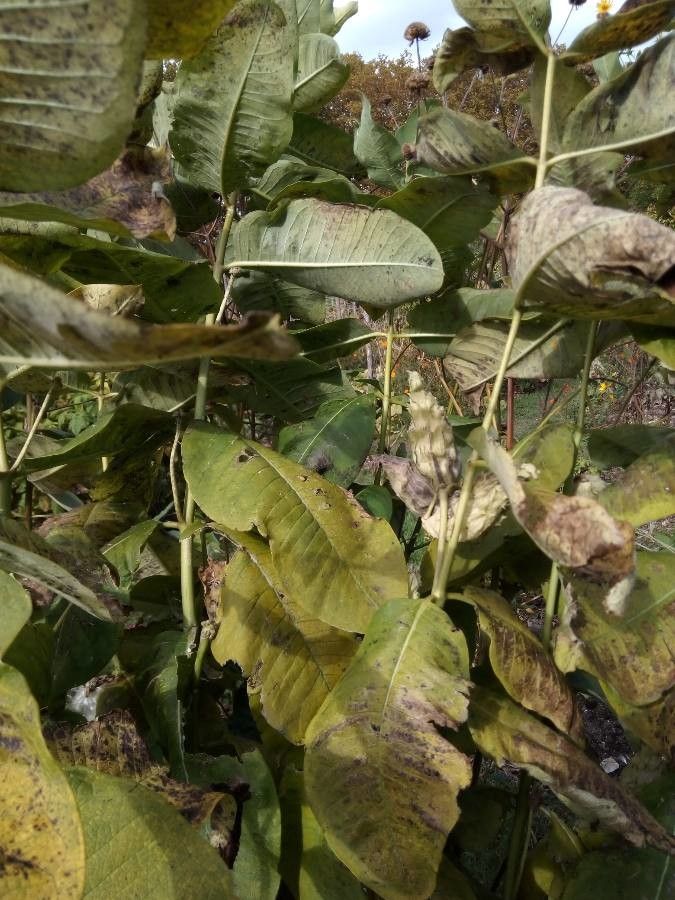
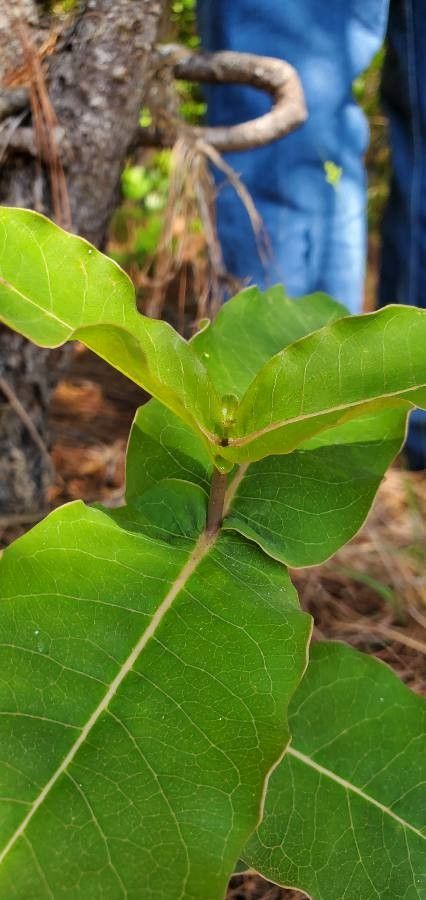
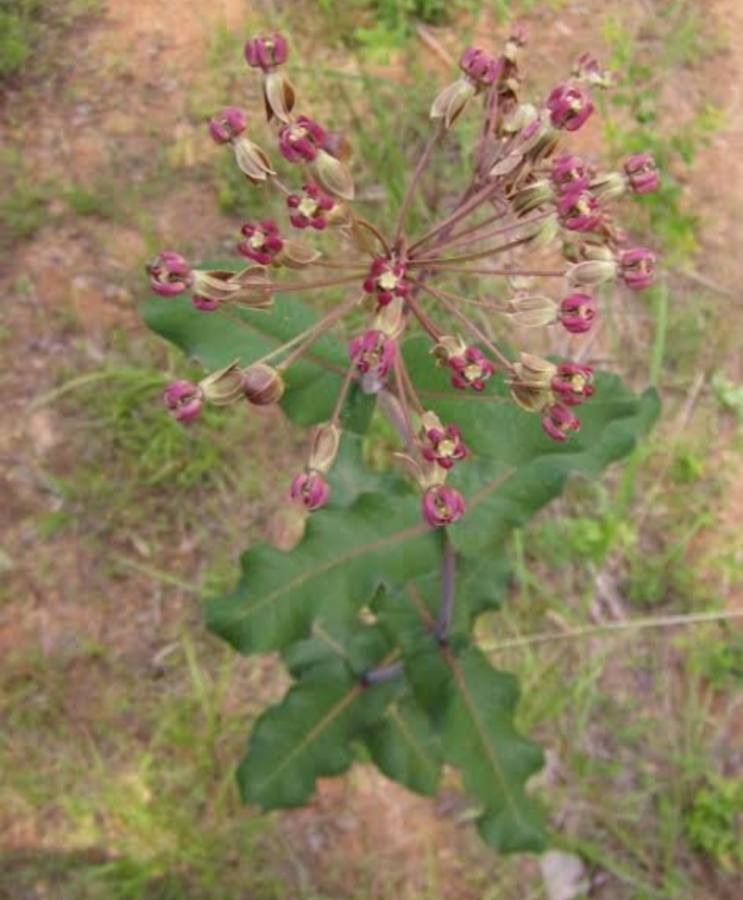
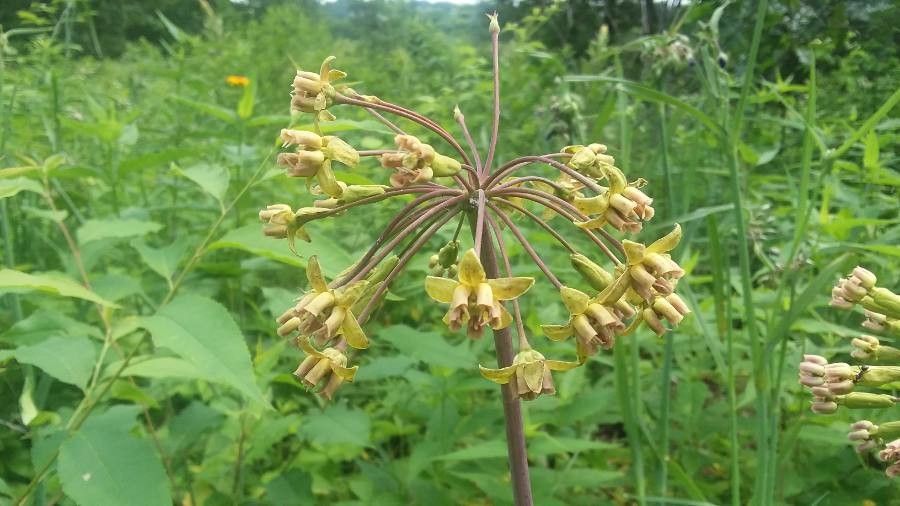
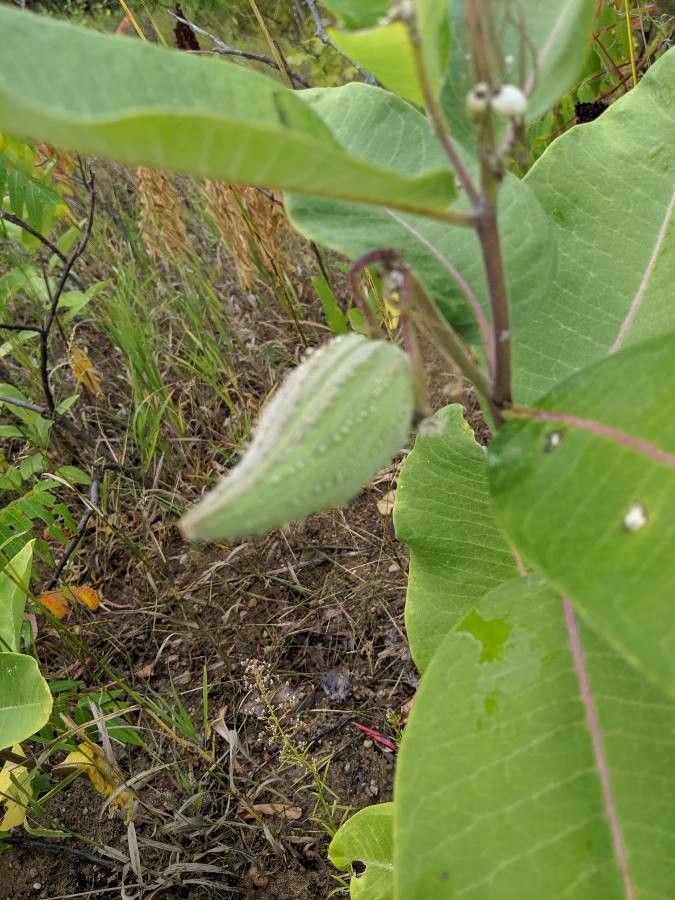
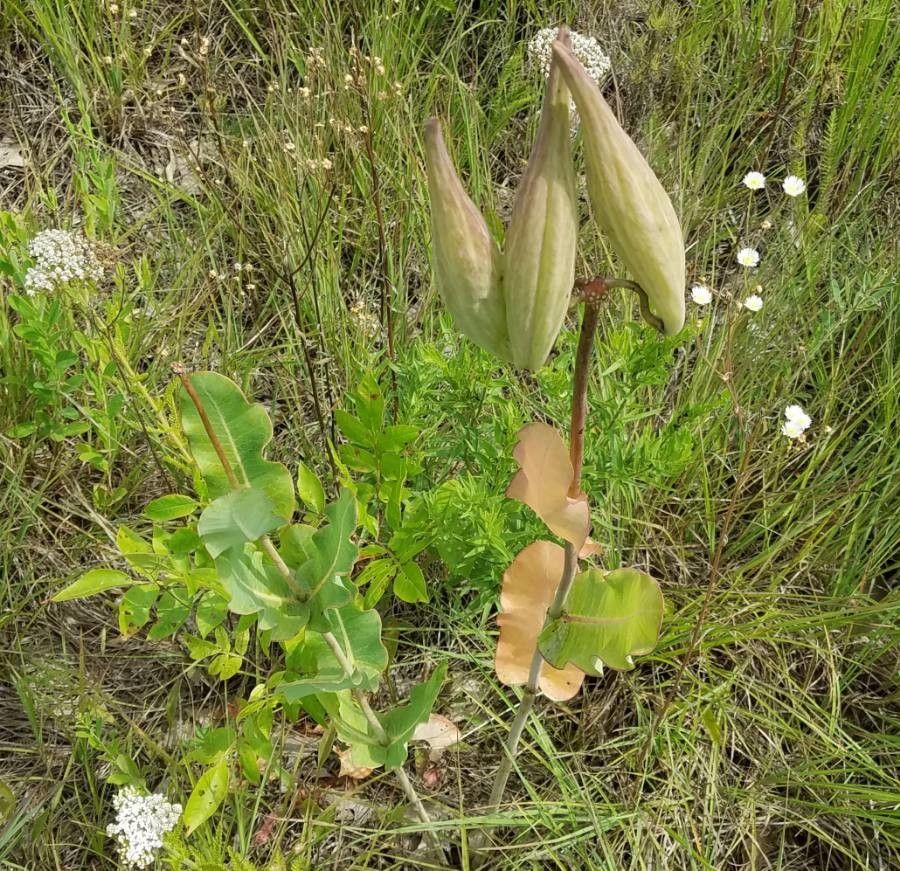
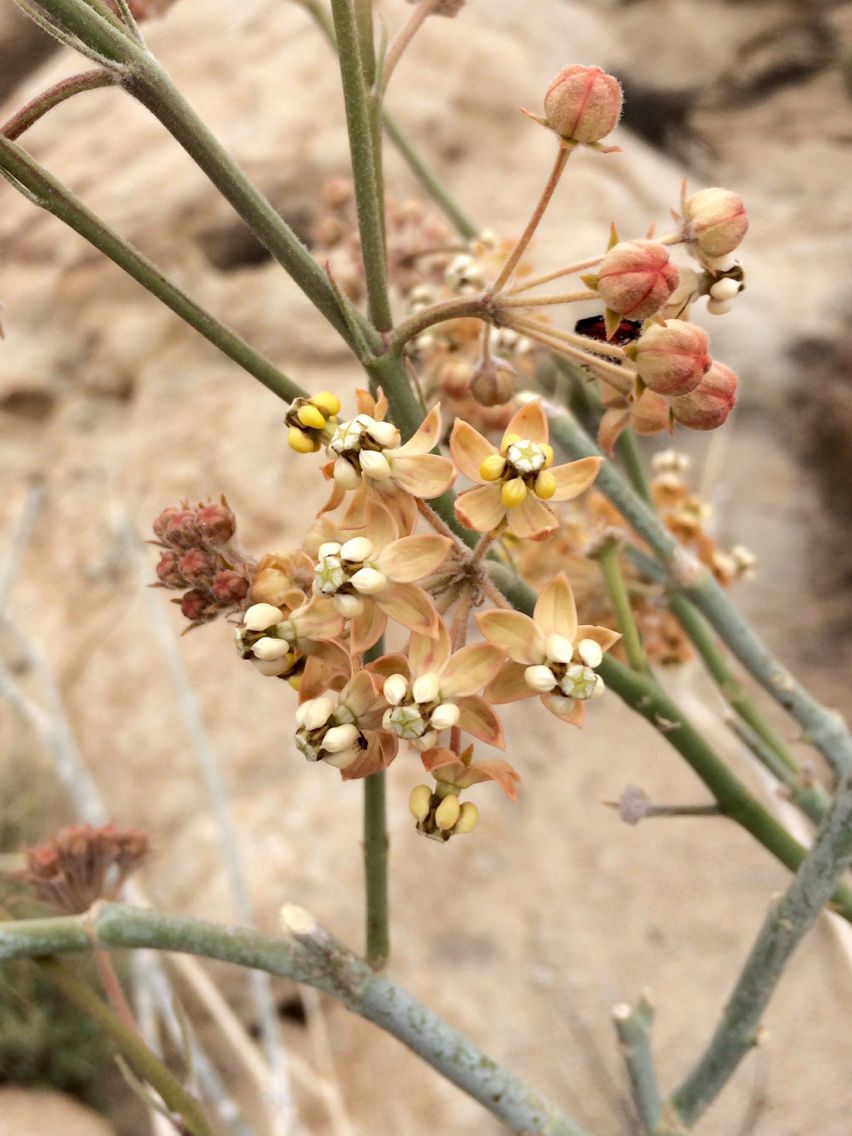
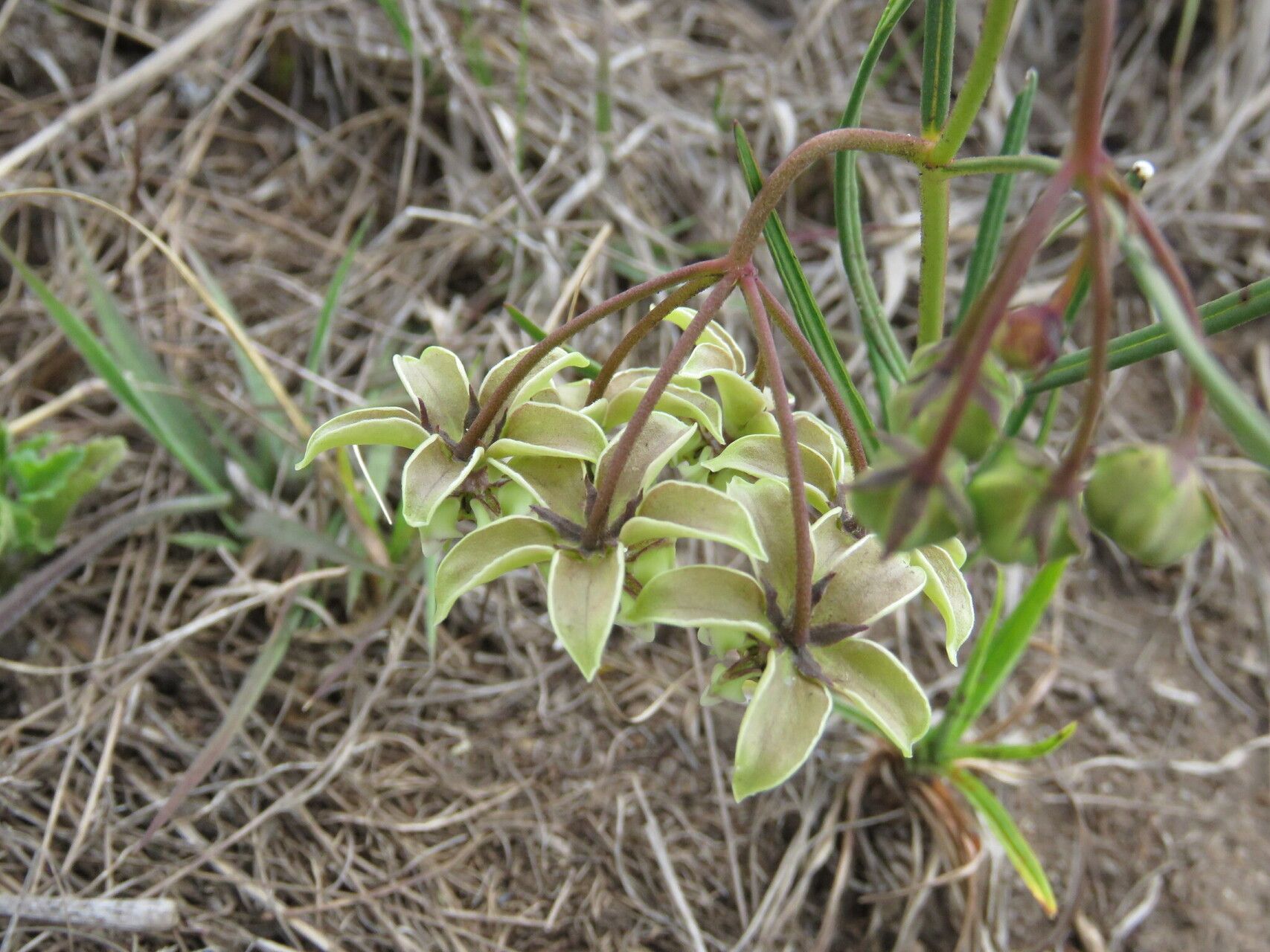
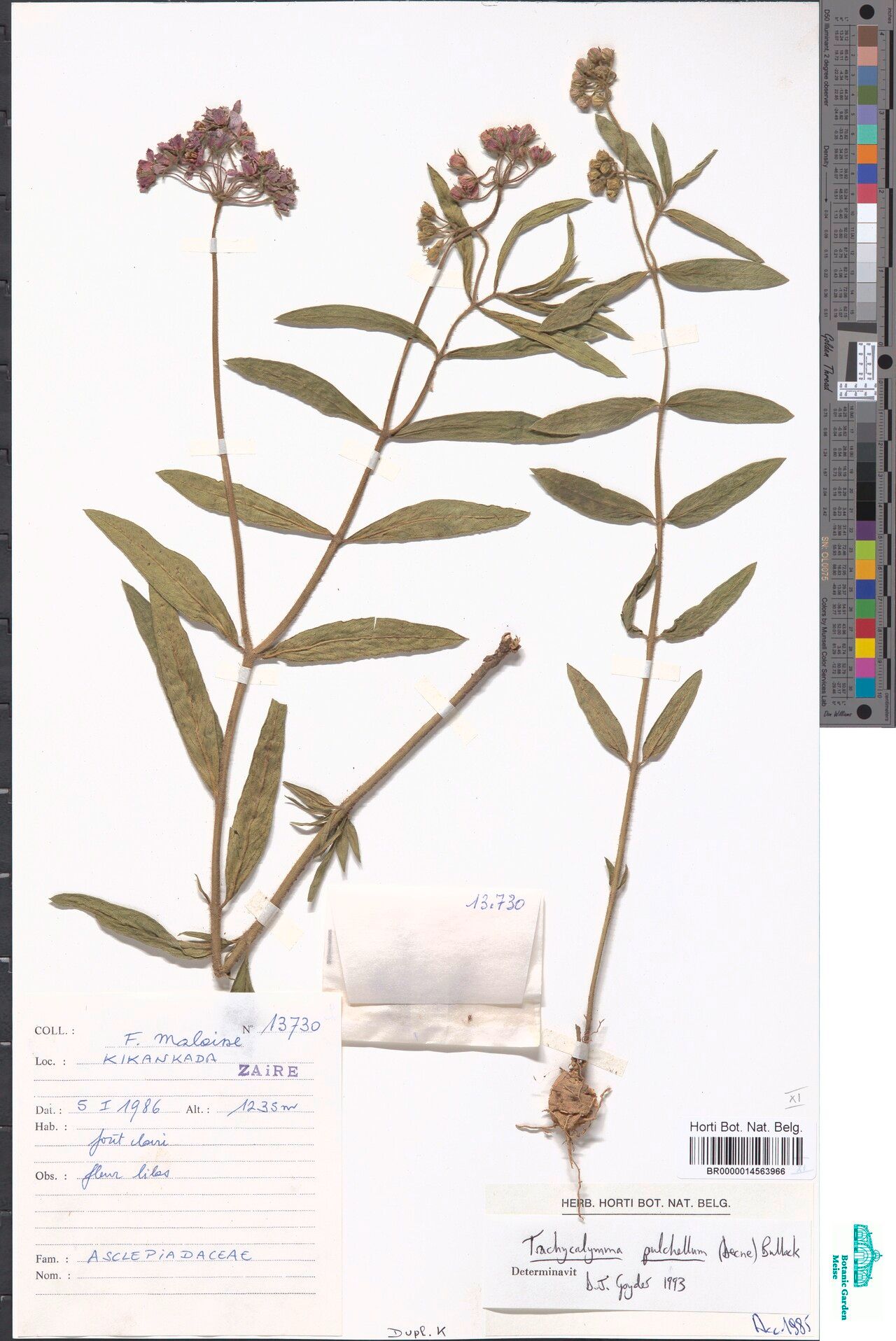
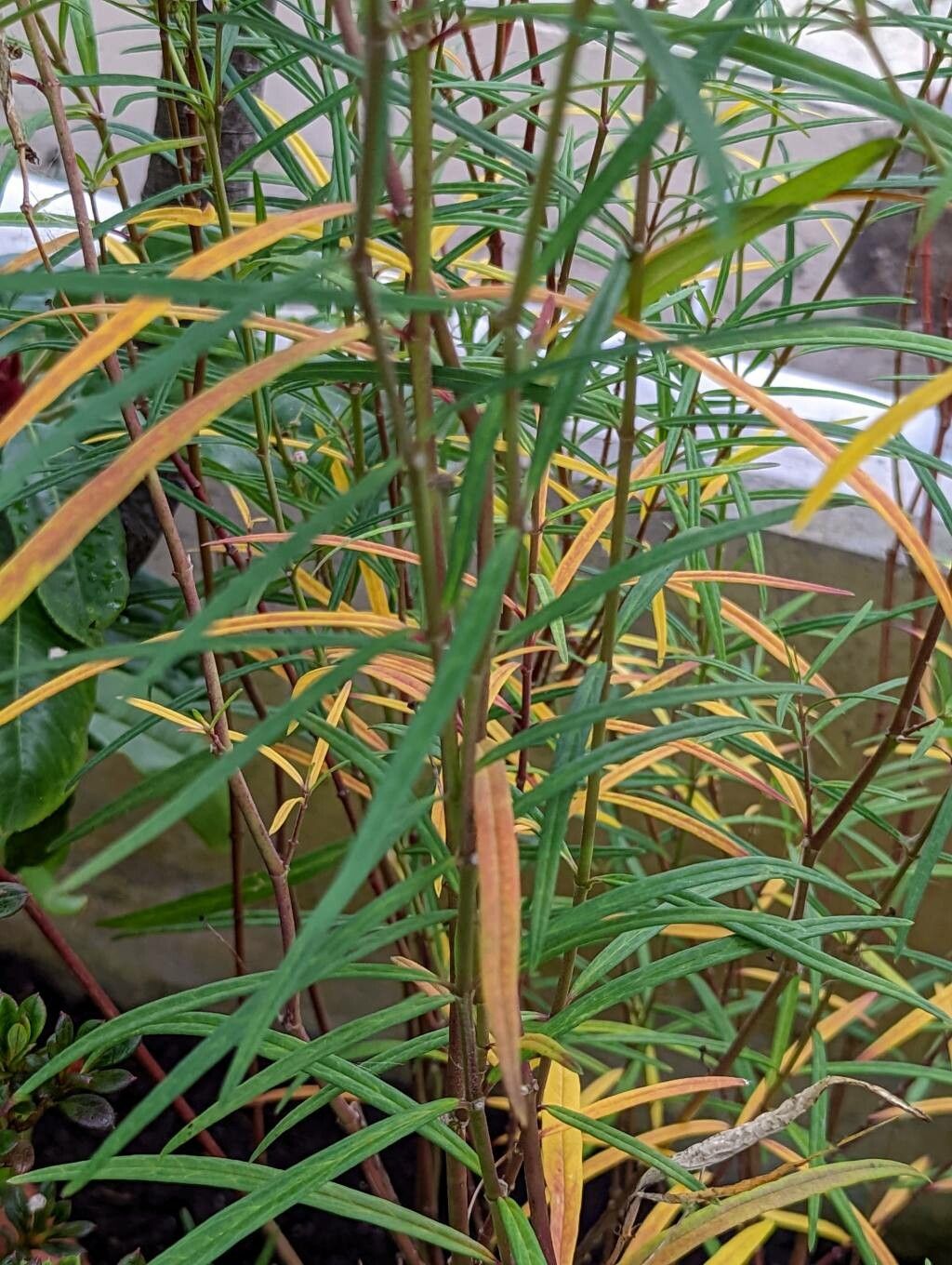
Asclepias amplexicaulis, the blunt-leaved milkweed, clasping milkweed, or sand milkweed, is a species of flowering plant in the subfamily Asclepiadoideae (Apocynaceae). It is endemic to the United States, where it is mostly found east of the Great Plains. It grows in dry prairies, savannas, open woods, and fallow fields, usually in sandy soil.
Clasping milkweed is fairly resistant to disease and typically does not suffer from major illnesses. Nonetheless, it can be affected by pests and diseases found in its environment. Such infections are generally mild. Regarding care, this plant demands a moderate level of attention. It should be pruned on a regular basis to preserve a tidy look and encourage healthy growth. Applying fertilizer can also aid in boosting blooms. Clasping milkweed is a good choice for anyone with outdoor areas like a garden or patio and does not need extensive plant-care experience. It may need more intensive care if kept indoors.
How to keep Asclepias Amplexicaulis.
Light
Clasping milkweed generally does best in abundant sunlight, although it is fairly tolerant of shadier conditions. Its health and growth are largely determined by that light exposure. Because it naturally occurs in sunny habitats, its native environment strongly shapes its light requirements. Nevertheless, both excessive sunlight and insufficient light can cause harmful effects.
Water
Clasping milkweed thrives in grasslands and is well-suited to dry conditions, making it drought-tolerant. It is important to water it weekly, but be careful not to over-water. As an herbaceous perennial, clasping milkweed makes efficient use of water during its growing period and then enters a dormant phase, showcasing its resilience to environmental stresses.
Temperature
Clasping milkweed occurs naturally in habitats with a broad temperature range of 32 to 95 °F (0 to 35 ℃). It favors moderate climates and, during hot seasons, should ideally be adjusted to cooler temperatures.
Fertilizer
The best time to fertilize a Clasping milkweed is in early spring, as it comes out of dormancy and begins active growth. Fertilizing supplies essential nutrients for healthy development. Although Clasping milkweed has relatively low fertilizer requirements, applying fertilizer annually can improve its survival and encourage stronger, longer-lasting flowers.
Pruning
To ensure the health of clasping milkweed, regularly prune any infected plants and remove wilted leaves. In tropical regions, trim the branches in early spring to encourage new growth. Since clasping milkweed is toxic, always wear gloves when handling it, keep it out of reach of children, and avoid direct contact or ingestion.
Botanical profile.
- Plant Type
- Herb
- Life Cycle
- Perennial
- Genus
- Asclepias
- Family
- Apocynaceae
- Hardiness Zone
- 3-9
- Mature Height
- 30 cm to 76 cm
- Mature Spread
- 61 cm to 91 cm
- Leaf Color
- Green, Gray
- Leaf Type
- Deciduous
- Flower Color
- Pink
- Flower Size
- 2.54 cm
- Bloom Time
- Late spring, Early summer, Mid summer
- Planting Time
- Spring
- Harvest Time
- Late summer, Early fall, Mid fall
Other names.
Reader questions.
How should I water my Clasping milkweed plant the right way?
To properly water the Clasping milkweed, use filtered water at room temperature. Tap water may have harmful particles for this plant's health, so filtered water is preferred. Since the Clasping milkweed is native to warm environments, avoid using cold water as it may shock the plant. Additionally, overhead watering should be avoided to prevent foliage issues. Instead, apply the filtered room temperature water directly to the soil until it is fully soaked. This helps moisten the roots and promote their spread in the soil for nutrient absorption.
What are the sunlight requirements for Clasping Milkweed?
Clasping Milkweed requires full sun, defined as above 6 hours of sunlight, for optimal growth, but it can also grow in partial sun, which is about 3-6 hours of sunlight. The plant's native habitat is abundant in sunlight, influencing its preference for a sun-rich environment. However, it's important to observe the movement of sunlight in your garden to find spaces that offer a good balance of light and shade, ensuring the plant's health.
What is the native environment and temperature preference of clasping milkweed?
Clasping milkweed, also known by its botanical name Asclepias amplexicaulis, is native to environments that experience a wide temperature range of 32 to 95 °F (0 to 35 °C). It thrives in moderate climates and benefits from cooler temperatures during the hotter seasons. This plant has strong cold resistance, meaning special frost protection measures are generally unnecessary. However, in anticipation of winter temperatures dropping below its growth limit, safeguarding measures such as covering the plant with soil or straw are recommended. It’s also advised to water the plant abundantly before the first freeze of autumn to keep the soil moist, which helps in preventing drought and water scarcity throughout the winter and early spring.
What do I do if I give my Clasping milkweed too much or too little water?
Overwatering is a common issue for Clasping milkweed and can lead to wilting, yellowing leaves, and diseases like root rot, mold, and mildew that may kill the plant. Underwatering is less common, but can cause brittle, brown leaves. It's important to recognize signs of overwatering early and adjust watering schedule. If the soil drains poorly, replace it with a well-draining mix. If underwatering is the issue, simply water more regularly until symptoms improve.
How essential is sunlight for the growth of Clasping Milkweed?
Sunlight plays a critical role in the growth and health of Clasping Milkweed. It thrives best in conditions where sunlight is plentiful, mirroring its natural habitat's conditions. Although the plant demonstrates resilience in less sunny situations, both extreme exposure and lack thereof can have negative effects on its growth.
How does clasping milkweed react to low and high temperatures, and what solutions are provided for these conditions?
Clasping milkweed is notable for its cold tolerance, thriving best when temperatures are maintained above its minimum suitable growth temperature. In winter, it's important to keep it above its minimal tolerable growing temperature. If temperatures fall below its growth limit, you might not see any noticeable changes during winter. However, this can lead to decreased sprouting or even a complete lack of sprouting in spring. The recommended solution for this lack of sprouting is to remove any parts that have failed to sprout come spring. On the other hand, during summer, it’s critical to keep the plant below its maximum suitable growth temperature. Exceeding the maximum tolerable growing temperature can lead to leaves becoming lighter, prone to curling, susceptible to sunburn, and, in severe cases, the plant may wilt and dry out. To mitigate this, trim away any sunburned or dried parts of the plant, relocate it to a shaded area to avoid the harsh midday and afternoon sun, or use a shade cloth. Regularly watering the plant in the morning and evening to maintain soil moisture is also advisable.
How frequently should I give water to my Clasping milkweed?
If your Clasping milkweed is in a pot, the most precise way to determine if it needs water is to check the moisture of the soil by sticking your finger in it. If the top two to three inches of soil feel dry, then it's time to water it. If you have your Clasping milkweed planted outdoors, you can use a similar method to test the soil. Once again, if the first few inches of soil are dry, it's time to water the plant. When it's spring or early fall, you will likely need to water it about once a week using this method. However, during extremely hot weather, you may need to increase the watering frequency to two or more times per week. It's important to note that well-established, mature Clasping milkweed has an impressive ability to withstand drought.
What artificial lighting requirements do indoor Clasping Milkweed plants have?
Indoor Clasping Milkweed plants require adequate lighting to ensure optimal growth, especially during winter or in less sunny spaces where natural sunlight is insufficient. Artificial lights, such as LED lights, can provide essential wavelengths for the plant's growth. Full sun plants need 30-50W/sq ft, partial sun plants need 20-30W/sq ft, and full shade plants need 10-20W/sq ft of artificial light. The light source should be placed 12-36 inches above the plant and kept on for 8-12 hours per day to mimic natural daylight hours.
How much water does my Clasping milkweed plant need?
To properly water your Clasping milkweed, you need to be generous with the amount of water you give. Make sure that the first two to three inches of soil are dry, and then give the plant a thorough watering. It's important to completely soak the soil, so add enough water that it flows out of the bottom drainage holes in your pot. If you don't see excess water draining, you may have not given enough water. However, be careful not to let the water accumulate in the soil, as this can be harmful to the plant. On the other hand, if water is not draining through the pot, it could indicate that the soil doesn't drain well, which is not good for the plant's health. If the plant is outside, receiving 1 inch of rain per week should be enough.
What are the symptoms of light deficiency in Clasping Milkweed?
Symptoms of light deficiency in Clasping Milkweed include the growth of smaller new leaves, leggy or sparse growth, faster leaf drop, slower or no new growth, irregular color patterns or pale leaves indicating a lack of chlorophyll, and conditions such as chlorosis and sunscald. Overexposure can cause wilting, leaf curling, and leaf scorching.
How should I water my Clasping milkweed as it grows?
The water needs of the Clasping milkweed can change depending on its growth stages. When it is in its early years or just transplanted, it requires more water. During these stages, the plant focuses on sprouting new roots to support future growth, and these new roots need more moisture. After a few seasons, the plant requires less water. Additionally, the bloom period is another stage where more water may be needed due to the significant amount of moisture used for flower development.
What solutions exist for Clasping Milkweed experiencing insufficient sunlight?
To combat insufficient sunlight, gradually introduce Clasping Milkweed to sunnier spots, ensuring they receive at least 6 hours of direct sunlight daily. For indoor plants, consider using artificial light if the plant is large or not easily movable, keeping a lamp on for at least 8 hours daily. Outdoor plants should also be moved gradually to avoid sunburn. Remove any obstructions like branches if they block sunlight and consider transplanting smaller plants during their dormant period to locations with ample sunlight and good drainage.