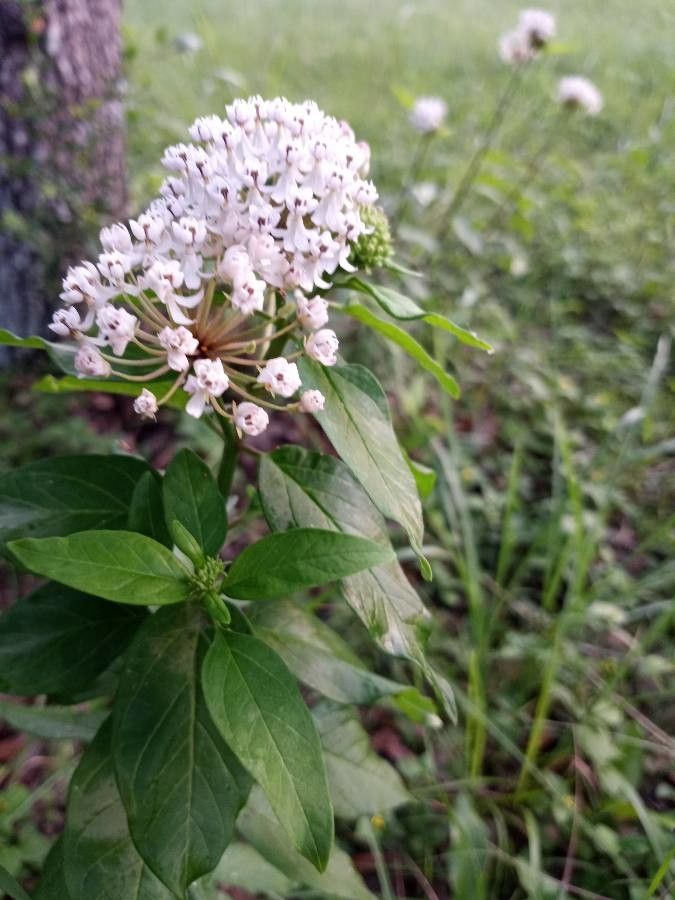
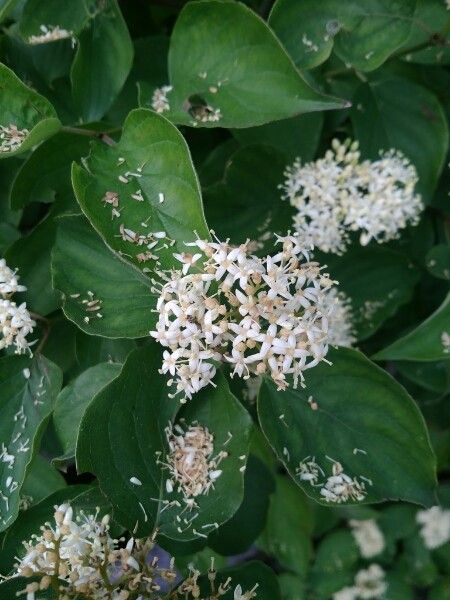
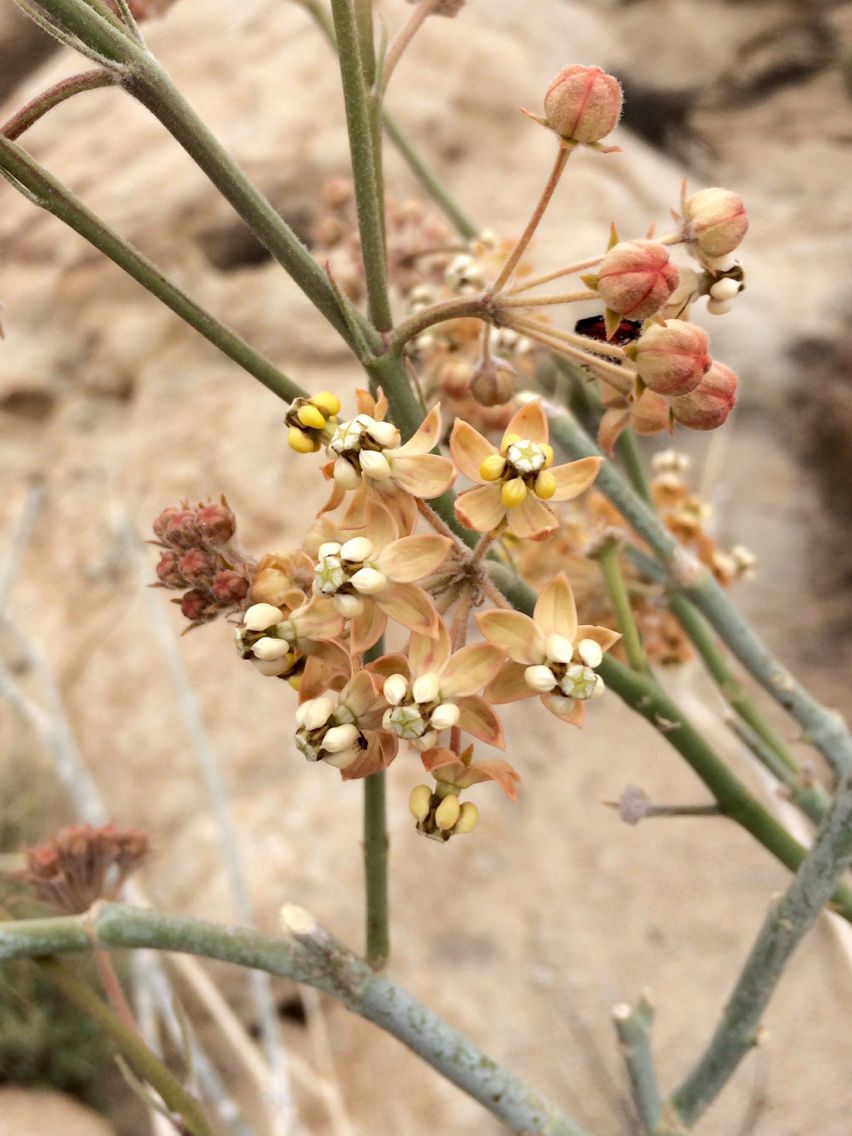
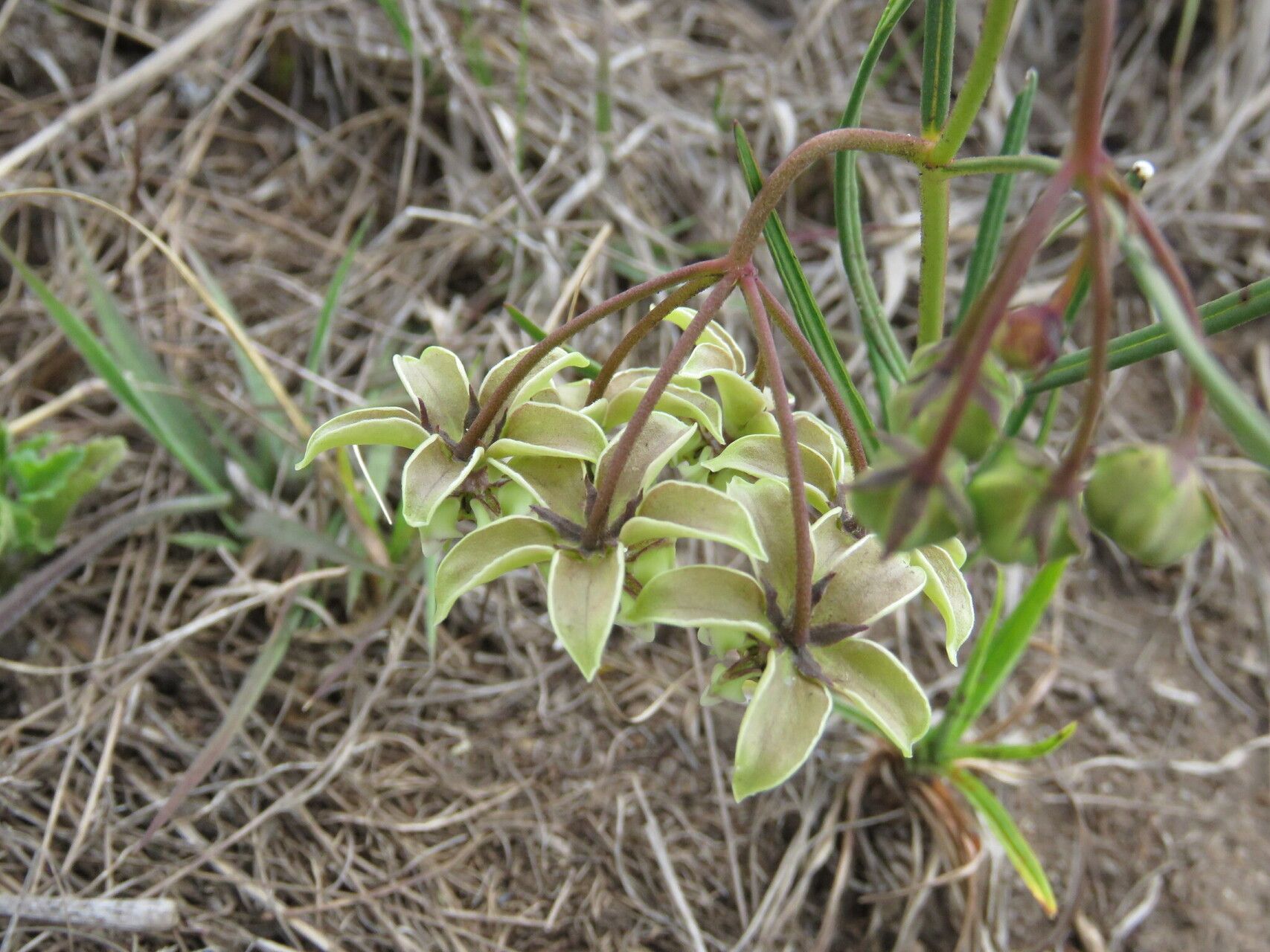
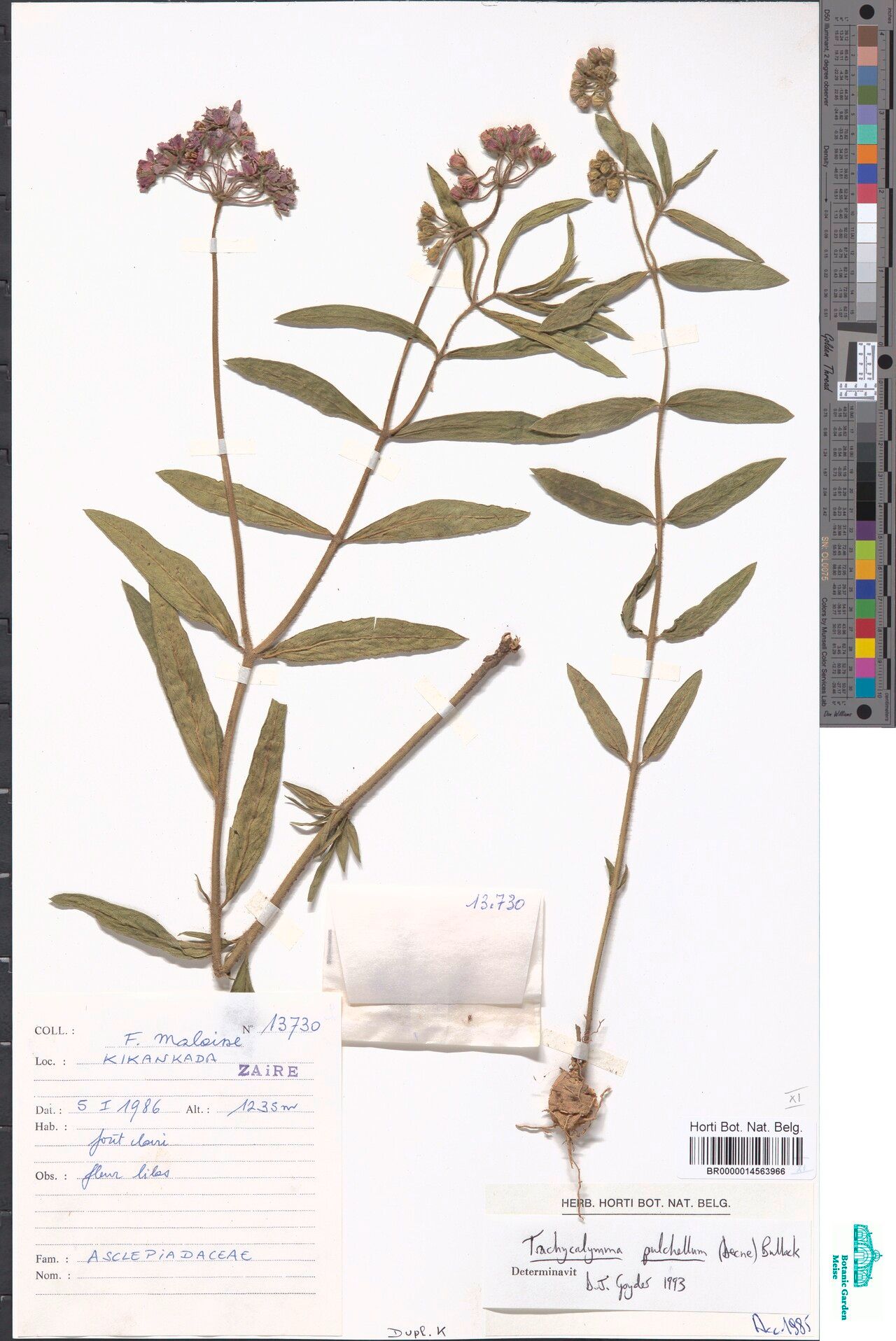
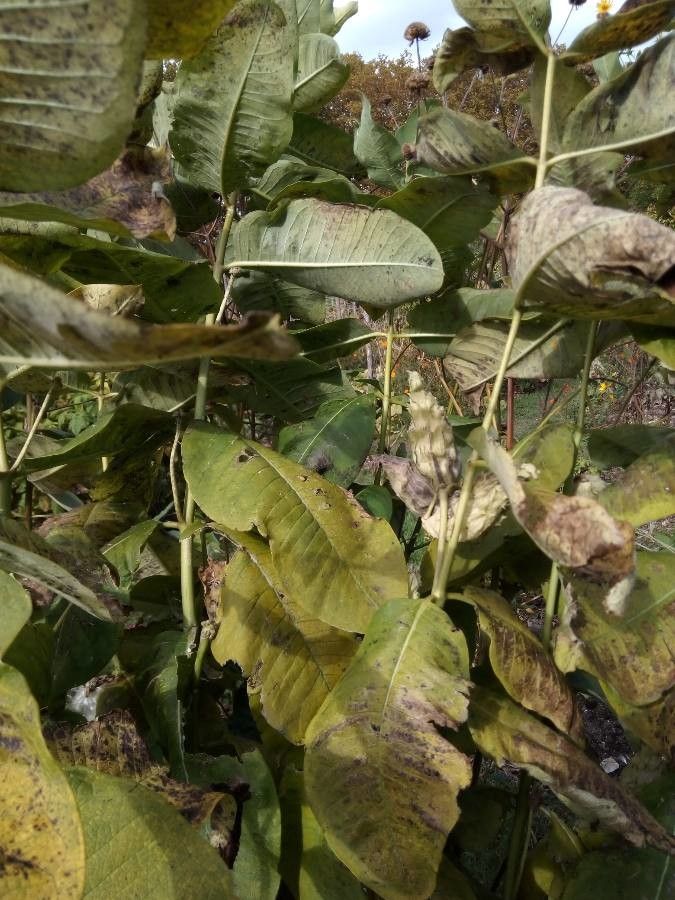
Asclepias texana, commonly called Texas milkweed, is a species of flowering plant in the dogbane family (Apocynaceae). It is native to North America, where it is widespread in the regions of the Chihuahuan Desert and Edwards Plateau. Its range spans from the states of Durango and Coahuilla in Mexico, north to the state of Texas in the United States. Its natural habitat is in dry rocky areas in canyons or along arroyos.Asclepias texana is a shrubby perennial, growing to ~2 feet tall. It produces bright white flowers in the summer.
Texas milkweed displays strong disease resistance and is generally not susceptible to illnesses. Still, it can be affected by pests and diseases present in its environment. Such infections are typically mild. Regarding upkeep, this plant calls for moderate maintenance. It should be trimmed regularly to preserve a neat appearance and encourage healthy growth. Applying fertilizer can also aid in boosting flowering. Texas milkweed is well suited to anyone with an outdoor area, like a garden or patio, and does not demand extensive care experience. It may need extra attention if cultivated indoors.
How to keep Asclepias Texana.
Light
Texas milkweed is a sun-loving, herbaceous perennial that is native to open habitats and commonly grows in meadows and grasslands. It prefers full sun but can also tolerate partial sun.
Water
Texas milkweed thrives in dry conditions and is highly drought-tolerant with low water requirements. It only needs to be watered once a week. Ideally, the plant should be kept outdoors to take advantage of natural rainfall. Since it is a herbaceous plant, good soil drainage is essential to prevent root rot during its active growing season.
Temperature
Texas milkweed can tolerate a wide range of temperatures, but its distribution may still be constrained by different combinations of moisture and heat. It does best in warm summer conditions with sufficient rainfall or watering. Extended stretches of cloudy, rainy weather or prolonged high temperatures increase the chance of Texas milkweed dying. In winter, adequate protection from cold improves the plant’s survival rate.
Fertilizer
The best time to fertilize Texas milkweed is in early spring, as it comes out of dormancy and begins active growth. Fertilizing supplies essential nutrients needed for healthy development. Although Texas milkweed requires relatively little fertilizer, an annual application can improve its survival and encourage better, longer-lasting blooms.
Pruning
Texas milkweed features clusters of white flowers and benefits from early spring pruning. To encourage growth and maintain its shape, remove any dead or damaged stems. Pruning after the plant blooms helps control its size and revitalizes it, but be careful not to cut too many live stems. Always use clean tools to prevent the spread of disease.
Botanical profile.
- Plant Type
- Herb, Shrub
- Life Cycle
- Perennial
- Genus
- Asclepias
- Family
- Apocynaceae
- Hardiness Zone
- 8-11
- Mature Height
- 30 cm to 91 cm
- Mature Spread
- 30 cm to 46 cm
- Leaf Color
- Green, Dark Green
- Leaf Type
- Deciduous
- Flower Color
- White
- Flower Size
- 1.02 cm to 1.52 cm
- Bloom Time
- Late spring, Early summer, Mid summer
- Planting Time
- Spring, Summer, Autumn
- Harvest Time
- Late summer, Early fall, Mid fall
- Native Area
- Mexico
Other names.
Reader questions.
What are the sunlight requirements for Texas milkweed?
Texas milkweed (Asclepias texana) thrives in conditions where it can receive ample sunlight throughout the day. It requires 'full sun', which is defined as more than 6 hours of sunlight daily, for optimal growth. However, it can also tolerate 'partial sun', meaning it should get about 3-6 hours of sunlight every day. When planning your garden, it's important to observe the patterns of sunlight and shade in your outdoor space to find the best spots for your plants. Creating the right balance of light and shade will ensure the well-being of your Texas milkweed, keeping them healthy and happy.