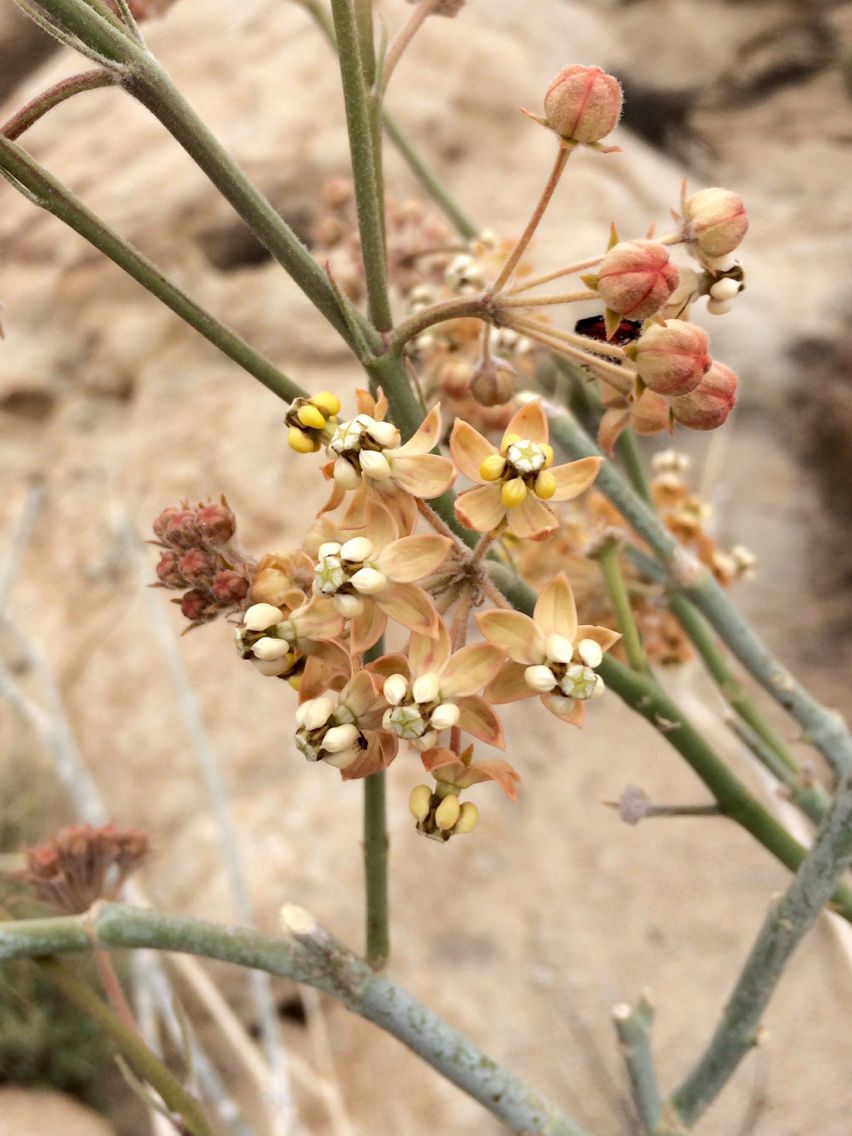
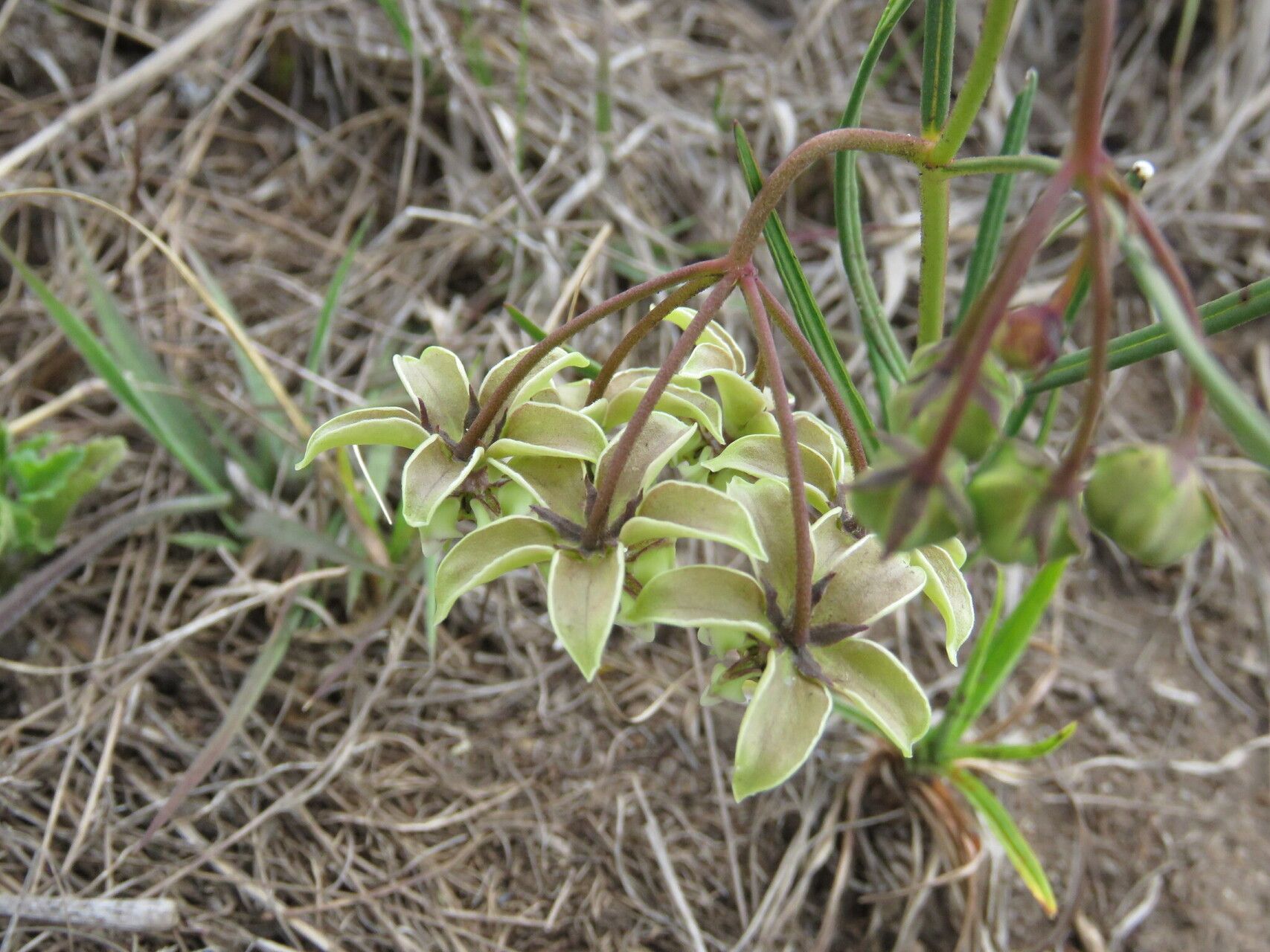
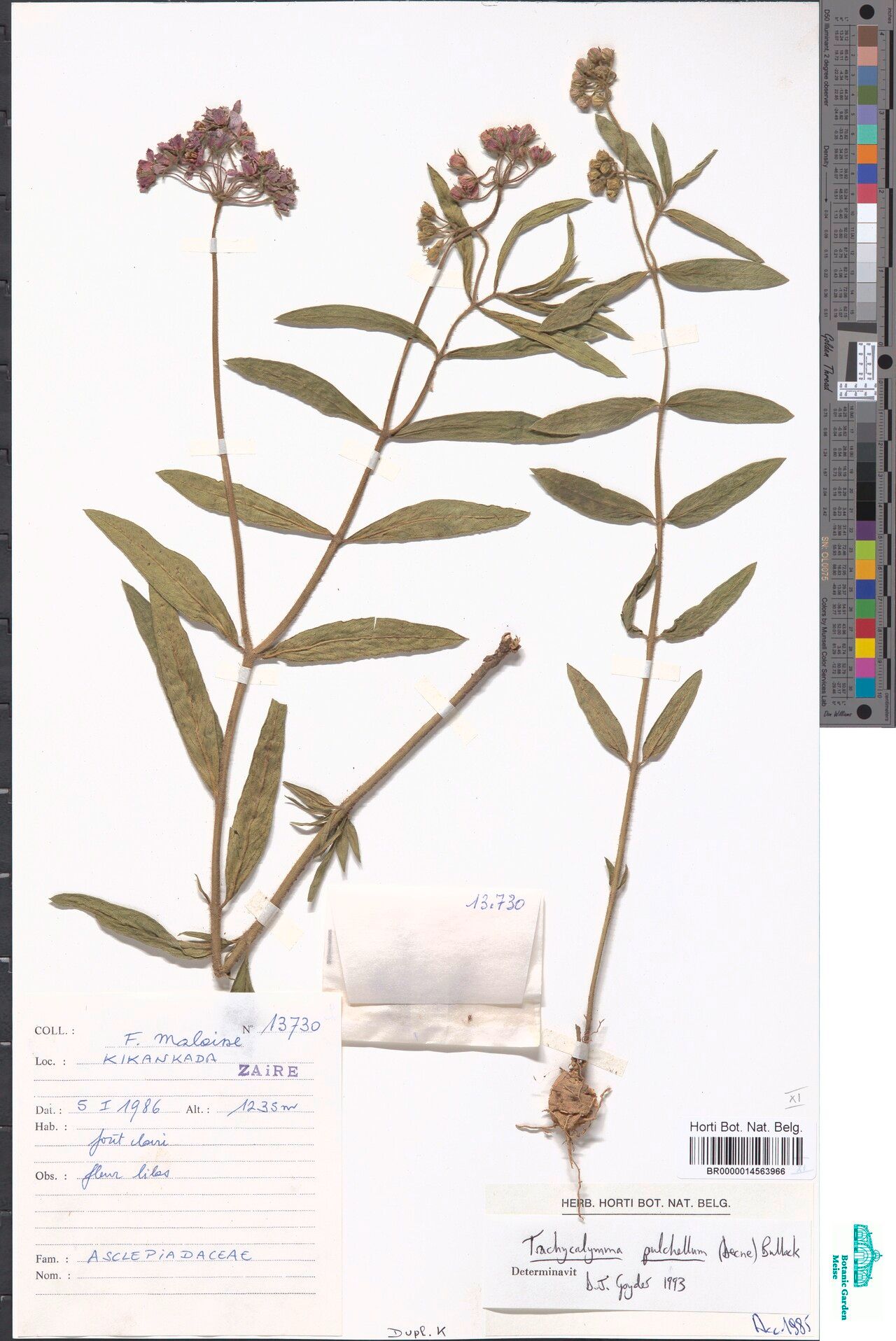
Asclepias stenophylla is a species of flowering plant in the dogbane family (Apocynaceae) commonly called slimleaf milkweed and narrow-leaved green milkweed.
Slimleaf milkweed is fairly disease-resistant and generally not highly susceptible to illnesses. That said, it can be affected by pests and diseases found in its surroundings, though such infections are typically mild. Regarding care, it calls for moderate maintenance. Regular pruning is needed to preserve a tidy appearance and support healthy growth. Applying fertilizer can also aid in boosting flowering. This plant is well suited to anyone with outdoor space, like a garden or patio, and does not demand extensive care experience. It may, however, need extra attention when cultivated indoors.
How to keep Asclepias Stenophylla.
Light
Slimleaf milkweed is a sun-loving herbaceous perennial that originates from open habitats and often does well in meadows and grasslands. It prefers full sun but can also tolerate partial sun.
Water
Slimleaf milkweed is well-suited for dry prairie conditions, demonstrating a high tolerance to drought and needing very little water. It should be watered once a week, but make sure not to over-saturate the soil. Though it is hardy in various climate zones, providing extra water during extended dry periods can help support its growth.
Temperature
Slimleaf milkweed can tolerate a wide span of temperatures, but its range may still be restricted by particular combinations of moisture and heat. It does best in warm summer conditions with sufficient rainfall or watering. Long stretches of cloudy, rainy weather, as well as extended periods of high temperatures, increase the risk of Slimleaf milkweed dying. In winter, protecting the plant from cold can raise its chances of survival.
Fertilizer
The best time to fertilize a Slimleaf milkweed is in early spring, as it is coming out of dormancy and starting active growth. Fertilizing supplies essential nutrients for healthy development. Although Slimleaf milkweed needs relatively little fertilizer, applying it annually can improve its survival and encourage better, longer-lasting flowers.
Pruning
To promote healthy growth and flowering, prune slimleaf milkweed from early to late spring. Cut away any dead stems and damaged leaves to improve air circulation and reduce the risk of pests. Be sure to use sharp, clean tools to prevent infection and boost the plant's vigor and overall health.
Botanical profile.
- Plant Type
- Herb, Shrub
- Life Cycle
- Perennial
- Genus
- Asclepias
- Family
- Apocynaceae
- Hardiness Zone
- 4-10
- Mature Height
- 30 cm to 61 cm
- Mature Spread
- 30 cm
- Leaf Color
- Green
- Leaf Type
- Evergreen
- Flower Color
- Green, White
- Flower Size
- 1.02 cm to 1.52 cm
- Bloom Time
- Early summer, Mid summer
- Planting Time
- Summer
- Harvest Time
- Late summer, Early fall, Mid fall
Other names.
Reader questions.
What are the sunlight requirements for Slimleaf milkweed?
Slimleaf milkweed, scientifically known as Asclepias stenophylla, is a perennial herbaceous plant that thrives in full sun conditions, requiring above 6 hours of sunlight daily. It can also tolerate partial sun, meaning it can do well with about 3-6 hours of sunlight. It's important to monitor the movement of sunlight through your garden to ensure that your plants are positioned in places that provide an optimal balance of light and shade, supporting their growth and well-being.
What conditions are essential for the proper growth of Slimleaf milkweed?
Slimleaf milkweed, known botanically as Asclepias stenophylla, is adaptable to a wide range of temperature conditions, thriving best in warm climates during summer with adequate rainfall or watering. It possesses strong cold resistance, generally not requiring special frost protection measures in winter. However, it may still face limitations in distribution due to varying combinations of water and heat conditions. Optimal growth is observed when the plant is protected against prolonged periods of cloudiness, excessive rain, or high temperatures. For winter, shielding the plant against severe cold below -30°C by covering it with soil or straw, and ensuring the soil is moist before the first freeze can enhance its survival and prevent drought during the colder months.
Can I use artificial lighting for Slimleaf milkweed and how?
Yes, artificial lighting can be used for Slimleaf milkweed, especially when natural sunlight is insufficient, such as during winter or in less sunny indoor spaces. LED lights are a great option because they can be customized to provide specific wavelengths of light needed for plant growth. For full sun plants like the Slimleaf milkweed, 30-50W/sq ft of artificial light is recommended. The light source should be placed 12-36 inches above the plant to mimic natural sunlight. It's also crucial to ensure that the plant receives 8-12 hours of light per day to mimic the natural daylight hours.
How does Slimleaf milkweed react to low and high temperatures, and what measures should be taken?
Slimleaf milkweed shows a notable tolerance to cold, performing best when the temperature remains above 5°C and should ideally not drop below -25°C in winter to avoid affecting its sprouting in spring. In extreme cold, below -30°C, there may not be an immediate visible impact, but a reduction in spring sprouting or a complete lack of sprouting can occur, necessitating the removal of parts that fail to sprout. In contrast, the plant should be kept below 35°C during summer to prevent issues. Temperatures exceeding 41°C may lead to lighter leaf colors, leaf curling, susceptibility to sunburn, and in severe cases, wilting and drying of the plant. Solutions include trimming sunburned and dried parts, relocating the plant to a shaded area, or using a shade cloth for protection. Additionally, watering in the morning and evening helps maintain soil moisture.
What are the symptoms of insufficient sunlight for Slimleaf milkweed?
When Slimleaf milkweed does not receive enough sunlight, several symptoms can occur. These include smaller new leaves, leggy or sparse growth, faster leaf drop, slower or no new growth, lighter-colored new leaves, and symptoms of overexposure such as chlorosis, sunscald, leaf curling, wilting, and leaf scorching. These signs indicate that the plant is not receiving the ideal amount of light it requires for healthy growth and photosynthesis.
How can I address sunlight deficiency for my Slimleaf milkweed?
Addressing sunlight deficiency for Slimleaf milkweed involves several strategies depending on its growing location. Indoors, gradually move the plant to a sunnier spot, preferably near a south-facing window, or provide artificial light for at least 8 hours a day. Outdoors, find a sunnier location for your plant, moving it gradually to avoid shock. If obstructions like trees are blocking sunlight, consider pruning to allow more light through. For plants in the ground, consider transplanting to a sunnier location during the plant's dormant period, ensuring ample sunlight and good drainage.