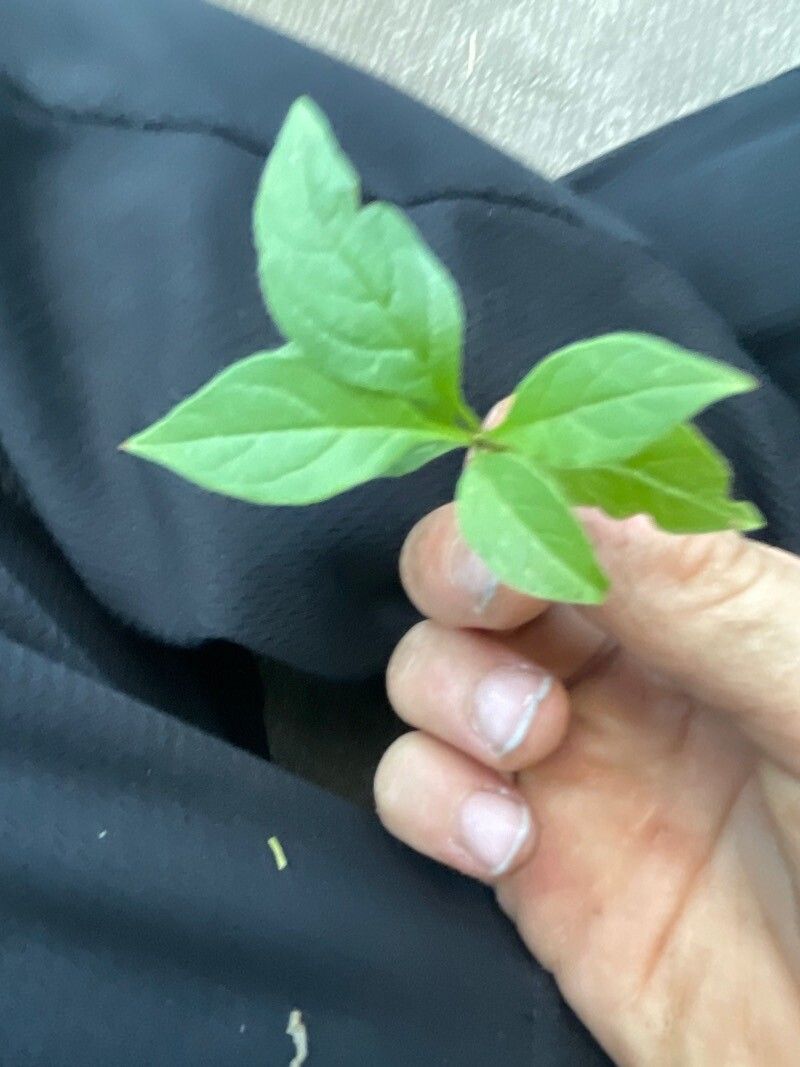
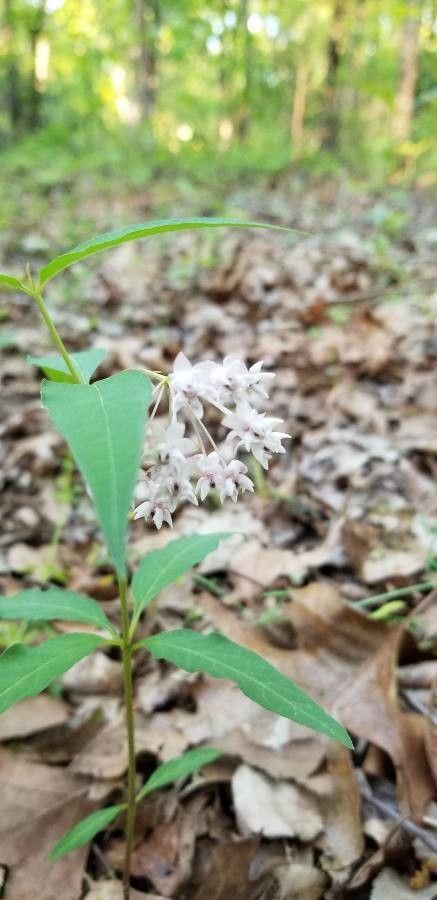
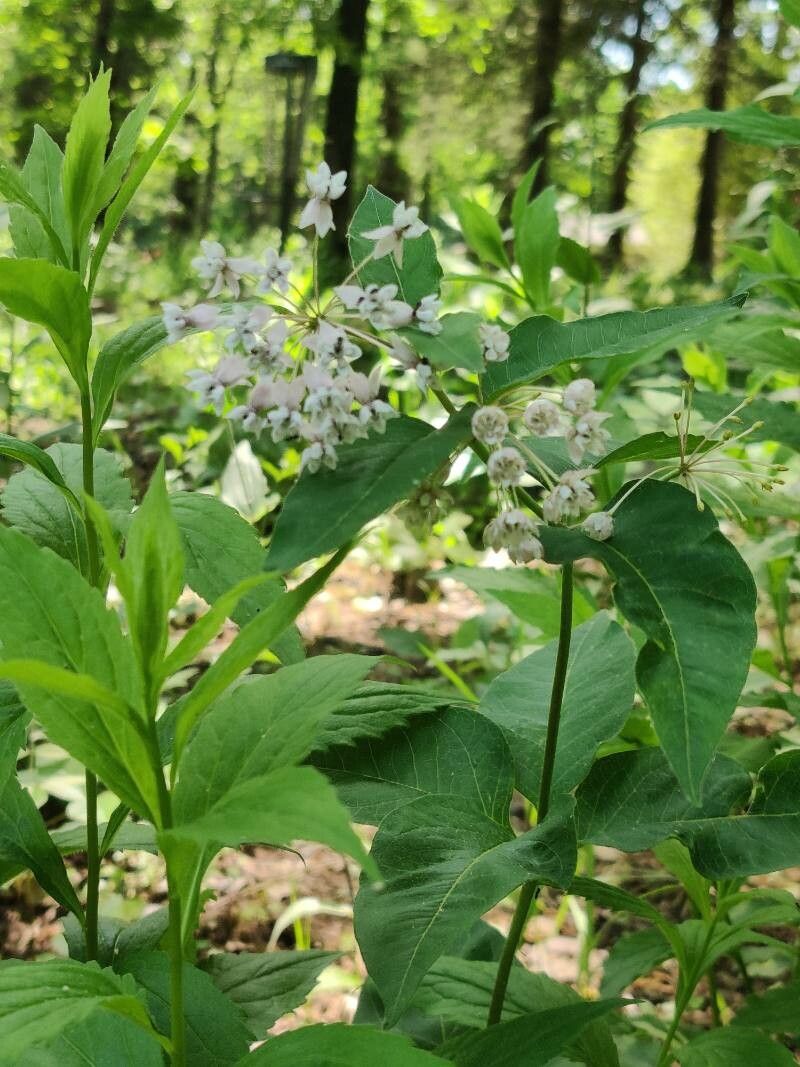
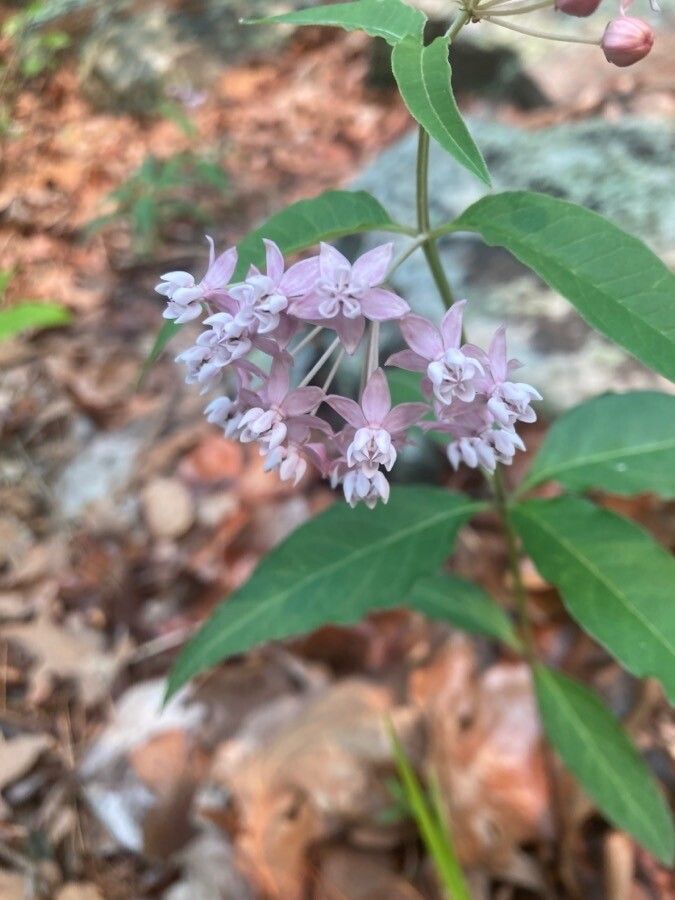
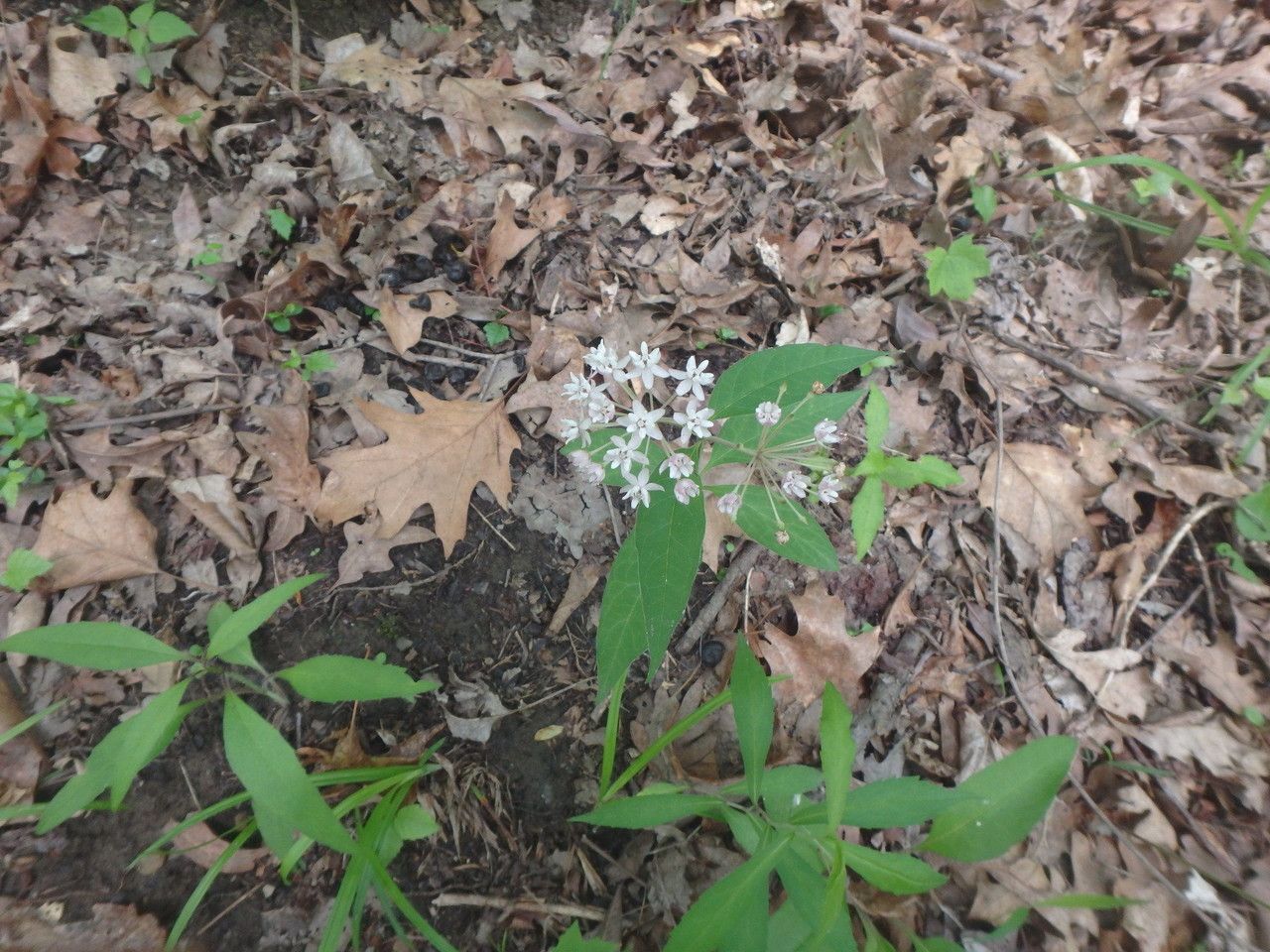
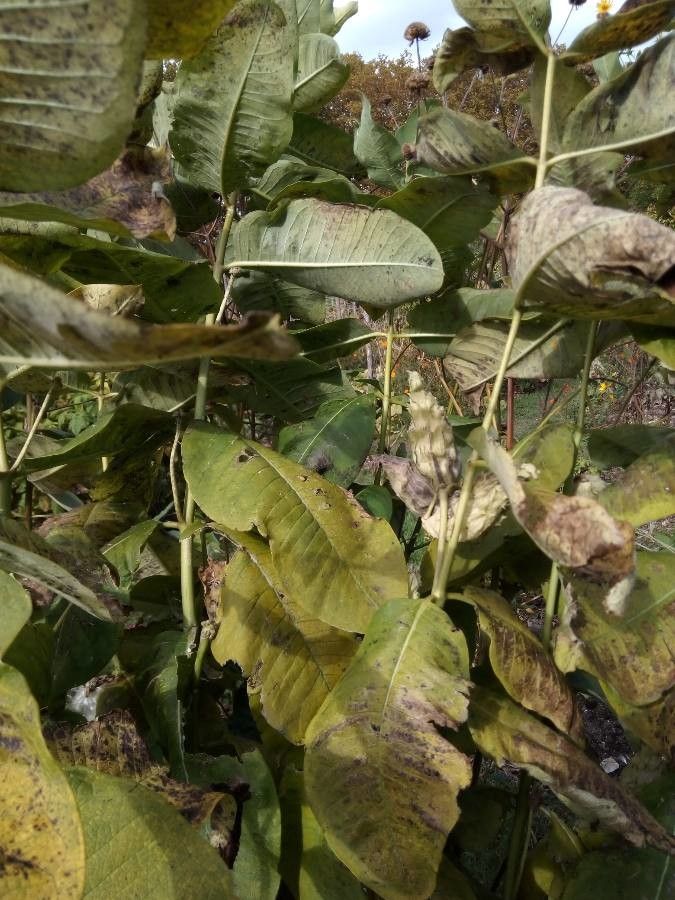
Asclepias quadrifolia, commonly called four-leaved milkweed or fourleaf milkweed, is a species of milkweed in the Apocynaceae (dogbane) family. It is sometimes referred to as whorled milkweed, but it should not be confused with Asclepias verticillata. A. quadrifolia occurs in the eastern United States and Canada.
Four-leaf milkweed is fairly disease-resistant and typically does not suffer from many ailments. However, it can be affected by pests and diseases present in its surroundings. Such infections are usually mild. In terms of care, this plant requires a moderate level of maintenance. It should be pruned regularly to keep a tidy appearance and support healthy growth. Fertilizing can also help encourage flowering. Four-leaf milkweed is suitable for anyone with an outdoor area, such as a garden or patio, and does not demand extensive care experience. It may need more attention when grown indoors.
How to keep Asclepias Quadrifolia.
Light
Four-leaf milkweed prefers abundant light and flowers well in open conditions, though it can tolerate a bit of shade. It performs best with generous sun exposure. Both too much and too little sunlight can hinder its growth.
Water
Four-leaf milkweed thrives best in moderate moisture conditions, benefiting from dappled sunlight and well-draining soil. To maintain the necessary humidity, it needs to be watered weekly, which helps balance its drought resistance. Typically grown outdoors, four-leaf milkweed relies on natural rainfall patterns, which are crucial for its growth cycles and water requirements.
Temperature
Four-leaf milkweed naturally grows in habitats with moderate seasonal temperature changes, preferring a range of 41 to 89.6 °F (5 to 32 ℃). To achieve optimal growth, change the plant’s location or control indoor temperatures according to the seasons.
Fertilizer
The best time to fertilize a Four-leaf milkweed is in early spring, as it comes out of dormancy and starts active growth. Fertilization supplies essential nutrients for healthy growth. Although Four-leaf milkweed has relatively low fertilizer needs, annual application can improve its survival and encourage better, longer-lasting flowers.
Pruning
Pruning four-leaf milkweed from early to late spring can significantly enhance its growth and increase the abundance of blooms. By removing dead stems, you allow the plant to thrive. To improve air circulation, cut the stems back to one-third of their height. This promotes better health and vigor, resulting in a robust and visually appealing plant.
Botanical profile.
- Plant Type
- Herb
- Life Cycle
- Perennial
- Genus
- Asclepias
- Family
- Apocynaceae
- Hardiness Zone
- 5-8
- Mature Height
- 30 cm to 91 cm
- Mature Spread
- 46 cm
- Leaf Color
- Green
- Leaf Type
- Deciduous
- Flower Color
- Pink, White
- Flower Size
- 0.76 cm to 1.27 cm
- Bloom Time
- Mid spring, Late spring
- Planting Time
- Spring, Summer, Autumn
- Harvest Time
- Summer
Other names.
Reader questions.
How should I water my Four-leaf milkweed?
To properly water the Four-leaf milkweed, it is important to use filtered water at room temperature. Tap water can contain harmful particles, so filtered water is preferred. The plant is accustomed to a warm environment, so using cold water can be a shock to its system. Additionally, it is best to avoid overhead watering, as it can lead to issues with the foliage. Instead, gently pour filtered room temperature water onto the soil until it is completely soaked. This helps the roots of the plant to stay moist and spread through the soil to gather the necessary nutrients.
What are the sun requirements for Four-leaf milkweed?
Four-leaf milkweed requires full sun, defined as above 6 hours of sunlight, to thrive, but it can also grow under partial sun, approximately 3-6 hours of sunlight. It's important to observe how sunlight moves through your garden to find spots that provide an ideal balance of light and shade, ensuring the plants' health and happiness.
What are the temperature preferences and growth requirements for Four-leaf Milkweed?
Four-leaf milkweed, botanically known as Asclepias quadrifolia, thrives in environments with moderate seasonal variations in temperature, favoring a range between 41 to 89.6 °F (5 to 32 °C). To foster optimal growth, it's crucial to adjust the plant's positioning or regulate indoor temperatures to align with these seasonal preferences. Despite its strong cold resistance, allowing it to generally forego special frost protection measures in winter, if temperatures are forecasted to plummet below -25°C, it becomes vital to offer cold protection. This may involve covering the plant with insulating materials like soil or straw. Additionally, it's advised to water the plant abundantly before the first freeze of autumn to ensure the soil remains moist and enters a frozen state, aiding in drought prevention and water scarcity during the winter and early spring periods.
What should I do if I give my Four-leaf milkweed too much or too little water?
Overwatering is a common problem for Four-leaf milkweed and can cause wilting, yellowing leaves, and diseases like root rot, mold, and mildew. On the other hand, underwatering is less likely but can lead to brittle, brown leaves. It's important to recognize the signs of overwatering early to prevent irreparable damage. If you notice signs, reduce watering and check the soil's drainage. If the soil is poorly draining, replace it with a loose, well-draining potting mix. If your plant is not getting enough water, simply increase the watering frequency until the signs improve.
How does sunlight affect the growth of Four-leaf milkweed?
Ample light is essential for the Four-leaf milkweed to flourish, with the plant blossoming well in open, fully sunny areas, though it can tolerate some shade. The plant performs best with plenty of sunlight, as both excessive or insufficient light exposure can impede its growth. Additionally, artificial lighting can be a vital solution for indoor plants or in situations where natural light is not enough, particularly during winter or in less sunny spaces. The right type of artificial light, especially LED lights, and the correct positioning and duration of exposure are crucial for mimicking natural sunlight conditions and promoting optimal plant growth.
How does Four-leaf Milkweed react to low temperatures?
Four-leaf milkweed exhibits a notable tolerance to cold, prospering best when temperatures stay above 5°C. During the winter season, the plant should ideally not be exposed to temperatures dropping below -20°C. In scenarios where the mercury dips below -25°C, while immediate damage might not be visible during the winter, it could lead to a diminished sprouting rate or a complete lack of sprouting as spring arrives. To remediate this, it is recommended to remove any parts of the plant that have failed to sprout in the spring.
How frequently do I need to water my Four-leaf milkweed?
If your Four-leaf milkweed is in a pot, the best way to check if it needs water is to stick your finger into the soil. If the top two to three inches of soil feel dry, it's time to water it. If you're growing your Four-leaf milkweed outdoors in the ground, you can use a similar method to test the soil. When you find that the first few inches of soil have dried out, it's time to water. During spring and early fall, this usually means watering once a week. In extremely hot weather, you may need to water twice or more per week. However, mature and well-established Four-leaf milkweed can typically handle drought well.
What are the symptoms of improper light exposure in Four-leaf milkweed?
Four-leaf milkweed can show various symptoms when it doesn't receive adequate light. For indoor plants, symptoms include smaller new leaves, leggy or sparse growth, faster leaf drop, and slower or no new growth, indicating insufficient sunlight. Conversely, excessive sunlight can lead to chlorosis, where leaves lose their green color, sunscald with pale or bleached areas on the plant, leaf curling as a defense mechanism, wilting due to increased water loss, and leaf scorching characterized by brown, dry edges or patches on leaves.
What should be done if Four-leaf Milkweed experiences high temperatures?
In the summertime, it's critical to ensure that Four-leaf milkweed is not subjected to temperatures exceeding 32°C. Experiencing temperatures above 35°C could lead to detrimental effects on the plant, such as leaves turning a lighter color, susceptibility to curling, an increased risk of sunburn, and in severe instances, wilting and drying out of the entire plant. To mitigate these risks, it's advisable to trim away any sunburned or dried-up parts of the plant. The plant should be relocated to an area that provides ample shade during the peak sun hours of midday and afternoon, or utilise a shade cloth to artificially create the needed shade. Ensuring the soil remains moist is also critical, which can be achieved by watering the plant during the cooler morning and evening times.
How much water does my Four-leaf milkweed plant need?
To properly water your Four-leaf milkweed, don't be hesitant to give it a generous amount of water. Make sure the top few inches of soil are dry before watering, and then give it a good, deep soak. You want to water enough that the soil is completely saturated and excess water drains out of the bottom of the pot. If you don't see water draining from the pot, you haven't watered enough, but be careful not to let the water accumulate in the soil, as that can harm the plant. On the other hand, if water doesn't drain from the pot, it may indicate that the soil doesn't drain well, which is bad for the plant's health and should be avoided. If the plant is outside, receiving 1 inch of rain per week should be enough.
How can I address Four-leaf milkweed's sunlight needs?
To support optimal growth, gradually acclimate your Four-leaf milkweed to receive at least 6 hours of direct sunlight daily, using south-facing windows for indoor plants and considering artificial lighting for additional support. For outdoor plants, move them gradually to sunnier spots to avoid sunburn. Removing obstructions such as pruning branches or relocating the plant can also help. Note that while parts of the plant affected by insufficient sunlight might not recover, new growth should be healthy after adjusting light exposure.
How do I give the right amount of water to my Four-leaf milkweed as it grows?
The water needs of the Four-leaf milkweed can vary depending on its growth stages. In the first few years or after transplanting, it requires more water because it focuses on developing new roots for future growth. These roots need extra moisture to thrive. As the plant matures, it will need less water. Another stage that requires increased water is during its bloom period, as flower development requires a significant amount of moisture.