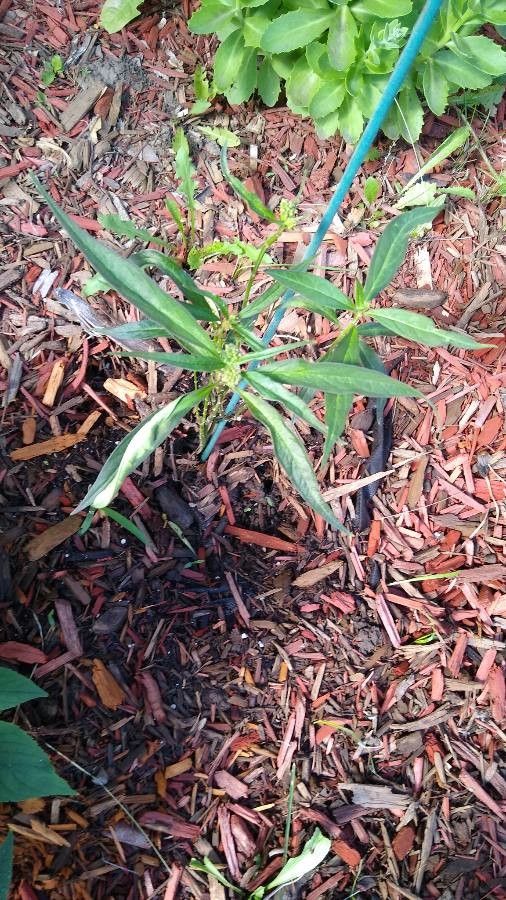
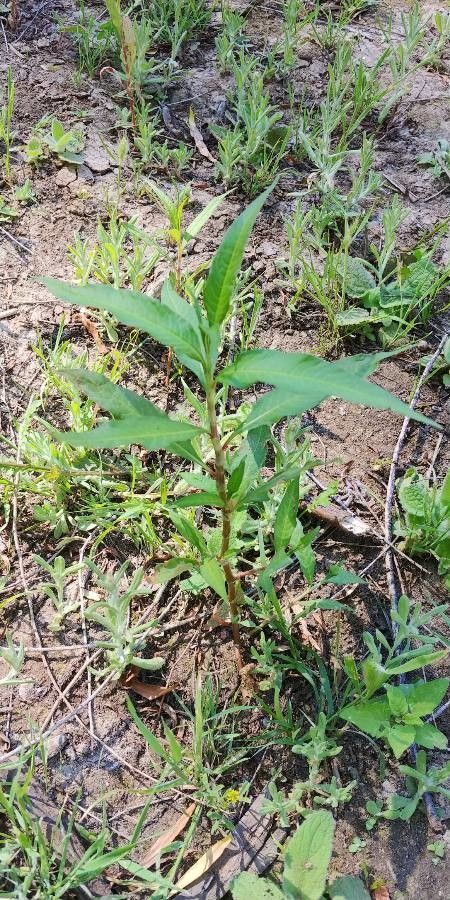
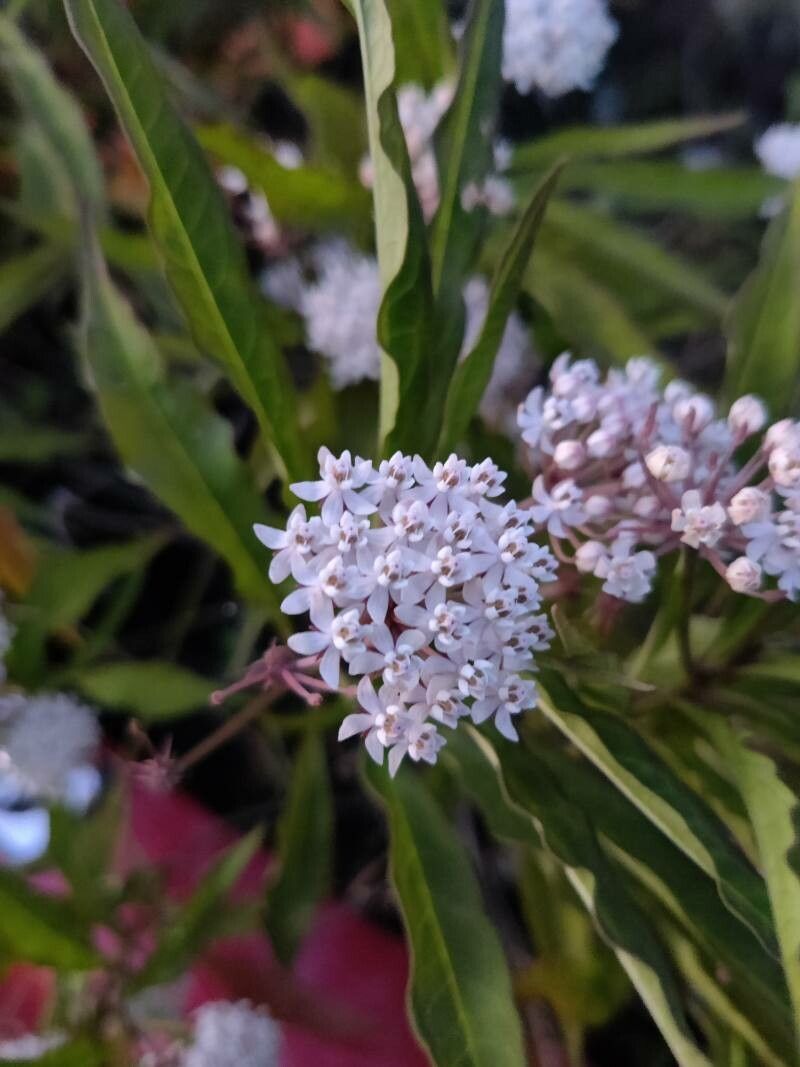
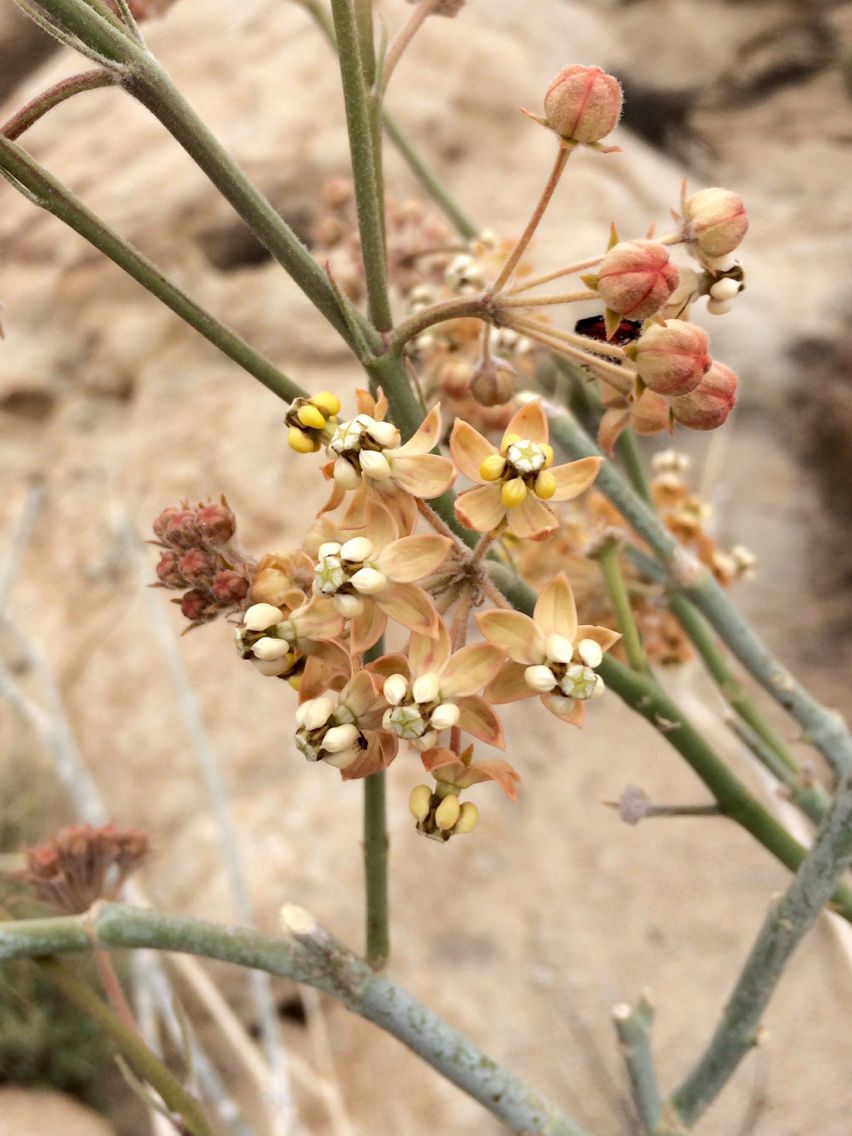
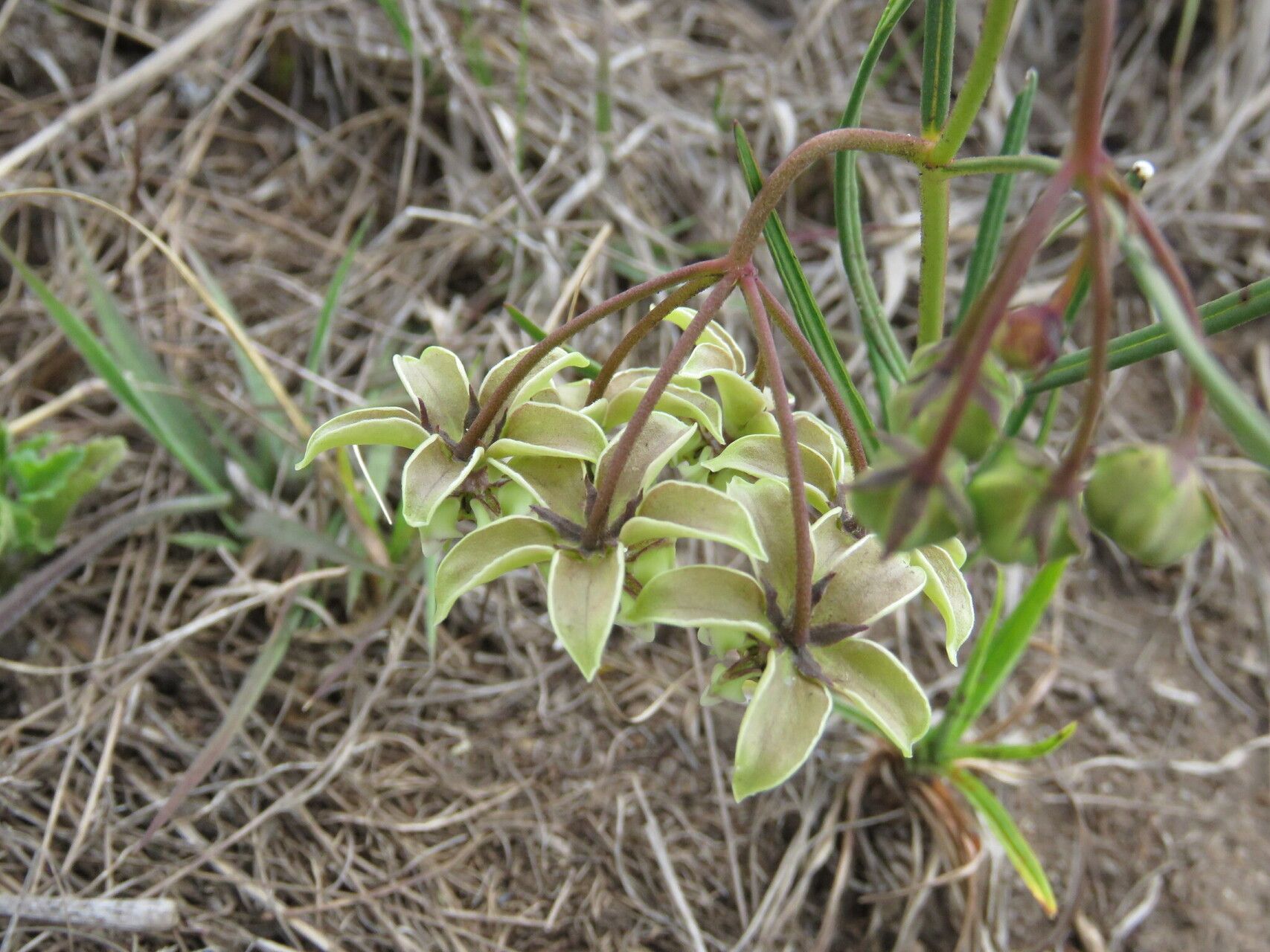
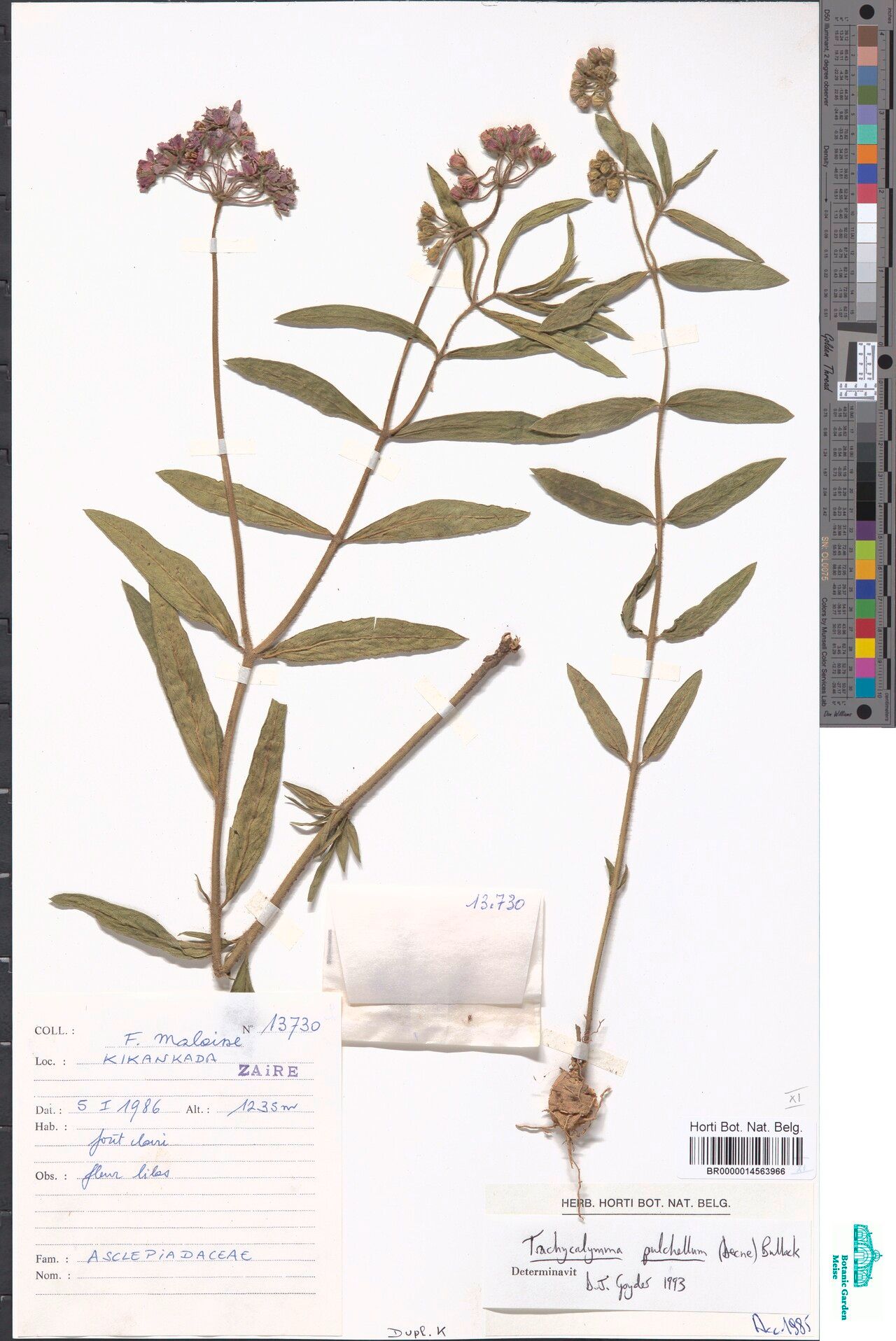
Asclepias perennis, also known as aquatic milkweed or white swamp milkweed (not to be confused with swamp wilkweed; Asclepias incarnata), is a North American species of milkweed that is found throughout the Coastal Plain from eastern Texas to southern South Carolina, northward along the Mississippi River, and into the Ohio Valley of Illinois, Indiana, and Kentucky. There seems to be a few disjunct populations in Arkansas, Texas, and Indiana.
A similar species, Asclepias texana, looks morphologically similar but differs by a very divided distribution (central and western Texas), growing in dry rocky soils, and having more broadly ovate leaves.
Aquatic Milkweed has strong disease resistance and is generally not highly susceptible to illnesses. Nevertheless, it can be affected by pests and diseases present in its surroundings. These infections are usually mild. In terms of care, this plant requires moderate upkeep. It should be pruned regularly to maintain a tidy appearance and encourage healthy growth. Fertilizing can also help enhance flowering. Aquatic Milkweed is suitable for anyone with outdoor areas like a garden or patio and does not demand extensive plant-care experience. It may need more attention when grown indoors.
How to keep Asclepias Perennis.
Light
Aquatic Milkweed grows best with plenty of sunlight, though it can tolerate lower light. Because it comes from a sunny habitat, it can withstand some shade. At every stage of growth it requires adequate light. Both excessive and insufficient light can harm the plant's health.
Water
Aquatic milkweed is well-suited to wetland habitats, thriving in consistently moist conditions, but it can also withstand moderate drought. Watering it weekly helps to replicate its natural hydration cycle. As an herbaceous perennial, its growth and flowering are heavily influenced by the availability of water.
Temperature
Aquatic Milkweed can tolerate a wide range of temperatures, though its range may still be constrained by different combinations of moisture and heat. It does best in warm summer conditions with sufficient rainfall or watering. Extended periods of cloudy, rainy weather or prolonged high temperatures can raise the risk of Aquatic Milkweed dying. In winter, proper protection from cold can increase the plant's survival rate.
Fertilizer
The best time to fertilize Aquatic Milkweed is in early spring, when it is coming out of dormancy and starting active growth. Fertilization supplies essential nutrients for healthy development. Although Aquatic Milkweed has fairly low fertilizer requirements, applying fertilizer once a year can improve its survival and encourage better, longer-lasting flowers.
Pruning
To keep aquatic milkweed healthy, regularly remove any infected plants and wilted leaves. In tropical or subtropical climates, prune the branches in early spring to promote growth. Because of its high toxicity, always handle aquatic milkweed with gloves, keep it out of reach of children, and avoid consuming it.
Botanical profile.
- Plant Type
- Herb
- Life Cycle
- Perennial
- Genus
- Asclepias
- Family
- Apocynaceae
- Hardiness Zone
- 6
- Mature Height
- 0.91 m to 1.83 m
- Mature Spread
- 5 cm
- Leaf Color
- Green, Blue, White, Orange
- Leaf Type
- Evergreen, Deciduous
- Flower Color
- White, Pink
- Flower Size
- 2.54 cm
- Bloom Time
- Late spring, Summer, Early fall
- Planting Time
- Spring, Summer, Autumn
- Harvest Time
- Late summer, Fall
Other names.
Reader questions.
How should I water my Aquatic Milkweed?
When watering the Aquatic Milkweed, it is best to use filtered water at room temperature or slightly warmer. Tap water can have harmful particles, so filtered water is preferred. The Aquatic Milkweed is used to a warm environment, so cold water may shock it. Avoid overhead watering to prevent problems with the leaves. Instead, water the soil with filtered room temperature water until it is completely soaked. This helps to moisten the roots and allow them to spread and gather nutrients.
What are the sunlight requirements for Aquatic Milkweed?
Aquatic Milkweed requires full sun, which amounts to over 6 hours of sunlight daily, but it can also thrive in partial sun, receiving about 3-6 hours of sunlight. It is essential to observe how sunlight moves through your garden to find the perfect balance for your plants. In its native environment, Aquatic Milkweed is accustomed to abundant sunlight exposure but can tolerate some shade. At all growth stages, sufficient light exposure is crucial for the plant's wellbeing. Insufficient or excessive light can negatively affect the plant's health.
What is the botanical name of Aquatic Milkweed?
The botanical name of Aquatic Milkweed is Asclepias perennis. This species is recognized for its specific adaptations and characteristics unique to its natural aquatic environments.
What should I do if I give my Aquatic Milkweed too much or too little water?
Overwatering is a more common problem for Aquatic Milkweed, leading to wilting, yellowing, and potential diseases like root rot. Underwatering is less common but can cause brittle, brown leaves. It's important to notice signs of overwatering early, as some diseases may be irreversible. To address overwatering, reduce watering and replace poorly draining soil. To address underwatering, increase watering until signs subside.
How can artificial lighting be used for Aquatic Milkweed?
Artificial lighting can support the growth of Aquatic Milkweed indoors, especially in conditions where natural sunlight is limited, such as winter or in less sunny spaces. LED lights are a popular choice because they can be customized to provide the wavelengths of light your plants need. Full sun plants require 30-50W/sq ft, partial sun plants 20-30W/sq ft, and full shade plants 10-20W/sq ft of artificial light. The light source should be placed 12-36 inches above the plant, and most plants will need 8-12 hours of light per day to mimic natural daylight hours.
How frequently should I water my Aquatic Milkweed?
If your Aquatic Milkweed is potted, the most accurate way to determine if it needs watering is to check the soil moisture by sticking your finger into it. If the top two to three inches of soil feels dry, it is time to give it some water. If you are growing your Aquatic Milkweed outdoors in the ground, you can use a similar method to test the soil. Once again, if the top few inches of soil have become dry, it is a sign that you should water the plant. Following this method during the spring and early fall will usually require watering about once a week. However, during periods of extremely hot weather, you may need to increase watering frequency to two or more times a week. It is worth noting that mature, well-established Aquatic Milkweed plants have a remarkable ability to withstand drought.
What are the symptoms of light deficiency in Aquatic Milkweed?
Symptoms of light deficiency in Aquatic Milkweed include smaller new leaves, leggy or sparse growth, faster leaf drop, slower or no new growth, and lighter-colored new leaves. Conversely, symptoms of excessive sunlight exposure include chlorosis, where leaves turn yellow due to chlorophyll breakdown; sunscald, indicated by pale or necrotic areas on the plant; leaf curling as a defense mechanism against sunlight; wilting from increased water loss; and leaf scorching, where leaves develop brown, crispy edges or patches.
How much water does my water-loving Milkweed plant need?
To properly water your Aquatic Milkweed, don't hold back on the amount of water you use. Make sure the top few inches of soil are dry before watering, and then give the plant a thorough soaking. You should add enough water to completely saturate the soil, allowing any excess water to drain out through the holes in the bottom of the pot. If you don't see excess water draining, you may not have given enough water. However, be careful not to let the water accumulate too much in the soil as this can harm the plant. On the other hand, if water is not draining properly, it could be a sign of poorly draining soil, which is bad for the plant's health. If the plant is outdoors, about 1 inch of rain per week should be enough.
What solutions exist for Aquatic Milkweed's light-related issues?
To address light-related issues in Aquatic Milkweed, indoor plants should gradually be moved to sunnier locations to receive at least 6 hours of direct sunlight daily, using south-facing windows or artificial lights like desk lamps or plant grow lights for at least 8 hours daily. Outdoor plants should also be moved gradually to avoid sunburn. Reducing obstructions like pruning trees can help, and for smaller plants, consider transplanting during their dormant period to a location with ample sunlight. Remember that parts of the plant affected by insufficient sunlight may not recover, but new growth should be healthy with increased light exposure.
How should I water my Aquatic Milkweed as it grows?
The watering requirements for Aquatic Milkweed vary depending on its growth stages. In the early years or after transplanting, it needs more water because it focuses on developing new roots for future growth. During these stages, the roots perform better with slightly moist conditions. As the plant matures over several seasons, it requires less water. Additionally, during the bloom period, Aquatic Milkweed may need more water to support flower development.
How should I give water to my Aquatic Milkweed at different times of the year?
The Aquatic Milkweed has higher water needs in the hottest months of the year. In the summer, you may need to water it more than once a week, depending on how quickly the soil dries out. In contrast, during winter, the plant goes into a dormant phase and requires less water than usual. You may not need to water it at all during winter, but if you do, limit it to about once a month. Overwatering during winter increases the risk of the plant getting sick.
What's the difference between watering my Aquatic Milkweed inside and outside?
If you're a gardener in non-temperate or non-tropical regions, it's best to grow the Aquatic Milkweed indoors. Remember that soil in containers tends to dry out faster than ground soil. Also, if you have air conditioning units that cause dryness, your Aquatic Milkweed will need more frequent watering compared to if it were planted outside. In outdoor conditions, you may not need to water your Aquatic Milkweed very often, especially if you receive regular rainfall. However, if you're growing it indoors, you'll need to water it more frequently since relying on rainwater to soak the soil isn't an option.