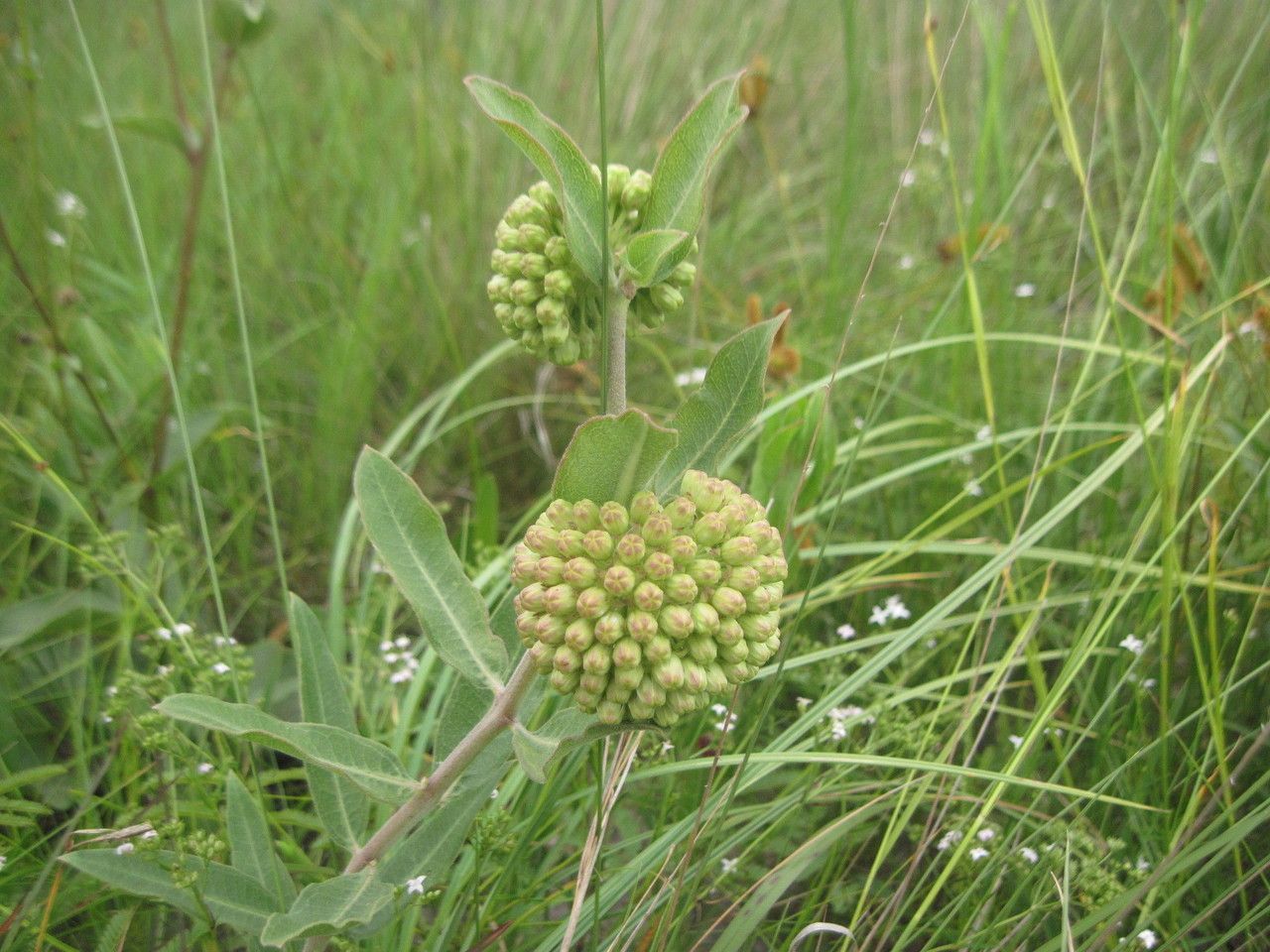
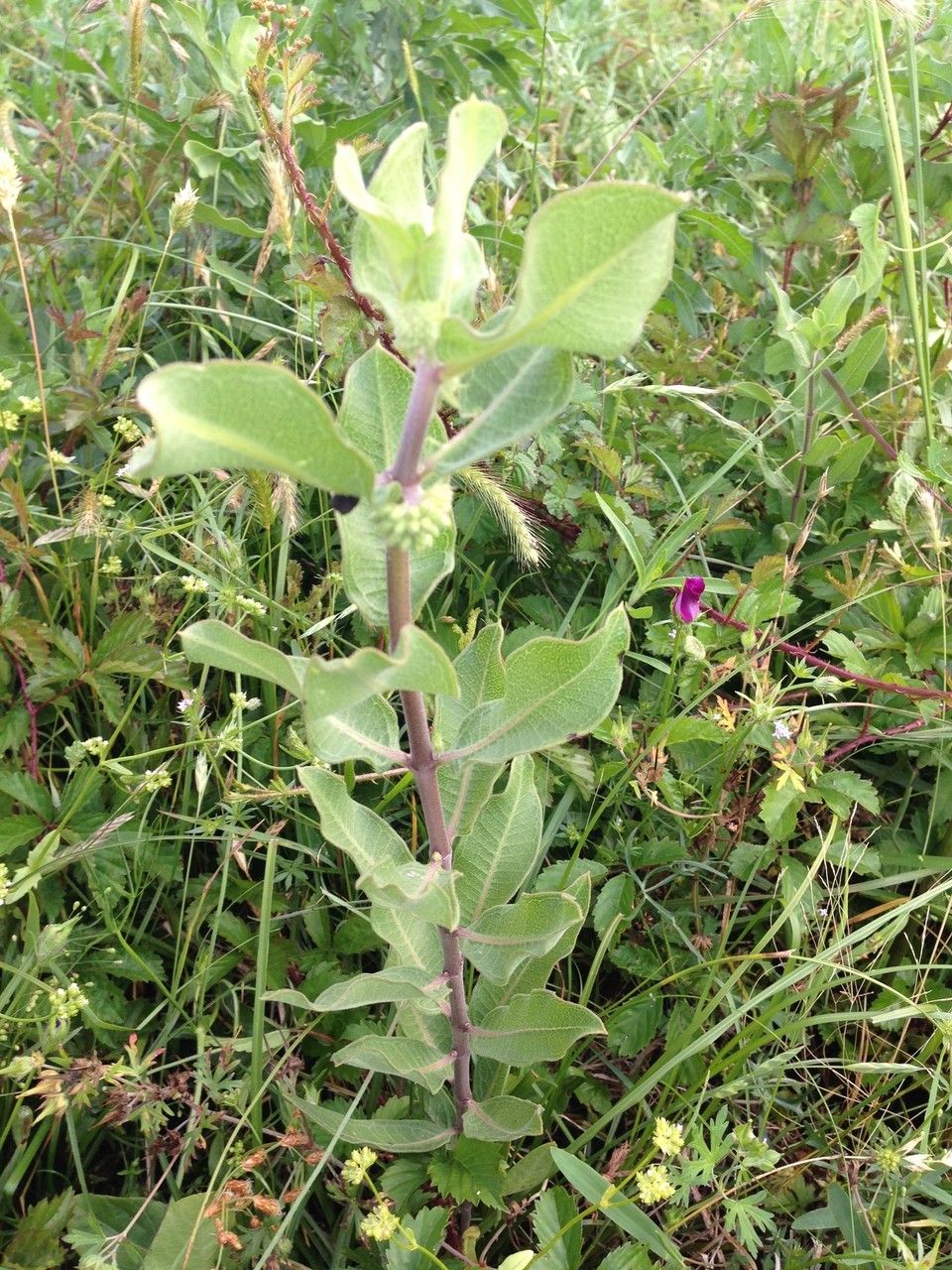
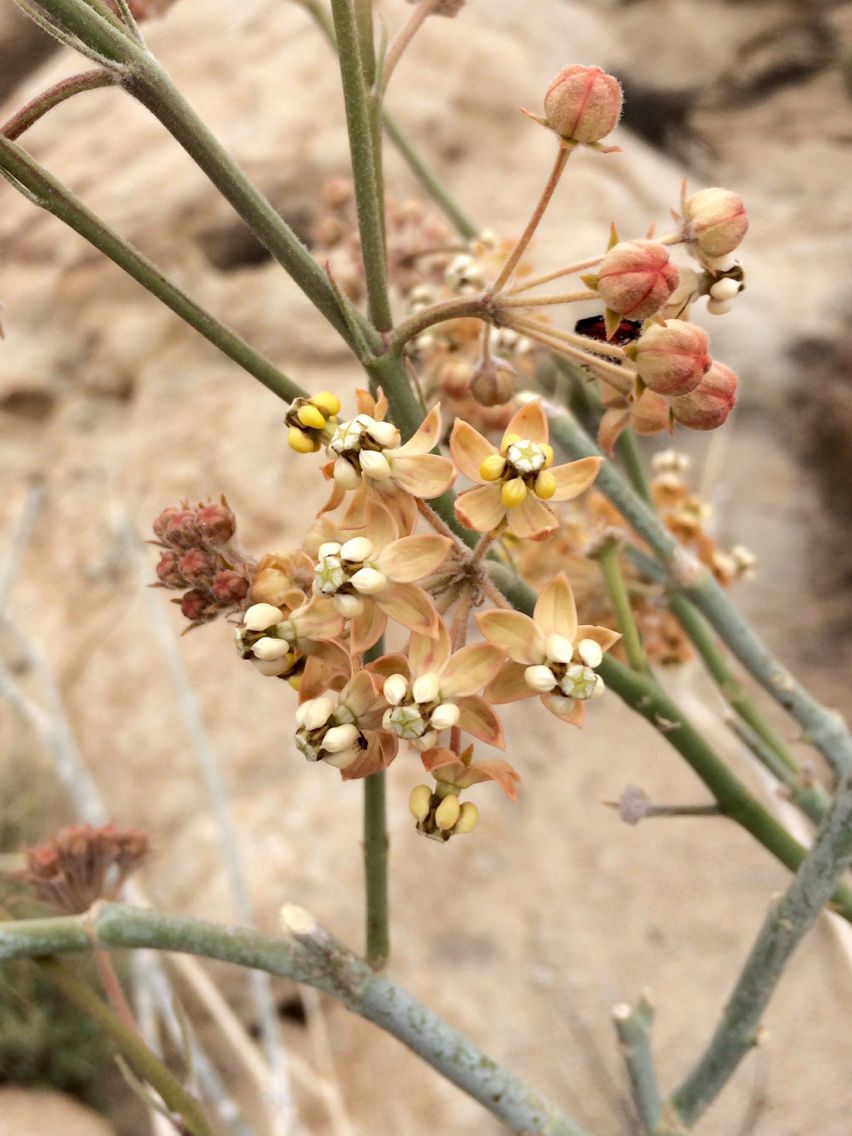
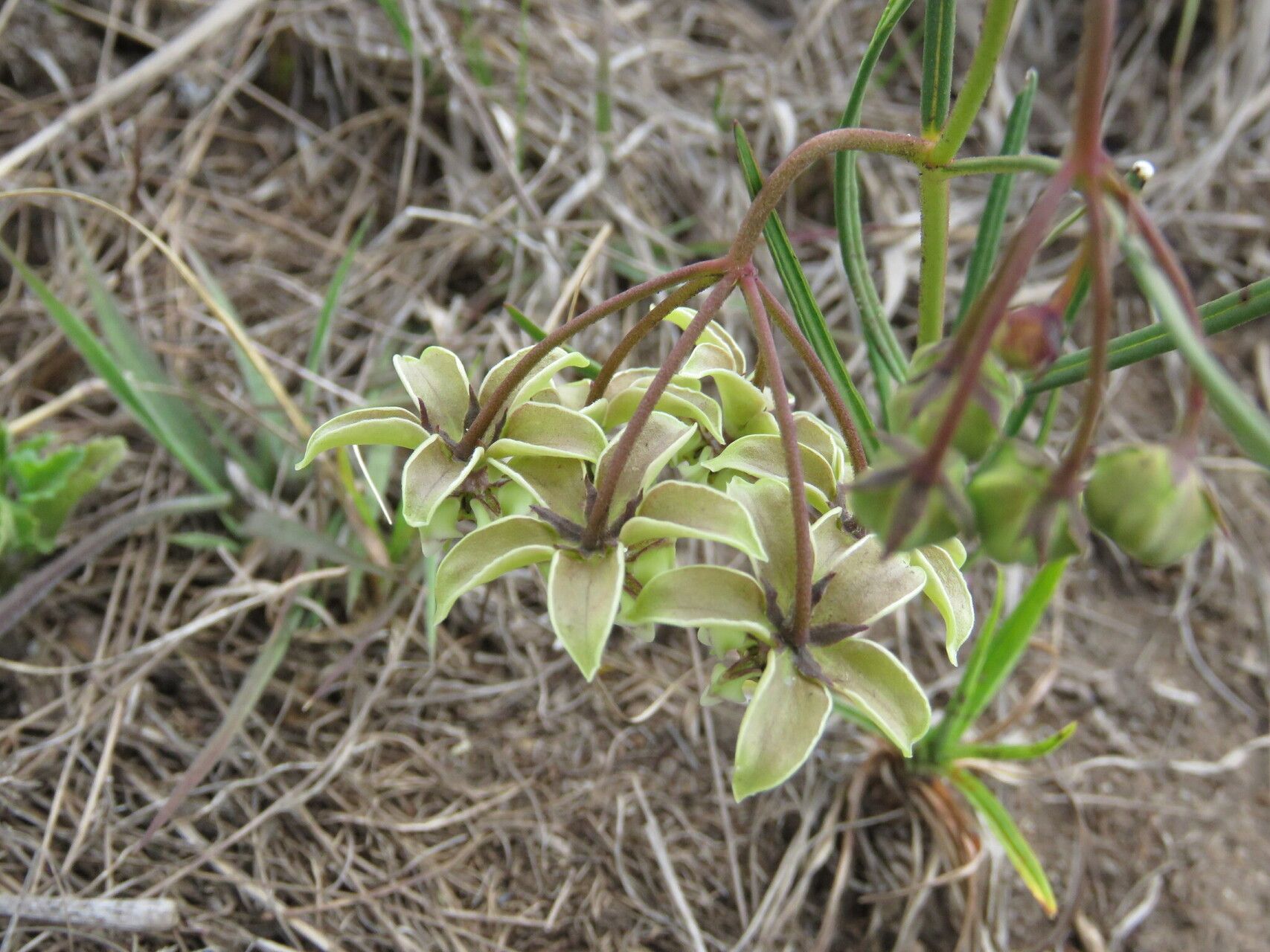
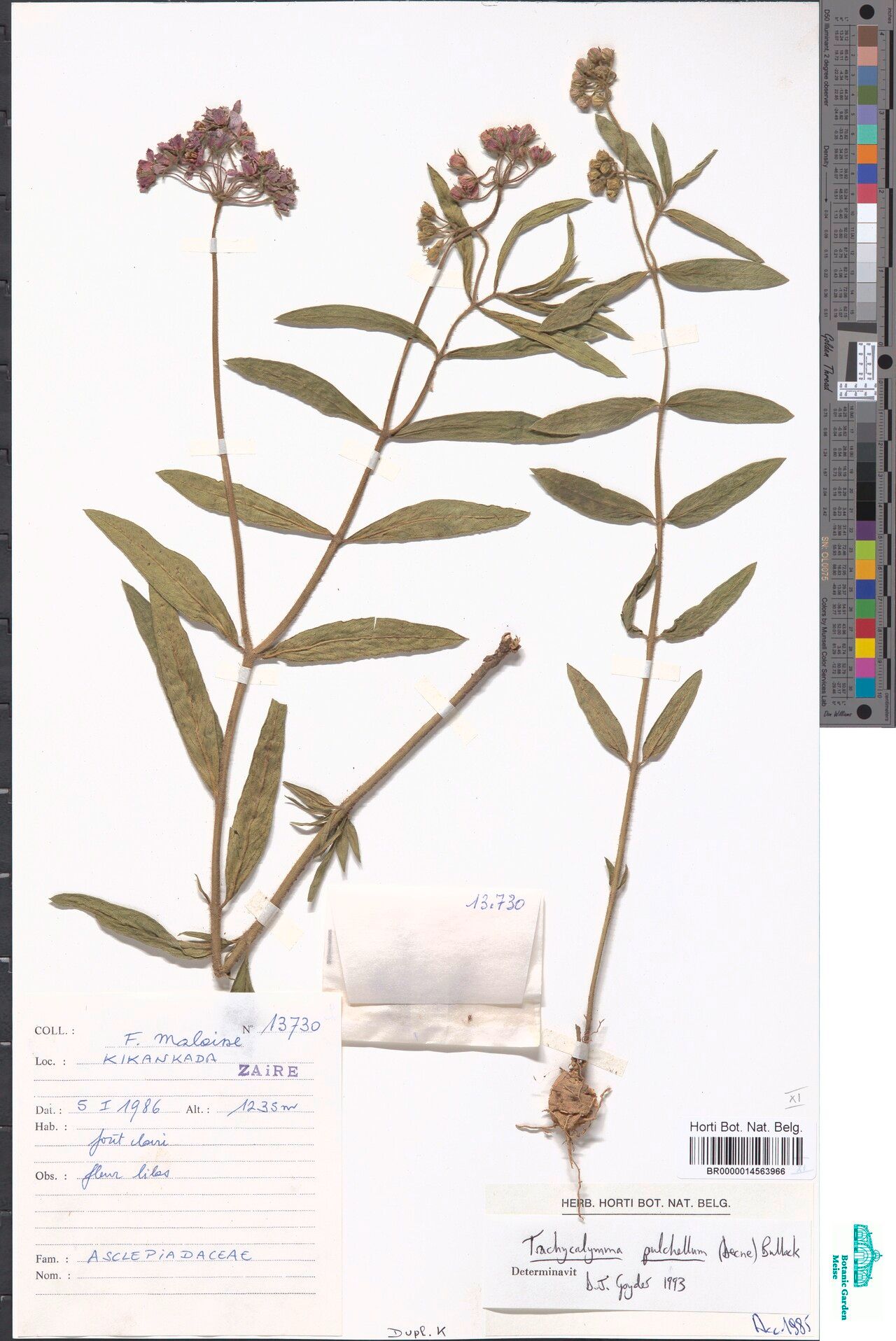
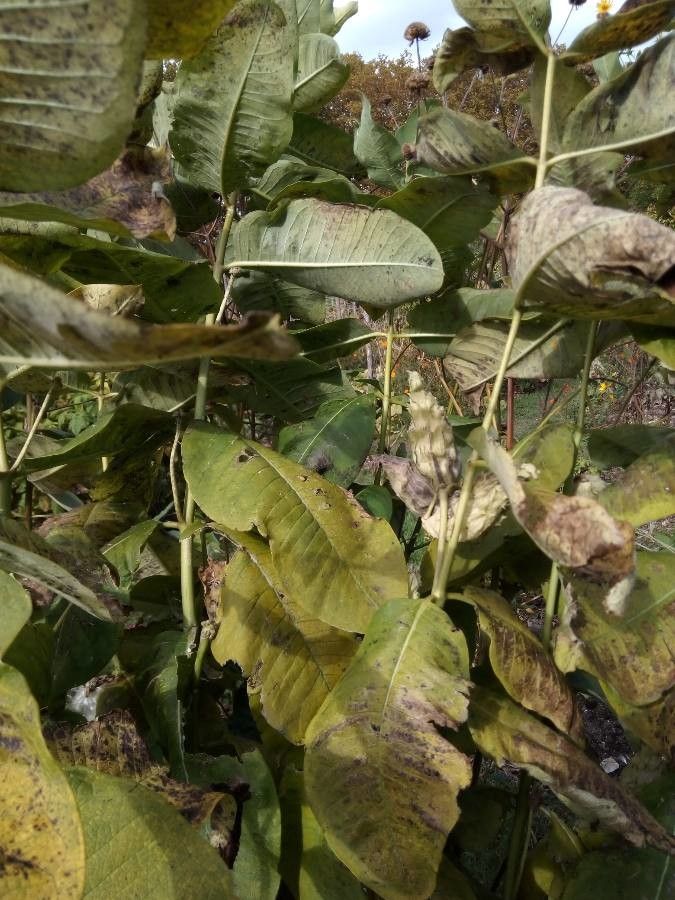
Pineland milkweed is fairly disease-resistant and is generally not prone to illnesses. Still, it can be vulnerable to pests and diseases present in its surroundings. These infections are usually mild. Regarding care, this plant requires moderate maintenance. It should be pruned regularly to preserve a good appearance and healthy growth. Fertilization can also help promote flowering. Pineland milkweed is suitable for anyone with outdoor space, such as a garden or patio, and does not demand much care experience. It may require more attention when grown indoors.
How to keep Asclepias Obovata.
Light
The Pineland milkweed is a perennial herbaceous plant that loves the sun and originates from open ecosystems, often flourishing in meadows and plains. While it has a preference for full sun, it can also survive in places with partial sun exposure.
Water
Water pineland milkweed only when the soil is dry. During the dry fall and winter months, mist the plants to increase air humidity and promote healthier growth.
Temperature
Pineland milkweed possesses the capability to acclimate to a broad spectrum of temperature conditions, though its spread may still be constrained by various mixes of hydration and heat conditions. It flourishes optimally in temperate climates during the summertime with sufficient rain or irrigation. Extended bouts of overcast and wet weather, coupled with extended periods of elevated temperatures, can heighten the probability of Pineland milkweed perishing. In the winter season, suitable protection from cold can enhance the plant's chances of survival.
Fertilizer
The best period to feed a Pineland milkweed is at the start of spring when it is coming out of dormancy and beginning to grow actively. The act of fertilization supplies essential nutrients that aid in robust growth. Despite the fact that the Pineland milkweed doesn't require much fertilization, yearly feeding can boost its longevity and encourages the production of superior, more enduring flowers.
Pruning
To encourage the growth and blooming of Pineland milkweed, it's beneficial to prune it in early spring. Begin by removing any damaged stems and shaping the plant to improve air circulation and prevent disease. Make sure to use clean, sharp tools, concentrating on cutting away old growth to rejuvenate the plant and enhance its appearance.
Botanical profile.
- Plant Type
- Herb
- Life Cycle
- Perennial
- Genus
- Asclepias
- Family
- Apocynaceae
- Hardiness Zone
- 4-9
- Mature Height
- 0 cm to 91 cm
- Mature Spread
- 40 cm
- Leaf Color
- Green
- Leaf Type
- Deciduous
- Flower Color
- White
- Flower Size
- 1.02 cm to 1.52 cm
- Bloom Time
- Early summer, Mid summer
- Planting Time
- Spring, Summer, Autumn
- Harvest Time
- Late summer, Early fall, Mid fall
Other names.
Reader questions.
What are the sunlight requirements for Pineland milkweed (Asclepias obovata)?
Pineland milkweed (Asclepias obovata) thrives in conditions that meet specific sunlight requirements. For 'Full sun', the plant should receive above 6 hours of sunlight, making it ideal for areas that are exposed to continuous sunlight throughout the day. For 'Partial sun', about 3-6 hours of sunlight is needed, which suits locations that receive a mix of sun and shade. It's important to observe how sunlight moves through your garden to choose spots that will provide the perfect balance of light and shade for your plants, ensuring their happiness and thriving growth.