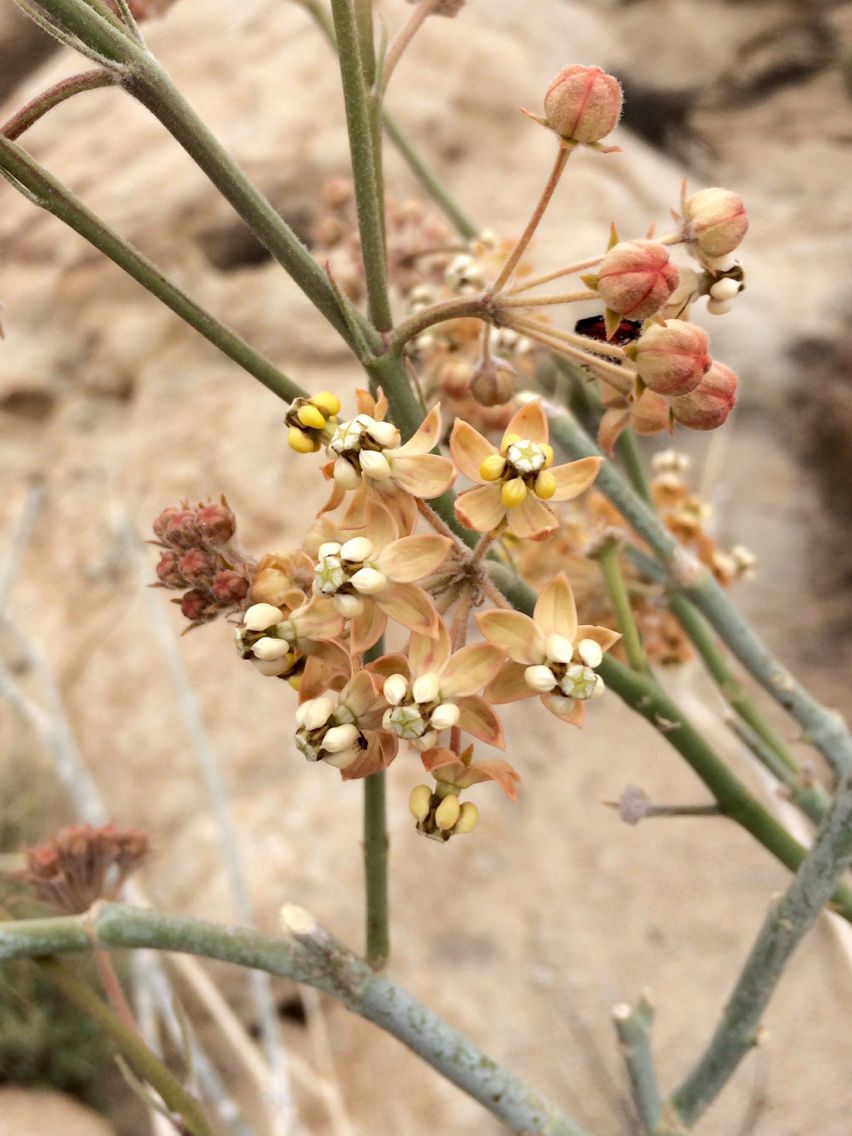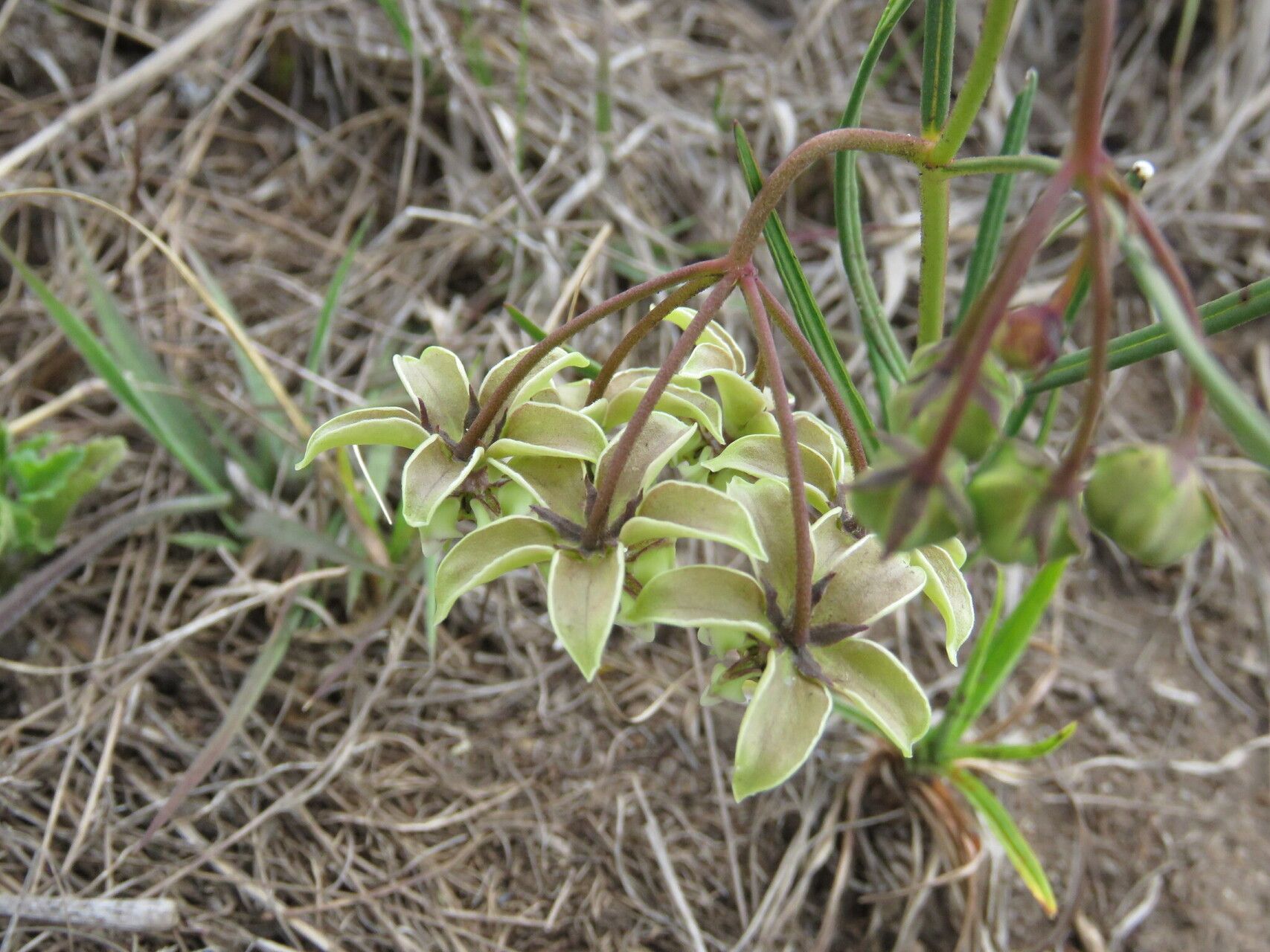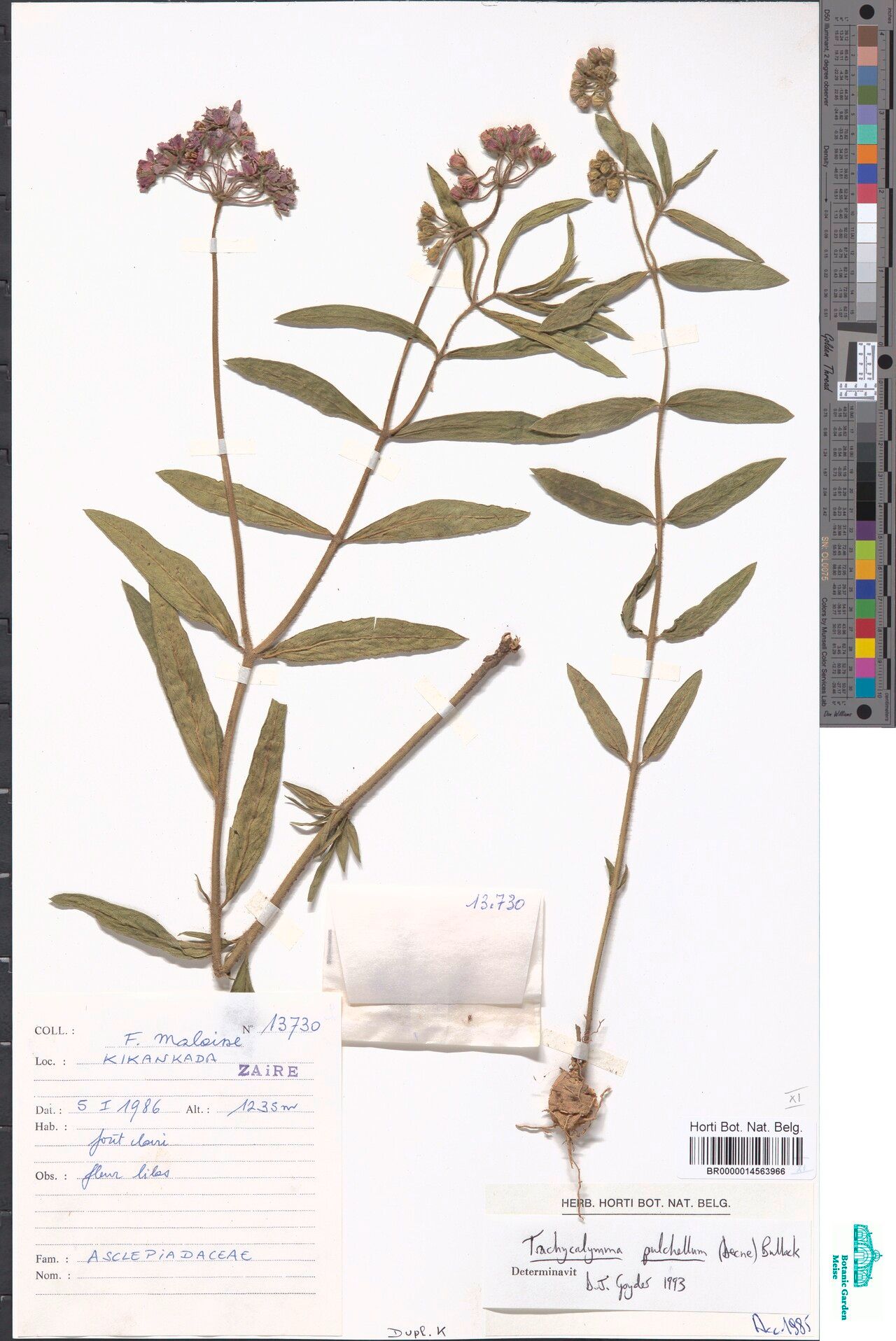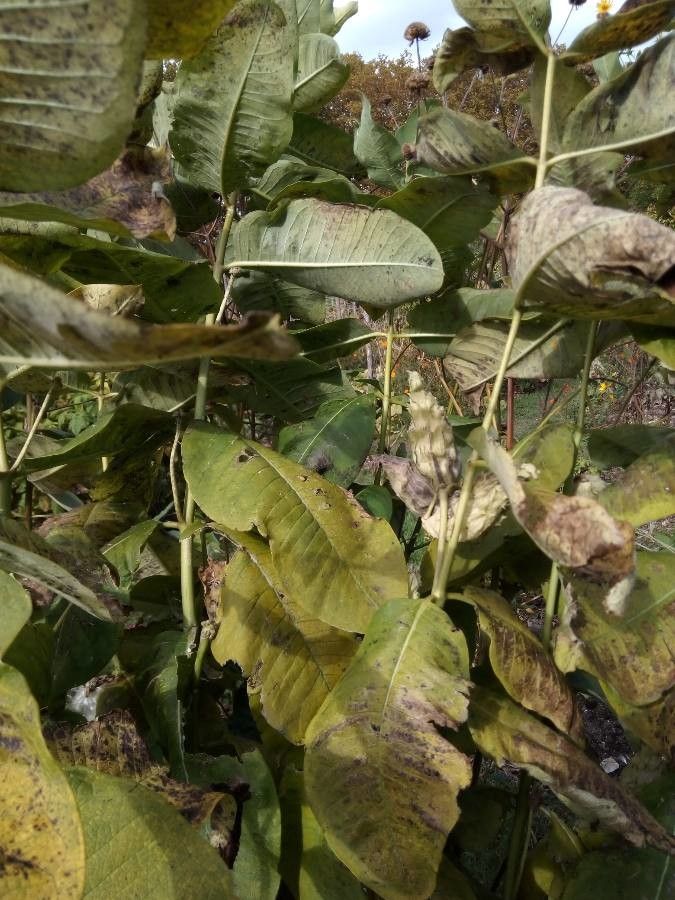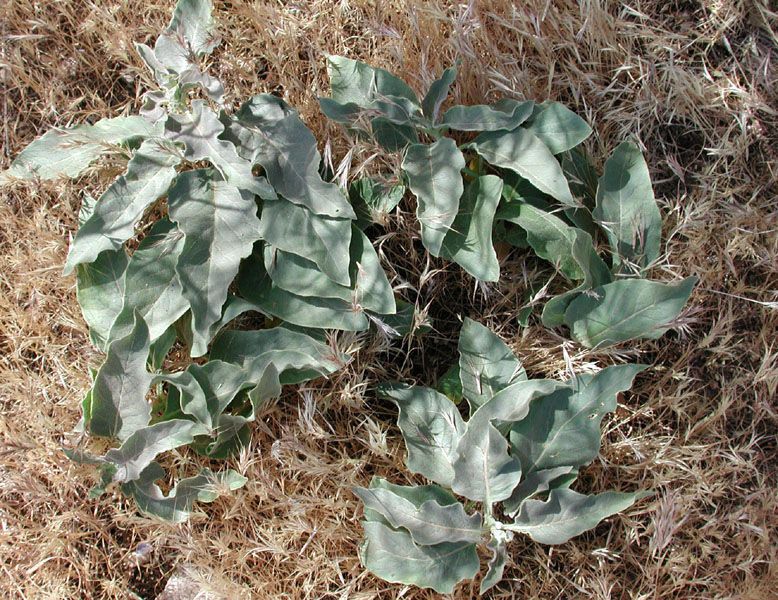
Asclepias nyctaginifolia, commonly known as Mojave milkweed, is a perennial plant native to the southwestern United States and northern Mexico. A member of the milkweed family, it can grow up to 3 feet tall and features narrow leaves and clusters of small pink or white flowers. This plant is a vital food source for monarch butterflies during their migration, as well as for other pollinators like bees and hummingbirds.
Mojave milkweed thrives in well-drained soil and prefers full sun or partial shade. Once established, it is tolerant of drought conditions. However, the plant's sap contains toxic compounds that can cause skin irritation in some individuals, so it's important to handle it with care.
Indigenous peoples have traditionally used Asclepias nyctaginifolia for its anti-inflammatory properties. However, it should not be consumed without proper preparation by a trained herbalist or healthcare professional.
Mojave milkweed has good resistance to disease and is generally unlikely to develop illnesses. Nevertheless, it can be vulnerable to pests and diseases present in its environment. These infections are generally mild. Regarding upkeep, this plant requires moderate maintenance. It benefits from regular pruning to maintain a tidy appearance and support healthy growth. Fertilizing can also encourage flowering. Mojave milkweed is appropriate for anyone with outdoor space, such as a garden or patio, and does not demand extensive gardening experience. It may need more attention if grown indoors.
How to keep Asclepias Nyctaginifolia.
Water
Water Mojave milkweed only when the soil is dry. During dry fall and winter conditions, mist the plants to increase humidity and promote healthier growth.
Fertilizer
Typically, one round of fertilization in the spring is adequate for Mojave milkweed. However, more frequent nourishment can optimize its development. It's recommended to feed the plant once every month to six weeks. Fertilizing not only improves the leaves’ look and function, resulting in uniform color and robust texture, but it also boosts the growth of roots and nutrient uptake for improved plant wellbeing in the long run.
Pruning
Mojave milkweed is known for its vibrant flowers and milky sap. To keep the plant healthy, it's important to prune it in early spring before new growth begins. During pruning, remove any dead or damaged stems, but avoid making large cuts to prevent stressing the plant. Be sure to use sterilized tools to minimize the risk of infection. This will help promote good airflow and encourage robust flowering throughout the growing season.
Botanical profile.
- Plant Type
- Herb
- Life Cycle
- Perennial
- Genus
- Asclepias
- Family
- Apocynaceae
- Hardiness Zone
- 6-10
Other names.
Reader questions.
What are the sunlight requirements for Mojave milkweed (Asclepias nyctaginifolia)?
Mojave milkweed (Asclepias nyctaginifolia) thrives in varying amounts of sunlight depending on the desired growth outcome. For full sun exposure, it requires above 6 hours of sunlight, which is crucial for its optimal growth and development. Alternatively, for those looking to place it in less intense conditions, partial sun, defined as about 3-6 hours of sunlight, is also suitable for the plant. It's important to observe the patterns of sunlight movement through your garden to ensure that Mojave milkweed is positioned in a spot that offers a harmonious balance of light and shade, catering to its needs and ensuring it flourishes.
What is the scientific name of Mojave milkweed?
The scientific name of Mojave milkweed is Asclepias nyctaginifolia. This name helps to accurately identify the plant and distinguish it from other species of milkweed.