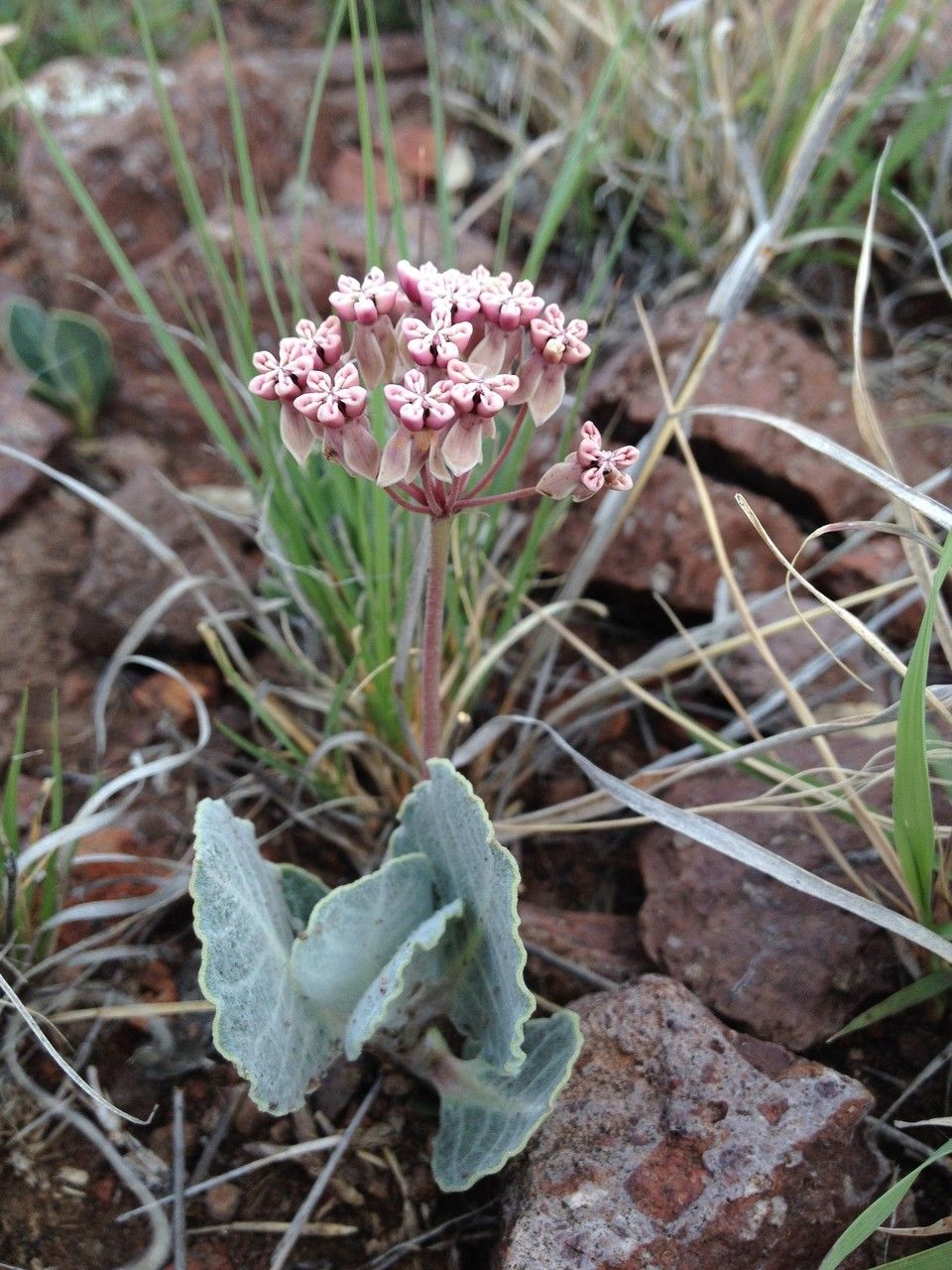
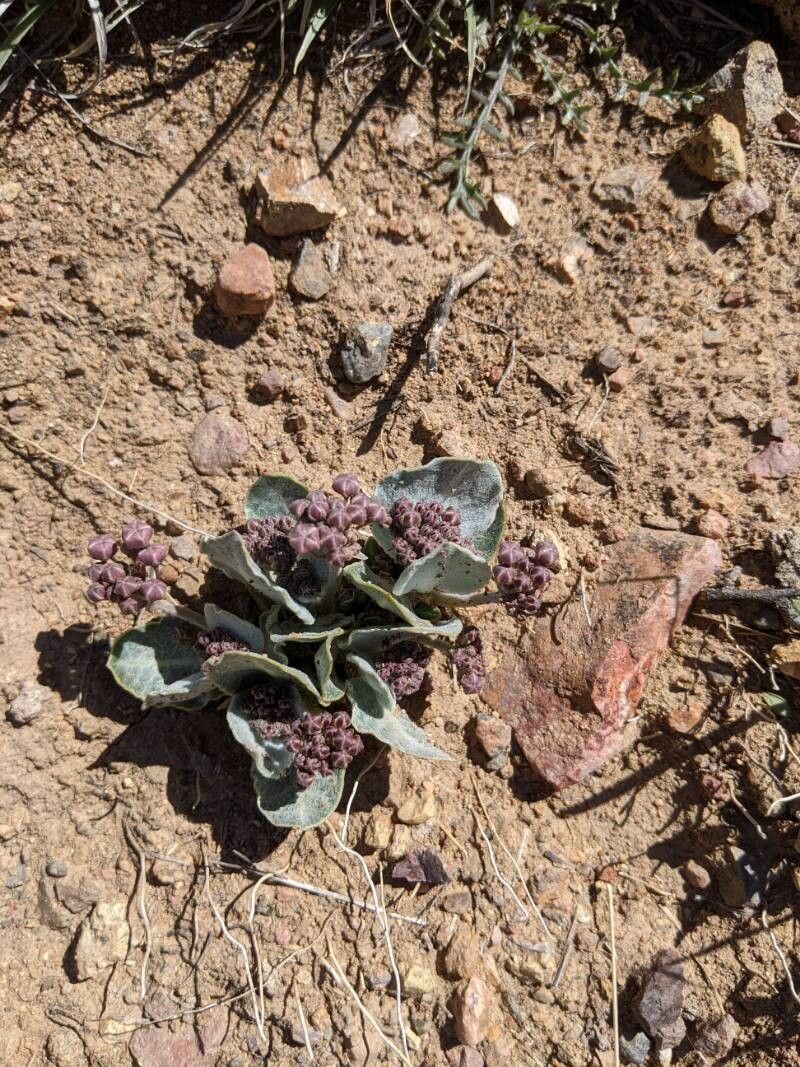
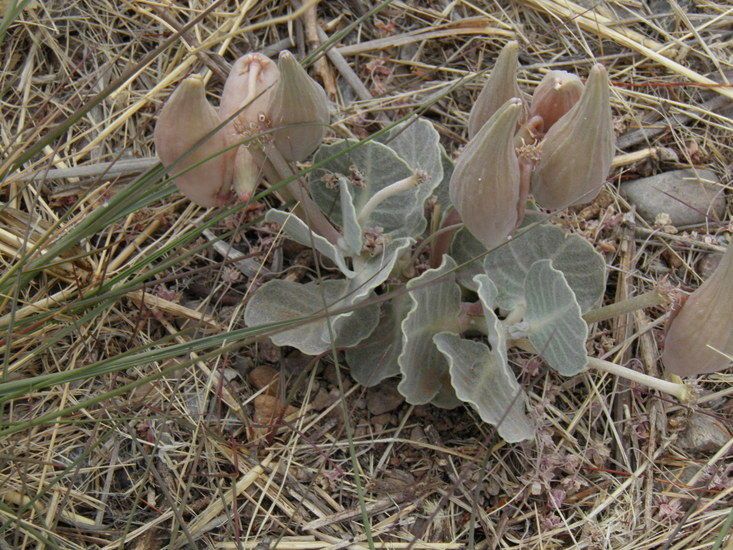
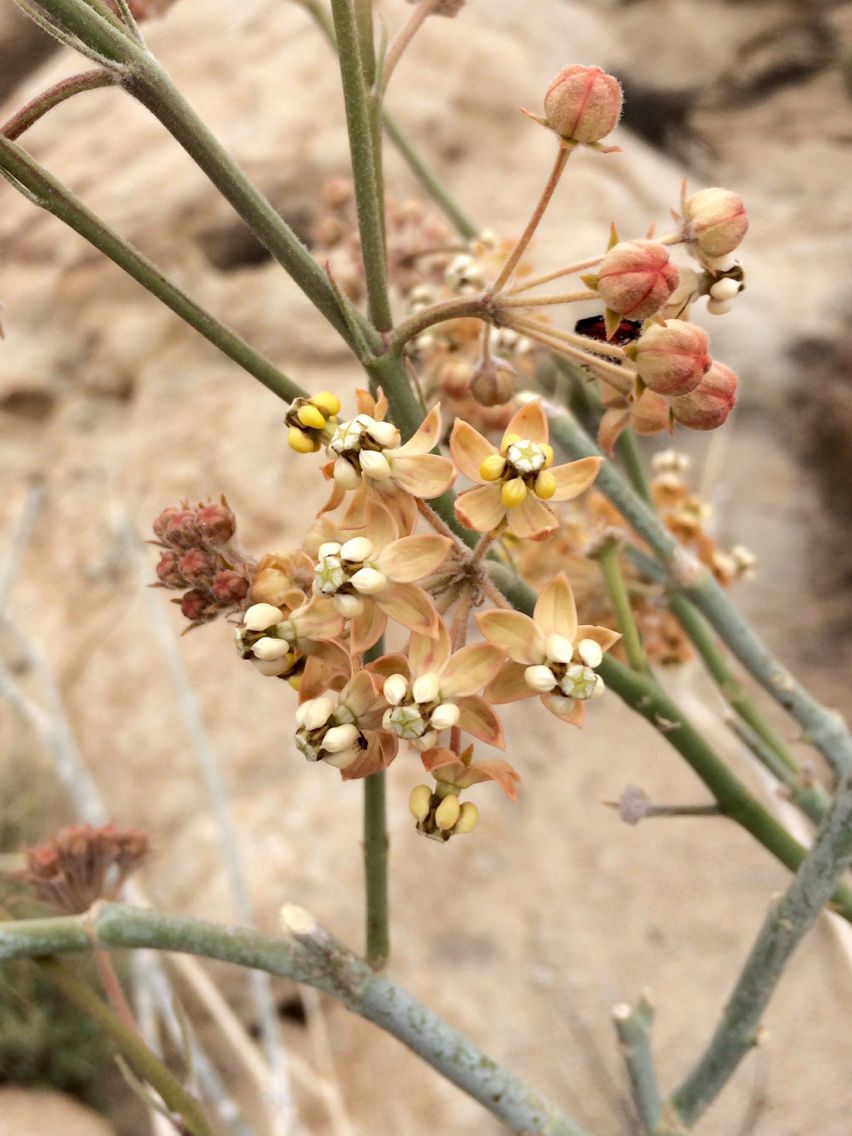
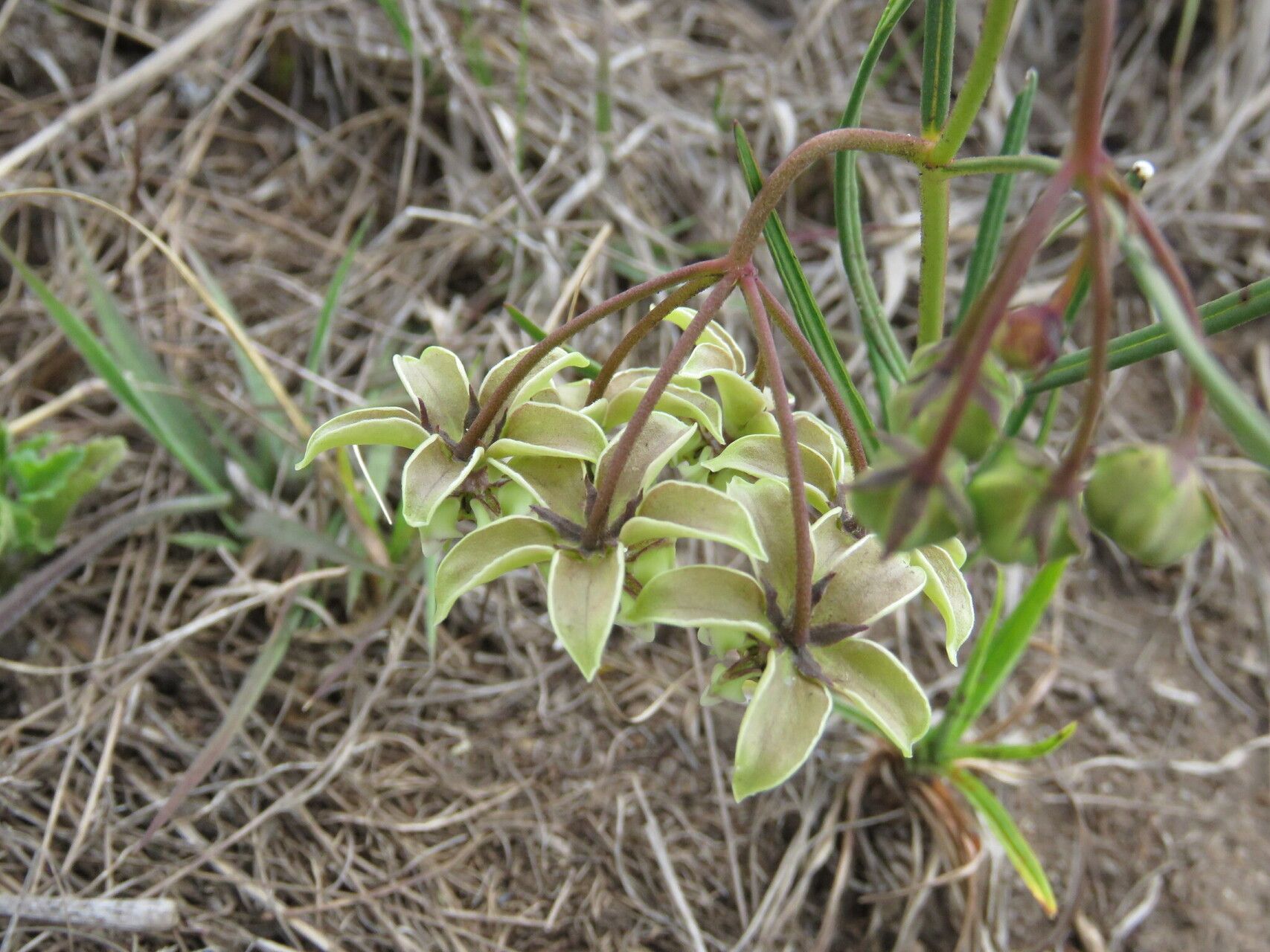
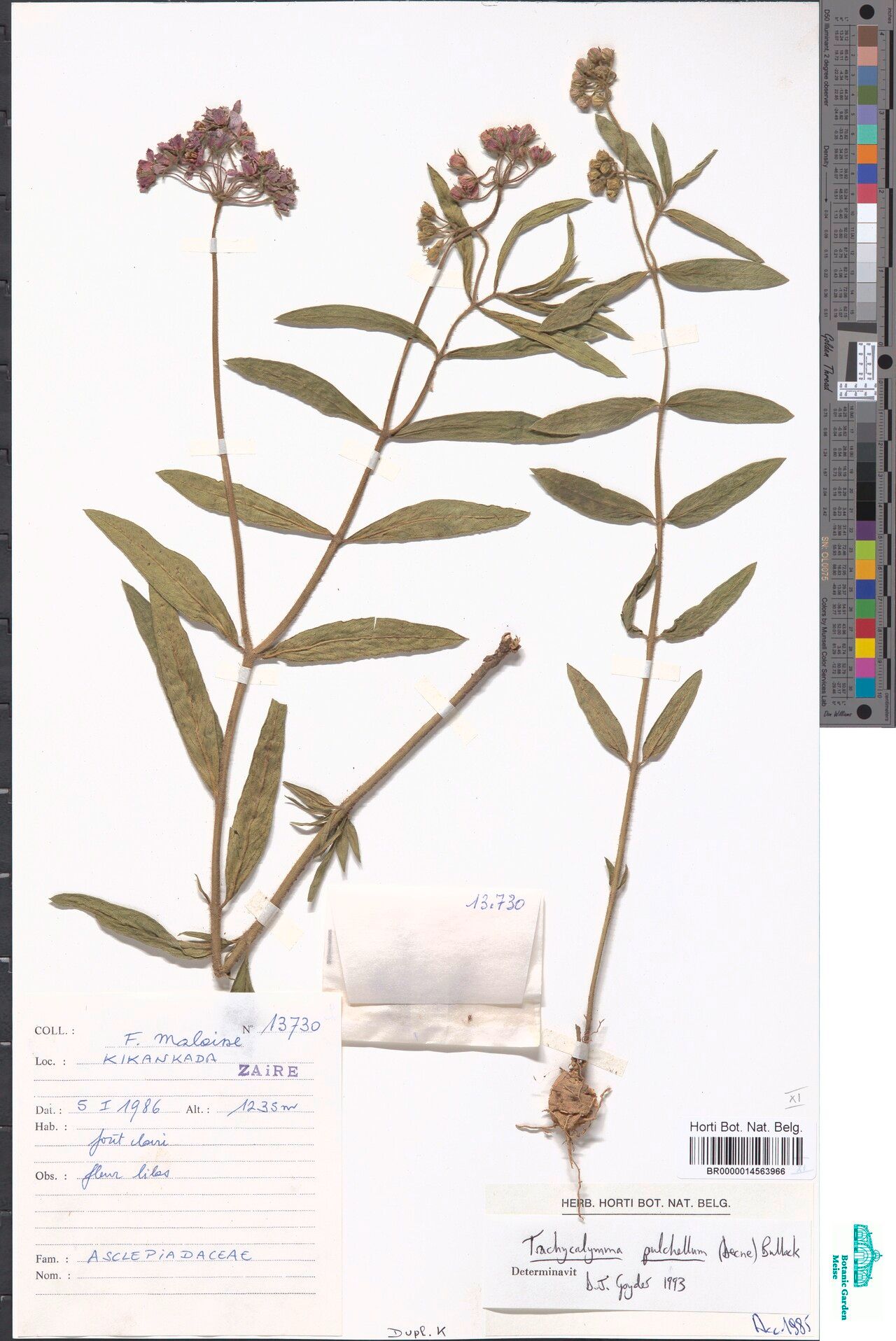
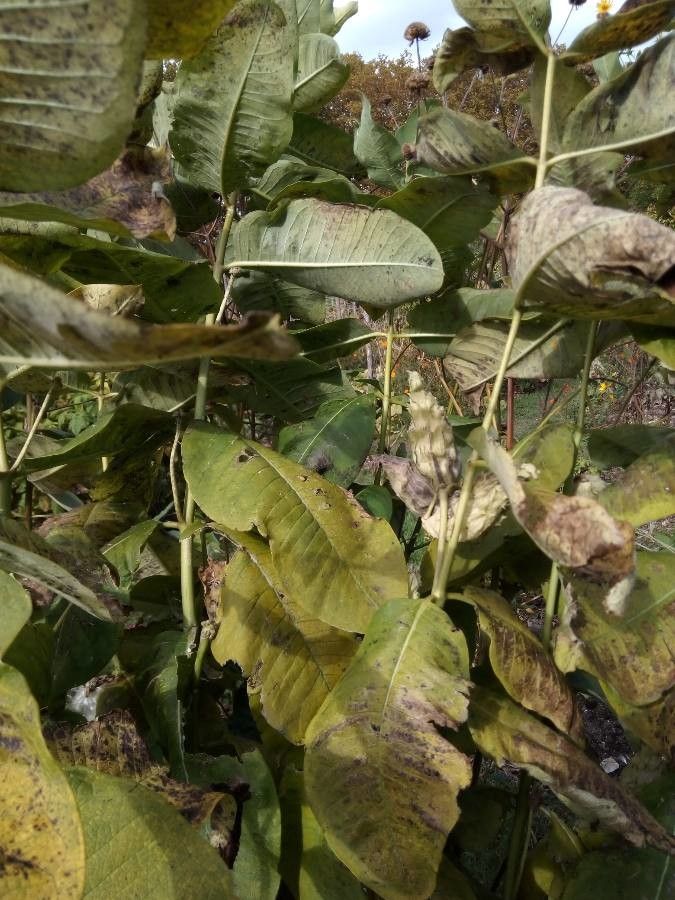
Tufted milkweed is relatively resistant to diseases and is generally not likely to suffer from them. Still, it can be vulnerable to pests and illnesses present in its surroundings, though such infections are typically mild. For care, this plant needs a moderate amount of attention. It should be pruned regularly to keep a good appearance and support healthy growth. Fertilizing can also help encourage flowering. Tufted milkweed is well suited for anyone with outdoor space, such as a garden or patio, and does not demand extensive experience in plant care. It may need more careful attention when grown indoors.
How to keep Asclepias Nummularia.
Light
Tufted milkweed is a perennial herbaceous plant that favors sunny sites and originates from open habitats, commonly found in meadows and grasslands. It prefers full sun but can tolerate partial sun.
Water
Water the tufted milkweed only when the soil is dry. During the dry fall and winter months, mist the plant to maintain humidity and encourage growth.
Temperature
Tufted milkweed comes from tropical areas, where the climate is usually warm and humid. Consequently, it is adapted to high heat and moisture. It does not tolerate sudden temperature shifts and prefers a steady temperature, so avoiding indoor temperature fluctuations is important. It typically cannot withstand cold and needs warmer conditions to grow. If the ambient temperature falls too low, the plant may stop growing or even die.
Fertilizer
Appropriate fertilization is essential for the wellbeing and aesthetics of the Tufted milkweed. Administer fertilizer to the Tufted milkweed in the summer season, and continue doing so on a monthly basis for the duration of the summer. The delivered nutrients foster growth and preserve the components of the plant. Fertilization boosts the presentation of Tufted milkweed's flowers, guaranteeing optimal blossoms.
Pruning
Tufted milkweed is characterized by its clusters of tufted flowers. It should be pruned in early spring before any new growth begins. Key practices for pruning include removing dead stems and trimming older growth to enhance flowering and improve air circulation, all while preserving the plant's natural shape. For the best results, use clean and sharp tools.
Botanical profile.
- Plant Type
- Herb
- Life Cycle
- Perennial
- Genus
- Asclepias
- Family
- Apocynaceae
- Hardiness Zone
- 9-11
- Mature Height
- 0 cm to 30 cm
- Mature Spread
- 30 cm to 46 cm
- Leaf Color
- Gray, Light Gray
- Leaf Type
- Deciduous
- Flower Color
- White
- Flower Size
- 1.02 cm to 1.52 cm
- Bloom Time
- Summer
- Planting Time
- Spring, Summer
- Harvest Time
- Late summer, Early fall, Mid fall
- Native Area
- Mexico
Other names.
Reader questions.
What are the sunlight requirements for Tufted Milkweed (Asclepias nummularia)?
Tufted Milkweed (Asclepias nummularia) thrives in conditions where it receives an adequate amount of sunlight. For ideal growth, it requires full sun, which is defined as more than 6 hours of sunlight daily. However, it can also tolerate partial sun, meaning it can grow with about 3-6 hours of sunlight each day. When planting Tufted Milkweed, it's important to observe the way sunlight moves through your garden. Choosing spots that provide the perfect balance of light and shade will ensure that your plants are healthy and happy.