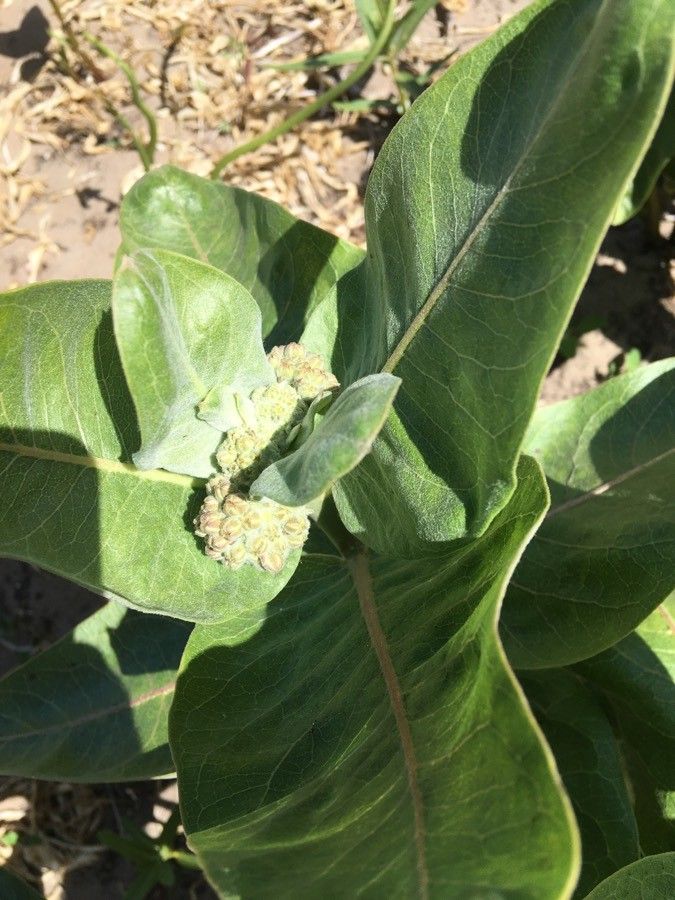
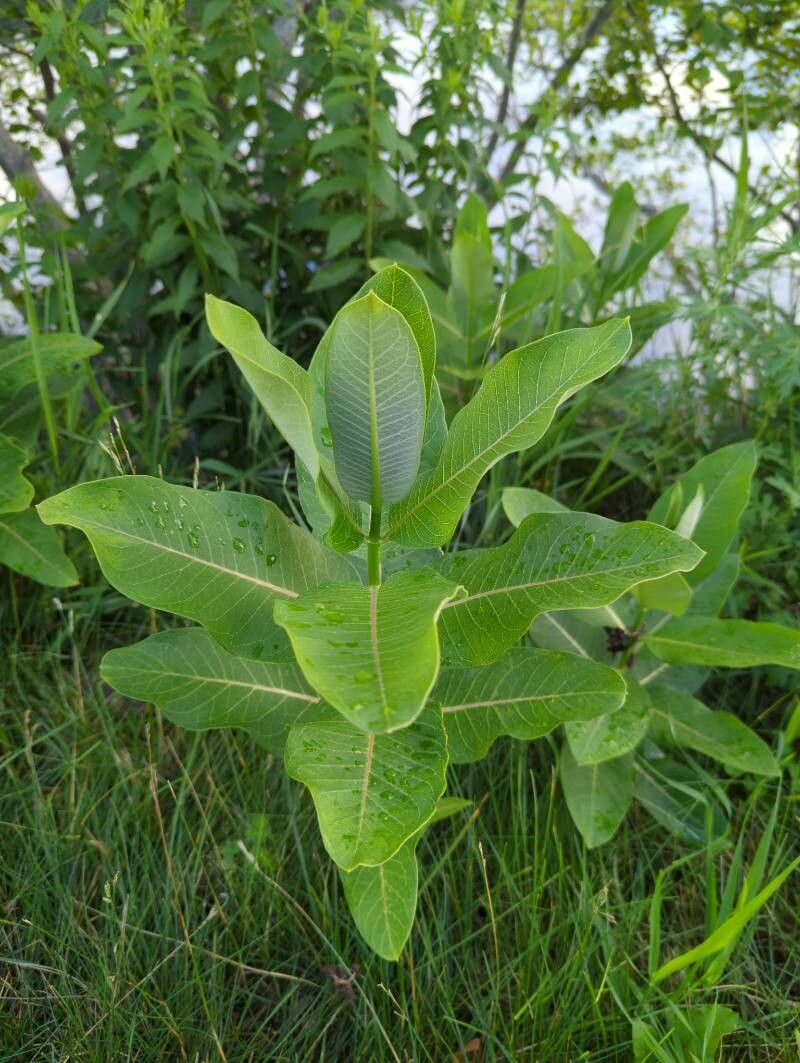
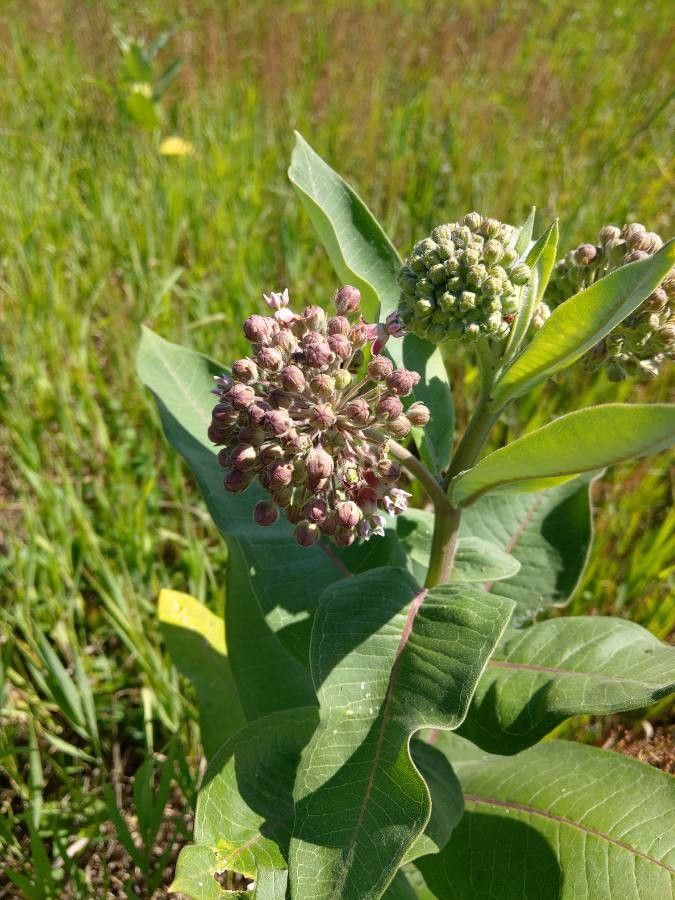
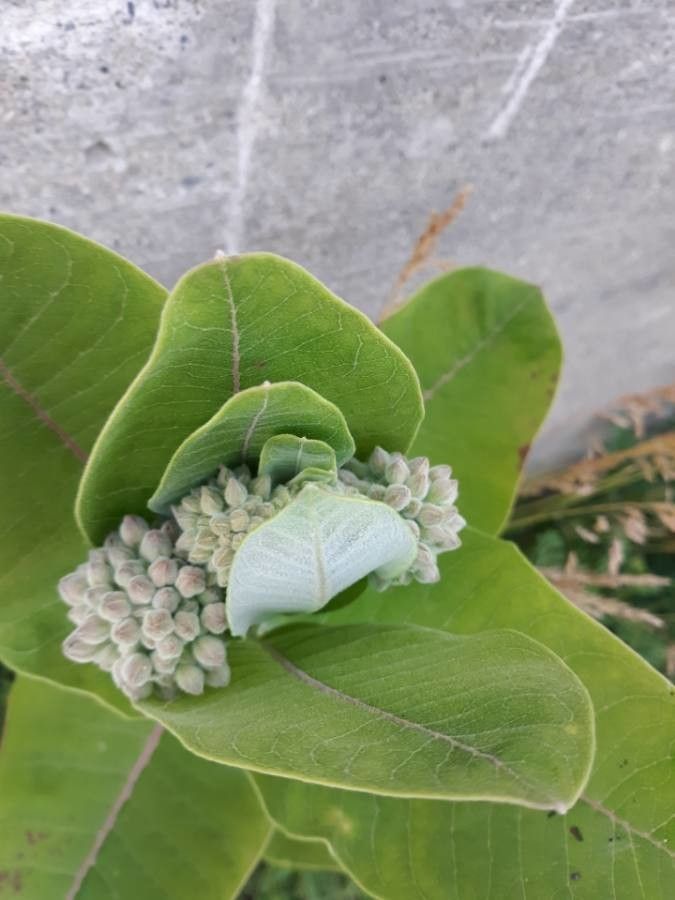
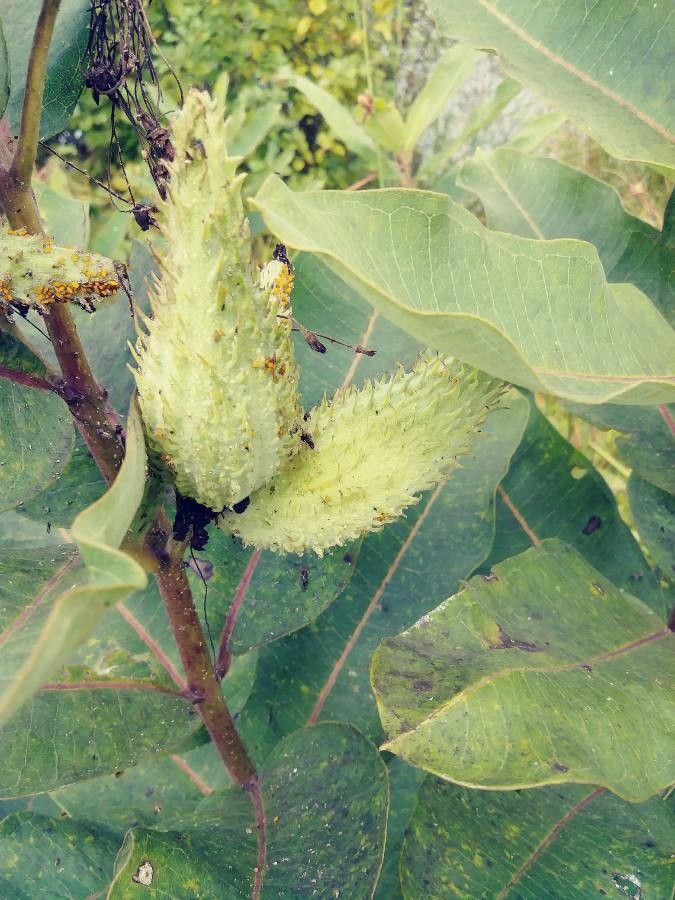
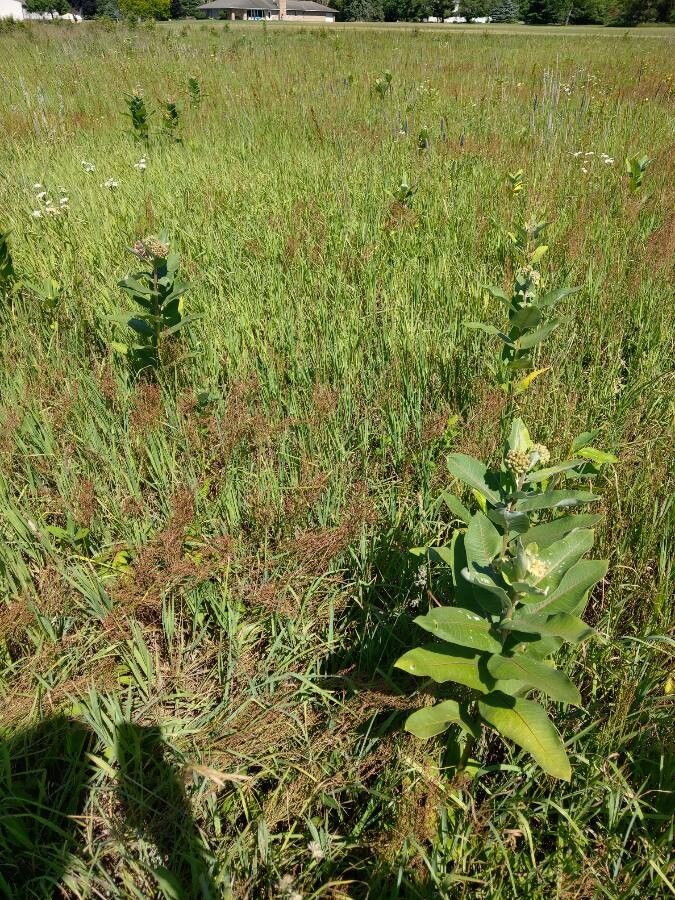
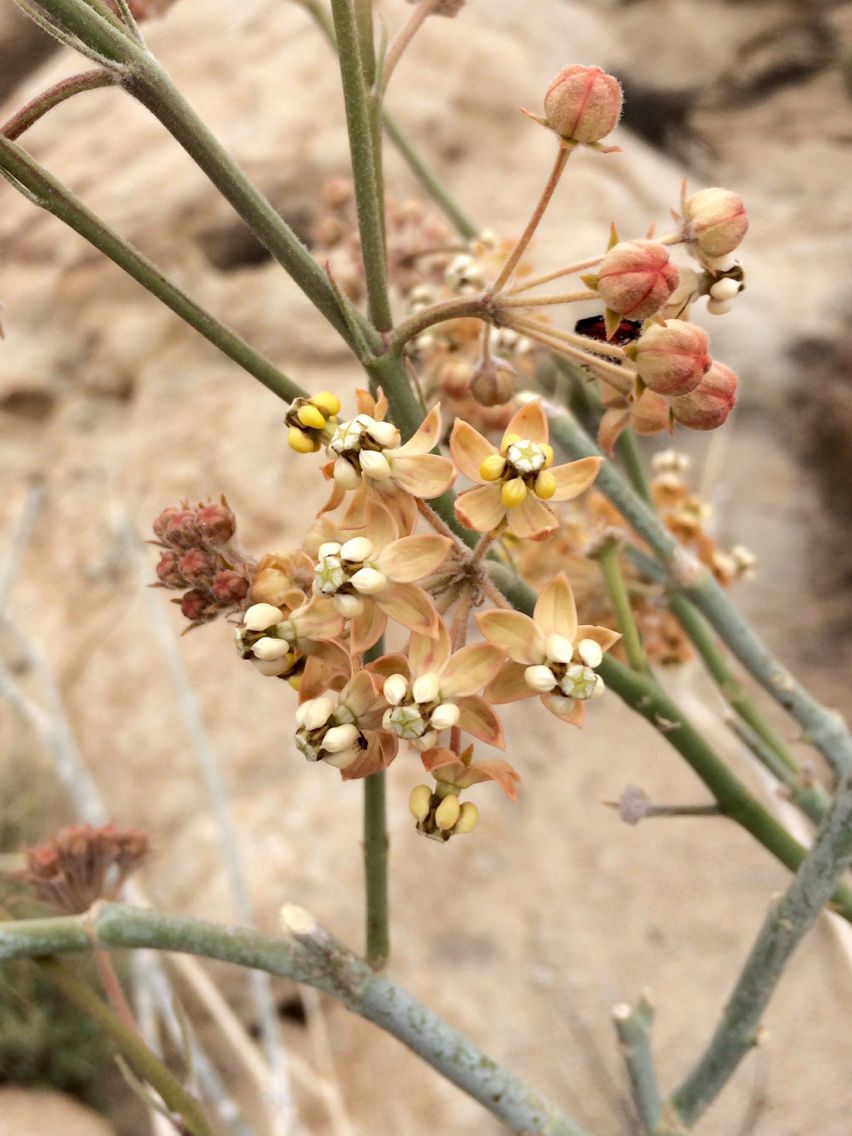
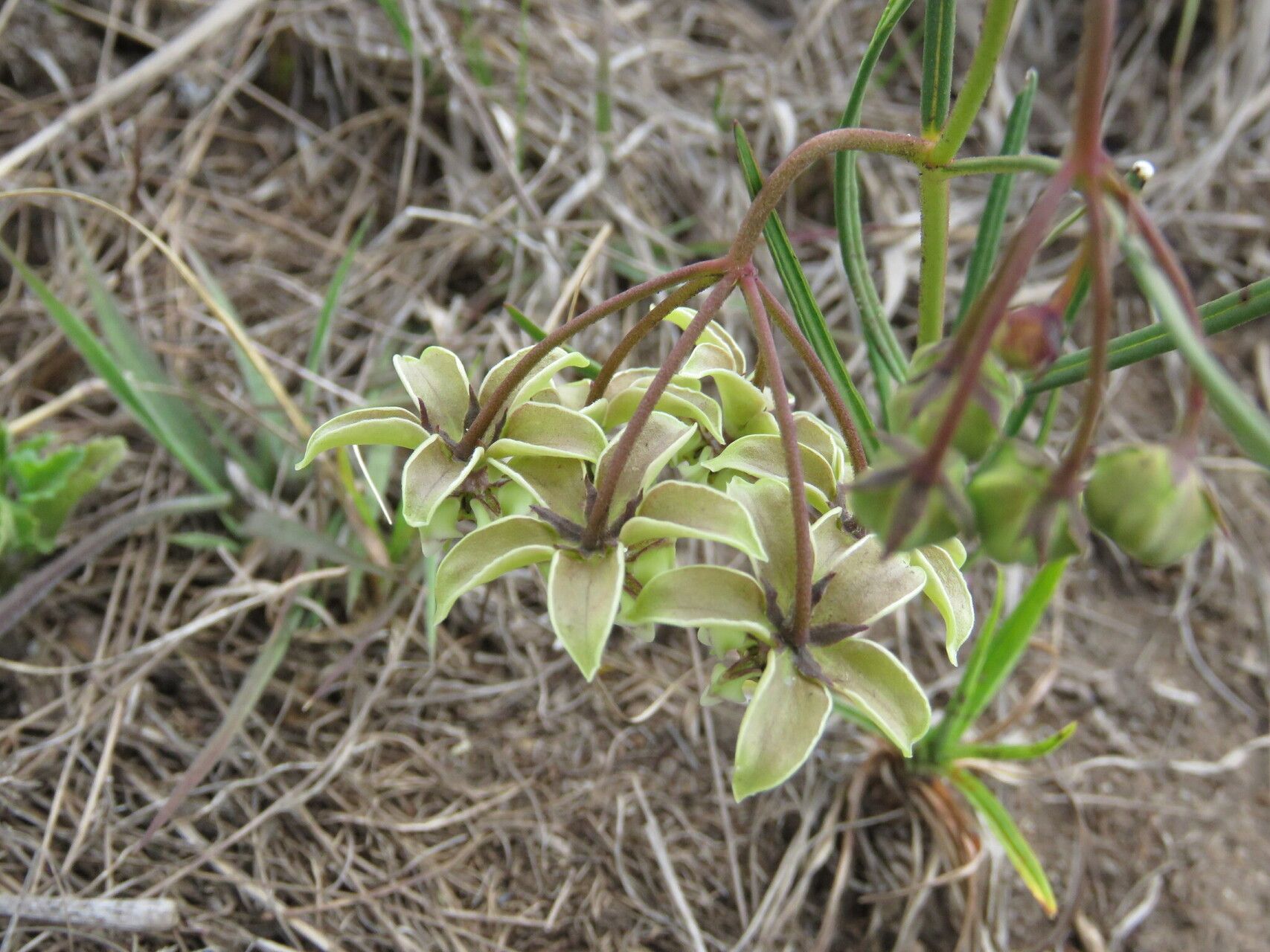
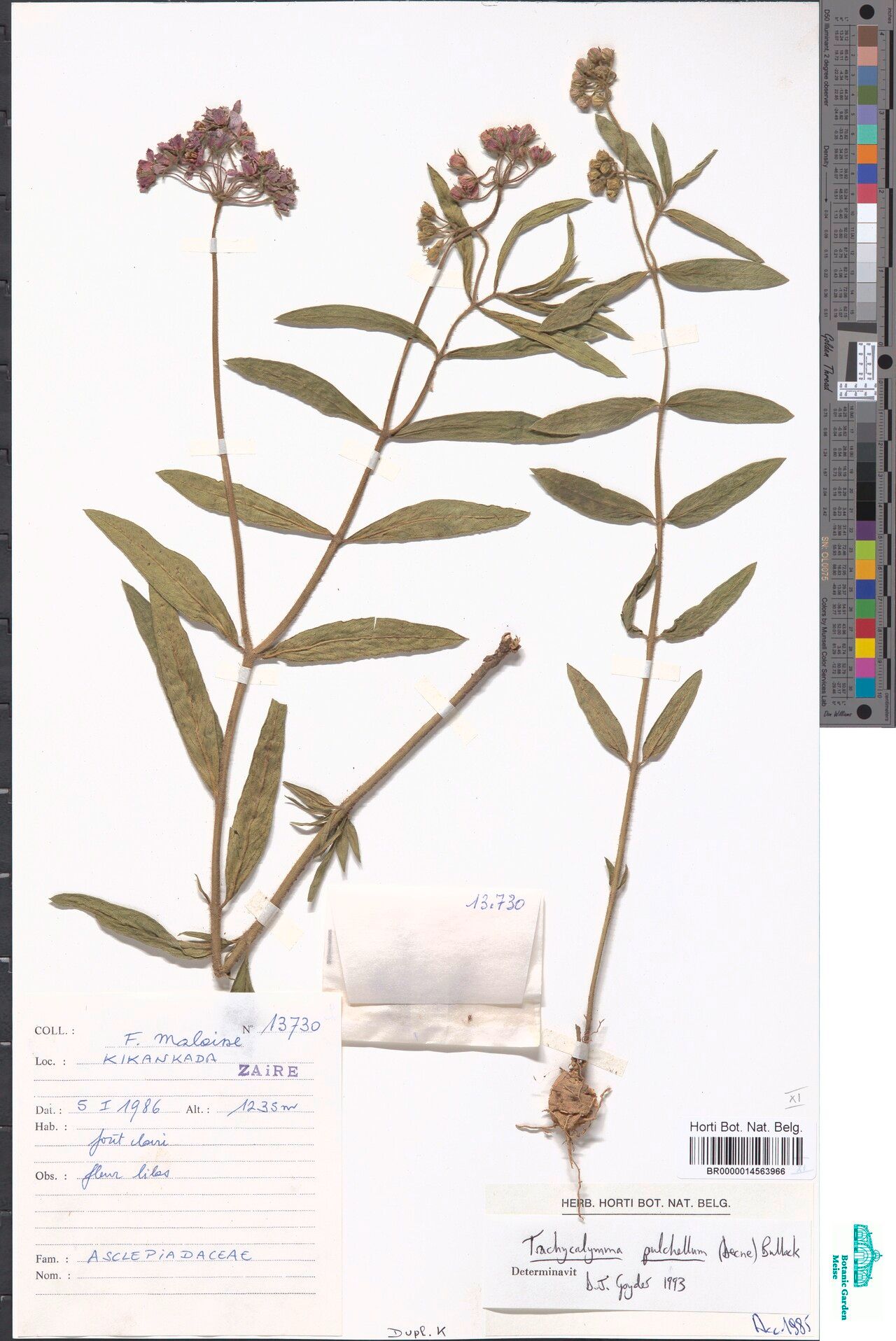
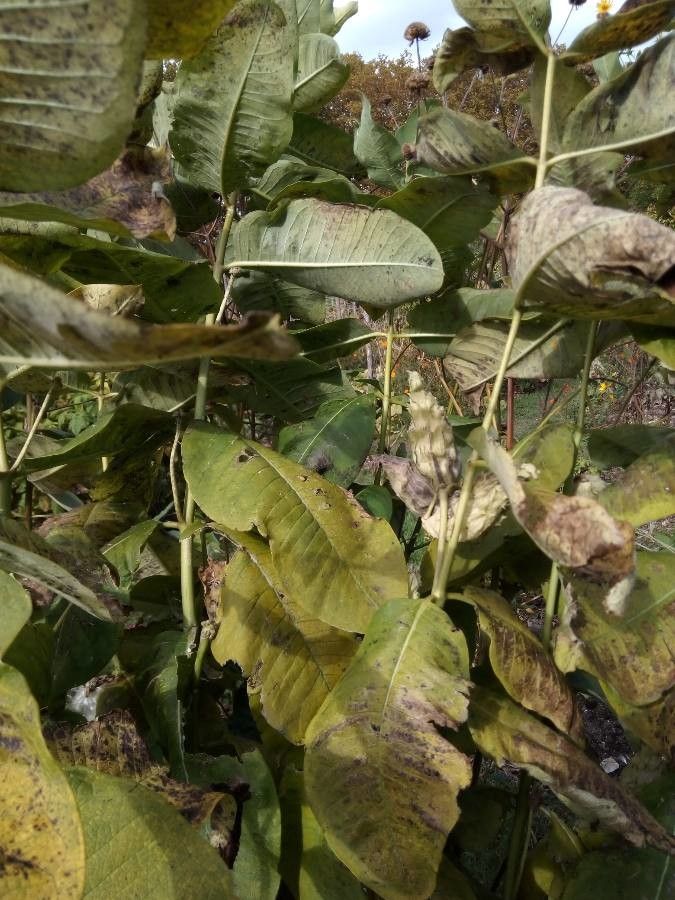
Asclepias latifolia is a species of milkweed, also known by the common name broadleaf milkweed.
Broadleaf milkweed is fairly resistant to disease and typically not prone to illnesses. Still, it can be affected by pests and diseases present in its environment. These infections tend to be mild. In terms of care, the plant requires moderate maintenance. It should be pruned regularly to maintain appearance and healthy growth. Fertilizing can also help encourage flowering. Broadleaf milkweed is suitable for people with outdoor spaces like a garden or patio and does not demand extensive care experience. It may need more attention when grown indoors.
How to keep Asclepias Latifolia.
Light
Broadleaf milkweed prefers locations clear of trees or other structures so it gets the maximum sunlight during the day. Its optimal growth and health can be harmed if placed in an area that is not predominantly sunny throughout the day. This preference remains unchanged at every stage of its life.
Water
Broadleaf milkweed flourishes in grassland environments and has a moderate tolerance for drought. However, it benefits from regular watering, ideally once a week, particularly during its active growing season. This consistent moisture helps maintain healthy leaves and promotes vibrant blooms.
Temperature
Broadleaf milkweed is native to areas where temperatures range from 41 to 95 °F (5 to 35 °C). It naturally does best in moderately cool to warm conditions. It is important to account for seasonal temperature variations to encourage optimal growth.
Fertilizer
The best time to fertilize Broadleaf milkweed is in early spring, as it is coming out of dormancy and starting active growth. Fertilization supplies essential nutrients for healthy development. Although Broadleaf milkweed has fairly low fertilizer requirements, applying fertilizer annually can improve its survival and encourage stronger, longer-lasting flowers.
Pruning
To help broadleaf milkweed thrive, prune it from early to late spring. This will stimulate new growth and help maintain the plant's structure. Trim the old stems just above the base, remove any damaged parts, and prevent overcrowding to enhance airflow. These practices promote healthy development and help integrate the plant into your garden design seamlessly.
Botanical profile.
- Plant Type
- Herb
- Life Cycle
- Perennial
- Genus
- Asclepias
- Family
- Apocynaceae
- Hardiness Zone
- 5-9
- Mature Height
- 76 cm
- Mature Spread
- 0.91 m to 1.52 m
- Leaf Color
- Green, Dark Green
- Leaf Type
- Semi-evergreen
- Flower Color
- White
- Flower Size
- 1.02 cm to 1.52 cm
- Bloom Time
- Summer
- Planting Time
- Spring, Summer
- Harvest Time
- Late summer, Early fall, Mid fall
Other names.
Reader questions.
How should I water my Broadleaf milkweed?
To properly water the Broadleaf milkweed, it is best to use filtered water at room temperature. Tap water may contain harmful particles, so filtered water is preferred. The water should not be cold because the Broadleaf milkweed is accustomed to a warm environment and cold water can be disruptive to its system. Avoid watering the plant from above, as this can cause issues with the foliage. Instead, apply the filtered room temperature water directly to the soil until it is fully saturated. This method is beneficial as it ensures the roots are moistened and able to spread and collect the necessary nutrients from the soil.
What are the sunlight requirements for Broadleaf Milkweed?
Broadleaf milkweed requires full sun exposure, which means it should receive above 6 hours of sunlight per day. For those plants that receive partial sun, about 3-6 hours of sunlight per day is necessary. It's important to watch how sunlight moves through your garden to choose spots that provide the right balance of light and shade, ensuring the plants' happiness and optimal growth. Broadleaf milkweed thrives best in unobstructed environments that allow for maximum sun exposure throughout the day.
What are the ideal temperature conditions for Broadleaf milkweed?
Broadleaf milkweed is best suited to regions with temperatures ranging from 41 to 95 °F (5 to 35 °C), thriving in conditions from medium-chilly to warm temperatures. It has a strong resistance to cold and usually does not require special frost protection measures during winter. However, in areas where winter temperatures may fall below -25°C, it's important to take cold protection steps such as covering the plant with soil or straw. To prepare for winter, watering the plant abundantly before the first freeze of autumn to ensure the soil remains moist is recommended. This preparation helps prevent drought and water scarcity for the plant during the colder months and early spring.
What should I do if I give my Broadleaf milkweed too much or too little water?
Overwatering is a more common issue than underwatering for Broadleaf milkweed. When overwatered, the stems and leaves may wilt and turn yellow. Prolonged overwatering can lead to diseases like root rot, mold, and mildew, which can kill the plant. Underwatering is less common but can cause brittle, brown leaves. It's important to notice signs of overwatering early to prevent irreversible damage. Reduce watering immediately if signs are detected and consider improving soil drainage. In case of underwatering, water more regularly until signs of dryness disappear.
How can artificial lighting support the growth of indoor Broadleaf Milkweed plants?
When natural sunlight is insufficient, especially during winter or in less sunny spaces, artificial lighting can be a vital solution for the growth of indoor Broadleaf Milkweed plants. LED lights are a popular choice because they can be customized to provide specific wavelengths needed by your plants. For full sun plants, 30-50W/sq ft of artificial light is needed, partial sun plants require 20-30W/sq ft, and full shade plants need 10-20W/sq ft. The light source should be placed 12-36 inches above the plant, mimicking natural sunlight's distance, and most plants need 8-12 hours of light per day.
How does low temperature affect Broadleaf milkweed, and what are the solutions?
Broadleaf milkweed is cold-tolerant and generally thrives when temperatures are kept above 5°C. During the winter, it's advised to ensure the temperature stays above -20°C. If temperatures fall below -25°C, there may not be noticeable changes during the winter, but there could be a decrease in sprouting or even no sprouting in the spring. The solution for any parts of the plant that fail to sprout by spring is to simply remove them.
How many times should I water my Broadleaf milkweed?
If your Broadleaf milkweed is in a pot, you can determine if it needs water by putting your finger in the soil. If the top few inches are dry, it's time to water. The same method can be used if you have your Broadleaf milkweed planted in the ground outdoors. During the spring and early fall, watering once a week is usually sufficient, but in very hot weather, you may need to water twice or more per week. However, mature and well-established Broadleaf milkweed can handle drought well.
What are the symptoms of insufficient or excessive sunlight in Broadleaf Milkweed?
Symptoms of insufficient sunlight in Broadleaf Milkweed include smaller new leaves, leggy or sparse growth, faster leaf drop, slower or no new growth, lighter-colored new leaves, and the development of chlorosis. Excessive sunlight can lead to sunscald, leaf curling, wilting, and leaf scorching, indicating damage to the plant's leaves or stems by intense sunlight exposure. These symptoms reflect the plant's struggle to adapt to inappropriate light conditions.
How does high temperature affect Broadleaf milkweed, and what are the solutions?
During the summer, it's important for the well-being of Broadleaf milkweed to keep temperatures below 35°C. Exposure to temperatures above 38°C can cause the leaves to lighten in color, become prone to curling, suffer from sunburn, and in severe cases, the entire plant may wilt and dry out. Solutions include trimming away any sunburned and dried up parts of the plant, moving it to a location with shade from the midday and afternoon sun, or using a shade cloth to provide protection. Additionally, watering the plant in the morning and evening to maintain moist soil can help alleviate stress from high temperatures.
How much water does my milkweed plant need?
When watering your Broadleaf milkweed, don't be afraid to give it a generous amount of water. Make sure the first two to three inches of soil are dry, then give the plant a deep watering that saturates the soil. You want to add enough water for excess to flow out of the pot's drainage holes. If you don't see any excess water draining, it means you haven't watered enough. However, be careful not to let water accumulate inside the soil, as this could harm the plant. If there's no water draining through the pot, it may indicate that the soil doesn't drain well, which is not good for the plant's health. If the plant is outdoors, it only needs around 1 inch of rain per week.
What solutions can help Broadleaf Milkweed receiving insufficient or excessive sunlight?
For indoor plants, gradually moving them to a sunnier location each week until they receive at least 6 hours of direct sunlight daily can help. Using a south-facing window and keeping curtains open during the day, or providing artificial light for at least 8 hours daily, can also be beneficial. Outdoors, it's important to gradually move plants to sunnier spots, avoiding sudden light intensity changes. Reducing obstructions like pruning trees or transplanting smaller plants during their dormant period can improve sunlight exposure. Remember, while parts of the plant affected by insufficient sunlight may not recover, new growth can still be healthy with improved light conditions.
How do I water my Broadleaf milkweed at different growth stages?
The water requirements of the Broadleaf milkweed can vary during different growth stages. In the first few years or after transplanting to a new location, it needs more water to support the development of new roots. These roots are crucial for future growth and require extra moisture. However, as the plant matures over a few seasons, it will require less water. Another stage that may require increased watering is during the bloom period, as the flower development utilizes a significant amount of moisture.