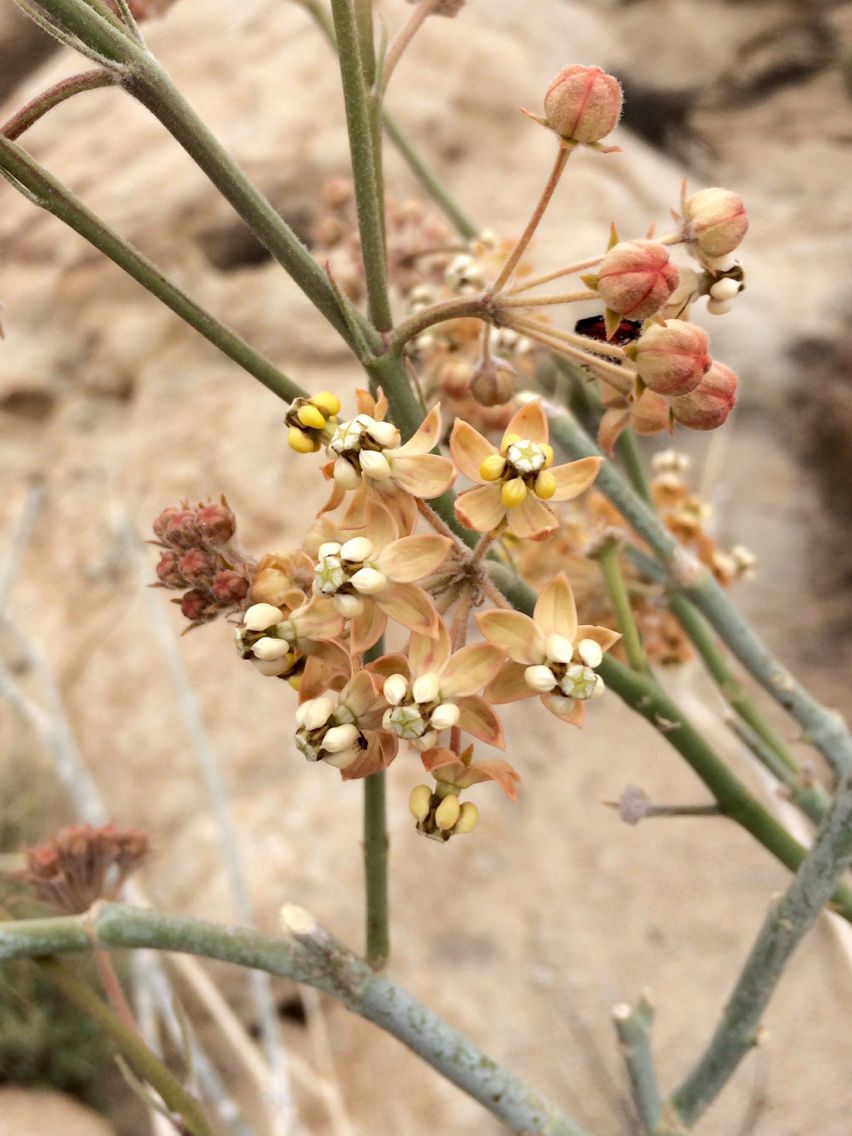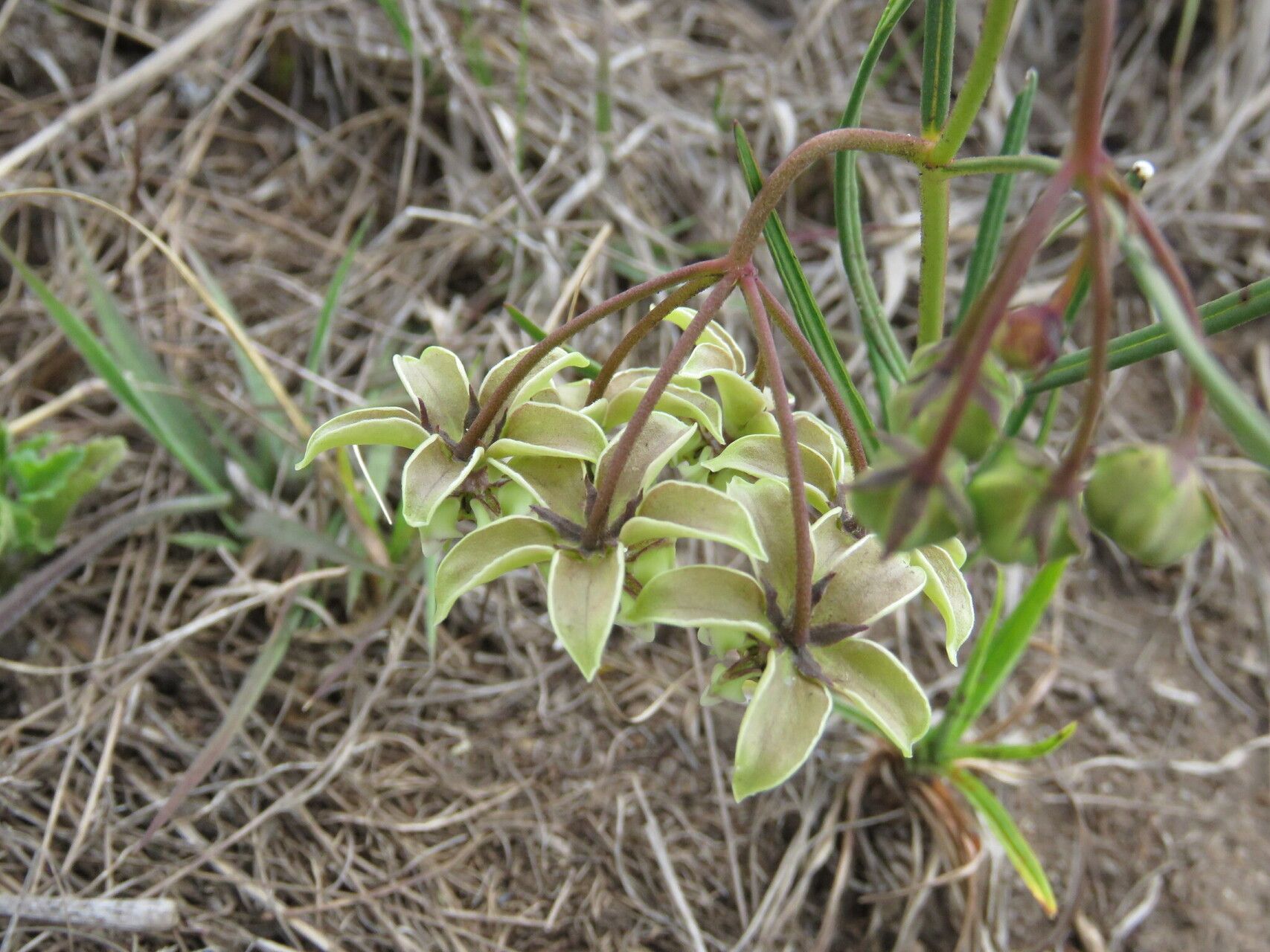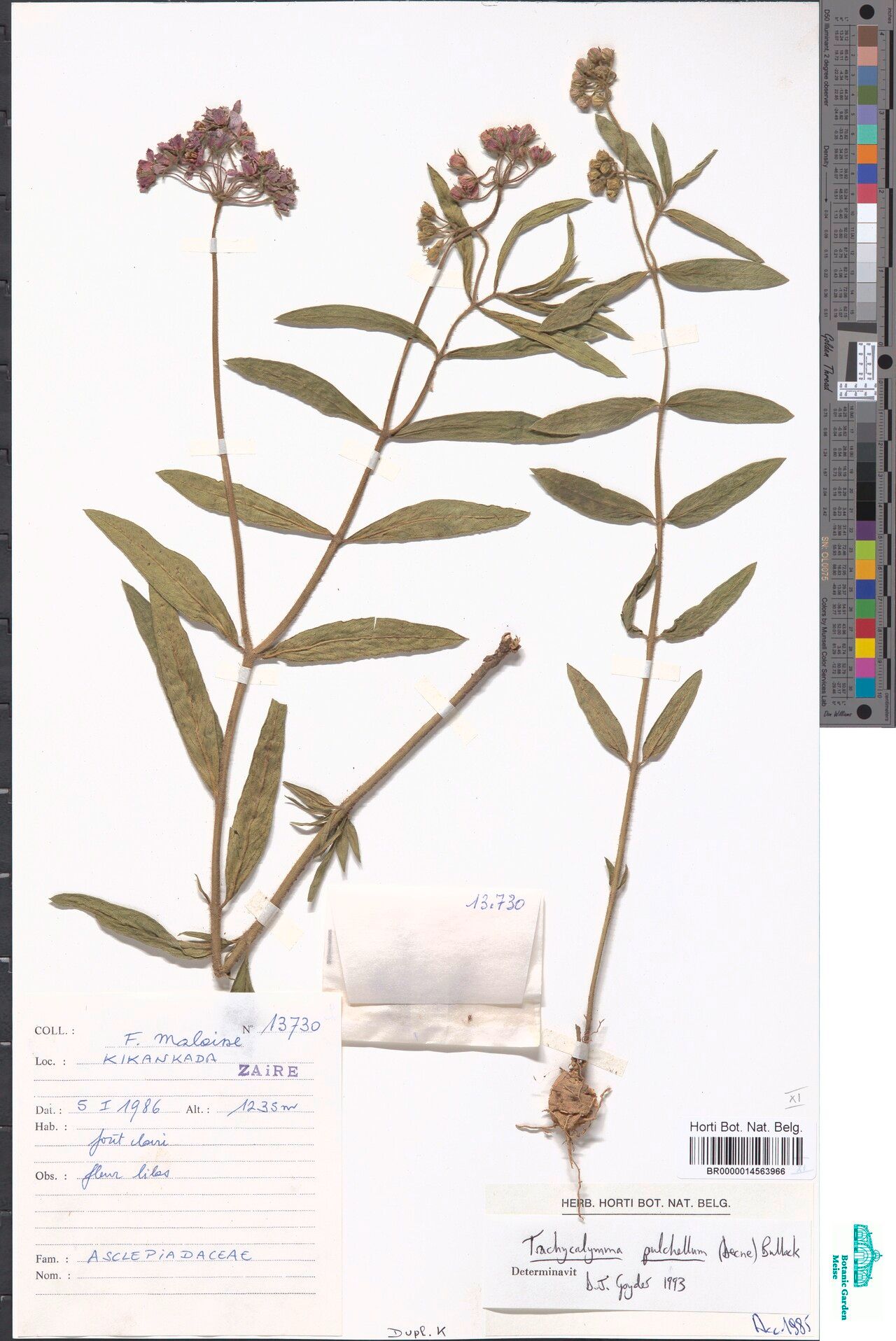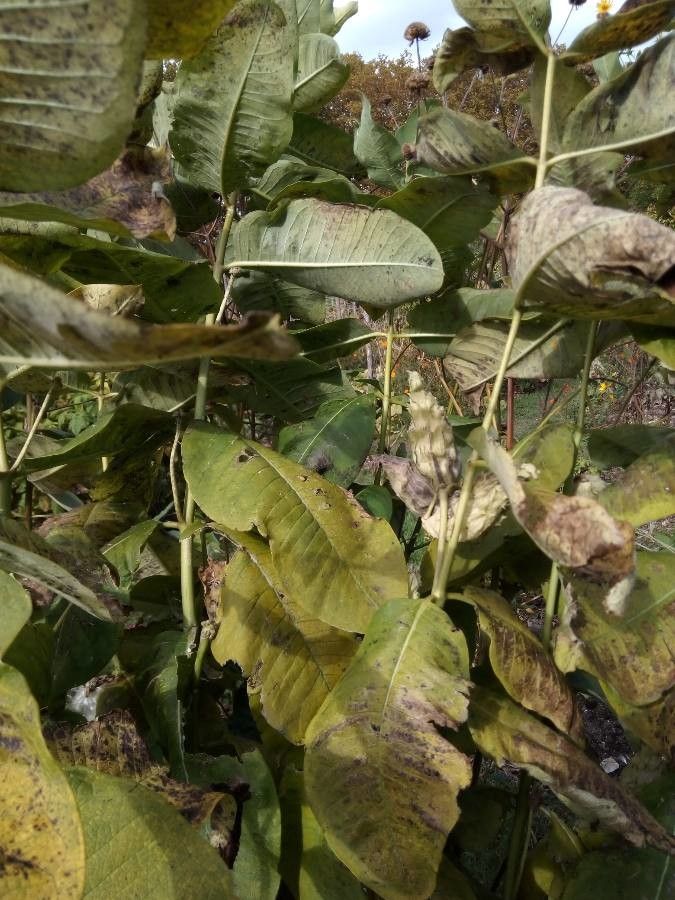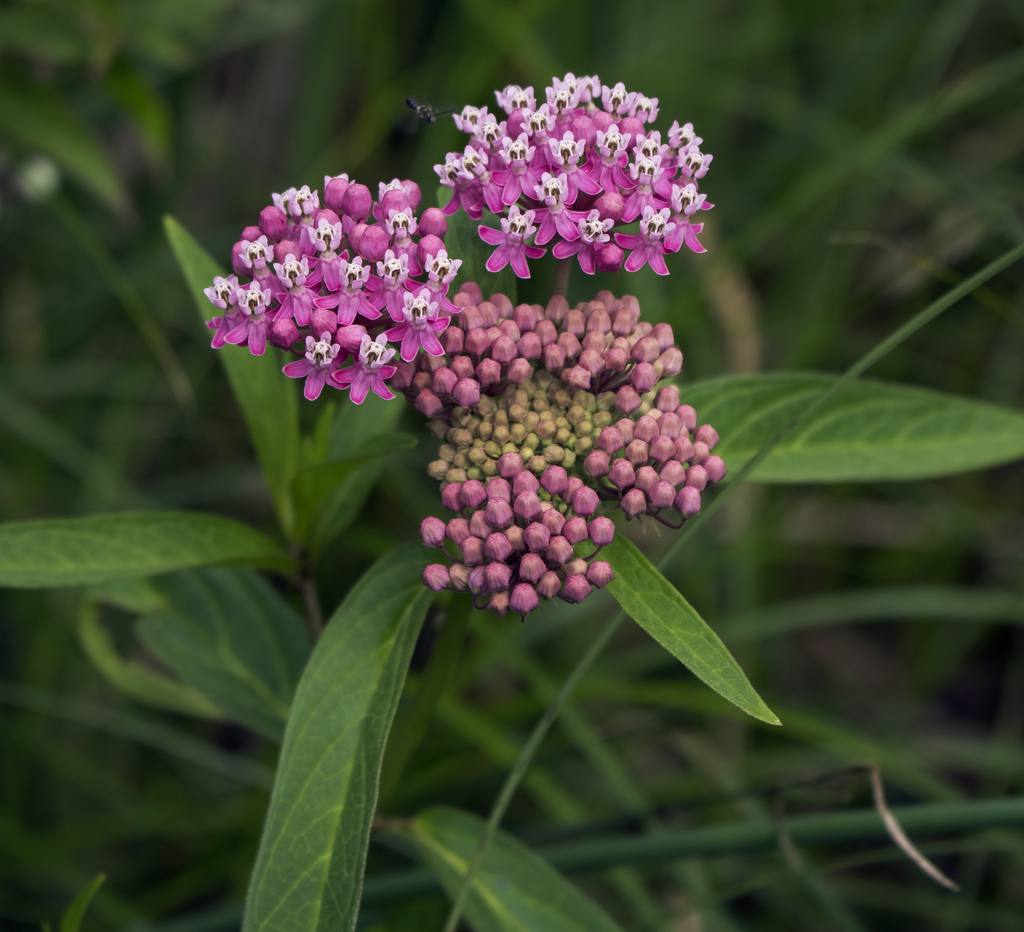
Asclepias incarnata, commonly known as swamp milkweed, is a herbaceous perennial plant belonging to the milkweed family. Native to North America, it thrives in wetlands, marshes, and along stream banks. This plant can grow up to 5 feet tall and exhibits a clumping growth habit with multiple stems emerging from the base.
The leaves of Asclepias incarnata are long, narrow, and pointed at the tip. They are arranged in an opposite pattern along the stem and possess a slightly hairy texture. The flowers, which can be pink or mauve, have five petals that form an umbrella-like shape.
Asclepias incarnata is a crucial host plant for monarch butterflies, providing essential food for their larvae. Its nectar-rich flowers also attract other pollinators such as bees, butterflies, moths, and hummingbirds.
Traditionally, Native Americans used the roots of this plant for medicinal purposes, particularly for treating respiratory ailments like coughs and asthma.
Overall, Asclepias incarnata is not only aesthetically pleasing but also plays a vital role in supporting local ecosystems by providing food for pollinators and offering medicinal benefits. It is a valuable addition to any garden or natural area restoration project.
Swamp milkweed is a plant that thrives in moist to wet soils, thanks to its specialized roots adapted for such conditions. Like most milkweeds, it contains a toxic latex. This characteristic is why it is known as swamp milkweed.
Swamp milkweed has strong disease resistance and is generally not prone to illnesses. However, it can be vulnerable to pests and diseases present in its surroundings. These problems are usually not serious. For care, this plant requires a moderate level of maintenance. It should be pruned regularly to preserve a neat appearance and healthy growth. Fertilizing can also help encourage flowering. Swamp milkweed is suitable for anyone with outdoor space, such as a garden or patio, and does not need much care experience. It may need more attention when grown indoors.
How to keep Asclepias Incarnata.
Light
Swamp milkweed does best in locations with abundant sunlight but can tolerate areas with somewhat reduced sun. The amount of light it receives has a positive effect on its growth and overall health. Its native habitats, which are typically sunny ecosystems, reflect its preference for sun. Too little light can cause weak growth, while excessive light may result in scorching.
Water
Swamp milkweed flourishes in wetland environments because it needs saturated soils and consistent moisture to thrive. To ensure its lush growth, especially during its active growing season, it is important to water it weekly. As an herbaceous perennial, keeping the soil moist is crucial for its vibrant blooms and overall health.
Temperature
Swamp milkweed, native to wetlands and marshes, needs a temperate environment to grow best. It prefers temperatures between 32 to 100 ℉ (0 to 38 ℃) and survives easily in USDA zones 3-9. As seasons change, it can handle both hot and cold conditions, adapting to thrive in temperatures as low as 32 ℉ (0 ℃) during winter and as high as 100 ℉ (38 ℃) during summer.
Fertilizer
One fertilizer application in spring is generally adequate for Swamp milkweed, though repeated feedings can help maximize growth. Apply fertilizer once every month to a month and a half. Fertilization improves leaf appearance and function, promoting even color and a healthy texture. It also encourages root development and enhances nutrient uptake for long-term plant health.
Pruning
Swamp milkweed is a perennial herb known for its striking pink flowers and its ability to thrive in wet conditions. To encourage new growth and prevent self-seeding, it is best to prune the plant from early to late spring. Pruning helps maintain the shape and size of the plant, while also promoting healthy foliage and blooms throughout the growing season.
Pot & Repot
When repotting Swamp milkweed, pick a container 1-2 inches (2.5–5.1 cm) larger that provides good drainage. Use a well-draining potting mix. Repot in spring or fall, making sure the root ball sits slightly below the rim of the flower pot. Water thoroughly after repotting and keep the plant in a warm spot with indirect sunlight.
Botanical profile.
- Plant Type
- Herb
- Life Cycle
- Perennial
- Genus
- Asclepias
- Family
- Apocynaceae
- Hardiness Zone
- 3-11
- Mature Height
- 0.91 m to 1.52 m
- Mature Spread
- 61 cm to 91 cm
- Leaf Color
- Green, Blue
- Leaf Type
- Deciduous
- Flower Color
- Pink, White, Red
- Flower Size
- 0.76 cm
- Bloom Time
- Early summer, Mid summer
- Planting Time
- Autumn, Winter, Summer, Spring
- Harvest Time
- Mid summer
- Native Area
- North America
Other names.
Reader questions.
How should I water my Swamp milkweed?
To water the Swamp milkweed effectively, use filtered water at room temperature. Tap water may contain harmful particles for this plant. Warm water is preferable since the Swamp milkweed is accustomed to a warm environment and cold water can be unsettling. Avoid overhead watering to prevent issues with the foliage. Instead, thoroughly saturate the soil with your filtered, room temperature water. This helps to moisturize the roots and support their spread through the soil for nutrient absorption.
Why should I put fertilizer on my Swamp milkweed?
Fertilization plays a crucial role in maintaining the health and appearance of Swamp milkweed leaves. It not only ensures consistent color and a healthy texture, but also promotes the growth of new roots and maintains existing ones. By fertilizing your plant properly, you not only keep it healthy in the present but also improve its ability to absorb nutrients from the soil in the long run.
What are the sunlight requirements for Swamp Milkweed?
Swamp Milkweed requires full sun, which means it thrives in areas that receive more than 6 hours of direct sunlight daily. It can also grow in partial sun conditions, receiving about 3-6 hours of sunlight. Observing how sunlight moves through your garden will help you find the ideal spots that provide the perfect balance of light and shade, ensuring your plants grow healthily.
What are the essential growth conditions for Swamp Milkweed?
Swamp milkweed, scientifically known as Asclepias incarnata, thrives in temperate environments, optimally growing in temperatures ranging from 32 to 100°F (0 to 38°C). It is native to wetlands and marshes and is hardy in USDA zones 3-9. Swamp milkweed is adaptable to both hot and cold temperatures, capable of withstanding winter lows of 32°F (0°C) and summer highs of 100°F (38°C). It exhibits strong cold resistance and typically does not require special frost protection measures. However, if temperatures are expected to fall significantly below its tolerance limit, providing cold protection with soil or straw coverings is advisable. Ensuring the soil is moist before the first freeze of autumn helps the plant avoid drought and water scarcity during the colder months.
What should I do if I give my Swamp milkweed too much or too little water?
Overwatering and underwatering can harm your Swamp milkweed, but overwatering is more common. Excessive water can cause wilting, yellowing, and diseases like root rot, mold, and mildew. Underwatering is less likely, but it can cause brittle, brown leaves. It's important to recognize the signs of overwatering early and reduce watering immediately. Also, check the soil quality for poor drainage and replace it if needed. If your Swamp milkweed is not getting enough water, simply increase the frequency of watering until the signs improve.
When should I put fertilizer on my Swamp milkweed?
If you grow Swamp milkweed outdoors, it will start growing new leaves in early spring. This is a sign that it's time to fertilize. Usually, one application of fertilizer in spring is enough for the Swamp milkweed to do well. But if you want it to grow more, you can fertilize it multiple times in spring and early summer. In that case, you can feed it about once every month to a month and a half.
Why is sunlight important for Swamp Milkweed, and how does artificial lighting help?
Sunlight is crucial for the growth and health of Swamp Milkweed, as it thrives in its natural habitat under ample sun exposure. Inadequate sunlight can lead to poor growth, while too much exposure can cause scorching. For indoor plants, artificial lighting is essential for optimal growth, especially when natural sunlight is insufficient. LED lights, mimicking the specific wavelengths needed, along with appropriate wattage, distance, and duration of lighting, can support the plant's growth effectively.
How does Swamp Milkweed react to temperature extremes, and what are the solutions?
Swamp milkweed shows remarkable cold tolerance, best thriving when temperatures stay above its minimum growth threshold and winter conditions do not dip below its cold tolerance limit. If temperatures fall below this point, the plant might experience reduced or no sprouting in spring, though it generally doesn't show noticeable changes over winter. The solution for spring includes removing any parts of the plant that failed to sprout. In contrast, during summer, it's critical to keep the plant below its maximum growth temperature to prevent the leaves from lightening in color, curling, suffering from sunburn, or, in severe cases, wilting and drying out. Solutions for high temperature stress include trimming sunburned or dry parts, relocating the plant to a shaded area, using a shade cloth, and watering it during cooler parts of the day to maintain soil moisture.
How often should I give water to my Swamp milkweed plant?
If your Swamp milkweed is in a pot, the most precise way to determine if it needs water is by checking the moisture level of the soil. Simply stick your finger into the soil and if the top two to three inches are dry, it's time to water it. For those who have the Swamp milkweed planted outdoors in the ground, you can use a similar method to test the soil. Once again, if you find that the first few inches of soil are dry, it's time to water. Typically, during the spring and early fall seasons, watering once a week is sufficient using this method. However, during extremely hot weather, you may need to increase watering to twice or more per week. That being said, mature and well-established Swamp milkweed plants have an impressive ability to withstand drought.
When is the best time to not add fertilizer to my Swamp milkweed?
During late fall and winter, your Swamp milkweed goes into a dormant phase where it stops producing new growth. During this time, avoid fertilizing it. In spring and summer, if you choose to fertilize, gradually reduce the frequency as summer approaches because the growth rate of your Swamp milkweed slows down. It's not recommended to fertilize your Swamp milkweed during extremely hot weather or when the soil is very dry. Doing so can stress the plant and cause it to die prematurely.
What are the symptoms of inadequate sunlight for Swamp Milkweed?
Symptoms of inadequate sunlight for Swamp Milkweed include smaller new leaves, leggy or sparse growth, faster leaf drop, slower or no new growth, and lighter-colored or irregularly colored new leaves. Excessive sunlight can cause chlorosis, sunscald, leaf curling, wilting, and leaf scorching, indicating both the need for increased sun exposure and the dangers of too much sunlight.
How much water does my Swamp milkweed require?
To properly water your Swamp milkweed, make sure to give it a generous amount of water without holding back. Before watering, check if the top two to three inches of soil are dry. If they are, water the plant thoroughly until the soil is completely soaked. The water should be enough to cause excess water to flow out of the drainage holes at the bottom of the pot. If you don't see any excess water being drained, it means you haven't given enough water. However, be careful not to let the water accumulate inside the soil as this can be harmful to the plant. On the other hand, if water is not draining well from the pot, it could mean that the soil isn't draining properly, which is not good for the plant's health. If the Swamp milkweed is kept outside, it generally needs about one inch of rain per week.