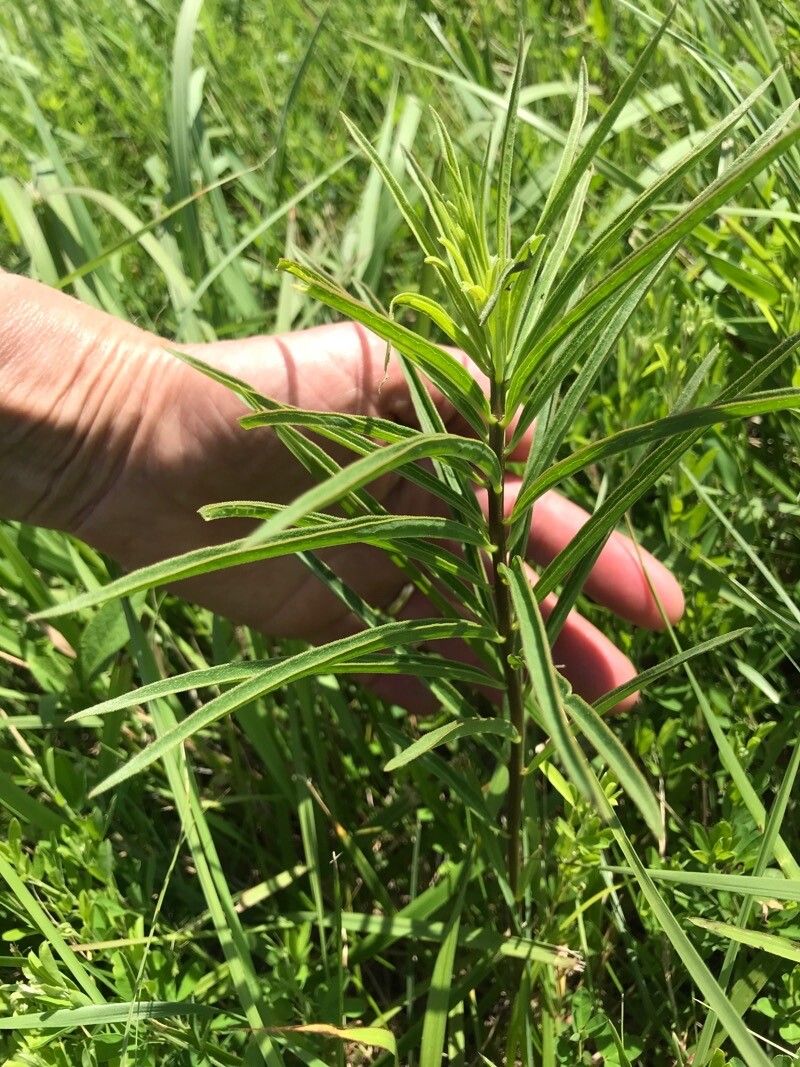
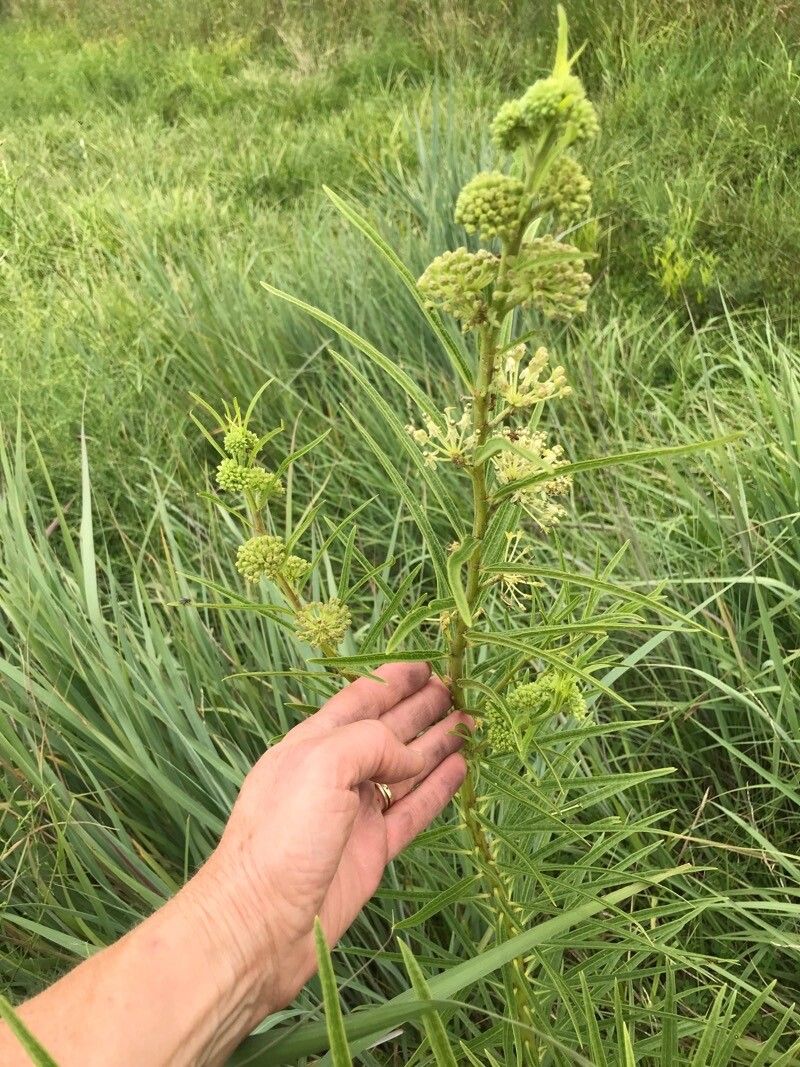
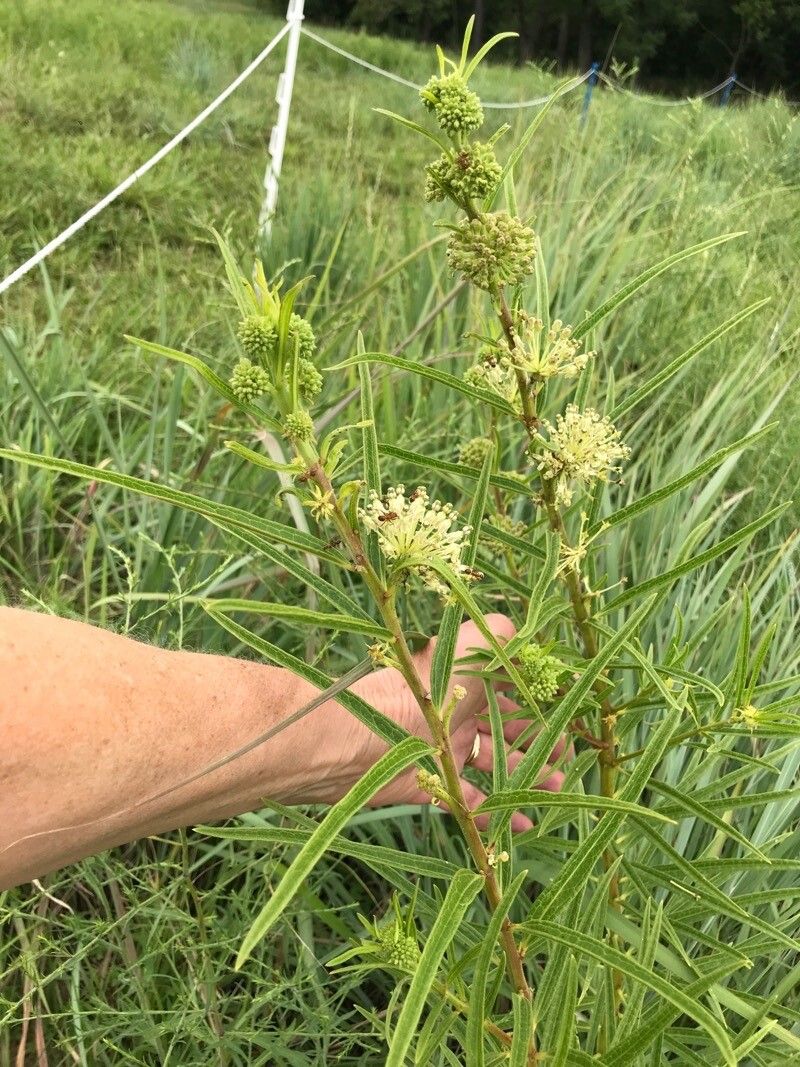
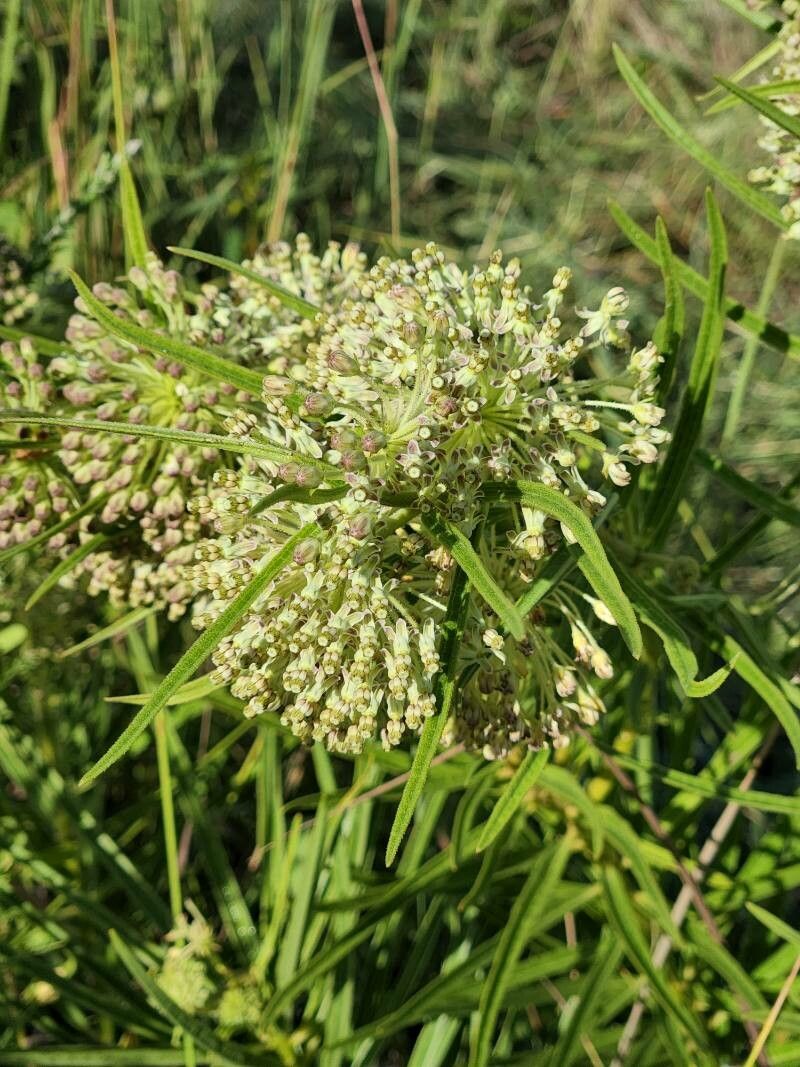
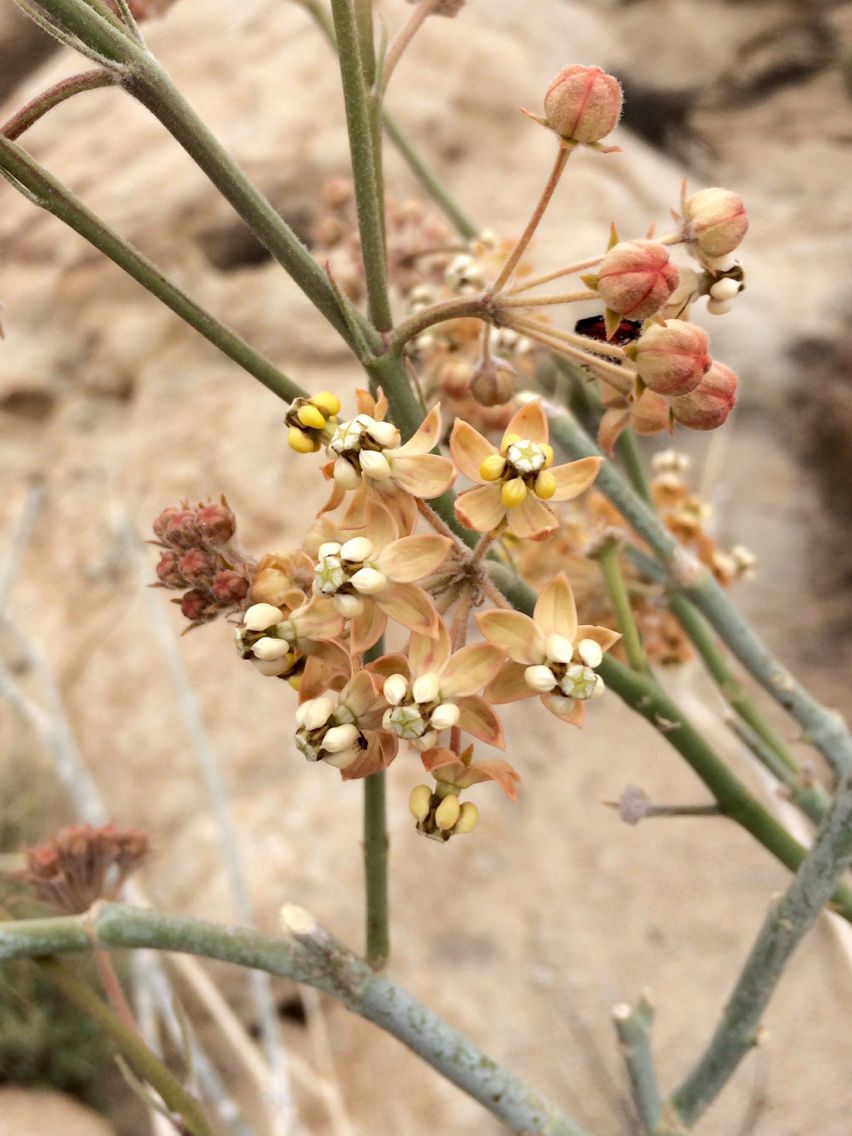
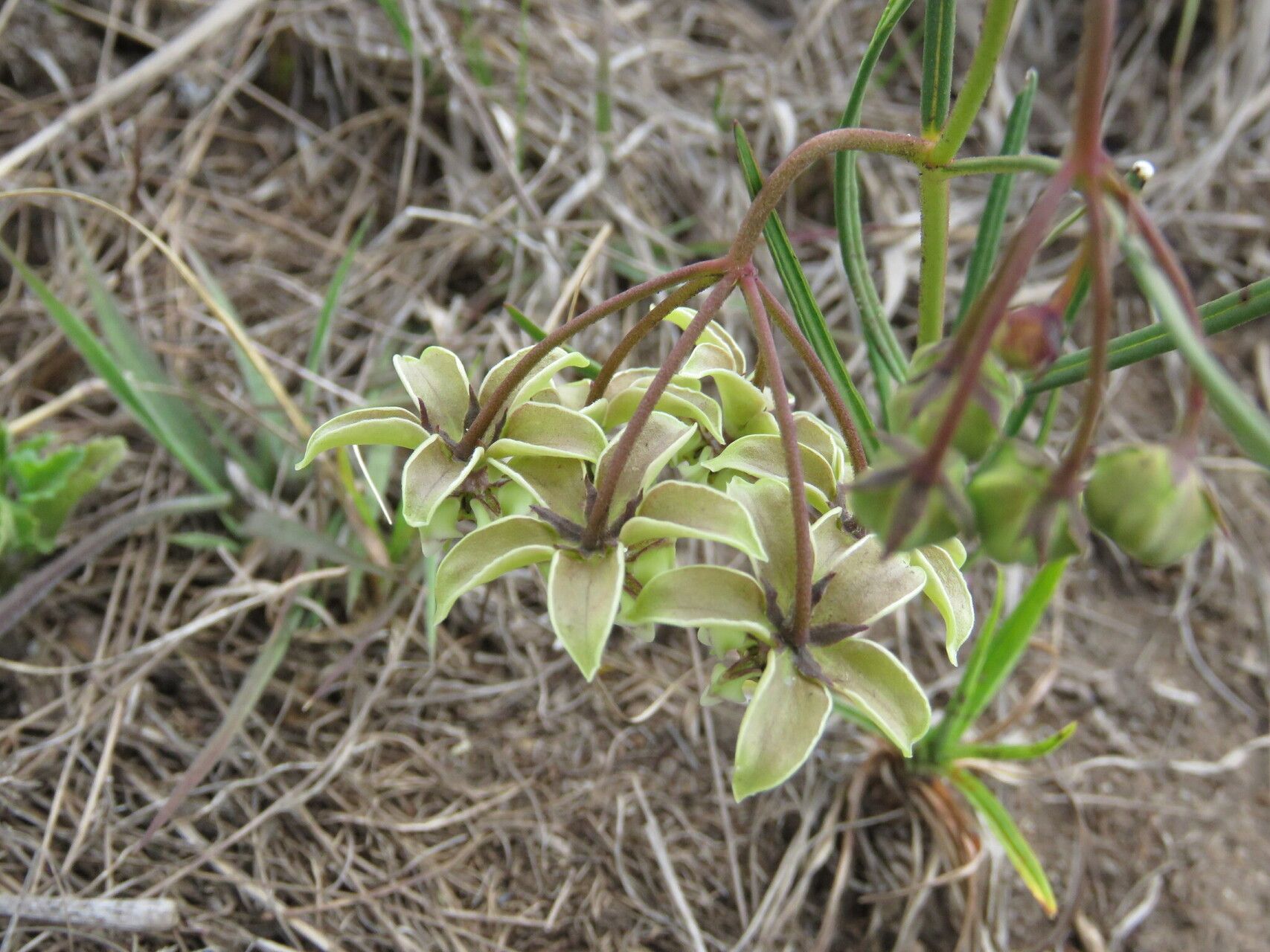
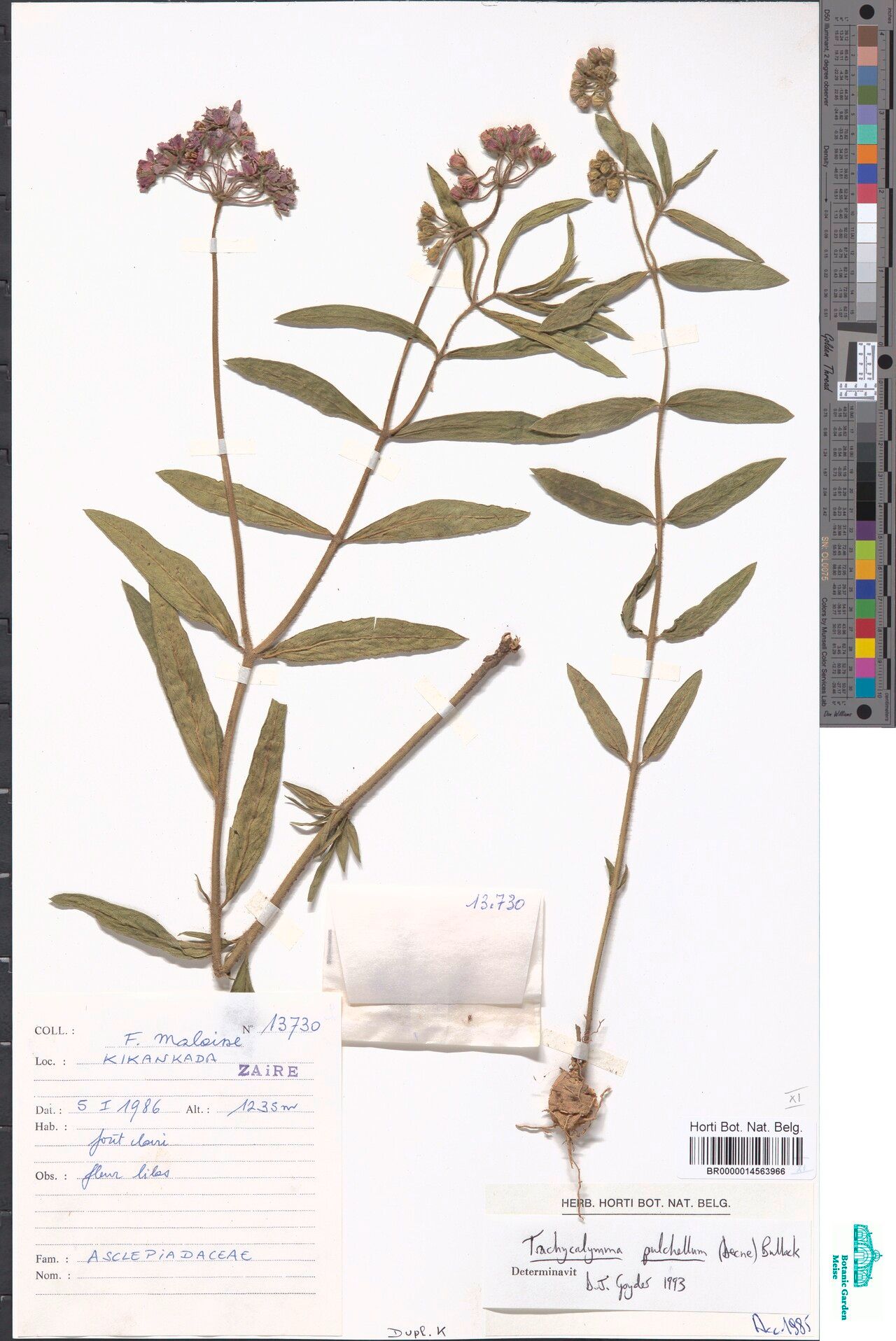
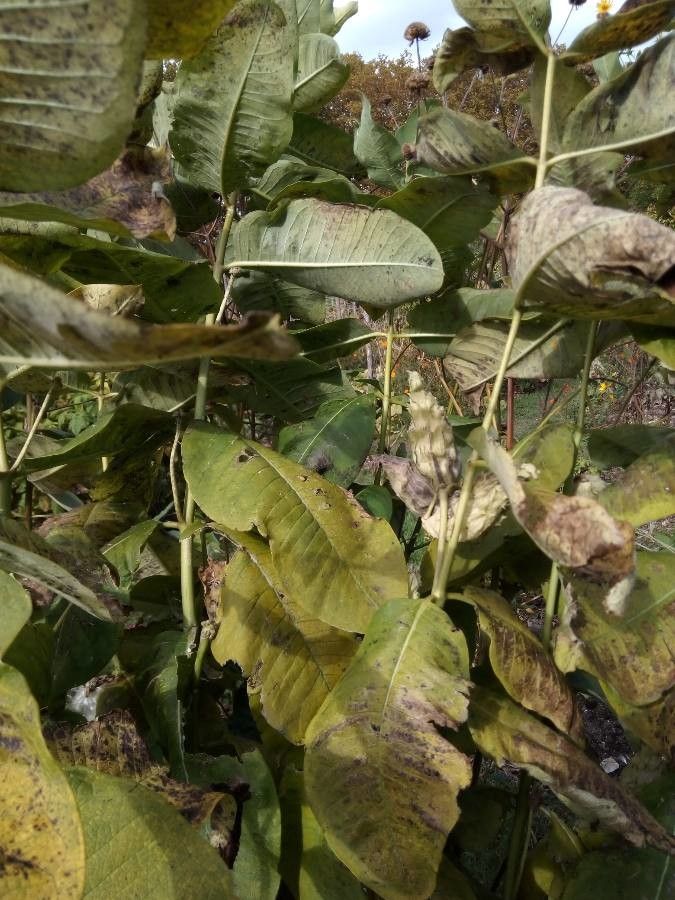
Asclepias hirtella, commonly called the tall green milkweed, is a species of flowering plant in the milkweed genus and dogbane family (Apocynaceae). It is native to Canada and the United States, where its range is concentrated in the Midwest and Upper South.
Green milkweed is largely disease-resistant and usually not vulnerable to many ailments. However, it can be affected by pests and diseases present in its environment. Such infections are typically minor. For care, the plant requires a moderate level of upkeep. It needs regular pruning to keep a good appearance and maintain healthy growth. Fertilizing can also encourage flowering. Green milkweed is well suited for someone with outdoor space, like a garden or patio, and does not need extensive care experience. It may need more attention when cultivated indoors.
How to keep Asclepias Hirtella.
Light
Green milkweed prefers sites that get sunlight for most of the day, though it can tolerate areas with occasional shade. Its natural habitat generally has plenty of sun. Be aware that too little sun can impede healthy growth, while too much may also harm the plant.
Water
Green milkweed, native to regions with moderate moisture, thrives with consistent hydration without becoming waterlogged. It typically requires weekly watering and grows best outdoors, where it can benefit from natural rainfall. To ensure proper growth, it is important to consider the local climate zone, as this affects the plant's watering schedule due to differences in precipitation and evaporation rates.
Temperature
Green milkweed is native to habitats where temperatures typically range from 41 to 95 °F (5 to 35 ℃). The plant does best within that range; however, for year-round care, careful adjustments to temperature are advisable.
Fertilizer
For Green milkweed, the primary time to apply fertilizer is early spring when the flowers are forming. The proper fertilizer promotes better blooms and helps Green milkweed produce attractive flowers. Fertilizing in early spring ensures excellent flowering during the season and supplies energy for dormant growth phases.
Pruning
Green milkweed is characterized by its upright growth and vibrant green flowers. To improve its growth and shape, prune the plant from early to late spring by removing dead stems and thinning crowded areas to enhance air circulation. Pruning after the plant blooms can help prevent it from spreading, thereby promoting both its vitality and aesthetic appeal.
Botanical profile.
- Plant Type
- Herb
- Life Cycle
- Perennial
- Genus
- Asclepias
- Family
- Apocynaceae
- Hardiness Zone
- 4-9
- Mature Height
- 61 cm to 91 cm
- Mature Spread
- 91 cm
- Leaf Color
- Green
- Leaf Type
- Deciduous
- Flower Color
- Pink
- Flower Size
- 2.54 cm
- Bloom Time
- Summer
- Planting Time
- Spring
- Harvest Time
- Late summer, Early fall, Mid fall
Other names.
Reader questions.
What are the sunlight requirements for Green Milkweed?
Green Milkweed requires full sun, meaning it needs above 6 hours of sunlight daily, but it can also tolerate partial sun, approximately 3-6 hours of sunlight. Observing how sunlight moves through your garden will help you find the perfect balance of light and shade, ensuring the plants' happiness. Green Milkweed thrives in areas that receive sunlight for most of the day, although it can manage with some shade. Its native habitat usually enjoys abundant sunlight. However, insufficient sunlight may hinder its growth, and excessive exposure can be harmful.
What is the native environment and ideal temperature range for Green milkweed?
Green milkweed, botanically known as Asclepias hirtella, is native to environments that typically experience temperatures ranging from 41 to 95°F (5 to 35°C). The plant thrives within this temperature range, suggesting a preference for mild to warm conditions. Although Green milkweed has strong cold resistance, allowing it to endure temperatures without special frost protection measures, it is crucial to make careful adjustments to its environment for all-season care, especially in regions experiencing extreme temperatures outside of its comfort zone.
How can I use artificial lighting for indoor Green Milkweed plants?
For indoor Green Milkweed plants, artificial lighting is essential for optimal growth, especially when natural sunlight is insufficient. LED lights are a popular choice because they can provide specific wavelengths needed by the plants. Full sun plants require 30-50W/sq ft of artificial light, whereas partial sun plants need 20-30W/sq ft, and full shade plants need 10-20W/sq ft. The light source should be placed 12-36 inches above the plant to mimic natural sunlight, and most plants need 8-12 hours of light per day to replicate natural daylight hours.
How should Green milkweed be protected from extreme cold?
Although Green milkweed possesses significant cold tolerance, in regions where winter temperatures are expected to plummet below -30°C, implementing cold protection strategies becomes essential. Covering the plant with materials like soil or straw can provide the necessary insulation against harsh frosts. Additionally, it's advisable to water the plant thoroughly before the first freeze of autumn, ensuring the soil is moist when it freezes. This practice aids in preventing drought and water scarcity for the plant during the cold months, supporting its survival and growth into spring.
What are the symptoms of light deficiency in Green Milkweed?
Symptoms of light deficiency in Green Milkweed include smaller new leaves compared to the mature ones, leggy or sparse growth, faster leaf drop, slower or no new growth, and lighter-colored new leaves, indicating a lack of chlorophyll and essential nutrients. Additionally, chlorosis can occur, leading to yellowing leaves from excessive sunlight, while sunscald, leaf curling, wilting, and leaf scorching indicate damage from intense sunlight exposure.
What are the symptoms of Green milkweed being affected by low temperatures, and how can they be addressed?
Green milkweed is notably cold-tolerant and fares best in temperatures above 5°C. It can withstand winter conditions as long as temperatures do not drop below -25°C. However, when temperatures fall below -30°C, you might not observe immediate damage, but there could be a decline in sprouting or a complete lack of sprouting come spring. To mitigate this issue, during spring, it is recommended to remove any plant parts that have not sprouted as a response to the prior cold stress.
How can I address Green Milkweed's light exposure issues?
To optimize Green Milkweed's light exposure, gradually move plants to a sunnier spot each week until they receive at least 6 hours of direct sunlight daily. Use a south-facing window and keep curtains open during the day. If moving the plant is not feasible, consider using artificial lighting, keeping a lamp on for at least 8 hours daily or investing in plant grow lights. Outdoors, avoid sudden changes in light to prevent sunburn. If sunlight is obstructed, trim or prune the obstructions, or consider transplanting smaller plants to sunnier locations during their dormant period, ensuring the new site has ample sunlight and good drainage. Note that while damaged parts may not recover, new growth should be healthy after improving light exposure.
How does Green milkweed react to high temperatures, and what solutions are there?
During the summer months, ensuring that Green milkweed does not surpass the 35°C threshold is crucial. If temperatures exceed 38°C, the plant may exhibit signs of stress, such as lighter leaf color, leaf curling, susceptibility to sunburn, and in severe cases, wilting and dryness of the entire plant. To address these symptoms, trim away sunburned and dried parts, relocate the plant to a shadier spot that avoids midday and afternoon sun, or use a shade cloth to protect it. Additionally, watering the plant in the morning and evening can help maintain soil moisture, alleviating stress caused by high temperatures.