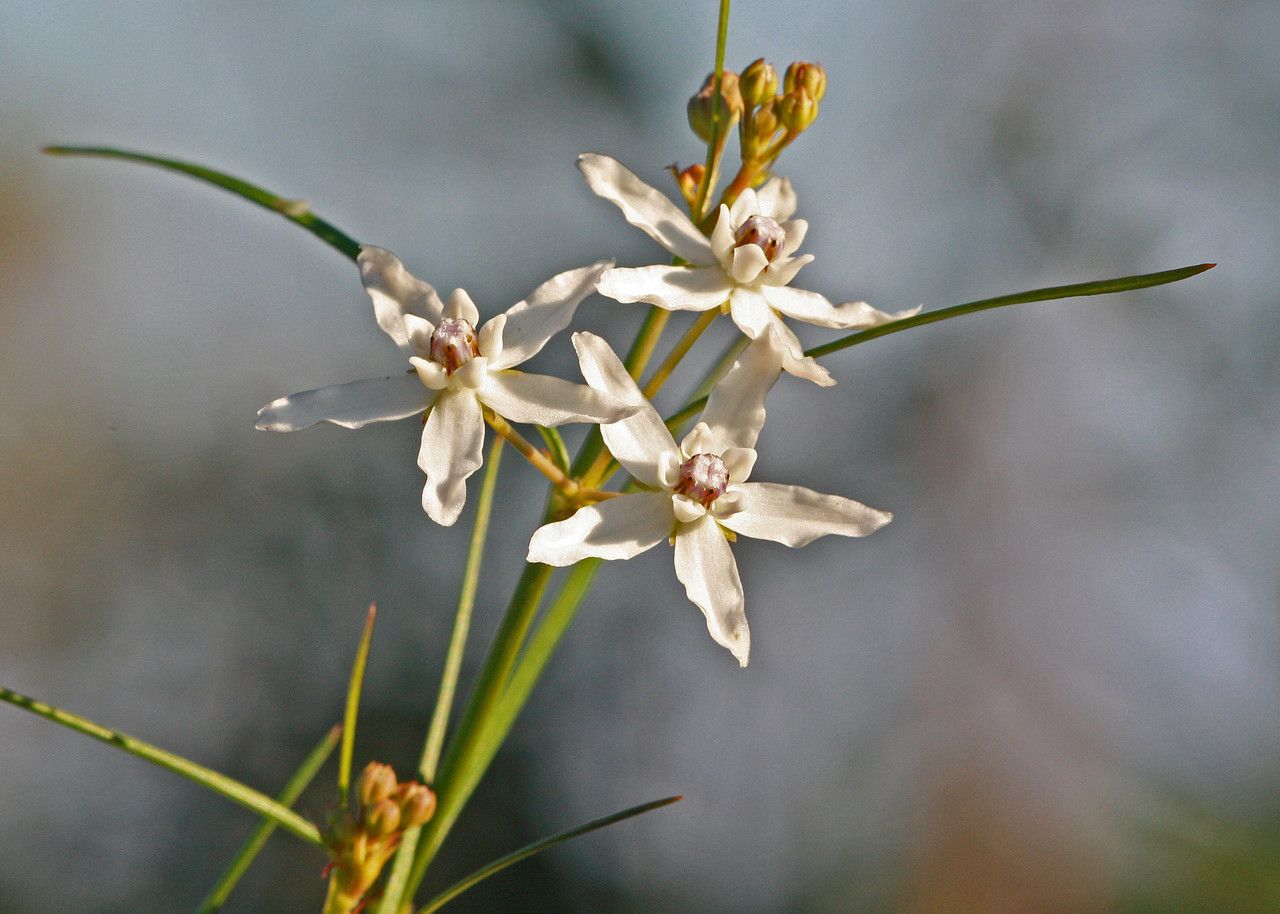
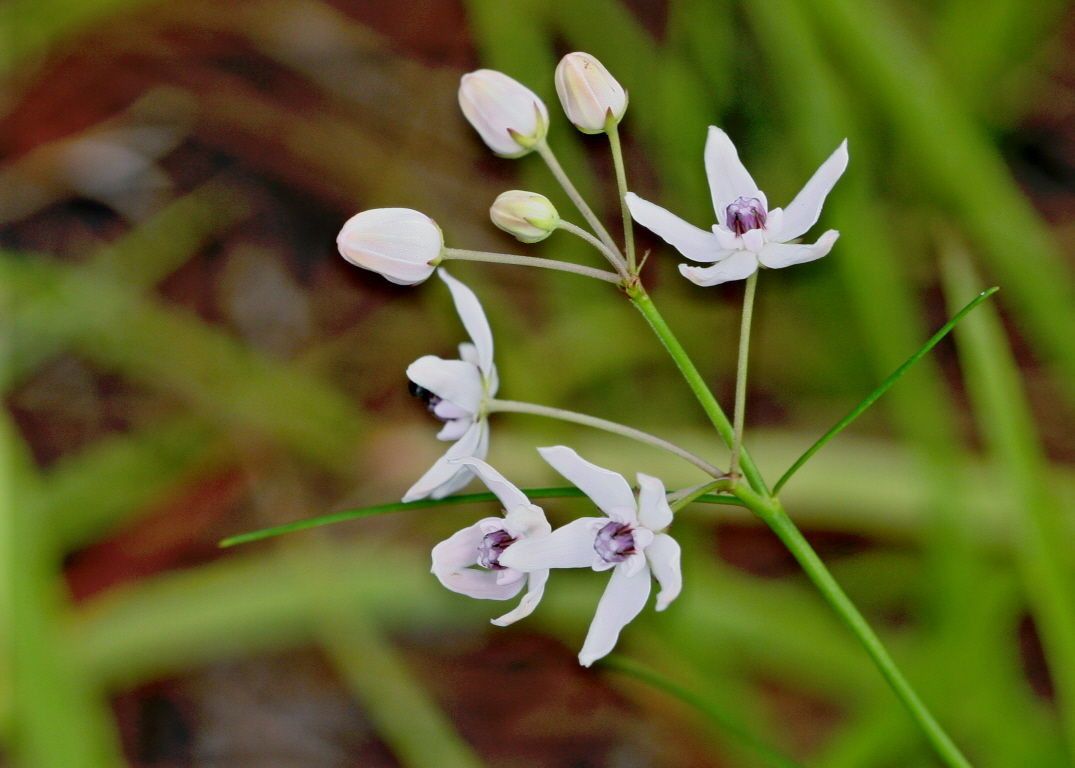
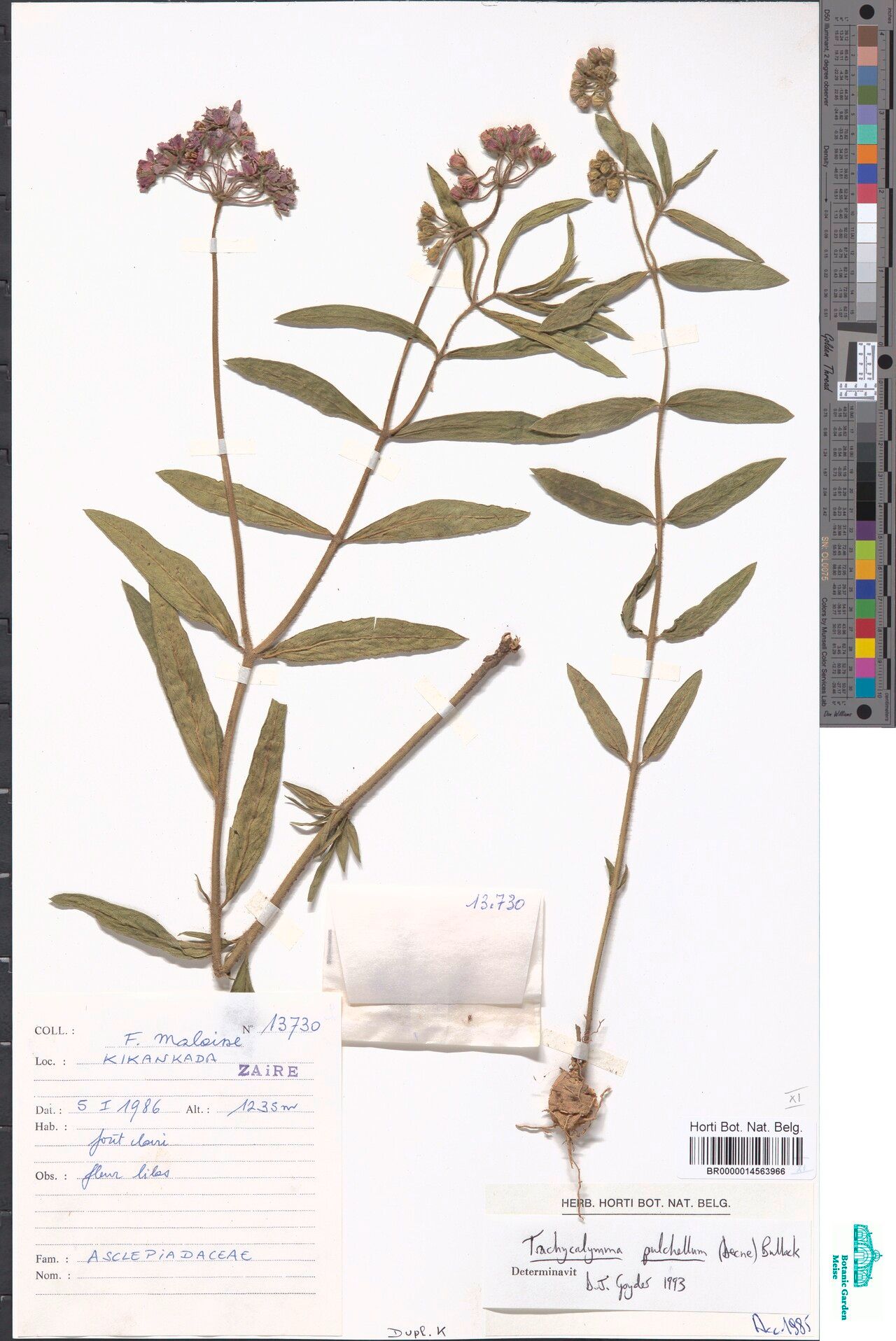
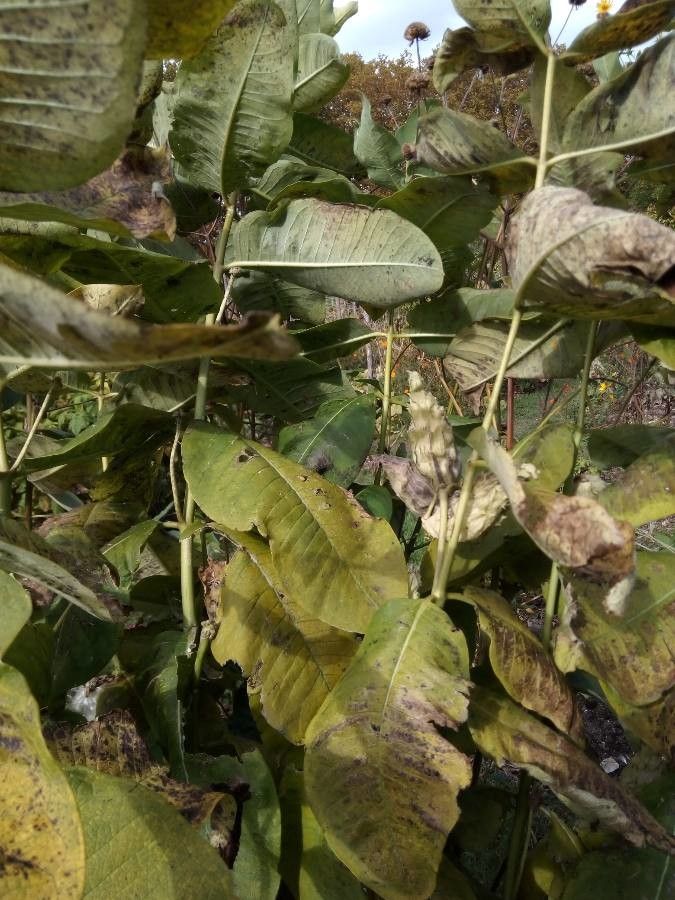
Asclepias feayi is a species of milkweed endemic to Florida. Its common name is Florida milkweed. It is in the family Apocynaceae.Glyphodes floridalis is a species of moth known as the Florida milkweed vine moth.
Florida milkweed is fairly disease-resistant and usually not prone to illnesses. Nevertheless, it can be affected by pests and diseases present in its environment. These infections tend to be mild. Regarding care, this plant requires moderate maintenance. It should be pruned regularly to maintain a neat appearance and healthy growth. Fertilizing can also help encourage flowering. Florida milkweed is suitable for anyone with an outdoor area, such as a garden or patio, and does not require extensive care experience. It may demand more attention if grown indoors.
How to keep Asclepias Feayi.
Light
Milkweed from Florida is a type of perennial herbaceous plant that loves the sun and is native to open environments, frequently flourishing in areas such as meadows and grasslands. It prefers full sunlight but is also able to withstand conditions of partial sun.
Water
Florida milkweed needs watering only when the soil becomes dry. During dry fall and winter conditions, it's beneficial to spray the plants to maintain high air humidity, which supports healthier growth.
Temperature
Milkweed in Florida shows strong adaptability to temperature, capable of enduring higher temperatures and significant temperature fluctuations. It is crucial to monitor the watering and provide adequate shade during hot temperatures to prevent sun scorching. In contrast, the cold tolerance of Florida milkweed is relatively low. While it can bear a certain level of cold, abnormally cold conditions may cause frost harm.
Fertilizer
The best time to fertilize Florida milkweed is in early spring, when it is coming out of dormancy and entering active growth. Fertilizing provides essential nutrients for healthy growth. Although Florida milkweed has relatively low fertilization needs, applying fertilizer annually can improve its survival and promote better, longer-lasting flowers.
Pruning
Florida milkweed is a herbaceous perennial known for its vibrant flower clusters. To maintain its health and appearance, it's important to prune it in early spring. This involves removing any dead or weak stems to improve air circulation. By using clean, sharp tools for regular pruning, you can promote healthy growth and increase flowering. This ensures that Florida milkweed remains robust and attractive throughout the growing season.
Botanical profile.
- Plant Type
- Herb
- Life Cycle
- Perennial
- Genus
- Asclepias
- Family
- Apocynaceae
- Hardiness Zone
- 8-11
- Mature Height
- 30 cm to 91 cm
- Mature Spread
- 30 cm to 46 cm
- Leaf Color
- Green, Dark Green
- Leaf Type
- Deciduous
- Flower Color
- White
- Flower Size
- 1.02 cm to 1.52 cm
- Bloom Time
- Mid spring, Late spring, Early summer
- Planting Time
- Spring, Summer
- Harvest Time
- Summer
Other names.
Reader questions.
What are the sunlight requirements for Florida milkweed?
Florida milkweed, also known by its botanical name Asclepias feayi, thrives in specific sunlight conditions. For optimal growth, it requires 'full sun,' which means the plant should receive above 6 hours of sunlight daily. Also, it can do well in 'partial sun,' defined as receiving about 3-6 hours of sunlight each day. It's important to observe the patterns of sunlight in your garden, ensuring that you place your Florida milkweed in locations that offer the right mixture of light and shade. This careful placement will promote the health and happiness of your plants.