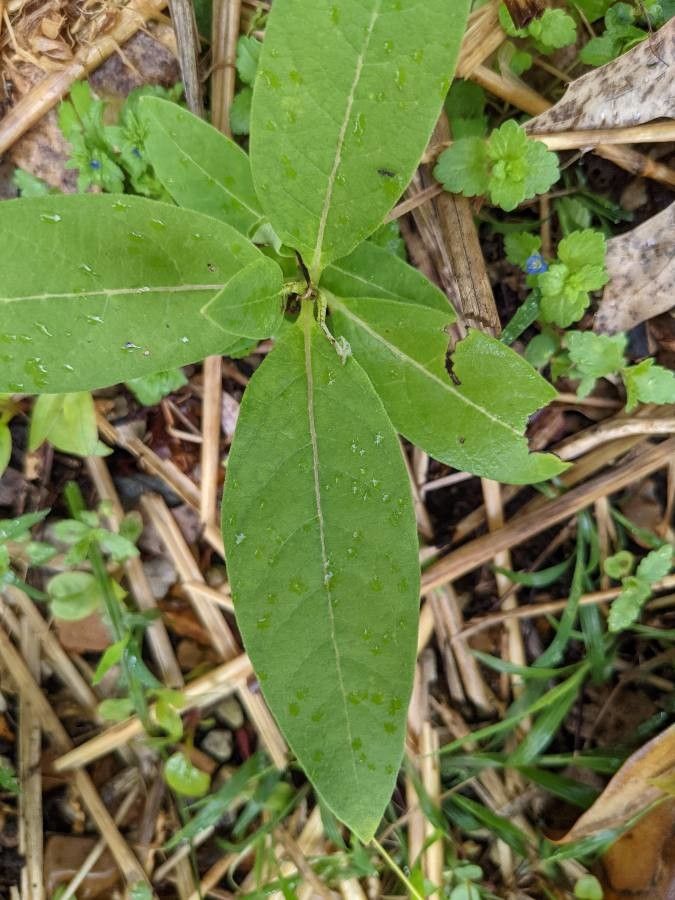
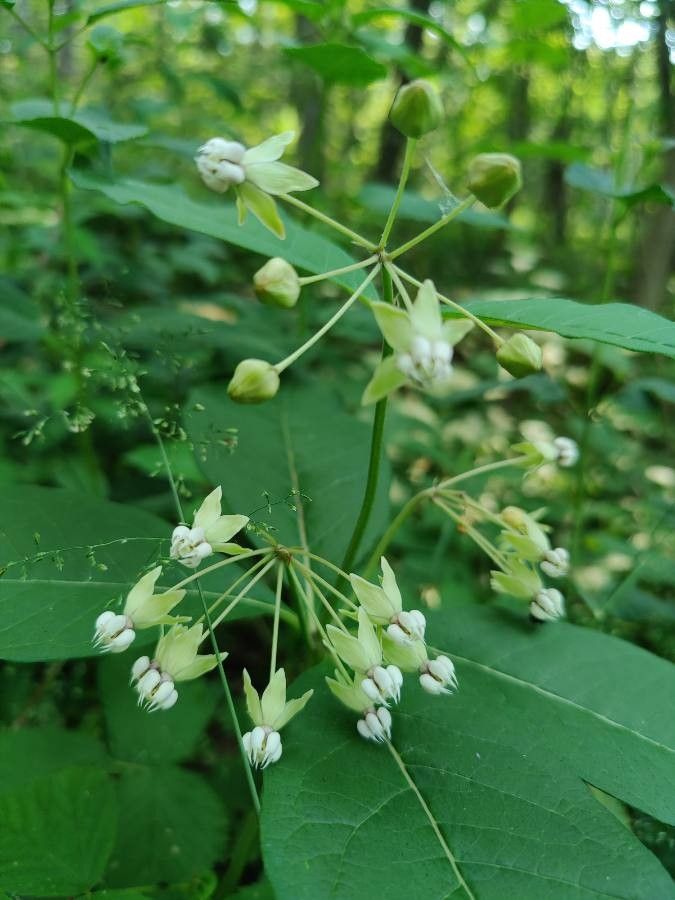
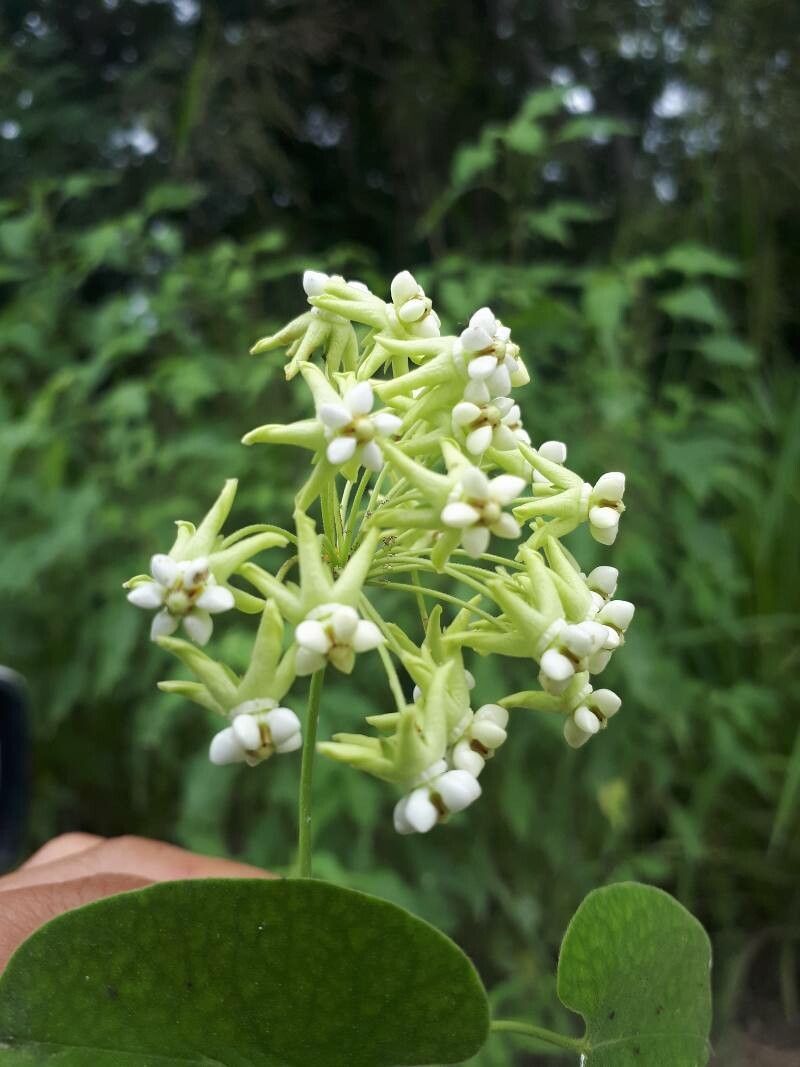
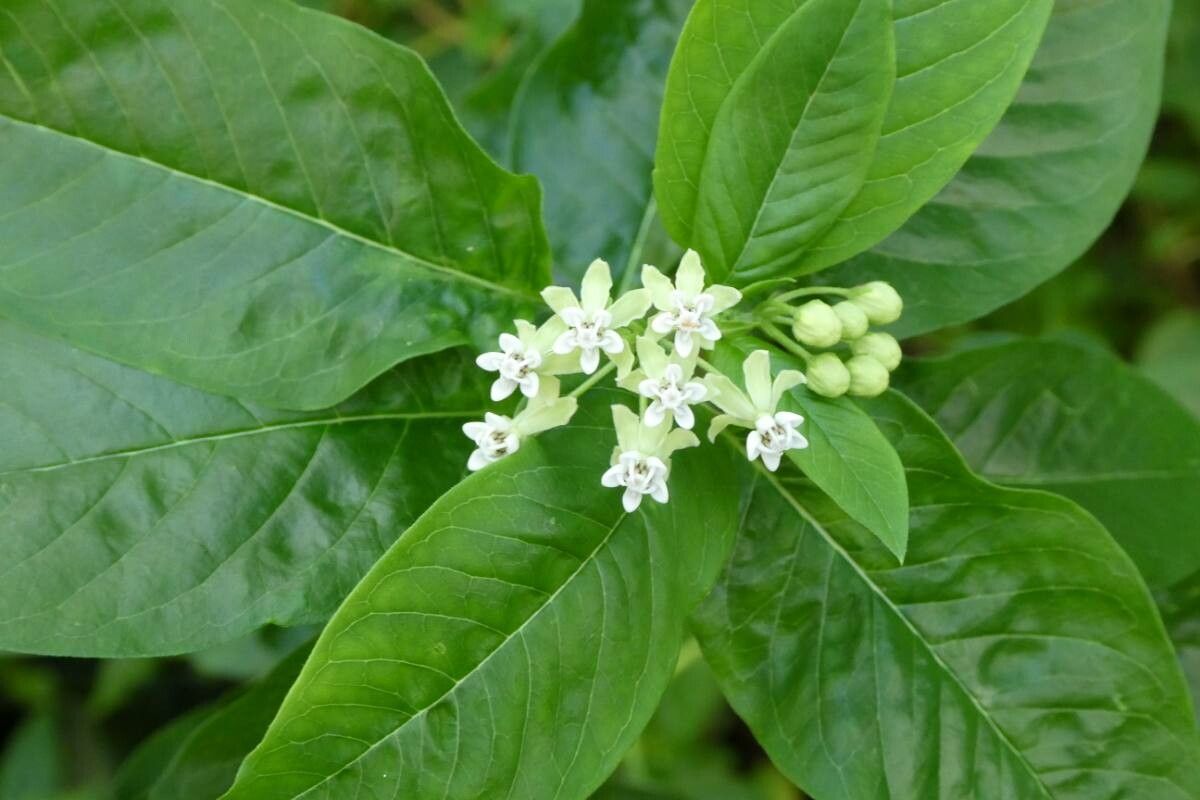
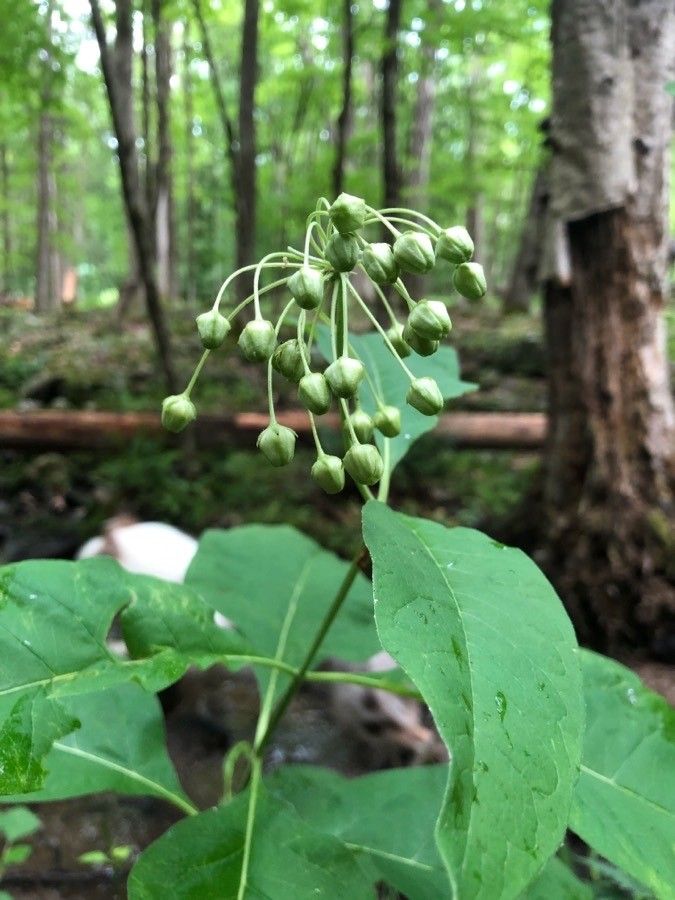
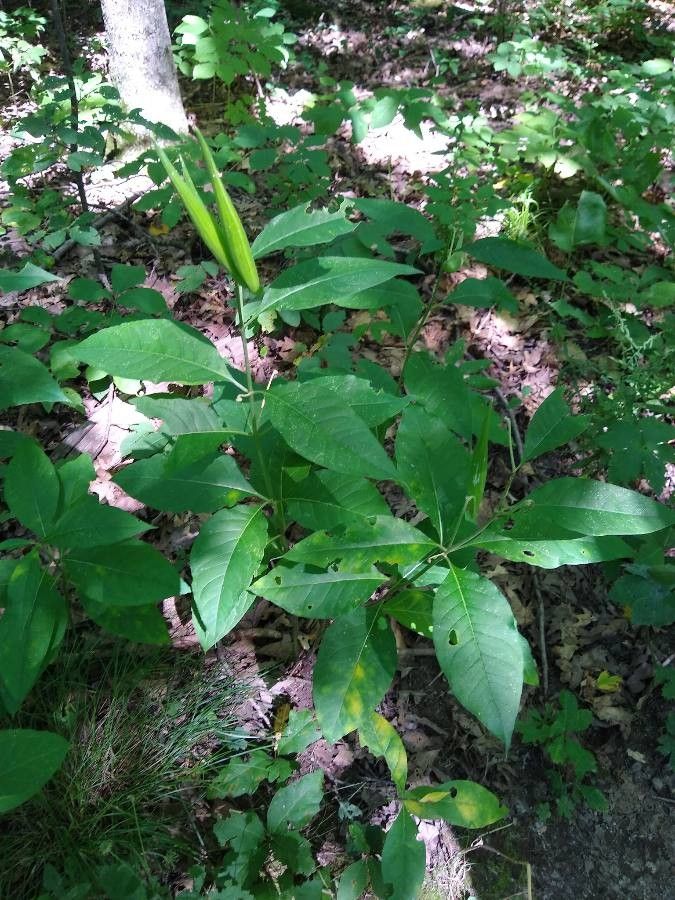
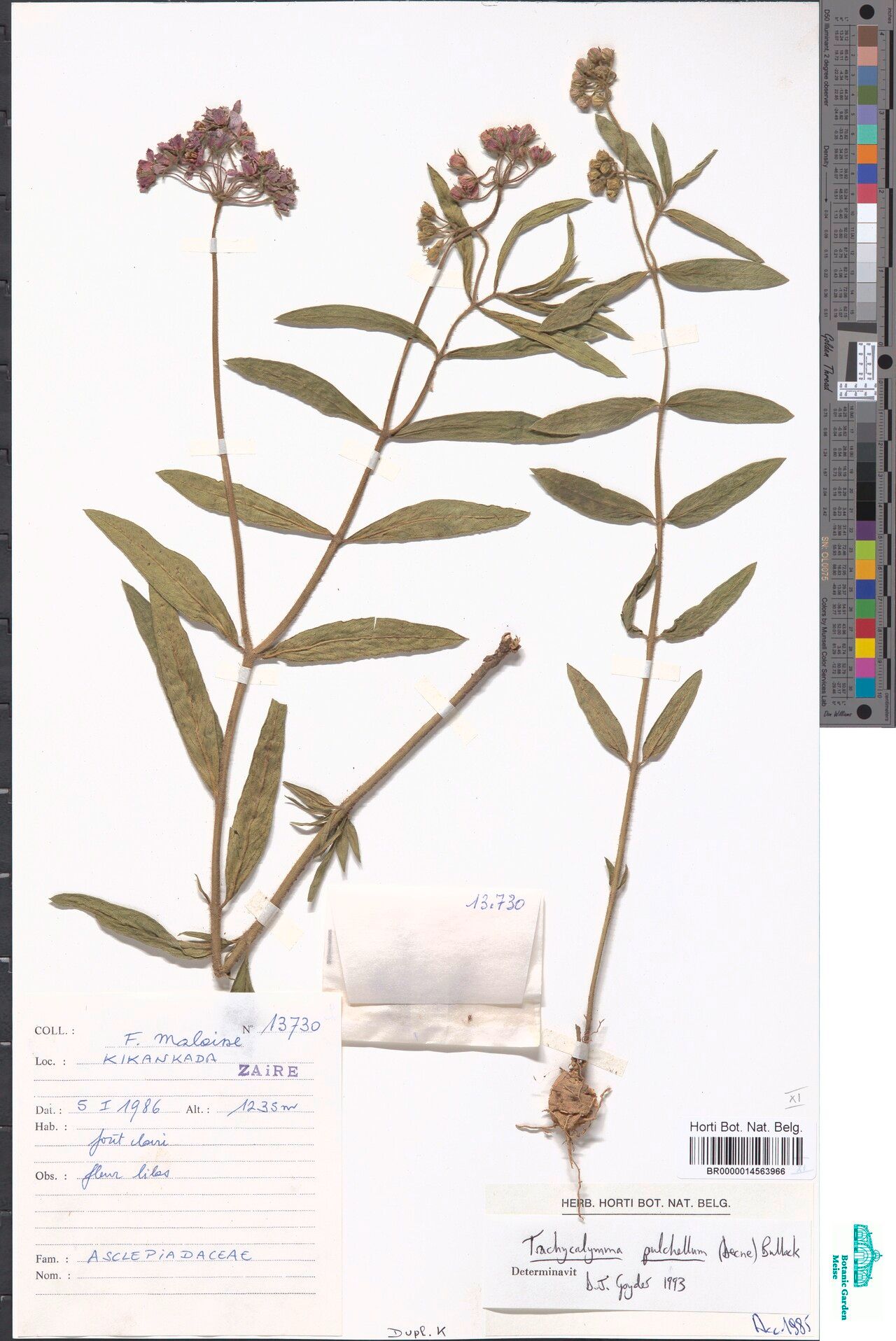
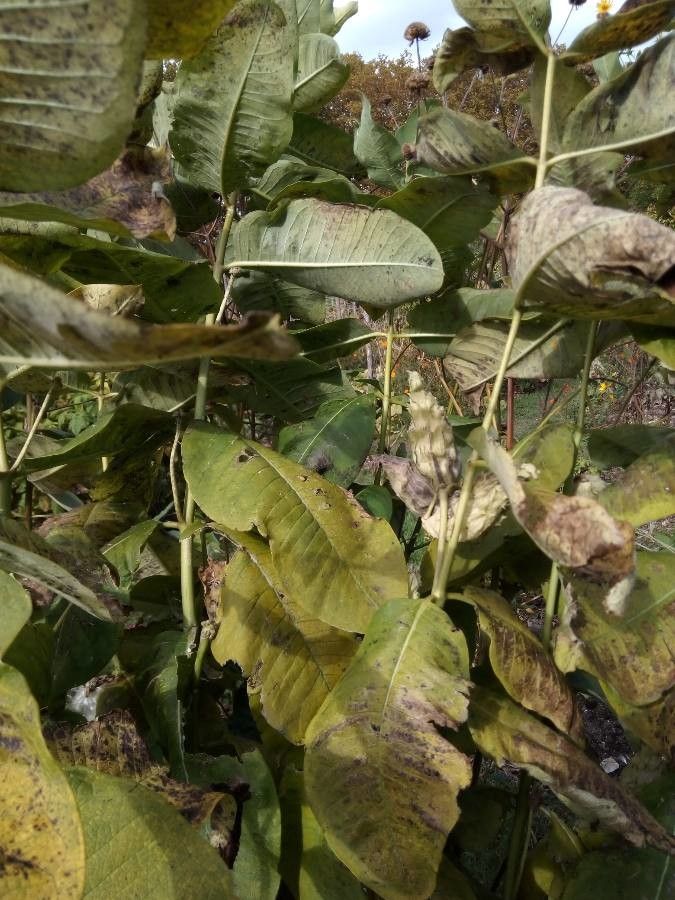
Asclepias exaltata (poke milkweed or tall milkweed) is a species of flowering plant in the dogbane family, native to eastern North America. It blooms from late spring to early summer. The flowers are green and white. Poke milkweed is found in moist woodland habitats, shores, and woodland edges. It grows in moist soil and sunny or partly shaded places. It grows from 0.6 to 1.5 meters (2.0 to 4.9 ft) tall.
Green milkweed is largely disease-resistant and usually not vulnerable to many ailments. However, it can be affected by pests and diseases present in its environment. Such infections are typically minor. For care, the plant requires a moderate level of upkeep. It needs regular pruning to keep a good appearance and maintain healthy growth. Fertilizing can also encourage flowering. Green milkweed is well suited for someone with outdoor space, like a garden or patio, and does not need extensive care experience. It may need more attention when cultivated indoors.
How to keep Asclepias Exaltata.
Light
The green milkweed does best in settings where sunlight is uninterrupted throughout the day. It prospers in locations that receive plentiful sun each day. Too much or too little light can harm the plant’s health, causing stunted growth or wilting. In its native habitat, it is found in wide-open areas with ample sunlight.
Water
Poke milkweed thrives in moderately moist soil and prefers consistent moisture levels, although it can withstand short periods of drought. To keep the soil adequately damp, it's ideal to water the plant every 1-2 weeks. Using mulch can also help retain moisture in the soil. Typically grown outdoors, poke milkweed plays an important ecological role as a host plant for butterflies.
Temperature
Green milkweed is native to regions with temperatures between 41 and 95°F (5 to 35°C). For healthy growth it favors that temperature range, but with seasonal adjustments it can tolerate cooler or warmer conditions.
Fertilizer
The best time to fertilize a Green milkweed is in early spring, as it breaks dormancy and begins active growth. Fertilizing supplies essential nutrients for healthy development. Although Green milkweed has fairly low fertilizer requirements, annual feeding can improve its survival and encourage better, longer-lasting flowers.
Pruning
To keep your poke milkweed healthy, regularly remove any infected plants and wilting leaves. If you live in a tropical climate, prune the branches in early spring to encourage new growth. Remember that poke milkweed is toxic: always wear gloves when handling it, keep it out of reach of children, avoid direct contact, and never consume any part of the plant.
Pot & Repot
When repotting Green milkweed, choose a pot 1–2 inches (2.5–5.1 cm) larger that has ample drainage. Use a well-draining potting mix. Repot in spring or fall, ensuring the root ball is slightly lower than the rim of the flower pot. Water thoroughly after repotting and place it in a warm spot with indirect sunlight.
Botanical profile.
- Plant Type
- Herb
- Life Cycle
- Perennial
- Genus
- Asclepias
- Family
- Apocynaceae
- Hardiness Zone
- 5-9
- Mature Height
- 46 cm to 76 cm
- Mature Spread
- 30 cm to 61 cm
- Leaf Color
- Green
- Leaf Type
- Deciduous
- Flower Color
- Green, White
- Flower Size
- 2.54 cm
- Bloom Time
- Late spring, Early summer, Mid summer
- Planting Time
- Autumn, Winter
- Harvest Time
- Mid summer
Other names.
Reader questions.
How should I water my Poke milkweed?
To ensure the health of your Poke milkweed plant, follow these watering guidelines: Use filtered water at room temperature or slightly warmer. Tap water may contain harmful particles, so filtered water is preferable. Since the Poke milkweed originates from a warm environment, avoid using cold water as it can be shocking to the plant. Instead of overhead watering, apply your filtered room temperature water directly to the soil until it is thoroughly soaked. This method benefits the plant by providing moisture to the roots, facilitating their spread and nutrient absorption.
Why should I add fertilizer to my Poke milkweed?
The main structure of the Poke milkweed is made up of its leaves. Fertilization is a great way to ensure that these leaves not only look good, but also function properly. When properly fertilized, the leaves of your Poke milkweed will have consistent color and a healthy texture. Fertilization also benefits the plant below the surface by promoting the growth of new roots and maintaining the existing ones. This not only keeps your plant healthy now, but also helps it absorb nutrients from the soil more effectively in the future.
What are the sunlight requirements for poke milkweed?
Poke milkweed needs varying degrees of sunlight, ranging from partial to full sun. Partial sun is about 3-6 hours of sunlight per day, while full sun is more than 6 hours daily. Observing your garden to understand how sunlight moves through it can help you choose the best spots for your plants, ensuring they receive the ideal balance of light and shade for optimal growth.
What temperature range is suitable for the growth of Poke milkweed?
Poke milkweed, known botanically as Asclepias exaltata, is well adapted to a wide temperature range, flourishing in conditions from 32 to 95 °F (0 to 35 °C). It thrives in temperate regions, capable of enduring both cool winters and hot, dry summers. While this plant demonstrates strong cold resistance, meaning special frost protection is not typically required, it is important to note that significant deviations from its optimal temperature range may negatively impact its growth and overall survival.
What should I do if I give my Poke milkweed too much water or too little water?
Overwatering is a common issue that can harm your Poke milkweed. When this happens, the stems and leaves may wilt and turn yellow. Over time, it can also lead to diseases like root rot, mold, and mildew, which can be fatal for the plant. Underwatering is less common, but it can still happen. In this case, the leaves become brittle and brown. It's important to identify signs of overwatering early on and reduce watering immediately. If the soil drains poorly, replace it with well-draining potting mix. If your plant is not getting enough water, simply increase your watering schedule until the signs go away.
When should I put fertilizer on my Poke milkweed?
If you grow your Poke milkweed outdoors every year, it will sprout new growth in early spring. This signals that it's time to start fertilizing for the year. Typically, a single application of fertilizer in spring is enough for the milkweed to thrive. However, if you want to maximize its growth, you can feed it multiple times throughout spring and early summer. In this case, you can fertilize your milkweed about once every month to a month and a half.
How does light influence the growth of poke milkweed?
Light plays a significant role in the growth of poke milkweed, positively affecting it when the plant receives filtered or strong light. It's native to environments that allow it to tolerate various sunlight levels. However, too much strong light may harm the plant. Adequate artificial lighting can be a solution for indoor plants, helping in faster, healthier growth when natural sunlight is insufficient. Choosing the right type of artificial light, determining the appropriate distance from the plants, and setting the correct duration are crucial steps for indoor care.
How should you protect Poke milkweed in extremely cold winters?
In anticipation of winter temperatures dipping below its growth temperature limit, it's crucial to ensure Poke milkweed is properly protected. Protective measures include covering the plant with insulating materials such as soil or straw. To further safeguard the plant, watering it abundantly before the first freeze of autumn is advised, ensuring the soil remains moist and enters the frozen state. This precaution helps mitigate drought stress and water scarcity during the colder months and the early spring season.
How often should I give water to my Poke milkweed plant?
If you have a potted Poke milkweed plant, you can determine if it needs water by checking the soil moisture. Stick your finger into the soil and if the top two to three inches are dry, it's time to water it. If you have an outdoor Poke milkweed planted in the ground, you can use the same method. If the top few inches of soil are dry, it's time to water. In the spring and early fall, watering once a week is usually sufficient. However, during extremely hot weather, you may need to increase watering to twice or more per week. It's worth noting that mature, well-established Poke milkweeds can tolerate drought well.
When should I not use fertilizer on my Poke milkweed?
During the late fall and winter, your Poke milkweed goes into a dormant phase and stops producing new growth. During this time, it's best not to fertilize it. In the spring and summer, if you choose to fertilize multiple times, start reducing the amount as summer approaches because the milkweed's growth will slow down. Generally, it's not a good idea to fertilize your Poke milkweed when the weather is unseasonably hot or the soil is extremely dry. Fertilizing in these conditions can stress the milkweed and cause it to die prematurely.
What are the symptoms of inadequate light exposure in poke milkweed?
Poke milkweed shows several symptoms when it gets insufficient light. These include smaller new leaves, leggy or sparse growth, faster leaf drop, stopped or no new growth, paler new leaves, chlorosis (leaves turning yellow), sunscald, leaf curling, wilting, and leaf scorching. Each of these symptoms indicates that the plant is not receiving the optimal light conditions for its growth and well-being.
What are the effects of temperature deviations on Poke milkweed?
Poke milkweed exhibits a notable tolerance to cold, ideally thriving at temperatures above its minimum suitable growth threshold. If winter temperatures fall below its tolerable growing minimum, while there may not be immediate visible effects, there could be a decrease or complete lack of sprouting in the following spring. On the other hand, during summer, it is advised to keep the plant below its maximum suitable growth temperature. Exceeding this maximum threshold can lead to symptoms such as leaves turning lighter, curling, susceptibility to sunburn, and in extreme cases, the plant wilting and drying out.